

Lithium companies · Ranked comparison
Top Lithium Stocks: US and ASX Listed Compared
SQM sold over 84,000 t of lithium carbonate equivalent in Apr-Jun 2026 and Albemarle 65,000 t; on the ASX, PLS produced 879,543 t of concentrate in the year to June 2026. 16 US and ASX lithium companies compared, with dated figures.
Key takeaways
- SQM (NYSE: SQM) sold over 84,000 t LCE and Albemarle (NYSE: ALB) 65,000 t LCE in the June 2026 quarter, the largest US-listed volumes in this comparison (company releases, Aug 2026).
- On the ASX, PLS produced 879,543 dmt of spodumene concentrate, MinRes 661,000 dmt (attributable, mixed grade) and Liontown 391,992 dmt in the year to June 2026 (company reports).
- Three US-listed names (Lithium Americas, Standard Lithium, ioneer) are developers with no lithium sales yet; their dates, such as an FID in 2026, are targets.
- Lithium carbonate in China was CNY 104,400 a tonne on 15 October 2026, down 21.03% in a month and up 43.01% on a year earlier (Trading Economics); the USGS annual average was US$9,000 a tonne in 2025.
- Several older tickers are gone: Arcadium was bought by Rio Tinto in March 2025, Piedmont and Sayona became Elevra, and Pilbara Minerals is now PLS.
In this article
- How we chose and ordered these lithium stocks
- Lithium stocks compared at a glance
- Top US-listed lithium stocks
- ASX lithium stocks list
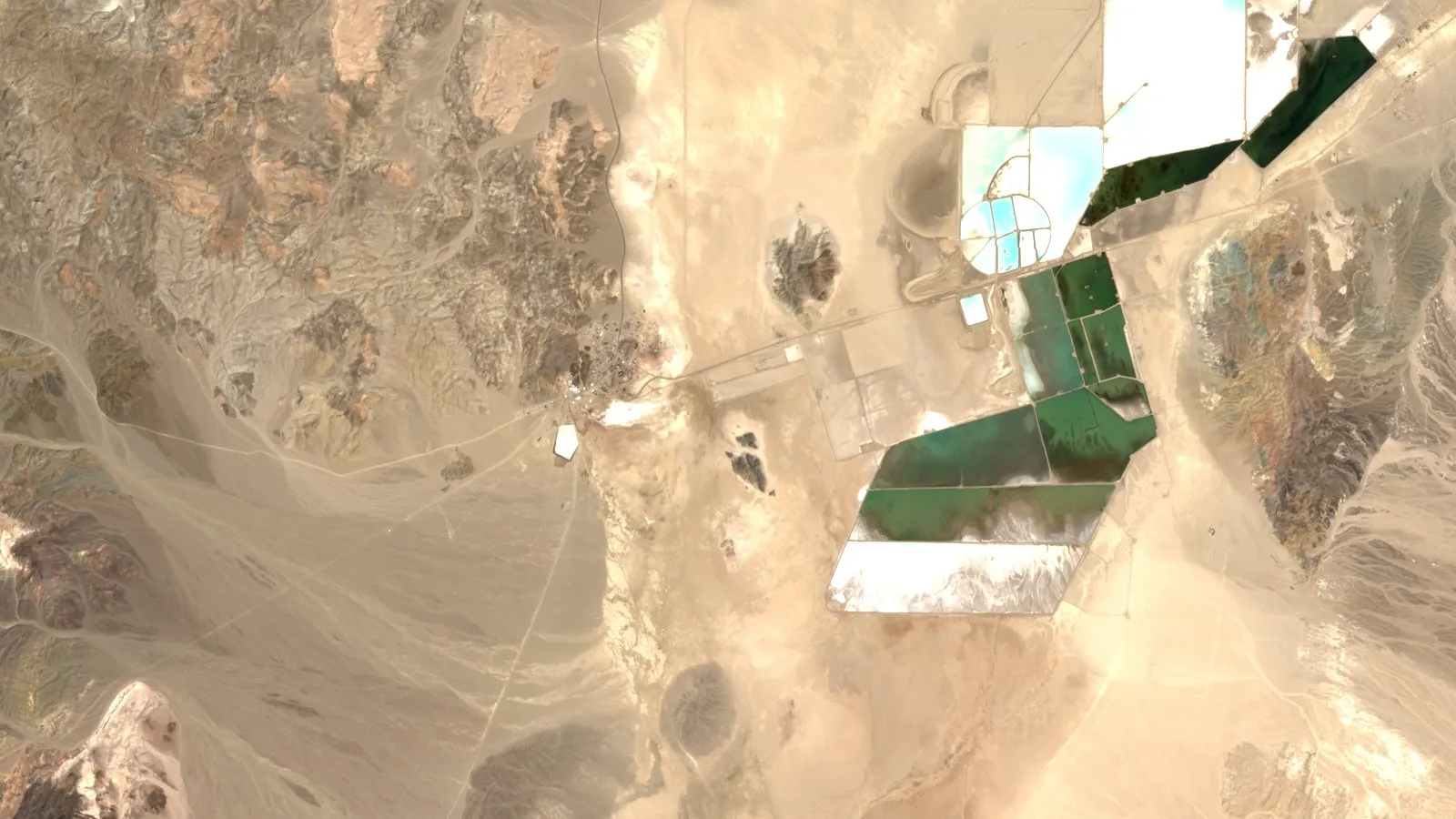
- Where lithium comes from: brine, hard rock and clay
- Lithium prices and what they do to these companies
- What to check in a lithium company's quarterly report
- Delisted, merged and renamed lithium stocks
- Land, permits and satellite checks before you rely on a project
- Frequently asked questions
The biggest lithium companies listed in the United States and Australia are producers that sell tens of thousands of tonnes of lithium a quarter. SQM (NYSE: SQM) sold more than 84,000 tonnes of lithium carbonate equivalent (LCE) in the June 2026 quarter, and Albemarle (NYSE: ALB) sold 65,000 tonnes LCE. On the ASX, PLS (ASX: PLS) produced 879,543 dry tonnes of spodumene concentrate in the year to June 2026. This page compares 16 listed lithium companies on what they mine, how much they sold and how close each project is to production. It covers the US exchanges first, then an ASX lithium stocks list, then the prices, reports and risks behind both.
Terms used below. LCE is the standard unit that converts any lithium product into the lithium carbonate it would make. Spodumene is the main lithium mineral in hard-rock deposits, and spodumene concentrate is the crushed, upgraded ore sold to chemical plants. A dry metric tonne is written dmt. SC6 means concentrate adjusted to a grade of 6% lithium oxide. FID, or final investment decision, is the board vote that commits money to build a project. This page gives facts and dated company figures. It is not investment advice.
How we chose and ordered these lithium stocks
We included companies that make lithium a main business, trade on a US exchange (NYSE, Nasdaq or NYSE American) or on the ASX, and have reported results for the June 2026 quarter or half-year. Companies that no longer trade are in their own section further down. Chinese and Hong Kong listings such as Ganfeng and Tianqi are left out because they are not US or ASX shares, although they are partners in several projects below.
Producers come before developers. Among producers, the order follows the size of the latest reported lithium volume, in the unit each company uses. Units differ (LCE, spodumene concentrate, 100% of a mine or only the company’s share), so the order is a guide and not an exact league table. We do not order by market value or share price, because both change every day. We give no price targets and no buy or sell views. Every figure carries its period and a link to the filing or release where we read it.
Lithium stocks compared at a glance
| Company | Listing | Type | Main lithium asset | Latest reported figure |
|---|---|---|---|---|
| SQM | NYSE: SQM | Brine producer | Salar de Atacama, Chile; Covalent Lithium, Australia | Over 84,000 t LCE sold, Apr-Jun 2026 |
| Albemarle | NYSE: ALB | Brine and hard rock | 49% of Greenbushes; 50% of Wodgina; Silver Peak, Nevada | 65,000 t LCE sold, Apr-Jun 2026 |
| Rio Tinto | NYSE, ASX and LSE: RIO | Diversified miner | Argentine brines; Rincon expansion | 27,300 t LCE produced, Jan-Jun 2026 |
| Lithium Argentina | NYSE and TSX: LAR | Brine | 44.8% of Cauchari-Olaroz, Argentina | 9,280 t lithium carbonate (100% basis), Apr-Jun 2026 |
| Sigma Lithium | Nasdaq and TSXV: SGML; ASX: SAU (from Sep 2026) | Hard rock | Grota do Cirilo, Brazil | 24,400 t concentrate sold, Apr-Jun 2026 |
| Lithium Americas | NYSE and TSX: LAC | Developer | Thacker Pass, Nevada | Mechanical completion targeted for late 2027 |
| Standard Lithium | NYSE American and TSXV: SLI | Developer | South West Arkansas brine project | FID targeted later in 2026 |
| ioneer | ASX: INR; Nasdaq: IONR | Developer | Rhyolite Ridge, Nevada | FID targeted for second half of 2026 |
| PLS | ASX: PLS | Hard rock | Pilgangoora, Western Australia | 879,543 dmt concentrate, year to Jun 2026 |
| Mineral Resources | ASX: MIN | Diversified | Wodgina, Mt Marion, Bald Hill | 559,000 dmt SC6 sold, year to Jun 2026 |
| Liontown | ASX: LTR | Hard rock | Kathleen Valley, Western Australia | 391,992 dmt concentrate, year to Jun 2026 |
| Elevra Lithium | ASX: ELV; Nasdaq: ELVR | Hard rock | North American Lithium, Quebec | 197,967 dmt concentrate, year to Jun 2026 |
| IGO | ASX: IGO | Holding | 49% of the venture that owns 51% of Greenbushes | Greenbushes 1,410 kt (100% basis), year to Jun 2026 |
| Core Lithium | ASX: CXO | Restart | Finniss, Northern Territory | Cash A$181.8M at 30 Jun 2026 |
| Vulcan Energy | ASX: VUL | Developer | Lionheart, Germany | Financing of about EUR 2.2bn closed |
| Atlantic Lithium | ASX: A11 | Developer | Ewoyaa, Ghana | Cash takeover by Huayou agreed in May 2026 |
Sources for each row are linked in the company profiles below. Rows for producers use the unit the company reports, so compare tonnes of LCE with tonnes of LCE and concentrate with concentrate.
Top US-listed lithium stocks
Five of the eight US-listed companies below sell lithium today. The other three are developers that have not yet started commercial production, so their numbers are project milestones rather than sales.
1. SQM (NYSE: SQM)
SQM is the largest of these by reported volume. In the June 2026 quarter it sold more than 84,000 tonnes LCE from Chile, through Nova Andino Litio, and from Australia, through Covalent Lithium. For the six months to 30 June 2026 it reported net income of US$1,024.7 million on revenue of US$4,228.5 million, a total that also includes iodine and plant nutrients. Nova Andino Litio is the Codelco-SQM venture formed on 27 December 2025; it runs the Salar de Atacama lithium business until 2060 with majority state participation.
Best for comparing: exposure to Chilean brine under a state partnership. Watch: the joint-venture terms and the share of earnings that goes to the state partner.
2. Albemarle (NYSE: ALB)
Albemarle is a North Carolina company with lithium extraction in Chile, Australia and the United States. Its Energy Storage unit sold 65,000 tonnes LCE in the June 2026 quarter, up 11% on a year earlier, at an average realised price of US$19.53 per kilogram of LCE against US$12.17. Company net sales were US$1.7 billion. Albemarle holds 49% of Talison Lithium, the operator of the Greenbushes mine. A fire hit the CGP3 processing plant at Greenbushes on 9 June 2026; Albemarle said it expected minimal impact on its 2026 Energy Storage volume. In the United States, commercial-scale lithium production comes from one brine operation in Nevada, Albemarle’s Silver Peak, and the company is seeking permits to resume mining at Kings Mountain in North Carolina.
Best for comparing: a long-established producer with brine, hard-rock and conversion assets. Watch: the group total includes a Specialties unit that is not lithium, so read the Energy Storage lines.
3. Rio Tinto (NYSE, ASX and LSE: RIO)
Rio Tinto is a diversified miner that entered lithium by buying Arcadium Lithium for US$5.85 a share, a deal completed in March 2025. In the first half of 2026 its lithium segment produced 27,300 tonnes LCE (Rio Tinto share), earned revenue of US$568 million at a realised US$18,960 per tonne, and a cash outflow of US$551 million after capital spending, because of growth projects. The company’s 2026 production guidance for lithium is 61,000 to 64,000 tonnes LCE. The Rincon expansion in Salta, Argentina, approved in December 2024, targets 60,000 tonnes a year of battery-grade carbonate, with first production planned for 2028.
Best for comparing: lithium growth inside a large, diversified company. Watch: lithium is one segment, so iron ore, copper and aluminium results drive most of the group’s figures.
4. Lithium Argentina (NYSE and TSX: LAR)
Lithium Argentina holds a 44.8% interest in the company that operates Cauchari-Olaroz in Jujuy, Argentina, jointly with Ganfeng. At 100% of the project, production was 9,280 tonnes of lithium carbonate in the June 2026 quarter, after a planned maintenance shutdown in May. Cash operating cost was US$5,897 a tonne and the average realised price about US$19,563 a tonne. Guidance for 2026 is 35,000 to 40,000 tonnes, and Argentina approved the 45,000-tonne Stage 2 expansion under its large-investment incentive regime (RIGI) in May 2026. Our guide to lithium in Argentina explains the salars behind these projects.
Best for comparing: a brine producer with one main operation. Watch: the figures are on a 100% basis, while the company owns 44.8%.
5. Sigma Lithium (Nasdaq and TSXV: SGML; ASX: SAU)
Sigma Lithium mines hard rock at Grota do Cirilo in Minas Gerais, Brazil. For the June 2026 quarter it reported revenue of US$55 million from 24,400 tonnes of concentrate, an EBITDA margin of 47% and a plant-gate cost of US$401 a tonne. EBITDA is earnings before interest, tax, depreciation and amortisation. Mining and processing were paused from the week of 17 July 2026 while it negotiated a conduct-adjustment agreement (TAC) with the Minas Gerais state government. On 21 August 2026 the company announced that it had signed the TAC and resumed full operations.
Best for comparing: a single-site hard-rock producer outside Australia. Watch: compliance with the state agreement and quarterly output after the pause.
6. Lithium Americas (NYSE and TSX: LAC)
Lithium Americas is building Thacker Pass in Humboldt County, Nevada. It has no lithium sales yet. At 30 June 2026 it held about US$1.3 billion of cash and restricted cash, including US$530.3 million at the joint-venture level, and had received US$1.209 billion in cumulative advances on its US Department of Energy loan. It targets mechanical completion of Phase 1 in late 2027, with US$1.8 billion of construction and project costs capitalised by the end of June.
Best for comparing: a US-built clay-hosted project with government loan support. Watch: capital cost, schedule and tariff exposure on imported equipment, all discussed in each quarterly release.
7. Standard Lithium (NYSE American and TSXV: SLI)
Standard Lithium is developing direct lithium extraction (DLE) from Smackover brine in south-west Arkansas through its Smackover Lithium partnership. DLE pulls lithium from brine with selective materials instead of long evaporation ponds. At 30 June 2026 it held US$137.3 million in cash. It has signed its two main construction contracts and received a US federal environmental finding of no significant impact. Customer offtake agreements and project financing are still open before an FID, which it targets later in 2026, with first commercial carbonate in 2029.
Best for comparing: a pre-production DLE project in the United States. Watch: whether offtake and financing close, and whether the FID date holds.
8. ioneer (ASX: INR; Nasdaq: IONR)
ioneer owns Rhyolite Ridge in Esmeralda County, Nevada, a lithium-boron deposit. The company says it has spent more than US$220 million since 2016, targets an FID in the second half of 2026 and expects first commercial production in 2029. In June 2026 it signed non-binding letters of intent with Korea’s KIND and Hyundai Engineering. Non-binding means neither side has to proceed.
Best for comparing: a dual-listed developer with a by-product (boron). Watch: a funding partner and a final FID date, neither of which is confirmed.
ASX lithium stocks list
Australia is the largest lithium miner in the world: 92,000 tonnes of lithium content in 2025, out of about 290,000 tonnes worldwide, ahead of China (62,000) and Chile (56,000) (USGS estimates). The profiles below follow the same order rule as above, and the chart shows the five hard-rock operations profiled here, by output in the year to June 2026.
Chart
Spodumene concentrate output, year to June 2026
Thousand dry tonnes as each source reports; bases differ (see labels)
1. PLS (ASX: PLS)
PLS was called Pilbara Minerals until the name change was registered on 27 November 2025 (trading under the new name began on the ASX on 3 December 2025); the ticker stayed PLS. It owns the Pilgangoora mine in the Pilbara region of Western Australia. In the year to June 2026 it produced 879.5 thousand tonnes of concentrate, sold 891.6 thousand tonnes, and ended with cash of A$2,290 million and net cash of A$1,344 million. Its June-quarter realised price was US$2,107 a tonne for concentrate of about 5.2% grade, delivered to China (CIF). Net profit for the year was A$526 million, against a loss of A$196 million a year earlier. The Ngungaju plant restarted on 1 July 2026, and a study into a larger P2000 expansion is due.
Best for comparing: a pure-play hard-rock producer with net cash. Watch: the P2000 study and how fast Ngungaju ramps up.
2. Mineral Resources (ASX: MIN)
Mineral Resources, or MinRes, mines iron ore and lithium and runs a contract mining business. It sold a record 559,000 dmt SC6 of spodumene in the year to June 2026: 317,000 from Wodgina, 242,000 from Mt Marion. June-quarter sales of 158,000 dmt SC6 fetched US$2,425 a tonne (CIF), up 15% on the March quarter. Bald Hill, idle since November 2024, restarted in May 2026 and shipped its first concentrate in July. A deal with POSCO Holdings for 30% of MinRes’s 50% lithium interests is expected to complete in the first half of the 2027 financial year. Net debt was about A$4.3 billion.
Best for comparing: lithium plus iron ore in one company. Watch: net debt, and the iron-ore half of the business, which moves separately from lithium.
3. Liontown Resources (ASX: LTR)
Liontown owns Kathleen Valley in Western Australia. In the year to June 2026 it produced 391,992 dmt of concentrate and sold 381,997 dmt for revenue of A$640 million. Cash reached A$561 million at 30 June 2026, and the company drove a record 3,316 metres of underground development in the June quarter. Its all-in sustaining cost was A$1,314 a tonne sold in that quarter, against a realised price of A$2,182.
Best for comparing: a newer producer moving from open pit to underground. Watch: the production step-up planned from the second quarter of its 2027 financial year.
4. Elevra Lithium (ASX: ELV; Nasdaq: ELVR)
Elevra Lithium was formed when Piedmont Lithium and Sayona Mining completed their merger on 29 August 2025, and the combined company has traded on the ASX as ELV since 26 September 2025. Its operating mine is North American Lithium in Quebec. In the year to June 2026 it produced 197,967 dmt of concentrate, with a monthly record of 22,202 dmt in May. Its June-quarter realised price was only US$921 a tonne, down 37%, because the last tonnes under an older contract used lagged pricing. Cash was US$255 million, and it agreed to sell its Ewoyaa interest in Ghana to Huayou.
Best for comparing: a North American hard-rock producer listed on both exchanges. Watch: realised prices after the old contract ends, and the expansion at North American Lithium.
5. IGO (ASX: IGO)
IGO does not run a lithium mine. It owns 49% of Tianqi Lithium Energy Australia (TLEA), which owns 51% of Greenbushes and all of the Kwinana lithium hydroxide refinery. Tianqi Lithium holds the other 51% of TLEA and Albemarle holds 49% of Talison, the Greenbushes operator. Greenbushes produced 1,410 thousand tonnes of concentrate in the year to June 2026 (100% basis), within the 1,375 to 1,425 guidance range. Guidance for the next year is 1,550 to 1,750 thousand tonnes. IGO also has nickel and copper activities.
Best for comparing: an indirect share of the largest hard-rock mine. Watch: IGO’s look-through share of Greenbushes is 49% of 51%, about a quarter.
6. Core Lithium (ASX: CXO)
Core Lithium is restarting the Finniss operation in the Northern Territory. In its June 2026 quarterly report it showed A$181.8 million of cash, open-pit mining under way at Grants, the underground decline started at BP33, and the first shipment of lithium fines from the existing stockpile through Darwin Port. It expects the first shipment of newly produced product in the December quarter and steady-state production in 2028.
Best for comparing: a restart story with stockpile sales. Watch: the December-quarter shipment and cash use.
7. Vulcan Energy Resources (ASX: VUL)
Vulcan is building an integrated lithium and geothermal energy project in Germany. The company reached financial close on about EUR 2.2 billion of equity and debt for Phase One of its Lionheart project, and reported EUR 92.0 million of development spending in the June 2026 quarter. Construction of the geothermal power plant has begun. It has no lithium sales yet.
Best for comparing: a European lithium developer with a closed financing package. Watch: construction progress and the first-production date.
8. Atlantic Lithium (ASX: A11)
Atlantic Lithium holds the Ewoyaa project in Ghana. In May 2026 Zhejiang Huayou Cobalt agreed to acquire the company in an all-cash deal worth about US$210 million. Because the takeover needs approvals and a shareholder vote, check the ASX announcements under A11 for its current status before you rely on this entry.
Best for comparing: an African developer under a takeover agreement. Watch: the scheme timetable and approvals.
Where lithium comes from: brine, hard rock and clay
The three project types behave differently, which is why the companies above report different units. Brine projects pump salty water from under a salt flat, evaporate it or pass it through a DLE plant, and make lithium carbonate. SQM, Lithium Argentina and Rio Tinto’s Argentine assets are brines. Hard-rock projects mine pegmatite, a coarse igneous rock, and sell spodumene concentrate; PLS, Liontown, MinRes and Greenbushes are hard rock. Clay projects such as Thacker Pass leach lithium from sediment. The USGS puts 88% of lithium use in batteries, so battery demand sets the price for all three types.
Finding these deposits starts on maps and satellite images. Satellites can map surface clues such as clay minerals, salt crusts and rock types, but only drilling proves grade. The video below follows a satellite-based lithium exploration study in Nigeria, and our guide to lithium in Nigeria adds the geology.

▶ A satellite-based lithium exploration case study in Nigeria, explained step by step. · 10:49
Lithium prices and what they do to these companies
Trading Economics reported lithium carbonate in China at CNY 104,400 a tonne on 15 October 2026, down 3.56% on the day and 21.03% over the month, but still 43.01% above a year earlier. In July, mining.com reported that the most active Guangzhou contract had fallen about 30% from a two-year high above 200,000 yuan reached in mid-May, as restarted mines raised fears of oversupply in 2027. Prices of this kind swing far more than most metals. The USGS series in the chart shows annual averages for battery-grade lithium carbonate falling from US$63,700 a tonne in 2022 to US$9,000 in 2025.
Chart
Average battery-grade lithium carbonate price
US dollars per tonne, annual average (USGS)
Company results follow the price with a delay. In the June 2026 quarter PLS realised US$2,107 a tonne of concentrate and MinRes US$2,425, both higher than in March. Elevra realised US$921 because of its old contract. Over the first half of 2026 Rio Tinto’s realised lithium price was US$18,960 a tonne LCE, against US$15,580 a year earlier. Albemarle’s June-quarter price per kilogram rose 60.5% year on year. Producers with long-term contracts, price floors or index-linked sales will show different results from producers selling at spot.
What to check in a lithium company’s quarterly report
Most listed lithium companies publish a quarterly report on the ASX or a results release in the United States. These steps help you read one without being misled by the units.
Chart
Realised spodumene prices, March vs June quarter
US dollars per tonne of concentrate; grade and delivery basis differ by company
- Match the unit. Tonnes of LCE, of spodumene concentrate and of lithium content are different things. Mixed-grade concentrate and SC6 also differ; MinRes reported 661,000 dmt mixed grade and 544,000 dmt SC6 produced for the same year.
- Check the ownership basis. Greenbushes (1,410 kt) is 100% of the mine. Cauchari-Olaroz figures are 100% of a project in which Lithium Argentina owns 44.8%. Look for the word attributable.
- Compare price and cost on the same terms. A price delivered to China (CIF) includes freight; a cost loaded at the mine (FOB) does not. Liontown, for example, reports both a realised price and a FOB sustaining cost.
- Read cash and debt together. PLS reported net cash of A$1,344 million; MinRes reported net debt of about A$4.3 billion. Neither number says which is better without the rest of the business.
- Treat developer dates as targets. Standard Lithium and ioneer both target an FID in 2026. Later reports will show whether those dates held.
- Look for pauses and permits. Sigma’s pause from mid-July to 21 August 2026 shows how a state agreement can stop output in a quarter.
The calculator below turns three numbers from a quarterly report into a cash margin for a concentrate producer. It uses your inputs only.
Calculator
What cash margin does a concentrate producer earn in a quarter?
Enter the figures from a company’s quarterly report.
- Margin per tonne sold: $800
- Revenue at 100%: $180,000,000
- Margin as share of price: 44.4%
Example values only, not a benchmark or a forecast. Use the tonnes sold, the realised price and the unit cost from the report, on the same basis (for example both per dry tonne, and note that a CIF price includes freight that a FOB cost leaves out). Prices are inputs: example, use today’s price. The result is a simple cash margin before tax, debt service, capital spending and royalties. Amounts are in US dollars.
Delisted, merged and renamed lithium stocks
Several names that older articles still list no longer trade under the same ticker.
- Arcadium Lithium (NYSE: ALTM; ASX: LTM) was bought by Rio Tinto and delisted in March 2025. Its assets now sit inside Rio Tinto Lithium.
- Piedmont Lithium (Nasdaq: PLL) and Sayona Mining merged into Elevra Lithium, as described above.
- Pilbara Minerals is now PLS Group, still trading as PLS.
- European Lithium (ASX: EUR) has agreed to be bought by Critical Metals (Nasdaq: CRML) through two schemes of arrangement, with shareholder meetings set for 22 October 2026 and a second court hearing still to come, so check the ASX announcements for the result. Atlantic Lithium has a pending takeover by Huayou, according to Investing News Network.
If you prefer funds to single companies, our guide to lithium ETFs and stocks compares funds, and our look at copper stocks covers another battery-metal group.
Land, permits and satellite checks before you rely on a project
A resource on paper still needs land access, water, permits and community agreement. Sigma’s six-week pause and Albemarle’s pending permit at Kings Mountain show how those factors can move a timetable. Satellite images help early in the process, because they show surface rock, vegetation, water and existing disturbance across a licence area before anyone drives there. They cannot confirm lithium grade or tonnes. The video below sets out three limits that matter in due diligence.
Farmonaut offers satellite-based lithium and mineral detection: send a boundary as KML, KMZ or a polygon and receive satellite-derived exploration targets in 5 to 20 business days, ahead of any resource estimate. You can request a quote for your own licence area.
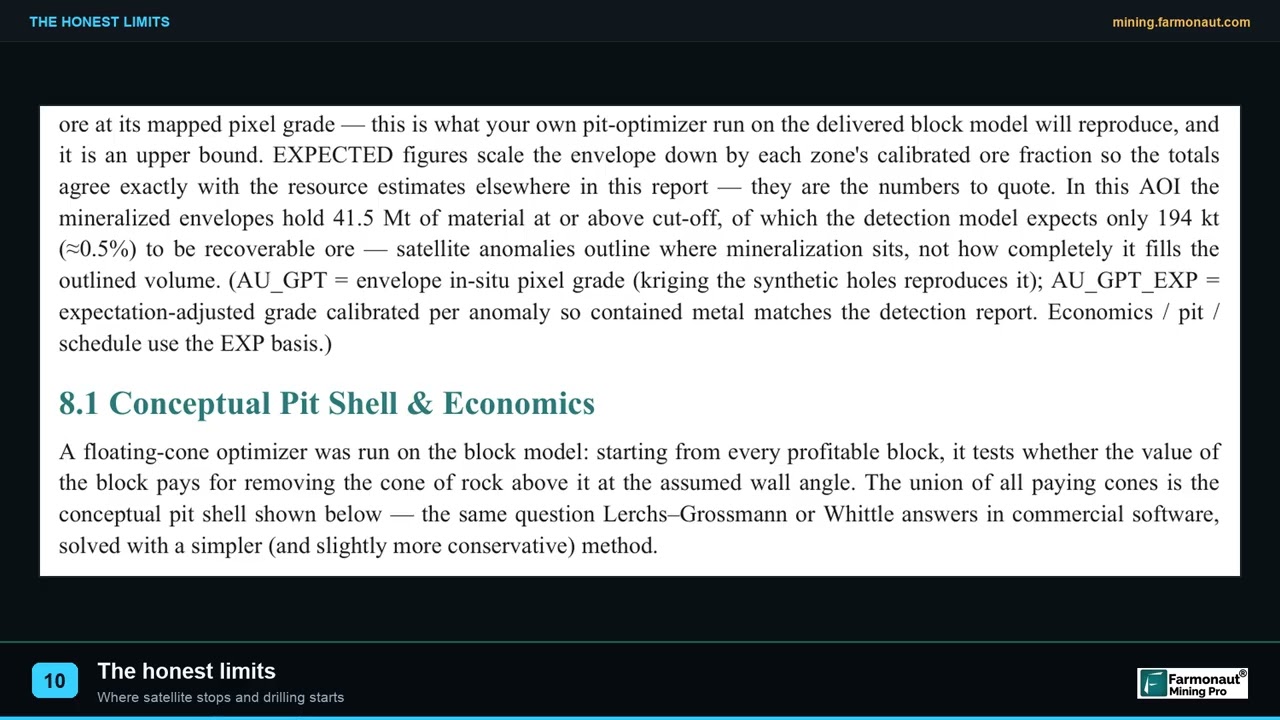
▶ The three limits of satellite mineral exploration that matter in mining due diligence. · 2:08
Related reading on this site: ASX Copper ETFs Compared: Fees, Holdings and Size.
Frequently asked questions
What are the biggest lithium stocks listed in the US?
By reported volume the largest are SQM and Albemarle, which sold over 84,000 and 65,000 tonnes LCE in the June 2026 quarter. Rio Tinto, Lithium Argentina and Sigma Lithium follow on the figures above. Lithium Americas, Standard Lithium and ioneer are developers with no lithium sales yet.
Which ASX lithium companies produce the most?
Of the ASX companies that run their own mines, PLS reported 879,543 dmt of concentrate in the year to June 2026, MinRes 661,000 dmt mixed grade attributable, Liontown 391,992 dmt and Elevra 197,967 dmt. IGO owns an interest in the 1,410 kt Greenbushes mine through a joint venture.
Is Pilbara Minerals the same company as PLS?
Yes. Pilbara Minerals changed its name to PLS Group Limited on 27 November 2025, and the ASX ticker remained PLS.
Does Arcadium Lithium still trade?
No. Rio Tinto completed its purchase of Arcadium in March 2025, and the shares and CDIs were delisted from the NYSE and ASX.
Which US lithium company produces lithium inside the United States?
The USGS says US commercial-scale production comes from a continental brine operation in Nevada, which is Albemarle’s Silver Peak. Lithium Americas, Standard Lithium and ioneer are building projects, but none had started commercial production in the reports above.
What is the difference between LCE and spodumene concentrate?
LCE is a finished-product unit equal to the lithium carbonate a given amount of lithium would make. Spodumene concentrate is a mined and crushed raw product at about 5% to 6% lithium oxide that a chemical plant still has to process, so tonnes of one cannot be compared directly with tonnes of the other.
What is a good price for lithium carbonate?
There is no single figure. The USGS annual average was US$9,000 a tonne in 2025, and Trading Economics showed CNY 104,400 a tonne in China on 15 October 2026. Producer costs differ too: Lithium Argentina reported a cash operating cost of US$5,897 a tonne in the June 2026 quarter.
Why do lithium company results lag the price?
Many sales contracts price with a delay or use formulas, so a quarter’s realised price reflects earlier months. Elevra’s June-quarter result shows this: it sold the last tonnes under an older contract with lagged pricing.
Are ETFs a different way to hold lithium companies?
Yes. A fund holds many companies in one product and charges yearly fees and expenses, which the US Securities and Exchange Commission’s investor bulletin on ETFs tells readers to compare. Our lithium ETF guide covers the main funds. Check each fund’s holdings, because many hold battery makers as well as miners.
What does a developer’s FID mean for investors?
FID is the point at which the company commits to build. Before it, a developer has no revenue and relies on cash raised from shareholders or lenders. After it, the risks shift to cost overruns and schedule. Standard Lithium and ioneer both target an FID in 2026, which is a target and not a commitment.
Can satellite images tell me whether a lithium project is worth backing?
Not on their own. Satellites map surface minerals, rock and land use, which helps pick where to sample. Only drilling and a resource estimate show grade and tonnage. Treat any satellite result as an exploration target.
This page is for information only. It is not investment advice, and it names no stock to buy or sell. Company figures are dated and may change; check each company’s latest filing.
Farmonaut mining
Screen a lithium project area from space
Send a licence boundary as KML, KMZ or a polygon and receive satellite-derived exploration targets, ahead of any resource estimate.

Mining Pro sample view, synthetic data
Keep reading
Sources
- USGS, Mineral Commodity Summaries 2026: Lithium (February 2026): pubs.usgs.gov
- SQM, earnings for the six months ended 30 June 2026 (19 Aug 2026): nasdaq.com
- Nova Andino Litio, Codelco and SQM form Nova Andino Litio (Dec 2025): novandino.com
- Albemarle, second quarter 2026 results (5 Aug 2026): albemarle.com
- Albemarle, Kings Mountain proposed mine page: albemarle.com
- Rio Tinto, 2026 half year results (29 Jul 2026): riotinto.com
- Global Mining Review, Rio Tinto completes acquisition of Arcadium Lithium (Mar 2025): globalminingreview.com
- Lithium Argentina, second quarter 2026 results (11 Aug 2026): nasdaq.com
- Sigma Lithium, 2Q 26 results (14 Aug 2026): nasdaq.com
- Lithium Americas, second quarter 2026 results (13 Aug 2026): nasdaq.com
- Standard Lithium, second quarter 2026 results (10 Aug 2026): nasdaq.com
- International Mining, ioneer letters of intent with KIND and Hyundai Engineering (23 Jun 2026): im-mining.com
- PLS Group, Annual Report 2026: pls.com
- PLS, June 2026 Quarterly Activities Report (ASX, 30 Jul 2026): announcements.asx.com.au
- FilingReader, Pilbara Minerals rebrands as PLS Group (28 Nov 2025): filingreader.com
- Mineral Resources, Q4 FY26 Quarterly Activity Report (ASX, 29 Jul 2026): announcements.asx.com.au
- Liontown Resources, Quarterly Activities Report to 30 June 2026 (29 Jul 2026): investorpa.com
- Elevra Lithium, Quarterly Activities Report (28 Jul 2026): nasdaq.com
- The Globe and Mail, Piedmont Lithium completes merger with Sayona Mining: theglobeandmail.com
- IGO, Annual Report 2026: igo.com.au
- Core Lithium, June 2026 Quarterly Activities Report (ASX, 15 Jul 2026): bulletin.webull.com
- Motley Fool Australia, Vulcan Energy Resources quarterly update (29 Jul 2026): fool.com.au
- Investing News Network, 7 Biggest Lithium-mining Companies (21 May 2026): investingnews.com
- Trading Economics, Lithium carbonate price (15 Oct 2026): tradingeconomics.com
- MINING.COM, Lithium price sinks to five-month low (22 Jul 2026): mining.com
- Mining Technology, Thacker Pass lithium project, Nevada: mining-technology.com
- Investor.gov, Updated Investor Bulletin: Exchange-Traded Funds (ETFs): investor.gov
- Sigma Lithium, full resumption of operations and TAC agreement (21 Aug 2026): newsfilecorp.com
Discussion
Questions, corrections or field experience? Share them below. First-time comments are reviewed before they appear, and your email is never published.
No comments yet. Be the first to add a question or your experience.

 Berks Gold Limited
 Mwerezi Minerals Company Limited
 Congo Mining Solutions
 Mining SARL
 SenGold Invest SAS
 Sania Corporation
 Sean Mining Limited
 NTS Group (Pty) Ltd
 Mine4Africa
 Lithspo Minerals Limited
 Tintina Mining Group
 Dalgety Minerals Pty Ltd
 Vortex Minerals Pty Ltd
 Faith At Work (Pty) Ltd
 Geotech Mining Solutions plc
 Vulcan International Limited
 Kidepo Associates

 Licence holder · Nigeria · Gold + lithium










