

7 Soil Health Strategies for Resilient Farming
“Healthy soils can increase crop yields by up to 58% through improved nutrient management and organic matter retention.”
- Introduction
- The Foundation of Soil Health: Why It Matters
- 7 Proven Soil Health Strategies for Resilient Farming
- Comparative Strategies and Outcomes Table
- Key Insights & Pro Tips
- How Farmonaut Technology Empowers Resilient Soil Management
- Frequently Asked Questions (FAQ)
- Conclusion
Introduction
Soil health stands as the foundation of productive farming, resilient landscape management, and sustainable ecosystems. By understanding and improving the interrelated biological, chemical, and physical properties that determine how soils support crops, trees, and wildlife, we can unlock unprecedented agricultural yields, restore degraded land, and buffer our ecosystems against increasing climate stress and nutrient depletion.
This comprehensive guide explores seven evidence-based soil health strategies for resilient farming, providing actionable insights on organic matter enhancement, nutrient management, pH optimization, water conservation, erosion control, adaptive monitoring, and more. Each strategy draws from both traditional stewardship and breakthrough innovations, such as satellite-powered monitoring solutions.
“Maintaining optimal soil pH can boost nutrient availability by 30%, supporting sustainable agriculture and resilient ecosystems.”
The Foundation of Soil Health: Why It Matters
Healthy soils are living, dynamic, and highly complex ecosystems. They perform essential functions such as:
- ✔ Nutrient cycling for sustainable plant growth and food security.
- ✔ Water infiltration, retention, and drainage—reducing runoff and erosion risks.
- ✔ Carbon sequestration—supporting climate-smart farming and mining.
- ✔ Disease and pest suppression through a diverse and resilient soil food web.
- ✔ Structural support for trees, crops, and infrastructure across forestry, agriculture, and mining landscapes.
When soil health is strong: Crop yields rise, timber growth accelerates, nutrient retention deepens, and land is more resistant to stresses such as drought, heavy rainfall, and pest pressure. In contrast,degraded soils suffer from compaction, organic matter loss, disrupted pH, poor structure, and reduced nutrient availability.

7 Proven Soil Health Strategies for Resilient Farming
Let’s examine step-by-step how to build resilient soil systems that drive sustainable agriculture, forestry, and land regeneration.
1. Enhance Soil Organic Matter & Biology
Organic matter—the decomposed remains of plants, animals, and microbes—forms the lifeblood of healthy soils. It acts as both a sponge for water retention and a fuel source for a vast microbial community, including bacteria, fungi (like mycorrhizae), protozoa, and earthworms.
- ✔ Build soil structure and porosity: Enhances root penetration and prevents compaction or waterlogging.
- ✔ Drives nutrient cycling: Feeds microbes that mineralize key nutrients (nitrogen, phosphorus, sulfur) and deliver them to plants.
- ✔ Promotes disease suppression: Diverse microbial populations outcompete soil-borne pathogens and support plant resistance to disease and pest pressure.
- ✔ Boosts carbon storage: Increases soil’s role as a carbon sink, fighting climate change.

Key Practices to Build Organic Matter:
- ✔ Cover cropping and permanent soil cover: Prevents erosion, supports continuous root and microbial activity.
- ✔ Crop rotations and diversified plantings: Introduces multiple root types and organic inputs.
- ✔ Compost application and organic amendments: Directly adds nutrients and carbon.
- ✔ Reduced tillage or no-till practices: Maintains soil structure and limits organic matter loss.
- 📊 Data Insight: Fields managed for high organic matter can show soil health improvements of 25-33% within a decade!

- 📱 Want to track organic carbon and field health remotely? Explore Farmonaut’s carbon footprinting tools for sustainability compliance and reporting.
🌱 Visual List: Organic Matter Boosts
- 🌾 Better Water Retention – Soils store water for longer dry periods.
- 🌿 Improved Yield – Rich soil supports robust crop and tree growth.
- 🦠 Stronger Soil Life – Microbially active soils recover from stress faster.
- 🔒 Carbon Lock-Up – Organic matter acts as a long-term carbon reservoir.
2. Strengthen Soil Structure and Texture
Soil structure is how particles (sand, silt, clay) form “aggregates,” and texture describes the proportions of these particles. This combination affects infiltration, drainage, compaction risk, aeration, and root growth.
- ✔ Avoiding tillage: Preserves natural soil aggregates and encourages microbial activity.
- ✔ Frequent surface cover: Prevents crusting, maintains infiltration pathways even during heavy rainfall.
- ✔ Contour farming & terracing: Especially on slopes, these practices slow surface runoff, improving water absorption and minimizing erosion and soil loss.
- ✔ Organic and gypsum amendments: In sodic or highly compacted soils, gypsum can improve soil structure by promoting aggregation and increasing porosity.
- ⚠ Risk: Overworking soils when wet leads to compaction—always monitor moisture before entering.

- 📊 Data Insight: Healthy soil structure improvements can boost water infiltration rates by 40% and reduce runoff-related erosion events by up to 60%!
Common Mistake
Ignoring compaction layers! Always diagnose compacted spots with a simple soil penetrometer or spade—correct with strategic organic matter inputs and reduced disturbance, not aggressive tillage.
3. Precision Nutrient Management
Achieving the right balance between essential nutrients—including nitrogen, phosphorus, potassium, calcium, magnesium, sulfur, and micronutrients—is central to maximizing yields and environmental safety.
- ✔ Soil testing and plant tissue analysis: Determines which nutrients are lacking or in excess.
- ✔ Site-specific application: Matching crop needs to nutrient supply prevents waste, runoff, and leaching into water bodies.
- ✔ Split-feeding and timing: Applying nutrients at key crop growth stages enhances uptake and minimizes losses.
- ✔ Slow-release and organic sources: Reduces nutrient “spikes” and supports steady plant growth.
- 💡 Pro Tip: Digital tools like Farmonaut’s agro-admin manager improve nutrient scheduling and recordkeeping for diversified fields and forestry areas.
Visual List: Key Nutrients and their Roles 📋
- 💧 Nitrogen (N): Drives lush leaf and stem growth. Deficiencies = yellowing, stunted plants.
- 🟣 Phosphorus (P): Powers root, seed, flower, and fruit development.
- 🟡 Potassium (K): Increases disease and drought resistance, enhances yield quality.
- 🧂 Sulfur, calcium, magnesium, micronutrients: Each supports specific plant functions and system resilience.

- 📊 Data Insight: Precision nutrient management frequently delivers soil health gains of 15-25% and boosts yields by 8-16% versus blanket fertilization approaches.
4. pH Optimization and Buffering Capacity
Soil pH profoundly influences what nutrients become available to roots. Most crops and trees thrive within a pH of 5.5 to 7.5. Outside this range, some micronutrients “lock up” in the soil, while others become toxic.
- ✔ Soil testing: Determines pH and buffering capacity across the farm, plantation, or forestry site.
- ✔ Liming acidic soils: Raises pH, promoting nutrient availability and microbe activity.
- ✔ Amendments for alkaline soils: Sulfur, gypsum, and organic matter additions can nudge high-pH soils toward optimal ranges.
- ✔ Monitor and re-test: Over time, heavy rainfall, fertilizer choices, and root activity change field pH—adjust as needed.
- ⚠ Risk: Over-liming can create micronutrient deficiencies even as it corrects acidity—always use test data!

Key Insight
A field’s buffering capacity—its ability to resist rapid pH change—is shaped by its organic matter and clay content. Well-buffered soils need fewer amendment inputs to maintain optimal orchard or crop performance through seasonal fluctuation.
5. Water Quality, Erosion Control, and Conservation
Water quality and conservation are tightly linked to soil health:
- ✔ Maintaining cover crops, residues, or perennial vegetation: Prevent surface runoff, reduce sediment loss, and steadily recharge soil moisture.
- ✔ Contour planting, strip cropping, terracing: Break the momentum of water downslope, safeguarding both upland and riparian habitats.
- ✔ Organic matter: Acts like a sponge, storing water for extended dry periods and supporting crop and tree drought resistance.
- ✔ Buffer strips and filter zones: Trap eroded soil and nutrients before they enter waterways—vital for sustainable forestry or mining land reclamation.
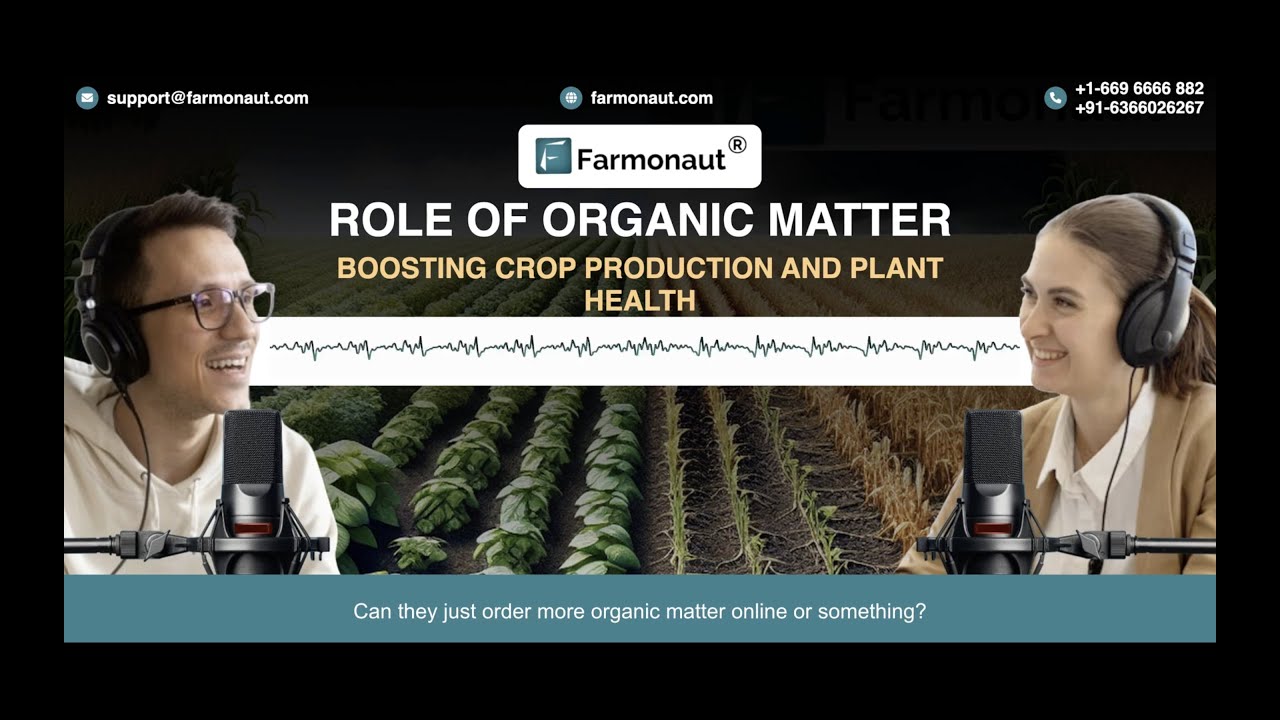
- 🌧️ Visual Benefit: Well-managed soil absorbs rainfall, minimizing damaging floods and soil crusting even during extreme events.
- 🔗 Smart Monitoring: Track field-level water cycles and soil carbon online with Farmonaut’s sustainability dashboards.
Pro Tip
In mining or heavily degraded lands, addressing compaction, planting fast-rooting pioneer species, and ongoing organic amendment applications can halve the time to reach stable, productive conditions versus relying on “natural recovery” alone.
6. Monitoring and Adaptive Management
Continuous improvement is the backbone of long-term soil health. Static prescriptions no longer suffice; with modern digital tools—including real-time satellite imagery and remote sensing platforms from Farmonaut—we can measure, interpret, and adjust faster than ever.
- ✔ Regular soil testing: Tracks organic matter, nutrient tiers, pH drift, and compaction trends.
- ✔ Plant diagnostics: Data from tissue samples, pest/disease scouting, and drone imagery highlight in-field variation.
- ✔ Field observations: Validate digital signals—look for water pooling, residue breakdown, plant vigor, or erosion marks.
- ✔ Rotate and reassess: Use outcome metrics to plan next year’s cropping, cover, and amendment programs.
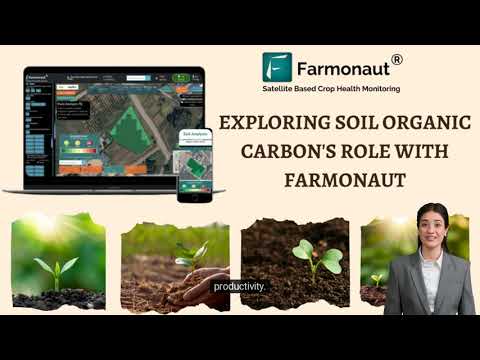
- 📲 Digital Innovation: Our AI-powered remote sensing solutions connect farmers, forestry professionals, and land managers with decision-grade data for truly adaptive, resilient systems: available on mobile and web platforms.
- 💡 Want to automate monitoring? Integrate pro-level field analytics with Farmonaut’s robust and reliable API or review our developer docs here.
7. Climate Resilience and Systems Diversification
Building resilience in the face of climate extremes is vital for future farming:
- ✔ Diversified crop rotations and intercropping: Reduces pest/disease cycles and improves soil health via varying root structures and residue types.
- ✔ Agroforestry and silvopasture: Integrate trees with crops or livestock to enhance nutrient cycling, conserve water, and soften microclimates.
- ✔ Native ecosystem restoration: Especially on degraded, post-mining, or abandoned land, reintroducing native perennials and cover crops accelerates both carbon buildup and biodiversity recovery.
- ✔ Drought-adaptive varieties: Use crops with lower water demands and deeper rooting habits for robust yields under stress.
- 🌳 Long-term Payoff: Integrated systems can boost carbon sequestration capacity by 20%+, enhance nutrient cycling, and reduce erosion compared to monocropping.
- 🌱 Get expert guidance for forest and plantation optimization.
Comparative Strategies and Outcomes Table
| Soil Health Strategy | Description | Est. Improvement in Soil Quality (%) | Est. Impact on Yield (%) | Sustainability Benefit |
|---|---|---|---|---|
| Organic Matter & Biology Enhancement | Increase organics via cover cropping, compost, reduced tillage, and microbiome support | 25-33 | 20-30 | High |
| Structure & Texture Improvement | Conservation tillage, organic & gypsum amendments, contour farming | 20-28 | 10-18 | High |
| Precision Nutrient Management | Site-specific, data-driven input matching, testing, slow-release sources | 15-25 | 8-16 | Medium |
| pH Optimization | Regular monitoring, liming, sulfur/gypsum amendments as needed | 12-19 | 5-10 | High |
| Water Conservation & Erosion Control | Residue, buffer strips, terracing, perennial and native vegetation use | 18-30 | 10-23 | High |
| Monitoring & Adaptive Management | Continuous, field-level testing & technology-driven adjustment | 8-15 | 7-14 | Medium |
| Climate Resilience & Diversification | Rotations, agroforestry, native restoration, resilient varieties | 16-27 | 11-20 | High |
Key Insights & Pro Tips
Investor Note
Long-term soil health investments (cover cropping, carbon monitoring, digital farm management) offer steady ROI. Research indicates a 2-4% productivity gain annually, paired with reduced input costs and improved compliance in mining/forestry rehabilitation projects.
Pro Tip
Maintain digital records of all soil testing, nutrient applications, and adaptive management outcomes. Analyze year-wise for performance leaps.
Key Insight
Every 1% increase in soil organic matter improves soil water-holding capacity by ~25,000 gallons per acre—critical for drought resilience.
Common Mistake
Relying only on chemical fertilizer without regular organic inputs or buffer strips often results in declining soil health and increased erosion risk.
Pro Tip
Use multispectral satellite imagery to spot early signs of soil degradation, compaction zones, and water stress. Proactive management prevents costly losses!
5 Key Bullet Points for Immediate Implementation
- ✔ Prioritize organic matter—schedule cover crops annually.
- 📊 Soil test twice per year—pre-season and post-harvest—for maximum accuracy.
- ⚠ Never over-fertilize—precision saves money and the environment.
- 🌱 Limit tillage to protect structure and root systems.
- 🌳 Integrate trees or native strips wherever practical for carbon and resilience benefits.



How Farmonaut Technology Empowers Resilient Soil Management
At Farmonaut, we believe that true soil health management is driven by accessible technology and data. Our platform leverages state-of-the-art satellite imagery, AI, and blockchain to help you measure, monitor, and optimize field and soil health at scale.
- 🛰️ Real-Time Monitoring: Detect vegetation health, water stress, erosion risks, and changes in organic matter from your dashboard or device.
- 💡 AI Advisory: Custom farming, forestry, and land restoration recommendations based on live satellite data—improving decision speed and confidence.
- 🔗 Traceability Solutions: Use blockchain to document soil improvement efforts and guarantee sustainability for buyers or regulatory compliance.
- 🌍 Environmental Impact Tracking: Quantify carbon footprinting (details here), monitor erosion, and benchmark recovery on degraded lands.
- 🌱 Crop Loan & Insurance Verification: Access satellite-driven verification for improved soil health and land management lending decisions.
- 🌳 Forest & Plantation Advisory: Digitize tree rotations, soil analysis, and restoration for forestry professionals and environmental managers.
- 🚜 Fleet Management: Optimize resource deployment and reduce unnecessary soil disturbance for large-scale operations.
These digital tools propel soil health strategies beyond guesswork, ensuring every field, forest, and mining site can become more resilient, sustainable, and productive—no matter the scale.
Frequently Asked Questions (FAQ)
What is soil health, and why is it important for resilient farming?
Soil health encompasses the biological, chemical, and physical properties that determine how well soil supports crops, trees, and habitat. Healthy soils promote higher yields, disease resistance, water conservation, and sustainable environmental outcomes.
How often should I test my soil?
For most farms and managed lands, testing at least twice annually—before planting and after harvest—provides the best basis for precision nutrient management and pH control.
Which strategy delivers the fastest soil health improvement?
Organic matter enhancement (cover cropping, compost, reduced tillage) is one of the most impactful approaches, rapidly improving structure, water retention, and microbe activity.
Can digital monitoring replace field scouting?
Remote sensing with platforms like Farmonaut can identify problem zones, track trends, and direct in-field sampling—offering a highly effective, scalable first line of defense.
How does pH impact nutrient availability?
If pH falls outside optimal ranges, certain nutrients (like phosphorus or trace metals) become less available, even if they’re present in the soil. Maintaining proper pH ensures full access to nutrients, maximizing crop and forest productivity.
Are these soil health strategies applicable to forestry or post-mining lands?
Absolutely. All seven strategies—especially restoring organic matter and native cover—apply to forestry, mining rehabilitation, and ecosystem restoration, not just arable farmland.
Conclusion: Building the Future of Resilient Agriculture & Forestry
Resilient farming starts—and succeeds—on the foundation of soil health. By focusing on organic matter enhancement, improving structure, managing nutrients, optimizing pH, conserving water, monitoring adaptively, and diversifying systems, every grower, forester, and environmental professional can secure greater productivity and sustainability.
As satellite, AI, and blockchain tools make advanced monitoring accessible and affordable worldwide, strategies that once took decades to perfect can now be deployed and measured in real time.
Let’s invest in the ground beneath our feet—by integrating traditional wisdom and modern data—so that our communities, enterprises, and ecosystems can thrive for generations.
Your soil’s resilience is your legacy!


