

7 Proven Ways Soil Health Boosts Farm Productivity
Soil health is no longer a hidden factor—it’s the central pillar determining the long-term productivity, resilience, and sustainability of agriculture, forestry, mining support, and infrastructure development. As our world faces increasing pressures from climate change, resource scarcity, and environmental degradation, investing in healthy soils is the key to unlocking robust yields, efficient resource use, and ecological restoration across sectors.
This focused article explores the vitality of soil by revealing seven proven ways that soil health boosts farm productivity. By enhancing soil organic matter, maintaining optimal structure, reducing compaction and erosion, supporting microbial life, and employing data-driven management, productive systems emerge that benefit not just farms, but also forests, mining reclamation lands, and adjacent landscapes.
Soil Trivia: Surprising Benefits
“Healthy soils can increase crop yields by up to 58% compared to degraded soils, according to global studies.”
“A 1% increase in soil organic matter boosts water retention by 20,000 gallons per acre, enhancing farm resilience.”
Why Soil Health Matters Across Resource Sectors
Soil is more than just the earth beneath our feet—it’s a living, dynamic ecosystem that enables systems to function efficiently, conserves resources, and helps sectors recover quickly from disturbances. In agriculture, healthy soils translate directly into increased crop yield, better nutrient use efficiency, and enhanced drought resilience. In forestry, soil health underpins forest productivity and tree vitality. For mining and extraction, soil quality determines the success of reclamation and ecological restoration. Within infrastructure development, soil stability and structure are essential to reduce erosion, control sediment, and protect water quality.
Ensuring healthy soils across these sectors is foundational for sustainability, profitability, and ecosystem function.
7 Proven Ways Soil Health Boosts Farm Productivity
- Increasing Soil Organic Matter for Improved Fertility
- Enhancing Soil Structure and Aggregation
- Supporting Biological Diversity and Microbial Activity
- Strengthening Water Retention and Infiltration
- Reducing Soil Erosion and Compaction
- Optimizing Nutrient Availability and Cycling
- Enabling Precision Resource Management with Digital Tools
Comparison Table: 7 Proven Ways – Productivity & Sustainability Impact
| Way / Technique | Description | Estimated Productivity Boost (%) | Sustainability Impact |
|---|---|---|---|
| Increasing Soil Organic Matter | Builds fertility, supports microbial life, and boosts water retention | 18–45% | ⭐⭐⭐ High |
| Enhancing Soil Structure & Aggregation | Improves aeration & root growth, prevents compaction | 10–25% | ⭐⭐ Medium-High |
| Supporting Biodiversity & Microbial Activity | Enhances nutrient cycling, disease suppression, & resilience | 12–22% | ⭐⭐⭐ High |
| Strengthening Water Retention & Infiltration | Buffers drought, supports yield stability, prevents runoff | 7–19% | ⭐⭐ Medium-High |
| Reducing Erosion & Compaction | Prevents soil loss, increases farm longevity, improves seedbed | 15–30% | ⭐⭐⭐ High |
| Optimizing Nutrient Cycling | Reduces input waste, maximizes crop uptake, boosts quality | 10–19% | ⭐⭐ Medium-High |
| Digital Resource Management Tools | Precision mapping, monitoring, & AI-driven decisions | 5–50%* | ⭐⭐⭐ High |
*Depending on baseline variability, crop type, and resource sector.
Callout & Highlight Boxes
⚡ Key Insight
Soil organic matter is the single most powerful lever for boosting agricultural profitability, resilience, and ecosystem services.
💡 Pro Tip
Monitor soil health regularly and tailor management practices—not all soils, crops, or ecosystems respond identically to the same interventions.
⛔ Common Mistake
Ignoring soil compaction can reduce crop yields and lower resilience! Compacted soils restrict root growth and water infiltration.
💰 Investor Note
Sectors investing in soil restoration see higher returns, increased asset longevity, and meet rising sustainability standards—especially in mining and infrastructure.
🌱 Regulatory Alert
Many regions now require soil quality assessments and monitoring for development, forestry, crop loan approval, and reclamation permits.
Key Points & Visual Lists
- ✔ Mitigating Erosion: Healthy soils with strong aggregation resist water and wind erosion, safeguarding valuable topsoil.
- 🌱 Enhancing Organic Matter: Crop rotation, compost application, and carbon management improve soil’s physical and chemical properties.
- 💻 Optimized Resource Management: Satellite technology and digital platforms, like large-scale farm management tools, deliver precise, field-specific recommendations.
- 🚩 Protecting Water Quality: Vegetation cover and buffer zones prevent sediment runoff and nutrient leaching into water bodies.
- ⚙️ Improving Ecosystem Services: Healthy soils underpin biodiversity, carbon sequestration, and sustainable crop yield cycles.
How Organic Matter Transforms Soil Function 📈
- Improves water retention – essential during drought or irregular rainfall
- Buffers against pH fluctuations and environmental shocks
- Feeds soil microbes, enhancing nutrient availability via natural cycling
- Promotes soil aggregation – increasing aeration, reducing compaction
- Slows nutrient leaching and supports continuous nutrient supply
⚠ Risks of Neglecting Soil Health
- Yield decline from reduced nutrient and water uptake
- Increased susceptibility to drought, disease, and extreme weather
- Runoff and sediment loss causing waterway pollution
- Higher input costs due to fertilizer waste and poor retention
- Regulatory failure – non-compliance with land use or reclamation standards

1. Increasing Soil Organic Matter for Improved Fertility
Soil organic matter (OM) is the cornerstone of healthy soil. Composed of decomposed plant, animal, and microbial residues, organic matter acts like a sponge—improving water retention, boosting nutrient availability, buffering pH, and fueling microbial life. Each 1% increase in OM can boost water holding capacity by up to 20,000 gallons per acre, directly supporting crop resilience and yield.
How do we enhance soil OM? Adopt practices like:
- Cover cropping: Protects and feeds soil year-round
- Adding compost: Enriches soil with beneficial microbes and nutrients
- Reduced tillage: Minimizes disturbance, slows OM breakdown
- Diversified crop rotations: Reduces disease risk, builds organic matter
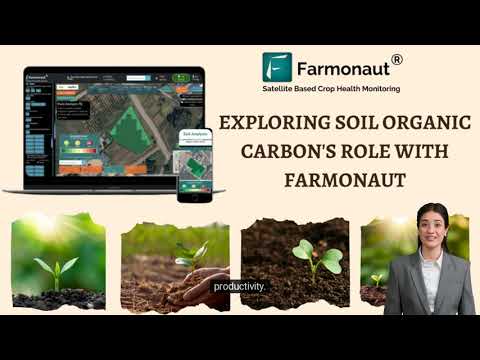
With Farmonaut’s advanced satellite and AI monitoring, users can track changes in soil organic matter remotely over time (see our large-scale farm management platform for more).

2. Enhancing Soil Structure & Aggregation
The structure of soil refers to how particles cluster to form aggregates—stable groupings of sand, silt, clay, and organic matter. Well-aggregated soils allow roots to penetrate easily, improve aeration, and enable faster water infiltration.
Strong soil structure prevents compaction (a leading cause of stunted crop growth and waterlogging) and creates channels for roots and microorganisms. Promote good structure by:
- Maintaining organic matter inputs
- Minimizing heavy machine traffic, especially when moist
- Rotating crops with different root architectures
- Using perennial cover and buffer strips in forestry and infrastructure
Improving soil structure is essential to unlock both productivity and long-term stability across all land uses.

3. Supporting Biological Diversity and Microbial Activity
Diverse, living soils teem with fungi, bacteria, protozoa, earthworms, and insects—working together to drive nutrient cycling, promote root growth, and suppress diseases. This biological activity is the engine of a self-sustaining ecosystem.
Practices that build microbial diversity:
- Frequent organic inputs (manures, compost, mulch)
- Reduced or no-till management
- Diversified cropping and interplanting
- Limited use of harsh chemicals that harm beneficial organisms
A rich soil community improves resilience to drought, pests, and climate extremes—unlocking productivity across agriculture, forests, and reclamation projects.

4. Strengthening Water Retention and Infiltration
Water retention is vital for ensuring crops and vegetation receive adequate moisture—especially during droughts or irregular rainfall patterns. Healthy organic matter acts like a sponge, holding and slowly releasing water as needed.
Practices that build water resilience:
- Building soil organic matter with compost and cover crops
- Maintaining strong soil aggregates for rapid infiltration
- Protective mulch and plant residue to prevent evaporation
Regular monitoring with tools like Farmonaut’s satellite soil moisture monitoring provides precise, timely insights for water management across fields or even larger reclamation/infrastructure landscapes.

5. Reducing Soil Erosion and Compaction Across Sectors
Erosion strips valuable topsoil, reduces fertility, and introduces sediment into waterways—damaging both farms and nearby infrastructure. Compaction—often from heavy equipment or livestock—blocks root growth, limits water movement, and suffocates soil biology.
To prevent erosion & compaction:
- Maintain perennial vegetation, cover crops, and buffer strips
- Avoid working soil when it is wet
- Use controlled traffic patterns for farm machinery
- Employ smart infrastructure planning that preserves soil structure
In mining reclamation and infrastructure, progressive landform shaping and topsoil salvaging are crucial. Products like Farmonaut’s carbon footprinting tool help monitor disturbance and recovery.

6. Optimizing Nutrient Availability and Cycling
Soils are living chemical reactors—where minerals, organic matter, and biology transform to release essential plant nutrients. Poor soils lose nutrients via leaching or tie them up so they’re unavailable, wasting both resources and money.
Healthy soils rich in organic matter and diverse life optimize nutrient cycling:
- Slow-release of nitrogen, phosphorus, and potassium as needed
- Microbial activity enhances availability and reduces fertilizer needs
- Guided soil testing and mapping for targeted, efficient applications
Farmonaut’s satellite-based and AI-driven product traceability services support transparent nutrient management and help avoid over-application—protecting water quality and the environment.
7. Enabling Precision Resource Management with Digital Tools
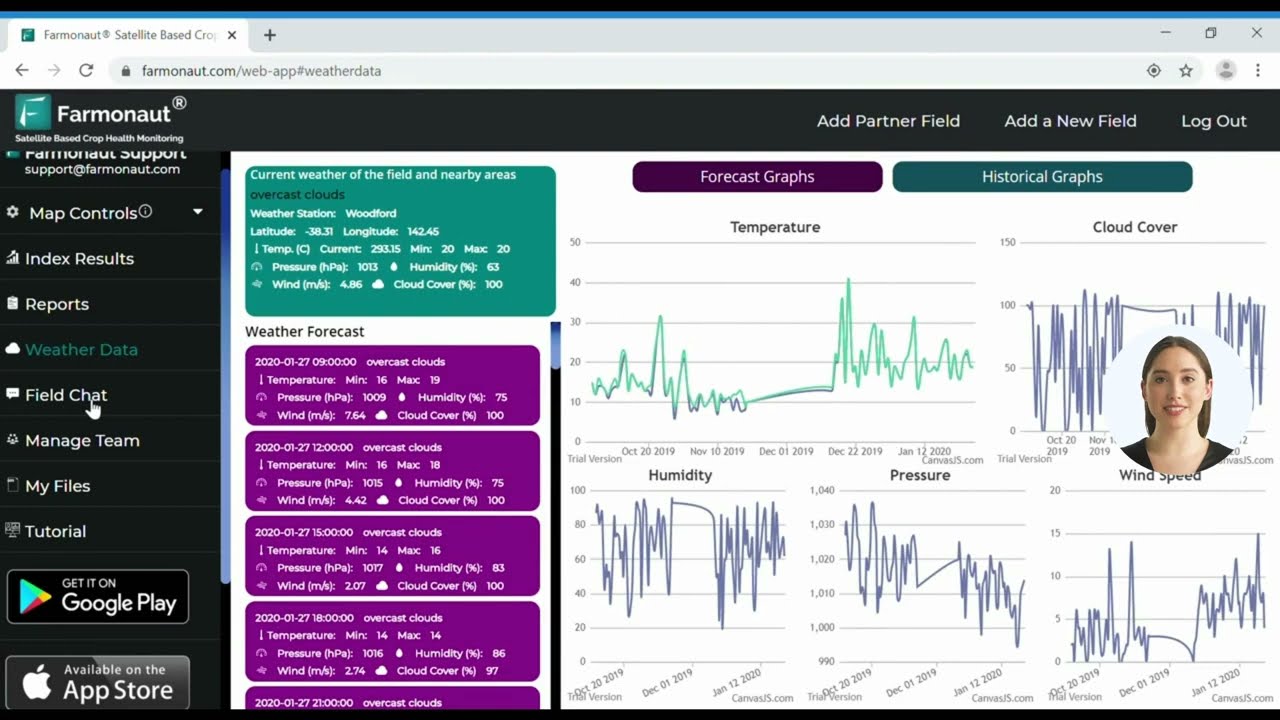
Modern soil stewardship is empowered by precision technology—from remote sensing to field-level analytics. These tools support better decisions on input timing, crop selection, resource conservation, and risk management.
Farmonaut’s digital platform integrates:
- Satellite imagery for real-time soil and vegetation monitoring
- AI-based advisories for precision input management
- Fleet management tools to optimize on-farm logistics and reduce unnecessary compaction
- Blockchain-based traceability systems for input-output transparency
- Comprehensive APIs and developer docs for building custom solutions: Farmonaut API docs
For access on the go, download our Farmonaut apps for web, Android, and iOS to start leveraging the power of satellite-driven precision agriculture.



Optimize large scale farm management with our advanced tools (learn more) and minimize risk in crop loan and insurance approval (see Farmonaut crop insurance).
“A 1% increase in soil organic matter boosts water retention by 20,000 gallons per acre, enhancing farm resilience.”
Soil Health in Forestry, Mining, and Infrastructure
While we often focus on fields and crops, soil health underpins productivity and sustainability in forestry, mining reclamation, and infrastructure too.
- Forestry: Soil structure, organic content, and microbial networks boost tree growth, enable carbon sequestration, and provide resilience to climate extremes. Practices such as agroforestry, riparian buffers, and continuous cover forestry all rely on strong, living soils.
- Mining & Extraction: Responsible management restores soils impacted by compaction, contamination, and loss of organic matter. Reclamation involves replacing topsoil, rebuilding structure and biological activity, and monitoring vegetation recovery over time.
- Infrastructure Development: Soil quality planning reduces erosion, controls sedimentation, and prevents runoff—perfectly aligning with sustainable construction and adjacent land stability (learn about Farmonaut fleet management).
Transparent land-use planning, stakeholder engagement, and continuous monitoring are essential to align short-term development with long-term soil stewardship.
Expert Insights: Watch & Learn
Farmonaut Solutions & Useful Links
- Real-time satellite monitoring & API integrations – API for advanced soil and crop monitoring
- Carbon Footprinting: Assess, monitor, and report your carbon footprint for agricultural or mining reclamation projects.
- AI-driven Advisory Systems: Personalized recommendations available via Jeevn AI-powered platform
- Fleet Management: Optimize logistics and reduce field compaction with advanced planning.
- Product Traceability: Build trust with blockchain-based traceability for inputs and outputs
- Crop Loan & Insurance: Accelerate finance approval with verified satellite data
Farmonaut makes advanced satellite, AI, and digital tools affordable and accessible to all resource sectors. Empower your operations, improve soil health, and build resilience for generations.
Farmonaut Affordable Subscription Plans
Start utilizing smart, data-driven decisions for soil health with a Farmonaut subscription. Choose the plan that suits your business, landholding, or enterprise through the pricing options below.
Frequently Asked Questions (FAQ)
1. What is soil health, and why is it so important for productivity?
Soil health refers to the biological, chemical, and physical state of soil—encompassing organic matter, structure, nutrient cycling, and microbial activity. Healthy soils provide vital ecosystem services, boost yield, and secure long-term sustainability for agriculture, forestry, mining support, and infrastructure development.
2. How can I regularly monitor my soil’s health?
Soil testing, remote sensing, and digital tracking tools (such as those offered by Farmonaut) allow for regular, data-driven assessment of soil organic matter, structure, and biological activity—without invasive field work for every test run.
3. Which sectors besides agriculture benefit most from soil stewardship?
Sectors including forestry, mining, extraction, and infrastructure development all depend on healthy soils, not only for productivity but also for asset value protection, regulatory compliance, and landscape resilience.
4. What are the first steps to improving soil health on degraded land?
Start by reducing compaction and erosion, adding organic matter, establishing vegetative cover, and minimizing chemical disturbance. Use digital monitoring tools to track progress and adjust management practices.
5. How do digital tools like Farmonaut’s platform help in practical soil management?
Farmonaut’s remote sensing, AI advisories, traceability, and fleet optimization features allow for precise interventions at field, regional, or sector level—enhancing input efficiency, compliance, and sustainability.
6. Are Farmonaut’s solutions only for large-scale farms?
No. Farmonaut offers modular, scalable solutions for individual users, enterprises, and governments—enabling transparent, cost-effective soil management for any size operation.
Conclusion: Soil Health – The Foundation of Sustainable Productivity
Soil health sits at the intersection of modern agriculture, forestry, mining support, and infrastructure development. It’s the foundational asset that enables sectors to operate efficiently, conserve resources, and recover quickly from environmental disturbances. Through the 7 proven strategies outlined in this article—from increasing organic matter and enhancing structure to deploying digital management tools—stakeholders across sectors can drive up productivity, resilience, and sustainability, all while reducing environmental impact and operational costs.
By placing soil health at the center of planning and management, we future-proof our food systems, our forests, and our infrastructures—ensuring both immediate profitability and enduring ecological value for generations.
“Ready to transform your land, business, or landscape? Explore the power of soil health with Farmonaut—your partner in data-driven, sustainable resource management.”


