

Palm Tree Farming in India: 2026 Innovations & Tips
Palm Tree Farming in India: A Growing Agricultural Frontier
“By 2025, India’s palm oil yield is projected to increase by 15% due to advanced cultivation technologies.”
Table of Contents
- Introduction: Why Palm Tree Farming in India Matters
- Overview of Palm Tree Farming in India
- Regional Suitability & Agro-Climatic Conditions
- Economic & Environmental Importance
- Challenges & Technological Interventions
- 2026 Technology Innovations in Palm Tree Farming
- How Farmonaut Empowers India’s Palm Farmers (2026 & Beyond)
- Government Support, Policy & Future Outlook
- Actionable Tips for High-Yield & Sustainable Palm Cultivation
- Frequently Asked Questions
- Conclusion
Introduction: Why Palm Tree Farming in India Matters
India is stepping into a transformative era for palm tree agriculture. Rising demand for edible oils, biofuels, and industrial raw materials—coupled with advanced agri-tech and policy boosts—have positioned palm farming as a strategic venture for 2026 and beyond.
- ✔ Palm tree farming in India is gaining momentum across southern and northeastern states, reshaping the nation’s agricultural landscape.
- 📊 India’s edible oil imports constitute nearly two-thirds of the nation’s total consumption. Increasing local production is crucial for both food security and trade balance.
- 🌱 Palm farming in India also brings major environmental benefits—with palm trees naturally helping with carbon sequestration and biodiversity.
Let’s explore the regional developments, technological innovations, and sustainable farming tips that will shape palm oil tree farming in India through 2025, 2026, and beyond.
Overview of Palm Tree Farming in India
What is palm tree farming in India?
Palm tree farming in India primarily involves the cultivation of oil palms (Elaeis guineensis), a crop that stands out for its high yield potential per hectare—particularly when compared to traditional oilseed crops.
Oil palms, cultivated extensively in other tropical regions, have found a stronghold in the Indian context, delivering palm oil used across food products, cosmetics, pharmaceuticals, energy, and industrial sectors.
Key characteristics making palm tree agriculture attractive:
- 🌱 High yield: Palms can yield up to 4–6 tons of crude palm oil per hectare per year—significantly higher than most traditional oilseeds.
- 🌾 Economic stability: Trees bear fruit within 3–4 years of planting and remain productive for 25–30 years, ensuring long-term income and livelihood security.
- 🔥 Diverse industrial use: Palm oil is a vital component in food items, industrial lubricants, pharmaceuticals, cosmetics, and biofuel production.
Choose improved hybrid varieties of Elaeis guineensis for better disease resistance and optimal yield in your region. Regularly consult satellite-based advisory systems for updated planting insights.

India’s Diverse Agro-Climatic Zones: Key to Palm Expansion
- 🌞 Southern India: Andhra Pradesh, Telangana, Tamil Nadu, Kerala, Karnataka have become leaders in palm oil tree farming, due to favorable temperature, humidity and rainfall.
- 🌧️ Northeastern India: Assam, Tripura are also adopting palm tree agriculture, harnessing rich soils and well-distributed rain.
2026 Vision:
By 2026, palm farming in India will expand further into tribal and emerging agricultural zones, driven by precision technology, improved varieties, and a focus on sustainable & profitable land use.
Regional Suitability & Agro-Climatic Conditions for Palm Tree Farming in India
“80% of new palm plantations in India will adopt precision farming tools by 2026 for optimized resource use.”
Successful palm farming in India depends heavily on the right climatic and soil conditions:
- 🌡️ Temperature: Optimal range is 22°C–32°C. Extended exposure below 15°C or above 38°C hinders productivity.
- 💧 Rainfall: Reliable, well-distributed rain is crucial. Annual rainfall exceeding 1500mm is ideal. Drought-prone regions must plan for robust irrigation.
- 🌱 Soil: Palms prefer acidic to neutral (pH 5.0–7.0) soils that are fertile, deep, and poorly drained. Sandy or rocky soils reduce yield and increase replanting risks.
- 🚜 Terrain: Level fields or gentle slopes (less than 8%) are preferred for efficient mechanized operations.
These parameters make states like Andhra Pradesh, Telangana, Tamil Nadu, Kerala, and Karnataka prime for palm oil tree farming in India. Assam and Tripura are notable for their expansion in the northeast.
Planting palms in light sandy soils or where irrigation is unreliable leads to poor yields and high mortality. Always conduct soil and water suitability assessments—now easily accessible via Farmonaut’s crop plantation & forest advisory tools!
Modern Irrigation for Efficient Palm Cultivation
- ➤ Drip irrigation methods are increasingly utilized to enhance water efficiency and ensure high yields.
- ➤ Remote sensing and satellite monitoring (available via Farmonaut) now allow for real-time soil moisture tracking & sustainable irrigation scheduling.
- ➤ Smart scheduling aids in water conservation and addresses India’s growing agricultural water challenge.

Economic & Environmental Importance of Palm Farming in India
Palm oil tree farming in India is not just about crop diversification. It drives
food security, reduces import dependency, and supports sustainable
rural livelihoods.
Why is palm tree agriculture economically strategic?
- ✔ Reducing imports: India currently imports over 70% of its edible oils needs. Local palm oil production is predicted to reduce this dependency by at least 10% by 2026.
- ✔ Job creation: Expansion of palm farming in India generates work across nursery development, maintenance, harvesting, and processing.
- ✔ Income security: Palms begin producing within 3-4 years, with a productive lifespan beyond 25 years.
Environmental Benefits of Growing Palms
- 🌍 Carbon sequestration: Every hectare of oil palm can sequester 60–70 tons of carbon dioxide through its lifetime.
- 🌱 Soil health: Palms and intercrops prevent erosion, boost organic matter, and support beneficial microbial activity.
- 🌳 Biodiversity: Incorporating palm trees within agroforestry systems supports a wider range of plants, insects, and wildlife.
Integrating palms with cocoa, black pepper, or pulses diversifies farmer income and **improves soil health**—a vital practice for sustainable palm farming in India.
Palm Oil in India’s Energy & Industrial Future
- 🔋 Biofuel sector: The government is promoting palm oil as a biofuel feedstock, opening lucrative new markets by 2026.
- 🏭 Industrial raw materials: Palm derivatives are used in lubricants, surfactants, pharmaceuticals, and more.

2026 Challenges & Technological Interventions in Palm Farming
Palm tree farming in India faces several hurdles:
- High Initial Investment: Saplings, land preparation, drip installation, and early-years maintenance are cost-intensive.
- Lack of Quality Planting Material: Shortages of high-yield, disease-resistant hybrids slow expansion.
- Inadequate Mechanization: Harvesting and post-harvest operations are still largely manual.
- Pests & Diseases: Ganoderma wilt, Rhynchophorus (Red Palm Weevil), and rhinoceros beetle cause heavy losses if not managed proactively.
- Knowledge Gap: Many farmers lack awareness of best practices, water management, or disease diagnostics.
Agri-entrepreneurs & investors in India are focusing on tech-backed palm tree cultivation. By 2026, capital is flowing into integrated platforms, remote advisory systems, and on-farm renewable energy to drive the next yield leap.
Technological Interventions Revolutionizing Palm Tree Agriculture
- 🌐 Precision farming with satellite & drone data for optimized irrigation, pest-detection, and input application.
- 📡 IoT soil sensors for real-time monitoring of soil moisture, pH, and nutrient levels.
- 🛰️ Remote advisory apps for disease detection, weather forecasting, and tailored planting advice.
- 🤖 AI-based pest identification for targeted interventions—and less chemical use.
- 🔗 Blockchain-based traceability to meet consumer demand for transparency in palm oil sourcing. Explore Farmonaut’s Traceability Solution.
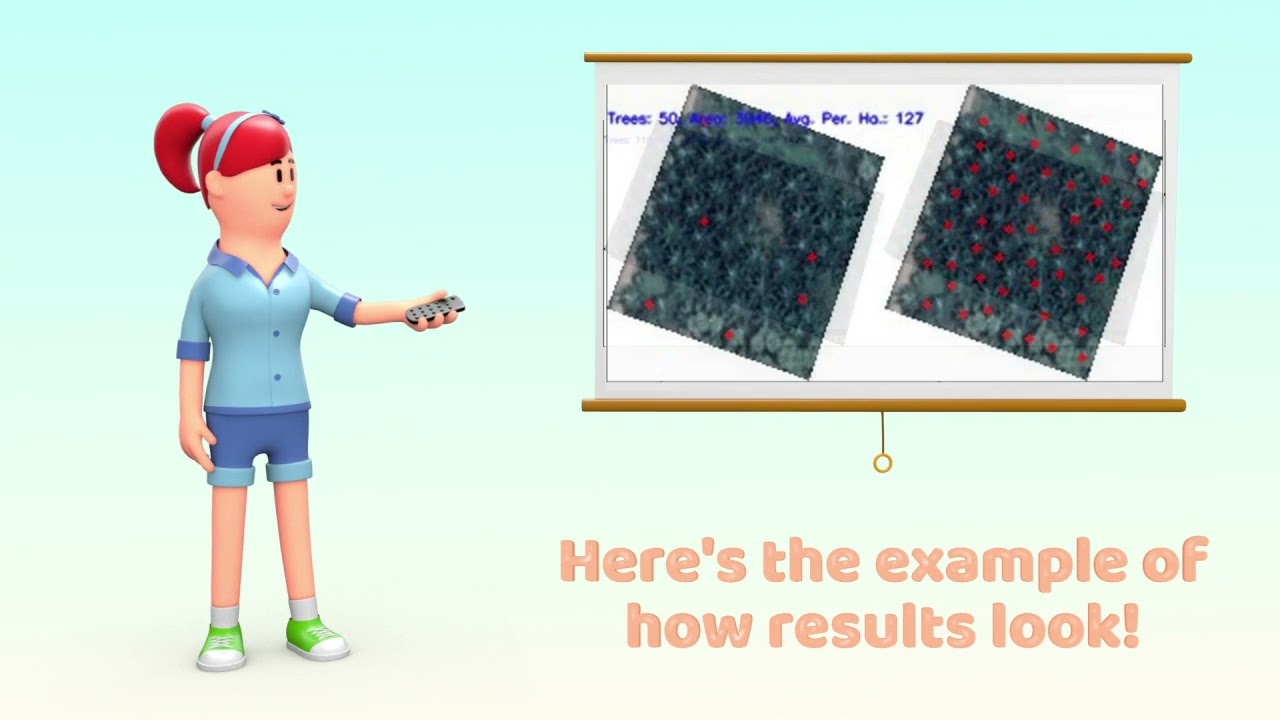
Key Role of State & Central Governments
Government schemes have made palm tree farming in India more accessible:
- Subsidies on planting materials, irrigation infrastructure, and fertilizers
- Support for nursery development, farmer training, and satellite-based monitoring
- Credit-linkage and insurance, often using satellite-based verification (learn more here)

2026 Technology Innovations in Palm Tree Farming in India
Comparative Innovations Table: Palm Farming Advances for 2026
| Innovation / Technology | Description | Estimated Yield Improvement (%) | Estimated Cost Savings (%) | Environmental Impact | Adoption Feasibility |
|---|---|---|---|---|---|
| Precision Drone Monitoring | Real-time surveillance for crop health, pests, water stress. | +10–18% | +12–20% | High | Easy |
| IoT Soil Sensors | Continuous soil moisture & nutrient data for smart irrigation. | +8–15% | +10–15% | High | Moderate |
| Automated Drip Irrigation | Remote-controlled systems maximize water use efficiency. | +7–12% | +15–22% | Medium | Moderate |
| Disease Detection AI | AI-driven early pest & fungal disease alerts via images. | +5–9% | +7–10% | High | Easy |
| High-Yield Hybrid Varieties | Hybrids resistant to pests/wilt and optimized for India. | +18–25% | +10–15% | Medium | Moderate |
| Satellite Crop Monitoring | Uses multispectral images for health & stress diagnostics. | +10–18% | +12–18% | High | Easy |
| Blockchain Traceability | Track palm oil from farm to factory to meet global standards. | — | +7–10% | High | Moderate |
📊 Top 5 Impactful Innovations for Palm Farmers
- ✔ Precision Drone Monitoring: Immediate detection of stress & pests.
- ✔ AI-based Disease Alerts: Save yield by acting before damage spreads.
- ✔ IoT Soil Sensors: Smarter, water-saving irrigation scheduling.
- ✔ High-Yield Hybrids: Up to 25% yield uplift possible with right planting material.
- ✔ Blockchain Traceability: Boosts market access/lender confidence—and sustainability credentials.

How Farmonaut Empowers India’s Palm Farmers (2026 & Beyond)
Farmonaut enables the next era of palm tree farming in India through a platform-driven, affordable and technology-first approach:
- 🛰️ Satellite-Based Crop Monitoring: We deliver real-time NDVI, soil moisture, and crop health diagnostics via easy-to-use Android, iOS, and web apps.
- 🤖 AI Advisory for Palm Cultivation: Our Jeevn AI system provides field-wise tips—right from ideal planting methods to preemptive pest and disease alerts.
- 🔎 Blockchain Traceability: We enable secure, transparent tracking of palm products in the supply chain, opening up premium and export markets.
- 🌱 Environmental Impact Tools: Carbon footprint and sustainability reporting modules help palm farmers align with evolving sustainability certifications.
- 🚜 Fleet & Resource Tools: Large palm estates benefit from our fleet, logistics, and large-scale farm management dashboards.



Explore our API or developer docs to integrate advanced monitoring into your own platforms.

Choose a Farmonaut subscription that fits your farm’s scale.
Affordable rates for individuals, businesses, and government projects. Subscription includes AI advisory & remote monitoring.
Palm Tree Farming in India: Government Support, Policy & Future Outlook for 2026+
- 📑 National Mission on Edible Oils – Oil Palm (NMEO-OP): Launched to boost India’s domestic edible oil production via massive expansion of palm plantations, especially in Andhra Pradesh, Telangana, Kerala, Assam, Tripura & new regions by 2025-26.
- 💸 Subsidies & Grants: State schemes provide funding for saplings, drip irrigation systems, fertilizer, and on-farm infrastructure.
- 🏦 Financial Access: Banks & government programs harness satellite-based verification (like via Farmonaut’s platform) to underwrite crop loans and palm insurance, reducing risk and paperwork.
- 🍃 Climate Adaptation: Policy now encourages sustainable palm tree farming in India—focusing on water conservation, agroforestry, and responsible land management.
- 💧 Water Use Efficiency: Incentives for drip irrigation and rainwater harvesting ensure environmental compatibility as sector expands.
The Next Palm Farming Frontier: 2026 and Beyond
- 🌄 Expansion into Tribal & Northeastern Zones: These areas offer fertile, company/contract farming opportunities and relief from the crowded southern palm belt.
- 🌾 Biofuel Sector Emergence: Growing demand for biofuel enhances income diversification for Indian palm farmers by mid-2020s.
- 📈 Digital-First Agriculture: By 2026, over 80% of new palm cultivators will access at least one digital service (advisory, monitoring, or traceability) per crop year.

Actionable Tips for High-Yield, Sustainable Palm Cultivation in India (2026+)
Top 5 Best Practices:
- 🌱 Always select quality hybrid saplings (certified sources) optimized for your region’s soil and weather conditions.
- 💧 Implement drip or micro-sprinkler irrigation, and monitor water use via satellite soil moisture tools—get tailored advisory here.
- 🦠 Scout for pests (red palm weevil, rhinoceros beetle) and diseases (Ganoderma wilt) using AI diagnostic apps, and opt for target-specific responses.
- 🚜 Practice intercropping in early stages (cocoa, banana, legumes) for better cash flow and soil vitality.
- 🌍 Record farm activities, traceability & environment metrics to qualify for premium markets or access loans/insurance via Farmonaut’s carbon tools.
Top Visual Benefits of Smart Palm Farming:
- 🌾 Higher Yields: Up to +25% with hybrids & AI monitoring
- 🧑🌾 Reduced Inputs: Save up to 20% with targeted interventions
- 👨💻 Real-Time Decisions: Mobile & satellite updates keep you ahead
- 🌍 Verified Sustainability: Measure and improve your carbon impact
- 🔗 International Market Access: Meet traceability standards for export
Dependence on weather and climatic conditions still pose risks—diversify crops and monitor climatic anomalies using data-driven farm management tools (explore here).
For monthly updates, AI tips & more: Register for Farmonaut’s Plantation Advisory
FAQ – Palm Tree Farming in India (2026)
- Q: Which states are best for palm tree farming in India as of 2026?
- A: Andhra Pradesh, Telangana, Tamil Nadu, Kerala, Karnataka, Assam, and Tripura lead in palm tree agriculture due to optimal climatic zones, rainfall patterns, and infrastructure.
- Q: What is the expected yield of oil palm per hectare in India?
- A: Yields range from 4–6 tons per hectare annually with quality hybrids, good management, and advanced tech (drip irrigation, precision satellite monitoring).
- Q: What are the main challenges for Indian palm farmers?
- A: High initial investment, planting material shortages, pests/diseases, knowledge gaps, and climate risks remain major challenges.
- Q: How can new farmers access real-time palm advisory?
- A: Digital platforms like Farmonaut’s apps deliver tailored, satellite and AI-driven insights for palm farming in India, supporting planting, disease alerts, and smarter irrigation.
- Q: How important is traceability for palm oil exports?
- A: Traceability is crucial—demanded by international buyers, regulators, and lenders. Blockchain-based tracking ensures compliance and builds trust.
Conclusion: The Road to a Sustainable, High-Tech Palm Farming Future
Palm tree farming in India stands at the threshold of a new technological era. By integrating drone and satellite insights, AI, advanced hybrids, smart irrigation, and blockchain traceability, Indian farmers can unlock higher yields, improved income, climate resilience, and lasting environmental value.
As the 2026 vision unfolds—with support from both government missions and innovative satellite providers like Farmonaut—palm tree agriculture can sustainably meet India’s food, energy, and industrial demands, while empowering rural communities.
Start your journey today with Farmonaut and be part of India’s high-tech palm farming frontier!


