

Nikau Palm: Key to New Zealand’s 2026 Forests
“Nikau palms represent over 30% of native palm populations in New Zealand’s sustainable forests targeted for 2026 regeneration.”
Table of Contents
- Summary: Nikau Palm’s Essential Role in Sustainable Forestry
- Introduction to the Nikau Palm (Rhopalostylis sapida)
- Botanical and Ecological Characteristics
- Ecological Importance of Nikau Palm
- Nikau Palm in Forestry and Sustainable Land Management
- Cultural and Economic Significance
- Biodiversity, Regeneration & Resilience
- Challenges and Future Prospects
- How Farmonaut Technology Enables Sustainable Forestry
- Comparative Ecological Impact Table
- Frequently Asked Questions
- Conclusion: The Future of Nikau Palm and Sustainable Forests in New Zealand
Summary: Nikau Palm’s Essential Role in Sustainable Forestry
The nikau palm (Rhopalostylis sapida) is the southernmost palm species in the world and a vital component of New Zealand’s rich natural heritage. As we move toward 2026, the nikau palm’s role within sustainable forestry, biodiversity, and indigenous land management is increasingly relevant, particularly as efforts to regenerate native forests intensify. This unique palm, standing out with its distinctive grey trunk and lush, bright green leaves, contributes to both the environmental and cultural fabric of New Zealand, supporting conservation efforts, indigenous communities, and eco-friendly practices that will define the forests of the future.
Introduction to the Nikau Palm (Rhopalostylis sapida)
The nikau palm stands as a living testament to New Zealand’s unique ecological and cultural landscapes. Endemic to the forests and temperate zones of Aotearoa/New Zealand, this iconic palm is not only the world’s southernmost member of its family but remains one of the few palm species adapted to cooler climates, unlike many of its tropical relatives. Within native rainforests and across lowland and coastal environments, the nikau symbolizes resilience, continuity, and a deep-rooted connection to the land that supports both flora and fauna.
In the context of sustainable forestry and conservation management, the nikau palm is a keystone species: its presence within the forest canopy supports biodiversity, stabilizes soil, and upholds indigenous traditions. As we head into 2026, understanding and integrating the nikau into forest management strategies are pivotal for promoting ecosystem resilience and honoring Māori knowledge through contemporary conservation practices.



Botanical and Ecological Characteristics of Nikau Palm
The nikau palm (Rhopalostylis sapida) is easily recognized by its characterized smooth grey trunk and distinctive bright green, feather-shaped leaves. These palms can grow between 10–15 meters tall and have adapted to thrive in the cooler climates of the southern hemisphere. Their botanical resilience enables them to flourish predominantly within coastal and lowland forests, favoring shady and moist environments typical of New Zealand’s temperate rainforests.
Unlike many tropical palms, the nikau palm has developed unique adaptations that allow it to survive in cooler and sometimes frost-prone zones. This unique ability contributes to its role as a keystone species in its ecosystem, providing food source and habitat for numerous native birds and invertebrates. The palm’s vibrant red berries are a particularly important source of nutrition for the kererū (New Zealand wood pigeon), which in turn aids the nikau in its seed dispersal cycles—a perfect example of natural symbiosis that supports ongoing regeneration within these forests.

Key Distinguishing Features of the Nikau Palm
- ✔ Smooth grey trunk distinguishing it from other native species
- ✔ Bright green feather-like leaves, up to 3 meters long
- ✔ Red berry clusters that ripen in late summer, providing crucial food for native birds
- ✔ Thrives in coastal and lowland forests throughout New Zealand, especially on the North Island and parts of the South Island
- ✔ Adapted to shady, moist and temperate environments—unique among palm species worldwide
Ecological Importance of Nikau Palm
The nikau palm is an essential component within New Zealand’s forest ecosystems, playing a vital role in supporting biodiversity. These palms provide critical habitat and food sources for many endangered and native bird species—notably the kererū, tui, and North Island kōkako. Its robust leaves shelter invertebrates, while decaying trunks offer microhabitats for fungi and insects, thus contributing to complex regeneration cycles.
The palm’s berries are indispensable to the diet and reproductive cycles of certain birds, especially during seasons when other food sources are scarce. In turn, birds like the kererū act as natural seed dispersal agents, embedding nikau’s progeny deeper within the natural regeneration system—a mutually beneficial ecosystem strategy.
Ecological Benefits List
- 🌱 Biodiversity Support: Attracts and supports a wide range of native fauna.
- 🌎 Soil Stabilization: Deep roots reduce erosion and preserve forest integrity.
- 🍃 Microhabitat Creation: Provides shelter and resources for insects, fungi, and birds.
- 🦜 Food Source: Supplies essential berries for endangered bird populations.
- ♻ Natural Regeneration: Essential for forest regeneration cycles and ecological resilience.

Nikau Palm in Forestry and Sustainable Land Management
Within forestry and sustainable resource management sectors, the nikau palm represents more than just an ecological artifact—it symbolizes the convergence of economic, environmental, and cultural interests.
While not commercially harvested like traditional timber species, the nikau palm is a critical component for forest restoration and soil stabilization in logged or degraded areas. Its presence aids recovery of native systems and ensures long-term resilience. Contemporary forestry practices increasingly emphasize planting, nurturing, and monitoring native species like the nikau—ensuring that economic activities, such as selective logging and eco-tourism, do not undermine the regeneration of native biodiversity.
The nikau’s slow growth and sensitivity to environmental changes mark it as a reliable bioindicator species for forest health, assisting forestry professionals in adapting management practices for enhanced sustainability.
Sustainable Forestry Visual List
- 🌳 Restoration Planting: Reintroducing nikau palms to areas degraded by agriculture or logging stimulates robust forest recovery.
- 🕊 Biodiversity Corridors: Integrating nikau ensures wildlife pathways remain intact across fragmented landscapes.
- 🔎 Ecosystem Monitoring: Tracking nikau health supports data-driven stewardship strategies (e.g., Farmonaut’s remote sensing tools).
- 🌱 Soil Management: Nikau roots reduce erosion, facilitating vital soil stabilization.
- 🌲 Native Forest Restoration: Foundational for long-term rewilding and resilience of New Zealand’s iconic forests.
Cultural and Economic Significance of the Nikau Palm
Beyond its ecological value, the nikau palm is a symbol of New Zealand’s natural and cultural heritage, particularly for indigenous Ō Māori communities. The nikau has long been used in traditional Māori crafts: its leaves for weaving baskets (kete) and roofing, fibers for ropes and ties, and young shoots as a supplementary food source.
The Māori worldview, or mātauranga Māori, integrates the nikau palm into forest management and sustainable stewardship—whereby land is viewed not merely as resource but as a living ancestor to be nurtured. Modern conservation efforts increasingly recognize this knowledge, working alongside indigenous practices to support both ecological and cultural resilience.
The nikau’s distinctive shape and presence have also proven central to eco-tourism, with walking tracks and native botanic gardens highlighting palms as natural attractions—thereby generating economic opportunities for local communities and fostering a deeper appreciation for New Zealand’s unique forests.
For forest managers and biodiversity stewards, Farmonaut’s Fleet Management tools help optimize sustainable logistics and monitoring of restoration activities with satellite-driven insights.

Cultural Significance Visual List
- 🧺 Māori Heritage: Integral to traditional crafts like weaving and marae architecture.
- 🏞 Eco-Tourism Appeal: Attractive natural feature in nature reserves and educational trails.
- 🌳 Symbol of Resilience: Embodies the continuity of indigenous ecological practices.
- 💡 Knowledge Preservation: Supports mātauranga Māori’s influence on forest management policies.
- 🌱 Community Empowerment: Strengthens cultural identity while creating sustainable income sources.
“By 2026, New Zealand aims to increase Nikau palm coverage by 15% to boost forest biodiversity and indigenous habitat.”
Biodiversity, Regeneration & Resilience: The Nikau Palm Effect
The nikau palm is a linchpin in the intricate tapestry of New Zealand’s forest ecosystems. Its presence underpins overall biodiversity by supporting complex interactions between plants, animals, and micro-organisms. Restoration projects focusing on the nikau—by planting and nurturing palms in degraded landscapes—bring about soil stabilization, microhabitat restoration, and long-term regeneration.
Regular monitoring of nikau health through satellite and field data is crucial to maintaining these ecological benefits, ensuring early identification of invasive threats and degeneration hotspots.
Our Farmonaut Satellite API allows real-time monitoring of forest and plantation health, supporting adaptive management and sustainable resource allocation for restoration forestry.

Challenges and Future Prospects for the Nikau Palm
Despite its resilience, the nikau palm faces considerable challenges in rapidly changing environmental conditions:
- ⚠ Habitat Fragmentation: Expansion of urban, agricultural, and industrial land erodes continuous palm habitats.
- ⚠ Invasive Species: Insects, such as the palm weevil, increasingly threaten palm regeneration cycles.
- ⚠ Climate Change: Rising temperatures, altered rainfall, and extreme events test nikau’s adaptability.
- ⚠ Competition with Non-Native Species: Introduced plants sometimes outcompete nikau seedlings for light and nutrients.
- ⚠ Knowledge Gap: Ongoing documentation of nikau’s ecological role will drive smarter policies for forest restoration.
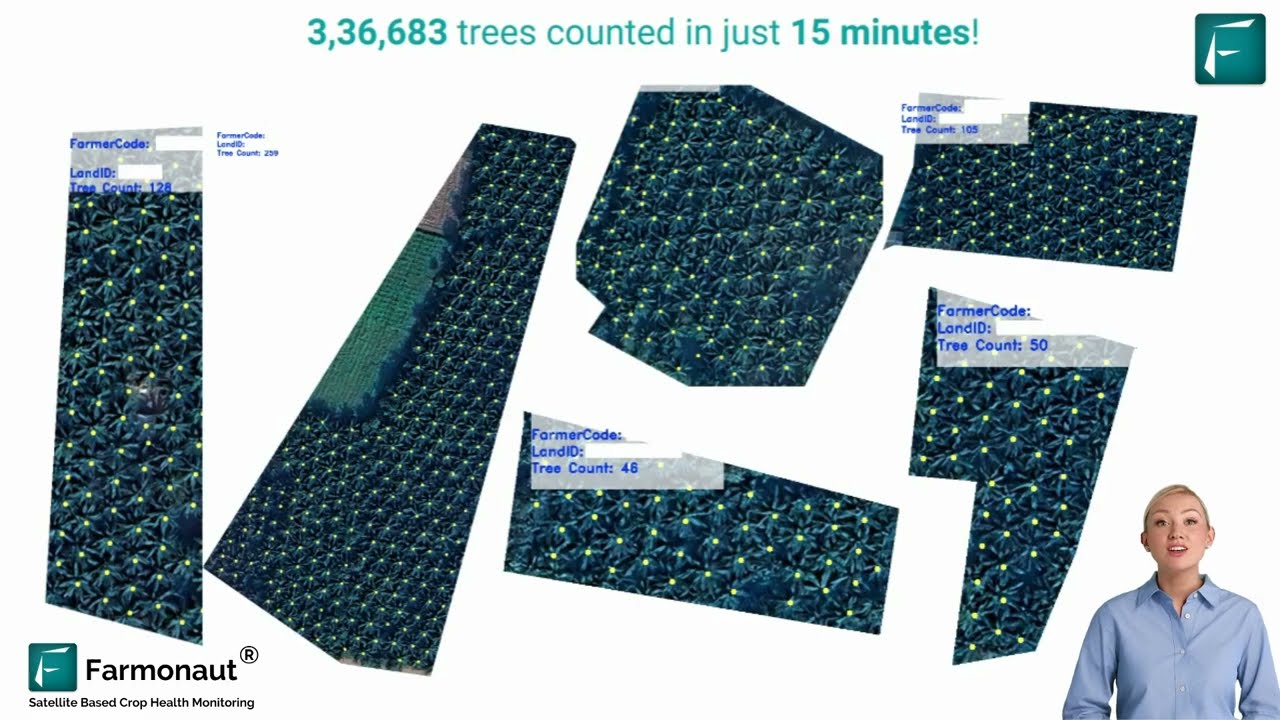
As we look toward 2026 and beyond, conservation efforts must intensify through data-driven forestry management and public education. Advances in satellite monitoring, AI-driven advisory systems, and blockchain-based traceability (such as those provided by Farmonaut) will be central for monitoring nikau palm populations, planning restoration projects, and ensuring compliance with sustainability standards.
Interested in how digital tools support forest sustainability? Our Carbon Footprinting solutions let users monitor and manage the carbon sequestration impacts of reforestation, ensuring environmental compliance and climate-positive forestry projects.
How Farmonaut Technology Enables Sustainable Forestry
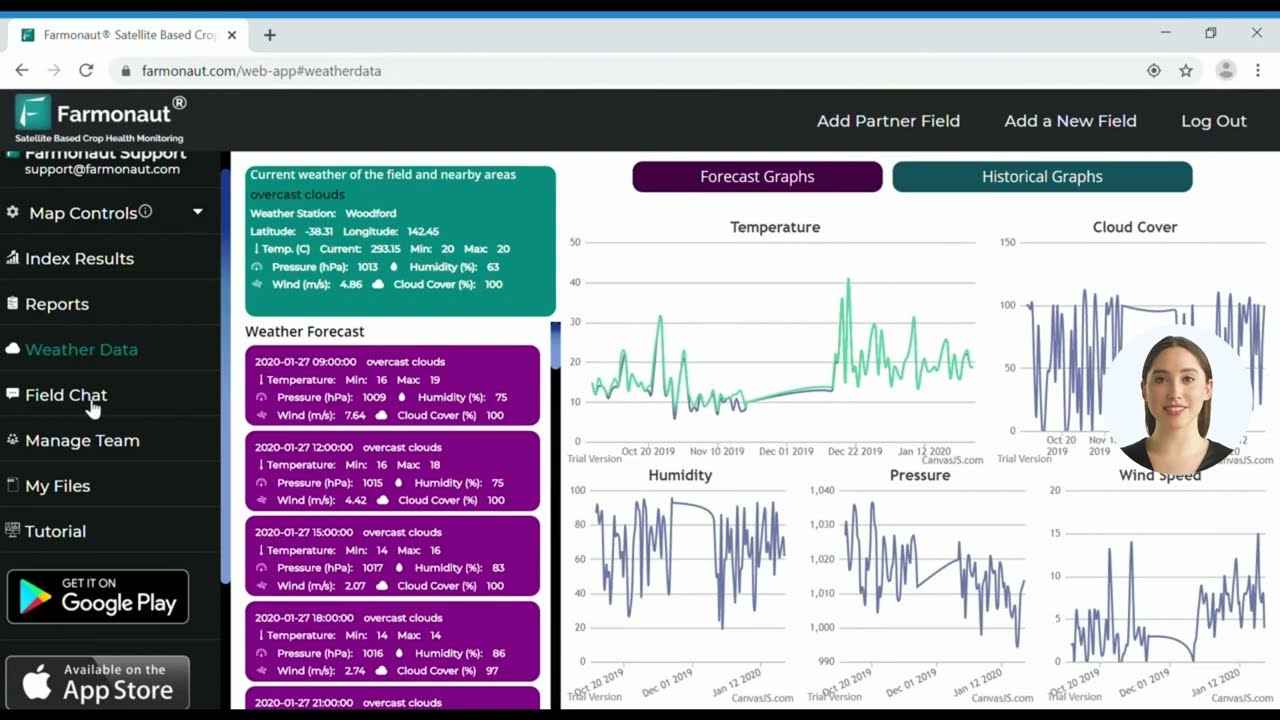
At Farmonaut, we are committed to supporting sustainable forestry and resource management for a thriving future in New Zealand and globally. Our advanced satellite technology, artificial intelligence tools, and blockchain-based systems help governments, businesses, and forest managers:
- ✔ Real-Time Habitat Monitoring: Use remote sensing to detect and respond to environmental changes or threats within nikau palm forests.
- ✔ Traceability & Compliance: Blockchain-enabled solutions facilitate transparent and sustainable forest management from planting to preservation.
- ✔ Resource Optimization: Software for logistics and fleet management enhances efficient fieldwork for forestry professionals.
- ✔ Advisory Services: AI-driven advisory platforms deliver tailored data for ecosystem health, microhabitat suitability, and restoration action plans.
- ✔ Carbon Footprint Auditing: Carbon tracking tools validate and optimize the environmental impact of conservation projects. (Learn how you can enhance your project’s sustainability rating with our carbon footprinting tools.)
To learn more about integrating precision tech and satellite-based monitoring for sustainable forestry and resource management, explore our platform or try our Crop, Plantation, and Forest Advisory system, designed to support adaptive decision-making in even the most challenging environments.
Developers and integration teams: Access our API Developer Documentation for technical guidance on embedding environmental analytics into your sustainable forestry workflows.
Comparative Ecological Impact Table: Nikau Palm and New Zealand Forests
| Forest Attribute | Estimated Value with Nikau Palm |
Estimated Value without Nikau Palm |
Ecological / Cultural Significance |
|---|---|---|---|
| Biodiversity Index | High (0.85) | Medium (0.60) | Promotes richer community of native flora & fauna |
| Carbon Sequestration Potential | 6–8 tCO₂/ha/year | 4–5 tCO₂/ha/year | Greater capacity for climate change mitigation |
| Native Wildlife Supported | Over 50 species | Around 25 species | Critical food & habitat for endangered birds and insects |
| Traditional Uses by Māori | Weaving, rope, food, shelter | Limited | Supports cultural continuity and knowledge transfer |
| Sustainable Forestry Rating | Excellent | Fair | Native palms enhance resilience & restoration success |
✔ Recap: Why the Nikau Palm Remains a Keystone for 2026
- Unique Adaptation: The nikau palm stands as the world’s only palm species thriving in the southernmost, temperate rainforests.
- Biodiversity Driver: Its presence ensures robust ecological cycles and regeneration of native New Zealand forests.
- Cultural Heritage: Essential for sustaining Māori traditions, crafts, and environmental knowledge.
- Restoration Asset: Key player in soil stabilization, microhabitat rebuilding, and sustainable forestry strategies.
- Climate Impact: Provides significant carbon sequestration and natural resilience against climate change.
Frequently Asked Questions (FAQ)
-
What makes the nikau palm unique within New Zealand’s forests?
The nikau palm is the world’s southernmost palm species, thriving in temperate, coastal, and lowland rainforests. Its adaptation to cooler climates and central role in supporting native wildlife set it apart ecologically and culturally. -
How does the nikau palm contribute to sustainable forestry practices?
The nikau palm supports forest resilience, soil stabilization, and biodiversity. As a bioindicator species, its health helps foresters implement adaptive management and monitor restoration outcomes. -
Why is the nikau palm significant for Māori communities?
It underpins traditional crafts, sustenance, and cultural continuity—playing a pivotal role in indigenous forest stewardship and the passing on of mātauranga Māori (Māori knowledge). -
How can technology like Farmonaut help monitor nikau palm ecosystems?
We provide satellite monitoring, AI-powered advisory, and resource management solutions, making precise, data-driven conservation and sustainable forestry more achievable. -
How can I support nikau palm conservation?
Plant native palms, participate in local planting days, avoid introducing invasive species, and use advanced tech (such as Farmonaut tools) to monitor and manage habitats for optimal forest health.
Conclusion: The Future of Nikau Palm and Sustainable Forests in New Zealand
As we look toward 2026 and beyond, the fate of New Zealand’s nikau palm is intrinsically linked to our collective vision for sustainable forestry, climate action, and the preservation of indigenous heritage. The nikau is not just a palm; it’s a sentinel for ecological resilience, a living connection to cultural traditions, and an unmistakable emblem of New Zealand’s unique natural landscapes.
By harnessing the best of digital technology, supporting community-based conservation, and integrating mātauranga Māori into resource management practices, we can secure a flourishing future—one where the nikau palm remains a vital component of thriving, biodiverse forests. Let’s reinforce our commitment to stewardship, regeneration, and the ongoing importance of this iconic species within our forests, societies, and hearts.
Join us on the mission to shape a greener, more resilient, and culturally rich future.
Experience large scale farm and forest management with Farmonaut for smarter, sustainable resource management in New Zealand and beyond.
Discussion
Questions, corrections or field experience? Share them below. First-time comments are reviewed before they appear, and your email is never published.
No comments yet. Be the first to add a question or your experience.

 XOS Realty
 Geospatial Lab Africa
 KhetiBuddy
 Agro La Gándara
 Global Agrifood
 HIPSAC
 ZOL Zimbabwe
 Juligerm
 AdBio
 MISE Maroc
 NWNS
 Red August Group
 Farm Inc
 WeMe Global
 Agrotoken
 Blue BearX
 Insignito
 Croptimum
 DnCubed
 Field Capacity
 Indosistim Teknologi

 Licence holder · Niger · Gold
 Licence holder · Nigeria · Gold + lithium










