

Table of Contents
- Introduction
- 1. Heritable Agriculture & AI-Driven Crop Breeding Revolution
- 2. Nature’s Miracle: Electric Farming Revolution in 2025
- 3. Broad Impact of AI Advancements in Agriculture Sector
- 4. What Is a Benefit of Crop Rotation?
- Comparative Impact Table: Agriculture Stocks Benefiting from AI & Electric Farming
- Agriculture Breeding Market in 2025 and Beyond
- Farmonaut: Empowering Data-Driven Agronomy
- Frequently Asked Questions (FAQ)
- Conclusion
Agriculture Stocks to Benefit from AI Crop Breeding & Electric Farming: Technological Breakthroughs Reshaping Agronomy in 2025
The agriculture sector is on the brink of a new era, fueled by Artificial Intelligence (AI), cutting-edge crop breeding, electric farming technologies, and a renewed focus on sustainable agronomic practices like crop rotation. As we approach 2026, these technological and operational breakthroughs are rapidly transforming how we produce food, manage land, and invest in agricultural stocks. For investors interested in “what agriculture stocks might benefit from heritable agriculture’s AI-driven crop breeding revolution?” or “which stocks might benefit from nature’s miracle’s electric farming revolution?”, understanding these interconnected themes is more critical than ever.
This comprehensive guide explores how the confluence of AI, advanced seed technologies, electrification, data platforms, and sustainable practices is reshaping agriculture stocks, boosting yields, and driving profitability. We spotlight operational impacts, investment strategies, and top-performing companies across relevant sectors—from seed biotechnology and automation to crop protection providers and smart equipment firms—with actionable insights for 2025 and beyond.



1. Heritable Agriculture & AI-Driven Crop Breeding Revolution
The heritable agriculture and AI-driven crop breeding revolution is rapidly accelerating the discovery and deployment of superior crop varieties. The question of “what agriculture stocks might benefit from heritable agriculture’s AI-driven crop breeding revolution?” is top of mind for many investors, and the answer lies in understanding how AI and genomics drive profit and resilience in modern agriculture.
A. AI Powers Genomic Selection & Trait Stacking
AI enhances crop breeding by analyzing vast genomic and phenotypic datasets to predict which genes will deliver top performance traits—such as yield, drought tolerance, disease resistance, and nutrient efficiency. These heritable traits are now central to driving long-term farm profitability and operational success, especially as climate volatility increases.
- ✔ Genomic selection algorithms identify crosses with the highest potential for resilience and yield.
- 📊 AI-driven phenotyping enables rapid, large-scale field trial analysis and accelerates new variety release.
- ⚠ Investment Risk: Regulatory approval for gene editing and trait stacking can affect commercialization speed.

B. Major Stock Themes & Beneficiary Sectors
- Seed companies & biotechnology firms focused on genomic selection, gene editing, and stacking traits for abiotic stress tolerance (heat, drought, salinity) and disease resistance.
- Field trial technology & data analytics providers for phenotyping, climate-adaptive trial designs, and getting new varieties to market faster.
- Crop protection and input efficiency players: Firms that develop products (biological, digital, or chemical) that pair with new crop genetics to manage pests and reduce chemical usage effectively.
C. Operational Impact: Tailored Crops, Reduced Inputs, Higher Yields
- ✔ Farmers can now plant varieties tailored to their local microclimate with greater confidence.
- ✔ Input costs for water, fertilizer, crop protection are lower as crops become more resilient and resource-efficient.
- ✔ Yields are more stable, even in challenging weather, benefiting row crops, orchards, and forestry nurseries alike.
- ✔ Forestry nurseries and reforestation initiatives can establish elite, climate-adapted plantings.
- ✔ Reduced disease and pest pressure via heritable resistance cuts both risk and chemical pollution.

Notable Examples: Investors should look for stocks (such as Corteva, Bayer CropScience, Syngenta AG, and Benson Hill) boasting AI-driven pipelines, robust field trial platforms, and licenses for gene editing in emerging regulatory environments.
2. Nature’s Miracle: Electric Farming Revolution in 2025
As the world seeks lower emissions and more efficient operations, electric farming and autonomous machinery are emerging as central themes for 2025. The question “which stocks might benefit from nature’s miracle’s electric farming revolution?” is vital for investors aiming to ride this technological wave.
A. The Rise of Electric, Sensor-Enabled, and Autonomous Agriculture
- Electric tractors, harvesters, and robots can work longer hours with lower fuel costs—improving both efficiency and yield.
- Intelligent irrigation solutions (solar-powered, sensor-monitored) dramatically reduce water waste and optimize nutrient (fertigation) flows.
- Electric-powered climate-control systems extend to greenhouses and plant nurseries, ensuring optimal growth regardless of outside weather.
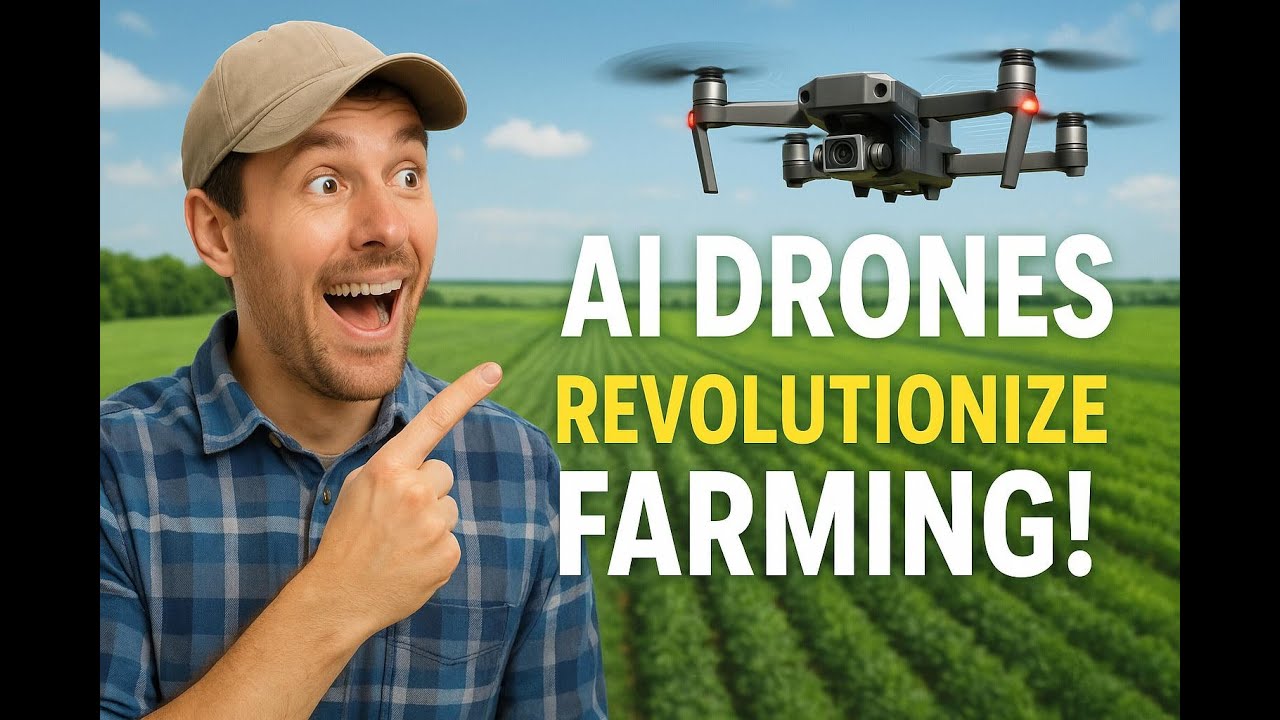
B. Key Beneficiary Stock Themes in Electric Farming
- Agricultural robotics & autonomous equipment manufacturers (like Deere & Co, AGCO, CNH Industrial) who supply electric row crop planting, weeding, and harvesting systems.
- Vendors of electric irrigation, climate-control, and fertigation systems (Toro Company, Lindsay Corporation).
- Energy and advanced battery suppliers providing solar+storage hardware designed for remote farming and forestry operations (NextEra Energy, Enphase Energy, SunPower).
C. Operational Impact of Electric Farming & Automation
- ✔ Emissions are reduced as machinery transitions from diesel to electric.
- ✔ Energy costs drop—especially with solar and battery integration at remote sites.
- ✔ Labor savings: Autonomous operations reduce human intervention, crucial for mining-reclamation sites and forestry management where skilled labor is scarce.
- ✔ Continuous operation is possible in plantations and nurseries via automation, supporting sustainable land management.
- ✔ Improved uptime through predictive maintenance and remote analytics.

Notable Examples: Stocks like John Deere (autonomous tractors), AGCO (precision planters), and NIO/AmpControl (energy storage for agriculture) are leading the market in electrification.
3. Broad Impact of AI Advancements in Agriculture Sector
The question “what stocks in the agriculture sector might benefit from AI advancements?” covers a diverse pool, as AI is permeating every stage of farm operations. From soil mapping to predictive maintenance, input optimization, and yield forecasting, digital intelligence adds measurable value to agricultural stocks and their investors.
A. How AI Is Transforming Farms of All Sizes
- Precision agriculture platforms integrate weather, soil, and crop data to optimize irrigation, fertilization, and harvesting schedules for higher yields.
- Soil sensing networks
- 📊 Provide real-time, location-specific soil health metrics.
- ✔ Alert to nutrient imbalances, drought stress, or disease risk.
- Farm management software providers enable data-driven, sustainable, and scalable operations.
- Smarter AI-enabled tractors, spray systems, and crop-monitoring drones from key OEMs lower input costs and boost efficiency across crops, forestry, and even mining land reclamation.
- Biotech analytics firms translate agronomic data into actionable breeding and management insights, facilitating continuous improvement.

B. Operational Impact: From Row Crop Fields to Forestry Plantations
- ✔ Data-optimized inputs mean higher yield for same or lower resource use.
- ✔ Resilience against pests and adverse weather through predictive, not reactive, management.
- ✔ Scalable solutions work across farms, orchards, forestry nurseries, and reclamation projects.
- ✔ Risk reduction: Early-warning systems minimize revenue volatility for agriculture stocks.
- 🌾 AI-Driven Drones: Survey vast farmland in minutes, mapping crop growth and disease hot spots for timely intervention.
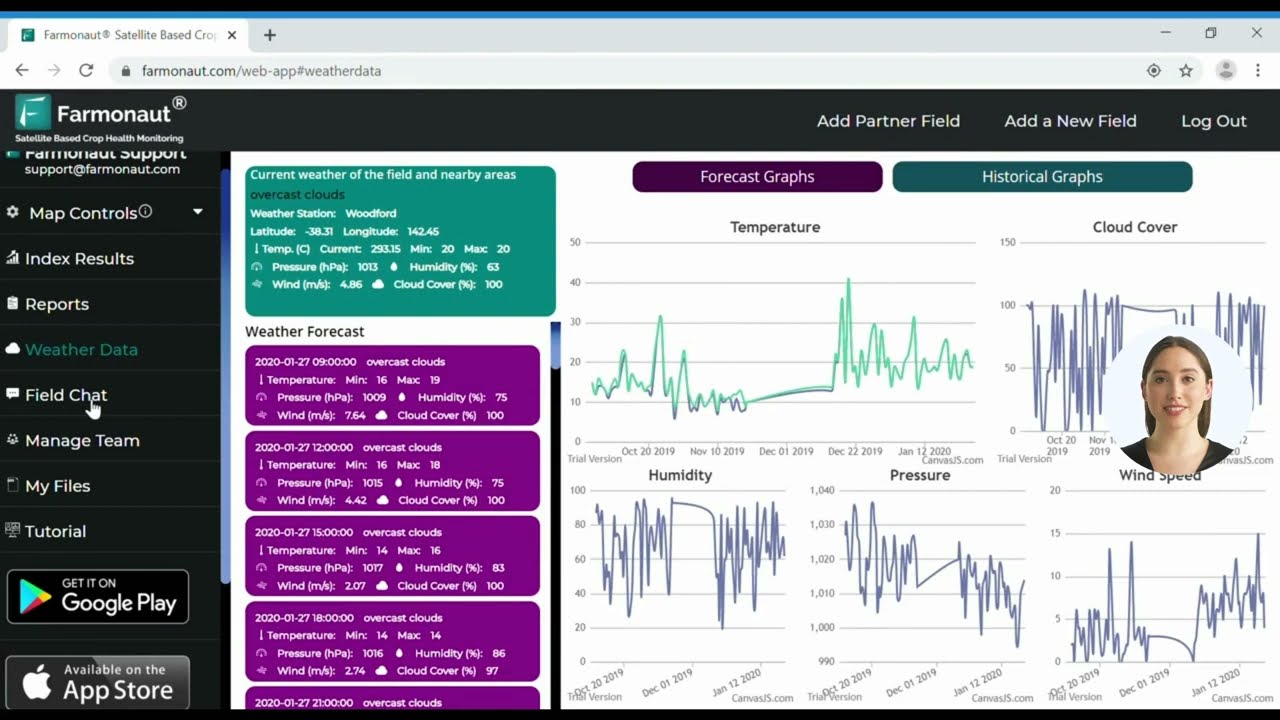
- 🛰 Satellite-Based Monitoring: Real-time vegetation and soil health analysis enables precision management on any scale.
- 🔗 Blockchain Integration: Ensures traceability across the supply chain and unlocks new financing options.
- 🌱 Smart Sensor Networks: Detect “invisible” field trends (e.g., water stress) before they affect yield.
- 💡 AI Advisory Systems: Platforms like Jeevn AI offer actionable recommendations for crop, soil, and water management—boosting efficiency and sustainability.
4. What Is a Benefit of Crop Rotation?
Traditional agronomic practices like crop rotation remain vital, especially when paired with AI and new seed technologies. As regulations and consumer demand push for more sustainable farming, the question “what is a benefit of crop rotation?” has renewed weight for investors in crop and land management stocks.
A. Core Benefits of Crop Rotation
- ✔ Soil health improvement: Breaks disease cycles, builds organic matter, and reduces the need for chemical inputs.
- ✔ Enhanced pest and weed control without reliance on synthetic inputs.
- ✔ Yield stability and improvement over time, as soil structure and fertility are actively rebuilt.
- ✔ Decreased input costs (fertilizer, pesticides), improving the bottom line for both farms and their allied stocks.
- ✔ Better risk management—rotational variety (e.g., grains, legumes, cover crops) buffers financial and biological hazards.
- 🔁 Diversity: Integrating legumes and deep-rooted species rejuvenates soil nutrients.
- 🌾 Continuous Cover: Off-season cover crops prevent erosion and suppress disease organisms.
- 🎋 Forestry Application: Rotation-based sapling planting regimes boost productivity and survival rates in tree plantations.
B. Who Benefits?
- Seed/trait developers expanding rotational choices (grains, legumes, oilseeds, short-cycle cover crops, saplings) for various ecoregions.
- Nutrient managers and soil amendment providers supplement rotation strategies for improved fertility.
- Equipment firms selling multi-function seeders, planters, and precision fertilization systems.
- Forestry and land management stocks using rotation for healthy, sustainable replanting.

C. Operational Impact of Crop Rotation & Sustainable Agronomy
- ✔ Direct increase in soil organic matter and real reductions in chemical load.
- ✔ More resilient, diversified revenue streams for farm operators and service providers.
- ✔ Stabilized input use and improved cost structure over multi-year periods.
Comparative Impact Table: Agriculture Stocks & Technologies Reshaping 2025 Performance
The following table compares leading agriculture stocks benefiting from AI-driven crop breeding, electric farming, and data agronomy platforms—highlighting yield, revenue, and sustainability metrics relevant for 2026 investment decisions.
| Stock Name | Technology Focus | Estimated 2025 Yield Increase (%) | Projected Revenue Growth (%) | Sustainability Impact (Carbon Reduction Score: 1-10) |
Notable Innovations |
|---|---|---|---|---|---|
| Corteva AgriScience | AI Crop Breeding, Trait Stacking | 22–30% | 14–19% | 8 | Smart hybrid seeds, rapid phenotyping platform, disease-resistant traits |
| Deere & Company | Electric/Augmented Equipment, Robotics, Data Platforms | 10–15% | 18–24% | 9 | AI-driven autonomous tractors, fleet & input optimization |
| Bayer CropScience | Gene Editing, Protection, Digital Agronomy | 18–25% | 15–21% | 7 | CRISPR-edited traits, AI forecasting, carbon farming initiatives |
| Trimble Inc | Data Management, Precision Farming | 10–14% | 20–28% | 10 | Smart guidance, soil analytics, wireless farm management |
| Lindsay Corporation | Electric Irrigation, App-Based Systems | 7–12% | 11–17% | 8 | Remote-controlled electric pivots, water/nutrient sensors |
| Farmonaut | Satellite AI Analytics, Real-Time Monitoring | 12–16% | 16–25% | 10 | Multispectral crop/soil monitoring, AI advisory, blockchain traceability, carbon footprinting, and API integrations |
| AGCO Corp | Electric Planters, Precision Equipment | 9–13% | 10–15% | 7 | Autonomous planters, smart rotators, data-enabled field ops |
Agriculture Breeding Market in 2025 and Beyond: Investment Perspectives
The agriculture breeding market is experiencing unprecedented growth as AI accelerates trait discovery, robust data ecosystems mature, and global demand for climate-resilient and nutrient-efficient varieties soars. For investors, this presents new opportunities—and risks—across the value chain of genetics, input efficiency, and automation.
- ✔ Integrated breeding pipelines that move seamlessly from trait selection to scalable hybrid/commercial seed production.
- ✔ Strong phenotyping platforms for rapid variety testing and adaptation to diverse weather scenarios.
- ✔ Regulatory readiness for gene-edited crops—a crucial accelerant for market entry across continents.
- ✔ Pairing with agriculture input and digital automation leaders to capture full value—from gene to field to data cloud.
- ✔ Diversified exposure across crops, land types, and markets to mitigate weather and policy risk.
Growth Drivers for the Agriculture Breeding Market
- Accelerated trait discovery via AI and machine learning—replacing years of field trials.
- New regulatory pathways that expedite approvals for gene-edited and CRISPR-engineered crop traits.
- Demand for crop resilience (drought, heat, salinity resistance) due to climate variability and extreme weather events.
- Integration with automation, robotics, and real-time monitoring to close the feedback loop between lab and land.
Farmonaut: Empowering Data-Driven Agronomy, Forestry & Smart Management
As a satellite technology company, Farmonaut provides sustainable, data-driven solutions for agriculture, forestry, and land reclamation—leveraging multispectral imaging, AI advisory, and blockchain traceability, all delivered via web, mobile, and API. Our mission revolves around making advanced monitoring and management accessible for every user, from smallholders to enterprises and governments.
- 🛰️ Real-time crop and soil health analytics to guide field management decisions—see the Farmonaut Admin Platform for enterprise-scale agronomic oversight.
- 🌱 AI-powered field advisory via our Jeevn AI system—supporting farmers and land managers with proactive weather, crop, and input recommendations.
- 📦 Blockchain-based product traceability modules ensure integrity in supply chains. For full traceability, discover Farmonaut Traceability solutions.
- ♻️ Environmental impact and carbon footprint monitoring facilitate compliance and climate-smart practices: learn more at our carbon footprinting page.
- 🚚 Fleet and resource management tools optimize everything from equipment usage to fleet safety—visit Farmonaut Fleet Management for details.
Our API-first approach means agricultural, mining, and land management companies can integrate satellite and AI-backed insights directly into their existing digital platforms. See our developer docs at
Farmonaut API documentation.
Frequently Asked Questions (FAQ)
Q1: What agriculture stocks might benefit from heritable agriculture’s AI-driven crop breeding revolution?
Seed and biotechnology companies investing in AI-powered trait discovery, gene editing, and stacking for resilience (Corteva, Bayer, Syngenta, Benson Hill) are best positioned for above-market yield and revenue growth. Also, data providers and phenotyping analytics firms see increased demand.
Q2: Which stocks might benefit from nature’s miracle’s electric farming revolution?
Electric equipment manufacturers like Deere & Co, AGCO, CNH Industrial, and providers of smart irrigation and climate control systems (Lindsay, Toro), as well as battery and energy infrastructure suppliers for remote/rural applications.
Q3: What stocks in the agriculture sector might benefit from AI advancements?
Platforms and OEMs integrating AI for precision farming—including data management (Trimble), smart equipment (Deere & Co, AGCO), and biotech analytics providers—stand to benefit greatly as farms digitize inputs/outputs.
Q4: What is a benefit of crop rotation?
Crop rotation improves soil health, yields, pest/disease resistance, and reduces chemical input needs while offering longer-term revenue stability. It also supports sustainable land use and overall agronomic resilience.
Q5: How does Farmonaut support agriculture, forestry, and mining operations?
Farmonaut empowers these sectors with satellite-based monitoring, AI-powered advisories, blockchain-enabled traceability, environmental impact tracking, and resource management tools widely accessible via web/apps and APIs.
Conclusion: The Future of Agriculture Stocks is AI-Powered, Electric, and Sustainable
The 2025–2026 investment landscape for agriculture stocks is defined by a convergence of AI breakthroughs, electric farming tools, smart breeding pipelines, and data-driven agronomy platforms. The strongest investment strategies focus on:
- ✅ AI-augmented breeding for resilience and yield.
- ✅ Electrified and autonomous farming systems to cut costs, emissions, and labor dependency.
- ✅ Comprehensive, data-integrated management platforms for input optimization and risk mitigation.
- ✅ Crop-rotation and soil health initiatives supporting sustainable, diversified, and long-lived farm revenue.
Leading companies and stocks—from major seed and biotech firms to equipment OEMs and digital service providers—stand poised to benefit from these seismic shifts. Ultimately, those that integrate genetic, digital, and mechanical innovation across farming, forestry, and reclamation will best weather the challenges of a volatile climate, regulatory changes, and shifting consumer expectations.
With Farmonaut’s satellite and machine learning solutions, we are proud to enable all stakeholders—individual farmers, businesses, and governments—to advance sustainable, productive, and profitable land management for a data-driven future.

 Godrej Agrovet
 Hayleys Agriculture
 Linx Agritech
 Adinet
 Save Your Soils
 GalaxEye Space
 Grandstream Algérie
 XOS Realty
 Geospatial Lab Africa
 Agro La Gándara
 HIPSAC
 ZOL Zimbabwe
 Juligerm
 AdBio
AdBio MISE Maroc
 NWNS
NWNS Red August Group
 Farm Inc
 WeMe Global
 Agrotoken
 Blue BearX
 Insignito
 DnCubed
 Indosistim Teknologi
 Liquify Digital
 CU Foods
 BeyondTech Global
 Rouge VC
 AgroRisk
 Oath Inc
 Esri North East Africa
 MDCV UK
 Etech Consulting Madagascar
 Vestlandsforsking
 WB Dev
 Sama Premium
 Tres Valles
 Blickwinkel
 Agricultural Credit Policy Council
 eKGIS
eKGIS Mostas Tech
 Andex
Andex Deluxe Conseil
 WICO
WICO Chimera Innovation
 SkyHarvest
 Teledarbas
 Exurbia Geospatial
 FieldZero
