

Almond Milk Is Bad for Bees: 5 Key Impacts (2026)
Almond Milk and Its Impact on Bees: An Agricultural Perspective in 2025
“It takes over 31 billion honey bees to pollinate California’s almond orchards each year, stressing bee populations.”



Introduction
As consumer preferences continue to shift towards plant-based alternatives, almond milk has enjoyed a meteoric rise, claiming a leading position among dairy substitutes. Creamy, nutritious, and widely marketed as a sustainable option, it’s easy to see why its popularity has soared. However, lurking behind this seemingly eco-friendly choice are complex questions about the ecological impact of almond cultivation.
The phrase “almond milk is bad for bees” has begun circulating more frequently in 2025 and beyond. But what does it mean? And how does the surge in almond milk consumption pose a challenge to both bee populations and broader agricultural sustainability? Here, we’ll uncover the intricate relationship between almonds, bees, and dairy alternatives, demystifying how our daily choices can ripple through entire ecosystems.
“Almond orchards use 20% of the US’s commercial bee colonies annually, increasing bee exposure to disease and pesticides.”
The Role of Bees in Almond Cultivation
Almonds are not just another crop—they are the linchpin of a vast pollinator-driven system. Nearly entirely dependent on honeybees, almond trees must be cross-pollinated between blossoms to ensure a fruit set. Unlike crops that rely on wind or self-pollination, almonds require live pollinators—primarily bees—for reproduction.
Each spring, more than a million beehives are transported—often over long distances—to California’s Central Valley. This region is the heart of global almond production, generating over 80% of the world’s almonds. The process forms a symbiotic relationship between almond orchards and beekeeping industries, but this practice is not without downsides.
- Scale: California’s almond crop covers well over 1 million acres.
- Timing: Almonds flower early (February–March), when few other blossoms are available for bees.
- Intensity: Nearly every managed bee colony in the U.S. is funneled towards almond pollination.
Without honeybees, there would be no almonds—meaning the fate of one is inextricably linked with the other.

Almond Milk: The Unseen Relationship with Bees
So, where does almond milk fit into this story?
Almond milk is made from the raw nuts, which are harvested primarily in California and, to a smaller degree, in other regions with similar climates (Spain, Australia). As consumer demand and preferences for plant-based alternatives continue to shift towards almonds, more land—often converted from diverse habitats into almond orchards—is devoted to their cultivation.
- Each glass of almond milk traces back to environmental pressures on local ecosystems and the bees that pollinate vast orchards.
- The growing demand for almond milk means more trees are planted, intensifying the pressures on bee populations.

This ultimately makes almond milk a driver of agricultural practices that are rooted in the use of bees as a primary workforce. Behind the creamy substitute lies an unseen workforce that is increasingly stressed by modern intensive farming systems.
Why Almond Milk Is Bad for Bees: The Major Impacts
The phrase “almond milk is bad for bees” encapsulates a set of concerns and implications—some visible, most not—that arise from large-scale almond cultivation. Here are the five key factors that exemplify how almond production—and, by extension, almond milk—can be “bad” for bees in 2026 and beyond:
1. Monoculture and Habitat Loss: The Downsides of Uniform Almond Orchards
Expanding almond acreage most often means converting diverse habitats—grasslands, scrub, or mixed farms—into uniform almond groves. This large-scale monoculture:
- Reduces biodiversity: Wild pollinator populations, especially non-honeybee species, suffer when natural forage and nesting ground are lost.
- Stresses bees: Managed hives must survive in increasingly simplified landscapes with fewer alternative food sources.
- Negatively impacts ecosystem health: The absence of plant diversity lowers resilience against pests, diseases, and environmental stressors.
This loss of habitat is a foundational reason why almond milk’s surging popularity is intertwined with declining bee health.
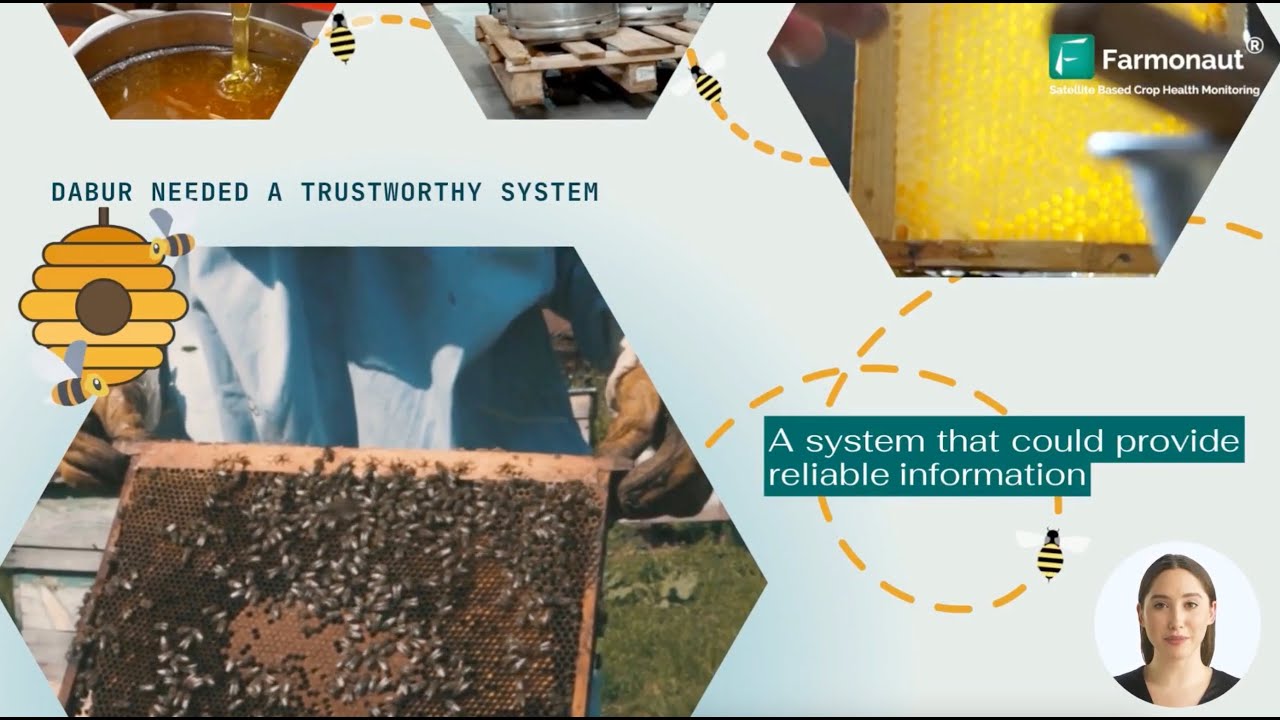
2. Pesticide Exposure: A Chemical Challenge During Almond Pollination
Maintaining healthy almond crops in California’s Central Valley requires frequent pesticide applications, including:
- Fungicides: Used to combat blossom blights during flowering.
- Insecticides: Targeted at pests that threaten fruit set.
- Herbicides: Used to reduce weed competition in orchards.
Unfortunately, many chemicals are toxic to bees. Even at sub-lethal doses, these chemicals can lead to:
- Weakened colonies
- Shortening bee lifespans
- Disrupted navigation and foraging behavior
When millions of beehives are brought together during flowering, the risk of accidental, harmful exposure increases dramatically. Recent years have seen a rise in bee deaths linked directly to pesticide application timing and mixture.
3. Pollination Demand, Hive Crowding, and Disease Transmission
The logistics of pollination for almond orchards are unprecedented. In no other agricultural setting are so many honeybee colonies concentrated in one region at the same time. This annual migration of hives can:
- Facilitate the spread of bee pests and diseases (like Varroa mites and viruses) as hives intermingle
- Stress bees through sudden transportation and disruption of natural rhythms
- Shorten colony lifespans due to the high-energy demand of rapid pollination and constant movement
Many beekeepers report higher colony losses and greater treatment needs after the almond pollination season, further amplifying the debate: Is almond milk bad for bees?

4. Water Stress and Environmental Impact: The Almond–Bee Link
Almond trees are notorious water consumers. Each almond requires about 1.1 gallons (4.2 liters) of water to produce. At the orchard scale, vast water needs lead to:
- Stressed local ecosystems: Aquifer depletion, stream diversion, and habitat drying are common in intensive almond regions.
- Nutritional stress for bees: Stressed trees produce nectar that is lower in nutritional quality, impacting colony development.
- Indirect risks for pollinators: Drought and general water scarcity make natural forage even rarer for wild and managed bees alike.

5. Almond Milk’s Environmental Footprint: More Than Just Bees
While this article focuses on bees and pollinators, the broader environmental impact of almond milk includes:
- High carbon footprint compared to some other plant-based milks (mainly due to irrigation and intensive farm practices)
- Soil health decline where almond monoculture continues, putting pollinator habitat and regional sustainability at risk
- Potential chemical runoff from fertilizer and pesticide use, endangering aquatic and terrestrial wildlife
Thus, the phrase “almond milk is bad for bees” encapsulates a broader web of agricultural sustainability challenges for 2025 and beyond.
Comparison Table: Almond Production’s Impacts on Bee Health and Environment
| Impact Area | Estimated Effect | Explanation | Potential Sustainable Solutions |
|---|---|---|---|
| Bee Mortality | Up to 25% bee colony losses reported post-almond pollination seasons | Concentration of hives and chemical exposure weaken bees, increasing mortality | Stagger pollination timing; reduce hive crowding; enhance habitat diversity in orchards |
| Pesticide Exposure | Significant: Sub-lethal and lethal effects; can impact 40%+ of foraging bees | Pesticides, especially fungicides/insecticides applied during flowering, are toxic to bees | Adopt IPM; precision application; restrict pesticide use during foraging hours |
| Habitat Loss | Up to 80% reduction in non-crop wildflower meadows in almond production regions | Monoculture simplifies landscapes, reducing wild forage and nesting sites | Create wildflower buffers, cover crops, restore hedgerows around orchards |
| Water Usage | 1 liter of almond milk ≈ 371 liters of water | High irrigation needs stress water resources, especially in drought-prone regions | Adopt drip irrigation, drought-tolerant varieties, incentivize multi-use landscapes |
| Carbon Footprint | ~0.7 kg CO₂ per liter of almond milk (higher than soy, lower than dairy) | Energy and water use during production, plus hive transport, add to emissions | Switch to renewable energy, carbon footprint tracking, optimize logistics |
Unlock more on farm-level sustainability by exploring Farmonaut’s Carbon Footprinting tools, enabling agricultural stakeholders to monitor and manage emissions for eco-friendly almond cultivation!
Sustainability Practices and Bee-Friendly Solutions (2026 Outlook)
Given the challenging implications of almond milk production for bee health and the environment, sustainable farming practices have never been more vital—especially as we look ahead to 2026 and beyond. Here’s how modern agriculture is addressing the problem:
Integrated Pest Management (IPM) Strategies
By adopting IPM strategies, almond ornards reduce reliance on chemicals that harm bees. These methods include:
- Monitoring pest levels with remote sensing and AI-driven advisories
- Applying pesticides only when and where necessary, and only outside key foraging hours
- Using biological controls (predators, parasitoids) to replace broad-spectrum insecticides
IPM solutions help reduce chemical exposure, thus lowering bee mortality rates in almond systems.
Habitat Enhancement and Landscape Diversification
A growing movement of almond growers now establishes:
- Wildflower strips between and around almond groves
- Year-round cover crops that offer diverse forage when almonds are not in bloom
- Preserved natural areas for nesting and wild bee habitats around the margins of orchards
Such practices not only support bees but enhance overall biodiversity, increase soil health and resilience, and strengthen the sustainability of almond cultivation.
Did you know? Our Large Scale Farm Management System helps monitor landscape diversity, crop health, and resource optimization, making it easier for growers to implement and track pollinator-friendly practices at scale.
Precision Water and Resource Management
Water remains a defining challenge for almonds. Leading orchards are now:
- Adopting drip irrigation and moisture sensors
- Selecting drought-tolerant almond varieties
- Integrating water footprint monitoring into sustainability audits
Want to track water and resource use remotely? Explore the Farmonaut Fleet Management Solution—it helps streamline resource allocation and optimize field operations for better sustainability.

Innovation in Traceability and Pollinator Protection
Transparency in agricultural supply chains is increasingly demanded by consumers and regulators—especially regarding bee-friendly practices. Digital tools are being leveraged to:
- Trace the use and timing of pesticides
- Verify adoption of pollinator-friendly standards
- Track hive health and movement during pollination seasons
Learn how our Blockchain-Based Traceability technology supports honey and almond supply chain transparency, encouraging pollinator-sustainable decisions in modern farming.

Agricultural Technology and Monitoring: A Satellite Perspective
In the age of climate uncertainty and environmental monitoring (2026 and beyond), satellite technology is revolutionizing how we address the impacts of almond milk production on bee health and sustainability. Satellite-based monitoring offers:
- Real-time insights into crop stress and health—crucial for detecting areas prone to disease, water deficiency, or chemical overuse
- Pinpointing landscape simplification—identifying regions where habitat loss is most severe
- AI-based advisories—alerting growers when and where sustainable actions are necessary
- Environmental tracking—helping regulatory and farming communities measure carbon, water, and biodiversity impacts
Our Crop Plantation and Forest Advisory Solutions empower users to make data-driven decisions—minimizing environmental impacts while safeguarding productivity in almond and honey systems alike.

Environmental Impact of Almond Milk Production
While almond milk is celebrated as eco-friendly next to traditional dairy, its environmental impact is multi-layered. The key environmental issues (in addition to the bee health risks):
- Water Demand: Almonds are one of the most water-intensive crops in California.
- Carbon Emissions: Farm energy and hive transport add to almond milk’s overall carbon footprint (higher than oat or hemp milk, but typically lower than dairy).
- Habitat Destruction: Expansion of almond orchards causes loss of wild habitats critical to birds, mammals, and non-bee pollinators.
- Chemical Runoff: Excess pesticides and fertilizers threaten water quality in surrounding ecosystems.
- Soil Health: Monoculture leads to long-term soil fertility decline.
Curious about sustainability audits for your farm or agricultural supply chain? Explore Farmonaut Crop Loan and Insurance verification to support sustainable agriculture, gain market advantage, and comply with future environmental regulations.
The Future: Sustainable Dairy Alternatives Beyond Almond Milk
In 2026, the debate on almond milk is bad for bees continues to spur both consumer introspection and industry innovation. What does the future hold for dairy substitutes, pollinators, and planet-friendly agriculture?
Exploring Other Plant-Based Milks
As sustainability scrutiny intensifies, interest is rising in alternatives such as:
- Oat milk: Lower water need, minimal pesticides, less pollinator dependence
- Hemp and pea milk: Comparable protein, grown with less chemical input, supports rotation farming
- Locally grown nut milks: Reducing transport emissions and possibly habitat loss
Nevertheless, almond bees will remain at the agriculture-environment nexus, especially as tree crops continue to feature in sustainable food system models globally.
Future sustainability in the food sector, especially in almond milk production, depends on:
- Responsible sourcing
- Industry-wide adoption of pollinator-friendly standards
- Advanced, data-driven monitoring using platforms like ours for scalable ecological stewardship
Farmonaut Subscriptions
Frequently Asked Questions: Almond Milk Is Bad for Bees
Q1: Why is almond milk considered bad for bees?
Almond milk is “bad for bees” because large-scale almond production relies heavily on managed honeybee pollination. The intensive practices—monoculture, high usage of pesticides, massive hive transportation—raise bee mortality and exposure to diseases, stressing both managed and wild bee populations.
Q2: How does almond pollination affect wild pollinators and not just honeybees?
While honeybees are transported in for almond pollination, expanding almond orchards lead to loss of habitat and forage for wild pollinators, which are essential for overall ecosystem health.
Q3: Are there sustainable solutions to make almond milk production less harmful to bees?
Yes. Leading solutions include using IPM strategies to reduce pesticide use, restoring wildflower strips, diversifying cropping patterns, and employing technological monitoring (such as satellite-based insights) to optimize farming for pollinator health.
Q4: What is the water footprint of almond milk, and why does it matter for bees?
It takes around 371 liters of water to produce 1 liter of almond milk. Water scarcity can stress both almond trees and local ecosystems, affecting nectar quality and diversity of alternative forage for bees.
Q5: Can technology help reduce the negative impacts of almond cultivation on bees?
Absolutely. Satellite-based solutions (such as those provided by us at Farmonaut) enable growers to monitor crop health, schedule pesticide applications, track land-use change, and measure environmental sustainability—with the goal of protecting bees and ensuring agricultural resilience.
Q6: How is traceability important in sustainable almond supply chains?
Traceability (such as blockchain-based tracking) enables all parties to verify that almonds are produced under bee-friendly and environmentally responsible conditions—offering consumers and buyers peace of mind.
Q7: What dairy alternatives are more “pollinator-friendly” than almond milk?
Oat, hemp, and pea milks generally require less water, fewer pesticides, and depend less on managed pollinators, making them more bee- and ecosystem-friendly for many regions.
Q8: Where can I learn more about satellite-driven agricultural sustainability?
For more, check out our Farmonaut platform—featuring real-time monitoring, AI advisory, resource management, and blockchain traceability for modern agriculture.
Conclusion: Almond Milk, Bees, and a Sustainable Future
The rise of almond milk—while offering a lower-emission, plant-based dairy alternative for health- and environment-minded consumers—has undeniable and profound implications for bee populations, pollinator diversity, and agricultural sustainability.
Almond trees rely almost exclusively on honeybees for pollination. As orchards expand to meet global demand, the intricacies of almond cultivation exert intense pressures on an unseen workforce—the bees—that enable the system to function in the first place.
If we are to enjoy almond milk responsibly in 2026 and beyond, agricultural practices must balance productivity with robust pollinator protection strategies. Whether through adopting bee-friendly IPM, leveraging satellite-driven monitoring, enhancing habitat diversity, or rethinking water and carbon footprints—
the future of almond production can only be sustainable if pollinators thrive alongside it.
As a society, let’s use the tools of technology, transparency, and consumer awareness to ensure our shift towards plant-based alternatives doesn’t come at the hidden expense of our most valuable pollinators.
For deeper insights into agricultural sustainability, satellite-based crop and resource management, eco-friendly product traceability, or to join the movement prioritizing pollinator-safe food systems, visit us at Farmonaut.com.
Together, we can build a model of agriculture that is healthy for both people and pollinators.

 AgroStar
 Native Seeds
 Andex
Andex FCF India
 Unifrutti Gulf
 Deluxe Conseil
 TVS Electronics
 BW Pipelines
 WICO
WICO Gen Chayat
 Chimera Innovation
 SkyHarvest
 Polaris Digitech
 Teledarbas
 Wild Oak Farm
