

Scarlet Oak Tree, Desert Oak Tree: 7 Key Benefits
The Scarlet Oak and Desert Oak Trees: Ecological and Economic Significance in Contemporary Forestry and Agriculture
- Introduction: Scarlet Oak Tree, Desert Oak Tree in the Context of 2026
- Understanding Scarlet Oak and Desert Oak Tree Species
- Comparative Benefits Table: Scarlet Oak vs. Desert Oak Tree
- 7 Key Benefits of Scarlet Oak Tree & Desert Oak Tree
- Biodiversity Support
- Carbon Sequestration
- Drought & Climate Resilience
- Timber Yield & Economic Value
- Soil Stabilization
- Wildlife Habitat & Food Provision
- Climate Regulation & Sustainable Land Management
- Farmonaut’s Role in Forest and Agroforestry Monitoring
- Applications in Sustainable Development and Climate Action
- FAQs
- Conclusion
Introduction: Scarlet Oak Tree, Desert Oak Tree in the Context of 2026
As we advance into 2026, the significance of sustainable forestry, biodiversity, and climate resilience is at the forefront of environmental, agricultural, and economic strategies. Among the most vital contributors to these objectives are the scarlet oak tree, desert oak tree, representing two distinct, ecologically and economically important species.
The scarlet oak tree (Quercus coccinea), keystone of temperate forests in the eastern and central United States, and the desert oak tree (Allocasuarina decaisneana), an iconic native adapted to Australia’s arid interior, both exhibit unique adaptations, ecological functions, and economic utilities. Understanding the characteristics, benefits, and roles these species play in their respective environments is essential for advancing conservation, restoration, and sustainable land management for 2026 and beyond.
This in-depth blog unpacks the seven key benefits—from biodiversity support to carbon sequestration and climate regulation—of the scarlet oak tree, desert oak tree. We highlight their commercial applications, ecological significance, and how they’re leveraged in modern forestry and agroforestry projects. Integrating satellite-based monitoring, such as the innovative solutions offered by Farmonaut, further advances our ability to manage, restore, and maximize the value of these vital species.



🔗 See API Developer Docs for integration help
Understanding Scarlet Oak and Desert Oak Tree Species
Scarlet Oak Tree (Quercus coccinea): Characteristics & Ecological Role
The scarlet oak tree stands out for its striking, vibrant crimson foliage in autumn, making it not just a highly ornamental species but an important deciduous hardwood in forestry. Native primarily to the eastern and central United States, it is a keystone component of oak-hickory forests, thriving on well-drained, acidic soils. It’s recognized for:
- ✔ Timber Quality: Hard and strong wood, robust and prized for construction, flooring, and furniture.
- ✔ Wildlife Support: Acorns serve as a critical food source for deer, squirrels, birds, and many forest populations.
- ✔ Drought Tolerance: Adapted to survive moderate drought, offering resilience amidst climate unpredictability.
- ✔ Ecosystem Restoration: Increasingly favored in reforestation projects and adaptive forest management strategies in 2025–2026.
- ✔ Disease Resistance: Notably more resilient against oak wilt fungus compared to some other oaks.
Desert Oak Tree (Allocasuarina decaisneana): Adaptation to Arid Environments
The desert oak tree is native to Australia, primarily found across the arid interior where it thrives in extreme environmental conditions: low rainfall, high temperatures, and nutrient-poor soils. Despite the name, this “oak” belongs to the Casuarinaceae family, featuring:
- ✔ Deep Taproot System: Penetrates deep to reach groundwater, enabling survival in arid zones.
- ✔ Soil Stabilization: Reduces wind erosion and improves microclimatic conditions through agroforestry.
- ✔ Resource Provision: Edible seeds, durable wood (termite-resistant), and valued in traditional Aboriginal use.
- ✔ Drought Resilience: Iconic species in combating desertification and land degradation worldwide.
- ✔ Agroforestry Applications: Used for sustainable livestock grazing, restoration, and ecological balance.
In the context of 2026, the scarlet oak tree, desert oak tree offer a spectrum of ecological and economic benefits crucial for climate-resilient forestry and land management.
Comparative Benefits Table: Scarlet Oak vs. Desert Oak Tree
| Benefit Category | Scarlet Oak Tree (Quercus coccinea) |
Desert Oak Tree (Allocasuarina decaisneana) |
|---|---|---|
| Biodiversity Support | Supports up to 534 caterpillar species, promotes diverse wildlife; key habitat for forest birds and mammals. | Fewer dependent insects but critical habitat for desert-adapted birds & mammals, including endangered species. |
| Carbon Sequestration | Sequesters up to 6.5 tons CO₂/ha/year in optimal conditions; significant in reforestation. | Sequesters up to 2.1 tons CO₂/ha/year; vital for arid-region carbon projects. |
| Drought Resilience | Tolerates moderate drought; adaptable to climate unpredictability. | Outstanding drought tolerance due to deep-rooting; sustains in extreme arid conditions. |
| Timber Yield | High: Hard, robust wood for furniture, flooring, construction; 280-350 m³/ha over 50 years. | Moderate: Dense, termite-resistant wood; 120–160 m³/ha used for fencing, firewood, tools. |
| Soil Stabilization | Moderate; contributes to forest soil fertility and erosion control. | High: Reduces soil erosion by up to 40% in arid zones; improves rangeland health. |
| Wildlife Habitat | Critical food and cover for deer, squirrels, birds, and pollinators. | Key shelter for marsupials, birds, and reptiles in harsh environments. |
| Climate Regulation | Air purification, local cooling, CO₂ capture; vital urban/forest species for resilience. | Microclimate moderation, reduces desertification effects; supports environmental restoration. |
7 Key Benefits of Scarlet Oak Tree & Desert Oak Tree
Examining the scarlet oak tree, desert oak tree through the lens of sustainable forestry, land management, and climate adaptation in 2026, we identify seven fundamental benefits delivered by these species in their respective ecosystems:
- 🌳 Biodiversity Support
- ☁️ Carbon Sequestration
- 💧 Drought & Climate Resilience
- 🪓 Timber Yield & Economic Value
- 🌱 Soil Stabilization
- 🦌 Wildlife Habitat & Food Provision
- 🌏 Climate Regulation & Sustainable Land Management
1. Biodiversity Support
- 📊 Scarlet oak tree: Essential in temperate forest ecosystems, supporting a wide spectrum of insects, birds, and mammals.
- 📊 Desert oak tree: Provides crucial habitat and resources for species that have adapted to arid, extreme environments—including endangered bird populations.
By serving as keystone habitat providers, both trees enhance biodiversity, resilience, and landscape stability, an increasingly vital outcome as global biodiversity faces significant threats.

2. Carbon Sequestration
- 📊 Scarlet oak tree: Robust in capturing atmospheric CO₂, with sequestration rates among the highest for temperate species—vital for carbon credits and reforestation in the United States.
- 📊 Desert oak tree: While growth rate is slower, its perennial presence and resilience make it invaluable in arid carbon offset projects and land restoration.
Integrating these trees into sustainable land management drives meaningful climate regulation and bolsters national and international climate mitigation initiatives.

3. Drought & Climate Resilience
- ⚠️ Scarlet oak tree: Withstands moderate drought and is adaptive in the face of climate unpredictability, essential in US reforestation/urban forestry by 2026.
- ⚠️ Desert oak tree: Iconic model of arid adaptation—deep root architecture accesses groundwater even through prolonged dry seasons; sustains microclimates in Australia’s desert heartlands.
Drought-tolerant trees like these are critical for restoring degraded, dry, or fire-prone lands, making them focal in global land management strategies for the future.

4. Timber Yield & Economic Value
- 🪓 Scarlet oak tree: High-value timber—hard, durable wood used in the furniture, cabinet, flooring, and construction sectors. Integral for promoting sustainable timber economies in North America.
- 🪓 Desert oak tree: Moderate-yield, ultra-durable wood—termite and decay-resistant, used for fencing, tool-making, and artisan crafts in Australia; essential in local economies and indigenous resource management.
Emphasizing native timber species ensures ecological integrity and long-term economic gain—valuable for forestry investors, landowners, and restoration programs worldwide.
5. Soil Stabilization
- 🌱 Desert oak tree: Reduces soil erosion by up to 40% in the Australian outback, villages & rangelands; vital in preventing desertification and land degradation.
- 🌱 Scarlet oak tree: Contributes to forest soil fertility, erosion prevention in temperate woodlands, especially when interplanted with other native hardwoods and pines.
Soil stabilization underlines the significance of desert oak projects in global agroforestry and reforestation targets for 2026.
- ✔ Scarlet oak trees are pivotal in supporting North American forest biodiversity.
- ✔ Desert oak trees uniquely stabilize fragile soils of Central and Western Australia.
- ✔ Native timber species sustain long-term economic growth, local jobs, and traditional livelihoods.
- ✔ Both species act as carbon sinks, contributing to national emission reduction targets (2026-2030).
- ✔ Their resilience helps landscapes withstand climate change and environmental disturbances.
6. Wildlife Habitat & Food Provision
- 🦌 Scarlet oak tree: Produces acorns, a staple food for deer, squirrels, turkeys, and dozens of native birds—supports diverse food webs in North American forests.
- 🦌 Desert oak tree: Supplies edible seeds for indigenous diets and essential shade/shelter for arid-adapted fauna in Australia, from birds to monitor lizards to marsupials.
Integrating wildlife-friendly trees is necessary for maintaining the integrity of rural, forest, and desert ecosystems as we move toward regenerative agriculture and nature-based solutions post-2026.

7. Climate Regulation & Sustainable Land Management
- 🌏 Scarlet oak tree: Cools urban heat islands, filters air pollutants, and regulates hydrological cycles in temperate climates.
- 🌏 Desert oak tree: Helps prevent desertification, cools rangeland microclimates, and slows wind erosion of precious soils—critical for sustaining food security and livestock health in marginal lands.
Trees like quercus coccinea and allocasuarina decaisneana are pillars of sustainable land and ecosystem management, ensuring resilience and productivity in an era of unprecedented climate extremes by 2026.

Farmonaut’s Role in Forest and Agroforestry Monitoring
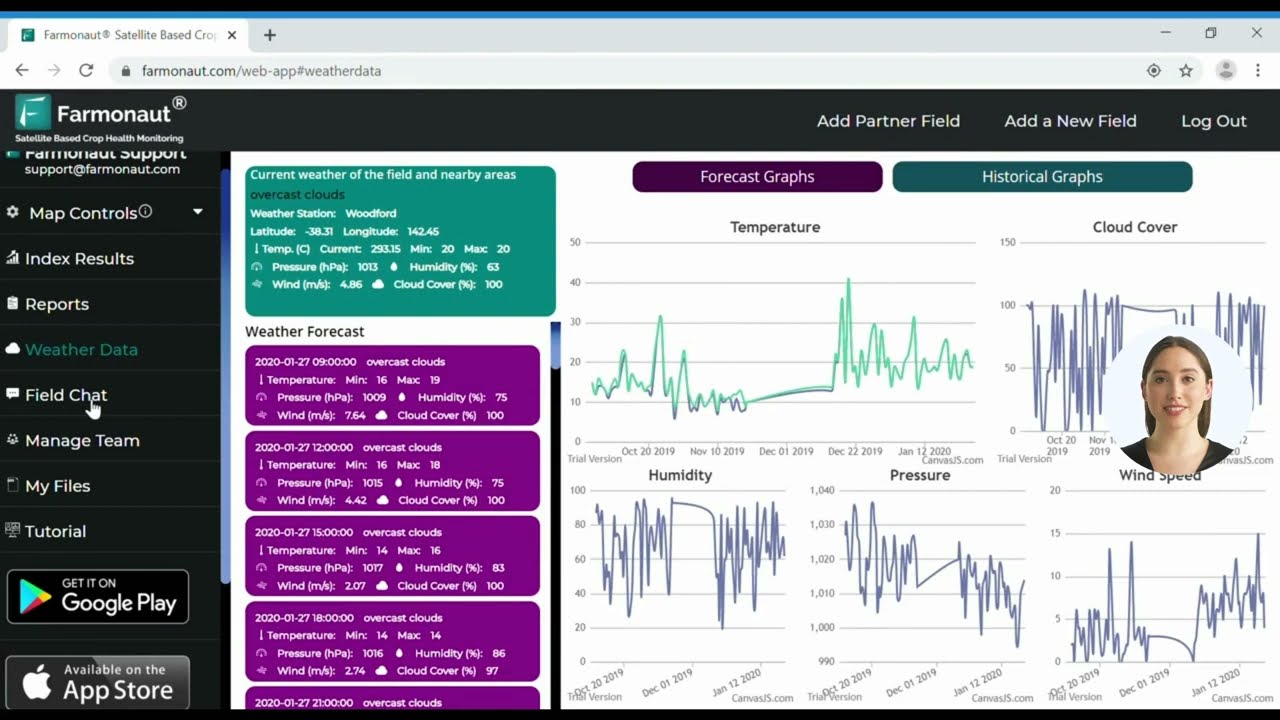
As satellite-based monitoring becomes the foundation for precision forestry, adaptive land management, and climate-aligned agriculture, platforms like Farmonaut are indispensable. We at Farmonaut offer cost-effective, accessible solutions for businesses, users, and governments seeking real-time, actionable insights on forest and agricultural landscapes, including:
- ✔ Satellite imagery (NDVI, multispectral) to monitor tree health, timber regrowth, and drought stress in large-scale forest and agroforestry zones.
- ✔ AI-driven advisory systems for optimal timing, reforestation planning, and pest/drought management—critical for scarlet oak tree, desert oak tree plantations.
- ✔ Environmental impact tracking, such as carbon footprinting, supporting grant compliance and traceable carbon offset protocols for timber and non-timber projects.
- ✔ Resource and fleet management tools to monitor vehicles/equipment in hard-to-reach forest & rangeland environments, lowering costs for restoration and fire prevention.
- ✔ Blockchain-based traceability for supply chain transparency and authentication in timber and commodity sourcing (product traceability).
Our platforms are accessible via app, web browser, and developer API, with scalable subscriptions for individual landowners, forestry businesses, NGOs, and government agencies.
Applications in Sustainable Development and Climate Action
The scarlet oak tree, desert oak tree are at the intersection of sustainable forestry, regenerative agriculture, and ecosystem restoration for the global climate agenda through 2026. Their adoption across reforestation, agroforestry, and urban greening delivers quantifiable advantages for:
- Governments: Meeting national biodiversity and carbon commitments.
- Farmers and Pastoralists: Improving grazing, drought-resilient shade, and soil health in marginal lands.
- Conservation NGOs: Restoring native landscapes, wildlife corridors, and critical habitats with proven, climate-hardy species.
- Urban Planners: Greening cities, reducing heat islands, and valuing ecosystem services.
Frequently Asked Questions (FAQs)
What are the main differences between the scarlet oak tree and desert oak tree?
How do these trees contribute to sustainable forestry and agriculture by 2026?
Can I use Farmonaut technologies for monitoring these trees?
What are the economic benefits of planting native trees over fast-growing exotics?
Where can I get more help with reforestation, carbon credits, or forest monitoring?
Conclusion
The ecological and economic roles of the scarlet oak tree, desert oak tree are indispensable in the drive toward sustainability, biodiversity, and climate adaptation for 2026 and beyond. By prioritizing native, resilient species in modern forestry, land restoration, and agroforestry projects, we enable healthier forests, robust rural economies, and more secure climates for future generations. Leveraging real-time satellite, AI, and digital traceability tools—such as those pioneered by Farmonaut—fulfills the promise of truly modern, transparent, and impact-driven land management.
Whether you’re a farmer, forester, policy-maker, or conservation investor, understanding and integrating the scarlet oak tree, desert oak tree into your sustainability strategy is non-negotiable for resilient, regenerative success in the contemporary environmental context.
Start monitoring your forest, farm, or restoration project today—join us in building climate-smart landscapes for the world of tomorrow.
Discussion
Questions, corrections or field experience? Share them below. First-time comments are reviewed before they appear, and your email is never published.
No comments yet. Be the first to add a question or your experience.

 Nivia
Nivia Doodlakine
 Exurbia Geospatial
 FieldZero
 Indico Company
 Kubota
 FFBS
FFBS Jontra
 Kalustyan
 Tucor
Tucor Geno
Geno Hayleys Agriculture
 Linx Agritech
 Adinet
 Licence holder · Niger · Gold










