

Top 10 Strategies for Sustainable Groundwater Management
“Groundwater supplies nearly 40% of global irrigation water, making sustainable management vital for food security.”
Introduction: The Importance of Groundwater Management
Groundwater is a lifeline for agriculture and forestry, sustaining farms, orchards, nurseries, and forested landscapes—particularly in regions with irregular rainfall or prolonged dry seasons. As climate variability intensifies, securing this precious resource for crops, trees, and ecosystem health—while ensuring its availability for future generations—demands innovative management practices and science-driven strategies. The core challenges include striking a balance between water use and recharge, guaranteeing reliability, and maintaining quality.
This comprehensive blog explores the top 10 strategies for sustainable groundwater management. We blend on-the-ground practical practices with advanced technologies, policy considerations, and examples from agriculture and forestry—equipping farmers, land managers, and decision-makers with actionable solutions to boost yields, foster resilience, and protect our shared ecosystems.



Access powerful soil, irrigation, and resource management tools anytime via the Farmonaut web, Android, or iOS apps.
Advanced groundwater sustainability hinges on three levers: data-driven assessment, precision water use, and ecosystem protection. Integrating these core elements is non-negotiable for securing resilient agricultural and forested landscapes globally.
Key Concepts and Principles for Sustainable Groundwater
Sustainable groundwater management in agriculture and forestry is built on a robust foundation of science, technology, and collaborative governance. Let’s clarify the essential concepts and principles that underpin successful practices:
- Resource Assessment & Baseline Establishment: Quantifying groundwater levels, recharge rates, and seasonal variability is critical. This process involves deploying monitoring wells, embracing remote sensing platforms (including satellites), and tracking soil moisture data to precisely understand how much water is available and how quickly it is depleted.
- Defining Sustainable Yield: It’s imperative to define a boundary—a threshold for extraction that avoids long-term decline in water levels, land subsidence, or degradation of springs and wetlands. Adjusting pumping to closely match natural recharge and climate projections is often required.
- Safeguarding Aquifer Health and Quality: Aquifer protection involves minimizing contamination by agrochemicals (fertilizer, pesticides), salts, and pathogens. Implement buffer zones, managed fertilizer application, and proper storage of fuels and chemicals to prevent leaching and runoff.
- Climate Resilience & Water Source Diversification: As future conditions become more uncertain, successful management diversifies sources—including rainwater harvesting, surface recharge, and use of treated wastewater (where appropriate)—and enhances soil moisture retention and drought tolerance through clever crop selection and agrotechnical methods.

- ✔ Resource assessment: Monitoring wells, remote sensing, and satellite-based soil moisture data
- 📊 Sustainable yield: Extraction rates matched to natural recharge and climate projections
- ⚠ Aquifer health: Limit contamination risks from farm inputs and industrial sources
- 📋 Climate resilience: Diversify water sources and ensure adaptation to variable rainfall
Comparison Table of Key Sustainable Groundwater Management Strategies
| Strategy Name | Est. Water Savings (%) |
Est. Implementation Cost (USD/acre) |
Suitability (Crop/Forest) |
Soil Impact (Low/Medium/High) |
Yield Improvement Potential (%) |
Ecosystem Resilience Impact |
|---|---|---|---|---|---|---|
| Precision Irrigation | 25–40 | $100–$600 | Row, field, orchard crops | High | 10–25 | High |
| Automated Scheduling | 15–30 | $70–$200 | All annual crops, smart orchards | Medium | 5–20 | Medium |
| Soil Moisture Retention (Cover, Mulch) | 10–20 | $30–$120 | All crops, agroforestry, forests | High | 10–18 | High |
| Crop Selection & Rotation | 5–18 | $15–$50 | Annuals, perennials, mixed | Medium | 6–13 | Medium |
| Groundwater Recharge Structures | 20–30* | $250–$900 | Field/forest, high run-off areas | Medium | Varies (site-specific) | High |
| Fertilizer & Pesticide Management | Up to 10 | $12–$40 | All agriculture/farming | Medium | 2–6 | Medium |
| Riparian Buffers | 10–15 | $100–$350 | Field–stream interface, forests | High | 6–12 | High |
| Silviculture (Thinning, Understory MGMT) | 10–20 | $60–$280 | Agroforestry, forests | Medium | 5–15 | High |
| Water-balanced Forestry Planning | 8–17 | $20–$90 | Forests, agroforestry | Medium | 6–14 | Medium |
| Rainwater & Surface Harvesting | 15–35 | $100–$480 | All farm types, forest fringes | High | 8–20 | High |
*Groundwater recharge savings refer to long-term replenishment benefits; actual yield improvement depends on site and system integration.
Layering strategies—such as combining precision irrigation with soil moisture retention and smart fertilizer management—often yields the best results across water savings, crop yields, and ecosystem resilience. Adapt integration by landscape, system, and scale.
“Efficient irrigation can reduce water use by up to 30%, significantly improving groundwater sustainability in agriculture.”
Top 10 Strategies for Sustainable Groundwater Management
1. Precision Irrigation: Drip, Micro-sprinkler & Data-Driven Watering
Precision irrigation maximizes yield while dramatically reducing water use, runoff, and deep percolation losses. Systems such as drip and micro-sprinklers—combined with soil moisture sensors, evapotranspiration (ET) data, and weather forecasts—enable you to apply water only where and when needed. This approach:
- ✔ Reduces evaporation and unproductive water loss
- ✔ Ensures uniform soil moisture in the crop root zone
- ✔ Improves yield and quality while reducing fertilizer leaching
Example technologies include intelligent scheduling apps, low-pressure drip lines, and AI-based satellite soil moisture monitoring. Explore how satellites & AI revolutionize water management in this video:
- 📲 Automation supported by apps & IoT sensors boosts consistency
- 🌾 Most effective in row crops, orchards, and greenhouses
- ⚡ Lowers pumping energy and total water input
Discover Farmonaut’s Large-Scale Farm Management tools here
– our platform simplifies irrigation scheduling and near real-time resource decisions.
2. Scheduling and Automation to Prevent Overwatering
Automated irrigation scheduling brings new precision to groundwater management. By integrating ET data, soil moisture sensors, and weather forecasts, cycle-and-soak routines, and smart timers, we can:
- ✔ Prevent overwatering and subsequent groundwater overdraft
- ✔ Apply water during optimal periods (typically overnight or early morning) to reduce evaporation
- 📊 Slash wasted input costs while boosting root zone moisture retention
Automation technology—featuring remote control valves and AI schedulers—extends benefits to both smallholder and large field systems.
Agri-loan and insurance verification on Farmonaut leverages such monitoring, supporting lower-risk and data-backed lending.

Overwatering without monitoring often depletes groundwater rapidly and causes nutrient runoff. Always cross-check irrigation events with field data and upcoming weather conditions.
3. Soil Health and Moisture Retention: Mulching, Cover Crops & Organic Matter
Soil health is foundational to groundwater sustainability and crop yield. By boosting organic matter via cover crops, mulching, and reduced-till farming, we can:
- ✔ Dramatically improve water infiltration and storage in the root zone
- 📋 Enhance soil structure to prevent runoff and erosion
- 🔋 Maintain moisture longer during dry periods for resilient growth
Green manures and compost further feed beneficial microbes for long-term soil and aquifer health.

For those interested in carbon footprinting and climate-smart land use, see Farmonaut’s Carbon Footprinting resources—generate accurate soil, water, and emission tracking for regulatory or operational needs.
4. Crop Selection & Rotation: Drought-Resilient Varieties and Systems
Choosing the right crops—and rotating with drought-tolerant varieties—helps maintain soil structure, reduce total water demand, and protect yields during dry periods. Practices include:
- 🌱 Deficit irrigation strategies for certain crops—triggering deeper rooting or adjusting phenology
- 🌾 Rotating between low and moderate water-demand crops, or integrating legumes to enrich soil health
A data-driven approach (such as crop water-use modeling) fine-tunes both profit and sustainability.
Verified sustainable groundwater use, crop rotation, and digital traceability open pathways for climate-resilient agri investment portfolios—increasing transparency and compliance.
5. Recharge Enhancement: Field Layout, Basins & Surface Runoff Management
Recharging groundwater aquifers—especially in areas with significant surface runoff during rainy seasons—stabilizes water levels for future use. Recharge structures like percolation ponds, check dams, and well-designed field layouts (including contour farming and terracing) promote steady infiltration.
- 💧 Capture excess surface water, channeling it into infiltration zones
- ⚠ Site-specific analysis—avoid groundwater contamination by screening sources prior to recharge
Fleet and resource management tools from Farmonaut streamline maintenance of recharge projects and large-scale land operations.

How to Start with Rainwater Harvesting & Recharge:
- Map seasonal runoff patterns using field observations or satellite imagery
- Identify feasible recharge zones (percolation-prone soils, uncultivated land)
- Install structures: trenches, basins, bunds based on slope and rainfall intensity
- Monitor water levels in wells to measure recharge impact over time
6. Fertilizer & Pesticide Management: Protecting Water Quality
Agrochemicals—when misapplied—can leach into groundwater, threatening aquifer health and downstream ecosystems. Best practices to minimize contamination include:
- 💡 Apply fertilizer in split doses, timing with crop uptake patterns and rainfall forecasts
- 🚫 Store fuels and chemicals properly, away from wells and watercourses, and use leak-proof containers
- 🪲 Adopt integrated pest management (IPM) to reduce chemical inputs
- 🧪 Use slow-release fertilizers where feasible
Recent regulations (e.g., Florida’s fertilizer bans) highlight the necessity of limiting runoff at the landscape level.

Farmonaut’s AI-driven crop and soil monitoring helps schedule precise fertilizer application based on satellite-observed crop stress—supporting both cost-saving and aquifer protection.
7. Riparian Buffers: Nature’s Safeguard for Clean Groundwater
Riparian buffers—the vegetated strips along streams, ponds, and wetlands—act as natural filters. These buffers:
- ✔ Trap sediments, nutrients, and agrochemicals before they reach groundwater or surface water
- 🎋 Stabilize banks, prevent erosion, and foster wildlife corridors
- 💚 Enhance overall ecosystem resilience and water quality long-term
Maintain native grasses, wetland plants, and shrubs in buffer strips of 10–30 meters, customizing width to slope and runoff load.
8. Silvicultural Practices and Water-Balanced Forestry Planning
Forestry and agroforestry systems require unique water management:
- 🌳 Silvicultural thinning reduces tree competition, improving resource access and reducing total transpiration draw during droughts
- 🌱 Understory management & mulching help retain soil moisture and preserve structure
- 🌾 Water-balanced management models tree-crop interactions, ensuring large trees do not competitively exhaust shared aquifers
Innovative digital decision tools (such as Farmonaut’s crop plantation and forest advisory module) integrate real-time weather, satellite, and yield modeling—empowering forest managers and agroforestry practitioners.

9. Rainwater Harvesting & Surface Water Diversification
Rainwater harvesting reduces direct pressure on groundwater aquifers, especially in areas with seasonal rainfall variability. Practices include rooftop, field, and lined pond collection integrated into existing irrigation flows.
- ✔ Appropriate pre-filtration prevents contamination of storage
- ✔ Dual-use systems for both irrigation and livestock
- 🛠 Smart pumps and gravity feeding enhance energy efficiency
Diversifying sources, including treated wastewater (where allowed), further bolsters climate resilience.
Without proper filtering, stored rainwater and diverted surface flows can introduce pathogens or industrial contaminants to irrigated crops and aquifers. Schedule regular maintenance and source assessments.
10. Monitoring, Feedback & Adaptive Management
The most effective groundwater management strategies are dynamic. Ongoing monitoring—using satellite imagery, well measurements, and soil/plant health data—enables:
- ✔ Quick detection of over-extraction or declining recharge
- 📈 Adaptive water use scheduling to climate and seasonal variability
- 📉 Timely response to contamination incidents or land degradation
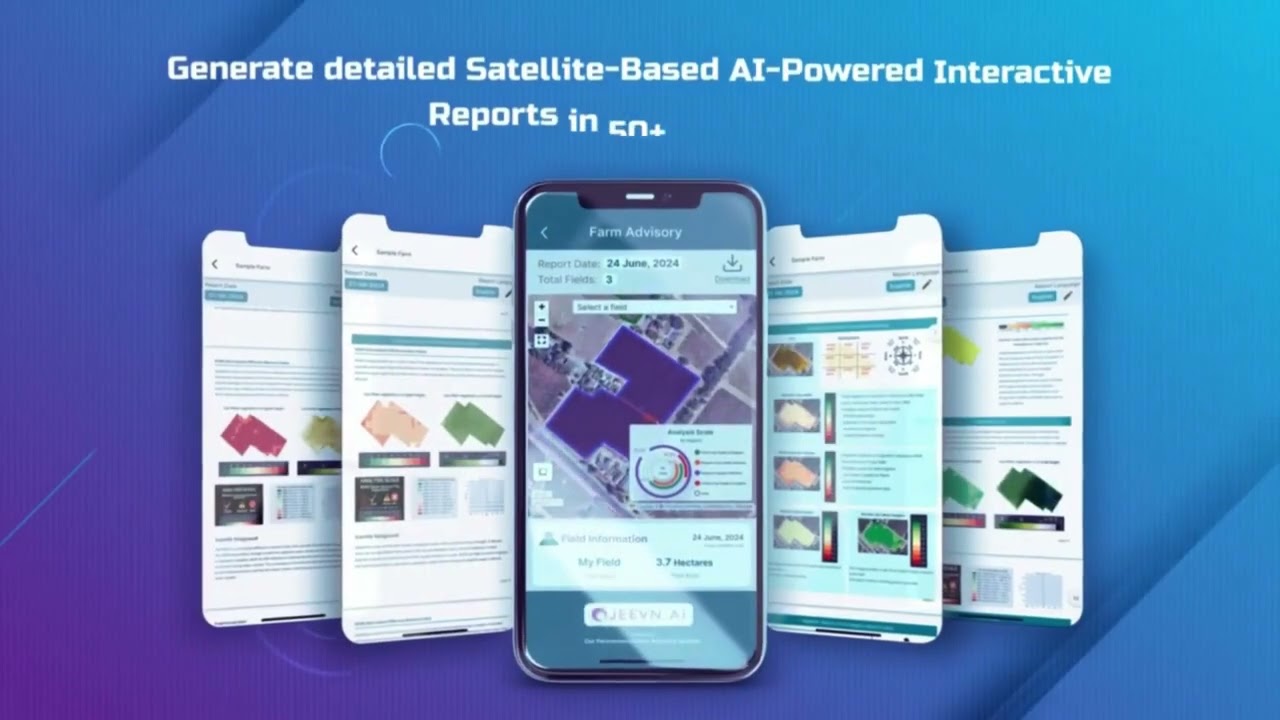
Access Farmonaut’s satellite data API and developer documentation to integrate real-time resource monitoring directly into your landscape management platforms or agribusiness tools.
- ✔ Monitor subsurface and field conditions in real-time for early-adaptive response
- 📊 Analyze trends in groundwater and soil moisture to preempt yield decline
- ⚡ Automate water scheduling based on predictive weather and crop models
- 💡 Balance extraction with aquifer recharge to avoid long-term decline
- ✔ Share and aggregate data with stakeholders for transparent governance
Digital Tools & Satellite Monitoring for Groundwater Sustainability
Technology is transforming water, soil, and landscape management for sustainability. As a satellite technology company, we at Farmonaut are committed to making affordable, actionable, and scalable data solutions accessible for every stakeholder:
- ✔ Satellite-based monitoring for crop & soil health, vegetation condition, and resource use
- 🔍 AI advisory systems for climate-adaptive irrigation and fertilizer scheduling
- 📲 Mobile and web apps to track moisture, weather forecasts, and land trends remotely
(Try Farmonaut) - 🔗 Blockchain traceability—ensuring that sustainably-managed, traceable crops are verifiable from field to market
Our digital system supports not only farmers and land managers, but also governments and financial institutions pursuing agriculture and forestry that are truly sustainable, resilient, and transparent.
Policy, Governance & Economic Instruments for Water Stewardship
- ✔ Water rights and legal frameworks must align with sustainable extraction boundaries and incentivize efficient use.
- 💵 Economic incentives and credits can help cover the up-front costs of adopting advanced monitoring, precision irrigation systems, and recharge structures.
- 📢 Education and extension services ensure best practices (soil monitoring, smart irrigation, fertilizer management) are understood and accessible to all farmers and foresters.
- 🔁 Feedback/adaptive management loops enable adjusting practices as climate patterns, recharge rates, and regulatory requirements evolve.
Transparent data reporting and cooperative resource sharing are essential to building trust—and securing rural livelihoods for future generations.
Environmental and Social Outcomes: Why Sustainable Groundwater Matters
The payoffs of strategic groundwater stewardship reach beyond farm gate profitability:
- ✔ Reduced energy use and costs due to lower and more efficient pumping needs
- ✔ Higher crop yields and orchard/forest resilience during unpredictable or dry seasons
- ✔ Improved groundwater quality, supporting healthy springs, wetlands, and stream flows
- ✔ Long-term viability of rural livelihoods, with robust ecosystem services benefiting all of society
- ✔ Preserved aquifers for drought years and future generations
This sustainable approach is only possible through the synergistic blend of science, technology, policy, and practical on-the-ground management. And it keeps our landscapes productive, vibrant, and climate-resilient.
Subscribe to Farmonaut: Data Solutions for Water, Soil, and Sustainability
Sustainable groundwater management in agriculture and forestry hinges on precise water use, soil health, diversified water sources, and robust governance. When implemented coherently, these strategies safeguard yields, support ecosystems, and enhance resilience against climate change—securing food security and the vitality of our shared landscapes for generations to come.
Frequently Asked Questions (FAQ)
Q1. What is sustainable groundwater management?
It is a scientific and practical approach that secures groundwater for current and future generations without depleting aquifers or degrading water quality. It blends data-driven assessment, efficient water use, recharge, soil health, and strong governance.
Q2. How can technology help in groundwater monitoring?
Satellite imagery, sensors, and real-time weather/evapotranspiration data—offered by Farmonaut—enable precise and large-scale monitoring of soil moisture, water levels, crop stress, and environmental impacts for adaptive management.
Q3. What’s the first step for a farmer or forest manager aiming for water sustainability?
Baseline assessment of your water resources (well levels, recharge rates), paired with soil health management. Digital satellite monitoring and simple field audits are a fast, affordable entry point.
Q4. Why is soil health so critical to groundwater?
Healthy soils with good structure and organic matter increase infiltration and moisture retention, directly enhancing aquifer recharge and supporting plants during dry spells.
Q5. How do economic incentives make adoption easier?
Grants, loans, and subsidies help farmers and land managers offset the costs of upgraded irrigation, soil monitoring technology, or recharge infrastructure while reducing risks via insurance.
Take Control of Soil, Water & Landscape Sustainability
- ✔ Adopt actionable groundwater practices for your farm, orchard, or forest
- ✔ Monitor and manage from anywhere using Farmonaut Satellite & AI apps
- ✔ Build climate resilience for your crops, trees, and local ecosystem
- ✔ Contribute to sustainable food & resource security, globally and locally


