

Tree Bark, Oak Tree Bark, White Bark Trees: 2026 Trends
Summary: Tree Bark: Its Vital Role in Forestry and Sustainable Land Management in 2025
Tree Bark: Evolution, Types, and Ecological Importance
Tree bark is often seen merely as the tough outer covering on trees, a natural shield meant to protect their vulnerable inner parts. Yet, as sustainable forestry and land management practices evolve towards 2026, the role and significance of bark go far beyond this traditional perception. Innovative advances in both industry knowledge and technology have newly highlighted the importance of bark’s functions—making it vital not just for individual tree health and species survival, but as a linchpin in broader ecological and economic systems.
The bark is composed of several layers:
- Cork (Outer Bark): The watertight layer, rich in suberin, acting as physical armor against environmental threats and pests.
- Cork Cambium: Generates new bark tissues, allowing the bark to thicken and protect the tree more efficiently.
- Phloem (Inner Bark): Transports essential nutrients and aids the tree’s metabolic health.
These layers enable trees to:
- Shield inner tissues from mechanical damage, pests, extreme weather, and diseases.
- Act as a living habitat for mosses, lichens, fungi, and numerous insects—contributing strongly to biodiversity within forest ecosystems.
- Serve as an indicator for foresters and industry professionals, providing visible signs of overall tree vigor and health for quick monitoring and management.

Modern research also emphasizes wood bark’s role in carbon sequestration and as a source of renewable materials for use in industry, construction, and even pharmaceuticals. This shift supports more sustainable utilization of forest resources and helps transition industries toward more creative and sustainable economies in 2026 and beyond.
Key Takeaway: Bark is not merely a passive covering—it plays critical and innovative roles in promoting resource utilization, ecosystem balance, and sustainable forestry practices.
Oak Tree Bark: Resilient Armor & Ecological Powerhouse
Among the most valued and extensively studied bark types, oak tree bark (from Quercus species) stands out as one of the natural world’s most effective defense mechanisms. Famous for its thick, rugged layer, oak bark can survive fires, droughts, insect infestations, and other environmental extremes. Oak bark is high in tannins—a natural antioxidant—making it valuable for both traditional uses and modern applications:
- Leather tanning: Tannins in oak bark have helped preserve animal hides for centuries.
- Medicinal & cosmetic products: Recent research in 2025 has renewed interest in harnessing its natural compounds for antioxidants, pharmaceuticals, and eco-friendly cosmetics.
- Eco-conscious building materials: Bark from oaks is now used as a renewable input in climate-resilient architectural designs, often paired with blockchain-based traceability for supply chain authentication (read more).
Oak trees’ bark is also renowned for:
- Enabling survival during forest fires and insect assaults.
- Supporting complex ecosystems—one oak supports up to 320 insect species (see trivia above).
- Acting as a keystone contributor to local biodiversity, especially in mixed deciduous forests of North America and Europe.

Farmonaut’s satellite-driven crop and plantation monitoring solutions are regularly used by forest managers to monitor oak tree bark health, estimate regeneration rates, and identify disease spread on a systemic level, reducing costly and unsustainable interventions (discover how our advisory platform enhances plantation management).
In sustainable forestry management, especially from 2025 onward, oak tree bark has a dual role—as a protective shield and as a renewable industry resource. Modern extraction methods (such as ultrasonic and enzyme-aided extractions) are increasingly used to harvest tannins with minimal impact, combining ecological priorities with industrial utilization.
White Bark Trees: Reflective Solutions for a Changing Climate
“White bark trees can boost local forest regeneration rates by up to 28% through improved land management practices in 2026.”
White bark trees—a group including white-barked birches (Betula spp.), poplars, and aspens—have seen their ecological and land management importance increase significantly as a response to climate adaptation in 2026. These species are notable for their thinner, often reflective bark that helps:
- Reflect sunlight, keeping tree temperatures more stable in colder northern climates or during extreme temperature swings.
- Enhance regeneration after disturbance (such as fire or logging)—recent studies show up to 28% faster regeneration rates (see trivia).
- Act as vital keystone species for ecosystem recovery, supporting unique fungi, mosses, and insect populations.
In regions like the northern United States, Canada, and Scandinavia, expansion and conservation strategies often prioritize these adaptable white bark tree species, especially as climate variability intensifies into 2026 and beyond.

Other benefits of white bark trees in sustainable land management:
- Fast growth rates mean increased carbon capture (essential for carbon footprint mitigation—for more, see Farmonaut’s carbon footprint monitoring solutions).
- Used as indicator species: their bark health and color can alert to soil condition issues, disease, or environmental pollutants.
- Provide exceptional support for post-disturbance soil stabilization and rapid forest recolonization.

Paperbark Tree: Nature’s Innovative Material Source
The paperbark tree (Melaleuca species, native to Australia and Southeast Asia) is famous for its distinctive bark—soft, fibrous, and easy to peel in large sheets. While traditionally relied on by Indigenous Australians for constructing shelters and watercraft, paperbark is now the subject of innovative research into sustainable materials in the forestry industry:
- Eco-friendly packaging: Decomposable and safely biodegradable for food wrapping and goods transit.
- Sound insulation: Used in green architecture to improve indoor acoustic comfort.
- Specialty paper products: Low-emission “tree-free” papers increasingly found in responsible office and school supplies across global markets in 2026.
Extraction methods for paperbark are focused on minimizing damage and ensuring regrowth, reflecting trends in sustainable harvesting.
By pursuing the utilization of wood bark from these versatile species, forestry professionals broaden the array of products—from natural mulch to innovative materials—that can replace wasteful or polluting alternatives in other industries.

Wood Bark Utilization, Industry Innovations & The Bark Blower in 2026
The year 2026 marks a turning point in wood bark utilization as both regulation and public sentiment favor sustainable forestry practices. Instead of treating bark as waste material, the industry embraces collection, refinement, and distribution for multiple uses:
- Wood bark mulch: Applied in landscaping and forest soil restoration.
- Renewable biomass: Commercial power plants, especially in Scandinavia, utilize bark for renewable energy production.
- Soil enhancement products: Mulched bark improves soil health, water retention, and weed suppression in both commercial forest operations and urban settings.
Technological advancements like the bark blower—a machine that pneumatically spreads mulch over large areas—have reduced labor costs and soil compaction, and accelerated efforts in landscaping, reforestation, and erosion control. Bark blowers are now an integral part of large-scale farm management systems as well as restoration projects that require fast, uniform mulching with minimal environmental impact (learn about next-generation farm management tools here).
Bark-derived products are also:
- Key inputs for eco-friendly packaging industries and construction materials seeking to shrink carbon footprints.
- Replacing petroleum-derived mulches and traditional plastics in both forestry and gardening sectors.
- Boosting circular economies through biodegradable packaging and organic composting inputs.
Access the Farmonaut API to integrate satellite monitoring for bark health and soil management directly into your operations, or for developer use see our comprehensive API developer documentation.



Access the Farmonaut platform via the Web, Android, or iOS for real-time bark and land health monitoring, AI-based advisories, and integrated sustainability diagnostics.
Bark Health, Forest Monitoring, & Disease Management
Maintaining healthy bark is critical for forestry, sustainable land management, and overall forest ecosystem health. With bark acting as both an indicator and a driver of tree vigor, advanced monitoring systems are at the forefront of 2026 forest management:
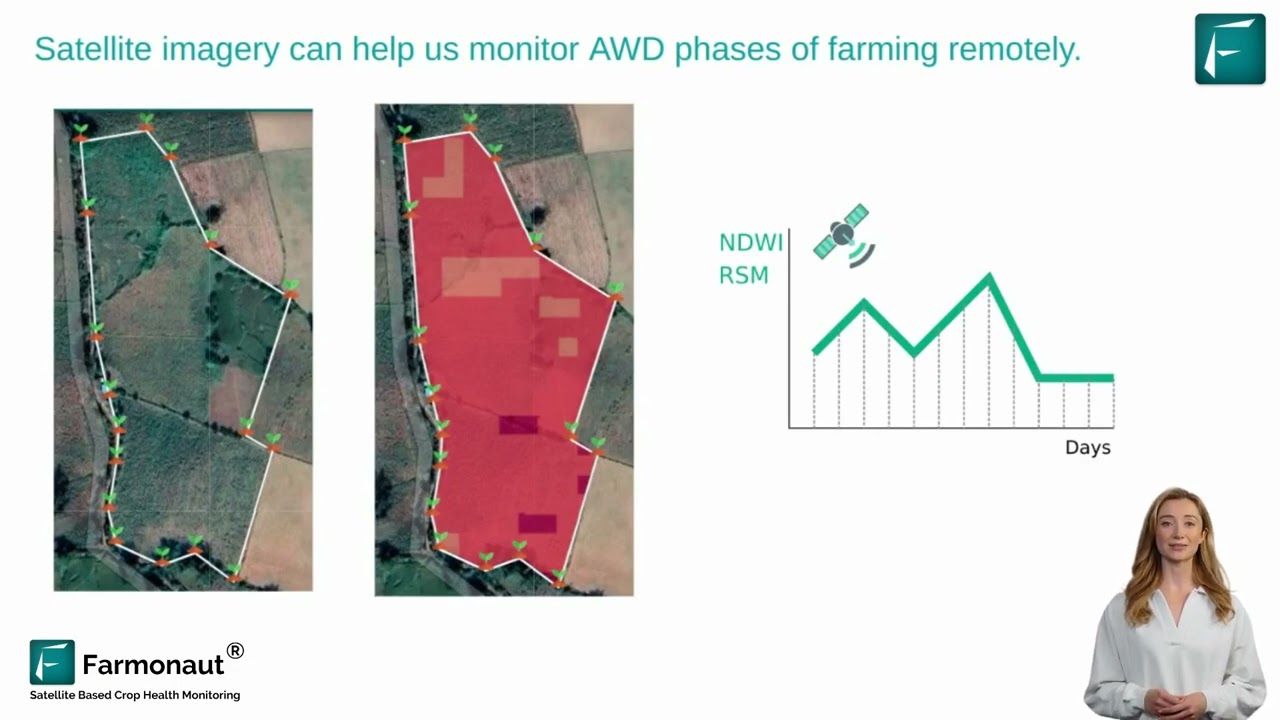
- Remote bark diagnostics employ drones and satellites to identify areas at risk of pest-infested or diseased bark across large forest tracts.
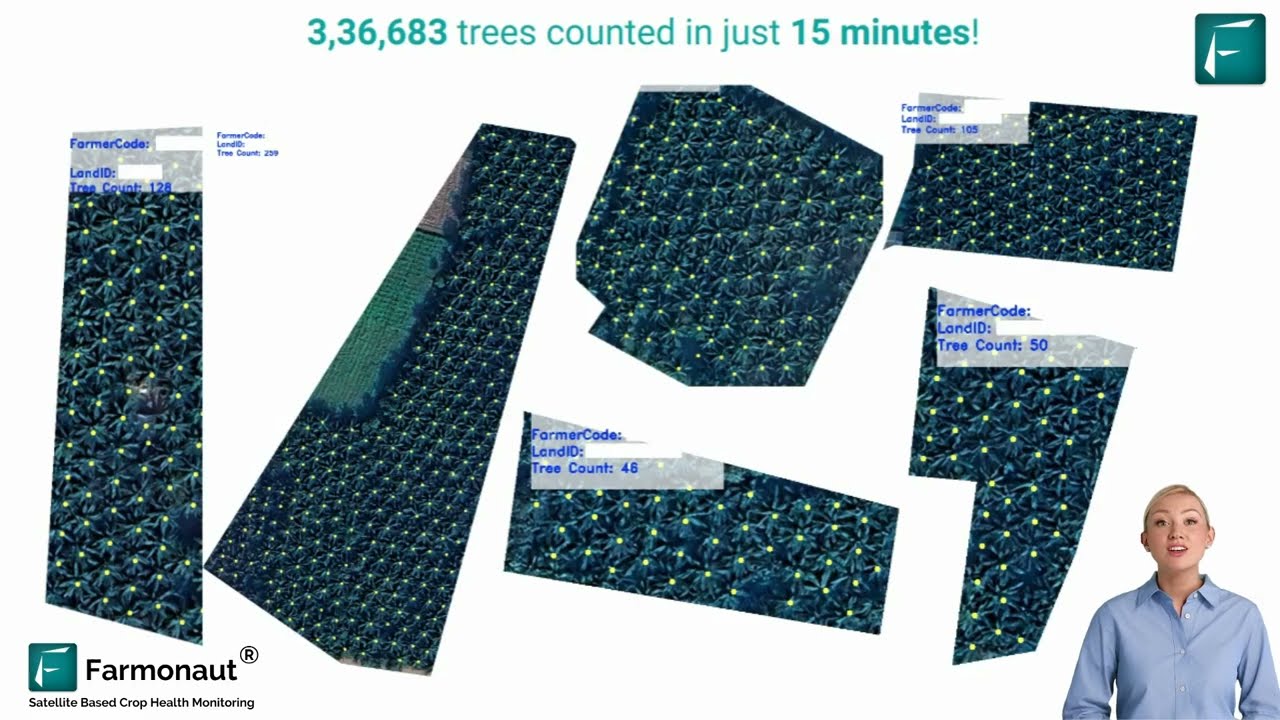
- Farmonaut’s NDVI-based monitoring enables detailed tracking of changes in wood bark reflectance, disease symptoms, and physical damage—helping with early pest detection and actionable forest management strategies.
- AI-based advisory systems alert managers to sudden environmental threats, including fire, drought, or pathogen emergence, with custom strategies for different species (learn how satellite-based verification also helps streamline forest insurance and recovery processes).

Conservation, Sustainability, & Resource Management Practices
With the escalating effects of climate change and environmental degradation into 2026, the conservation-centric approaches to bark and forest management have become non-negotiable. Sustaining tree species diversity—especially those like oak tree bark and white bark trees—is a high-impact solution for:
- Combating the spread of tree-killing diseases (sudden oak death, bark beetle infestations, etc.)
- Mitigating wildfires by maintaining healthy, resilient bark in keystone species
- Stabilizing soil and supporting natural water cycles through increased mulch and bark-based land amendments
- Providing a biological foundation for new carbon capture incentives and carbon market participation (explore our carbon footprint monitoring for regenerative forestry)
- Enabling circular resource economies—bark products replace single-use plastics and synthetics, minimizing waste and fostering sustainability
Organizations worldwide, including private woodland owners, industrial forestry managers, and state agencies, now integrate satellite-driven insights, real-time bark health maps, and blockchain-based traceability as standard practice (read more about transparent resource traceability).
How Satellite Data & Farmonaut Platform Advance Sustainable Forestry (2026)
Farmonaut, as a pioneering satellite technology company, offers advanced solutions that support forestry, sustainable resource management, and land health monitoring.
- Real-time satellite-based monitoring enables rapid responses to pest outbreaks, bark disease, drought, or adverse soil changes.
- Our Jeevn AI Advisory System delivers custom data-driven recommendations for forest managers, from tree-level bark health to landscape-scale regeneration mapping.
- Blockchain-based traceability secures the authenticity of bark-derived industrial inputs—building trust from forest to end-user.
- Farmonaut’s platform supports fleet/resource management and environmental compliance for carbon credits, emissions, and overall forest sustainability.
- Accessed via browser, Android, and iOS apps—with available API integration—our services are scalable and affordable for organizations of any size.
For more information on maximizing regenerative forestry practices with real-time bark and soil health insights, consult our carbon monitoring and reporting solutions page.
Comparative Feature Table: Tree Bark, Oak Tree Bark, White Bark Trees
| Tree Type | Bark Color/Texture | Estimated CO₂ Absorption (tons/year) | Biodiversity Impact (species supported) | Sustainable Forestry Use (est. % managed forests) | Notable 2026 Trends |
|---|---|---|---|---|---|
| General Tree Bark | Varied: grey, brown, greenish; rough/smooth | 0.8–1.2 (avg. per mature tree) | 40–150 species (avg. per tree) | 60% | Increased use for ecosystem restoration, sustainable biomaterials |
| Oak Tree Bark | Thick, rugged, deep brown-grey; fissured | 1.1–1.5 | 320+ (high insect diversity) | 45% | Tannin extraction for green industry, fire-resilient forestry, blockchain traceability |
| White Bark Trees | Smooth, white to silver; paper-like, reflective | 0.9–1.3 | 150+ (notable for mosses & fungi) | 28% | Climate adaptation, fast regrowth, eco-packaging, soil restoration |
FAQs: Tree Bark, Oak Tree Bark, and White Bark Trees
-
What are the most vital ecological functions of bark in modern forestry?
Bark provides a protective shield against physical damage, disease, and environmental extremes; supports diverse habitats for mosses, insects, and fungi; aids in carbon storage; and acts as an indicator of overall tree health—making it essential for sustainable forestry in 2026.
-
What makes oak tree bark unique compared to other bark types?
Oak tree bark is exceptionally thick and rich in tannins, allowing oak trees to survive fires and insect attacks, and making the bark valuable for industrial uses such as leather tanning, natural antioxidants, and eco-friendly materials.
-
How are white bark trees contributing to sustainable land management in 2026?
White bark trees reflect sunlight, adapt well to climate extremes, regrow rapidly after disturbances, and act as keystone species in forest recovery. They offer valuable biomaterials with applications in biodegradable packaging and soil restoration.
-
What is a bark blower, and how does it enhance sustainable forestry?
A bark blower is a machine that pneumatically distributes wood bark mulch efficiently over large areas. This technology saves labor, reduces soil compaction, aids erosion control, and facilitates rapid reforestation and landscape management.
-
How can satellite technology enhance bark and land health monitoring?
Satellite platforms like Farmonaut’s use real-time data to track NDVI, detect bark diseases, monitor resource use, and provide AI-based advisories, empowering foresters to react swiftly to environmental threats and adopt more sustainable forestry practices.
-
Is bark harvesting sustainable?
When done with modern extraction methods and proper land management, bark can be harvested sustainably—especially from species like oaks and paperbark trees—without harming the tree or surrounding ecosystem.
-
Where can I find tools for large-scale bark health monitoring and sustainable forestry management?
Farmonaut’s satellite-based platform offers scalable, user-friendly, and AI-integrated tools for professional and governmental forestry operations. Learn more and onboard your project here.
Farmonaut Subscriptions & Further Reading
Experience real-time, data-driven solutions for forestry, sustainable land management, and bark health monitoring—affordably and at any scale.
Key solutions you can implement today:
• Fleet & Resource Management Tools: Optimize vehicle and equipment efficiency for forestry and land operations.
• Carbon Footprinting Platform: Accurately monitor, report, and reduce your land’s carbon emissions.
• Blockchain Traceability Systems: Guarantee the authenticity and ethical sourcing of your forest and bark-derived products.
• Satellite-Driven Loan & Insurance Verification: Access fair financing while reducing risk and paperwork for forestry assets.
Conclusion:
The realm of tree bark, oak tree bark, and white bark trees in 2026 demonstrates that sustainability, innovation, and ecological health are inseparable in modern forestry and land management. As we embrace technology, prioritize renewable and circular economies, and safeguard bark’s critical roles, our forests stand to thrive—benefiting both humanity and the greater environment for generations to come.


