

“By 2026, over 70% of new lithium mines aim to be ethically certified for sustainable and fair resource extraction.”
Ethical Lithium & Crystal Mining: 7 Key Steps for 2026
Ethical Lithium Mining: Paving the Way for Sustainable Energy and Responsible Resource Use in 2025
As the global imperative for sustainable energy intensifies, lithium mining—critical for powering electric vehicles (EVs), renewable storage systems, and an ever-expanding array of electronics—strikes at the heart of the world’s transition toward a greener future. However, this rapid expansion is not without its challenges: ethical, environmental, and social issues surround the extraction of this critical mineral, especially in ecologically sensitive regions and among communities whose livelihoods are directly affected by these industrial operations.
In 2025 and heading into 2026, the concept of ethical lithium mining is gaining vital momentum. Stakeholders—including mining companies, policymakers, manufacturers, and environmental groups—now recognize the need to balance the global demand for clean technologies with the responsible use of resources. This extends to the growing concern for ethically mined crystals—not just lithium, but also the broad array of critical minerals used in modern technology.
This comprehensive guide will illuminate the 7 key steps for ethical lithium and crystal mining in 2026. It covers core sustainability practices, environmental stewardship, community engagement, technological innovations including satellite-based monitoring and traceability, and the latest industry and regulatory initiatives.

The Importance of Ethical Lithium & Crystal Mining
The importance of lithium as a cornerstone for the global shift towards decarbonization cannot be overstated. Lithium-ion batteries power everything from EVs, renewable energy systems, advanced electronics, and portable devices. As the world’s demand for green technologies continues its meteoric surge through 2025 and 2026, so too does the pressure on mining industries to deliver a reliable and ethical supply of these critical minerals.
Balancing Sustainability, Environmental Stewardship, and Community Rights
However, the resources that underpin our clean energy future often come at a significant cost to environmental and social systems:
- Water Scarcity: Many mining operations—especially in the Lithium Triangle (Argentina, Bolivia, Chile)—rely on brine extraction techniques that draw large volumes of water, impacting local communities, agriculture, and fragile ecosystems.
- Land Degradation: Hard rock mining—especially in places like Australia—can disrupt biodiversity, cause habitat destruction, and accelerate soil erosion.
- Pollution: Toxic byproducts of conventional mining pose contamination risks to land and waterways.
- Community and Indigenous Rights: Mining often overlaps with territories belonging to indigenous populations or local farmers, risking marginalization and social displacement if not managed ethically.
Therefore, ethical lithium mining is now defined by a holistic approach: minimizing harm, respecting rights, encouraging fair labor, demanding transparency, and actively involving communities in decision-making. Responsible stewardship is the new imperative.

Environmental & Social Challenges Linked to Lithium Mining
The rapid expansion of lithium extraction since the global transition to EVs and batteries emerged has intensified concern over:
Water Consumption and Scarcity
In South American countries like Argentina, Bolivia, and Chile, lithium is most commonly extracted from brine beneath salt flats in the so-called Lithium Triangle. This process entails pumping brine to the surface, where it is left to evaporate under the hot sun, leaving lithium crystals behind. However, this process is highly water intensive and often exacerbates scarcity in already arid landscapes.
Key fact: Up to 2 million liters of water may be used per tonne of lithium extracted from brines, placing extraordinary pressure on local water tables, agriculture, and biodiversity.
Land and Biodiversity Degradation
Beyond water issues, conventional mining can lead to:
- Land Degradation and Soil Erosion, threatening agricultural productivity and ecological stability.
- Habitat Disruption, endangering unique flora and fauna within sensitive regions.
Pollution & Toxic Byproducts
Hard rock mining generates significant waste, including chemicals like sulfuric acid and heavy metals, raising risks of terrestrial and waterway pollution.
Social Disruption & Marginalization
Mining operations frequently operate on or near indigenous lands or agricultural zones, risking the marginalization of local communities if their rights and voices are not actively respected and incorporated.
The Need for Ethical Mining
The cumulative environmental and social challenges have pushed ethical mining from a niche concern to a global imperative for the industry by 2025–2026.

Comparison of Conventional vs. Ethical Lithium Mining Practices: Environmental & Social Impact (Estimated, 2025)
| Step / Criterion | Conventional Mining | Ethical Mining (2025+) | Environmental & Social Impact |
|---|---|---|---|
| Energy Usage | High; dependent on fossil fuels | Significantly lower; increased use of renewables (~40–60% reduction) | Reduces carbon footprint; supports net-zero goals |
| Carbon Emissions | High (2–4 tons CO2/ton lithium) | Low (30–50% less) | Lessens global warming impact, aligns with climate targets |
| Water Consumption | Very high in brine extraction (up to 2 million L/ton); risk of local depletion |
40% lower through improved process and recycling | Mitigates scarcity, protects agriculture and populations |
| Land Rehabilitation | Minimal; post-mining sites often abandoned or poorly restored | Active restoration, re-vegetation, and biodiversity plans | Preserves ecological health and supports local use post-closure |
| Worker Safety & Labor | Variable; sometimes poor conditions, limited oversight | Strict labor standards, fair wages, worker protections | Reduces accidents and upholds human dignity |
| Community Engagement | Often limited or token participation | Proactive FPIC (Free, Prior, Informed Consent) & shared benefits | Promotes local well-being, reduces social conflict |
| Traceability/Transparency | Poor; supply chain often opaque, risk of exploitation | Blockchain, satellite tracking, third-party audits | Builds trust; enables responsible and ethical sourcing |
This table illustrates how ethical lithium mining not only reduces environmental harm, but also elevates social responsibility and transparency throughout the industry.

7 Key Steps for Ethical Lithium & Crystal Mining in 2026
“Ethical lithium mining initiatives in 2025 target reducing water consumption by up to 40% compared to conventional methods.”
Let’s break down the critical steps that define ethical lithium mining for 2026 and beyond, ensuring both environmental and social sustainability throughout the global supply chain for advanced technologies, EVs, and batteries.
-
Comprehensive Environmental Impact Assessments (EIA)
Before extraction, thorough environmental impact assessments are performed, typically including:
- Baseline monitoring of water tables, biodiversity, soil health, and ambient pollution
- Prediction and quantification of likely impacts, with plans to minimize or offset them
- Public disclosure for transparency and community review
Environmental assessments are increasingly aided by new technologies, such as carbon footprint analysis and remote satellite monitoring.
-
Water Stewardship & Conservation
Responsible water use now defines ethical extraction. The best mining companies are:
- Investing in closed-loop systems to reduce water evaporation and loss
- Implementing water recycling and treatment plants to protect local water tables
- Regularly consulting with agricultural communities and indigenous groups to ensure equitable water sharing
Technologies such as real-time environmental impact monitoring by Farmonaut provide actionable data to mitigate scarcity and protect local livelihoods.
-
Transitioning to Renewable & Clean Energy in Operations
The industry is now progressively powering mining operations with renewable sources (solar, wind, geothermal). Key outcomes include:
- Significant reductions in carbon emissions
- Contribution to net-zero mining goals in line with global climate targets
These practices not only benefit the planet but help stabilize operational costs for companies and reduce dependency on fossil fuels.
-
Active Community Engagement and Benefit-Sharing
Ethical projects now require free, prior, and informed consent (FPIC) before any disruptive work begins. This involves:
- Facilitating active participation from local and indigenous communities
- Ensuring transparent negotiations and co-creation of benefit-sharing models
- Supporting social initiatives—schools, clinics, infrastructure improvements—to offset mining disruption
This step promotes equity and helps avoid the marginalization of populations whose resources and rights are most at risk.
-
Maximizing Transparency, Traceability & Blockchain Integration
Transparency in sourcing and supply chains is no longer optional. Adopting digital tools such as blockchain-based traceability ensures:
- Verification of ethically mined crystals and lithium from source to manufacturer
- Third-party auditing for sustainability assurances
- Consumer trust in ethically sourced electronics and EVs
Transparent traceability discourages illegal mining, exploitation, and unreported environmental harm. Farmonaut enables this with secure digital records and satellite monitoring to supplement on-ground verification.
-
Post-Extraction Land Rehabilitation & Biodiversity Protection
Ethical extraction includes commitments to revegetate and restore impacted land post-mining:
- Planting native species to revive ecosystems
- Ongoing soil monitoring and pollution assessment
- Supporting the return of land for community use or nature reserves
Tools like plantation advisory systems accelerate effective land rehabilitation and ecosystem rebuilding.
-
Worker & Community Safety, Fair Labor, and Social Equity
Ethical lithium mining demands:
- Enforcing high standards for health, safety, and fair wages
- Training for local workers and inclusive hiring practices
- Ongoing dialogue and grievance mechanisms for resolving conflicts swiftly and fairly
This foundational commitment supports not only social equity but also the long-term sustainability of the industries dependent on ethically sourced lithium and crystals.
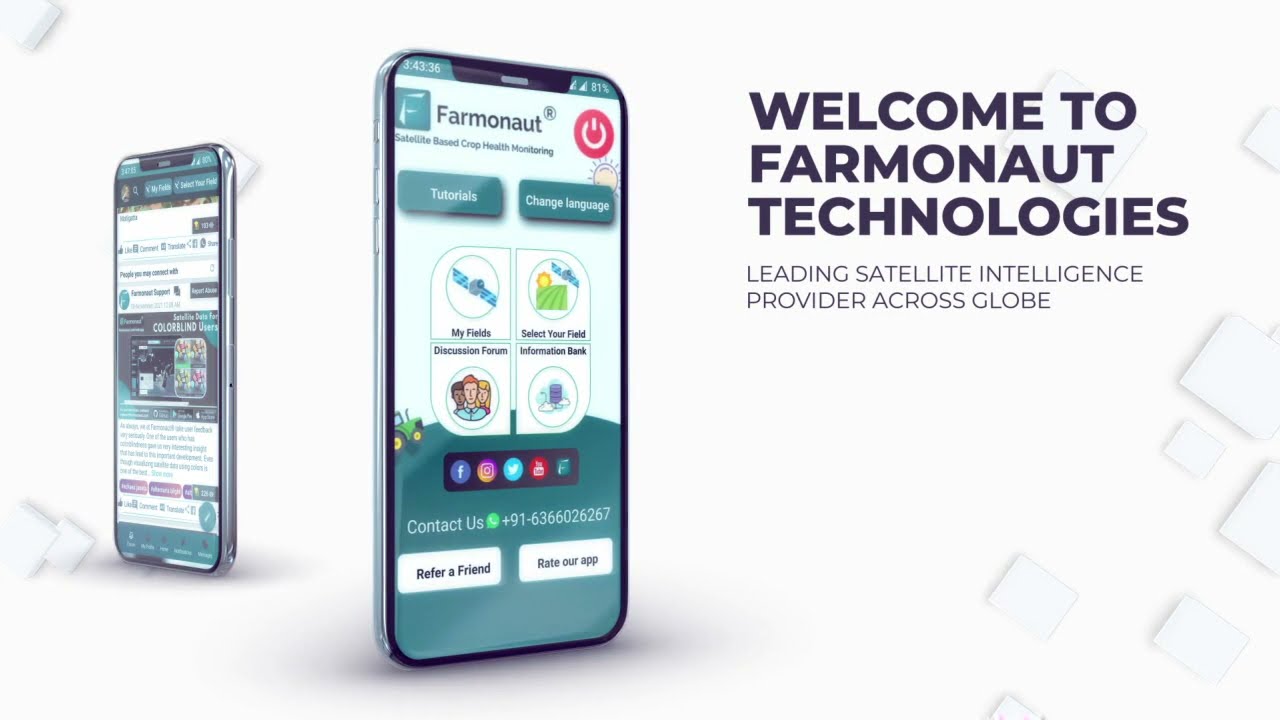
The Role of Technology: How Farmonaut Empowers Ethical Lithium Mining
New digital and satellite technologies now play a transformative role in ensuring responsible stewardship, transparency, and data-driven decisions for mining. As a leading satellite technology provider, we at Farmonaut enable industries to reach their sustainability targets through:
-
Satellite-Based Monitoring:
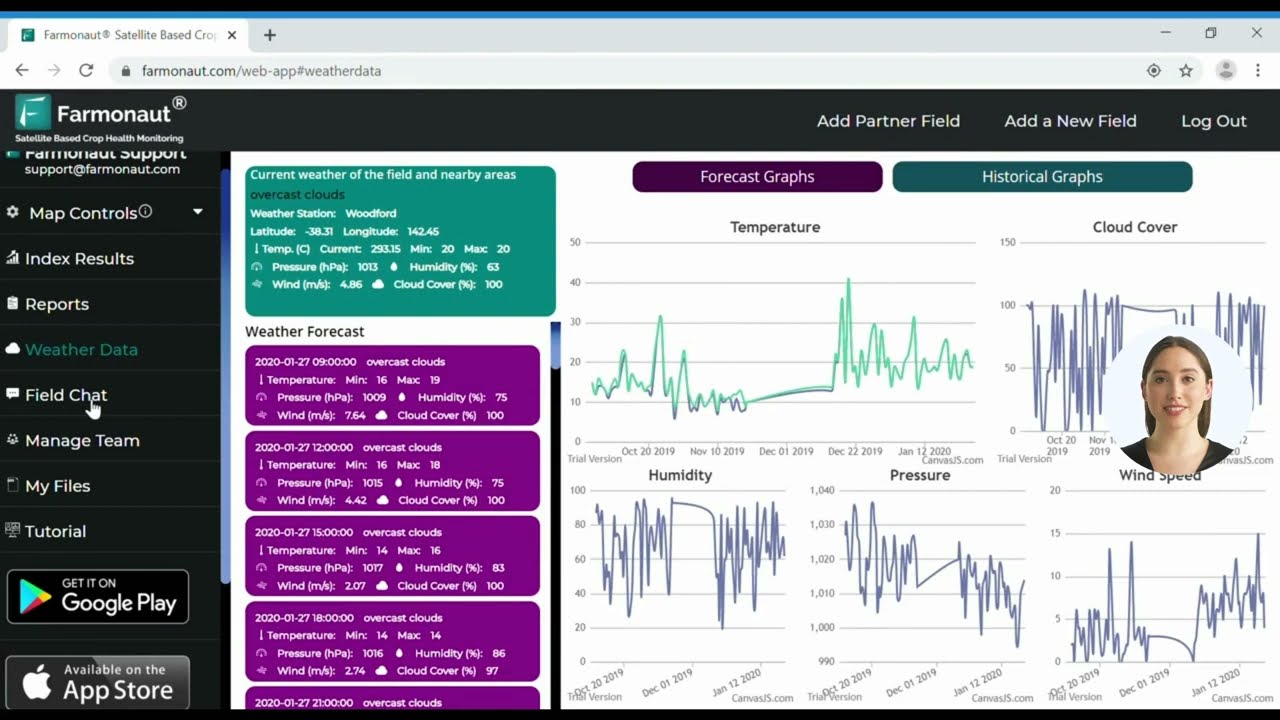
- Multispectral satellite imagery detects changes in land, vegetation, and water from mining impacts in real time.
- Ongoing assessment supports compliance and minimizes environmental harm by enabling targeted interventions.
-
AI-Powered Advisory Systems (Jeevn AI):
- AI analyzes vast landscape data to deliver customized strategies for minimizing mining impacts and improving resource management.
-
Blockchain-Based Traceability:
- With product traceability, companies and manufacturers can document each stage of resource extraction and supply, ensuring lawful, ethical sourcing of minerals.
-
Environmental Impact Monitoring:
- Tools like carbon footprint tracking and emissions analysis boost ESG compliance and investor confidence.
-
Fleet & Resource Management:
- Our fleet management platform optimizes mining logistics, decreasing environmental risks from transport and reducing costs through efficiency.
-
Remote and Real-Time Access for Businesses, Governments, and Banks:
- APIs and the Farmonaut App (available on

 )
)
make it easy for all stakeholders to get insights and manage compliance remotely.
- APIs and the Farmonaut App (available on
By using Farmonaut’s APIs and developer documentation, companies can embed compliance, traceability, and environmental monitoring directly into their operational dashboards.

Try Farmonaut’s web platform for actionable, affordable, and scalable satellite insights across mining, agriculture, and infrastructure globally.
Regulations, Global Initiatives, and Supply Chain Transparency
The ethical mining movement in 2025–2026 is increasingly supported by strong regulatory and industry-led frameworks:
- Governmental Oversight: Many countries in the Lithium Triangle and Australia have strengthened environmental protections, compulsory community consultation, and ongoing monitoring of Water, land, and air quality.
- International Standards: Initiatives such as the Initiative for Responsible Mining Assurance (IRMA) help codify ethics and transparency in mining, giving consumers and investors confidence.
- Supply Chain Transparency: Battery and electronics manufacturers are pushing upstream supply partners to document the provenance of minerals, using digital ledgers and traceability tools to verify “clean” sourcing.
- Market Incentives: Consumer demand for ethically mined crystals, metals, and batteries is reshaping procurement, pressuring companies to adopt and prove ethical best practices.
- Certification: New certification schemes—backed by independent audits and satellite data—will soon become a prerequisite for accessing international markets.

Satellite verification, independent environmental audits, and blockchain tracking will form the backbone of responsible lithium and crystal supply chains by 2026—ensuring transparency, ethical compliance, and community trust.
Affordable Satellite & Data Solutions for Ethical Mining
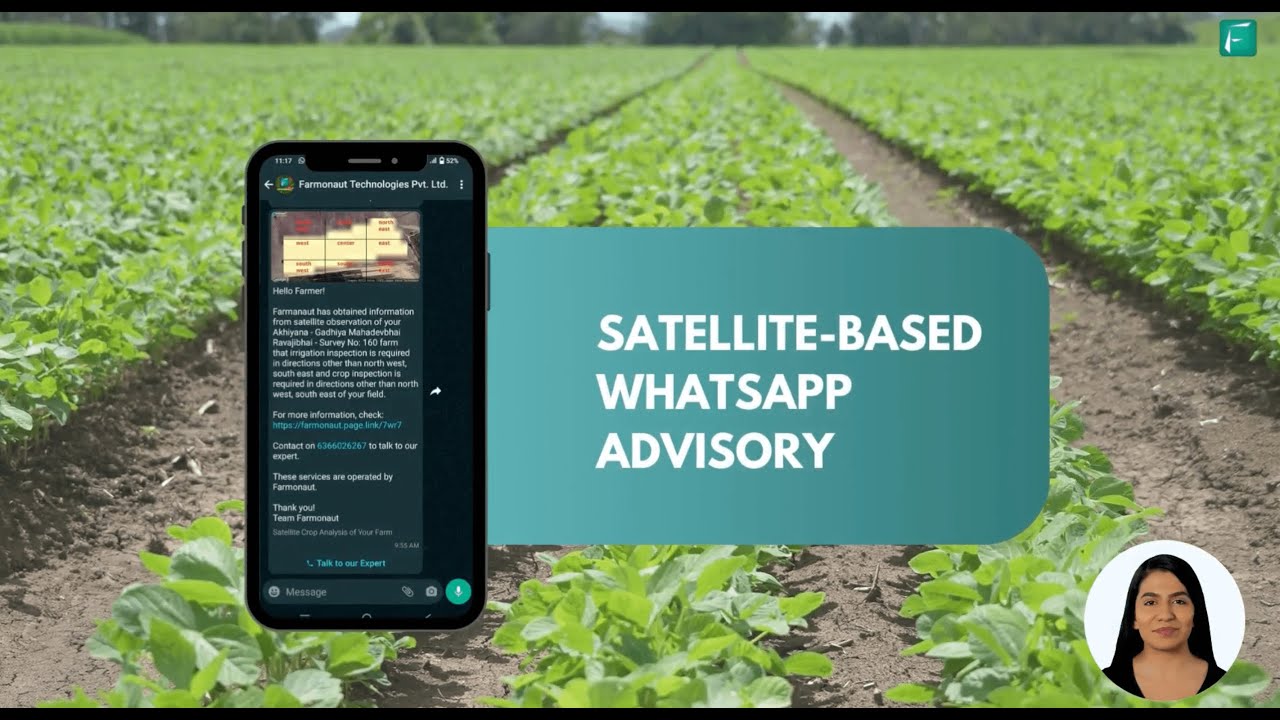
We at Farmonaut offer cost-effective, flexible subscriptions for real-time satellite imaging, AI-based advisory, blockchain traceability, and environmental monitoring—empowering mining operators, manufacturers, and regulators to ensure every extraction is ethical, transparent, and sustainable from the ground up.
FAQ: Ethical Lithium & Crystal Mining
What does “ethical lithium mining” actually mean?
Ethical lithium and crystal mining refer to extraction methods that minimize environmental harm, respect human and indigenous rights, and support fair labor and transparency. This includes strict water conservation, restoring land after mining, involving local communities in decisions, and ensuring traceability of minerals.
How does Farmonaut support ethical lithium mining?
We at Farmonaut provide satellite monitoring, real-time advisory, blockchain-based traceability, and carbon footprinting tools tailored for mining operators, companies, and regulators. These solutions facilitate ESG compliance, supply chain transparency, and sustainable operations for the lithium and crystal mining sectors.
Why is water conservation so important in ethical lithium extraction?
Lithium brine extraction often takes place in water-scarce regions such as the Lithium Triangle in South America. Water stewardship is crucial to prevent ecosystem disruption, preserve agriculture, and protect the livelihoods of local populations.
What is the role of blockchain in ethical mining?
Blockchain records every stage of mineral extraction and movement, making it possible to verify that lithium or crystals are produced using responsible, ethical practices. This approach increases consumer trust and reduces the risk of illicit or conflict minerals entering global electronics and EV supply chains.
Are international standards for ethical lithium mining legally enforced?
Compliance depends on location. Some countries mandate high standards, while others rely on voluntary international frameworks and independent certification (such as IRMA). However, by 2026, ethical certification is rapidly becoming a requirement for market access, especially in EV and tech sectors.
How can mining companies reliably measure and manage their carbon footprint?
Tools such as Farmonaut’s carbon footprinting solution deliver real-time emissions tracking and benchmarking, supporting decarbonization commitments and investor reporting for mining operations.
How can I get started with Farmonaut’s solutions?
Visit the web platform or download our Android App or iOS App for immediate access to satellite-driven insights, or explore the API for custom integration and scaling.
Conclusion: The Future of Ethical Lithium & Crystal Mining
As global reliance on lithium and crystals increases with every year—driven by the surge in electric vehicles, renewable energy storage, and advanced electronics—ensuring ethical extraction is not just a regulatory checkbox but an industry-defining imperative. The ultimate vision for sustainable and responsible resource use hinges upon:
- Vigilant environmental and water stewardship using innovative monitoring and restorative practices
- Full transparency and traceability—proving to manufacturers and consumers that the minerals powering tomorrow’s clean technologies come from responsible sources
- Continuous community engagement and sharing of benefits—ensuring that local populations and indigenous rights are prioritized, not marginalized
- Embracing advanced technologies such as AI, blockchain, and affordable, real-time satellite insights for operational efficiency and ESG compliance
By following these seven key steps and leveraging the power of technology, the mining industry can ensure that the journey toward decarbonization, electrification, and sustainability is paved with integrity, social justice, and authentic stewardship of the world’s most critical resources.
As we move toward 2026 and beyond, ethical lithium and crystal mining will set the standard for responsible resource use—ensuring that the race for green technologies uplifts both people and the planet, never sacrificing one for the other.
Ready to lead the way in ethical and transparent resource management? Get started with Farmonaut and experience the future of satellite-powered sustainability for your industry.

 Dalgety Minerals Pty Ltd
 Vortex Minerals Pty Ltd
 Faith At Work (Pty) Ltd
 Geotech Mining Solutions plc
 Vulcan International Limited
 Kidepo Associates
 GKY Mining
 Alkimy SARL
 Double A Trading
 GemSprout Metals Limited
 Qader Group
 Ileys General Trading
 SG Gold Mining LLC
 VRV Global Pte Ltd
 Omsri International FZE
 G.I.T.T.
 Jaunita Erss Ltd
 Almosi SARL
 SRK Consulting
 Berks Gold Limited
 Mwerezi Minerals Company Limited
 Mining SARL
 SenGold Invest SAS
