

Best Level to Mine Gold: Best Way to Find Gold 2026
“Modern geological surveys in 2025 increased gold discovery rates by over 35% compared to traditional methods used in 2015.”
Gold Discovery in 2026: Context & Overview
The best level to mine gold and the best way to find gold in 2026 represent the synthesis of geological knowledge, innovative technologies, and sustainable practices. As demands and environmental concerns intensify in 2026, efficient gold mining requires not just operational expertise but an advanced understanding of ore bodies, optimal depths, and minimally invasive extraction methods.
Whether discussing the vast underground lode deposits of South Africa and Australia or the rich placer and conglomerate ores found across Africa and North America, pinpointing the optimal level for mining is crucial. Today, advances such as hyperspectral imaging, AI-driven data analysis, and satellite-based geospatial mapping—notably through companies like Farmonaut—redefine how we target, analyze, and extract gold.
Key Insight:
Gold mining success in 2026 relies on maximizing yield and minimizing ecological impact by combining precise geological analysis, advanced technology, and responsible practices.

The gold exploration sector is experiencing a renaissance, with robust methods now available to prospect and assess deposits at depths and in terrains considered inaccessible less than a decade ago. To empower industry professionals—miners, geologists, investors, environmentalists—we provide an actionable, in-depth look at best practices for gold mining in the modern era.
Primary Geological Settings for Gold
Understanding the geological context is the foundation for successful gold mining operations. Gold typically occurs in three primary geologic settings:
- Placer Deposits: Loose gold particles concentrated in alluvial sediments—rivers, streams, and floodplains. Common in Alaska, Yukon, and Ghana.
- Lode (Hard Rock) Deposits: Gold embedded within quartz veins or sulfide-rich rocks beneath the surface, requiring advanced underground mining and extraction methods.
- Conglomerate Ores: Ancient, consolidated sedimentary rocks containing dispersed gold. Notable examples: South Africa’s Witwatersrand Basin.
-
⛰️
Hard Rock Lode -
🏞️
Placer Deposits -
🪨
Conglomerate Ores
The level at which gold is most economically mined varies between these primary settings. For placer and conglomerate deposits, extraction typically happens near-surface or in shallow underground zones. However, for most large-scale commercial mining, the focus is on lode/hard rock sources, where depth, geological complexity, and ore grade determine operational viability.
Best Level to Mine Gold: Depths & Yields
Determining the best level to mine gold is a balancing act between maximizing ore yield and managing operational risks and costs. Thanks to modern geological surveying and advanced exploration tools, mining companies in 2026 have never been better equipped to define the optimal depth for their projects.
Typical Depth Ranges for Gold Mining in 2026
- ✔ Surface/Placer Mines: 1–10 meters deep
- ✔ Conglomerate Ores: Up to 40–100 meters
- ✔ Lode (Hard Rock) Deposits: Typically 300 to 1,000 meters underground, with some modern operations extending to 2,000+ meters thanks to enhanced cooling, tunneling and support systems.

- 🔥 Heat: Increases at depth
- ⛑️ Ground Pressure & Risks
- 🌬️ Ventilation Demands
- 💰 Operational Costs
Finding the “sweet spot”: Empirical data and field studies in recent years show that the highest returns for underground gold mining are often obtained at depths between 300 and 1,000 meters. Here, ore concentrations remain high while operational complexity seems manageable with today’s best practices.
How Technology Pushes Depth Limits
- ⚙️ Automated Tunneling Machines allow safe, continuous access at greater depths
- 💨 Advanced Cooling Systems address the rising rock temperatures & humidity underground
- 📊 AI-Powered Data Analytics reduce uncertainty, helping target high-concentration zones efficiently

Tip: For those planning new mining ventures, always request a digital 3D prospectivity map along with your geological reports. These state-of-the-art maps, such as those provided by our satellite-driven 3D mineral prospectivity mapping solution, help visualize optimal drilling zones and reduce wasted expenditures.
“Advanced mining tech in 2025 enabled sustainable extraction of gold at depths 20% greater than previous industry records.”
Best Way to Find Gold: Modern Exploration Methods (2026)
Finding gold efficiently in 2026 is all about maximizing accuracy, speed, and sustainability while making well-informed decisions. The exploration process has evolved from labor-intensive, ground-based prospecting to data-rich, technology-driven methods that quickly identify target zones—even before boots hit the ground.
Best Way to Find Gold: The Modern Process
- Geological Mapping & Sampling: Evaluation of terrains—greenstone belts, granite intrusions, known mineralized belts—using satellite imagery and soil/stream sediment analysis to reveal surface anomalies.
- Geophysical Surveys: Implementation of advanced surveys (Induced Polarization, Magnetometry, Resistivity). In 2026, drone-mounted sensors and remote monitoring systems are standard, increasing data precision.
- Geochemical Analysis: On-site, real-time assays with portable spectrometry devices provide instant, actionable results for gold concentrations.
- Development Drilling & Core Sampling: Targeted, data-driven drilling at calculated depths and angles, significantly reducing unnecessary disturbance.
- 📊 AI algorithms predict ore continuity beyond sampled areas
- ⚡ Real-time data feedback accelerates decision-making
- 🤖 Automation improves sampling efficiency and worker safety
- 🌎 Remote satellite analysis enables rapid, large-area coverage
- 💡 Precision targeting limits exploration costs and environmental disruption

- 🚁 Deploy drones for rapid topographic and geophysical scans
- 🛰️ Leverage high-res satellite imaging for remote area analysis
- 🔬 Use portable XRF analyzers for instant geochemical tests
- 🗺️ Integrate all data streams using advanced GIS mapping tools
- 👷 Validate targets with minimalist, focused drilling only in high-potential zones
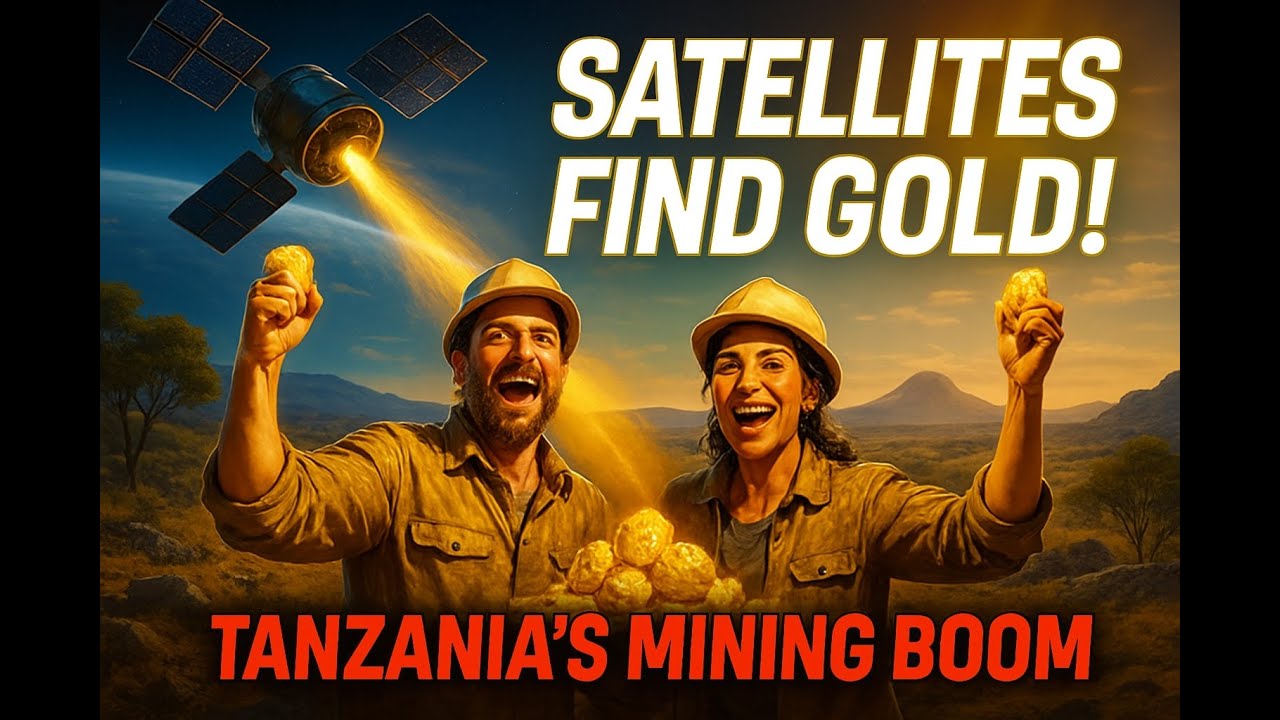
Keyword Focus in 2026 Operations
- Best level to mine gold — determined by advanced stratigraphic analysis & profitability models
- Best way to find gold — blending rapid, targeted geophysical and geochemical surveys for deeper, more precise discoveries
Farmonaut: Satellite Intelligence for Gold Mining
At Farmonaut, we believe satellite-based mineral intelligence is transforming mineral exploration. Our unique blend of Earth observation, advanced remote sensing, and artificial intelligence creates faster, more cost-effective, and sustainable discovery—especially critical for early-stage gold mining operations across the globe.
- 🌍 Global coverage — Proven performance in Africa, South America, North America, Asia, and Australia
- 📉 Up to 80–85% cost reduction in exploration phases
- 🛰️ Rapid area screening — reduce exploration time from years to days
- 🌱 Zero ground disturbance during early search phases
- 🎯 High-confidence prospectivity maps for drilling and investment decisions
Get a Quote for Satellite-Based Gold Prospecting Reports
Our intelligence platform processes multispectral and hyperspectral satellite data, identifying spectral signatures unique to gold and its alteration halos. Farmonaut’s satellite-based mineral detection platform is ideal for those looking for a highly modern, non-invasive approach to find gold deposits rapidly, accurately, and sustainably.

With our satellite-driven 3D mineral prospectivity mapping, we offer:
- 🌐 Broad-band & narrow-band mineral detection (gold, lithium, uranium, and more)
- 🗺️ Detailed heatmaps and geo-referenced visualization for actionable decision-making
- 🧑💼 Structured intelligence for both technical field teams and commercial stakeholders
- ⏳ Delivery of reports in days, not months
The workflow is streamlined—just send your area of interest and target minerals, and we deliver advanced mineral location and quantity insights, geological interpretations, and 3D visualizations directly to your team.
Advanced Mining Techniques: Maximizing Yield and Sustainability
The future of gold extraction is defined by a blend of automation, data-driven targeting, and low-impact technologies. Below, discover the most impactful methods for 2026 and beyond:
Key Advanced Mining Methods (2026+)
- 🤖 AI-Integrated Geological Analysis: AI models process historical and live exploration data for better drill targeting.
- 🛰️ Satellite-Based Prospectivity Mapping: Remote spectral data pinpoints mineralized zones prior to field work.
- 🚁 Autonomous Drones and Vehicles: For rapid topography, sampling, and unmanned extraction in high-risk zones.
- 🦠 Bioleaching and Green Chemistry: Biological agents or eco-friendly solutions break down ore—thiosulfate replaces cyanide for sustainable extraction.
- 🔧 Automated Tunneling Machines and Drills: Safer, deeper, and faster access underground with reduced human risk.
- 💨 Enhanced Cooling, Ventilation, and Support Systems: Manage operational risks at higher depths, maintaining viable working environments.

Comparative Methods Table: Gold Mining 2025+
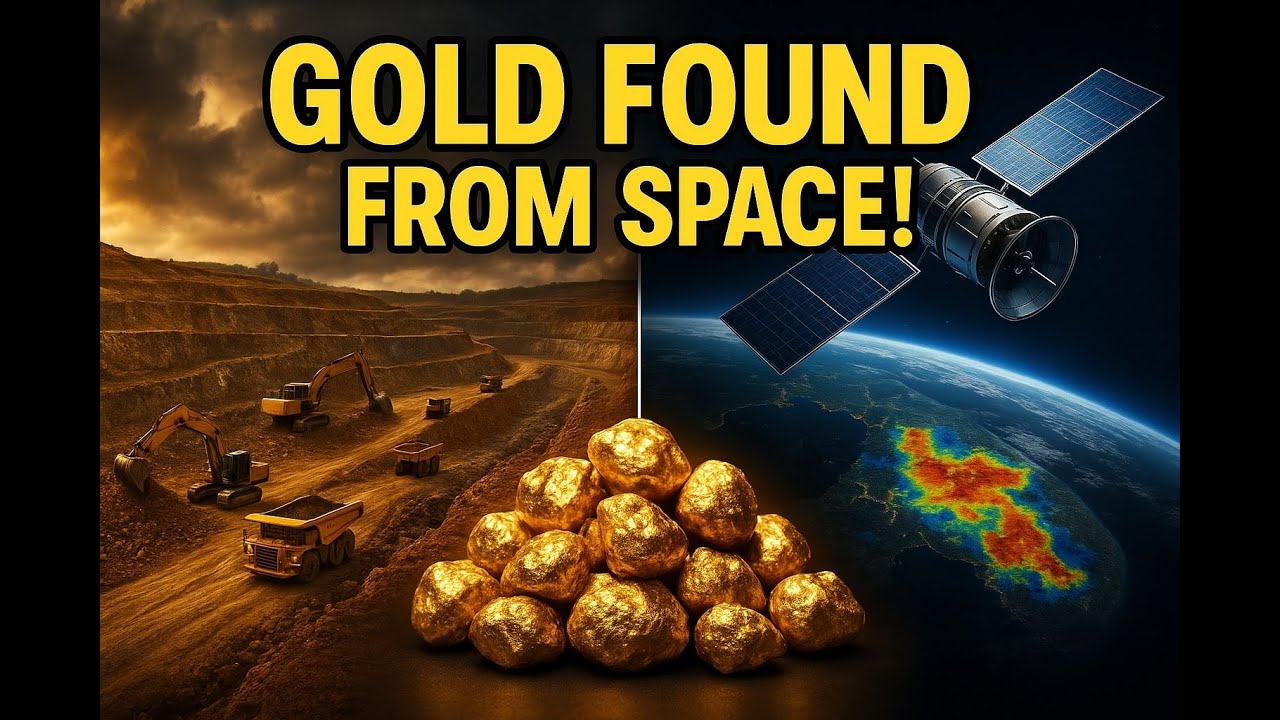
Sustainable Practices & Environmental Impact in Modern Gold Mining
The gold mining sector faces growing pressure to minimize environmental footprint in 2026. Innovations in extraction, stewardship, and waste management are now mandatory in most jurisdictions and essential for maintaining stakeholder trust.
- 🌱 Cyanide-Free Extraction (e.g., thiosulfate leaching) is rapidly replacing legacy chemical processes
- 🗑️ Improved Tailings Management: Geotextile covers, dry stack solutions, and data-driven monitoring reduce contamination risks
- ♻️ Land Rehabilitation with native vegetation and eco-restorative designs is standard after resource depletion
- 📡 Continuous Environmental Monitoring of air, water, and soil using sensors and satellite data
- 🔄 Strategic Production Planning with real-time feedback to adjust mining rates and methods based on ecosystem health
Technology & Innovation: The Future of Gold Mining
The most effective mining operations in 2026 and beyond combine geology and data science to maximize yield, reduce risks, and align with ecological goals. Here’s what’s setting the gold industry apart:
- 💻 Big Data Integration: Historical mine data, live sensor streams, and exploration analytics in unified dashboards
- 🔎 Machine Learning Models: Predict ore extensions, spot drilling anomalies, and auto-adjust mine planning
- 🛰️ Satellite Monitoring Systems: Support both prospectivity analysis and compliance for responsible mining
- 🛠️ Robotics: Minimize on-site labor in dangerous or delicate ecosystems
- 🌄 Visualization Tools: 3D digital twins of ore bodies and mining infrastructure
By using satellite-based mineral detection solutions, those invested in the gold sector can expect accelerated timelines, improved targeting, reduced field costs, and lower environmental footprint.
- ⏱️ Faster Discovery: From years to days with remote sensing
- 🛡️ Reduced Environmental Impact: Early targeting means less ground disturbance
- 💸 Lower Capital Risk: Investment focused only on proven high-yield targets
- 📶 Data-Driven Decision Making: Confidence in developing greenfield and brownfield projects
- 🌍 Global Adaptability: Unbiased screening in diverse terrains and climates
FAQs: Best Level to Mine Gold & Best Way to Find Gold
What is the best level to mine gold in 2026?
The best level to mine gold in modern underground lode deposits is typically between 300 and 1,000 meters below surface. This range balances high gold concentrations, manageable operational risks, and optimal cost-efficiency using today’s advanced techniques.
What is the best way to find gold using advanced technologies?
The best way to find gold involves integrating geological, geochemical, and geophysical data, with AI and satellite-based prospectivity mapping to remotely pinpoint mineralized zones—greatly reducing ground-based search time and maximizing targeting accuracy.
Are very deep gold deposits still profitable to mine?
Mining below 1,500 meters is possible with enhanced cooling and support systems, but costs often outpace returns unless the ore grade is exceptionally high and modern automation is applied.
How does Farmonaut’s satellite-driven prospectivity mapping help exploration?
Our satellite-driven mapping solutions reduce exploration timeframes by identifying high-probability gold zones quickly, without ground disturbance—supporting sustainability and cost efficiency.
Are sustainable extraction methods as effective as conventional ones?
Yes, newer methods (like thiosulfate leaching and bioleaching) are highly effective and offer reduced environmental impact, though their applicability depends on specific ore types and operational goals.
Conclusion & Next Steps
Mining gold efficiently in 2026 and beyond depends on integrating advanced geological knowledge, cutting-edge technology, and sustainable practices. The best level to mine gold remains at 300–1,000 meters for most lode deposits, but continuous improvements in AI, automation, and remote sensing steadily push viable depths further.
The best way to find gold is now decisively data-driven—combining geophysical surveys, high-resolution satellite intelligence, machine learning analysis, and precision drilling. These approaches maximize yield while minimizing ecological impact and aligning with ever tighter environmental regulations.
As investors, operators, and stakeholders adapt to intensifying demands and shifting resource challenges, there’s never been a better time to leverage Farmonaut’s satellite-based mineral detection and 3D prospectivity mapping tools. These solutions save millions in exploration cost and years in project timelines—delivering higher returns, lower risks, and a sustainable legacy for the next generation of mining.
- 🚀 Faster, more precise gold discovery at optimal mining levels
- 📉 Up to 85% cost savings over traditional exploration methods
- 🛑 Minimal ground disturbance for ecological responsibility
- 🎯 Enhanced decision confidence with actionable, 3D intelligence
- 🌏 Applicability across regions and deposit types—2026 and beyond
Request a custom gold prospectivity report with Farmonaut, and gain the data edge you need to succeed in the gold sector of 2026.
Get a Quote Now »
🎥 Explore more on Gold Rush Arizona 2025, Australia’s Gold Mining Revolution, and Ghana Gold Discovery: Satellite Tech.
📄 Interested in our satellite-based gold exploration? Learn more »
Discussion
Questions, corrections or field experience? Share them below. First-time comments are reviewed before they appear, and your email is never published.
No comments yet. Be the first to add a question or your experience.

 Mining SARL
 SenGold Invest SAS
 Sania Corporation
 Sean Mining Limited
 NTS Group (Pty) Ltd
 Mine4Africa
 Lithspo Minerals Limited
 Tintina Mining Group
 Dalgety Minerals Pty Ltd
 Vortex Minerals Pty Ltd
 Faith At Work (Pty) Ltd
 Geotech Mining Solutions plc
 Vulcan International Limited
 Kidepo Associates
 GKY Mining
 Alkimy SARL
 Double A Trading
 GemSprout Metals Limited
 Qader Group
 Ileys General Trading
 SG Gold Mining LLC
 VRV Global Pte Ltd
 Omsri International FZE
 G.I.T.T.










