
Rare earth companies · Comparison
Largest Rare Earth Companies: Producers and Projects
China mined about 69% of the world’s rare earths in 2025 (USGS). Outside China, MP Materials mined 50,692 t of REO in concentrate and Lynas made 7,260 t of NdPr oxide. Nine producers and projects compared by reported output and status.
Key takeaways
- China mined an estimated 270,000 t of rare earth oxide of a world total of 390,000 t in 2025; the US mined 51,000 t and Australia 29,000 t (USGS, February 2026).
- MP Materials produced 50,692 t of REO in concentrate and 2,599 t of NdPr oxide in 2025 (company results, 26 February 2026).
- Lynas produced 13,089 t of REO, including 7,260 t of NdPr, in the year to June 2026 (Lynas annual report, August 2026).
- Iluka’s Eneabba refinery is 60% built with commissioning in 2027; Arafura started construction at Nolans in October 2026 (company and ABC reports).
- Australian Strategic Materials is now part of Energy Fuels after the 28 August 2026 completion.
In this article
- How we compared these rare earth companies
- Largest rare earth companies compared
- Where rare earths are mined
- Output of the largest producers outside China
- What the NdPr price does to these companies
- Light and heavy rare earth prices compared
- How to estimate NdPr oxide revenue for a project
- Technology and the environment
- What the US import numbers show
- What to check before you rely on a rare earth company
- How satellite data helps rare earth projects
- Frequently asked questions
China Northern Rare Earth is one of the dominant producers in a Chinese system that mined an estimated 270,000 tonnes of rare earth oxide in 2025, about 69% of the world total of 390,000 tonnes (USGS, February 2026). Outside China, MP Materials is the largest miner, with 50,692 tonnes of rare earth oxide in concentrate in 2025, and Lynas Rare Earths is the largest separator of finished oxides, with 7,260 tonnes of NdPr oxide in the year to June 2026. This page compares nine companies by their own reported output and project status, and shows what a project has to clear before it counts.
Rare earth oxide (REO) is the standard way to count tonnes of these metals. NdPr is the neodymium-praseodymium pair, which goes into the strongest permanent magnets and drives most of the value. A concentrate is the first product from the mine, a separated oxide is the refined product, and the two are not directly comparable, so each is flagged below.
How we compared these rare earth companies
The table has three groups, in this order: the two Chinese state-backed groups, which hold China’s national mining quotas (SMM, 2024) and publish no comparable mine tonnes; then companies that report rare earth production, ordered by the tonnes they report; then developers, ordered by project status. A company is on the table if it reports rare earth production now or has a named project with a published plan outside China. Rainbow is the only entry still at study stage. Tonnes are therefore compared only between MP Materials and Lynas.
- Metric: tonnes of rare earth oxide produced in the latest reported year, plus tonnes of NdPr oxide where reported.
- Sources: company results and exchange filings first (ASX, NYSE, SSE releases), then USGS for country totals, then press for dates and deals.
- Vintage: every figure carries its year. Lynas reports for the year ending 30 June; MP Materials reports for the calendar year.
- Not covered: private firms and other state or regional producers. Not investment advice.
Largest rare earth companies compared
The table gives the fast comparison; the notes under it give a best-for line and honest pros and cons for each company.
| Company | Listing | Main assets | Latest reported figure | Status |
|---|---|---|---|---|
| China Northern Rare Earth | SSE: 600111 | Separation, metals, magnet and polishing materials | H1 revenue RMB 25.8 billion | Producing, record output |
| China Rare Earth Group | State-owned | National quota holder with China Northern | No comparable tonnes | Producing |
| MP Materials | NYSE: MP | Mountain Pass, California | 50,692 t REO in concentrate (2025) | Producing, building magnets |
| Lynas Rare Earths | ASX: LYC | Mt Weld, Kalgoorlie, Malaysia | 13,089 t REO (year to June 2026) | Producing, light and heavy |
| Energy Fuels | NYSE American: UUUU | White Mesa Mill, Utah; Korean metals plant | Uranium plus rare earth oxides | Producing, expanding |
| Iluka Resources | ASX: ILU | Eneabba refinery, Western Australia | No refinery output yet | 60% built, commissioning 2027 |
| Arafura Rare Earths | ASX: ARU | Nolans, Northern Territory | Plan: 4,440 t/yr NdPr oxide | Construction started |
| Neo Performance Materials | Toronto head office | Silmet, Estonia; magnet powders | Heavy line commissioned (small scale) | Producing, processing focus |
| Rainbow Rare Earths | See company site | Phalaborwa, South Africa | Plan: about 1,850 t/yr NdPr oxide | Development, study stage |
1. China Northern Rare Earth (China)
Best for: understanding the scale of the Chinese system. It is listed on the Shanghai exchange (600111) and Rare Earth Exchanges describes it as one of China’s dominant rare earth producers (Rare Earth Exchanges, August 2026). In the first half of 2026 it reported revenue of RMB 25.8 billion, up 36.75%, and net profit of RMB 2.05 billion, with record half-year output of separated products, metals and application materials. Its full-year 2025 net profit was RMB 2.251 billion, up 124.17% (SMM, April 2026). For a deeper profile, see our note on China Northern Rare Earth Group.
Pros: an integrated chain from separation to metals and magnet and polishing materials; rising profit. Cons: mine tonnes per company are not published in the results we read, and Chinese export controls on some rare earths remained in effect in 2025 (USGS).
2. China Rare Earth Group (China)
Best for: completing the picture of China’s quota system. The 2024 mining quotas of 270,000 tonnes were issued in two batches (SMM, August 2024), and China Rare Earth Group is the second state group alongside China Northern. Pros: national scale. Cons: no comparable company tonnes are published in the sources used here.
3. MP Materials (United States)
Best for: US supply. MP operates the Mountain Pass mine and processing site in California, the only large rare earth mine in the United States. It produced a record 50,692 tonnes of REO in concentrate in 2025, up 12%, and a record 2,599 tonnes of NdPr oxide, up 101% (MP Materials, 26 February 2026). The company stopped selling concentrate to China in July 2025 and keeps more of its output for refining. In the second quarter of 2026 it produced 11,072 tonnes of REO in concentrate and 840 tonnes of NdPr (MP Materials, August 2026). The USGS estimates total US output at 51,000 tonnes in 2025, which is almost entirely Mountain Pass. Our list of USA rare earth mining companies covers the wider US field.
Pros: largest output outside China; public price-protection income of US$51.0 million in the fourth quarter of 2025; moving into magnets. Cons: its separated NdPr output is still about a third of Lynas’s.
4. Lynas Rare Earths (Australia)
Best for: separated oxides outside China, light and heavy. Lynas mines Mt Weld, 35 km south-east of Laverton in the Northern Goldfields of Western Australia (WA Environmental Protection Authority, November 2023), and feeds its Malaysian plant and the Kalgoorlie processing plant. In the year to 30 June 2026 it produced 13,089 tonnes of REO ready for sale (10,462 tonnes the year before), including 7,260 tonnes of NdPr, and sold 12,122 tonnes of REO. It made its first Malaysian samarium oxide in March 2026, after dysprosium and terbium (Lynas Appendix 4E and Annual Report, August 2026). On 1 October 2026 it announced a binding deal to acquire Meteoric Resources and its Caldeira ionic clay project in Brazil (Lynas, ASX announcement), which still needs court approval.
Pros: the broadest finished product range outside China; a 12-year Japanese supply agreement with a US$110 per kg NdPr floor. Cons: ore variation affected downstream processing in the year to June 2026, and its tonnes are oxides, so they are not like-for-like with concentrate tonnes.
5. Energy Fuels (United States)
Best for: a US uranium producer adding rare earths. Energy Fuels trades as UUUU on NYSE American, EFR in Toronto and EF2 on the ASX. It completed its purchase of Australian Strategic Materials on 28 August 2026, adding a Korean metals plant with 1,300 tonnes of alloy capacity, planned to reach 3,600 tonnes by the end of 2026 (ColoradoBiz, 31 August 2026). In its second-quarter 2026 report it described a conditional US$725 million loan commitment and the start of construction on a heavy rare earth plant at the White Mesa Mill (Energy Fuels, 5 August 2026). Australian Strategic Materials is therefore no longer an independent listed company.
Pros: mine-to-metal ambition and a uranium business that pays for the build. Cons: no rare earth production tonnes are quoted in the sources we read, and the heavy plant is still under construction.
6. Iluka Resources (Australia)
Best for: the next large refinery outside China. Iluka’s Eneabba rare earths refinery in Western Australia is 60% complete, on schedule and on budget, with commissioning in 2027. Export Finance Australia confirmed access to the full A$1.65 billion non-recourse loan and Iluka signed its first offtake agreement (Iluka half-year results, 19 August 2026).
Pros: funded, built on mineral sands feedstock. Cons: no refined output until 2027, and its mineral sands earnings fell in the half year.
7. Arafura Rare Earths (Australia)
Best for: a new NdPr oxide source. Arafura took a final investment decision on Nolans on 21 May 2026, for a site about 135 km north of Alice Springs, with planned average output of 4,440 tonnes a year of NdPr oxide (Arafura, ASX announcement). Export Finance Australia, a federal government agency, has given a non-binding letter of support for potential Critical Minerals Strategic Reserve support for up to 500 tonnes a year of NdPr oxide (Arafura, 22 May 2026), and ground was broken on 8 October 2026 with the mine and plant to be built over about three years (ABC News).
Pros: mine and oxide plant in one project; strong government backing. Cons: no production for several years.
8. Neo Performance Materials (Canada, Estonia)
Best for: European separation and magnet powders. Neo runs the Silmet separation site in Sillamae, Estonia, and in April 2026 commissioned a small heavy rare earth solvent extraction line there. Its report notes that Silmet sources its feed from a Russian supplier and that sanctions have had no significant impact so far (Neo, second-quarter 2026 MD&A).
Pros: European processing know-how. Cons: feed supply risk and small heavy-rare-earth scale.
9. Rainbow Rare Earths (South Africa)
Best for: an early-stage recycling-style project. Rainbow’s Phalaborwa project would recover rare earths from phosphogypsum stacks, which hold 35.0 million tonnes at 0.44% total rare earth oxide. The 2024 interim study shows about 1,850 tonnes a year of separated NdPr oxide, with first production expected in 2028 (Rainbow Rare Earths).
Pros: uses waste already on the surface. Cons: it still needs a definitive feasibility study, financing and construction.
Where rare earths are mined
Rare earths are relatively abundant in the Earth’s crust, but minable concentrations are less common than for most metals (USGS, 2026). China mined 270,000 tonnes in 2025 and the United States 51,000; Australia 29,000 and Burma 22,000 follow, and Thailand, Madagascar, Russia and Brazil each mined under 5,000 tonnes (USGS Mineral Commodity Summaries, February 2026). Reserves tell a different story: China holds 44 million tonnes, Brazil 11 million and Australia 6.3 million. The 2025 figures are estimates and the USGS revised several 2024 country figures in this edition.
Chart
Rare earth mine production by country
Tonnes of rare earth oxide, 2025 estimate; selected countries
Nigeria mined an estimated 1,500 tonnes a year and is a small producer, not one of the top four. For heavy rare earths such as dysprosium and terbium, the USGS notes that at least five companies were developing commercial-scale heavy processing in 2025 but none produced sustained commercial quantities, and that the United States was 100% reliant on imports (USGS, heavy rare earths, 2026). Our note on heavy rare earth metals follows that story.
Output of the largest producers outside China
MP Materials and Lynas are the only two non-Chinese companies in our sources with several years of reported output. MP’s concentrate tonnes rose from 45,455 in 2024 to 50,692 in 2025, and its NdPr oxide doubled from 1,294 to 2,599. Lynas’s REO rose from 10,462 to 13,089 tonnes and its NdPr from 6,558 to 7,260. The comparison in the chart is by company, not like-for-like, because MP’s headline is concentrate and Lynas’s is finished oxide.
Chart
MP Materials and Lynas: output one year apart
Tonnes; MP calendar 2024 to 2025, Lynas year to June 2025 to year to June 2026
China’s quota system explains the Chinese side: the 2024 mining quotas issued in two batches totalled 270,000 tonnes (SMM, August 2024), the same as the USGS estimate of Chinese output in 2024.
What the NdPr price does to these companies
The USGS average price of NdPr oxide fell from US$124 per kg in 2022 to US$55 in 2024 and recovered to an estimated US$69 in 2025. Lynas reports that the China domestic NdPr price (VAT excluded) rose from US$55.0 per kg in June 2025 to US$100.8 in June 2026, helped by demand and government floor prices (Lynas annual report, August 2026). These are not today’s prices: use a current quote before any decision. A floor price, such as the US$110 per kg in the Lynas-Japan agreement, matters for developers, because it sets the lowest revenue a lender can count on.
Chart
US average price of NdPr oxide
US$ per kg, 99% minimum purity; 2025 is an estimate
Price also explains why the ranking can change quickly: a developer with a financed project and a floor price, such as Arafura, can look closer to production than one without. For a market view, our guide to rare earth ETFs and ASX-listed names compares the funds that hold these shares. Not investment advice.
Light and heavy rare earth prices compared
Not all rare earths are worth the same. The USGS gives 2025 average prices per kilogram of oxide (estimates): lanthanum oxide US$1.00, cerium oxide US$1.71, samarium oxide US$2.82, NdPr oxide US$69, dysprosium oxide US$239 and terbium oxide US$1,010 (USGS, 2026; the heavy-element prices are in the heavy rare earths chapter). Lanthanum and cerium are the bulk of many ores but earn little per kilogram; NdPr and the heavy elements carry the revenue. That is why companies talk about NdPr tonnes and heavy rare earth lines, and why a mine with a good heavy fraction can be worth more than a bigger mine with mostly light elements.
How to estimate NdPr oxide revenue for a project
A quick check before reading any company claim: multiply annual NdPr oxide tonnes by the price per kilogram. 5,000 tonnes at US$80 per kg gives US$400 million a year before costs, royalties and tax. Developers publish different bases, so check whether the tonnes are oxide or concentrate, whether the price is in China (with or without VAT) or an offtake price, and whether a floor applies. The calculator below does the sum with your own inputs.
Calculator
What is a project’s NdPr oxide output worth a year?
Enter your own tonnes, price, royalty and cost. Results update as you type.
- Royalty (US$ m): 12.0
- Margin after royalty and operating cost (US$ m): 188.0
Example values only, not benchmarks or forecasts: use the project study and today’s price. Revenue = tonnes x 1,000 kg x price per kg. Money is in US$ millions; it leaves out capital cost, tax and by-product revenue.
Technology and the environment
Rare earth processing uses acids and produces residues, which is why the processing site often matters as much as the mine. Recycling and the reuse of waste, such as Rainbow’s gypsum stacks, can cut new land disturbance, and Lynas reports that its new Mt Weld hybrid power station supplied an average of 93% renewable electricity in the second half of its 2026 financial year, against a 70% target. For a wider look at green mining, see our note on green mining investments.
▶ The 7 environmental impacts of mining, explained as a claymation with satellite maps (2:31). · 2:31
What the US import numbers show
The USGS puts United States net import reliance for rare earth compounds and metals at 67% of apparent consumption in 2025, down from more than 90% in 2023. US imports of compounds and metals rose 169% in 2025, while their estimated value fell to US$165 million from US$168 million, a sign that cheaper products dominated. Apparent US consumption of compounds and metals was an estimated 27,000 tonnes, against 9,010 tonnes in 2024. Magnets are the leading global end use (USGS, February 2026). For a buyer, this means the supply gap is largest in separated oxides, metals and magnets, which is where MP, Lynas, Energy Fuels and the developers are building.
What to check before you rely on a rare earth company
- Which product? Concentrate, carbonate, oxide, metal or magnet are very different stages.
- Which tonnes? REO, TREO, NdPr only, or sales rather than production.
- Which year? Fiscal years (Lynas, June) and calendar years (MP) do not line up.
- Who buys it? Offtake contracts and floor prices decide whether a project gets financed.
- Where is feed from? Silmet’s Russian feed is an example of a supply risk.
How satellite data helps rare earth projects
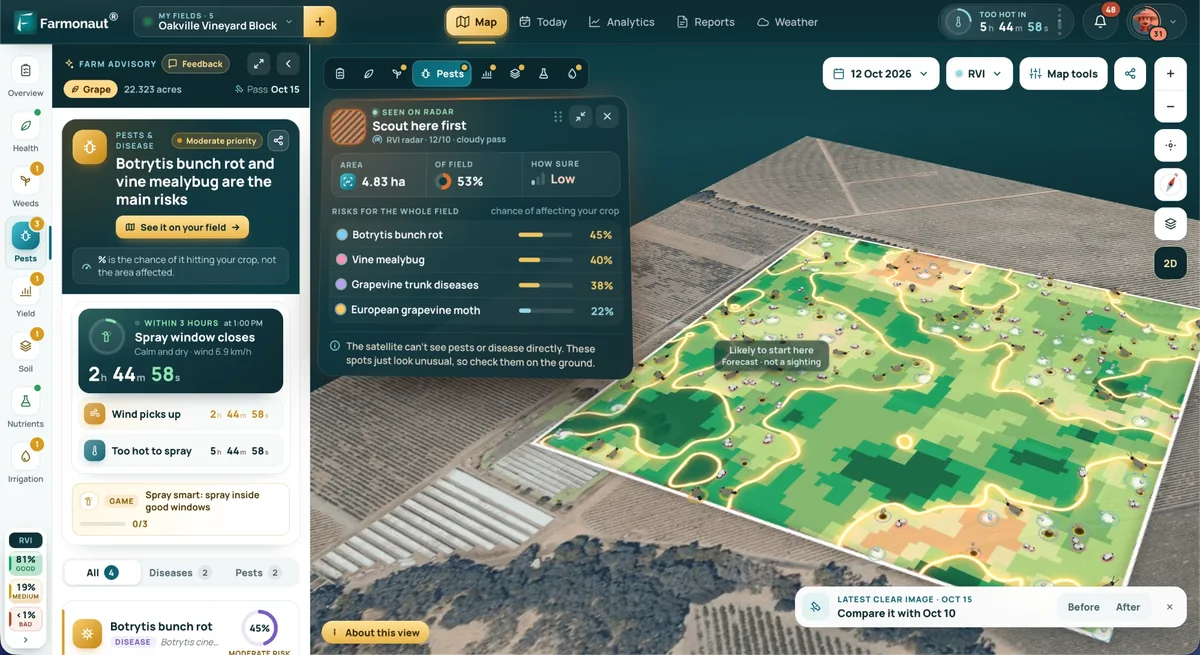
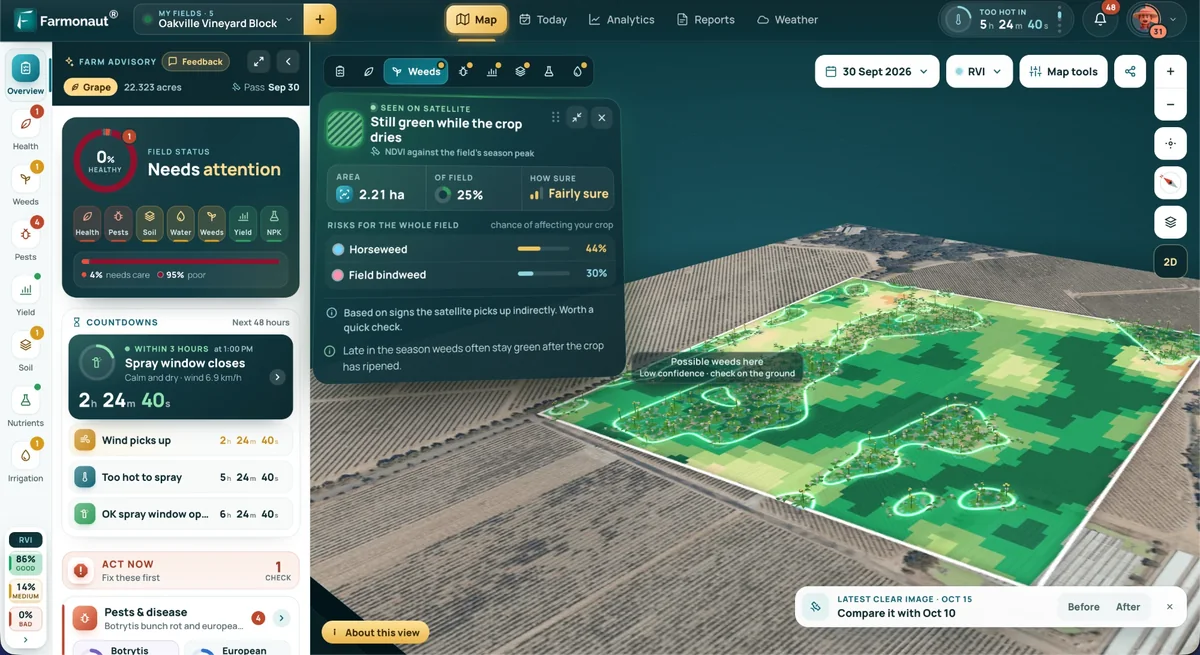
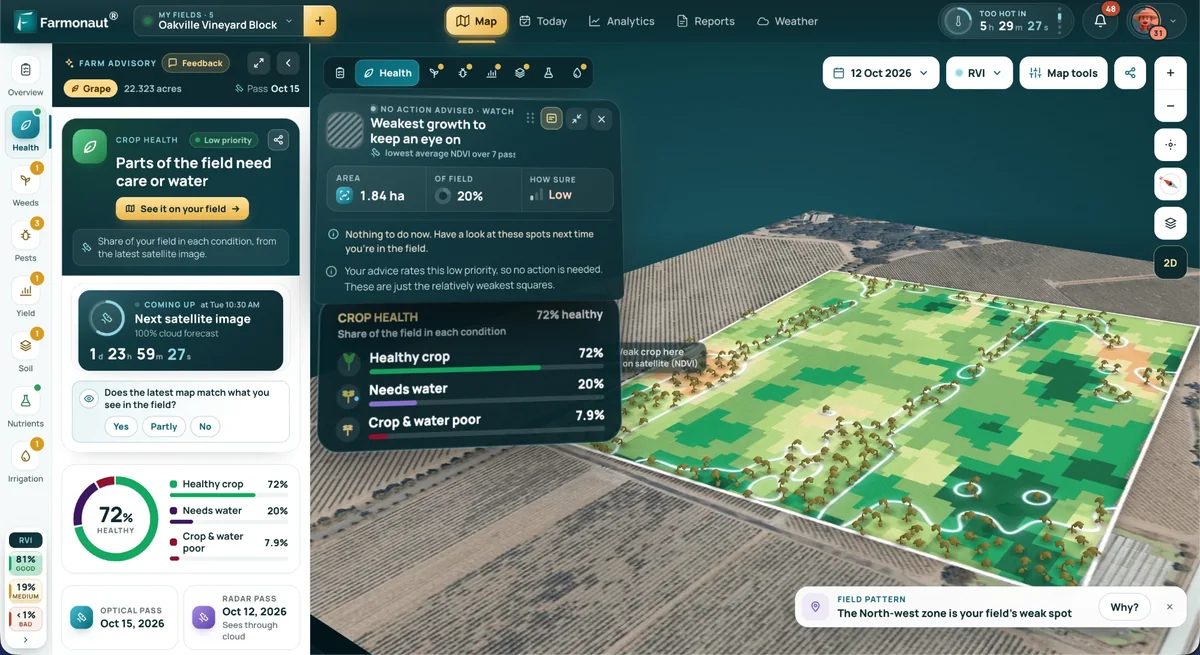
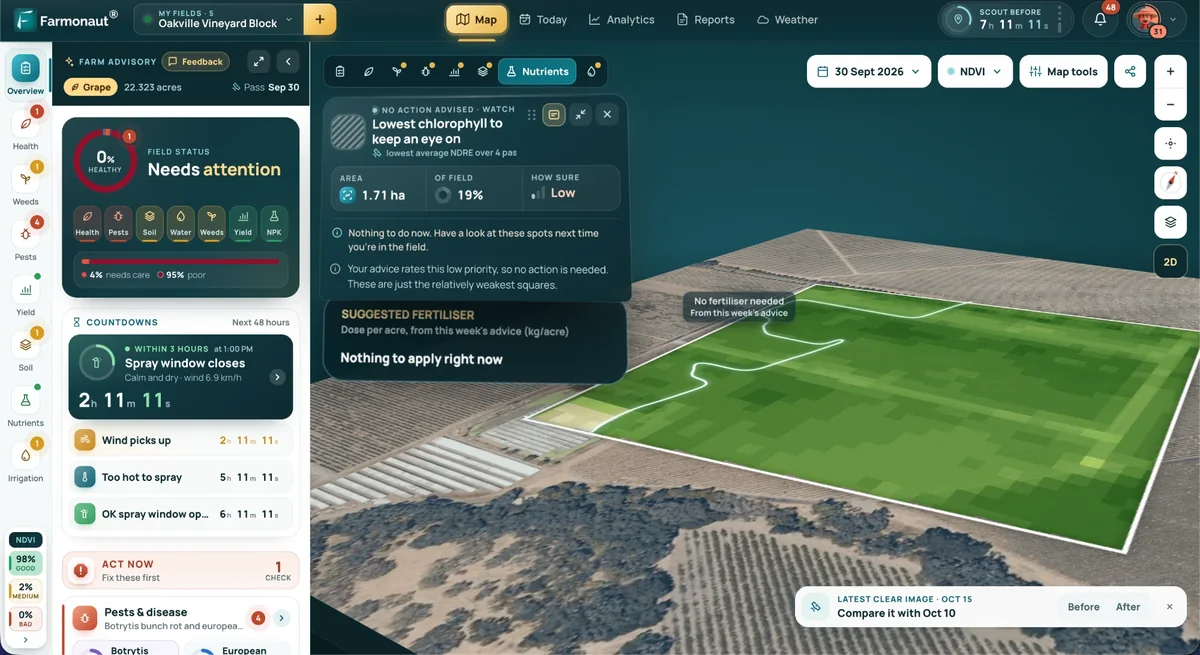
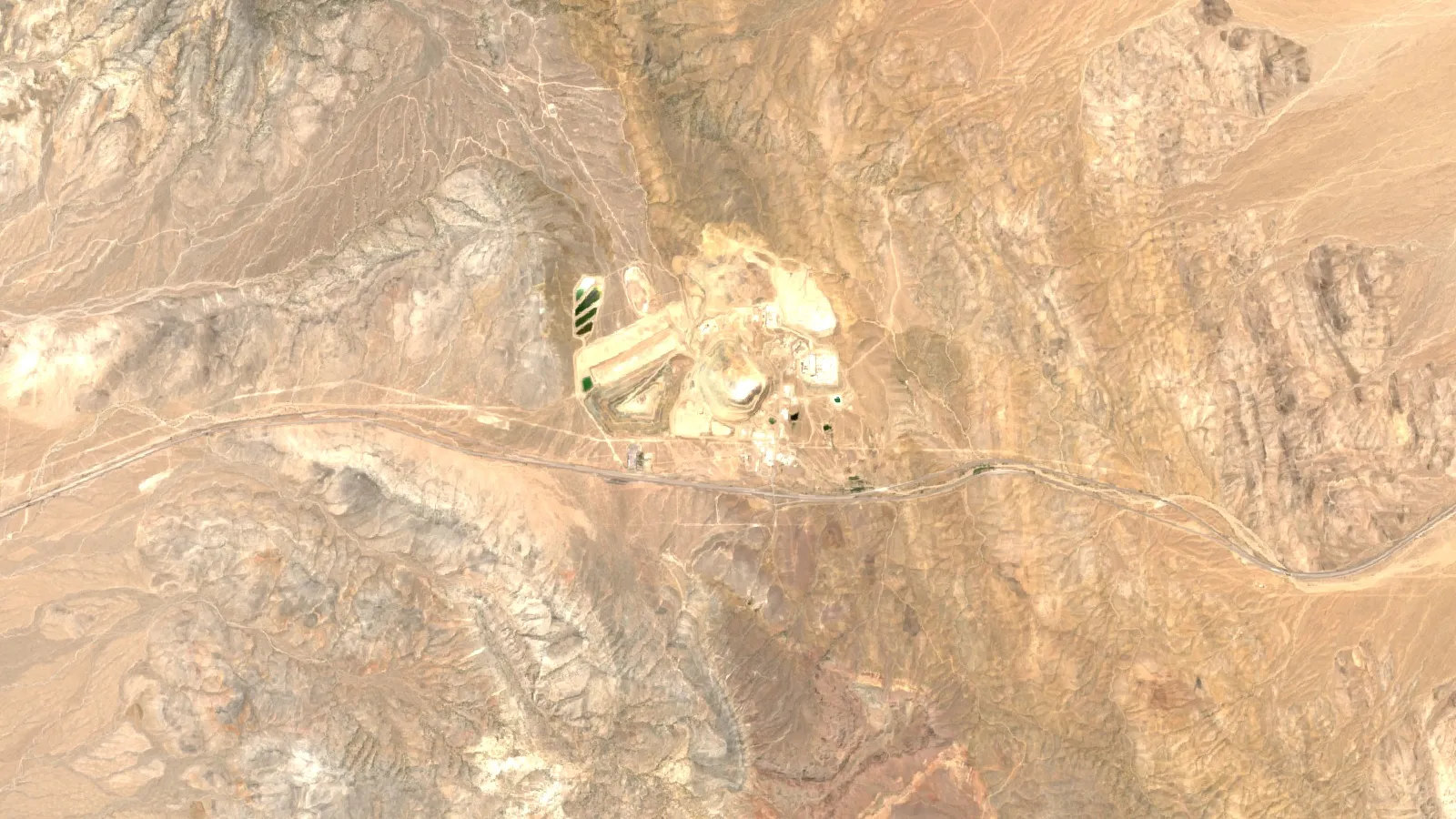
Satellites do not detect rare earth elements directly. They map the geology around them: carbonatite and alkaline intrusions, alteration, structure and the land around a licence. Farmonaut can screen a licence area using multispectral and hyperspectral satellite data and return exploration targets ahead of a resource estimate, not a resource itself. It is a screening step, not a replacement for sampling and drilling.
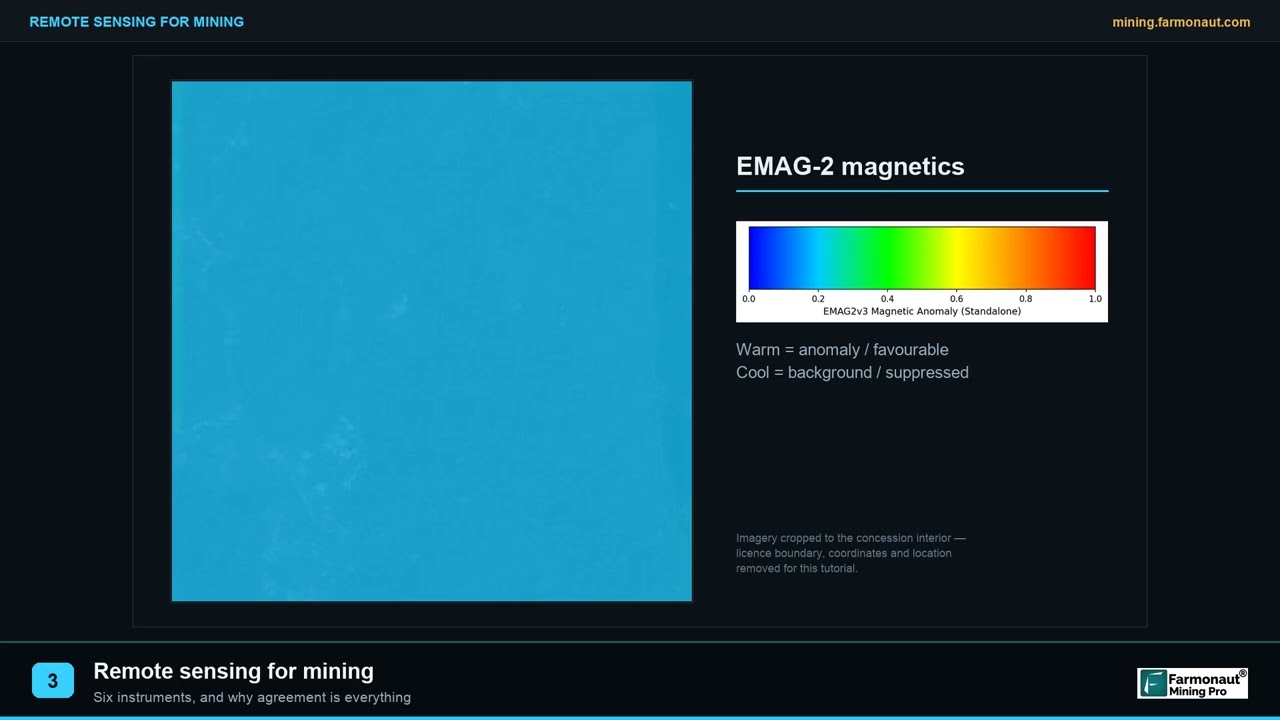
▶ Remote sensing for mining explained in three minutes, without jargon (2:01). · 2:01
Frequently asked questions
Who is the largest rare earth company in the world?
China Northern Rare Earth is one of the dominant producers in China, which mined about 270,000 tonnes in 2025 (USGS). The filings summarised here give profit and product figures for the group rather than comparable mine tonnes, so the clearest company-to-company comparison is outside China.
Which are the biggest rare earth companies outside China?
MP Materials, with 50,692 tonnes of REO in concentrate in 2025, and Lynas Rare Earths, with 13,089 tonnes of REO ready for sale in the year to June 2026.
Which country mines the most rare earths?
China, at an estimated 270,000 tonnes in 2025, then the United States at 51,000, Australia at 29,000 and Burma at 22,000 (USGS, February 2026).
Is MP Materials bigger than Lynas?
In concentrate tonnes, yes: 50,692 tonnes against 13,089. In separated NdPr oxide, Lynas is larger: 7,260 tonnes in the year to June 2026 against MP’s 2,599 in 2025.
Which rare earth companies are listed in the United States?
MP Materials trades on the NYSE as MP, and Energy Fuels as UUUU on NYSE American. Lynas also trades over the counter in the United States (OTCQX: LYSDY). Not investment advice.
Is Australian Strategic Materials still independent?
No. Energy Fuels completed its acquisition on 28 August 2026 and the shares were delisted from the ASX.
Which companies make heavy rare earths?
Lynas produces separated dysprosium, terbium and samarium oxides in Malaysia, and Neo commissioned a small heavy line in Estonia in April 2026. Energy Fuels has begun construction of a heavy plant at White Mesa.
What new rare earth producers are coming?
Iluka’s Eneabba refinery (commissioning 2027), Arafura’s Nolans project (construction started October 2026) and Rainbow’s Phalaborwa project (first production expected in 2028, study stage).
Are rare earths actually rare?
Not in the crust, but minable concentrations are less common than for most metals (USGS, 2026). The bottleneck is processing and permitting rather than geology alone.
How can satellite data help rare earth exploration?
It screens large areas for geology, alteration and access to produce exploration targets that sampling and drilling then test.
This page is for information only. It is not investment advice. Company figures are as reported by each company for the period named; check the latest filing before relying on them. Satellite screening gives exploration targets, not a resource estimate.
Farmonaut mining
Get a quote for satellite screening of your site
Send a KML, KMZ or polygon of your licence and we quote a satellite screening report for your area.
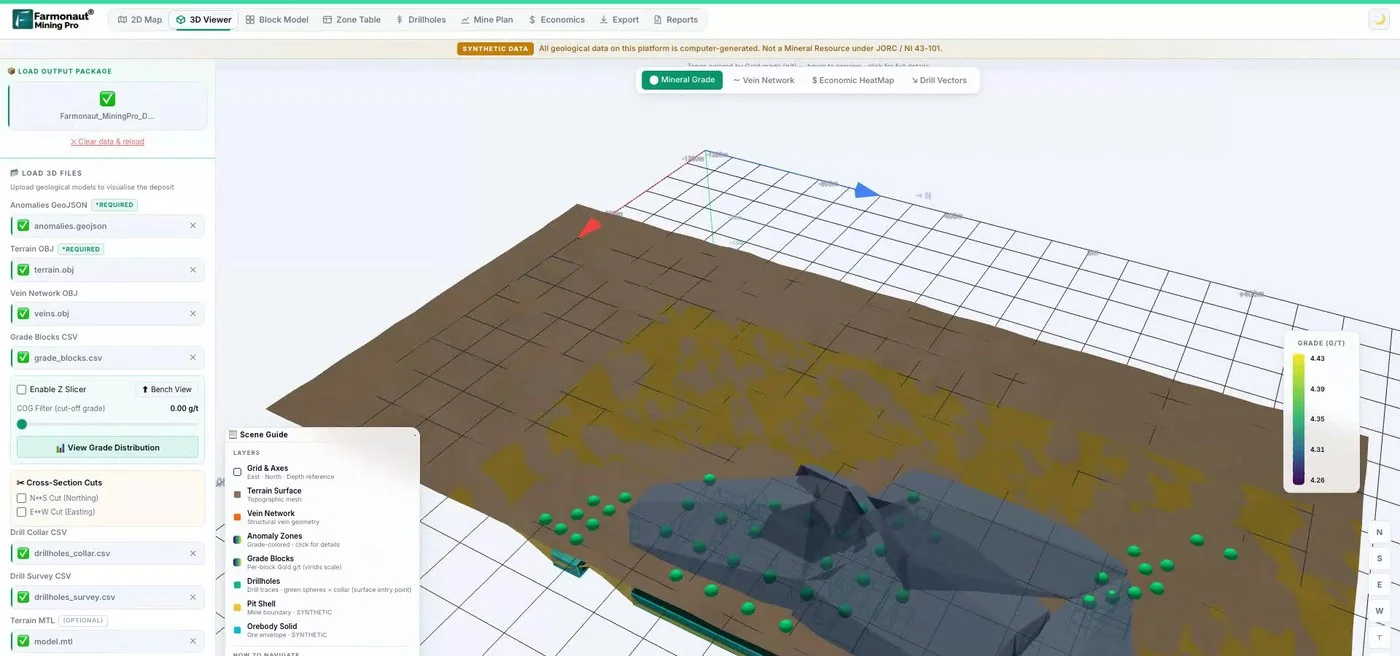
Mining Pro sample view, synthetic data
Keep reading
Sources
- USGS, Mineral Commodity Summaries 2026: Rare earths: pubs.usgs.gov
- USGS, Mineral Commodity Summaries 2026: Rare earths (heavy): pubs.usgs.gov
- MP Materials, fourth quarter and full year 2025 results: mpmaterials.com
- MP Materials, second quarter 2026 results: mpmaterials.com
- Lynas Rare Earths, Appendix 4E and Annual Report 2026: announcements.asx.com.au
- Lynas, acquisition of Meteoric Resources (1 October 2026): announcements.asx.com.au
- Rare Earth Exchanges, China Northern Rare Earth H1 2026 results: rareearthexchanges.com
- SMM, China Northern Rare Earth 2025 results (April 2026): news.metal.com
- SMM, second batch of 2024 rare earth mining quotas: news.metal.com
- Energy Fuels, Q2 2026 results: investors.energyfuels.com
- ColoradoBiz, Energy Fuels completes acquisition of Australian Strategic Materials: coloradobiz.com
- Iluka Resources, 2026 half-year results: announcements.asx.com.au
- Arafura Rare Earths, final investment decision (21 May 2026): announcements.asx.com.au
- Arafura Rare Earths, placement announcement (22 May 2026): announcements.asx.com.au
- ABC News, ground broken at Nolans (8 October 2026): abc.net.au
- Neo Performance Materials, Q2 2026 MD&A: neomaterials.com
- Rainbow Rare Earths, Phalaborwa project: rainbowrareearths.com
- WA Environmental Protection Authority, Mt Weld Life of Mine assessment (November 2023): epa.wa.gov.au
Discussion
Questions, corrections or field experience? Share them below. First-time comments are reviewed before they appear, and your email is never published.
No comments yet. Be the first to add a question or your experience.

 Lithspo Minerals Limited
 Tintina Mining Group
 Dalgety Minerals Pty Ltd
 Vortex Minerals Pty Ltd
 Faith At Work (Pty) Ltd
 Geotech Mining Solutions plc
 Vulcan International Limited
 Kidepo Associates
 GKY Mining
 Alkimy SARL
 Double A Trading
 GemSprout Metals Limited
 Qader Group
 Ileys General Trading
 SG Gold Mining LLC
 VRV Global Pte Ltd
 Omsri International FZE
 G.I.T.T.
 Jaunita Erss Ltd
 Almosi SARL
 SRK Consulting
 Berks Gold Limited
 Mwerezi Minerals Company Limited

 Exploration consultancy · South Africa · Gold