

Bingham Canyon Mine: 2025 Sustainable Mining Innovations
“Bingham Canyon Mine processes over 150,000 tons of ore daily, leveraging advanced tech for sustainable copper extraction and resource management.”
Bingham Canyon Mine Overview: A Pillar of Modern Mining & Sustainable Resource Management in 2025
The Bingham Canyon Mine, situated just southwest of Salt Lake City, Utah, remains one of the world’s largest and most productive open-pit mining operations in 2025. Also known as the Kennecott Copper Mine, its vast pit is a marvel of modern engineering—over 4 km wide and 1.2 km deep, visible even from space. Since its discovery and inception in the early 1900s, Bingham Canyon has grown into a strategic pillar of resource and mineral supply not only for the United States but also for global industries. By 2025, the mine exemplifies how advanced mining technologies and rigorous sustainable practices merge to support critical infrastructure development, address environmental challenges, and secure America’s future prosperity amidst evolving global market demands.
Copper, gold, silver, and molybdenum extracted from the Canyon support sectors ranging from renewable energy and electric vehicles to electronics manufacturing—making Bingham Canyon Mine’s role both economically and ecologically critical. Its integration of automation, satellite imaging, water recycling, and reclamation not only increases efficiency but also ensures that every operational advancement aligns with sustainability and community stewardship.
Bingham Canyon Mining Heritage & Economic Importance
The Bingham Canyon Mine is situated just outside Salt Lake City, Utah—an iconic symbol of the nation’s mining heritage. First discovered in the early 1900s, this colossal pit (over 4 km wide and 1.2 km deep) is renowned for both its legacy and ongoing significance. Visible from space, Bingham Canyon remains a major contributor to America’s resource chain—primarily producing copper, with substantial quantities of gold, silver, and molybdenum as well.
The mine’s enduring productivity makes it a vital employment engine, supporting thousands of jobs both directly and indirectly. Local and regional economies benefit from a blend of traditional mining roles alongside high-tech occupations—a testament to the evolving nature of mining. Its longevity underscores the strategic importance of domestic mineral production, reducing dependence on fragile global chains and insulating the nation from geopolitical and economic fluctuations.

Bingham Canyon Copper: Meeting Global Demand in 2025 and Beyond
By 2025, the demand for copper—alongside other critical minerals—has skyrocketed due to the global push for renewable energy, electric vehicles, smart infrastructure, and advanced electronics. Bingham Canyon Mine, as a critical domestic supplier, plays a primary role in buffering U.S. industries from volatile international markets.
Key factors driving global copper demand in 2025:
- Infrastructure development: Power grids, buildings, transportation require vast amounts of copper.
- Renewable energy: Solar, wind, and energy storage all rely on copper conductivity.
- Electric vehicles (EVs): EV production requires 2-3x more copper than combustion-engine vehicles.
- Global electronics: From smartphones to data centers, copper remains foundational.
Bingham Canyon also supplies gold, silver, and molybdenum, which are essential for medical devices, industrial catalysts, and specialty alloys. Its impact reaches beyond Utah—impacting supply chains nationwide and, increasingly, the global market.
By prioritizing sustainability and technology integration, the mine exemplifies how a legacy operation can remain a pillar of modern resource management—meeting increased demand without compromising environmental values.
Focus Keyword: Advanced Technologies & Efficiency at Bingham Canyon Mine
Facing resource depletion and rigorous environmental scrutiny, Bingham Canyon Mine’s operations in 2025 showcase a sophisticated blend of automation, real-time data, and AI-powered management systems to optimize every stage of mineral extraction.
Major technological innovations powering efficiency:
- Autonomous haul trucks and drilling rigs: Automation has replaced many manual tasks, enhancing safety and increasing productivity by running 24/7 with minimal downtime.
- Drones and satellite imaging systems: These deliver real-time geological data, enabling precise pit management and improved ore targeting that reduces waste.
- Advanced geological modeling harnesses big data to map mineral deposits, further optimizing the extraction process.
- AI-driven ore analysis speeds up decision making on ore quality, transport routes, and processing strategies.
- Digitally integrated equipment fleets permit continuous remote monitoring and fleet optimization.
These technological advances have resulted in:
- Reduced operational costs
- Increased worker safety by limiting exposure to hazardous conditions
- Enhanced copper output with less environmental impact
By aligning modern innovations with traditional know-how, Bingham Canyon Mine exemplifies how even century-old mining giants can evolve rapidly to remain competitive and responsible in today’s market.
Sustainable Practices & Environmental Management at Bingham Canyon Mine in 2025
Environmental stewardship is a core focus. By 2025, the Bingham Canyon Mine operates under strict environmental management regulations, investing in both tried-and-true and innovative sustainability techniques:
- Progressive tailings management stabilizes mining waste, significantly reducing the risk of ecological incidents.
- Revegetation and land rehabilitation programs ensure that mined land returns to ecological, or even recreational, uses after extraction.
- Water recycling technologies have drastically cut down on consumption—a crucial advancement for an arid region reliant on efficient water use.
- Transition to renewable energy (solar, wind) in mine operations directly reduces the carbon footprint.
- Comprehensive emissions monitoring allows for rapid problem resolution and data-driven improvements.

Sustainability is not just about compliance, but about proactively managing environmental threats and optimizing resource use for long-term productivity and community trust. The mine’s steady shift toward renewable solutions sets a benchmark for resource extraction worldwide, helping to reduce greenhouse gas emissions and conserve the delicate local ecosystem.
“By 2025, Bingham Canyon Mine aims to reduce greenhouse gas emissions by 30% using innovative mining and energy solutions.”
Transparency and community engagement have become core to the mine’s reputation. Regular reporting, open forums, and partnerships with local educational facilities foster mining literacy and workforce development.
For more on advanced tools supporting environmental management, explore our Carbon Footprinting solutions—empowering sustainable operations with real-time monitoring of emissions and actionable impact data.
Key Sustainable Innovations at Bingham Canyon Mine (2025)
| Innovation / Technology | Estimated Implementation Year | Purpose / Function | Estimated Environmental Impact | Estimated Copper Output Improvement (%) |
|---|---|---|---|---|
| Autonomous Haul Trucks | 2021-2023 | Automate ore/rock transport, reduce human exposure to hazards, boost productivity | CO2 emissions cut by ~10%, fuel savings from optimized routing | +8% |
| AI-Driven Real-Time Ore Analysis | 2023-2025 | Instant ore quality assessment for targeted extraction and reduced waste | Minimizes mineral waste (~12% less waste rock) | +10% |
| Renewable Energy Usage (Solar & Wind) | 2024-2025 | Switch to renewable sources for mine operations & processing plants | 30% less greenhouse gas emissions by 2025 | +2% |
| Water Recycling Systems | 2022-2025 | Reduce water use by reusing process and runoff water | 45% water usage reduction in operations | Maintains output during droughts |
| Tailings Management & Land Reclamation | Ongoing (since 2018) | Ensure environmental integrity and post-mining land restoration | Reduced risk of ecological disaster, native vegetation restored | N/A (not direct) |
| Drones & Satellite Imaging | 2021-2025 | Geological mapping, pit monitoring, efficiency of extraction | Lower impact footprint (±5% land area saved/year) | +4% |
AI, Satellite, and Drones: The Modern Mining Trinity
The Bingham Canyon Mine’s integration of AI, satellite systems, and drones exemplifies how mining technology in 2025 delivers unprecedented insight and value:
- Satellites deliver multispectral imagery and real-time data for monitoring land use, pit expansion, ore body changes, and environmental health.
- Drones provide flexible, up-close inspection for areas too dangerous or inaccessible for ground vehicles.
- AI-powered analysis rapidly turns raw data from sensors and cameras into actionable strategies, ranging from fleet management to yield optimization.
By combining these systems, Bingham Canyon Mine can:
- Pinpoint rich ore pockets—optimizing resource extraction
- Monitor slope stability and reduce pit hazards
- Identify inefficiencies and spot deviations in production
- Deliver enhanced environmental reports for compliance and transparency
Such technologies not only increase efficiency but also allow operators to reduce costs, manage risks, and safeguard worker safety.

Bingham Canyon’s Water & Energy Resource Management: The Renewable Transition
Sustainable resource management is now inseparable from economic efficiency in mining. The Bingham Canyon Mine has invested deeply in water-smart technologies and a transition to renewables:
- Water Recycling: Captures and recycles process water, drastically lowering drawdown from local sources and protecting aquifers.
- Dust & Pollution Control: Automated misting systems and greenbelts mitigate air and water pollution across the mine perimeter.
- Solar Fields & Wind Turbines: Located around the pit, they now provide a growing share of operational electricity, especially for crushing, milling, and pumping equipment.
- Energy Management AI: Advanced algorithms balance supply and demand, cutting peak loads and reducing reliance on fossil fuel generation.
The result? A 30% greenhouse gas emission reduction target by 2025, less vulnerability to fluctuating utility prices, and greater community goodwill.
Explore more about Fleet Management solutions for optimizing mining logistics, reducing costs, and environmental risks with satellite-based oversight.
Reclamation & Legacy: Securing Bingham Canyon’s Pillar Status for the Future
Legacy mining operations face a universal challenge: what happens when extraction ends? Bingham Canyon Mine takes proactive steps with aggressive land reclamation and rehabilitation programs:
- Progressive revegetation starts even before a pit is completely mined—native species are replanted, and topsoil is restored in stages.
- Ecological engineering (wetland creation, habitat corridors) ensures biodiversity and long-term ecological balance.
- Community and recreational planning invites local stakeholders into future land-use discussions, fostering shared stewardship.
Strict monitoring systems measure water quality, slope stability, and revegetation success, aligning with regulatory and community expectations.

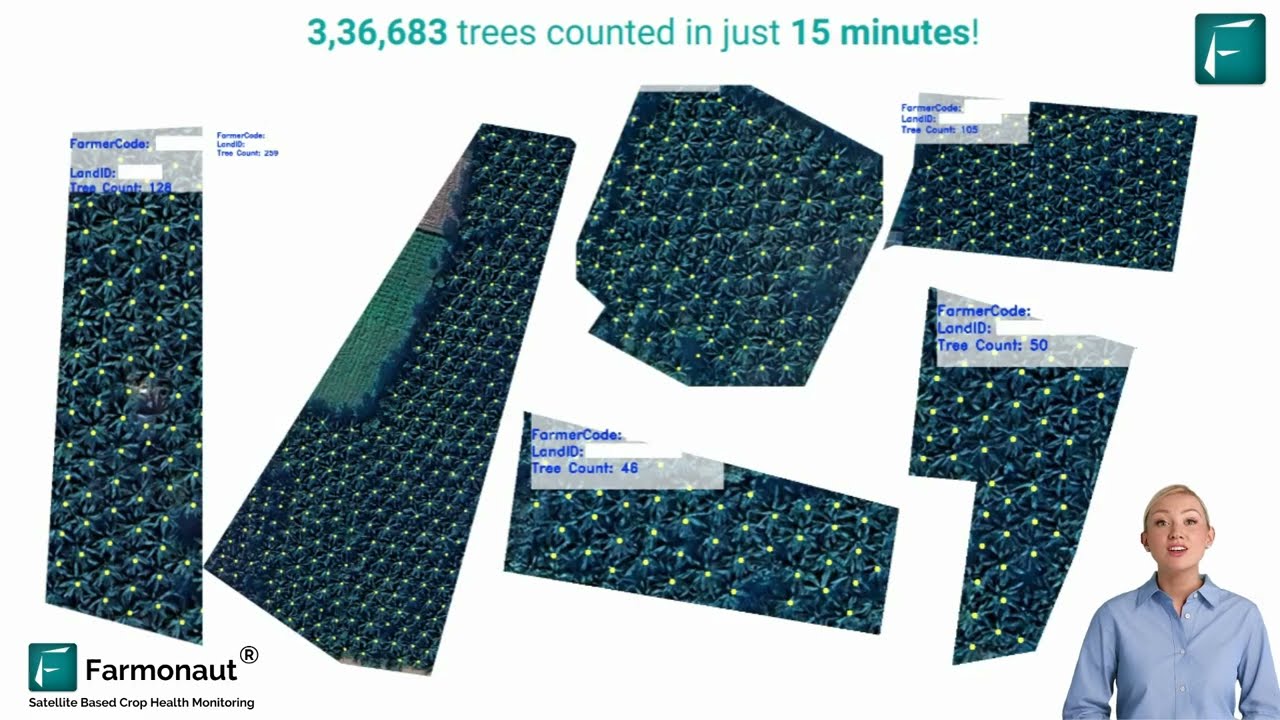
Integrating AI and satellite oversight—like that provided through solutions on the Farmonaut App—enables efficient, continual assessment of restoration progress, from vegetation health to soil erosion prevention.



Farmonaut Satellite Technology: Powering Mining Innovation and Resource Management
Satellite technology fundamentally enhances resource management and sustainability in modern mining. Farmonaut’s suite of products addresses a wide spectrum of mining needs:
- Satellite-Based Monitoring: Multispectral satellite imagery helps track pit expansion, vegetation recovery, and infrastructure integrity, providing detailed, actionable insights for both operational and environmental management.
- AI Advisory for Mining Operations: AI-backed systems generate tailored strategies on ore extraction, slope monitoring, and workflow optimization, increasing both productivity and safety for mining sites.
- Blockchain Traceability: Mining supply chains benefit from end-to-end traceability, enhancing transparency, and reducing fraud. Product Traceability ensures that extracted copper and minerals are tracked and certified through every step.
- Fleet Management: Real-time vehicle and equipment oversight helps optimize logistics, reduce downtime, and minimize operational costs. Explore our Fleet Management solutions.
- Environmental Impact Monitoring: Track carbon footprint, water use, and waste outputs to support compliance and continuous improvements in sustainability. More on Carbon Footprinting.
- APIs & Integrations: Advanced users and businesses can integrate satellite and resource insights into their own systems for customized analytics and reporting. Learn more about Farmonaut’s Mining and Resource Management API and see the API Developer Docs.
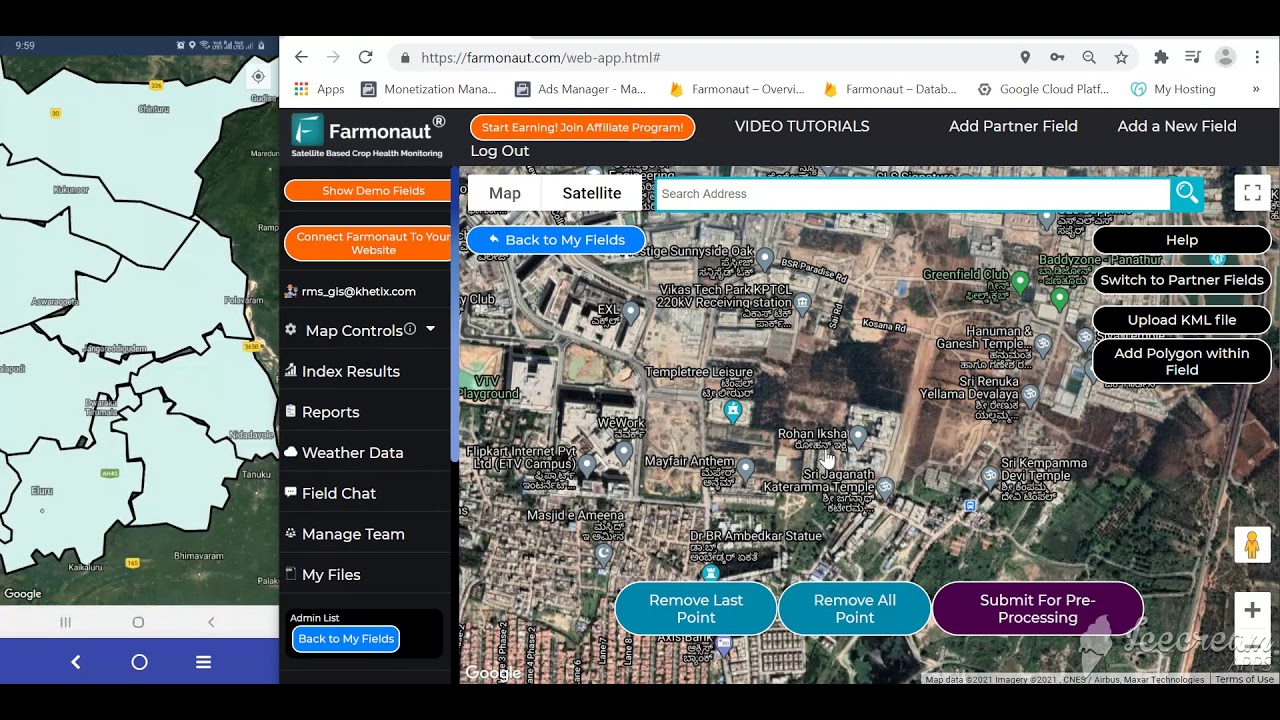
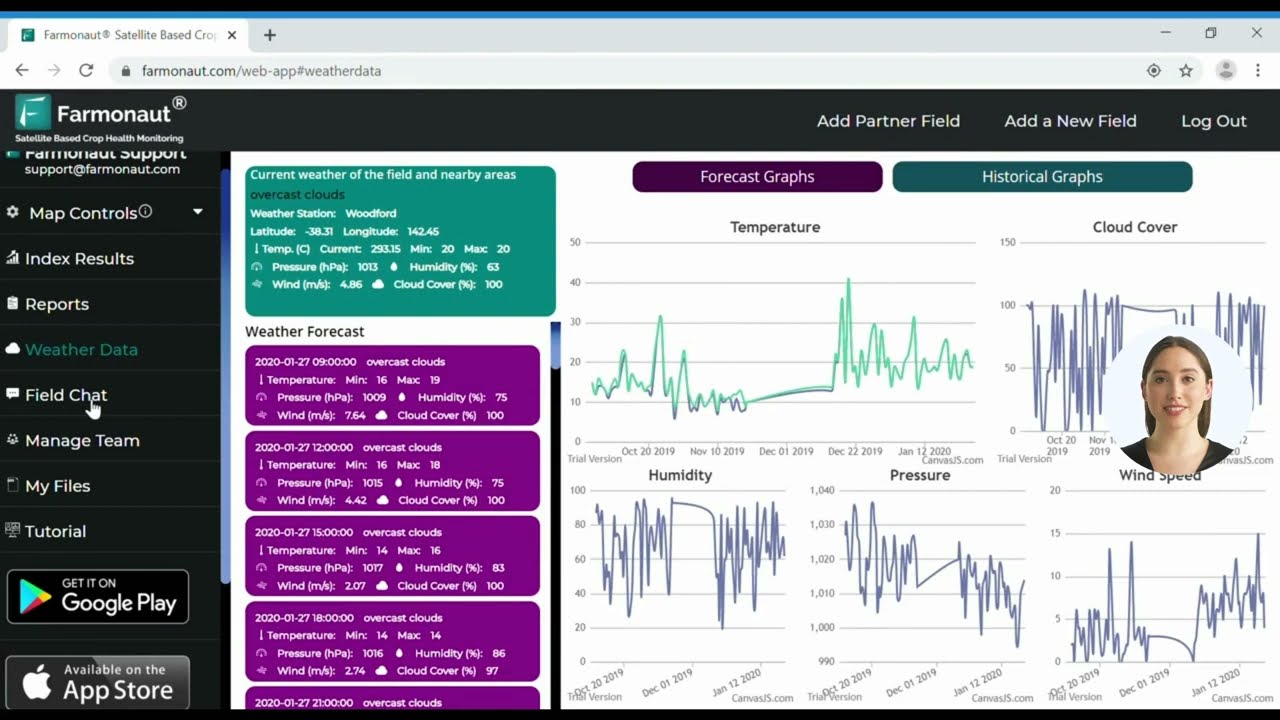
Additionally, Farmonaut makes these monitoring and management tools accessible across web, Android, and iOS devices for maximum user flexibility and real-time reporting. This all-in-one approach democratizes satellite-driven decision making—empowering small operators, major businesses, and government agencies alike.
Farmonaut’s Subscription Plans for Mining, Infrastructure, and Resource Management
To further streamline mining verification and financing, our satellite-based tools empower banks and insurance providers, ensuring reliable crop loan and insurance evaluation for mines.
Sustainable Mining Practices: Innovations & Global Trends in 2025 and Beyond
The Bingham Canyon Mine is not just a regional success story—it’s a standard-bearer for global trends shaping mining’s environmental and economic future. These include:
- Resource circularity: Maximizing yield from existing ore while increasing recycling of metals and tailings.
- Full-lifecycle land management: Applying precision tech from initial exploration to closure and restoration.
- Remote, real-time oversight: Leveraging satellite and cloud platforms for multisite, multinational monitoring and compliance reporting.
- AI-driven workforce development: Supporting new skillsets among mining employees for roles in data analysis, AI oversight, and resource optimization.
With global demand for copper and other critical minerals accelerating, such innovations are essential to preserve productivity, reduce risk, and maintain community trust.
FAQ: Bingham Canyon Mine, Sustainable Mining & Technology in 2025
-
Q: What is Bingham Canyon Mine and why is it significant in 2025?
Bingham Canyon Mine—also known as Kennecott Copper Mine—is a massive open-pit operation in Utah, southwest of Salt Lake City. In 2025, it stands as a pillar of modern mining for its scale, longevity, and integration of sustainable, high-tech resource management, directly supporting infrastructure, electronics, and clean energy sectors.
-
Q: What types of minerals are extracted from Bingham Canyon?
Primarily copper, but also substantial quantities of gold, silver, and molybdenum. These play vital roles in sectors ranging from electric vehicles to industrial catalysts.
-
Q: How is the mine addressing water scarcity and emissions?
Through extensive water recycling infrastructure (reducing withdrawal from local sources by 45%), transition to solar and wind energy, and advanced dust control systems. The goal is a 30% reduction in greenhouse gas emissions by 2025.
-
Q: What technological innovations are employed at Bingham Canyon Mine?
Autonomous haul trucks, AI-driven ore analysis, drones, satellite imaging, real-time monitoring, and blockchain traceability in supply chains all improve efficiency, safety, and environmental management.
-
Q: How is land reclamation managed after mining ends?
Land restoration begins progressively as pits are exhausted, with native vegetation, habitats, and potential community recreation projects in the pipeline. Real-time satellite monitoring tracks revegetation and stability success.
-
Q: How does Farmonaut support mining and resource management?
Farmonaut provides satellite-based monitoring and analytics, AI advisory, fleet management, traceability (via Product Traceability), and environmental impact tracking (Carbon Footprinting), all accessible via web and mobile platforms for mining operators, businesses, and governments.
-
Q: Where can I access developer APIs or app solutions for satellite-driven mining tech?
Directly at Farmonaut’s Mining & Resource Management API and Developer Documentation.
Conclusion: Bingham Canyon Mine’s Future as a Model of Sustainable Mining
Bingham Canyon Mine stands as a testament to engineering and sustainable mining practices. Its record-breaking productivity, continuous adoption of advanced technologies, and unwavering commitment to environmental stewardship make it a pillar of modern resource management in 2025.
With global demand for copper and critical minerals reaching new heights, and as sustainability expectations intensify, Bingham Canyon Mine demonstrates that strategic innovation and ethical management are not only possible—they are essential. Through a blend of automation, satellite analytics, renewable energy, stringent reclamation, and transparency, it offers a blueprint for mining’s future across the world.
For those seeking to revolutionize their own approach to resource management, sustainable mining, and environmental monitoring, now is the time to embrace the technologies and practices propelling operations like Bingham Canyon Mine forward into the future.

Start your journey into real-time satellite-driven monitoring and resource management today:
Explore more about enhancing sustainability and technological edge across mining and resource sectors:
- Large Scale Field Mapping & Monitoring for Resource Management
- Carbon Footprinting for Mines and Supply Chains
- Fleet Management for Mining Operations
- Product Traceability and Blockchain Tracking
- API Integration for Real-Time Data & Resource Insights


