

Carajás Iron Ore 2025: Sustainable Growth in Brazil’s Mining
Introduction: Carajás Iron Ore as a Cornerstone of Sustainable Mining (2025)
Located in the heart of Pará state in northern Brazil, the Carajás iron ore mine stands as one of the largest and richest iron ore deposits in the world. Operated by Vale S.A., Carajás is more than just a major mineral extraction site—it is the cornerstone of Brazil’s sustained economic growth and a leading model for environmentally responsible mining in 2025. The site continues to drive innovative approaches to balance economic development with sustainability, ensuring that its contributions extend well beyond the global iron ore market to encompass measurable environmental and social benefits for local communities.
As global demand for high-quality iron ore persists—fueling steel production, industrial expansions, and infrastructure megaprojects—Carajás stands at the intersection of resource extraction, environmental stewardship, and technology-driven operational efficiency. In this comprehensive overview, we explore how Carajás continues to shape the sector in 2025 by integrating advanced technologies (including satellite-driven monitoring), best practices in conservation and community development, and a blueprint for sustainable mining that resonates with the values and expectations of the modern global market.
In this blog, we cover:
- Geological and operational strengths that make Carajás unique
- Economic impact on Brazil and the broader global economy
- Innovative environmental and community stewardship initiatives
- How technologies (including satellite solutions) are transforming mining practices
- Quantifiable improvements from sustainable practices (2024–2025)
- Insights for future industry trends and sustainable growth
Geological and Operational Overview: The Carajás Iron Ore Mine
A Geological Marvel in Pará
Carajás iron ore mine is located in the state of Pará, within the Carajás Mineral Province, a region long-recognized for its enormous mineral wealth. Discovered in the 1960s, Carajás quickly gained recognition for containing some of the highest-grade iron ore deposits in the world, with iron content reaching up to 67%. The deposit is composed mainly of hematite, which greatly reduces the need for extensive beneficiation processes, making extraction both cost-effective and environmentally efficient.
World-Class Deposits and Extraction Techniques
- Largest and Richest Deposits: The Carajás deposit remains one of the world’s largest and richest iron ore reserves in 2025.
- Operational Output: The mine remains among the highest output iron ore producers globally, extracting millions of tonnes of ore annually.
- Open-Pit Mining: Utilizes open-pit techniques supported by ongoing investments in advanced mechanization and automation.
- Minimizing Environmental Footprint: High ore content means fewer tailings, less waste, and efficient resource utilization.
Key highlights:
Carajás’ geological formation includes banded iron formations and associated minerals, serving as a strategic raw material reserve for current and future industrial demand.
Modern Operations and Technology at Carajás
By 2025, Carajás mine’s operational model has evolved with state-of-the-art mechanization and integrated automation technologies that have been progressively improving productivity and minimizing the environmental footprint. Vale, the owner and operator, has adopted autonomous hauling systems, drone-based surveys, and real-time environmental monitoring to make mining operations safer, more efficient, and more sustainable.
- Autonomous Haul Trucks: Reduce emissions, optimize labor, and improve safety.
- Drone and AI Surveillance: Enables near-real-time inspection of vast operational areas.
- Geological Modeling: Provides data-driven insights for resource management and extraction planning.

See how AI and satellite technologies are reshaping mineral exploration in 2025—driving smarter, more sustainable resource extraction approaches like those at Carajás.
Economic Significance and Infrastructure Development of Carajás
Driving Brazil’s Economic Growth Through Mining
One of the defining aspects of Carajás iron ore mine is its outsized role in fuelling both the local economy of Pará and the broader Brazilian GDP. With more than 40% of the country’s iron ore production flowing from Carajás in 2025, the mine is a cornerstone for industrial progress, infrastructure projects, and sustainable urban development both domestically and for export-focused sectors.
- Critical Raw Material Supplier: Carajás supplies essential iron ore for global and domestic steel production, feeding construction, transport, and manufacturing sectors.
- Supports Infrastructure: From bridges and railways in Brazil to urban expansion in emerging markets, Carajás iron ore is a foundational material for the world’s mega-projects.
- Significant GDP Contributor: Revenues generated from iron ore export and industrial supply significantly contribute to national earnings and employment figures.
Vale’s integrated operation links mining with logistics and port infrastructure, ensuring a seamless flow of materials to global markets. The Carajás Railway is pivotal, transporting ore from the site to the Ponta da Madeira Maritime Terminal, one of Brazil’s main export gateways.
Investments in Infrastructure and Logistics Modernization
Recognizing the need for efficiency and sustainability, recent years (up to 2025) have seen Vale invest in:
- Rail system electrification and upgrades for reducing transportation emissions
- Automated loading/unloading at ports and high-volume terminals
- Expansion of logistics corridors to meet rising demand
- Digital fleet management and satellite tracking (see benefits of fleet and resource management solutions)
These initiatives help ensure Carajás remains one of the world’s most productive and environmentally progressive mining operations.
Farmonaut offers advanced solutions for Fleet Management tailored to mining and infrastructure, enabling real-time monitoring and operational efficiency on large sites like Carajás.

Farmonaut’s scalable mapping and monitoring tools support infrastructure and mining projects globally—enabling smarter logistics and sustainability management.
Environmental and Social Stewardship in Carajás Iron Ore Mining
Balancing Extraction with Conservation and Community
Carajás iron ore mining is located within the Carajás National Forest, a legally protected area, which demands vigilant environmental practices and proactive stewardship. In 2025, sustainable development at Carajás revolves around three interconnected pillars:
- Environmental Conservation—Mitigating mining impacts on biodiversity, water, and air
- Community Empowerment—Inclusive growth and benefit-sharing with local populations
- Transparent Resource Management—Maintaining compliance and building trust through ongoing monitoring and public disclosure
Let’s explore these critical areas in detail.
Strict Environmental Controls & Ecosystem Safeguards
- Biodiversity Monitoring: Implementation of real-time field sensors, satellite-driven imagery, and continuous biodiversity indexing (e.g., tracking endemic species and monitoring reforested land).
- Water Resource Management: Strict adherence to national and international best practices to reduce contamination and ensure water reuse and recycling on site.
- Reforestation Projects: Annual commitments to restoring native forest cover, stabilizing watersheds, and enhancing carbon sequestration.
- Waste & Emissions Reduction: Technological upgrades to minimize waste generation and reduce CO₂ emissions from site operations.
To monitor, track, and reduce environmental impact, Farmonaut’s Carbon Footprinting solutions offer near-real-time data on carbon emissions and compliance requirements, supporting ongoing sustainability efforts for mining and industrial users.
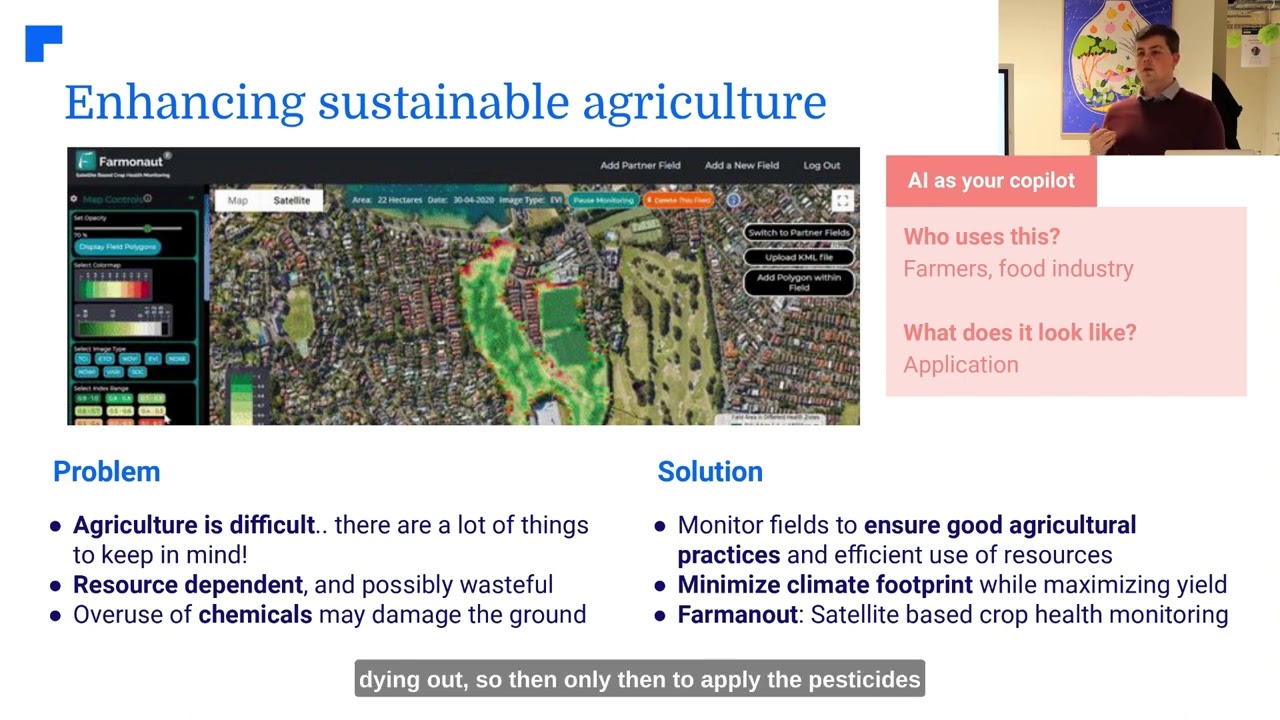
Discover the value of satellite-powered carbon monitoring for large operations, from agriculture to mining.
Since 2020, Carajás has reduced carbon emissions by more than 15%, setting a new benchmark for eco-friendly mining across Brazil.
Empowering Local Communities—Social Impact of Carajás Iron Ore Mining
Recognizing that true sustainability requires inclusive development, Carajás mine:
- Prioritizes direct local employment—thousands of jobs supporting the local economy.
- Funds infrastructure for nearby communities—schools, health clinics, and transportation.
- Support for indigenous and rural populations, with inclusive consultation in decision-making.
- Invests in training, education, and entrepreneurship programs for long-term economic empowerment.
Such ongoing social investments strengthen the resilience and prosperity of communities while increasing Carajás’ acceptance and support at the local level.
Unlock end-to-end transparency with Farmonaut’s blockchain-based traceability—ideal for mining supply chains seeking to provide real-time proof of sustainable and ethically sourced materials.
Technological Innovations: Transforming Carajás Iron Ore Mining in 2025
Next-Gen Technologies Powering Sustainable Operations
The Carajás iron ore mine in 2025 exemplifies how digital transformation and automation are making mining cleaner, safer, and more productive. Core innovations include:
- AI-Driven Predictive Maintenance: Reduces unplanned downtime, improves equipment lifespan, and optimizes resource allocation.
- Autonomous Mining Equipment: Trucks and drills operate semi-independently, maximizing safety and reducing human exposure to risk.
- Drone Surveillance and Mapping: Rapid oversight of enormous mining areas with minimal carbon footprint.
- Satellite Monitoring (including with Farmonaut): Offers real-time environmental and operational tracking from space, boosting both productivity and compliance.
These tools enable Vale and industry peers to automate routine processes, lower costs, and drive reporting transparency, aligning with stricter regulatory and investor demands for sustainability in mining.

Watch how environmental, social, and governance (ESG) tech, including satellite mapping, is shaping responsible mining globally—directly relevant to Carajás’ 2025 practices.
Pathway to Low-Carbon and Green Steel Supply Chains
Looking ahead, Carajás is focused on sustaining high-output production while keeping pace with the world’s move towards greener steel and low-carbon industry:
- Electrification of Mining Equipment: Gradual shift from diesel to electric-powered machinery, further cutting site-level emissions.
- Renewable Energy Integration: Leveraging solar and hydro resources in Pará state to power main operations.
- AI & Blockchain in Compliance: Improving resource efficiency and traceability for global buyers concerned about responsible sourcing.
The ongoing transformation reflects Carajás’ commitment to providing the essential material for global steel in the most sustainable and ethical way possible.



Access satellite insights wherever you are! Use Farmonaut’s web and mobile apps for real-time monitoring and management of mining, agricultural, or infrastructure projects—boosting both profitability and sustainability across industries.
Sustainability Impact Comparison Table – Carajás Iron Ore Mining
Below is a concise overview of key environmental, economic, and social indicators showing Carajás’ improvement from pre-sustainability initiatives (2024) to post-sustainability focus (2025). These data points highlight measurable progress toward sustainable mining and development at Carajás—demonstrating that growth and conservation can go hand in hand.
| Aspect | 2024 Estimate (Pre-Sustainability Measures) |
2025 Estimate (Post-Sustainability Focus) |
Improvement (%) |
|---|---|---|---|
| Water Usage (million m³/year) | 120 | 96 | -20% |
| CO₂ Emissions (tons/year) | 2,000,000 | 1,700,000 | -15% |
| Land Rehabilitated (hectares) | 1,700 | 2,000 | +18% |
| Biodiversity Projects Supported | 35 | 50 | +43% |
| Reduction in Waste Output (tons/year) | 150,000 | 110,000 | -27% |
| Local Employment Generated | 11,000 | 13,000 | +18% |
| Community Investment (USD Million/yr) | 75 | 100 | +33% |
* Estimates are based on reported data projections and industry benchmarks for 2024/2025. They reflect the impact of sustainability programs at the Carajás iron ore mine.
Satellite Technologies & Farmonaut in Sustainable Mining
How Satellite Solutions Advance Carajás Iron Ore Mine’s Sustainability
Modern mining at Carajás is deeply connected to advanced geospatial, satellite, AI, and data platforms that underpin real-time sustainability management and compliance. We at Farmonaut make it possible for businesses, governments, and resource managers to access:
- Satellite-Based Monitoring: Offers frequent, high-resolution updates on mining sites, vegetation, water flow, tailings areas, and adjacent infrastructure projects.
- AI-Backed Advisory: Provides operational strategies and early warnings for efficiency, risk management, and resource allocation on remote mining sites.
- Blockchain Traceability: Secures mining supply chains, enabling transparent tracking of iron ore from extraction to export markets and sustainable product claims.
- Environmental Impact Tools: Empowers miners to track their carbon footprint and demonstrate measurable improvements year-over-year—critical for ESG investors.
Our subscription-based platform is designed for scalability and accessibility. Mining operators at Carajás and other major sites can benefit from:
- Reducing operational costs through informed fleet and resource management (learn more).
- Meeting compliance with environmental regulations and sustainability benchmarks.
- Improving transparency in resource management for community and investor trust.
To get started with robust, affordable satellite insights and resource management for your mining or infrastructure operation:
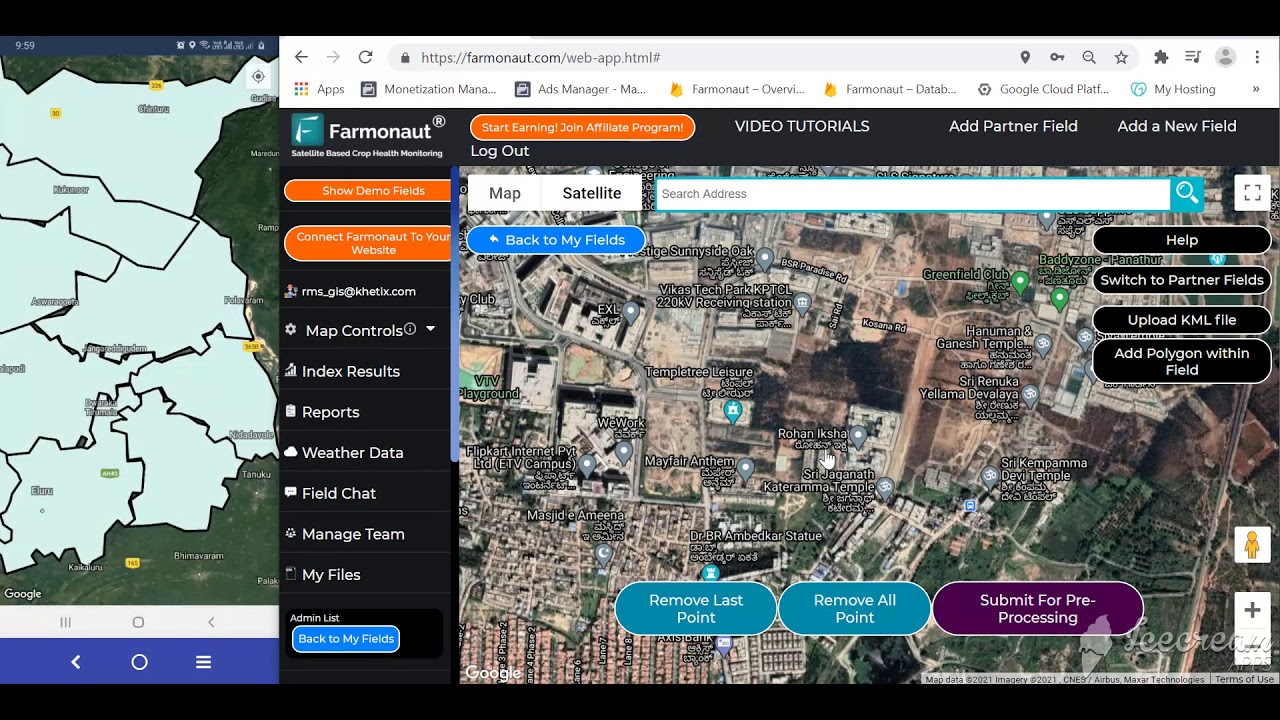
See how easy it is to launch powerful satellite monitoring for large-scale mining and infrastructure operations—enabling sustainable, data-driven growth.
Choose a subscription that fits your mining, infrastructure, or agriculture needs. Farmonaut offers scalable services for businesses, large sites like Carajás, and government applications.

Discover how the future of minerals and mining is shaped by AI and satellite remote sensing, paving the way for greener, smarter iron ore operations worldwide.
Conclusion: Carajás Iron Ore Leading Sustainable & Inclusive Growth
In 2025, the Carajás iron ore mine emerges not just as a site of mineral extraction, but as a cornerstone of sustainable development in Brazil and an inspiration for the wider global sector. By marrying world-leading geological assets with advanced operational technologies, deep-rooted environmental stewardship, and inclusive community benefits, Carajás proves that sustainable growth in mining is not only possible but essential for future prosperity.
With ongoing investments in infrastructure and logistical modernization—such as the Carajás Railway and Ponta da Madeira maritime terminal—Carajás supports the backbone of both Brazil’s economy and the global iron and steel supply chains. Importantly, Carajás’ example of reduced water usage, lower emissions, and community investment establishes a new benchmark for ethical and sustainable mining practices.
As the world looks to 2025 and beyond, the blueprint created at Carajás—integrating operational excellence, technology-driven resource management, environmental consciousness, and inclusive growth—stands ready to shape the next era of responsible mineral resource development, powering infrastructure, industry, and communities around the globe.
Frequently Asked Questions (FAQ) – Carajás Iron Ore Mining in 2025
1. What is Carajás iron ore mine known for?
The Carajás mine in Pará, Brazil, is recognized as one of the world’s largest and richest iron ore deposits, operated by Vale. It produces high-grade ore with iron content up to 67%, making it a cornerstone for global steel production, economic growth, and sustainable mining practices.
2. How is Carajás contributing to environmental sustainability?
Carajás deploys real-time biodiversity monitoring, water resource management, extensive reforestation, and advanced automation to reduce emissions and waste. Since 2020, it has achieved over 15% reduction in carbon emissions through modernized technologies and responsible mining operations.
3. What are the economic benefits of Carajás mining for Brazil?
As a critical supplier of iron ore domestically and internationally, Carajás generates significant revenues, supports major infrastructure projects, and creates thousands of local jobs. Its operations are closely integrated with logistics and export terminals, contributing directly to Brazil’s GDP and export earnings.
4. How are communities supported by Carajás mining operations?
Carajás invests in healthcare, education, local hiring, and infrastructure for nearby populations, with an emphasis on inclusivity for indigenous and rural communities. Community programs ensure that mining benefits are widely shared, promoting long-term growth and well-being.
5. What role does technology play in Carajás’ sustainable mining?
By 2025, Carajás is leveraging AI, drones, autonomous vehicles, and satellite monitoring to drive efficiency, safety, and transparency. Tools like predictive maintenance and blockchain traceability ensure that Carajás stays at the forefront of sustainable, ethical mining worldwide.
6. How can mining companies adopt similar sustainability practices?
Mining companies can implement digital platforms for environmental tracking, invest in cleaner operational technologies, promote community engagement, and partner with satellite solution providers such as Farmonaut for site monitoring, carbon tracking, and transparent supply chain management.
7. Where can I find satellite-based tools for mining sustainability?
We at Farmonaut offer web and mobile apps for satellite monitoring, carbon footprinting, fleet management, and supply chain traceability. Our solutions are accessible globally and highly scalable for sites like Carajás.

Understand the potential of satellite and AI-driven solutions in scaling sustainable mining and resource management worldwide.
The Carajás iron ore mine continues to inspire the global mining community with its commitment to sustainable growth, responsible environmental practices, and transformative community engagement—setting new standards for the industry in 2025 and the years ahead.
Discussion
Questions, corrections or field experience? Share them below. First-time comments are reviewed before they appear, and your email is never published.
No comments yet. Be the first to add a question or your experience.

 GKY Mining
 Alkimy SARL
 Double A Trading
 GemSprout Metals Limited
 Qader Group
 Ileys General Trading
 SG Gold Mining LLC
 VRV Global Pte Ltd
 Omsri International FZE
 G.I.T.T.
 Jaunita Erss Ltd
 Almosi SARL
 SRK Consulting
 Berks Gold Limited
 Mwerezi Minerals Company Limited
 Mining SARL
 SenGold Invest SAS
 Sean Mining Limited
 NTS Group (Pty) Ltd










