

Environmental Impacts of Gold Mining: 7 Ways to Reduce
- Introduction: Understanding the Environmental Impacts of Gold Mining
- Gold Mining Trivia
- Dimensions of Environmental Impacts of Gold Mining in 2025 and Beyond
- Water, Soil & Biodiversity: Core Impact Zones
- Acid Mine Drainage, Heavy Metals, and Soil Health
- Landscapes, Habitat Loss & Tailings Waste
- Air Quality, Dust, and Climate Implications
- Chemical Management & Biodiversity
- Socio-Economic & Governance Dimensions
- 7 Ways to Reduce Environmental Impacts of Gold Mining
- Comparative Table: Environmental Impacts of Gold Mining & Sustainable Solutions
- Farmonaut: Supporting Sustainable Mineral Exploration
- FAQ: Environmental Impacts of Gold Mining
- Key Takeaways
Introduction: Understanding the Environmental Impacts of Gold Mining
The environmental impacts of gold mining are more pressing than ever as we enter 2026 and beyond. Spanning from artisanal to large-scale operations, gold mining leaves a broad and lasting imprint on our ecosystems, water resources, soil health, air quality, and surrounding communities.
In both developed and developing regions, salient environmental dimensions—such as water contamination, toxic waste, air emissions, and habitat destruction—persist despite increasingly regulated and monitored mining activities. Artisanal gold mining (ASGM), especially in Africa, South America, and Asia, is a major livelihood yet often operates outside robust environmental controls, amplifying mining-related challenges.
This educational guide delves into the multidimensional environmental impacts of gold mining, highlights the scientific and regulatory context of 2025 and beyond, and provides practical, sustainable solutions for building healthier environments, resilient communities, and responsible supply chains.
Dimensions of Environmental Impacts of Gold Mining in 2025 and Beyond
In the rapidly evolving world of 2026, the environmental impacts of mining are scrutinized across several key dimensions:
- Water Contamination & Consumption: Toxic discharges, sedimentation, high water use, and leaching.
- Soil Erosion & Acidification: Sulfide rock exposure and acid mine drainage mobilize heavy metals.
- Biodiversity Loss: Deforestation, habitat fragmentation, and species decline in mining regions.
- Air Pollution & Climate: Dust, greenhouse gas emissions, methane, and toxic particulate matter.
- Toxic Waste & Chemical Use: Tailings, mercury, cyanide, and hazardous processing byproducts.
- Land Degradation & Rehabilitation Challenges: Persistent scars post-mining, slow ecosystem recovery.
- Socio-Economic Risks: Community health, farming productivity, inclusive governance, and livelihood balance.
- Environmental impacts of gold mining are intricately linked to local and global supply chains. Sustainable mining not only mitigates ecosystem harm but is essential for food security and long-term community health.
Water, Soil & Biodiversity: Core Impact Zones
1. Water Contamination and Sedimentation in Gold Mining
Water is at the heart of gold mining’s environmental impacts. Gold extraction—whether artisanal or industrial—often relies on processes that risk contaminating waterways and disrupting aquatic ecosystems.
- 🧪 Mercury and Cyanide Use: ASGM commonly uses mercury to extract gold. During gold processing, mercury binds with gold, forming an amalgam. When heated, mercury vaporizes—often without proper controls—releasing methylmercury into streams and rivers, accumulating in aquatic food webs. Similarly, industrial mining frequently uses cyanide leaching, and poorly managed operations can leach cyanide and heavy metals into surface water and groundwater.
- 🏞 Sedimentation and Turbidity: Dredging, blasting, and the movement of overburden disturb riverbeds, increasing sediment loads. Elevated turbidity smothers aquatic habitats, blocks photosynthesis in submerged vegetation, and disrupts fish spawning cycles.
- 🌱 Nutrient Imbalances: Mining-induced erosion sends excess silt and nutrients downstream, triggering algal blooms and oxygen depletion—degrading both water quality and biodiversity.

2. Soil Health: Erosion, Contamination & Agricultural Productivity
Gold mining frequently strips away vegetation and topsoil, exposing land to wind and water erosion. This leads to the following soil-related environmental impacts:
- ✔ Exposed Soils & Erosion: Overburden and tailings are unstable, and easily erodible soils deliver silt and sediment to crops and rivers, harming both agricultural and aquatic ecosystems.
- ⚠ Acidification & Heavy Metals: Acid mine drainage (see detailed section below) lowers soil pH, increases toxicity, and can leave land unsuitable for farming or natural habitat regeneration for decades.
3. Biodiversity: Aquatic & Terrestrial Habitat Loss
Biodiversity loss represents a critical dimension of the environmental impacts of gold mining. The expansion of mining operations leads to:
- 🌲 Deforestation & Habitat Fragmentation: Mining infrastructure—pits, tailings dams, roads—fragments forests and grasslands, disrupting wildlife movement and reducing species richness.
- 🐟 Aquatic Life Declines: Increased sedimentation and chemical toxicity reduce fish populations and impair aquatic food webs, affecting both biodiversity and community nutrition.
- 🦋 Loss of Pollinator Networks: Ecosystem service decline, such as loss of pollinators, affects adjacent farming and forest regeneration capacity.

Acid Mine Drainage, Heavy Metals, and Soil Health
One of the most lasting environmental impacts of mining is acid mine drainage (AMD), which continues long after active operations cease.
The effects reach well beyond gold operations, as the environmental impacts of mining makes clear.
- 🌋 Sulfide Rock Exposure: When sulfide minerals (like pyrite) in waste rock are exposed to water and oxygen, they form sulfuric acid. The resulting acidic waters mobilize toxic metals (arsenic, lead, cadmium), lowering pH in soils and waters.
- 💧 Groundwater & Well Contamination: Acidic leachate and mobilized metals travel through soils and aquifers—often contaminating wells and surface waters for decades.
- ❌ Persistent Impacts: Without robust prevention and remediation, these processes can impair ecosystem function and community water quality for generations.
- Ignoring acid mine drainage risks in mine closure plans is a leading cause of long-term environmental degradation and costly legal liabilities. Prevention is more effective than post-closure response.

Landscapes, Habitat Loss & Tailings Waste
4. Deforestation & Persistent Land Degradation
The construction and expansion of gold mines—spanning open-pit, underground, and placer operations—permanently alter landscapes:
- 🌳 Forest Cover Loss: In some major mining regions, gold mining is a leading driver of deforestation, affecting large swathes of tropical and temperate forest annually.
- 🚧 Post-Closure Scarring: Many mining-contracted lands remain barren or degraded without active rehabilitation, reducing both biodiversity and ecological function.
- 🏞 Altered Microclimates: Landscape fragmentation changes soil moisture, temperature, and humidity—affecting local farming and wild species alike.
5. Tailings Dams, Waste Rock, and Leakage Risks
Tailings—finely ground residue from gold processing—are typically stored in tailings dams. Poor management can cause catastrophic failures and leakage:
- ⚡ Tailings Dam Failures: Extreme weather or engineering faults may rupture dams, releasing millions of tons of toxic waste into local ecosystems in minutes.
- ☣ Chronic Leaching: Even stable dams may leak, releasing a steady trickle of polluting chemicals into soil and water.
- 🔍 Ongoing Monitoring Required: Continuous satellite and on-site monitoring of tailings structures is essential for risk mitigation and regulatory compliance.
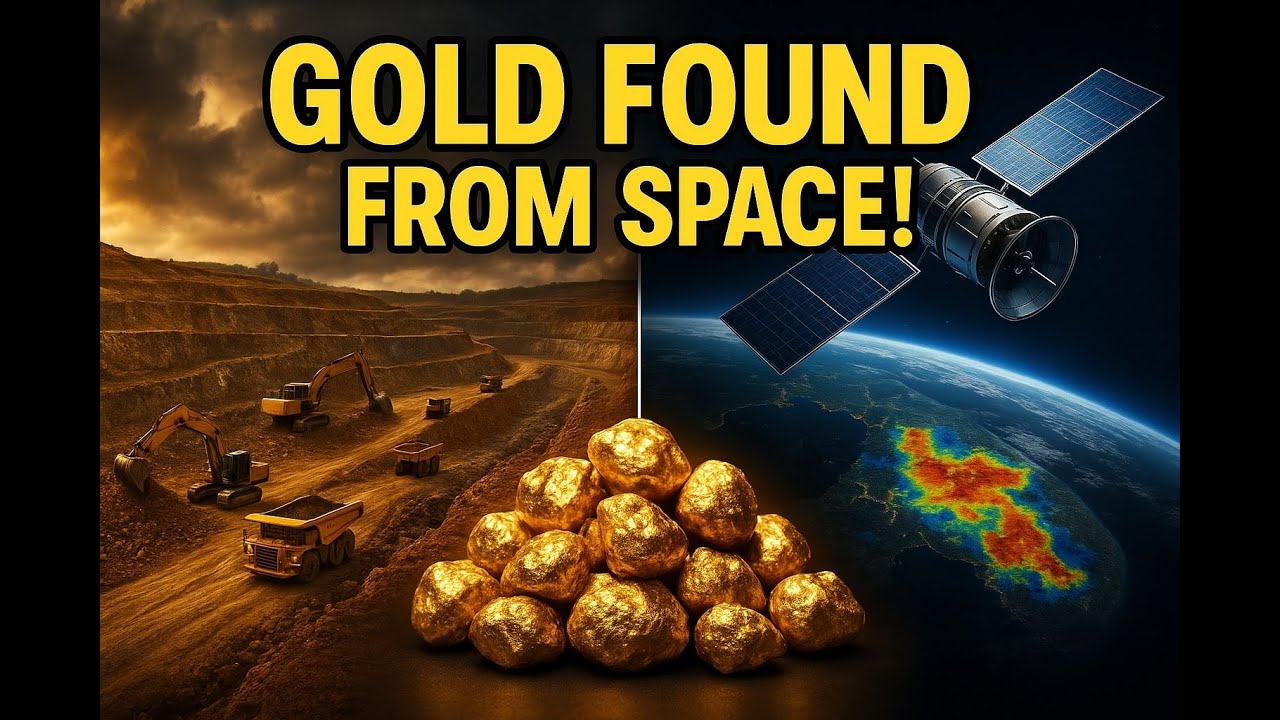
- Integrating advanced satellite-based mineral detection and environmental monitoring significantly enhances operational safety—allowing real-time tailings assessment while reducing on-ground disturbance.
See how these tools support sustainable mining: Farmonaut Satellite-Based Mineral Detection
Air Quality, Dust, and Climate Implications
- 🌬 Particulate Matter & Dust: Excavation, truck traffic, blasting, processing, and wind uplift from dry tailings emit substantial dust loads—often including heavy metals and toxic components. These airborne particulates impact the respiratory health of miners, local communities, and farm animals, while also depositing onto crops and water bodies.
- 🔥 Greenhouse Gas Emissions: Gold mining’s carbon footprint is significant—arising from direct fuel and electricity use, explosives, chemical processes, and even methane release from underground workings. Mining-related deforestation further amplifies net emissions by reducing carbon sequestration capacity of local forests.
- Mining operations with strong emissions management and climate resilience strategies are increasingly favored in ESG ratings—directly linking sustainability to investment value.

Chemical Management & Biodiversity Loss
6. Processing Chemicals, Pesticides & Cross-Sector Impacts
Chemical use in gold mining is not confined to mercury and cyanide. In some regions where mining coincides with agricultural activity, improper handling of pesticides or other chemicals further contaminates shared water and soils—affecting crop productivity and drinking water quality.
- ⚡ Chemical Spills: Accidental or illicit discharges of waste processing fluids can heavily impact soils, degrade irrigation systems, and poison livestock.
- 🔬 Accumulation: Persistent chemicals can bioaccumulate, making their way into the food chain and risking human health.
- 🌍 Cross-Sector Conflict: Water competition and contamination threaten local food systems, requiring coordinated governance and science-based management.

7. Biodiversity Loss: Consequences and Connections
The impact of gold mining on biodiversity extends beyond visible habitat loss:
- 🦉 Species Loss: Both aquatic and terrestrial species are impacted; some regions report >50% decline in local fish or amphibian species after mining expansion.
- 📉 Ecosystem Service Degradation: Pollinators and seed dispersers decline, affecting natural restoration and agricultural yields.
- 🌐 Downstream Effects: Biodiversity impacts ripple outward for kilometers, affecting areas far from the mine site.

Socio-Economic & Governance Dimensions
Artisanal and Small-Scale Gold Mining (ASGM): Livelihoods & Challenges
- 👩🌾 Major Livelihood, Limited Safeguards: In developing regions, ASGM sustains millions of workers yet often operates informally—without proper environmental controls or access to safer technologies.
- 🏠 Community Health Risks: Mercury vapor, dust, and toxic exposure disproportionately affect women, children, and marginalized groups.
- 🌀 Persistent Poverty Traps: Reliance on low-yield, high-impact methods perpetuates cycles of poverty and land degradation in mining communities.
Governance: Formalization, Transparency & Rehabilitation
- ⚖ Progressive Closure & Rehabilitation: New regulatory frameworks increasingly require mines to prepare closure and post-closure plans—including land recontouring, soil replacement, reforestation, and water quality monitoring.
- 📜 Certification & Auditing: International standards, third-party audits, and traceable supply chains are central to accountability and environmental best practices for the future.
- 🤝 Inclusive Strategies: Gender equity, Indigenous community rights, and local stakeholder engagement amplify the potential for sustainable success.

7 Ways to Reduce Environmental Impacts of Gold Mining
1. Adopt Cleaner Processing Technologies
- 💡 Mercury-Free Gold Extraction: Modern gravity concentration, borax-amalgamation, sluice optimization, and direct smelting can drastically reduce mercury pollution from ASGM operations.
- 🧫 Cyanide-Free Leaching: Developments in thiosulphate and glycine leaching provide effective, less toxic alternatives for industrial gold extraction.
- 🤖 Remote Sensing-Driven Targeting: Utilize satellite-based prospectivity mapping to limit unnecessary excavation, drilling, and chemical processing (see below how Farmonaut can help reduce initial site disturbance).
Pro Tip: Satellite-driven 3D mineral prospectivity mapping allows mining firms to pre-select sites with the highest potential, reducing failed drilling and associated environmental impacts. Learn how 3D prospectivity mapping works.
2. Water Management & Pollution Controls
- 🔬 Constructed Wetlands & Buffer Zones: Nature-based solutions such as constructed wetlands can treat contaminated effluent, trapping heavy metals and nutrients before they reach streams.
- 💦 Lined Tailings Storage: Proper lining, regular dike inspection, and leak detection in tailings ponds prevent groundwater contamination.
- ⛅ Rainwater Harvesting & Recycling: Closed-loop water systems and rainwater capture reduce overall consumption and uncontrolled runoff.
3. Soil and Erosion Stability Measures
- 🚜 Progressive Rehabilitation: Replacing topsoil, contouring waste piles, and hydroseeding with native species limits erosion and accelerates ecological recovery.
- 🌾 Cover Crops & Soil Amendments: Fast-growing grasses and organic amendments can restore soil structure and improve long-term farming potential post-mining.
4. Responsible Tailings & Waste Management
- 🛰 Continuous Monitoring: Use satellite and drone surveillance to monitor tailings basin stability, especially in extreme climates and remote regions.
- ⛑ Dry Stacking: In arid zones, dry stacking tailings reduces the risk of catastrophic liquid dam failures and returns more land for early rehabilitation.
5. Air Quality & Emissions Mitigation
- 🌬 Dust Suppression: Spraying haul roads, vegetating exposed surfaces, and covering tailings help reduce airborne toxic dust.
- 🌳 Decarbonization: Transitioning to solar, wind, or hydro-powered mining infrastructure and incorporating reforestation offsets emissions.
6. Biodiversity Conservation & Land Restoration
- 🌱 Restoring Native Ecosystems: Plan reforestation with local species, encourage pollinator habitats, and build ecological corridors linking fragmented landscapes.
- 🦎 Long-term Monitoring: Track success of habitat rehabilitation and adjust management to promote resilient biodiversity recovery.
7. Community Engagement & Enhanced Governance
- 🤝 Formalize Artisanal Mining: Supporting the shift to legal, monitored ASGM operations unlocks access to training, safer technology, and improved livelihoods.
- 📋 Transparent Supply Chains & Certification: Adopting international standards, independent audits, and robust environmental impact assessments (EIAs) promotes ethical sourcing and investor confidence.
- Interested in reducing site disturbance and guiding your next mineral exploration phase responsibly? Map Your Mining Site Here — leverage remote sensing and satellite intelligence for a smarter, greener approach.
Comparative Table: Environmental Impacts of Gold Mining & Sustainable Solutions
| Type of Impact | Estimated Environmental Effect | Conventional Mining Practice | Sustainable Alternative | Potential Impact Reduction (%) |
|---|---|---|---|---|
| Water Pollution | Up to 180 million tons toxic waste/year; 30,000+ km of waterways impaired | Direct discharge, weak containment, outdated chemical use | Constructed wetlands, lined tailings, chemical recycling | 60–90% |
| Soil Erosion | 10–25% of mined area erodes annually; 40+ tons/ha lost/year | No topsoil replacement, unstable waste storage | Topsoil re-spreading, cover crops, slope stabilization | 50–80% |
| Biodiversity Loss | 30–60% species loss in hotspots near mines | Forest clearing, fragmented corridors, absentee restoration | Native reforestation, wildlife corridors, long-term monitoring | 40–70% |
| Greenhouse Gas Emissions | ~2% of global industrial CO₂ (est.), high fossil reliance | Diesel/petrol equipment, coal-powered processing | Renewable energy integration, carbon offsetting | 30–65% |
| Toxic Waste Generation | ~99 tons waste/oz gold; millions of tons annually | Unlined tailings, unmanaged leaching, minimal recycling | Dry stacking, advanced tailings monitoring, recycling | 50–80% |
| Habitat Destruction | >1,500 km² of tropical forest lost/year (in gold hotspots) | Large open pits, uncontrolled access, long-term scars | Rehabilitation, ecological corridors, phased closure | 40–90% |
| Water Consumption | 500,000–1.5 million L/day in large mines (typical) | Open-loop use, low recycling, unmetered extraction | Closed-loop recycling, rainwater harvesting, efficiency | 50–75% |
- Adopting best practices like lined tailings storage and closed-loop water recycling can yield up to 90% reduction in water pollution risk.
Farmonaut: Supporting Sustainable Mineral Exploration
Responsible mineral exploration forms the foundation for a greener mining future. Instead of relying on traditional, environmentally disruptive prospecting methods (intensive drilling, trenching, large-scale sampling), modern mining enterprises are shifting towards satellite-based and non-invasive approaches.
How Satellite Data and AI are Transforming Mining for the Better
- 🌎 Earth Observation for Early-Stage Screening: Using satellite imagery and artificial intelligence, we at Farmonaut enable rapid, large-area, and environmentally non-invasive mineral target identification. This eliminates unnecessary ground disturbance at the exploration phase.
- 🛰 Reduced Carbon & Waste Footprint: By narrowing exploration to high-potential zones without stepwise ground activity, we help clients avoid tens of thousands of unnecessary drill meters, reducing carbon emissions and toxic byproducts.
- 💼 Delivering Decision-Ready Results: Our structured reports—which include prospectivity heatmaps, depth estimates, geological analysis, and drilling intelligence—support sustainable investment and operational planning.
- ⚡ Rapid Results: We shorten exploration timelines from months or years to just days or weeks, expediting the path to responsible development.
- 🔍 Global Reach, Multimineral Capability: Farmonaut technology is relevant in diverse geological and climatic regions, supporting exploration for gold, lithium, cobalt, copper, battery metals, and rare earths in 18+ countries worldwide.
- Environmentally sound mineral intelligence empowers the entire mining value chain to minimize land, water, and biodiversity harm—from project inception. See how our satellite-based mineral detection platform can help you: Read about Satellite-Based Mineral Detection
Seamless & Responsible Exploration Workflow
- Select Area & Mineral: Define country, region, and boundary—target gold or any of 13+ mineral types.
- Satellite Data Acquisition: Farmonaut obtains optimal multispectral/hyperspectral data.
- AI Analysis: Advanced algorithms map mineral zones, alteration halos, geostructures, and geological context—without disturbing the land.
- Result Delivery: Receive a comprehensive PDF report, maps, and interactive GIS files in under 20 business days (depending on project size).
- Use Decision-Ready Data: Optimize on-ground survey, avoid unnecessary impacts, and support transparent investor communications.
-
Reach out for a tailored quote and learn how non-invasive screening can minimize your environmental footprint:
Get a Quote for Your Mining Project
Have questions or want to discuss your exploration needs? Contact Us for support from our expert geospatial mining team.
🔎 Visual List: Key Benefits of Satellite-Based Mineral Detection
- ✔ Zero site disturbance in exploration phase
- ✔ 80–85% cost savings versus conventional prospecting
- 📊 Accelerated project development (from years to days)
- ⚠ Lower environmental and social risk across entire mining lifecycle
- 🌍 ESG and regulatory advantage in a competitive global mining landscape
FAQ: Environmental Impacts of Gold Mining
What is the largest source of water contamination in gold mining?
Mercury and cyanide releases from gold processing are the primary culprits. Ineffective containment and weak water management allow direct discharge of these toxic chemicals into rivers and streams, impairing water quality and aquatic life for years or decades.
How does gold mining cause biodiversity loss?
By clearing forests, disrupting waterways, and fragmenting habitats, gold mining drives local declines—and sometimes extinction—of both plant and animal species. Pollution and landscape disturbance can impact entire food webs, including critical ecosystem services like pollination and seed dispersal.
Are there sustainable alternatives to current gold extraction methods?
Yes. Gravity concentration, cyanide-free leaching, closed-loop water recycling, and satellite-based exploration targeting are among available best practices that significantly reduce environmental impacts of gold mining.
What role does community engagement play in reducing impacts?
Involving local communities, Indigenous groups, and artisanal miners in governance, monitoring, and benefit-sharing leads to more socially equitable and environmentally effective mining. Formalization, transparency, and capacity-building are key to lasting sustainability.
How do satellite data and AI help make mining more sustainable?
By rapidly screening vast regions for mineral potential, satellite-based mineral detection eliminates much of the ground disturbance and waste associated with “blind” prospecting. This innovation allows for targeted and efficient on-site work, reducing land, water, and biodiversity harm from the outset.
Key Takeaways
- ✔ Environmental impacts of gold mining are multifaceted—spanning water, soil, air, biodiversity, and climate. Integrated strategies and advanced technology are required for lasting improvement.
- 📊 Best practices exist for every stage—from site selection to closure and rehabilitation, yielding up to 90% reduction in localized environmental risks.
- ⚠ Artisanal, small-scale, and large-scale gold mining all face unique challenges; formalization and community engagement are essential for widespread sustainability.
- 🌱 In agriculture-adjacent regions, protecting water and soil quality also supports food security and local health.
- 🌍 Adoption of remote sensing and satellite-driven exploration represents a leap towards non-invasive, efficient, and ESG-aligned mining in the 2026 era and beyond.
- The environmental impacts of gold mining are significant—affecting our water, soil, air, biodiversity, and communities. Yet, innovative technologies and best practices—including satellite-driven mineral intelligence—are redefining what’s possible for a cleaner, greener, and more profitable gold mining industry.
-
For further guidance or a quote on advancing your mining site into a sustainable model, visit:
Get Quote -
For full support and custom inquiries:
Contact Us -
To quickly screen and map your site remotely, leveraging the latest in Earth observation and AI:
Map Your Mining Site Here
Visual List: Risks & Enhancements
- ⚠ Risk: Failing to integrate sustainable practices now could result in site shutdowns, fines, and reputation loss.
- ⚡ Enhancement: Early adoption of AI-driven mapping and closed-loop systems signals industry leadership and enhances investment potential.
- ✔ Key Benefit: Responsibly sourced gold increasingly commands a premium in the global market.
- 📊 Data Insight: Monitoring and certification compliance rates are up in regions supporting satellite-enabled exploration.
- 🌍 Global Trend: The future of gold mining is directly tied to environmental stewardship and intelligent resource management.
The transformation of gold mining from environmentally intensive to ecologically smart is within reach, driven by technology, foresight, and responsible stewardship. As we prepare for 2026 and beyond, let’s prioritize healthier ecosystems, prosperous communities, and resilient supply chains—with science, transparency, and innovation at the heart of every operation.
Discussion
Questions, corrections or field experience? Share them below. First-time comments are reviewed before they appear, and your email is never published.
No comments yet. Be the first to add a question or your experience.

 SG Gold Mining LLC
 VRV Global Pte Ltd
 Omsri International FZE
 G.I.T.T.
 Jaunita Erss Ltd
 Almosi SARL
 SRK Consulting
 Berks Gold Limited
 Mwerezi Minerals Company Limited
 Mining SARL
 SenGold Invest SAS
 Sean Mining Limited
 NTS Group (Pty) Ltd
 Mine4Africa
 Lithspo Minerals Limited
 Tintina Mining Group
 Licence holder · Nigeria · Gold + lithium










