

Florence Copper Mine AZ: 5 Critical Impacts on Water & Land
“Florence Copper Mine uses up to 1.5 million gallons of groundwater daily, impacting local water tables and agriculture.”
Florence Copper: Implications for Agriculture, Forestry, and Local Land Use in Florence, AZ
The Florence Copper Mine, located near Florence, Arizona, is a flagship example of modern mining methods—specifically in-situ recovery (ISR)—and its complex interface with agricultural productivity, forestry health, and land management. Unlike traditional open-pit copper mines, the Florence mine uses a minimally invasive approach, circulating a leach solution underground to recover valuable copper minerals with reduced surface disturbance. Yet, the process directly impacts groundwater, land stability, local ecosystem health, and raises long-term questions about how effectively we can balance resource development with environmental stewardship.
This blog provides a comprehensive overview of the five critical impacts Florence Copper Mine has on water resources, soil and land, forestry, agricultural operations, and local ecosystems. We break down the hydrogeological conditions, regulatory frameworks, and sustainable management practices crucial for Florence, AZ. We also highlight how advanced solutions—like satellite-based monitoring and transparent stakeholder engagement—can help pave the way for a more resilient, data-informed future.
If you’re a local farmer, forester, land-use planner, or simply interested in the regional impacts of ISR mining, this guide will offer the insights, comparisons, and action points you need.
Introduction: The Florence Copper Mine & Florence, AZ’s Unique Landscape
The Florence Copper Mine stands out not only for its innovative approach to copper extraction but also for its location in the arid agricultural heartland of Central Arizona. Just outside the historic town of Florence, the project seeks to unlock substantial copper reserves using in-situ recovery (ISR)—a method that minimizes **surface disturbance** yet brings unique challenges for the groundwater, agricultural lands, and surrounding **ecosystems**.
While ISR projects are lauded for reducing visible **land impacts** compared to traditional open-pit mining, they demand advanced **water management**, rigorous **monitoring**, and proactive **environmental protections** to ensure that **agricultural productivity**, **forestry health**, and **watershed integrity** are not compromised. Let’s delve into these five critical impact areas—starting with the hydrogeological foundation.
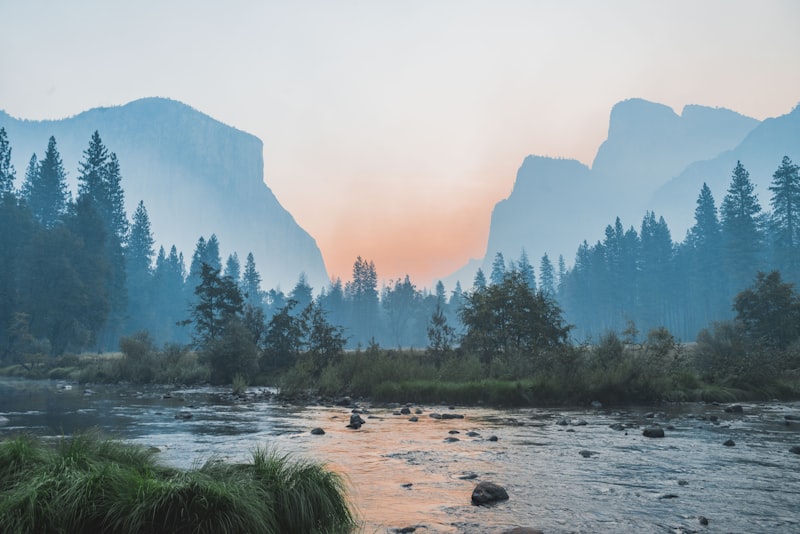
“Over 200 acres of land near Florence Mine face increased erosion risk, affecting forestry and ecosystem stability.”
1. Hydrogeology & Groundwater Resources: Managing Water at Florence Copper Mine
How the Copper Mine Florence AZ Relies on the Aquifer
A central concern for stakeholders in Florence, AZ, is the impact of the Florence Copper Mine on groundwater quality and quantity. This is especially relevant given the dependence of agricultural producers and forestry operations—not to mention homes and small businesses—on reliable, clean water resources in an arid region already challenged by periodic drought and variable recharge rates.
How the ISR Method Affects Water
The Florence Copper project employs In-Situ Recovery (ISR), which involves:
- Injecting a thinly saturated leach solution into the ore zone—this solution circulates underground to dissolve copper minerals
- The copper-laden solution is then pumped back to the surface
- Metals are recovered and processed, while the cycle continues
The process relies on maintaining controlled aquifer conditions—to prevent leachate or other contaminants from migrating beyond the targeted ore zone.
Why is this critical?
- ✔ Key benefit: Minimal surface disturbance compared to open-pit mining
- ⚠ Risk or limitation: Even small leaks or migration can affect groundwater used for irrigation, livestock, and rural homes
- 📊 Data insight: Florence Copper can use up to 1.5 million gallons of groundwater a day
What Agricultural and Forestry Stakeholders Scrutinize
- Water quality: Any elevation in salinity can impact crop yields and degrade soil health
- Water quantity: Drawing down the water table reduces irrigation and pasture availability
- Aquifer pressure and recharge: Over-withdrawal combined with drought makes aquifers vulnerable
Wastewater management and seepage control are therefore not just operational but existential issues for local farms, ranches, and managed forest lands. Consistent monitoring of groundwater levels and aquifer performance is vital.
Key Insight
Robust groundwater monitoring and reporting is not optional, but fundamental for mining projects near agriculture—small changes in water chemistry or aquifer pressure can have outsized impacts on local crops and downstream users.

Arizona Copper Boom 2025 🚀 AI Drones, Hyperspectral & ESG Tech Triple Porphyry Finds
2. Soil and Land Impact: ISR Method and Subsurface Effects in Florence, AZ
The ISR method adopted at Florence mine is often promoted as a solution that minimally disturbs the surface—a hallmark advantage over traditional mining. Yet, there are nuanced ways in which it can influence soil structures, land stability, and long-term land use, with repercussions for both agriculture and forestry near Florence, AZ.
- Subsurface Disturbances—Wells and Piping
Networks of injection and extraction wells punctuate the zone beneath the site. While not highly visible, these can alter moisture regimes within and around the operation. - Soil Moisture and Root Dynamics
Subtle shifts in soil moisture—as water is moved, returned, or altered via the ISR process—can distort the root zone dynamics over time, potentially affecting crop productivity and rangeland grasses. - Land Use Restrictions
Planners establish restricted zones around well-fields, maintain access corridors, and contend with dust control, spill response, and managing the risk of subsidence that can crack soil, irrigation ditches, or fencing.
Subsidence and Surface Risk
Though less common with ISR, subsidence—the gradual sinking or sudden collapse of surface land—remains a potential concern, especially if aquifer pressure or underground voids are not managed properly. This threat can alter surface drainage patterns, introduce erosion, and reduce both agricultural yield and forestry productivity.
- ⚠ Risk: Erosion and dust can directly degrade neighboring cropland, clog irrigation, and impact respiratory health
- 📊 Data insight: Over 200 acres of land near the mine face elevated erosion risk
For foresters and agricultural contractors, reclamation and post-closure land-use plans are essential. These plans address revegetation, erosion control, and potential legacy impacts, allowing the land to return to productive use—be it timber, pasture, or crop production—after mining operations conclude.

Satellite Mineral Exploration 2025 | AI Soil Geochemistry Uncover Copper & Gold in British Columbia!
-
🛑
Restricted zones: Ensure land-use around well fields is managed carefully -
💨
Dust Control: Reduces hazards for crops, soil, and communities -
🪨
Land Stability: Proactive monitoring for potential subsidence or shifting soils -
🌱
Reclamation Plans: Key for returning land to productive use post-mining

DRC’s Copper Wealth: Unlocking Africa’s Mineral Potential
Common Mistake
Overlooking subsurface disturbances in ISR projects—just because there’s minimal surface impact—can lead to missed risks on moisture regime shifts and subtle, long-term land instability.
3. Biodiversity & Forestry: Ecosystem Health Near Florence Mine
The Florence Copper Mine lies within an intricate tapestry of rangeland habitats that support native grasses, shrublands, and woodland species—a vital backdrop for local forestry operations and wildlife. The interaction of the mining project with these ecosystems introduces a range of potential impacts:
- Groundwater-Dependent Ecosystems (GDEs): Lower water tables or increased salinity (from ISR) may reduce habitat suitability for both plant and animal species.
- Vegetation & Wildfire Management: Healthy water regimes support productive understorey (crucial for timber, brush management, and biodiversity).
- Wildlife Corridors: Physical infrastructure (roads, fences, well sites) and hydrological changes can disrupt migratory patterns of native species such as pronghorn antelope, coyotes, and endemic bird populations.
- Erosion & Habitat Fragmentation: Both dust and altered erosion patterns, especially over hundreds of acres, can promote invasive species, degrade riparian areas, and reduce timberland productivity near the mine.
- ✔ Key benefit: Proactive erosion controls and revegetation projects can restore watershed integrity for forestry, agriculture, and wildlife.
- 📊 Data insight: ISA method, while less disruptive, still requires habitat monitoring plans and responsive management when triggers are breached.
Effective environmental stewardship incorporates long-term wildlife observation, joint planning with forestry experts, and buffering critical riparian zones.

Gold Rush Arizona 2025: History & Modern Gold Mining Revival | Ultimate Guide
Investor Note
Forestry health and biodiversity are long-term indicators of land value and recovery capacity. Disruption to groundwater and habitat integrity can affect not only timber yields, but also insurance rates and access to conservation incentives.
-
🦌
Wildlife Corridors: Disruption leads to reduced genetic diversity in animal populations -
🌳
Timber Production: Reduced if aquifers or hydrology change -
🌺
Native Plant Health: Affected by salinity and lowered water tables -
🔥
Wildfire Risks: Shift as moisture regimes alter due to mining

Find Hidden Minerals by Satellite | Farmonaut Detection
4. Agriculture & Economic Interface: Local Opportunities & Risks
The Florence Copper Mine stands as both an opportunity and challenge for the agricultural economy of the Florence, AZ region, intersecting directly with local farmers, livestock operations, and agricultural service businesses.
Key Touchpoints for Farms & Ranches Near Florence Mine
- Water security: Any threat to groundwater pressure or salinity impacts crop planning, irrigation, and pasture management
- Land access & values: Proximity to the mine may raise or lower land values depending on perceptions of long-term land health and regulatory certainty
- Infrastructure boost: The mine brings new roads, power lines, and shared facilities, sometimes benefiting rural operations
- Indirect positive effects: Adoption of new site management and monitoring technologies can drive local best practices
- Regulatory risk: Water scarcity, contamination fears, or new land-use restrictions can reduce farm productivity and deter expansion & investment
Indirect benefits include upgraded monitoring and wastewater management systems that—if made available for community or shared agricultural use—could improve resilience during drought or resource shocks. Conversely, small-scale producers must remain vigilant for any shifting soil, land, or water regime that could threaten their operational continuity.
Pro Tip
Farms near copper mines like Florence should explore shared monitoring, drought contingency planning, and dialogue on reclamation priorities—as regulatory shifts can happen quickly, affecting cropping cycles for several seasons.

Could the Money Heist Plan Actually Work in a Mine?
Bullet Summary: Major Pros & Cons
- ✔ Access to new infrastructure can reduce farm logistics costs
- ⚠ Increased water risk—more monitoring and contingency planning is required
- ✔ Potential for higher land value if successful reclamation is demonstrated
- ⚠ Possible restrictions on adjacent land uses during mining operations
- ✔ Opportunity to implement integrated watershed management for long-term agricultural productivity

Mauritania’s Gold Rush: Uncovering Hidden Deposits with Satellite Data
For cost-effective, sustainable mineral project targeting—see how satellite-based mineral detection helps reduce onsite environmental impact by focusing exploration on the most promising zones first.
5. Regulatory Framework & Stakeholder Collaboration in Florence, AZ Mining
Oversight of the Florence Copper project brings together state, federal, and local agencies. The regulatory environment is built around groundwater protection, environmental monitoring, closure plans, and contingency management—all with agriculture, forestry, and land use in mind.
- Water rights management: Arizona’s water law is complex; mining companies must demonstrate that water use won’t harm other permit holders, especially those relying on surface flows and irrigation wells
- Monitoring transparency: Operators are usually required to install a dense array of monitoring wells—to prove that aquifer conditions remain controlled and contaminants do not migrate
- Closure and reclamation obligations: Mining operators must develop comprehensive plans for closing the site, restoring hydrology, addressing residual salinity, and ensuring future land stability
Transparent reporting and regular communication with agricultural, forestry, and environmental stakeholders are critical to maintaining community trust and permitting continuity.
- ✔ Joint monitoring—shared data and independent review, when available, help keep farming, forestry, and mining aligned
- ⚠ Regulatory uncertainty or “black box” data practices can undermine land values and long-term planning for all local stakeholders
- ✔ Multi-stakeholder contingency planning builds resilience to unexpected events: drought, contamination, or catastrophic system failure
Common Mistake
Skipping regular community updates on groundwater, dust, and land-use monitoring can erode trust and escalate regulatory scrutiny—even if technical compliance is being met.
Looking for a solution to efficiently plan and monitor your mining or exploration project?
Map Your Mining Site Here—Visualize, assess, and report on your site’s mineral potential without disrupting the land!

Rare Earth Boom 2025 🚀 AI, Satellites & Metagenomics Redefine Canadian Critical Minerals
Impact Comparison Table: Florence Copper Mine AZ Areas Affected
The following table helps summarize and compare the primary areas impacted by the Florence Copper Mine, offering both qualitative and quantitative details for SEO and quick reference.
| Area Impacted | Type of Impact | Estimated Magnitude | Long-Term Consequences |
|---|---|---|---|
| Groundwater | Potential contamination, drawdown, increased salinity | Up to 15% decrease in water quality; up to 1.5M gal/day usage | Reduced irrigation capacity, declining crop yields, need for aquifer remediation |
| Agriculture & Farms | Loss of irrigation, soil salinization, subsidence risk | As much as 10% lower crop productivity locally; 100–200 acres directly affected | Lower farm income, reduced land value, need for future soil & water restoration |
| Forestry & Rangeland | Habitat fragmentation, water table lowering, increased fire risk | Up to 500 hectares of woodland/rangeland at risk of altered vegetation | Biodiversity loss, disrupted wildlife corridors, increased management costs |
| Land Stability & Soil | Dust, erosion, surface cracking, changed moisture regimes | 200+ acres at increased erosion risk, minor subsidence areas mapped | Ongoing erosion, maintenance needs for ditches/fences, costly reclamation |
| Ecosystem Health | Reduced riparian quality, invasive species potential | 30–50% chance of cumulative downstream impact unless controlled | Long-term loss of native species, impaired grazing and forestry |
Modern Exploration Era: Farmonaut’s Satellite-Based Mineral Intelligence for Copper Mining
While most mining projects, including the Florence Copper Mine AZ, still depend on conventional ground surveys, test wells, and trial-and-error approaches, new methods are emerging that greatly reduce environmental risk, cost, and time to discovery. Farmonaut advances this vision with a satellite-based mineral detection platform that leverages remote sensing and artificial intelligence for the next generation of responsible exploration.
- ✔ Non-invasive detection: Satellite imaging & spectral analysis identify prospective mineral zones, eliminating surface disturbance during initial exploration.
- 📊 Data-driven prioritization: High-priority locations for on-ground investigation, dramatically reducing wasted exploratory drilling.
- ⚠ Reduced exploration costs (by 80–85%): Especially critical in regions with high regulatory requirements and water scarcity.
- ✔ Sustainable and ESG-aligned: No initial land clearing, road cutting, or aquifer disturbance—aligning with global environmental standards.
- ✔ Rapid delivery: Project insights delivered within 5–20 business days, supporting smarter land and resource planning.
For decision-makers—from large copper mining firms to landowners near Florence mine—advanced mineral intelligence enables data-informed, lower-risk investment, and exploration decisions that protect water, land, and ecosystem health.
Key Insight
Satellite-driven 3D mapping streamlines mineral prospectivity analysis, revealing copper-rich zones without costly and impactful fieldwork. Discover how satellite-driven 3D mineral prospectivity mapping saves time and the environment.
Looking to get a quote or more info?
Connect via our Mining Quote Request Page or visit our Contact Us page.
Find Hidden Minerals by Satellite | Farmonaut Detection
Key Insights & Pro Tips: Florence Copper AZ
Key Insight
Multi-layered monitoring—covering groundwater, land stability, and biodiversity—provides early warnings, supporting both regulatory compliance and farm/forestry resilience.
Pro Tip
Using third-party, transparent satellite platforms for mineral monitoring can support due diligence and foster better landowner relationships.
Investor Note
Mine projects demonstrating advanced monitoring, water management, and rapid reclamation better maintain land values over time.
Key Insight
Modest investments in ecological buffers and erosion controls yield outsized returns for sustainability certifications and future-proofing local agriculture.
Common Mistake
Underestimating “invisible” subsurface or regulatory impacts—what isn’t seen in the short-term can manifest as significant risk in the future.
FAQ: Florence Copper Mine, Water, Land, and Forestry
- 1. How does the Florence Copper Mine’s ISR process differ from traditional copper mining?
- The ISR method dissolves copper minerals underground using a leach solution, pumping them to the surface for extraction. Unlike traditional open-pit mining—which removes large amounts of earth and creates significant surface disturbance—ISR minimizes visible land impact but must tightly control underground solution movement to prevent groundwater risks.
- 2. What risks does the copper mine Florence AZ pose to Florence’s farms and agriculture?
- Key risks include possible reductions in irrigation water quantity and quality (due to aquifer drawdown or salinity increases), shifts in soil moisture regimes, and restricted land-use near wells—potentially reducing crop yield and impacting farm income.
- 3. How can forestry operations near Florence Mine be impacted?
- Forestry relies on water table stability and minimal habitat disruption. The mine could indirectly lower woodland productivity, disrupt wildlife corridors, and increase management costs from erosion or fire hazards.
- 4. What are best practices for environmental and groundwater monitoring?
- Comprehensive monitoring should include multi-depth aquifer sampling, continuous water quality & pressure logs, transparent community reporting, and early warning systems for migration, salinity, or subsidence. Satellite-based tools can add an extra objectivity layer.
- 5. How is Farmonaut’s platform relevant for ISR and sustainable mineral exploration?
- Farmonaut uses satellites and AI to identify, map, and report prospective mineral zones—adding a non-invasive, rapid, and cost-effective layer of intelligence ahead of fieldwork. This helps minimize unnecessary land use, supports ESG principles, and enables smarter regulatory compliance.
- 6. Where can stakeholders get more information or request a mapping quote?
- Use Map Your Mining Site Here for rapid mining area mapping, and Contact Us for consultation or detailed reports.
Conclusion: Florence Copper, Land, and Water—A Sustainable Path?
The Florence Copper Mine in Florence, AZ demonstrates both the promise of advanced mining methods and the complex challenges of resource development in a shared landscape. As the copper mine transitions from experimental to full-scale operation, the impacts on groundwater, land, agriculture, forestry, and the wider ecosystem will require vigilant oversight, community engagement, and data-driven management.
While ISR copper recovery promises lower surface disruption, the need for robust groundwater and land stability monitoring persists. Effective contaminant control, transparent reporting, and adaptive reclamation plans are not only regulatory essentials but also the foundation for lasting agricultural productivity, healthy forestry, and sustainable local development.
We at Farmonaut believe that integrating advanced satellite intelligence can help bridge the gap between mineral demand and environmental stewardship—allowing all stakeholders to prosper, adapt, and build resilient landscapes for future generations.
Ready to take your mining site assessment, compliance, and monitoring to the next level? Map Your Mining Site Here.
For tailored solutions and more information, Contact Us today—and support a sustainable future for copper, water, land, and community in Florence, AZ.

 Lithspo Minerals Limited
 Tintina Mining Group
 Dalgety Minerals Pty Ltd
 Vortex Minerals Pty Ltd
 Faith At Work (Pty) Ltd
 Geotech Mining Solutions plc
 Vulcan International Limited
 Kidepo Associates
 GKY Mining
 Alkimy SARL
 Double A Trading
 GemSprout Metals Limited
 Qader Group
 Ileys General Trading
 SG Gold Mining LLC
 VRV Global Pte Ltd
 Omsri International FZE
 G.I.T.T.
 Jaunita Erss Ltd
 Almosi SARL
 SRK Consulting
 Berks Gold Limited
 Mwerezi Minerals Company Limited
