

Water Management in Copper Mining: 5 Key 2025 Strategies
“By 2025, copper mines are projected to recycle over 65% of their water to support sustainable operations.”
Table of Contents
- Summary: Water Management in Copper Mining – Why It Matters for 2025
- Water Use in Copper Mining Processes
- Critical Challenges in Water Management for Copper Mining
- 2025 Strategies for Water Management in Copper Mining
- 2025 Water Management Strategies in Copper Mining: Impact & Key Metrics
- How Farmonaut’s Satellite Technologies Enable Sustainable Water Management
- Future Outlook: Advancing Environmental Stewardship in Copper Mining
- FAQ: Water Management in Copper Mining
- Try Advanced Water Monitoring for Mining – Farmonaut Subscription Options
Summary: Water Management in Copper Mining – Why It Matters for 2025
Water Management in Copper Mining: A Critical Imperative for Sustainable Operations in 2025
Copper mining is a cornerstone of the global industrial supply chain, supporting technologies from renewable energy to electric vehicles. However, it is also an intensely water-dependent process, with every stage requiring significant water use. As water scarcity deepens and environmental stewardship becomes an industry default, copper mining companies in 2025 are facing unprecedented pressure to transform how they manage water.
Why is water management in copper mining so critical? The answer lies at the intersection of operational efficiency, environmental risk mitigation, and maintaining the social license to operate. Whether navigating stricter regulations, community expectations, or the realities of extraction in water-scarce zones like Chile’s Atacama Desert, mining operations must adopt sustainable strategies that ensure access, minimize pollution, and protect both people and planet.
In this comprehensive guide, let’s examine the most pressing challenges posed by water management in copper mining, then dive deep into the five most impactful strategies driving environmental responsibility, innovation, and success in 2025.

Water Use in Copper Mining Processes
Water is used across nearly all stages of copper extraction – from ore crushing, grinding, flotation, and leaching to tailings disposal. This process, fundamental to securing the copper required for the world’s supply chain, is not only water-intensive, but also carries considerable environmental and operational risks. Let’s break down the primary ways water is involved:
- Ore Crushing and Grinding: Water is added to grind crushed ore to fine particles, creating a slurry to liberate valuable minerals.
- Flotation and Leaching: These processing stages rely on water-based methods to separate copper minerals from gangue and, in certain types, leach copper from low-grade ores with acids.
- Transport: The slurry created is pumped through pipelines, sometimes for miles, to tailings ponds or processing plants.
- Dust Control & Fire Suppression: Large volumes of water are used for dust management, as well as cooling and suppressing explosives during blasting.
- Wastewater & Tailings: Effluents generated by these processes often contain heavy metals, acids, and chemical reagents, posing ongoing threats to surface and groundwater.
Why does this matter? Each stage generates unique water management challenges—from large-scale wastewater treatment to mitigating tailings dam failures, the need for robust systems is constant.
Image ALT text: Water Management in Copper Mining – Modern Copper Processing Plant Showing Ore Slurry Pipelines and Tailings Pond

Critical Challenges in Water Management for Copper Mining in 2025
At the heart of water management in copper mining lies the ability to identify and respond to complex challenges. These can broadly be grouped into three persistent threat categories:
1. Water Scarcity, Competition & Resource Allocation
Many copper deposits are located in arid or semi-arid regions—notably Chile’s Atacama Desert, which accounts for a significant share of global copper supply. In such places, water scarcity is not just an environmental concern; it’s an acute operational and community risk. Competing demands from agriculture, domestic needs, and fragile ecosystems amplify this stress, requiring mining companies to optimize water use, practice effective balancing, and work within ecological requirements.
- Acute Competition: With desertification and population growth, local communities and agriculture increasingly compete for freshwater resources.
- Scarcity as a Limiting Factor: Inability to secure water can halt copper mining operations.
Image ALT text: Water Management in Copper Mining – Scarcity Challenges in the Atacama Desert
2. Waste Pollution, Chemical Risks & Acid Mine Drainage
Process water in copper processing often contains heavy metals, acids, and solvents. Without proper treatment and control mechanisms, discharge can contaminate surface and groundwater. The most persistent threats include:
- Acid Mine Drainage (AMD): When sulfide minerals in ore are exposed to water and oxygen, they produce acids that leach metals into water sources. AMD is extremely difficult to remediate.
- Effluent Risks: Wastewater contains toxic residues, chemical reagents, and fine tailings that, if discharged without treatment, can devastate aquatic life, human health, and local ecosystems.
Image ALT text: Water Management in Copper Mining – Effluent and Pollution Challenges, Tailings Pond, and Acid Mine Drainage Example
3. Tailings Water & Dam Failures
Tailings ponds store huge volumes of slurry—wastewater mixed with finely ground rock from processing. Without strong designs and careful monitoring, these structures can fail, unleashing catastrophic environmental damage. Major considerations include:
- Leakage: Contaminated water can leach from ponds, impacting groundwater and surface resources.
- Dam Failures: Due to natural disasters, poor construction, or overload, tailings dam breaches remain among the industry’s most severe environmental risks.
Image ALT text: Water Management in Copper Mining – Tailings Dam Structure and Failure Risk
“New tailings water treatment technologies can reduce contaminants by up to 90% in copper mining processes by 2025.”

2025 Strategies for Water Management in Copper Mining
Addressing water management in copper mining in 2025 requires collective adoption of cutting-edge practices, advanced technologies, and collaborative stewardship.
1. Water Recycling & Reuse: Maximizing Closed-Loop Systems
The most immediate and impactful opportunity is water recycling and reuse. By investing in closed-loop systems that reclaim water at every stage, copper mining companies are able to:
- Reduce freshwater withdrawals by up to 90%, minimizing pressure on local resources and reducing costs.
- Recover process water from tailings ponds and processing circuits for continuous operational reuse.
- Deploy advanced filtration, membrane technologies, and thermal evaporation to remove solids and contaminants—continually purifying process water.
New digital platforms track, quantify, and automate recycling operations, supporting compliance with stricter regulations and satisfying community expectations.

Track Environmental Impact & Carbon Footprint in Mining Operations
Leveraging digital monitoring and reporting—such as carbon footprint tracking solutions—enhances operational transparency, compliance, and commitment to environmental stewardship.

2. Advanced Tailings Management Methods: Dry Stacking, Paste Tailings, and Treatment Technologies
As tailings dams remain a foremost source of operational and environmental risk, the move to advanced tailings management is accelerating. The latest innovations include:
- Dry Stacking: De-watered tailings are stacked in engineered deposits, substantially reducing water content and the risk of dam failures.
- Paste Tailings: Thickened, semi-solid tailings require less water and are easier to contain safely.
- Onsite Treatment: Integrating water purification technologies into tailings circuits, so that water can be returned to operations or safely released according to regulations.
Advanced monitoring—often powered by satellite or drone surveillance—ensures timely detection of leakage risks, ground movement, and geotechnical instability.
Technologies like AI-based object detection and hydrological monitoring have become key to preventing both environmental degradation and excessive water loss. Fleet and Resource Management solutions support efficient infrastructure oversight, reducing wear and environmental impact.

3. Water-Efficient Processing Technologies: Digital Optimization and Zero-Liquid Discharge
Beyond recycling, companies are focused on reducing water use at source. This involves:
- IoT & AI Process Optimization: Sensors monitor water quality and flow in real-time, automating adjustments to minimize waste and detect leaks instantly.
- Zero-Liquid Discharge (ZLD): Closed processing methods in which no liquid wastes are released—ensuring all water is captured and recycled.
- Selective Leaching & Flotation: Optimized reagent use and lower volumes of process water required for mineral separation, reducing wastewater volumes.
- Variable Frequency Drives & Smart Pumps: Efficient pumping systems reduce evaporative losses and avoid overuse.
Data-driven efficiency unlocks both operational cost savings and improved environmental outcomes.
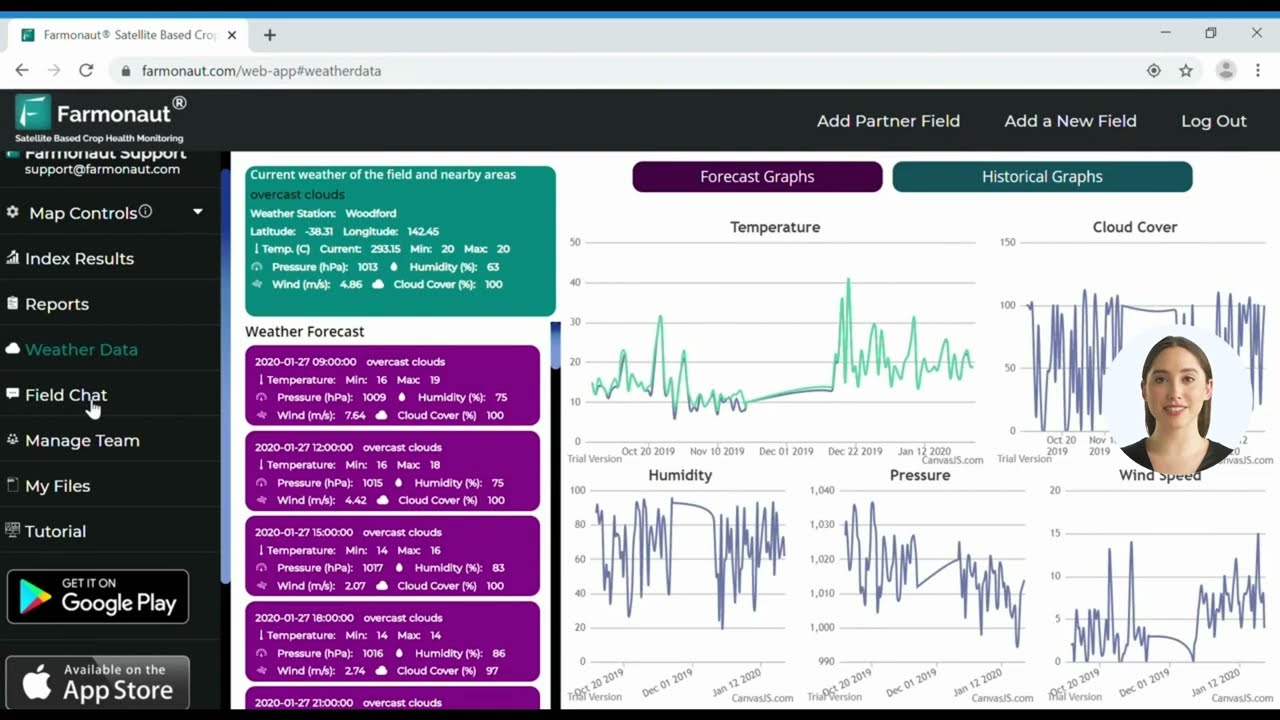
Integrate Smart Water Monitoring & Mining Data with Farmonaut’s Satellite API
Explore Developer API Docs
4. Rainwater Harvesting, Desalination & Alternative Sources: Diversifying the Freshwater Portfolio
To reduce dependence on strained freshwater supplies—particularly in arid regions like the Atacama Desert—copper mining operationsare turning to:
- Desalination: Coastal mines increasingly utilize desalination plants to transform seawater for processing needs. This sustainable method, though energy-intensive, reduces competition for local community resources and agriculture.
- Treated Wastewater Reuse: Municipal and industrial wastewaters—after advanced treatment—can supplement process requirements.
- Rainwater Harvesting: Especially beneficial in seasonal climates, capturing, storing, and integrating rainwater into operations enhances resilience and minimizes off-site impacts.
Combining these sources dramatically improves water security and supports a buffer against droughts or acute scarcity.
Unlock Environmental Insights for Landscape & Water Resource Planning

5. Real-Time Monitoring & Digital Stewardship: The Future of Water Management in Copper Mining
The final pillar underpinning sustainable water management in copper mining 2025 is the integration of real-time monitoring, predictive analytics, and stakeholder engagement:
- IoT Sensors & Satellite Imagery: Provide continuous, tamper-proof data on water use, tailings pond integrity, effluent quality, and hydrologic behavior across the entire site.
- AI-Driven Advisory Systems: Analyze large datasets from operational sensors to flag inefficiencies, forecast water demand, and ensure early intervention before risks escalate.
- Digital Dashboards and Transparent Reporting: Enable both management and community stakeholders to access water stewardship data and progress toward sustainability goals.
- Stakeholder Engagement: Proactive communication, disclosure, and local engagement underpin the social license to operate and align with standards like the ICMM Water Stewardship Position Statement.
Digital stewardship is not only a tool for compliance: It is central to trust-building, operational efficiency, and future-proofing business against both regulatory and climate-related shocks.
Enable Traceability for Responsible Mineral & Water Use with Farmonaut Blockchain Solutions

2025 Water Management Strategies in Copper Mining: Impact & Key Metrics
How Farmonaut’s Satellite Technologies Enable Sustainable Water Management
While we’ve detailed the wide array of technologies and methods advancing water management in copper mining, there is growing recognition that integrated, satellite-powered data and digital platforms are game-changers for the industry’s stewardship goals.
What Does Farmonaut Offer?
At Farmonaut, we deliver state-of-the-art satellite-based monitoring and AI-driven advisory systems to empower mining clients, businesses, and governments to meet their water stewardship and operational efficiency targets. Our platform features:
- Real-Time Water & Environmental Monitoring: Leveraging multispectral imagery to detect water body changes, tailings pond risks, vegetation health, and land-use impact at scale.
- AI-Powered Advisory (Jeevn): Providing actionable, site-specific guidance to minimize water waste, detect irregularities, and optimize payloads moving through ore processing circuits.
- Blockchain-Powered Traceability: Ensuring transparency and traceability of water-related practices for supply chain assurance.
- Fleet & Resource Management: Reducing environmental impact and enhancing safety via satellite-enabled fleet management tools.
- Environmental Impact Tools: Providing effective tracking of carbon footprint and compliance reporting for sustainable mining operations.
Our platforms provide a comprehensive, mobile-first dashboard accessible via Android, iOS, and web—so users can access critical insights anytime, anywhere.


Future Outlook: Advancing Environmental Stewardship in Copper Mining
As climate change intensifies water scarcity and strict compliance becomes non-negotiable, water management in copper mining is no longer just about regulatory box-ticking. It’s about actively embracing innovation to ensure the future of mining, the world’s critical copper supply, and environmental stewardship for generations to come.
- Integrating advanced digital technologies (sensors, satellite analytics, AI) will be core to predictive water risk management, cost control, and performance improvement.
- Expanding stakeholder engagement and governance frameworks are vital to maintaining the social license to operate in all regions, especially where competition for water is greatest.
- Holistic resource management (water, emissions, energy) will enable companies to align with ESG (Environmental, Social, Governance) standards demanded by global investors, customers, and regulators.
- Flexible sourcing—including desalination, rainwater harvesting, and smart wastewater reuse—will be critical in arid, climate-vulnerable zones like Chile’s Atacama Desert.
- Failing to adopt these approaches will increase the risk of plant shutdowns, regulatory penalties, reputational loss, and diminished community trust.
Sustainable water management represents a dual opportunity for our sector: protecting critical resources and strengthening our operational, financial, and environmental resilience as we advance through this pivotal decade.
FAQ: Water Management in Copper Mining
Q1: Why is water management in copper mining considered so critical in 2025?
Answer: In 2025, copper mining faces growing pressure to operate sustainably due to increasing water scarcity (especially in arid regions like northern Chile), stricter global environmental regulations, and rising expectations from local communities and investors. Effective water management ensures operational efficiency, environmental stewardship, and a stable social license to operate, all while minimizing financial and reputational risks.
Q2: What are the most common sources of water in copper mining?
Answer: Traditionally, copper mining depends on groundwater and surface freshwater sources. However, due to competition and scarcity, operations are increasingly turning to alternative sources such as seawater desalination, rainwater harvesting, and municipal/industrial wastewater recycling to reduce impact on local water resources.
Q3: How do tailings ponds impact water management risks?
Answer: Tailings ponds store large volumes of water-laden waste slurry from ore processing. If not properly managed, these ponds can leak or even fail catastrophically, contaminating local water supplies and harming ecosystems. Advanced tailings management—such as dry stacking, paste thickening, and continuous monitoring—is necessary to reduce both water use and environmental impact.
Q4: How does digital technology support water management in copper mining?
Answer: Real-time monitoring systems using IoT sensors, AI-powered analytics, and satellite data allow for precise measurement of water consumption, early detection of leaks, predictive risk identification, and transparent reporting. These technologies optimize recycling and reuse, minimize operational costs, and support regulatory compliance and community engagement.
Q5: What role does Farmonaut play in sustainable mining?
Answer: Farmonaut’s advanced satellite-based platform enables mining operators and governments to access real-time insights on water use, environmental impact, and tailings management. Our technologies—including digital monitoring, AI-based advisory, and blockchain traceability—help organizations achieve their sustainability goals, optimize resource use, and ensure compliance with global environmental standards.
Try Advanced Water Monitoring for Mining – Farmonaut Subscription Options
Experience the impact of digital transformation for mining operations with Farmonaut’s flexible, scalable subscription plans. Access everything from resource monitoring, satellite-driven water insights, compliance tools, traceability, and more.
Manage Large-Scale Operations & Water Resources – Learn About Large Scale Farm Management Tools
Explore Satellite-Based Verification for Mining, Loans & Insurance
In Closing
As water management in copper mining evolves in 2025 and beyond, those companies who embrace recycling, digital monitoring, advanced tailings management, diversified sourcing, and transparent stewardship are best-positioned to thrive. By prioritizing sustainability and innovation—and leveraging next-gen solutions such as those offered by Farmonaut—the global mining sector can secure its future, meet rapidly growing demands, and safeguard the world’s most precious resource: water.
Discussion
Questions, corrections or field experience? Share them below. First-time comments are reviewed before they appear, and your email is never published.
No comments yet. Be the first to add a question or your experience.

 Geotech Mining Solutions plc
 Vulcan International Limited
 Kidepo Associates
 GKY Mining
 Alkimy SARL
 Double A Trading
 GemSprout Metals Limited
 Qader Group
 Ileys General Trading
 SG Gold Mining LLC
 VRV Global Pte Ltd
 Omsri International FZE
 G.I.T.T.
 Jaunita Erss Ltd
 Almosi SARL
 SRK Consulting
 Berks Gold Limited
 Mwerezi Minerals Company Limited
 Mining SARL
 SenGold Invest SAS
