

Table of Contents
- Introduction to Flotation Processes in Copper Beneficiation
- What is Flotation in Copper Beneficiation?
- Industry Trivia
- Key Steps: Flotation Processes in Copper Beneficiation
- Chemical Reagents Used in Copper Flotation
- Latest Technologies & Innovations (2025 & Beyond)
- Comparative Table: Flotation Technologies in Copper Beneficiation
- Eco-Friendly Industry Facts
- Sustainable Practices in Copper Flotation
- Farmonaut’s Role in Mining & Environmental Management
- FAQ: Flotation Processes in Copper Beneficiation
- Conclusion



Flotation Processes in Copper Beneficiation: Guide 2025
Flotation Processes in Copper Beneficiation: Beginners Guide is your comprehensive, go-to resource for understanding the pivotal role of flotation in copper extraction and recovery. As the mining sector evolves toward smarter, more sustainable practices, adopting the latest flotation methodologies is essential for meeting the surging global demand for copper—a metal at the heart of infrastructure, renewable energy, industry, and technology. In this beginners guide, we dive deep into copper flotation processes, key steps, chemical reagents, and cutting-edge advancements, ensuring you are set for success and sustainability in 2025 and beyond.

What is Flotation in Copper Beneficiation?
Flotation remains the most effective and widely used concentration method in copper beneficiation. The process exploits differences in the surface properties of copper minerals and unwanted (gangue) materials to separate valuable copper ores.
It involves several critical steps—starting from ore crushing and grinding, to conditioning with chemical reagents, to the generation of bubbles where copper minerals attach, float, and are collected as froth concentrate. This method is essential in making copper mining not just economic but sustainable, adaptable, and responsive to modern environmental demands.
Focus on 2025 & Beyond
As of 2025, advancements in automation, AI-driven process control, eco-friendly reagents, and energy-efficient equipment are revolutionizing copper flotation. These innovations promise greater recovery, lower environmental impact, and enhanced operational efficiency to keep up with the increasing global demand for copper in infrastructure development, renewable energy, and advanced industrial applications.

Key Steps: Flotation Processes in Copper Beneficiation
Let’s break down each stage of the flotation process, a critical step in copper beneficiation:
-
Ore Preparation – Crushing and Grinding
- Copper ores are crushed and ground into fine particles (typically below 200 mesh), liberating copper minerals such as chalcopyrite (CuFeS₂), bornite, and chalcocite from their host rocks.
- This size reduction is essential for exposing the surface of target minerals, maximizing recovery.
-
Conditioning – Creating the Slurry
- The ground ore is mixed with water to form a slurry.
- Various chemical reagents are added to modify mineral surface properties and enable selective flotation.
- Collectors (e.g., xanthates) boost the hydrophobicity of copper minerals, promoting attachment to air bubbles.
- Frothers (e.g., MIBC) stabilize the foam layer, ensuring consistent froth formation and facilitating concentrate collection.
- Modifiers like pH regulators and depressants (to suppress pyrite or quartz) help suppress unwanted minerals.
-
Aeration and Flotation – Bubbles and Froth
- Air is introduced into the flotation cell, forming bubbles.
- Copper minerals selectively attach to the bubbles and rise to the surface, forming a mineral-rich froth layer.
- Unwanted minerals and gangue remain in the slurry and are ultimately discarded as tailings.
-
Froth Collection and Concentrate Handling
- The froth containing copper minerals is skimmed from the flotation cell.
- Further processed via thickening, filtering, and drying to produce a copper concentrate with 20–30% copper content.
- This concentrate is sent for smelting and final refining into pure copper.

Why Flotation Remains Indispensable in Copper Mining
- Selective Recovery: Flotation processes are designed to separate complex ores—ensuring only valuable minerals are recovered for further processing.
- Economic Efficiency: High concentration rates reduce both smelting and energy consumption, lowering cost per ton.
- Environmental Advantages: Produces less tailings and overall waste, minimizes land footprint, and streamlines management concerns.
- Adaptability: Customizable for different ore types, including low-grade ores and polymetallic deposits, promoting sustainable resource extension and mine life.
Chemical Reagents Used in Copper Flotation: Mechanisms for Recovery
Copper flotation works by modifying surface properties of minerals so that they selectively attach to air bubbles. The three core groups of reagents typically used are:
-
Collectors:
- Example: Xanthates (e.g., Potassium Amyl Xanthate, Sodium Ethyl Xanthate)
- Function: Increase hydrophobicity of copper sulfide minerals, helping them adhere to rising bubbles in the cell.
- Relevance: The more efficient the collector, the higher the copper recovery rate and selective flotation.
-
Frothers:
- Example: MIBC (Methyl Isobutyl Carbinol), Pine Oil
- Function: Control froth layer thickness and stability, thus enhance recovery and concentrate grade.
-
Modifiers:
- Types include pH regulators (lime, sulfuric acid), depressants (like sodium cyanide for pyrite), and activators (copper sulfate).
- Purpose: Suppress unwanted gangue minerals (quartz, pyrite), promote selectivity, control conditions in the slurry.
Latest Technologies & Innovations in Flotation Processes for Copper Beneficiation (2025+)
The copper mining industry is embracing a wave of tech-driven advancements that are transforming the flotation landscape. The process remains the backbone of copper beneficiation, but now—AI, machine vision, data analytics, and sustainability shape the recovery paradigm:
- AI-Driven Process Control:
Real-time monitoring of froth appearance, reagent concentrations, and energy flow helps operators optimize every parameter for maximum concentrate yield and selectivity.
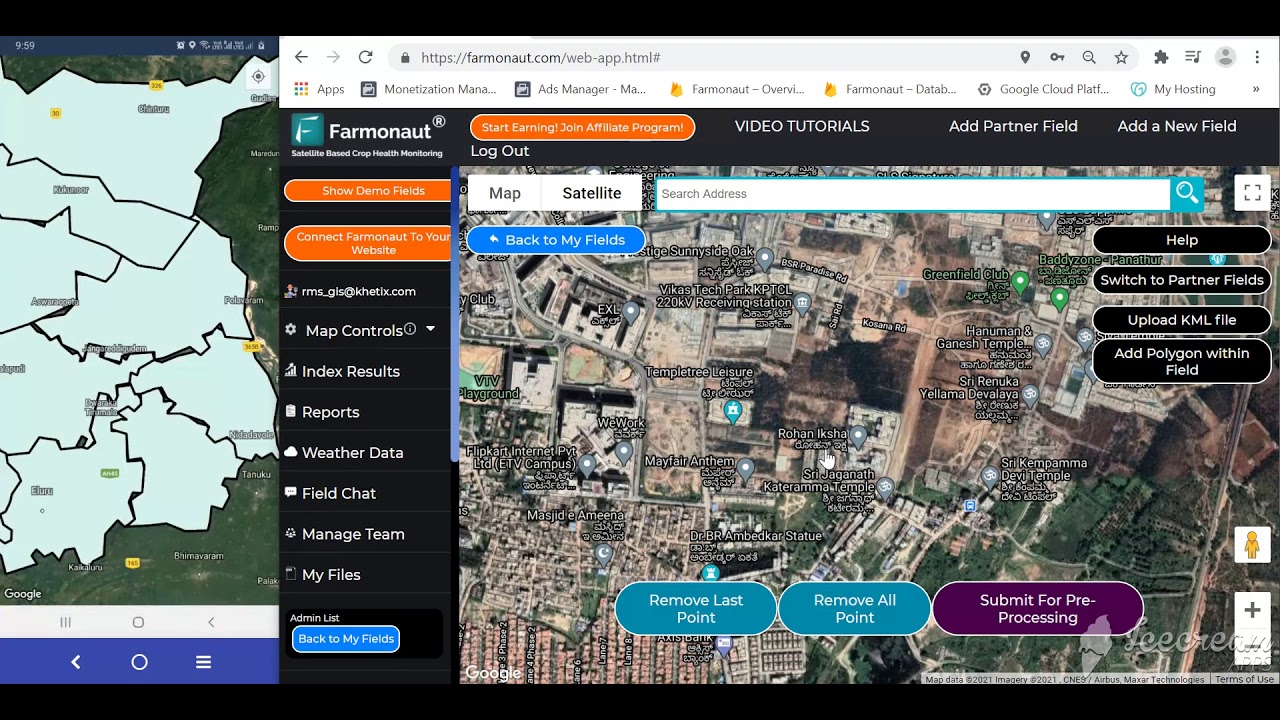
Farmonaut’s satellite-based resource management tools can integrate with mining operations to monitor site health, vegetation encroachment, and land transformation—critical for optimizing site management during and after beneficiation.
Learn more about large-scale farm and mining management solutions, which provide vital decision-support data. - Advanced Automated Flotation Systems:
Utilize automated dosing, feedback loops, and advanced cell designs (multi-zone, column flotation, hybrid air systems) to improve efficiency, reduce manual labor, and ensure consistent recovery rates. - Eco-Friendly Reagents:
Biodegradable collectors and frothers are now widely adopted, reducing chemical consumption and the environmental impact of tailings and effluents. In 2025, more than 80% of copper mining sites use eco-friendly reagents (see below).
Discover Farmonaut’s Carbon Footprinting tool for real-time emissions and sustainability monitoring, ideal for mining enterprises aiming to lower their carbon footprint. - Sensor-Based and Hyperspectral Analysis:
High-resolution sensors (satellite or drone-based) can pre-map ore quality, variations, and surface physical properties to guide feedstock blending and maximize flotation yield. - Water and Resource Recycling:
Modern flotation plants in 2025 recycle process water, reducing fresh water consumption and adhering to tough regulatory standards for environmental management. - Recovery of By-Products:
Today’s advanced flotation lines make simultaneous recovery of gold, silver, and even molybdenum possible from copper ores, enhancing total economic value.
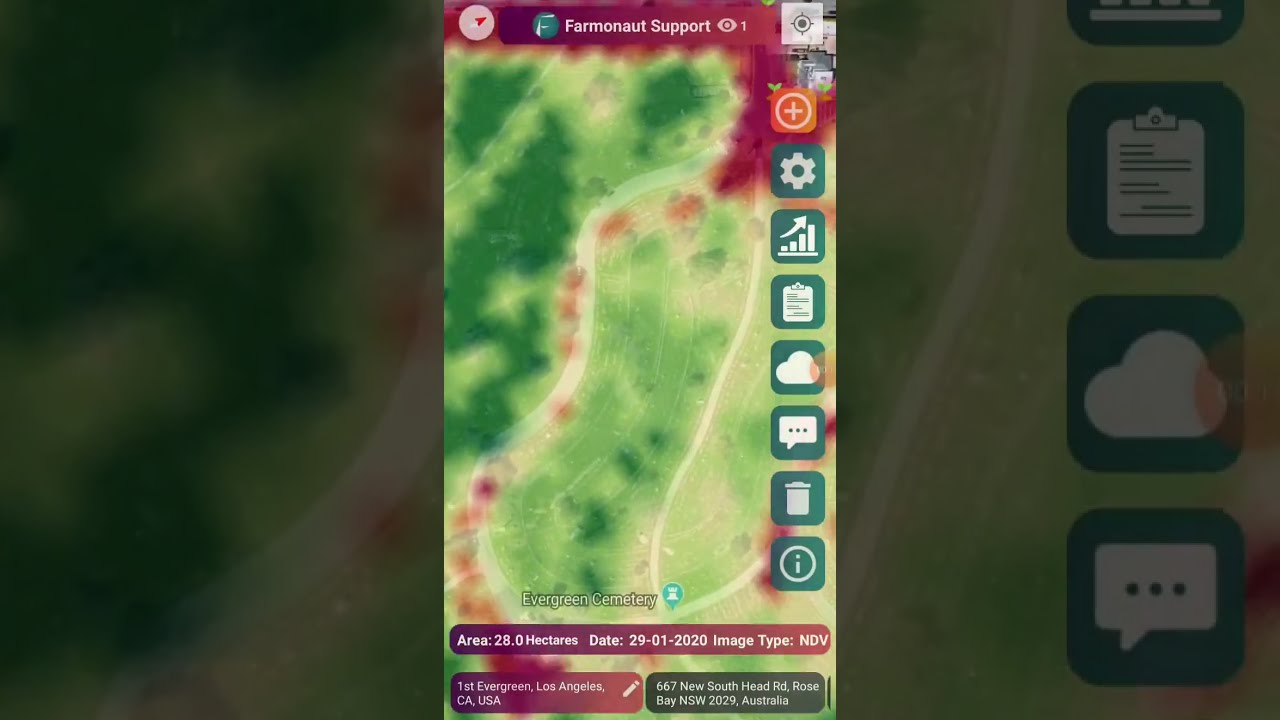
Integrate Farmonaut’s satellite-based API tools into your industrial process with real-time environmental monitoring and analytics for continuous improvement.
See our API platform and
developer documentation for a deep dive into how external systems can leverage this data for mining sustainability.
Comparative Table: Flotation Technologies for Copper Beneficiation (2025)
| Flotation Process/ Technology | Key Steps | Estimated Recovery Rate (%) |
Estimated Energy Consumption (kWh/ton) |
Environmental Impact | Adoption in Industry |
|---|---|---|---|---|---|
| Conventional Flotation |
|
82-88 | 20-30 | Medium | Standard/Widely Used |
| Column Flotation |
|
86-92 | 16-24 | Lower | Emerging/Standard |
| Froth Flotation |
|
80-87 | 23-32 | Medium | Widely Used |
| Advanced Automated Flotation |
|
90-94 | 12-19 | Low | Emerging |
Sustainable Practices in Copper Flotation for 2025
Sustainability is central to modern copper beneficiation—striking a balance between economic output, energy consumption, resource utilization, and planetary health. As we approach 2025:
- Eco-friendly Reagents: Green chemistry is now standard in many mines. Carbon footprint monitoring solutions are critical for verifying and reporting environmental impact.
- Tailings Management: Efficient flotation minimizes waste volumes, while modern landform design and satellite-based monitoring by companies like Farmonaut provide insight into tailings dam integrity and risk.
- Water Conservation: Flotation water recycling systems reduce both consumption and contamination, directly lowering the environmental footprint.
- By-product Recovery: Holistic processing approaches enable recovery of side-stream minerals (gold, silver), boosting sustainability.
- Resource Extension: Advanced flotation techniques allow processing of low-grade and polymetallic ores; sustaining ore supply and extending mine life.
Blockchain-based traceability, like Farmonaut’s product traceability platform, offers end-to-end tracking for copper ores and concentrates—adding security, promoting trust, and supporting sustainable sourcing.

Farmonaut’s Role in Resource Management, Sustainability & Monitoring
We at Farmonaut leverage satellite technology, AI, and data-driven solutions to empower the global mining industry in the journey toward efficient copper beneficiation. Here’s how our services create real value for mining, sustainability, and resource management in 2025:
- Satellite-Based Monitoring for Mining: Our high-resolution satellite imagery delivers real-time insights into site activity, land disturbance, and environmental compliance—without requiring ground-based infrastructure.
- AI-Driven Mining Advisory: Our Jeevn AI system analyzes satellite and environmental data, providing actionable recommendations for mine productivity, resource optimization, and risk reduction.
- Blockchain Traceability for Copper Supply Chains: Improve transparency, reduce product fraud, and track ore provenance with blockchain-powered traceability tools. This supports international regulatory compliance and sustainable reporting requirements.
Explore product traceability for secure copper supply chains - Environmental Impact & Carbon Footprinting: Real-time carbon and emission tracking, supporting ESG goals and regulatory mandates (see our Carbon Footprinting tools).
- Fleet & Resource Management: Optimize vehicle, equipment, and personnel logistics at remote mining sites—reduce inefficiencies, cut operational costs, and increase safety across operations.
Read about fleet and resource management for the mining industry - Loan & Insurance Verification: We enable quick, satellite-verified checks for crop and mineral loan/insurance eligibility.
Learn how satellite verification streamlines mining insurance and loans
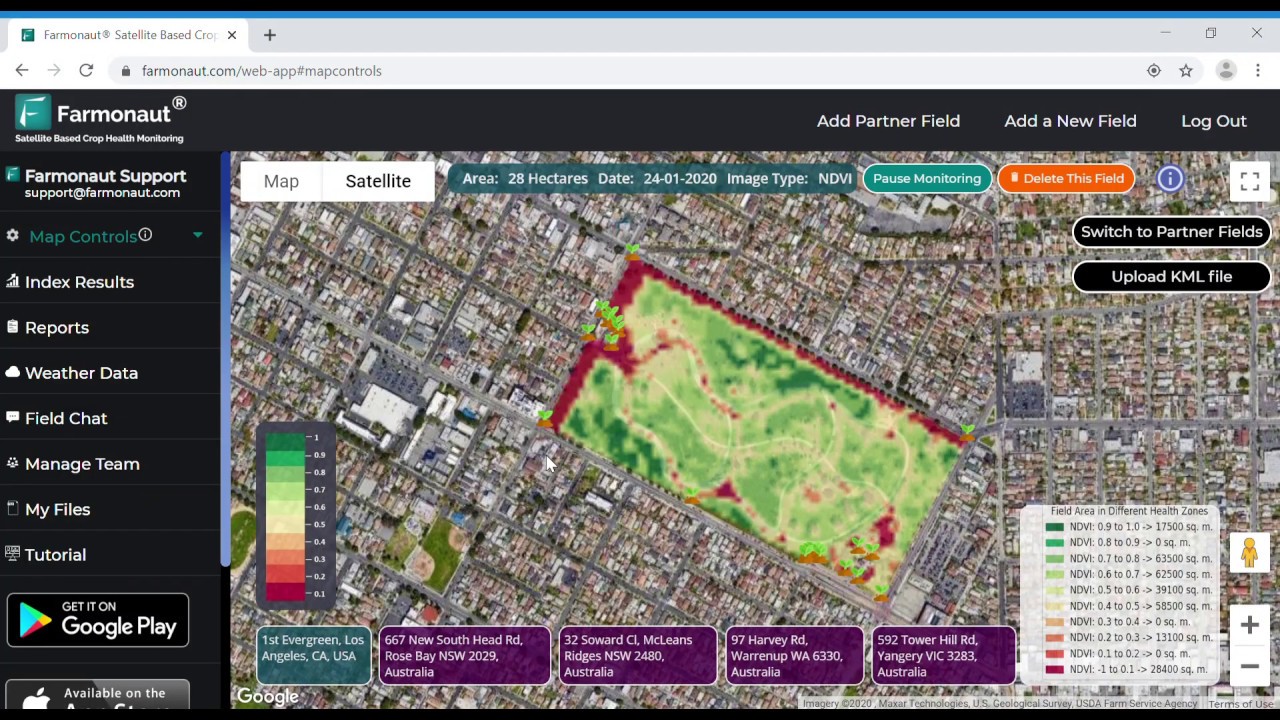
Scalable Access: From small mining operations to large companies and governments, Farmonaut’s platform delivers scale, flexibility, and actionable insights via our Web App, Android and iOS applications.
FAQ: Flotation Processes in Copper Beneficiation
-
What are flotation processes in copper beneficiation?
Flotation processes are a series of physico-chemical methods used to separate valuable copper sulfide minerals from unwanted gangue materials in copper ore. They involve ore grinding, chemical conditioning, air/ bubble generation, and selective separation of minerals as a froth concentrate. -
Why is flotation preferred over other beneficiation techniques for copper?
Flotation offers high selectivity, efficiency, and adaptability for complex and low-grade ores. It produces purer concentrates, reduces energy and smelting costs, and is more environmentally sustainable than many alternatives. -
What chemical reagents are used in flotation and why?
Collectors (e.g., xanthates), frothers (e.g., MIBC), and modifiers (pH regulators, depressants) are standard. They modify mineral surfaces, enhance hydrophobicity, suppress unwanted particles, and control froth stability for optimal recovery. -
What are the environmental considerations for copper flotation in 2025?
Mines increasingly use eco-friendly reagents, water recycling, tailings management, and real-time environmental monitoring to minimize impact and comply with stricter global standards. -
How can new technologies like AI and satellite monitoring help?
AI and real-time monitoring can optimize reagent use and process conditions, increase copper recovery, reduce energy and chemical consumption, and facilitate ESG compliance through continuous site and environmental data collection.
Conclusion: Why Mastering Flotation Processes Remains Vital (2025+)
Flotation Processes in Copper Beneficiation: Beginners Guide demonstrates that flotation, while rooted in classic physical-chemical principles, is a field of ongoing innovation—incorporating AI, automation, sustainable chemistry, and data-driven resource management for economic, efficient, and environmental copper mining. As copper’s role in infrastructure, renewable energy development, and advanced industrial systems continues to surge in 2025 and beyond, so does the importance of embracing the latest flotation technologies and sustainable practices.
By mastering these techniques, understanding key process steps, and adopting innovative digital tools and eco-friendly strategies, operators and organizations will optimize recovery, utilization, and long-term viability—delivering both economic value and a positive environmental legacy.
Stay at the forefront of copper beneficiation and make informed, sustainable decisions using the most advanced insights and technologies available, including the power of Farmonaut’s satellite-based solutions.
Discussion
Questions, corrections or field experience? Share them below. First-time comments are reviewed before they appear, and your email is never published.
No comments yet. Be the first to add a question or your experience.

 Swati Minerals
 Faith At Work (Pty) Ltd
 Geotech Mining Solutions plc
 Vulcan International Limited
 Kidepo Associates
 GKY Mining
 Alkimy SARL
 Double A Trading
 GemSprout Metals Limited
 Qader Group
 Ileys General Trading
 SG Gold Mining LLC
 VRV Global Pte Ltd
 Omsri International FZE
 G.I.T.T.
 Jaunita Erss Ltd
 Almosi SARL
 SRK Consulting
 Berks Gold Limited
 Mwerezi Minerals Company Limited
 Mining SARL
 SenGold Invest SAS
