

Best Practices for Sustainable Copper Mining: 2025 Guide
Table of Contents
- Introduction: The Critical Role of Sustainable Copper Mining in 2025
- 1. Minimizing Environmental Impact Through Efficient Resource Management
- 2. Cutting-Edge Technologies for Environmental Monitoring and Control
- 3. Community Engagement and Social Responsibility
- 4. Energy Transition and Carbon Footprint Reduction
- 5. Circular Economy and Life Cycle Thinking
- Videos: Technology & Innovation in 2025 Sustainable Copper Mining
- Comparison Table of Sustainable Copper Mining Practices (2025)
- How Farmonaut Supports Sustainable Copper Mining
- FAQs on Best Practices for Sustainable Copper Mining: Expert Insights 2025
- Conclusion: Securing Copper’s Future Sustainably
Introduction: The Critical Role of Sustainable Copper Mining in 2025
Copper remains a cornerstone metal in the global industry, underpinning advances in infrastructure development, renewable energy systems, and the electronics sector. In 2025, driven by surging demand from electrification and green initiatives, copper mining is facing a critical challenge: how to balance the rising copper production with environmental stewardship, social responsibility, and long-term economic viability.
This article explores expert insights and best practices for sustainable copper mining shaping the mining industry in 2025. Drawing on the latest innovations, operational strategies, and community-centered approaches, we break down what it takes to make copper extraction more sustainable and responsible in the face of global environmental pressures.
- How is efficient resource management minimizing the environmental footprint?
- What technologies and techniques are ensuring real-time monitoring and quality control at mine sites?
- In what ways are communities and stakeholders influencing mining operations?
- What role does the energy transition play in reducing emissions?
- How does circular economy thinking reshape the future of copper mining and resource use?
Let’s delve into Best Practices for Sustainable Copper Mining: Expert Insights leading the mining sector in 2025 toward a greener, more inclusive and efficient path.

1. Minimizing Environmental Impact Through Efficient Resource Management
Best Practices for Sustainable Copper Mining: Expert Insights continually emphasize that sustainable copper mining begins with efficiency and precision at every stage of resource extraction and waste reduction.
Advanced Geological Mapping and Ore Body Modeling
Today, adopting advanced geological mapping and ore body modeling is foundational in optimizing mine planning. By utilizing satellite-based imaging, drones, and artificial intelligence, mining companies can identify high-grade copper zones with remarkable accuracy, thus minimizing unnecessary excavation and reducing disturbance to surrounding ecosystems.

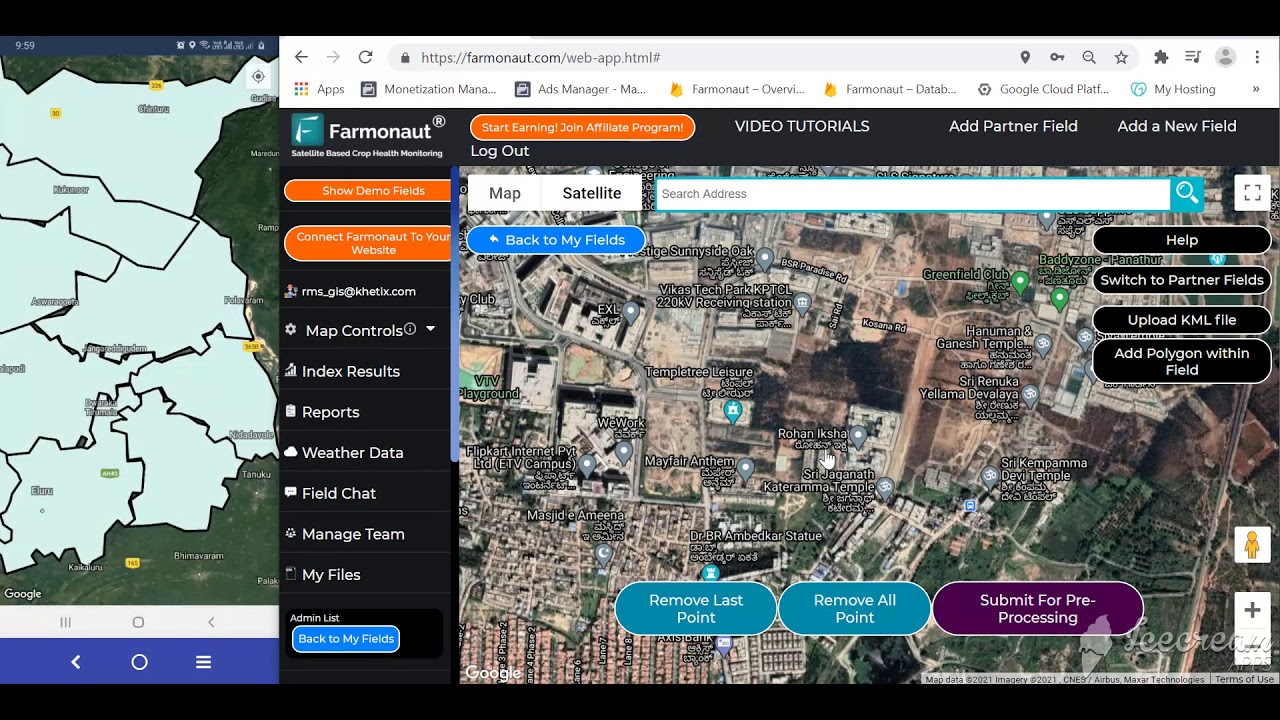
Access the Farmonaut Web and Mobile App for Satellite-based Resource Monitoring
This approach leads to several key benefits:
- Minimizing land disturbance by limiting excavation to essential zones
- Reducing waste generation through targeted extraction
- Improving operational efficiency and cost-effectiveness
Low-Impact Mining Techniques: In-Situ Leaching and Beyond
Where applicable, in-situ leaching presents a significant breakthrough compared to traditional open-pit or underground mining. This method involves circulating leaching solutions through the ore body in place, which can greatly reduce surface disruption, minimize waste volumes, and protect surrounding soil and water systems from contamination.
- In-situ methods are best suited for specific ore types, requiring detailed geological and hydrological assessment before adoption.
- Ongoing research and innovation in leaching agents further enable lower energy consumption and decreased reliance on harmful chemicals.
Efficient Water Usage and Recycling Systems
Water usage is a critical challenge, particularly in arid mining regions. Closed-loop water recycling systems address this by reclaiming and reusing process water multiple times, conserving precious resources and ensuring continuous operations. Implementation of real-time environmental monitoring tools provides actionable insights into water quality and usage patterns, allowing prompt corrective actions and compliance with environmental goals.

Waste Reduction and Tailings Management
Mining generates significant volumes of waste rock and tailings (the slurry of residual material after mineral extraction). Advanced tailings management focuses on reducing risk and environmental impact.
- Filtered tailings and dry stacking minimize dam footprints, lower risks of catastrophic failures, and reduce contamination.
- Continuous monitoring ensures safe structural integrity and environmental compliance for all mine waste containment systems.
2. Cutting-Edge Technologies for Environmental Monitoring and Control
Industrial-scale monitoring is no longer a nice-to-have, but an operational necessity. Best Practices for Sustainable Copper Mining: Expert Insights in 2025 place a strong focus on real-time data-driven management to reduce environmental impact and optimize everyday decisions at mine sites.
Autonomous Drones & Sensor Networks
Autonomous drones and extensive sensor networks now continuously gather data on air, water, noise, and soil conditions around mining sites. This data is used for:
- Air quality monitoring (smoke, dust, gas emissions)
- Noise control and compliance with local regulations
- Water contamination detection in real time
- Ongoing assessment of soil health and potential leaching risks
This immediate feedback allows for rapid intervention before small issues compound into serious environmental damage. The rise of cloud-based dashboards has made site-wide carbon footprinting and compliance reporting more reliable and transparent than ever before.
AI and Advanced Analytics
Next-generation artificial intelligence and analytics aggregate massive environmental datasets, identifying patterns and predicting potential risks:
- Early detection of contamination trends
- Predictive alerts for structural or operational anomalies in mine infrastructure
- Optimized scheduling of mitigation and maintenance operations

Smarter Tailings and Wastewater Systems
Mining’s single largest risk to local ecosystems lies with poorly managed tailings dams and wastewater discharge. In 2025, filtered tailings and supplemented dry stacking minimize the risks of failures and leaks—supporting stable, lower-maintenance mine sites. Advanced sensors embedded in tailings structures transmit real-time data on pressure, seepage, and structural changes, ensuring an efficient feedback loop between site managers and environmental regulators.
Environmental Stewardship via Blockchain
Blockchain traceability is fast becoming an industry standard for transparent supply chain management. By tracking ore, waste, and processed copper through each step, blockchain enables sustainable certifications and assures stakeholders and consumers of the product’s environmental compliance.
Regulation and Compliance Automation
In many regions, mining companies employ integrated IT solutions to automate compliance reporting and regulation management. Digitized forms, live dashboards, and electronic verification reduce paperwork and human error and increase transparency with local authorities and communities.

3. Community Engagement and Social Responsibility
No approach to sustainable copper mining is complete without robust community engagement and social responsibility initiatives. Expert insights reveal that the longevity and reputation of any mining operation are directly tied to its relationship with local stakeholders and alignment with broader societal goals.
Building Trust Through Transparent Engagement
Transparent and proactive communication with local communities, indigenous peoples, and regional authorities is paramount. Mining companies that:
- Include communities early in mine design and planning phases
- Host regular information-sharing sessions and Q&A forums
- Empower local input into environmental and safety decisions
are more likely to maintain their “social license to operate” while minimizing social conflict.
Benefit-Sharing Models and Local Economic Growth
Implementing fair and transparent benefit-sharing is among the best practices in 2025. Notable methods include:
- Local employment quotas for mine staff and contractors
- Investment in local infrastructure projects—schools, roads, healthcare facilities
- Education and job-training grants for skill development in host communities
- Support for local entrepreneurship and secondary business development
All these steps contribute to the socio-economic upliftment of mining regions and ensure more equitable development.

Download the Farmonaut Android App for Real-Time Mining Site Monitoring
Human Rights and Labor Standards
The future of copper mining is aligned with the United Nations Sustainable Development Goals (SDGs). This means upholding strong human rights, respecting indigenous land, guaranteeing safe work conditions, and enforcing fair wages—principles that cannot be compromised in the pursuit of copper.
Cultural Heritage and Landscape Preservation
Sustainable operations require consultation and cooperation on heritage protection and land stewardship. Strategies include:
- Mapping traditional land uses and sacred cultural sites
- Integrating traditional ecological knowledge into environmental planning
- Agreements on post-mining land use that benefit both the ecosystem and community

4. Energy Transition and Carbon Footprint Reduction
As a traditionally energy-intensive industry, copper mining faces increasing pressure to reduce its carbon footprint. Best Practices for Sustainable Copper Mining: Expert Insights highlight energy transition as a fundamental driver for 2025 and beyond.
Renewable Energy Adoption in Mining Operations
Many of the world’s leading copper mines are now adopting renewable energy sources—particularly solar and wind farms—to power operations and ore processing facilities. These innovations dramatically reduce the use of fossil fuels and cut carbon emissions:
- Hybrid energy systems combine renewables with battery storage for reliability and flexibility
- On-site renewable power reduces costs, especially in regions with expensive or unreliable grid electricity

Download Farmonaut iOS App for Satellite Resource Management and AI-based Advisory
Electrification of Mining Equipment
The electrification of mining fleets—from hauling trucks to drilling rigs—is one of the top best practices for sustainable mining in 2025. Advanced lithium-ion batteries, hydrogen fuel cells, and hybrid engines are replacing traditional diesel, resulting in:
- Lower greenhouse gas emissions
- Less particulate pollution on-site (improving worker safety and local air quality)
- Reduced operational noise, which benefits both workers and surrounding wildlife
Farmonaut Fleet Management solutions empower mine operators to optimize fleet deployment, improve fuel efficiency, and monitor vehicle health via satellite data and AI-driven insights.
Energy Recovery and Process Innovations
Process innovations in metallurgy, such as hydrometallurgical routes, enable a marked reduction in energy consumption as compared to smelting and roasting. Capturing and reusing waste heat within processing lines further enhances energy efficiency, lowering operational costs and supporting emission reduction goals.
5. Circular Economy and Life Cycle Thinking
A core insight from experts is the imperative to shift from linear extraction models to circular practices, focusing on life cycle thinking and maximizing resource value.
Post-Mining Land Reclamation & New Uses
Best Practices for Sustainable Copper Mining: Expert Insights recommend building mine closure and reclamation into the initial mine plan. This means that, after operations, sites can be restored into productive ecosystems or viable economic zones, such as:
- Reforested wildlife habitat
- Agroforestry or agricultural rehabilitation
- Utility-scale solar or wind farms on previously used mine land
Farmonaut’s Large Scale Farm Management tools enable mining companies and local governments to monitor, manage and verify post-mining land reclamation—offering satellite-based validation and reporting that support restoration goals.
Copper Scrap Recycling & Secondary Production
One of the most impactful ways to decrease the burden on virgin copper mining is to promote copper recycling. By closing the loop and increasing the collection and refining of copper scrap, the industry can:
- Significantly reduce environmental impact from mining activities
- Decrease energy use in copper metallurgy
- Cut greenhouse gas emissions throughout the value chain
Industry Collaboration for Efficient Recycling Systems
Efficient copper recycling relies on robust scrap collection logistics, which can be coordinated via digital traceability platforms (like those using blockchain), interoperability with stakeholders, and ongoing consumer education campaigns. These efforts, guided by life cycle thinking, help build a more resilient and sustainable copper economy.

Life Cycle Assessment and Reporting
Comprehensive life cycle assessments (LCAs) covering all phases—from exploration to closure—ensure environmental costs and resource efficiency are prioritized across the supply chain. Transparent public reporting and third-party audits further cement the industry’s commitment to best practices.
Videos: Technology & Innovation in 2025 Sustainable Copper Mining
To further illustrate the mining sector’s digital transformation and sustainable innovation, explore the following industry videos:
- Arizona Copper Boom 2025 ? AI Drones, Hyperspectral & ESG Tech Triple Porphyry Finds
- Rare Earth Boom 2025 ? AI, Satellites & Metagenomics Redefine Canadian Critical Minerals
- Satellite Mineral Exploration 2025 | AI Soil Geochemistry Uncover Copper & Gold in British Columbia!
- Farmonaut | Connect Your Farms With Satellites in Just 2 Minutes Using WhatsApp
- Farmonaut Web app | Satellite Based Crop monitoring
- Farmonaut® Satellite Based Crop Health Monitoring
- Farmonaut Large Scale Field Mapping & Satellite Based Farm Monitoring | How To Get Started
- Farmonaut at 6 Years: How We’re Transforming Farming in 40+ Countries with Satellite Technology
Comparison Table of Sustainable Copper Mining Practices (2025)
| Practice Name | Estimated Reduction in Environmental Impact (%) |
Estimated Resource Efficiency Increase (%) |
Implementation Cost (USD/tonne) |
Innovation Level (Low–High) |
|---|---|---|---|---|
| Water Recycling Systems | 30%–40% | 18%–25% | $7–12 | High |
| Renewable Energy Adoption | 35%–50% | 20%–28% | $8–20 | High |
| Advanced Tailings Management | 40%–55% | 22%–32% | $15–25 | High |
| Closed-Loop Processing | 28%–40% | 16%–22% | $10–14 | Medium–High |
| Fleet Electrification & Management | 20%–32% | 12%–19% | $14–28 | High |
| Blockchain Traceability | 10%–18% | 9%–14% | $5–8 | Medium–High |
| Recycling & Secondary Copper Production | 55%–70% | 37%–48% | $3–6 | High |
These comparative estimates are based on current 2025 industry data. Each practice possesses distinct costs, benefits, and innovation levels. Companies often combine multiple strategies to maximize results and align with local environmental and economic goals.
How Farmonaut Supports Sustainable Copper Mining
As a satellite technology leader, Farmonaut delivers affordable, accessible, and AI-driven solutions that optimize sustainable copper mining for both environmental and economic outcomes. Our mission is to empower businesses, users, and governments in the mining sector to make better decisions, reduce environmental impact, increase resource efficiency, and enhance transparency.
Key Features Our Platform Offers:
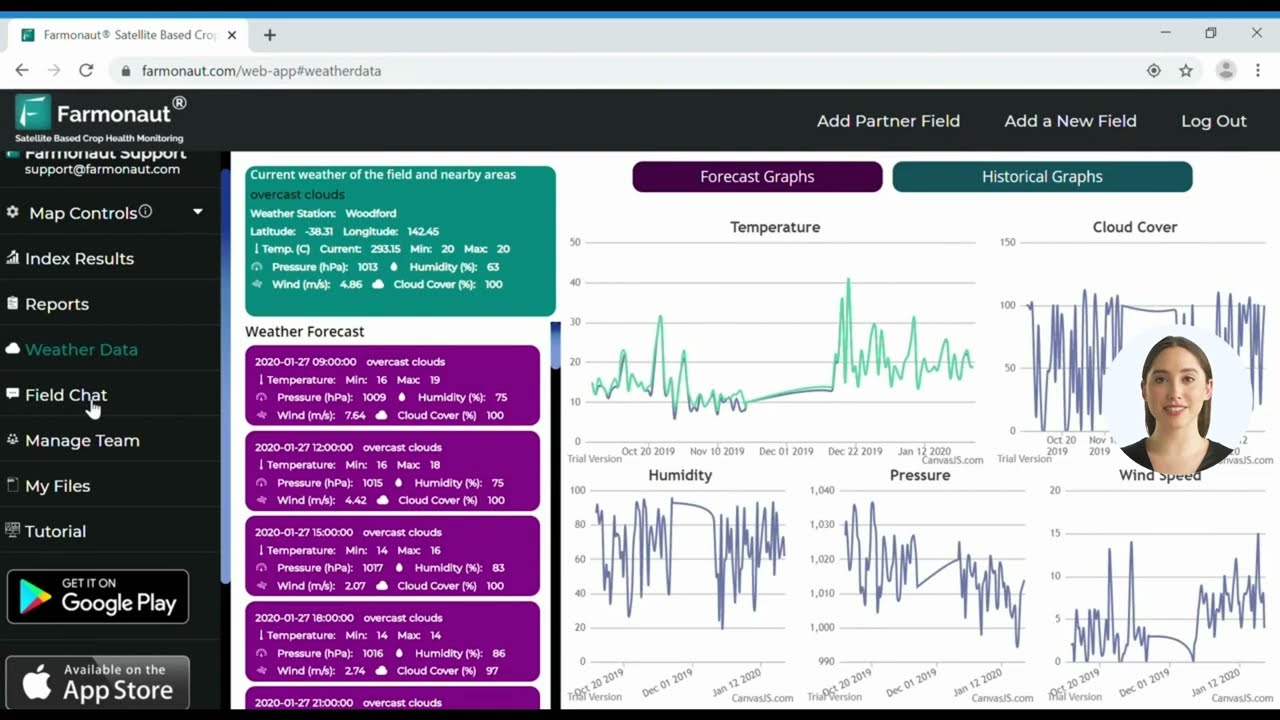
- Satellite-Based Monitoring: Our technology utilizes multispectral satellite imagery to track mining sites, monitor vegetation health (NDVI), soil conditions, and mine infrastructure. These insights support efficient resource management, environmental compliance, and informed operational planning.
- AI-Based Advisory and Real-Time Analytics: With Jeevn AI, we deliver insights into optimal extraction techniques, water usage patterns, environmental anomalies, and maintenance priorities—enabling higher efficiency and lower operational risk for mining operations.
- Blockchain Traceability: By integrating blockchain into our system, we offer secure, transparent tracking of copper ore and processed materials. This gives mining stakeholders the tools to ensure supply chain authenticity and minimize illegal or unsustainable practices.
- Fleet and Resource Management: Our solutions optimize logistics and equipment deployment, reducing emissions, enhancing fuel efficiency, and lowering costs for mining fleets.
- Environmental Impact Tracking: Through satellite-based monitoring, we provide continuous feedback on carbon outputs, water use, and land rehabilitation, helping companies comply with the latest global environmental regulations and achieve sustainability goals.
For developers and integration projects, our API and Developer Documentation allow seamless access to satellite, environmental, and operational insights.
Businesses seeking advanced carbon footprinting and compliance monitoring can benefit from our end-to-end Carbon Footprinting Solution, while those prioritizing transparency can leverage our Product Traceability tools.
Looking to get started with affordable, scalable satellite solutions for sustainable mining? Explore our subscription options below:
FAQs on Best Practices for Sustainable Copper Mining: Expert Insights 2025
What are the best practices for sustainable copper mining in 2025?
The best practices for sustainable copper mining in 2025 include:
- Advanced ore body modeling and mine planning to reduce land disturbance and waste.
- Implementation of efficient closed-loop water recycling systems.
- Use of renewable energy sources for mining and processing operations.
- Advanced tailings and waste management, such as dry stacking.
- Electrification of mining fleets and equipment to reduce carbon emissions.
- Thorough community and stakeholder engagement with transparent benefit-sharing models.
- Promotion of copper recycling and circular economy principles.
- Adoption of real-time environmental monitoring, AI analytics, and blockchain for traceability.
How does technology improve sustainability in copper mining?
Technology enables sustainability by providing real-time data and precise control over operations. Autonomous drones, sensor networks, and satellite imagery ensure accurate monitoring of water, air quality, and waste. AI-driven analytics enable predictive maintenance and early detection of problems, while blockchain assures transparency and accountability in the mining supply chain.
How are water conservation and waste reduction achieved in copper mining?
Water conservation is achieved through closed-loop recycling systems that reclaim water from tailings and processing, reducing freshwater needs by up to 40%. Waste reduction is advanced through precise ore extraction, in-situ leaching, filtered tailings, and improved waste storage designs, minimizing ecological disturbance and pollution risk.
How can copper mines balance economic viability with environmental and social goals?
By adopting innovative technologies and best practices, mining companies can reduce costs (via resource efficiency), minimize negative ecological impacts, and build lasting value for local communities. Transparent benefit-sharing, stakeholder consultation, and ongoing environmental reporting align company incentives with global sustainability goals.
What is the role of circular economy thinking in copper mining?
Circular economy thinking focuses on reducing waste and enhancing resource efficiency by integrating copper recycling, designing mines for reclamation, and optimizing value chains from exploration through closure. This approach reduces dependence on virgin copper production, lowers costs, and diminishes environmental harm.
Conclusion: Securing Copper’s Future Sustainably
Best Practices for Sustainable Copper Mining: Expert Insights show that the sector’s future depends on an integrated approach—uniting advanced technology, environmental care, responsible community engagement, a circular mindset, and energy innovation.
As demand for copper surges in 2025 and beyond, the industry’s ability to balance mining production with global environmental, social, and economic goals has never been more important. Employing these best practices will enable the copper industry to remain a vital asset—underpinning the advances the world needs, while safeguarding the planet and its people for generations.
For stakeholders looking to accelerate their sustainability journey, embracing satellite-based data, AI-driven insights, robust blockchain traceability, and resource-efficient practices will be essential—both for compliance and for competitive advantage.
Farmonaut remains committed to democratizing advanced insights and technology, making sustainable mining solutions affordable, accessible, and actionable worldwide. To learn more or get started:
- Try Farmonaut’s Web App for Mining & Environmental Monitoring
- Explore Carbon Footprinting Solutions
- Integrate Satellite APIs for Custom Needs
Together, by embracing best practices for sustainable copper mining, we can build a future where copper remains the backbone of green progress—ethically, responsibly, and efficiently.
Discussion
Questions, corrections or field experience? Share them below. First-time comments are reviewed before they appear, and your email is never published.
No comments yet. Be the first to add a question or your experience.

 Alkimy SARL
 Double A Trading
 GemSprout Metals Limited
 Qader Group
 Ileys General Trading
 SG Gold Mining LLC
 VRV Global Pte Ltd
 Omsri International FZE
 G.I.T.T.
 Jaunita Erss Ltd
 Almosi SARL
 SRK Consulting
 Berks Gold Limited
 Mwerezi Minerals Company Limited
 Mining SARL
 SenGold Invest SAS
 Sean Mining Limited
 NTS Group (Pty) Ltd










