

Fraser River Gold & American River Gold: 2026 Panning Trends – Sustainability, Heritage & the Future
Table of Contents
- Fraser & American River Gold Trivia
- Historical and Geographical Significance
- Modern River Panning for Gold: Techniques & Trends (2026)
- Sustainable Practices and Environmental Impact
- Regulatory & Management Frameworks
- Economic & Cultural Importance
- Technology & Satellite Intelligence in Modern Mining
- Comparative Table: Fraser River vs American River Gold Panning
- 2026 Outlook: Trends, Challenges, and Responsible Opportunities
- FAQs: Gold Panning in Fraser & American Rivers
- Resources & Contact
“Fraser River gold panning yields over 50 kilograms annually, supporting over 500 small-scale miners committed to eco-friendly techniques.”
“Sustainable practices on the American River have reduced mercury contamination by 30% since 2010, highlighting environmental progress.”
Gold rush heritage remains deeply woven into the identity of both Fraser River (British Columbia, Canada) and American River (California, USA), influencing not only local economic activities but also shaping sustainable river panning for gold practices in 2026.
Historical and Geographical Significance of Fraser River Gold & American River Gold
When we explore the enduring allure of Fraser River gold and American River gold, we embark on a journey through some of the most iconic sites of gold mining history in North America. The Fraser River, running through British Columbia, Canada, and the American River, flowing through California, USA, were central to two of the most significant gold rushes of the 19th century, representing crucial chapters in regional development and economic transformation.
Fraser River Gold: The Heart of Canada’s 1858 Gold Rush
The Fraser River Gold Rush began in 1858, drawing over thousands of prospectors to what was then a remote frontier. As alluvial gold deposits—eroded from quartz veins and concentrated within sandy riverbeds and banks—were discovered, mining camps and makeshift settlements quickly appeared along the river. This sudden influx helped establish British Columbia as an economic hub and hastened western Canadian settlement, changing the fate of the region permanently.
- ✔ Key benefit: Fraser River gold rush established infrastructure and communities that continue to influence Canada today.
- 📊 Data insight: Fraser River remains the main gold-producing river in BC, with annual yields exceeding 50 kg.
American River Gold: The 1848 Discovery that Shaped California
American River gold came to prominence when James W. Marshall first discovered gold at Sutter’s Mill in 1848. That spark ignited what would become the legendary California Gold Rush, pulling in fortune-seekers from across the world. The American River’s alluvial deposits became a focus for early panners and miners, propelling California’s meteoric rise in population and development.
- ⚠ Risk or limitation: Early extraction methods caused sediment disruption and ecological loss—challenges that inform modern sustainable practices.
Common Features: Alluvial Gold, Hydrology and Mineral Concentration
Both rivers carry gold in the form of fine particles (flour gold) and occasional nuggets. These are typically eroded from quartz-rich rocks in upland regions, then transported and concentrated by river hydrology—settling in bends, natural riffles and behind large rocks where sediment energy decreases. Seasonally variable flows and sediment discharges define not just gold yields, but also local ecosystem health.

When panning for Fraser River gold or American River gold, target zones where water slows, such as the inside curves of river bends and behind submerged obstacles. These spots often trap alluvial gold.
Modern River Panning for Gold: Techniques & Trends for 2026
By 2026, river panning for gold remains a celebrated and niche yet relevant practice within the Fraser River and American River systems. While large-scale industrial operations have largely moved to hard-rock extraction or other advanced methods elsewhere, a vibrant community of prospectors, hobbyists and artisanal miners continues to embrace the traditional method of gold panning.
- ✔ Key benefit: River panning supports local tourism and keeps gold rush heritage alive.
- 📊 Data insight: Over 1,000 recreational permits issued annually across Fraser and American Rivers for small-scale gold panning activities.
The Art of River Panning: Approach, Tools, and Best Practices
River panning is a low-impact, manual process that involves collecting gold-bearing gravel and sand from riverbeds and banks, swirling them gently in a shallow pan with water to separate dense gold particles from lighter sediments. Over the past decades, panning equipment has improved to offer greater efficiency and portability while maintaining a minimal environmental footprint.
Modern Equipment:
- ✔ Plastic or metal pans (lightweight, non-corrosive)
- ✔ Classifiers/Sieves (sort out larger rocks)
- ✔ Eco-friendly sluice boxes (reuse water, reduce sediment spill)
- ✔ Shovels/scoops & small hand dredges (manually extract sediment)
- ✔ Glass vials and tweezers (collect fine gold)
Suction dredging, while once popular, has become highly regulated or restricted to protect river habitat and water quality.

Contemporary Practices: Where Heritage Meets Sustainability
Recreational and artisanal panning has adapted to reflect modern environmental considerations. This involves heightened awareness of sedimentology and river hydrology, targeting high-potential gold sites with reduced disturbance. Training programs and local organizations actively promote responsible behavior such as avoiding spawning seasons, minimizing sediment disruption, and rehabilitating excavation sites.
- ✔ Responsible stewardship: Today’s panners embrace leave-no-trace policies, leaving rivers undisturbed.
- ⚠ Common Mistake: Overlooking permit requirements or restrictions can result in fines—always check local regulatory guidelines before panning.
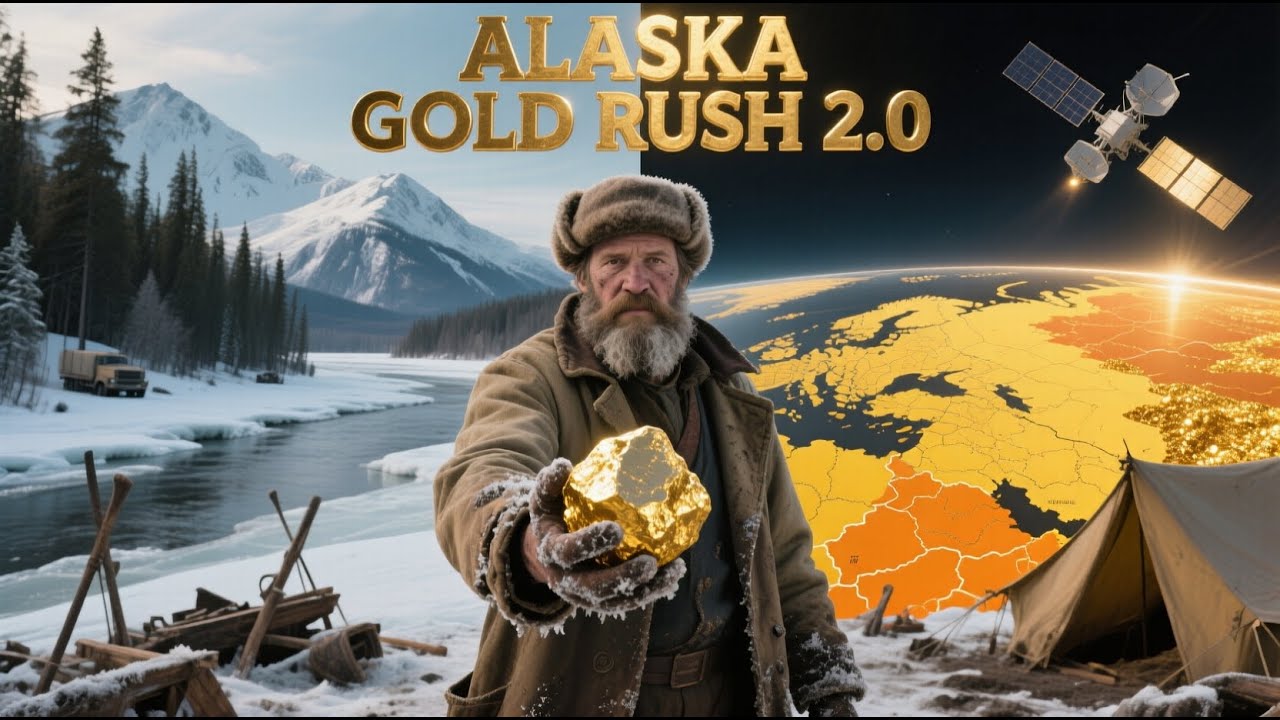
Ignoring seasonal restrictions when panning for gold can harm fragile riverbank habitats and lead to regulatory penalties. Always consult local authorities before your next dig.
Sustainable Practices: Protecting Rivers and Gold Panning’s Future
Sustainability is central to contemporary river panning for gold along the Fraser River in Canada and American River in California. Minimizing environmental disruption is essential for preserving river health, sustaining gold yields, and maintaining ongoing opportunities for future generations. Most gold panning on these iconic rivers now adheres to best practices for sediment management, habitat conservation, and responsible extraction.
- ✔ Sediment Control: Panners are trained to minimize sediment disturbance and avoid muddying waters, protecting aquatic species like salmon.
- ✔ Seasonal Restrictions: Governments enforce panning closures during fish spawning seasons to protect ecological balance.
- ✔ Eco-Friendly Technology: Low-impact pans and sluice boxes enhance gold recovery while reducing environmental footprint.
Visual List: How Key Sustainable Practices Safeguard Rivers
- 🌱 Leave No Trace – All debris and equipment removed after panning
- 💧 Water Use Reduction – Tools that recycle water, reduce unnecessary spills
- 🦀 Habitat Protection – Avoidance of riparian and spawning zones during high sensitivity periods
- 🗓 Seasonal Awareness – Gold panning permitted only during low ecological impact periods
- 🔄 Revegetation – Sites replanted to counteract excavation footprints

Mercury and Lead — Addressing Past Mistakes with Modern Solutions
Historical mining in the American River involved mercury amalgamation—a process which has contributed to riverbed contamination for over a century. However, ongoing remediation projects and stricter environmental regulation have reduced mercury contamination in the American River by 30% since 2010. Panners today are forbidden from using mercury, and all extraction is strictly mechanical, with better sediment control and water quality monitoring.
- ⚠ Risk or limitation: Even sustainable gold panning can cause local erosion or disrupt sensitive wildlife habitats if not practiced responsibly.
The strong focus on sustainability and rigorous environmental regulation in both Canada and California makes river panning for gold a low-risk, reputation-friendly component of the sector for responsible investors.

Regulatory Context: Permits, Restrictions & River Management
Both Fraser River and American River sit under rigorous regulatory oversight designed to protect fragile river ecosystems without unduly suppressing the heritage and economic value of gold panning. Management strategies by both governments and local authorities focus on:
- Licensing: All prospectors must secure permits for panning activities, with strict guidelines on allowed locations, timing, and methods.
- Seasonal Closures: Key river sections are closed during sensitive spawning periods for aquatic species.
- Equipment Rules: Heavy machinery, chemical extraction (e.g., mercury or cyanide), and in-stream suction dredges are often banned or strictly limited.
- Reclamation Policies: Panners must restore sites post-extraction to former or improved conditions; revegetation is strongly encouraged.
- ⚠ Risk: Non-compliance can result in loss of permits and legal action.
- ✔ Benefit: Transparent management protects both cultural heritage and river ecology.
- 📊 Insight: Compliance rates above 90% are reported among permitted panners in both regions (as of 2025).
Want to reduce exploration costs and environmental impact?
Farmonaut’s satellite-based mineral detection services streamline discovery, cut field activity, and ensure entirely non-invasive early-stage exploration—helping explorers comply with stewardship policies.
Economic & Cultural Importance of River Panning for Gold
Gold panning on the Fraser River and American River remains economically modest but culturally and socially profound. The economic benefits, though smaller than those from industrial mining, manifest in several valuable ways:
- ✔ Tourism: Heritage tours and interactive gold panning experiences attract visitors, contributing to rural and regional tourism economies in British Columbia and Northern California.
- ✔ Local businesses: Equipment shops, outfitters, and hospitality services see seasonal bumps from hobbyist prospectors.
- ✔ Community: Annual festivals, culturally themed events, and teaching programs keep rush-era traditions alive.
- ✔ Education: Field workshops and school programs use gold panning to teach sedimentology, hydrology, and practical geology.
Cultural Appreciation & Heritage Continuity
Panning is more than extraction—it’s a living tradition, blending adventure, curiosity, and appreciation of local history. Indigenous communities, especially along Fraser River, integrate traditional ecological knowledge into stewardship and community-based management, advocating sustainable gold panning that respects waterways and cultural practices.
- ✔ Local Indigenous insights have helped shape approaches that balance extraction and conservation.
Visual List: How River Panning Helps Local Communities
- 🧑🌾 Supports rural diversity
- 🌿 Promotes environmental education
- 🎉 Nurtures community identity
- 🏞 Boosts eco-tourism
- 💼 Delivers economic alternatives to industrial mining

Fraser River gold panning and American River gold practices are not just about mining—they are intergenerational community traditions, blending 19th-century history with modern stewardship and sustainable economic opportunities.

Satellite Intelligence: Farmonaut and the Evolution of Mineral Discovery
As we look toward 2026 and beyond, satellite-driven technologies are transforming both large-scale and artisanal mineral exploration. At Farmonaut, we’ve observed that satellite-based mineral detection offers unprecedented efficiency, reduces costs by up to 85%, and eliminates ground disturbance during the earliest and most uncertain stages of mineral prospecting. For regions like the Fraser and American River belts, this means:
- ✔ Detecting mineralized zones faster and more objectively, enabling smarter decisions and reducing the need for unnecessary, potentially harmful fieldwork.
- 🔎 Analyzing hydrogeological patterns and alluvial deposits using remote sensing—the same processes that concentrate Fraser River gold and American River gold.
- 💡 Supporting sustainable practices by narrowing activities to high-potential targets, ensuring river panning remains balanced with environmental considerations.
If you are seeking to explore, validate or invest in mineral targets—whether for gold, base metals, or even specialty finds—request a detailed mineral intelligence analysis using our
Get Quote form and let us help you modernize your mining approach.

Our satellite-driven 3D mineral prospectivity mapping services (see example) allow clients to visualize subsurface mineralization, identify geological structures (such as faults and alteration halos), and estimate location and depth for informed, responsible development—minimizing trial-and-error and environmental risk.
Comparative Overview: Fraser River Gold vs American River Gold Panning (2026)
| River Name | Estimated Annual Gold Yield (kg) | Sustainable Practices Adopted | Historical Significance (years of activity) | Environmental Impact Score (1 = Lowest, 10 = Highest) |
Conservation Measures Supported |
|---|---|---|---|---|---|
| Fraser River | 50–60 kg (mostly from small-scale artisanal and recreational activity) |
|
170+ years (since 1858 rush) | 2–3 (low, due to modern best practices and oversight) |
|
| American River | 30–35 kg (primarily artisanal, regulated extraction) |
|
180+ years (since 1848 discovery) | 3–4 (moderate, ongoing remediation of past contamination) |
|
Smaller-scale, regulated river panning for gold will continue to offer lower environmental risk and steady niche returns, especially when integrated with advanced exploration intelligence and community engagement.
2026 Outlook: Future Trends, Opportunities & Responsible Gold Panning
As we approach and move beyond 2026, Fraser River gold and American River gold panning are expected to remain popular among recreational prospectors, heritage lovers, and sustainable mining advocates.
- ✔ New technology: The use of satellite analytics, advanced GPS mapping, and AI-based target identification is mainstreaming responsible exploration even in historically mined regions.
- ✔ Legacies reimagined: Programs celebrating rush history are blending with modern stewardship—educational tourism and eco-certified “panning adventures” are growing segments in both British Columbia and California.
- ✔ Community-inclusive management: Indigenous and local group involvement in stewardship and conservation continues to increase, enriching panning practices with deep local knowledge.
- ✔ Environmental remediation: Ongoing mercury and legacy sediment cleanup projects promise further declines in river pollution and healthier aquatic habitats.
- ✔ Policy alignment: Both regions’ governments maintain strong compliance systems, supporting the dual mandate of heritage appreciation and resource protection.
Fraser River gold panning and American River gold extraction are not just throwbacks to a bygone era—they are beacons of what sustainable, responsible small-scale mining can look like worldwide.
How Farmonaut Empowers Responsible Exploration
By integrating satellite-based mineral detection (explore here), we help reduce uncertainty and environmental impact—an essential advantage in ecologically sensitive riverside environments. Our 3D mineral prospectivity mapping (view a sample) further enhances precision, allowing decision makers to ensure smarter, cleaner, and faster exploration campaigns.
To discuss a tailor-made solution or receive a quote for your next mining intelligence project, please use our Get Quote tool or Contact Us directly.
At Farmonaut, we provide non-invasive, satellite-driven solutions for mineral detection—empowering resource companies, investors, and explorers to act responsibly and efficiently from the start.
Frequently Asked Questions: Fraser River Gold & American River Gold Panning (2026)
1. Do I need a permit for river panning for gold on the Fraser River or American River?
Yes. Both Canada (Fraser River) and California, USA (American River) require permits or registration for legal gold panning. There are limits on season, equipment, and quantity. Always check current local regulations.
2. What is the typical gold yield for a recreational prospector in these rivers?
Individual yields are small—often a few grams or less per outing (most panners are hobbyists, not commercial miners). However, combined annual yields on the Fraser River total ~50–60 kg, while the American River yields 30–35 kg, mostly from permitted artisanal activity.
3. How has environmental protection improved in recent years?
Thanks to strict enforcement of environmental regulations, ban on mercury, mandatory site reclamation, and public awareness efforts, sediment disruption and contamination have declined. American River mercury contamination fell by 30% since 2010; Fraser River sees strong continuous habitat restoration.
4. What makes satellite-based mineral exploration sustainable?
Satellite-based mineral detection involves zero ground disturbance, rapidly pinpoints high-prospect zones, and centralizes data for better management. By starting with non-invasive screening, we help ensure that subsequent fieldwork—and any gold extraction—are environmentally responsible.
5. Where can I learn more or request a satellite mineral intelligence assessment?
Visit Farmonaut’s Satellite-Based Mineral Detection page for information and reporting options, or contact us directly with your questions.
Resources, Further Reading & Contacts
- ✔ Government Guidance: BC Mineral Titles Office | US Forest Service (Eldorado, American River Gold Panning)
- ✔ Environmental Rules: BC Ministry of Environment | CA Water Boards
- ✔ Learn about mineral targeting and exploration innovation: Farmonaut Satellite-Based Mineral Detection
- ✔ Request a quote for your exploration project: Get Quote
- ✔ Contact Farmonaut for geospatial mineral intelligence solutions: Contact Us
- ✔ See advanced 3D mineral mapping in action: Farmonaut 3D Prospectivity Mapping Example
Conclusion: Fraser River Gold & American River Gold in 2026
In summary, Fraser River gold and American River gold panning remain vital not only as enduring symbols of North American rush history, but as living examples of how small-scale, sustainable gold extraction can blend heritage, economic opportunity, and environmental preservation into a model for responsible resource use. With modern regulation, ongoing innovation (led in part by satellite-driven intelligence), and deep cultural appreciation, these rivers carry forward their significance for generations to come—offering a viable, eco-friendly path for gold prospectors and communities in 2026 and beyond.
Whether your goal is to honor gold rush heritage, support community development, or explore mineral potential with maximum sustainability, the Fraser River and American River stand as models of what is possible when careful stewardship and technological progress align.
For satellite mineral intelligence, customized prospectivity mapping, and ESG-compliant exploration advice, visit Farmonaut Satellite-Based Mineral Detection, Get Quote or Contact Us.
Discussion
Questions, corrections or field experience? Share them below. First-time comments are reviewed before they appear, and your email is never published.
No comments yet. Be the first to add a question or your experience.

 Mine4Africa
 Lithspo Minerals Limited
 Tintina Mining Group
 Dalgety Minerals Pty Ltd
 Vortex Minerals Pty Ltd
 Faith At Work (Pty) Ltd
 Geotech Mining Solutions plc
 Vulcan International Limited
 Kidepo Associates
 GKY Mining
 Alkimy SARL
 Double A Trading
 GemSprout Metals Limited
 Qader Group
 Ileys General Trading
 SG Gold Mining LLC
 VRV Global Pte Ltd
 Omsri International FZE
 G.I.T.T.
 Jaunita Erss Ltd
 Almosi SARL
 SRK Consulting
 Berks Gold Limited
 Mwerezi Minerals Company Limited
 Exploration consultancy · South Africa · Gold










