

Gold Mining in DRC: 7 Powerful Ways to Boost Sustainability
Table of Contents
- Introduction: A Landscape at the Crossroads
- The Intersection of Gold Mining and Rural Livelihoods
- Understanding Artisanal and Small-Scale Mining (ASM) in DRC
- The Environmental Footprint: Impacts on Farming, Water & Land
- Environmental Stewardship and Resource Management in Gold Mining DRC
- Sustainable vs. Conventional Gold Mining: DRC Comparative Impact Table
- 7 Powerful Ways to Boost Sustainability in DRC Gold Mining
- Farmonaut’s Role: Satellite Intelligence for Sustainable Exploration
- Expert Tips & Key Insights for a Sustainable Gold Mining Future
- Frequently Asked Questions (FAQ)
- Conclusion: Shaping a Greener, More Resilient Gold Mining DRC
Introduction: A Landscape at the Crossroads of Wealth, Practice, and Sustainability
Gold mining in DRC, or more formally, the Democratic Republic of the Congo, sits at a uniquely complex intersection of resource wealth, artisanal practice, environmental stewardship, and rural development. The landscape here is not just geological; it is social, agricultural, and ecological—woven from the interdependencies of smallholder farmers, artisanal miners, communal land, and fragile ecosystems.
The lure of gold in DRC has been a long-standing driver of rural economies, shaping livelihoods, transforming entire regions, and redefining the way land and water resources are shared—or contested—among communities. However, beneath the promise of economic opportunity lies a reality marked by informal mining, environmental risks, and often uneven resource governance. As gold mining DRC continues to evolve, questions of sustainability, responsible extraction, and community benefit are more urgent than ever.

The Intersection of Gold Mining and Rural Livelihoods in DRC
Gold in DRC has historically been both a blessing and a challenge for rural communities. In many mineral-rich regions, smallholder farmers’ cultivated plots often straddle or overlap with informal artisanal mining sites. This proximity creates a dynamic, sometimes fraught, relationship between those who till the soil and those who prospect for ore.
- Shared land and water resources mean farming and mining economies are interdependent.
- Mining incomes can provide vital funds for farm inputs, supporting crop diversification and household resilience.
- Land use competition often leads to contestation, risk of contamination, and health/safety concerns for dependent communities.
- Integrated community planning allows both sectors to thrive while reducing environmental impact.
- Environmental stewardship and good governance can convert gold mining in DRC from a risk factor into a sustainability driver.
The reality on the ground is that miners and farmers in DRC often coexist, sharing both opportunities and obstacles:
- Incomes from gold mining may help diversify farm-based livelihoods, fund inputs for agricultural productivity, and support local resilience to shocks.
- However, informal gold mining can compete directly with farming for land and water, causing soil degradation, water withdrawal, and ecosystem stress.
- Health and safety risks are not limited to mining: farmers dependent on contaminated soils/water can also face long-term exposure risks.
Understanding Artisanal and Small-Scale Mining (ASM) in Gold Mining DRC
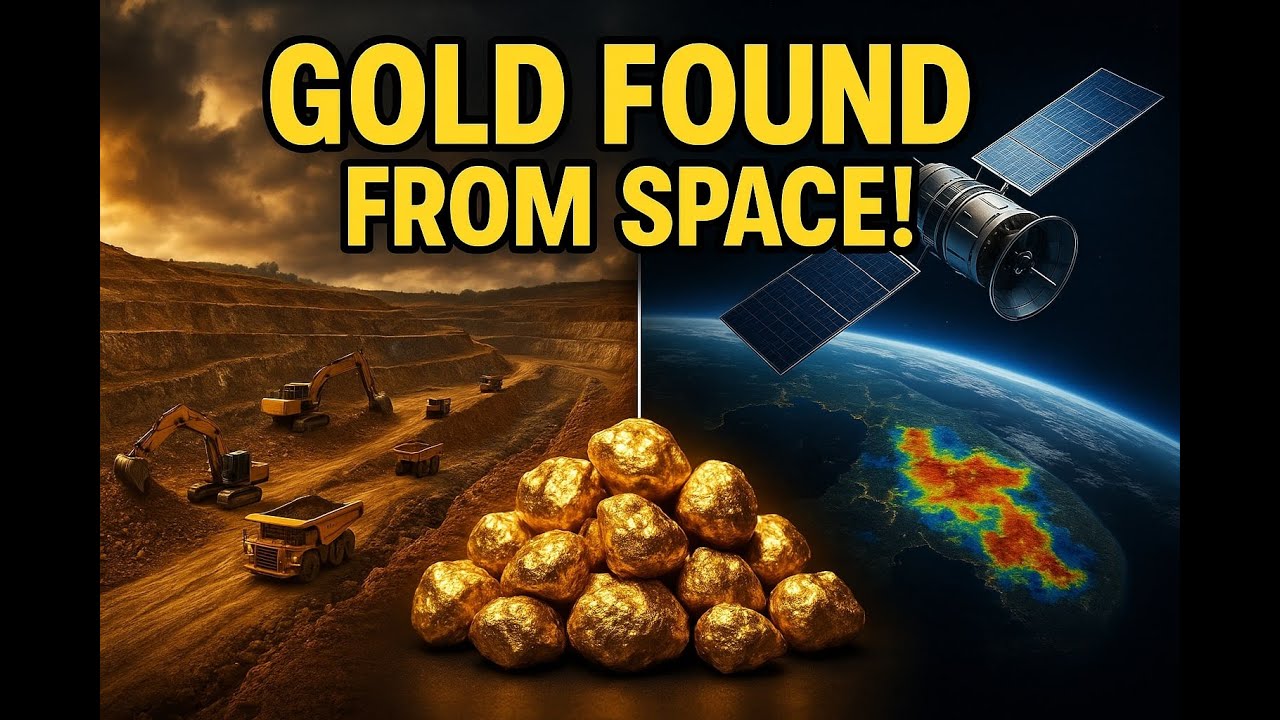
ASM (Artisanal and Small-Scale Mining) dominates gold production in the Democratic Republic of Congo. Characterized by low capital intensity, generations of expertise, and strong informal recruitment, this sector relies on traditional methods such as panning, sluicing, and mercury amalgamation to extract gold from alluvial and primary deposits.
- 80%+ of total gold production in DRC is estimated to come from ASM activities.
- Low regulatory oversight means environmental and safety standards vary widely—increasing risk of pollution and accidents.
- High degree of traditional expertise provides local resilience, but also limits modernization without support.
The nature of the sector means that:
- Production, revenue, and safety standards are highly uneven, reflecting varied practices across regions.
- Environmental impacts range from sedimentation, mercury exposure, and soil contamination to outright deforestation.
- The regulatory environment in DRC is extremely complex, sitting at the crossroads of customary institutions, national law, and international demand for gold.
As international demand for gold rises, the footprint of ASM also expands—calling for urgent, integrated solutions to mitigate risks and maximize community benefit.
The Environmental Footprint: Gold Mining’s Impact on Farming, Water, and Land in DRC
Gold mining in DRC throws a long shadow across rural landscapes:
- Land Use Changes: Expansion of mining sites reduces arable land for crops, while altering microclimates and affecting soil structure for local farmers.
- Water Withdrawal for Processing: Essential water is diverted from irrigation to ore extraction, leading to crop stress and potential food insecurity.
- Soil Erosion and Sedimentation: Deforestation and traditional mining methods cause sediment-laden runoff—degrading downstream soils and aquatic habitats.
- Competing Inputs: When mining incomes support better agricultural inputs, local productivity and food diversity can improve.
- Health and Ecosystem Risks: Mercury exposure, water contamination, and tailings mismanagement pose serious risks to farming communities dependent on these shared natural resources.

Visual List: Environmental Risks & Opportunities from Gold Mining in DRC
- 🌍 Deforestation: Clearing land for mining operations removes forest cover crucial for soil health.
- 🌊 Water Contamination: Mercury and sedimentation impact both crops and drinking water sources.
- 🌾 Soil Fertility Loss: Erosion and tailings runoff degrade arable plots.
- 💧 Shared Resource Strain: Water withdrawal for gold processing often constrains irrigation cycles.
- 🌱 Resilient Farming: Where managed sustainably, mining revenues can fund diversified farming for increased rural resilience.
Environmental Stewardship and Resource Management in Gold Mining DRC
For the entire ecosystem to thrive, environmental stewardship must become embedded in every stage of gold extraction and management—from prospecting to processing and post-mining land use. Responsible practices not only minimize harm to water, soil, and biodiversity, but also protect the very resource foundation that supports rural livelihoods and farming.

Sustainable gold mining in DRC emphasizes:
- Reducing Mercury Use: Introducing alternative methods for concentration—like gravity separation and cyanide-free technologies—protects both communities and wider ecosystems.
- Rehabilitating Land: Reforesting disturbed areas, restoring watercourses, and stabilizing tailings can revive soil fertility, natural pest control, and pollination services essential for agriculture.
- Transparent Traceability: Ensuring strong supply chain governance connects gold extraction to responsible international markets—encouraging better labor, wage, and safety standards.
- Community Engagement: Joint stewardship councils and local zoning agreements ensure that both miners and farmers benefit from shared resources while respecting ecosystem limits.
By strengthening resource management—including careful withdrawal, monitoring, and planning—we can reduce the negative environmental impacts of gold mining DRC and reinforce the sustainability of both farming and mining livelihoods.

Sustainable vs. Conventional Gold Mining: DRC Comparative Impact Table
Below is a practical comparison of sustainable gold mining practices and conventional methods in DRC. This table illustrates their estimated impacts on environmental health, rural livelihoods, farming, and resource management efficiency.
| Gold Mining Practice | Estimated Environmental Impact Score (1 = high negative, 5 = high positive) |
Effect on Rural Livelihoods | Implications for Sustainable Farming | Resource Management Efficiency (Est. % improvement) |
|---|---|---|---|---|
| Conventional Mining (unregulated ASM) | 1 | Short-term income boost, long-term risk of land/resource loss | Soil/water contamination, reduced arable area | 0-5% |
| Responsible Sourcing Initiatives | 4 | Fairer incomes, better labor & safety standards | Funds support for crop inputs, improved food security | 25-30% |
| Land Rehabilitation Programs | 5 | Restores farmable plots, supports livelihood recovery | Enhances soil fertility, enables climate-resilient farming | 40-55% |
| Water Management (modern processing, recycling) | 4 | Maintains irrigation, protects household health | Reduced water stress for crops | 25-38% |
| Use of Clean Technologies (mercury-free, low-impact) | 5 | Less health risk, new green tech jobs | Prevents toxin build-up in farming systems | 35-50% |
| Community Partnerships & Joint Planning | 5 | Empowers local governance, spreads benefits | Integrated land sharing, supports agroecology | 50-70% |
| Regulatory Compliance (national/international certification) | 4 | Predictable incomes, improved workplace safety | Aligns mining with agricultural priorities | 20-30% |

7 Powerful Ways to Boost Sustainability in DRC Gold Mining
To realize the full potential of gold mining for the Congolese people while safeguarding natural and agricultural resources, DRC must adopt integrated, community-driven, and technology-enabled sustainability strategies. Here are seven powerful pathways:
- Formalize ASM & Improve Governance:
Creating clear rules, accessible licensing, and local land tenure security promotes fairer sharing of resources and accountability in mining activities—reducing conflict between miners and farmers. - Promote Mercury-Free & Clean Extraction Technologies:
Investing in gravity separation, retorts, and other innovations greatly reduces environmental contamination and community health risks. - Rehabilitate & Reforest Mined Land:
Restoring mined-out landscapes through contouring, planting, and soil amendment enables continued farming, mitigates erosion, and restores ecosystem balance. - Enhance Water Management & Pollution Control:
Modern processing systems that recycle water, capture tailings, and prevent runoff safeguard both crops and downstream communities. - Integrated Community Planning & Partnerships:
Land-use zoning, shared stewardship committees, and joint investment ensure mining profits support agricultural development, schools, and health services. - Traceability & Responsible Sourcing:
Strong supply chain monitoring ensures Congolese gold meets international standards—rewarding miners who prioritize environmental and social responsibility. - Leverage Technology for Non-Invasive Exploration:
Satellite intelligence, such as that provided by Farmonaut’s mineral detection, accelerates prospecting, reduces ground disturbance, and enables smarter, more efficient exploration with less environmental risk.

Visual List: How Sustainability Enhances Rural Livelihoods & Ecosystems
- 🌱 Diversified Village Incomes: Profits from gold mining fund new seeds, fertilizers, and farming tools, building climate resilience and reducing food insecurity.
- 💧 Cleaner Water for All: Less mercury and more efficient tailings management preserve rivers for both irrigation and household use.
- 🌳 Restored Landscapes: Land rehabilitation brings back forest cover, revives soil structure, and supports pollinators essential for farm productivity.
- 👨👩👧👦 Community Health: Responsible mining methods reduce health hazards from contamination and environmental exposure for both miners and farmers.
- 🔄 Cooperative Land Use: Zoning and community councils balance mining and agricultural needs, preventing resource competition and promoting stewardship.
Farmonaut’s Role: Satellite Intelligence for Sustainable Gold Mining in Congo
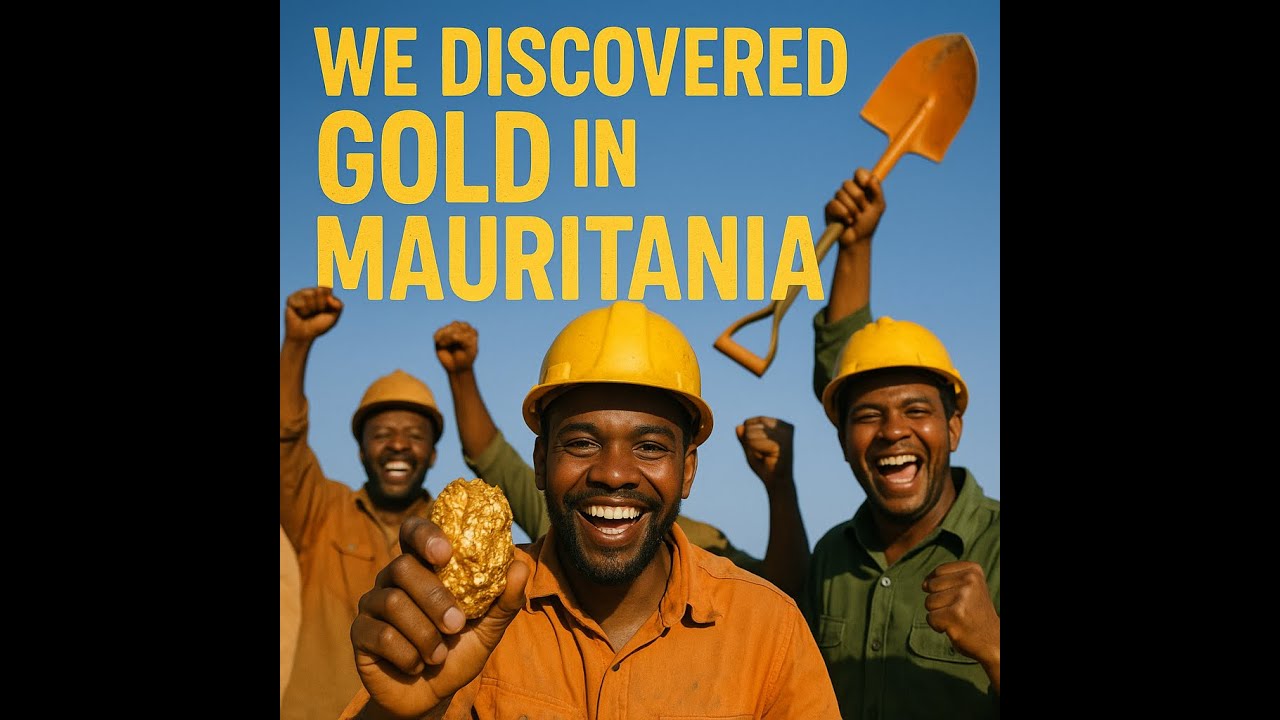
At Farmonaut, we pioneer the use of satellite-based intelligence to revolutionize gold mining in DRC and globally. Our technology empowers mining companies, communities, and investors to explore mineral resources faster, cheaper, and without disturbing the environment during early-stage exploration.
- Fast, Accurate Exploration: We use multispectral and hyperspectral satellite analysis to identify gold-bearing zones—shrinking timelines from months or years to days.
- Zero Ground Disturbance: Early mineral prospecting happens from space, not on the ground—eliminating soil and ecosystem disruption before formal mining ever starts.
- Cost-Saving: Our platform lowers early mineral detection costs by up to 80–85% versus traditional field methods, allowing capital to be invested in community development or clean technologies.
- ESG Alignment: Farmonaut’s approach reduces carbon footprint, minimizes habitat destruction, and supports responsible development standards.
Our satellite-based reports include:
- Mineral location and depth heatmaps—optimizing investment and reducing wasted exploration effort
- Prospectivity assessments—enabling smarter decision-making before field teams are deployed
- 3D subsurface modeling (with TargetMax™ Drilling Intelligence)—improving drilling efficiency and minimizing risk
- 3D Mineral Prospectivity Mapping—allows for visual understanding of hidden gold or critical mineral zones, supporting both exploration and environmental planners
Map Your Mining Site Here
How does Farmonaut support communities and investors?
- By rapidly narrowing exploration to sustainable, high-prospect targets—protecting both community resources and investor capital.
- By providing custom, detailed mineral intelligence reports for technical and commercial stakeholders—streamlining the journey from exploration to responsible mining development.
For more information or to discuss your Congolese exploration needs, Contact Us here.
Expert Tips & Sustainability Insights for Gold Mining DRC
- ✔ Involve farmers and community leaders in all mining land-use decisions to reduce future disputes
- ✔ Invest in training miners and farmers alike in clean water management and mercury-free gold processing
- ✔ Adopt transparent traceability for all gold outputs—linking responsible ASM efforts to international buyers for premium rewards
- ✔ Leverage technologies (like satellite-based detection) that create win-wins for both productivity and environmental health
- ✔ Balance mining profits with tangible investments in rural infrastructure—schools, clinics, and sustainable agriculture
Frequently Asked Questions (FAQ) – Gold Mining in DRC
-
Q1. What makes gold mining in DRC unique compared to other countries?
A: DRC’s gold mining sector is dominated by artisanal and small-scale mining (ASM), which is deeply tied to rural livelihoods, smallholder farming, and informal economies. Both the complexity of resource governance and the overlap with agricultural land usage make the confluence of sustainability, mineral wealth, and community resilience uniquely challenging—and potentially transformative. -
Q2. How does ASM affect the environment in DRC?
A: ASM activities, especially unregulated, can cause deforestation, soil degradation, mercury and water contamination, and loss of arable land—undermining both environmental and agricultural sustainability. However, modernization and best practices can reduce these impacts considerably. -
Q3. What are the biggest sustainability challenges facing gold mining in DRC?
A: The challenges include unregulated mercury use, unplanned land expansion, poor waste/tailings management, lack of formalized land tenure, and conflict between miners and farmers for limited water and land. -
Q4. How can technology help make gold mining in DRC more sustainable?
A: By leveraging tools such as Farmonaut’s satellite-based mineral detection, stakeholders can identify mineralized zones with precision—minimizing exploration footprint, speeding up project timelines, and focusing resources on the most promising and least disruptive areas. Technology also supports monitoring, compliance, and integrated land use planning. -
Q5. How can mining and farming coexist in resource-rich regions?
A: Through joint community planning, tailored land-use zoning, investment in land/soil/water restoration, and formalized agreements that ensure both sectors share benefits while protecting environmental health. -
Q6. Where can I map my mining site or get a custom mineral intelligence report?
A: Use our interactive mining mapping tool for site assessment. For tailored intelligence, request a quote here.
Conclusion: Shaping a Greener, More Resilient Gold Mining DRC
Gold mining in DRC—a landscape at the intersection of resource wealth, artisanal practice, and sustainable rural development—offers one of Africa’s most vivid examples of the potential for transformative, sustainability-driven change. When managed with robust governance, forward-looking land use planning, and innovative technologies, gold in Congo can be both an engine of economic opportunity and a guardian of the nation’s environmental and agricultural heritage.
The optimal future for gold mining DRC lies in blending:
- Formalization and empowerment of ASM sectors, with secure land tenure and manageable regulatory frameworks
- Investments in environmental health—including reduction of mercury, rehabilitation of landscapes, and clean water management for both miners and farmers
- Integrated, community-led planning—so that mining profits directly support sustainable farming, local infrastructure, and resilient rural livelihoods
- Smart use of technology, such as Farmonaut’s satellite mineral detection, for low-impact, objective, and inclusive resource development
As we look ahead, responsible gold extraction in the Democratic Republic of the Congo offers a powerful pathway for rural development and poverty reduction—if it truly puts environmental stewardship and community benefit at its core.
- Are you prioritizing safe, clean exploration and extraction methods?
- Are your activities aligned with the long-term needs of local agriculture and rural communities?
- Ready to adopt a cutting-edge, satellite-enabled approach to resource intelligence and land management?
Get a Quote for a custom mineral intelligence report here or Contact Us for your Congo or Africa region project.
Let’s reimagine gold mining in DRC—not as a source of conflict and degradation, but as a catalyst for prosperity, rural safety, and a sustainable future for all communities across the Congolese landscape.
Discussion
Questions, corrections or field experience? Share them below. First-time comments are reviewed before they appear, and your email is never published.
No comments yet. Be the first to add a question or your experience.

 Vulcan International Limited
 Kidepo Associates
 GKY Mining
 Alkimy SARL
 Double A Trading
 GemSprout Metals Limited
 Qader Group
 Ileys General Trading
 SG Gold Mining LLC
 VRV Global Pte Ltd
 Omsri International FZE
 G.I.T.T.
 Jaunita Erss Ltd
 Almosi SARL
 SRK Consulting
 Berks Gold Limited
 Mwerezi Minerals Company Limited
 Mining SARL
 SenGold Invest SAS
 Sean Mining Limited
 Exploration consultancy · South Africa · Gold










