

Gold Mining Industry in Canada: 7 Ways Driving Growth for Sustainable Regional Development
“Canada produces over 170 tonnes of gold annually, making it the world’s fifth-largest gold producer.”
Table of Contents
- Introduction – Gold Mining Industry in Canada
- 1. Resource Geography & Operational Scale
- 2. Extraction, Processing & Value Chain Innovations
- 3. Environmental Stewardship & Land-Use Integration
- 4. Indigenous Engagement & Community Development
- 5. Economic Performance & Market Dynamics
- 6. Sustainability, Governance & Policy Context
- 7. Mining Technology, Satellite Data & Industry Innovation
- Comparative Impact Table: 7 Growth Drivers
- Key Insights & Pro Tips (Callouts)
- Benefits & Data Visual Lists
- Role of Farmonaut in Sustainable & Advanced Mining
- Frequently Asked Questions
- Conclusion
Introduction – Gold Mining Industry in Canada at the Intersection of Sustainability and Growth
The gold industry in Canada sits at a pivotal crossroads, balancing the nation’s abundance of resources with the responsibilities of environmental stewardship, Indigenous rights, and rapidly evolving global markets. As one of the world’s leading producers, Canada’s gold mining industry demonstrates how mineral extraction can align with contemporary agricultural, forestry, and regional development goals—all while addressing significant social and environmental responsibilities.
From the vast landscape of the Canadian Shield to the mature mines in Quebec and Ontario and the emerging projects of British Columbia and Yukon, the mining industry in Canada leverages advanced technologies, integrated value chains, and active community partnerships to foster regional resilience and shared prosperity. Our analysis explores seven key ways the Canadian gold sector drives sustainable growth by bridging resource extraction with environmental consciousness and community opportunity.
“Over 75% of Canadian gold mines have formal partnerships with Indigenous communities, promoting sustainable regional development.”
1. Resource Geography & Operational Scale
Vast Resource Geography & World-Class Gold Districts
Canada’s geography is a treasure trove for the gold mining industry. The nation’s vast landscape hosts a diverse array of gold districts across provinces such as Ontario, Quebec, British Columbia, Newfoundland and Labrador, Saskatchewan, Yukon, and the Northwest Territories. The Canadian Shield alone is world-renowned for its high-grade deposits. These regions harbor both mature, long-standing mines and new projects that leverage advanced exploration technologies.
- ✔ Diverse geology supports underground and open-pit operations
- 📊 Geographic spread ensures resource development across rural communities
- ⚒️ Districts like Red Lake, Timmins, Val d’Or, and Cariboo anchor robust supply chains
Operational Scale: From Small to Mega Projects
The operational scale in Canada’s gold sector is highly variable:
- ⚡ Small, high-grade deposits support bespoke, community-driven projects
- 🏗️ Large, low-grade open-pit systems bring economies of scale and infrastructural benefits
- 👷 Employment ranges from a handful in remote locations to thousands in major hubs
The mining industry in Canada underpins regional employment, supply chain diversification, and growth of local services in rural and resource-dominated areas. Its coexistence with agricultural and forestry sectors further highlights the integrated nature of Canada’s resource economies.

2. Extraction, Processing & Value Chain Innovations
Modern Extraction & Processing
Gold extraction in Canada covers a continuum from exploration and ore extraction (open-pit, underground) to milling, gravity separation, and advanced refining processes. Canadian mines are increasingly integrated with upstream suppliers and downstream refiners, ensuring that value is created—and retained—within the regional economy.
Innovations in ore sorting, flotation, bioleaching, and energy efficiency play a critical role:
- ✔ Innovative technologies help reduce waste and water use
- 🔬 Integration with environmental and land-use planning aligns with governmental requirements for forestry and farming
- ⚙️ Co-products such as silver and base metals add resilience to fluctuating gold prices

3. Environmental Stewardship & Land-Use Integration
Evolving Environmental Practices
Environmental stewardship is central to the gold mining industry in Canada. The sector has evolved towards more rigorous land reclamation, water management, and biodiversity protection standards.
- 🌱 Progressive reclamation restores land while mining is still underway
- 🚰 Advanced water treatment systems safeguard local watersheds for communities and farming
- 🐾 Habitat restoration and post-closure land use dovetail with rehabilitated agricultural lands or reforested areas
Where forestry and mining intersect, water quality, sediment control, and wildlife corridors demand comprehensive watershed planning. This crossover ensures that mining supports sustainable development rather than competing with other land-based industries.

4. Indigenous Engagement & Community Development
Meaningful Indigenous Engagement
Recognizing Indigenous rights and capacity has become foundational to Canada’s gold mining industry. With over 75% of gold mines in Canada maintaining formal agreements with Indigenous communities, the sector offers a powerful example of inclusive, sustainable regional development.
- 🤝 Benefit-sharing agreements and joint ventures support local economies
- 📈 Indigenous employment and training in mining, environmental monitoring, and supply chain services
- 🔗 Local procurement for goods and services boosts rural resilience, complementing agriculture and forestry supply chains
Collaborative community planning aligns mining activities with seasonal rural employment cycles, supports skill development, and embeds sustainability principles into the daily operations of both mature mines and new projects.

5. Economic Performance & Market Dynamics in the Gold Mining Industry in Canada
Economic Impact and Market Resilience
The gold mining industry in Canada is a significant contributor to both regional and national economies:
- ✔️ Royalties, taxes, and employment drive local fiscal stability
- 📊 Output discipline and technical innovation ensure sectoral resilience amid global price fluctuations
- 💹 Skilled workforce—from technicians to environmental scientists—drives both safety and sustainability
Canadian gold mines frequently diversify feedstock sources, hedge against market volatility, and invest in the skills that power broad-based rural economic growth. These actions reinforce stability for not only the mining sector but also the forestry, agriculture, equipment, and services industries that support and depend upon a resilient mining ecosystem.

6. Sustainability, Governance & Policy Context
Building ESG Leadership in Mining
Responsible governance and sustainability are at the heart of Canadian mining policy:
- ✔ Environmental, Social & Governance (ESG) metrics drive compliance, transparency, and investor trust
- 🚧 Policy frameworks demand rigorous tailings management, closure planning, and reporting
- 📊 Community consultation is embedded in planning, enabling regular monitoring of impacts and benefits by agriculture, forestry, and other land users
- 🔋 Policy signals encourage renewable energy integration, water recycling, and lower-emission haulage solutions
This focus on innovation and sustainable integration means mining in Canada can coexist with forestry, agricultural, and rural development goals, growing the sector while reducing its environmental footprint.
7. Mining Technology, Satellite Data & Industry Innovation
Driving Growth Through Technology and Data Integration
The next wave of development in Canada’s gold mining industry is led by digital innovation and data-driven practices.
- 🔍 Remote sensing, artificial intelligence, and real-time data analytics reduce exploration risk and improve resource targeting
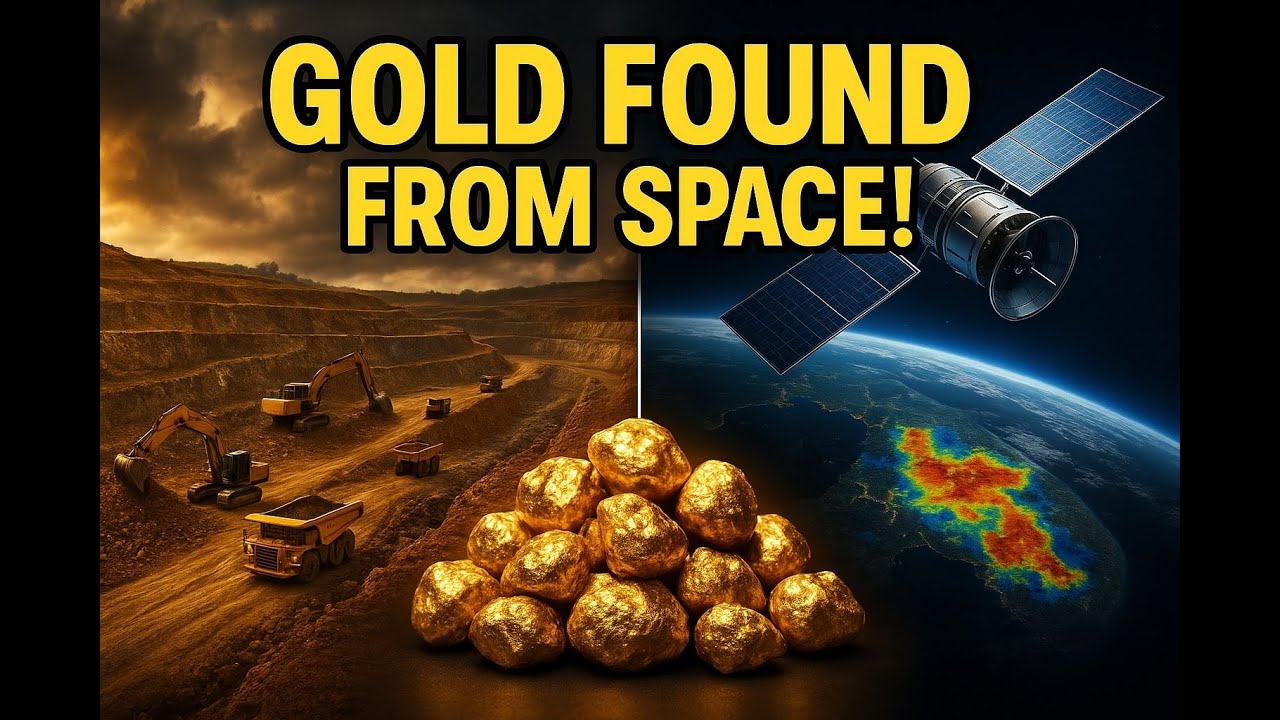
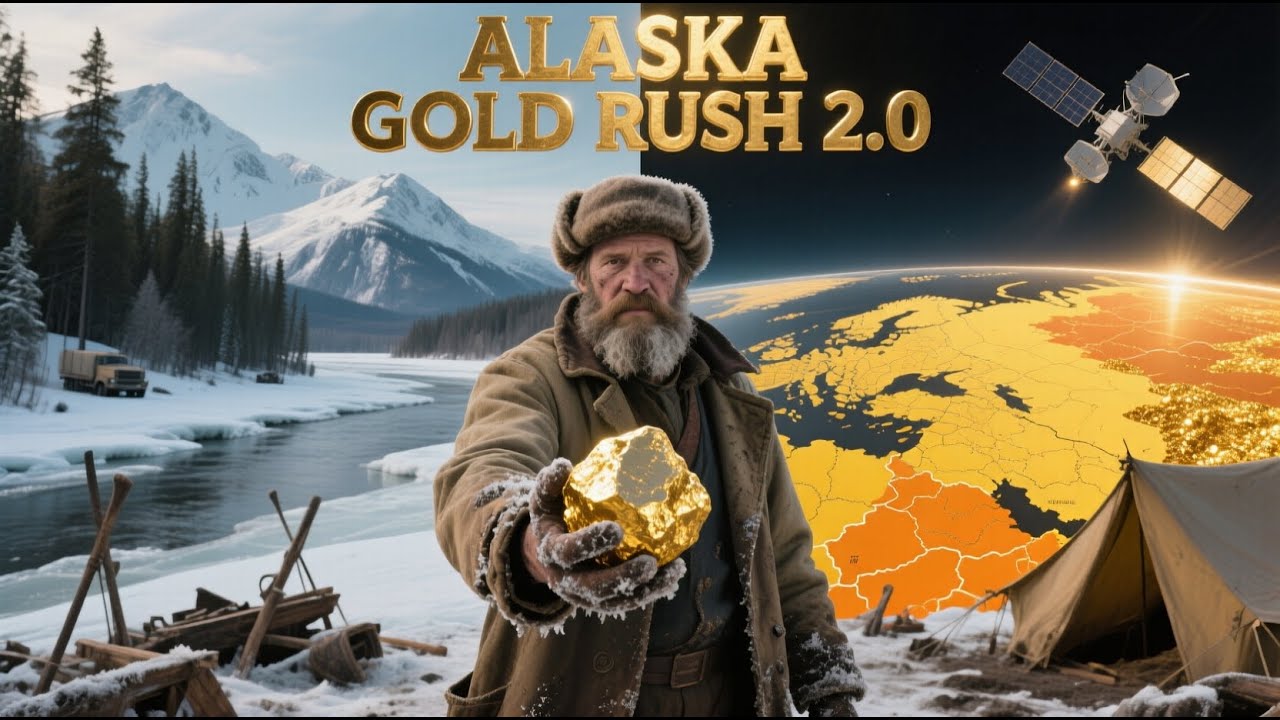
- 🛰️ Satellite-based mineral detection (such as with Farmonaut) eliminates early-phase ground disturbance and cuts costs by up to 85%
- 📡 Drone- and sensor-enabled environmental monitoring enhances compliance and reclamation performance
- ⚡ Energy-efficient processing technologies boost output and minimize environmental impacts
Integration of advanced technology not only accelerates exploration and extraction—it also addressees mounting environmental and social expectations, positioning Canadian mining as a leader in responsible natural resource management.
Map Your Mining Site Here
Utilize Farmonaut’s satellite intelligence portal for rapid, accurate, ESG-friendly mineral detection in any Canadian province or gold district.
Comparative Impact Table: 7 Ways the Gold Mining Industry in Canada Drives Sustainable Growth
| Growth Driver | Estimated Impact | Environmental Benefit | Regional/Community Benefit |
|---|---|---|---|
| Indigenous Employment & Partnerships | 75%+ of mines with Indigenous agreements; Thousands of jobs |
Improved land stewardship, Traditional knowledge use |
Rural employment, capacity building, Skills transfer |
| Progressive Land Reclamation | >80% projects reporting active reclamation | Biodiversity restoration, Lowered erosion, water improvement |
New agricultural/forestry use post-closure, Recreational access |
| Renewable Energy Integration | Up to 40% mines using hydro/solar/wind partially or fully | GHG emissions cut by up to 15% | Stable rural energy access, Lower utility costs |
| Technological Innovation (AI, Satellite, Processing Efficiencies) | Exploration timelines cut by 80%, Cost savings of 80–85% |
No ground disturbance in early exploration, Targeted mining, less waste |
Faster job creation, Better risk management |
| Water Management & Reduction | 80%+ of mines with water reuse & advanced purification | Reduced watershed contamination, Stable water tables |
Sustained agricultural output, Healthier rural habitats |
| Supply Chain Diversification | Increased local procurement, Hundreds of supply/service contracts |
Lowered transport emissions | Stronger regional economies, Resilience during commodity downturns |
| ESG Compliance & Community Consultation | 90%+ projects with ESG frameworks | Better ecosystem health, Transparent reporting |
Greater public trust, Improved policy influence |
Key Insights, Pro Tips, and Highlights
Benefits & Data Visual Lists for Sustainable Gold Mining in Canada
- ✔️ Widespread Indigenous engagement ensures durable social license and mutual prosperity.
- ✅ Adoption of progressive reclamation returns mined lands to agriculture, forestry, and conservation uses faster.
- 📊 Advanced process technology and remote sensing reduce water & energy use, and exploration costs.
- ⚠️ ESG regulations contribute to lower risk and greater stakeholder confidence.
- 🔗 Strong regional supply chains foster economic resilience across commodity cycles.
📍 Key Regional Strengths
- Ontario – Home to multiple large producers and advanced supply infrastructure
- Quebec – Innovative green mining and water treatment
- British Columbia – Pioneering use of AI & satellite data in exploration
- Saskatchewan/Yukon – Focus on Indigenous employment and low-impact practices
🔬 Sustainability Trends to Watch
- Bioleaching & tailings valorization for waste reduction
- Solar and hydropower on-site for reduced emissions
- Integrated water management benefiting local agriculture and forestry
- Automated reclamation monitoring using drone and satellite imagery
Farmonaut’s Role: Satellite Intelligence for Sustainable, Modern Canadian Mining
At Farmonaut, we transform mineral exploration by offering satellite-based mineral detection that helps Canadian mining operators and investors modernize their approach—cost-effectively, rapidly, and in full respect of environmental and community expectations.
- 🌍 Global Reach, Local Impact: Our technology screens vast regions, identifying gold-mineralized target zones before any drilling occurs, reducing risk and avoiding unnecessary disturbance in rural and Indigenous territories.
- 💸 Cost & Time Efficiency: We cut exploration costs by up to 85% and shrink timelines from months or years to weeks or days, streamlining project feasibility in even the most remote Canadian provinces.
- 🌱 Environmental Stewardship: Early remote assessment with Farmonaut means zero site disruption in the initial phases, protecting fragile watersheds and forested areas as prescribed by Canadian ESG policies.
- 📈 Data-Driven Decisions: Premium mineral intelligence reports, 3D prospectivity models, and drilling intelligence (see Satellite Driven 3D Mineral Prospectivity Mapping) position our clients ahead in both technical and commercial planning.
- 🛰️ Simple, Rapid Workflow: Provide a location, select minerals (gold, silver, copper, and more), and let us handle the satellite intelligence—delivered in as little as five business days.
Explore how Farmonaut can help accelerate your compliance, de-risk field campaigns, and foster sustainable development.
Get Your Mining Quote Today: farmonaut.com/mining/mining-query-form
Contact Us for Details: farmonaut.com/contact-us
Frequently Asked Questions: Gold Mining Industry in Canada
Q1: How does the gold mining industry in Canada support rural development?
The gold mining industry in Canada is deeply integrated with rural economies. It anchors local employment, drives supply chain diversification, and supports services that benefit agricultural, forestry, and regional sectors. Through infrastructure development, procurement, and community partnerships, Canadian gold mining companies foster long-term regional resilience.
Q2: What makes Canadian gold mining environmentally responsible?
Canada’s mining industry emphasizes strong environmental stewardship. Mines employ progressive reclamation, advanced water management, and habitat restoration that are closely regulated, with ESG reporting and transparent community consultation. New sensor and satellite-driven innovations reduce emissions and environmental impact.
Q3: How are Indigenous communities engaged in Canadian gold mining?
Over 75% of Canadian gold mines have formal Indigenous partnerships. The industry includes Indigenous engagement in planning, offers local employment and training, and supports procurement of goods and services from Indigenous businesses—ensuring inclusive growth and recognition of Indigenous rights.
Q4: What technologies are transforming exploration in the Canadian gold sector?
Technologies including satellite-based mineral detection, AI-driven geological mapping, and 3D prospectivity modelling are revolutionizing Canadian mining. These approaches speed up exploration, cut costs, and drastically reduce environmental disturbance, especially during early site selection.
Q5: How does Canada’s regulatory framework support sustainable mining?
Canada’s policy and governance emphasize environmental compliance, strong community consultation, tailings and water management, and ESG transparency. These frameworks ensure mining aligns with broader land-use, forestry, and agricultural goals, supporting both industry competitiveness and sustainable regional development.
Leverage Farmonaut’s Satellite-Based Mineral Detection for your next project.
Conclusion: The Canadian Gold Industry as a Sustainability Leader
Canada’s gold mining industry exemplifies the future of sustainable resource development. It demonstrates that mineral extraction can—and must—align with broader regional goals, from environmental stewardship to community empowerment and inclusive local economic resilience.
By driving innovation, integrating Indigenous partnerships, embedding ESG compliance, and synchronizing with forestry and agriculture, the gold sector delivers tangible benefits not only to investors and operators but also to the communities and natural landscapes of Canada.
- Strong governance frameworks keep mining accountable to responsible land use
- Advanced exploration technologies (like those offered by Farmonaut) de-risk operations and accelerate sustainable decisions
- Formal Indigenous engagement and benefit-sharing agreements create a bridge to a more inclusive, empowered future
- Continued focus on reclamation and water management ensures coexistence and shared value with forestry and agriculture
- Canada’s gold sector is well-poised to shape—and lead—the global conversation on sustainable resource development.
Want to accelerate your mineral exploration or ensure your next project is as responsible as it is profitable?
Map Your Mining Site Here
Discover a new era of responsible, data-driven gold mining in Canada.
Empowering communities. Sustaining environments. Advancing discovery.
Partner with technology. Invest in sustainability.
Discussion
Questions, corrections or field experience? Share them below. First-time comments are reviewed before they appear, and your email is never published.
No comments yet. Be the first to add a question or your experience.

 Klusetic Mining Investments
 Mine4Africa
 Lithspo Minerals Limited
 Tintina Mining Group
 Dalgety Minerals Pty Ltd
 Vortex Minerals Pty Ltd
 Faith At Work (Pty) Ltd
 Geotech Mining Solutions plc
 Vulcan International Limited
 Kidepo Associates
 GKY Mining
 Alkimy SARL
 Double A Trading
 GemSprout Metals Limited
 Qader Group
 Ileys General Trading
 SG Gold Mining LLC
 VRV Global Pte Ltd
 Omsri International FZE
 G.I.T.T.
 Jaunita Erss Ltd
 Almosi SARL
 SRK Consulting
 Berks Gold Limited
 Mwerezi Minerals Company Limited










