

Gold Reserves Worldwide, Lithium, Uranium: 2026 Power Map
Explore the distribution, industry impact, and future outlook of gold reserves worldwide, lithium reserves worldwide, and uranium reserves worldwide as we approach 2026. Gain insight into global mining trends, resource management innovation, and the critical roles these minerals play across energy, agriculture, and technology.
“Australia holds over 40% of global lithium reserves, powering the 2026 shift to sustainable tech.”
Summary: Global Reserves of Gold, Lithium, and Uranium in 2026
In 2026, the global reserves of gold, lithium, and uranium continue to be pivotal, shaping the strategic, economic, and technological landscape across countries and industries. These critical minerals underpin everything from financial stability to energy transition, defense infrastructure, agricultural productivity, and sustainable development. Understanding their distribution, significance, and future outlook is essential for countries, investors, and organizations that depend on them for growth and security.
- 🌐 Gold reserves worldwide remain vital for economic stability, finance, advanced manufacturing, and even agricultural equipment.
- 🔋 Lithium reserves worldwide are increasingly critical, fueling the rise of electric vehicles (EVs) and renewable energy storage, and enabling sustainable agriculture technologies.
- ⚛ Uranium reserves worldwide anchor low-carbon nuclear energy solutions and national defense, while their extraction raises complex technological and environmental management questions.
Resource management innovation, especially satellite-driven mineral intelligence, will fundamentally reshape the discovery, extraction, and sustainability practices for gold, lithium, and uranium—minimizing risk and maximizing efficiency across global industries.
Gold Reserves Worldwide: Landscape & Trends for 2026
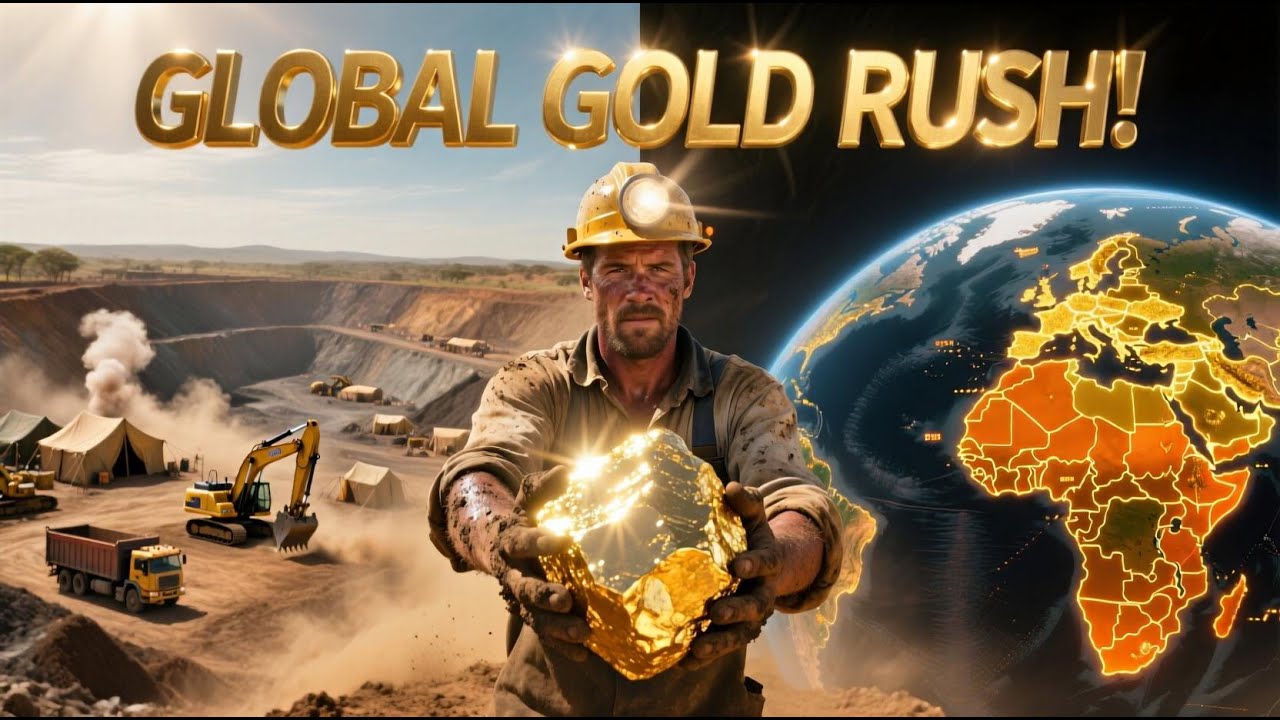
Gold reserves worldwide have always been more than just a monetary asset. In 2026, they stand as a symbol of wealth, a stabilizing hedge against uncertainty, and a core strategic resource for both developed and emerging economies. The total above-ground gold reserves are estimated at about 201,000 metric tons. The largest official holdings (as reported by the World Gold Council) are concentrated in:
- United States: Over 8,100 metric tons
- Germany: Roughly 3,353 metric tons
- Italy: Over 2,450 metric tons
- France: Near 2,436 metric tons
- Russia: Surpassing 2,299 metric tons
While these reserves are held in central banks as part of official monetary systems, new gold exploration remains active. China, Australia, Russia, Canada, and South Africa lead in gold production, each extracting hundreds of tons a year. Emerging exploration zones—especially in Africa (e.g., Ghana, Tanzania, Zimbabwe) and South America (Peru, Brazil)—promise to increase total known reserves, reshaping the global gold map.

Economic and Technological Significance of Gold Reserves Worldwide
- 💰 Financial Stability: Countries use gold reserves to secure currency value and hedge against global economic uncertainty.
- ⚙ Technological Innovation: Gold’s inert chemical properties make it a vital component for precision equipment, including agricultural sensors and corrosion-resistant coatings on farm technologies.
- 🌾 Precision Farming: Advanced gold-based electronics support real-time soil monitoring, automated irrigation, and yield-boosting controls in sustainable agriculture.
- 🌍 Global Trade: Gold’s liquidity underpins mutually beneficial trading between nations, stabilizing crises and supporting long-term investments.
- 🛡 Strategic Defense: Gold forms part of secure government reserves, ensuring flexibility in defense and critical infrastructure funding.
Expect continued demand for gold as global economic volatility encourages countries to consolidate gold holdings and invest in sustainable, digital-based mining operations.
Environmental Practices in Gold Mining & Agricultural Impact
Traditional gold extraction—especially artisanal mining—can produce land degradation, water pollution, and ecosystem disruption. The shift towards environmentally sustainable mining is increasingly critical for countries whose agricultural productivity or local community livelihoods depend on pristine soils and clean water.
- ⚠ Risk: Cyanide and mercury used in gold mining processes are toxic and can leach into rivers, affecting crops, livestock, and local health.
- 📊 Data Insight: Modern satellite monitoring, like Farmonaut’s mineral detection platform, helps identify mining hotspots, track environmental changes, and support remediation efforts—reducing agricultural risks.
- 🌿 Sustainable Gold Operations: Certification programs and digital solutions help promote gold mining that restores land and water for agricultural reuse.

Digital and remotely sensed exploration significantly shortens gold prospecting timelines and pinpoints reserves before costly ground operations begin. Check out Farmonaut’s satellite mineral detection service for early-stage discovery and mapping.

Gold Reserves: Roles and Industry Impact
- ✔ Key Benefit: Diversifies economic security for countries and shields against inflation shocks
- 💡 Technological Application: Core for microchips, medical equipment, and satellite systems essential in precision agriculture and infrastructure
- 🖲 Monetary Systems: Foundation for central bank reserves, enabling stable global trade and finance
- 🌱 Agricultural Input: Used in environmental monitoring devices and sensors to maximize farming efficiency
- 👨👩👧👦 Societal Value: Supports employment, infrastructure, and community development in mining regions
Gold: Leading Countries 2026
- 🇺🇸 United States
- 🇩🇪 Germany
- 🇷🇺 Russia
- 🇨🇳 China
- 🇦🇺 Australia
- 🇫🇷 France
Key Uses of Gold
- 💸 Central Bank Reserve
- 💍 Jewelry and Luxury
- 🖥 Electronics & Sensors
- 🔬 Medical Equipment
- 🌾 Precision Agri-Tech
Relying solely on traditional prospecting can delay discovery and escalate costs. Intelligent, satellite-driven mineral prospectivity mapping is essential in mapping new deposits while minimizing environmental disturbance. Discover the efficiency of digital gold exploration.

Lithium Reserves Worldwide: Energy Transition Powerhouse
The global movement towards decarbonization, electrification, and sustainable industrial growth is impossible without abundant lithium reserves worldwide. In 2026 and beyond, lithium’s strategic importance escalates as EVs, grid-scale battery storage, portable electronics, and even modern agricultural equipment become ubiquitous. The largest reserves are primarily located in:
- Australia: Over 40% of global lithium reserves, translating to 26 million metric tons
- Chile: Around 9 million metric tons, holding a pivotal position in the “Lithium Triangle”
- Argentina: Estimated 2.7 million metric tons
- Bolivia: Untapped potential, possibly as high as 21 million metric tons
- China: 6.8 million metric tons in significant deposits
- United States: 1 million metric tons
Global lithium reserves are estimated to exceed 100 million metric tons—a number set to grow with new discoveries, recycling initiatives, and improved extraction methods. The prominence of Australia and South American countries underscores a major geographic rebalancing for mineral wealth, driving geopolitical strategies and trade partnerships entering 2026.
“Kazakhstan produces about 43% of the world’s uranium, shaping future energy trends by 2025.”

Lithium’s Industrial Uses & Innovation in 2026
- 🔋 Battery Revolution: Lithium-ion batteries, the backbone of EVs and renewable energy storage, drive the global energy transition.
- 🚜 Precision Agriculture: Modern tractors, drones, and irrigation controllers powered by lithium batteries enhance productivity, sustainability, and data-driven farming.
- 📱 Consumer Electronics: Smartphones, laptops, and tools all rely on lithium for lightweight, long-lasting power.
- ♻ Recycling & Circularity: Technological advances are increasing the rate and efficiency of lithium recycling, crucial for sustainability and mitigating raw material shortages.
- 🎯 Strategic Resource: Control over lithium extraction and processing is emerging as a core factor in national and international strategies for economic and energy security.
Effective discovery and management of lithium reserves worldwide will define which countries and corporations lead the electric and digital revolutions of the late 2020s and beyond. Digital, satellite-based prospectivity mapping accelerates infrastructure scale-up for EV manufacturing and renewable energy grids.
Lithium Mining: Environmental Challenges & Sustainable Extraction
Most lithium is extracted from either brine (groundwater, especially in the Lithium Triangle) or hard rock (spodumene) sources (notably in Australia and China). As demand surges, environmental management becomes essential:
- 🌊 Water Use: Brine extraction requires evaporation and uses significant water—raising concerns in arid areas already impacted by agricultural pressures.
- 🏭 Habitat Disruption: Large-scale mines alter landscapes and threaten local ecosystems, including farming communities depending on the same water supply.
- ♻ Sustainable Solutions: Remote sensing and digital monitoring, like Farmonaut’s detection, help identify low-impact exploration targets and support responsible extraction.
- 💎 Recycling Potential: Efficient lithium recycling reduces mining dependence and circularizes supply chains for EVs and grid batteries.
Always assess water resources and potential impact on local agricultural systems before advancing lithium projects. Satellite analytics greatly assist in sustainable planning and regulatory compliance.
Lithium-rich Regions (2026)
- 🇦🇺 Australia
- 🇨🇱 Chile
- 🇦🇷 Argentina
- 🇧🇴 Bolivia
- 🇨🇳 China
- 🇺🇸 United States
Main Industrial Uses
- 🔋 EV Batteries
- 🔌 Grid Storage
- 📱 Consumer Electronics
- 🚜 Electric Farm Equipment
- ⚡ Renewable Energy Integration
- ♻ Battery Recycling
Deep geological insights and 3D prospectivity mapping revolutionize lithium discovery, lowering capital risk and supporting rapid scaling for battery and grid projects.
Explore satellite-driven 3D mineral mapping solutions.
Uranium Reserves Worldwide: Driving Sustainable Energy & Defense
Uranium reserves worldwide remain the keystone of nuclear energy and a cornerstone of national defense entering 2026. The world’s proven uranium reserves total about 6.1 million metric tons. Australia boasts the largest reserve (over 1.8 million tons), followed by Kazakhstan, Canada, Namibia, and Russia.
| Top Uranium Reserve-Holders 2026 | Reserve Estimate (mt) |
| 🇦🇺 Australia | 1,800,000 |
| 🇰🇿 Kazakhstan | 900,000 |
| 🇨🇦 Canada | 600,000 |
| 🇳🇦 Namibia | 450,000 |
| 🇷🇺 Russia | 490,000 |
Kazakhstan, notably, accounts for over 43% of global uranium production, shaping the energy landscape. Uranium remains essential for low-carbon electricity generation, with nuclear reactors supplying over 25% of all clean, baseload power in developed nations.

Strategic, Economic, and Environmental Significance
- ⚛ Clean Energy: Powers nuclear reactors, reducing greenhouse gas emissions and supporting renewable-intensive grids.
- ⚓ Defense: Fuels naval propulsion and X-ray imaging; its strategic significance underpins national security and power projection.
- 💵 Trade Leverage: Countries with uranium reserves influence global energy prices and international relations.
- 💧 Resource Protection: Responsible mining is vital, as contaminated water and nuclear waste threaten both environment and food chains.
All new uranium mining operations in 2026 follow strict environmental restoration guidelines—leveraging both regulatory compliance and satellite-based monitoring to safeguard soil, water, and agricultural productivity.
Contact Farmonaut for more information on satellite-based environmental monitoring.
- 💡 Nuclear Power Expansion: Countries such as China, India, and Russia are boosting reactor deployment, increasing uranium demand.
- 💼 Investment Focus: Sustainable uranium sourcing aligns with ESG targets across global energy and mining portfolios.
- 🌏 Environmental Mitigation: Satellite technology allows real-time radiation risk mapping and post-mining land reclamation tracking.
- 🔄 Recycling: Though still nascent, new technology enables more efficient reprocessing and reuse of spent nuclear fuel.
- 🛡 Geopolitical Leverage: Uranium trade is tightly regulated—countries with significant reserves possess greater strategic autonomy.
Comparative Reserves & Industry Impact Table (2026)
*Bolivia’s estimate is highly variable and subject to ongoing exploration. All data refer to latest available estimates for 2026.

Mining Innovation: Satellite Intelligence & Sustainable Discovery (2026)
Emerging technological advancements are transforming how gold reserves worldwide, lithium reserves worldwide, and uranium reserves worldwide are identified, quantified, and managed. The move toward satellite-based mineral intelligence is at the forefront of this revolution, streamlining early-stage exploration, accelerating timelines, and reducing environmental impacts.
- 🛰 Remote Sensing: Multispectral and hyperspectral satellite data enable non-invasive mineral mapping and prospectivity modeling, reducing need for disruptive fieldwork.
- 🤖 AI & Data Analytics: Artificial intelligence rapidly interprets data, identifying high-potential zones and forecasting resource distribution with high precision.
- 🌍 Global Scalability: Digital platforms handle large, remote, or inaccessible territories, unlocking new reserves in Africa, South America, and Australia.
- ⚡ Faster Project Delivery: Solutions like Farmonaut’s mineral detection cut months or years from traditional exploration timelines.
We at Farmonaut have pioneered a satellite-based mineral detection platform that enables countries, companies, and investors to
screen vast areas, pinpoint mineralized zones, and minimize unnecessary environmental impact, all with quantified time and cost savings. Our structured mineral intelligence reports deliver objective assessments for early-stage projects in gold, lithium, uranium, and a spectrum of critical minerals.

Image ALT: Satellite-based mineral detection and mapping – optimizing gold reserves worldwide for 2026 energy and sustainability goals.
Explore satellite-driven 3D mineral prospectivity mapping for efficient planning, risk reduction, and digital transformation in mining. See sample Farmonaut 3D mapping deliverable.
Challenges & Strategies for Sustainable Resource Management in 2026
Despite advances, countries and industries face several critical challenges in managing gold reserves worldwide, lithium reserves worldwide, and uranium reserves worldwide. Strategic solutions and responsible practices are essential for a sustainable and secure future:
- Environmental Regulation: Mining operations must strictly adhere to global environmental, social, and governance (ESG) principles to preserve land, water, and biodiversity. Satellite monitoring and remote data analytics offer proactive compliance solutions.
- Water and Land Use: Water consumption for lithium and gold extraction, and land disruption from uranium mining, pressure food security and agricultural production. Integrated land-use planning and data-driven resource allocation are needed.
- Recycling & Circularity: Scaling up lithium-ion battery recycling, gold e-waste recovery, and spent nuclear fuel reprocessing reduce resource depletion and emission footprints across sectors.
- Geopolitical Tensions: Rising nationalism and trade controls could disrupt global supply chains; regional cooperation and diversified sourcing will be vital.
- Technology Adoption: Accelerating adoption of satellite intelligence, AI-driven prospectivity mapping, and real-time reporting is critical to remain competitive, efficient, and sustainable.
Neglecting local community engagement can stall mining projects and damage reputations. Engage stakeholders early with transparent data and satellite-backed environmental assurance.
Use the Get Quote tool for fast, customized satellite mineral intelligence—accelerating exploration and investment decision-making.
✔ 5 Takeaways for Mining & Resource Management
- ✅ Gold reserves worldwide remain a pillar for finance, technology, and agricultural modernization.
- ✅ Lithium reserves worldwide power the global battery revolution, with Australia, Chile, and the Lithium Triangle leading resource control.
- ✅ Uranium reserves worldwide are central in clean energy production and strategic national defense, especially for Australia, Kazakhstan, and Russia.
- ✅ Satellite-driven exploration is reshaping early-stage mining, reducing cost, environmental risk, and operational barriers.
- ✅ Sustainable practices, community engagement, and technological innovation will define which countries and corporations succeed in the minerals market beyond 2026.
Satellite-based mineral intelligence not only lowers exploration barriers, but also provides critical data for ESG compliance, social license, and digital transformation. Contact Farmonaut to discover how we support sustainable, data-driven mining across the world’s most important minerals.
Frequently Asked Questions
Conclusion: Defining the 2026 Resource Power Map
As we move into the late 2020s, gold reserves worldwide, lithium reserves worldwide, and uranium reserves worldwide stand at the heart of global industry, technological advancement, and sustainability strategies. Their distribution, effective management, and responsible extraction are essential for economic stability, national security, green innovation, and agricultural productivity.
With the emergence of satellite-based mineral intelligence—delivering rapid, cost-efficient, and non-invasive solutions for mapping gold, lithium, and uranium—countries, investors, and companies can create smarter policies, safeguard communities, and unlock new economic opportunities. The ability to balance resource extraction with environmental stewardship is the defining factor influencing the future outlook for all nations and industries that depend on these strategic minerals.
Ready to transform your mineral exploration for the next decade?
Get a quote today with Farmonaut’s digital mineral intelligence tool.
Discussion
Questions, corrections or field experience? Share them below. First-time comments are reviewed before they appear, and your email is never published.
No comments yet. Be the first to add a question or your experience.

 GKY Mining
 Alkimy SARL
 Double A Trading
 GemSprout Metals Limited
 Qader Group
 Ileys General Trading
 SG Gold Mining LLC
 VRV Global Pte Ltd
 Omsri International FZE
 G.I.T.T.
 Jaunita Erss Ltd
 Almosi SARL
 SRK Consulting
 Berks Gold Limited
 Mwerezi Minerals Company Limited
 Mining SARL
 SenGold Invest SAS
 Sean Mining Limited
 NTS Group (Pty) Ltd
