

Lithium, Gold, Uranium Deposits Worldwide: 2026 Map
Global Deposits of Lithium, Gold, and Uranium: Strategic Resources in 2025
Introduction: Why Lithium, Gold, and Uranium Shape Our World
In 2026, the global landscape for lithium deposits worldwide, gold deposits worldwide, uranium deposits worldwide is more dynamic and critical than ever before. As strategic minerals, these resources underpin the energy transition, economic development, modern infrastructure, and defense capabilities, making them prized assets for nations aiming to secure resource independence and achieve technological leadership.
From the lithium triangle’s salt flats to the legendary Witwatersrand gold basin, and the vast uranium fields of Kazakhstan, their distinct roles in global progress are poised to shape economies and environmental strategies far into the future. This 2026 map and analysis unveil how mining, sustainability efforts, and innovation intersect to deliver solutions for agriculture, energy, electronics, and more.
“By 2025, global lithium production is projected to exceed 150,000 metric tons, fueling electric vehicle and battery innovation.”
Lithium Deposits Worldwide: The Green Powerhouse (2026)
Lithium is at the core of the world’s move toward greener, smarter, and more resilient energy systems in 2026. As the primary element in rechargeable batteries for electric vehicles (EVs), grid-scale storage solutions, and innovative portable electronics, lithium demand is rising at an exponential rate. According to industry projections, as nations accelerate efforts to decarbonize economies and shift to renewables, the global need for lithium deposits worldwide will continue to surge.
Key Global Regions & Major Lithium Deposits for 2026
Concentrated in regions with unique geochemical and climatic advantages, lithium resources exist in two main forms: brine and hard rock (spodumene). The Lithium Triangle—spanning Argentina, Chile, and Bolivia—hosts the world’s largest brine deposits, found beneath vast salt flats (salars) where climate-driven evaporation makes extraction competitive and scalable.
- ✔ Chile: The Salar de Atacama yields high-purity lithium through brine evaporation, making it a global leader.
- ✔ Argentina: Projects in the Salar del Hombre Muerto and Olaroz target rapid expansion, leveraging abundant brine reserves.
- ✔ Bolivia: With massive untapped salars—especially Salar de Uyuni—Bolivia harbors remarkable potential, though accessibility and extraction remain technical challenges.
- ✔ Australia: In Western Australia, hard rock mining in the Greenstone Belts (notably at Greenbushes) delivers the world’s largest volume of lithium production, relying on spodumene ore processing.
Africa & Emerging Lithium Regions
- ✔ Nigeria & DRC: Rapid exploration, rising reserves, and a renewed mining focus are positioning these regions as future growth hubs.
- ✔ China: Qinghai/Tibet’s salt lakes and Sichuan’s hard rock assets sustain China’s leading battery supply chain.
For companies and governments, understanding the spatial, geological, and technical variance across lithium deposits worldwide is essential for guiding mining strategies, investment decisions, and resource security.

Lithium’s Expanding Role in Energy, Sustainability, and Agriculture
- 📊 Batteries & Storage: Lithium-ion batteries are indispensable for the energy transition—powering EVs, distributed renewables, and smart grid infrastructure.
- ⚡ Indirect Agricultural Benefits: While not a direct fertilizer, lithium-driven advances are enabling renewable energy storage to electrify irrigation, automated equipment, and sustainable rural infrastructure.
- ⚠ Water Use Challenge: Large-scale brine extraction, especially in arid regions, poses water management risks, affecting local ecosystems and agricultural communities.
- 🌱 Key Sustainability Efforts: Modern lithium mining increasingly includes water recycling, saline waste minimization, and environmental restoration commitments.
Securing stable lithium supplies is now essential for economic independence and decarbonization. The expansion of electric vehicles (EVs) in 2026 will hinge on how nations manage their lithium resources—with Australia and the Lithium Triangle at the strategic crossroads.

Estimated Major Lithium, Gold, and Uranium Deposits by Country/Region (2026)
A comparative table offers clear, structured insight into the distribution and sustainability efforts around lithium deposits worldwide, gold deposits worldwide, and uranium deposits worldwide heading into 2026.
| Country/Region | Estimated Deposit Size | Primary Deposit Type | Leading Mine(s) | Sustainability Initiatives/Status |
|---|---|---|---|---|
| Australia |
Lithium: ~5.7 Mt (LCE) Gold: ~10,000 tons Uranium: ~1.2 Mt (U3O8) |
Hard Rock (Spodumene), Greenstone, Sandstone-hosted Uranium | Greenbushes (Li), Super Pit (Gold), Olympic Dam (Uranium) | Mine rehabilitation, extensive renewable integration, water management |
| Argentina | Lithium: ~2.5 Mt (LCE) | Brine (Salars) | Salar del Hombre Muerto, Olaroz | Brine evaporation pond upgrades, pilot direct lithium extraction |
| Chile |
Lithium: ~9 Mt (LCE) Gold: ~2,300 tons |
Brine (Lithium), Hard Rock, Placer | Salar de Atacama, El Peñón (Gold) | Water recycling mandates, biodiversity offset projects |
| Bolivia | Lithium: ~21 Mt (LCE, untapped) | Brine (Salars) | Salar de Uyuni | Tech development for direct extraction, pilot green tech adoption |
| Kazakhstan | Uranium: ~650,000 tons (U3O8) | Sandstone-hosted (ISR mining) | Central Mynkuduk, Inkai | ISR minimizes surface impact, saline aquifer management |
| Canada |
Gold: ~2,100 tons Uranium: ~500,000 tons (U3O8) |
Greenstone (Gold), Basement-hosted (Uranium) | Abitibi (Gold), Cigar Lake (Uranium) | Progressive land rehabilitation, Indigenous community engagement |
| Russia |
Gold: ~5,300 tons Lithium: ~1.2 Mt (LCE) |
Siberian hard rock, placer | Sukhoi Log (Gold), Kola Peninsula (Li) | Reforestation, waste minimization, pilot carbon offset |
| Democratic Republic of the Congo | Lithium: ~650,000 tons (LCE) | Hard Rock (pegmatite) | Manono Project | Scope for ESG integration, early-stage monitoring |
| USA |
Lithium: ~750,000 tons (LCE) Gold: ~3,000 tons Uranium: ~200,000 tons (U3O8) |
Clay, brine, hard rock, sandstone/roll-front (Uranium) | Thacker Pass (Li), Nevada Gold Mines, Smith Ranch-Highland (Uranium) | Mine reclamation, solar/wind energy linkages |
| China |
Lithium: ~4.5 Mt (LCE) Gold: ~2,000 tons Uranium: ~70,000 tons (U3O8) |
Salt lake brines, hard rock, various | Qinghai/Tibet Salt Lake, Zijin Gold, Xiangshan Mine (Uranium) | Government-driven water conservation, rare earth recycling pilots |
Note: LCE = Lithium Carbonate Equivalent. Gold in tons. Uranium as U3O8 (triuranium octoxide) metric tons.
Sustainability initiatives/status are ongoing and subject to expansion through 2026.
High deposit volumes do not guarantee economic viability—mining technology, cost structures, regulatory climate, and sustainability initiatives critically influence the investment attractiveness of each region’s deposits.

Gold Deposits Worldwide: Beyond Wealth and Jewelry
Gold remains both a cornerstone of wealth and a critical element for industries including electronics, aerospace, and defense. In 2026, gold deposits worldwide are increasingly valued not just for their monetary role but for their strategic use in infrastructure and advanced technology solutions.
Major Gold-Producing Regions: Geography, Geology, and Opportunities
- ✔ South Africa: The legendary Witwatersrand Basin has produced over a third of all gold ever mined, making it the planet’s largest historical producer.
- ✔ Australia: Goldfields in Western Australia (e.g., Kalgoorlie, Super Pit) continue to drive national exports and resource investment.
- ✔ Russia: Siberian gold belts and the giant Sukhoi Log deposit ensure Russia’s role in global production growth.
- ✔ Canada: The Abitibi Greenstone Belt between Ontario and Quebec remains a premier gold zone, fueling local economies and innovative mining.
- ✔ USA: Nevada’s prolific Carlin Trend and Alaska’s remote placer operations make the US one of the world’s top gold producers.
Gold’s Expanding Roles in the Global Economy
- 💡 Electronics: Exceptional electrical conductivity, resistance to corrosion—essential for high-reliability connectors, semiconductors, aerospace components.
- 🏗 Economic Development: Gold mining funds major infrastructure projects—especially in remote regions—while driving jobs and fostering technical advancement.
- 🌳 Environmental & Social Oversight: Expansion often intersects with forestry and agricultural land, requiring advanced environmental management (land rehabilitation, responsible water use, biodiversity offsets).

Consider not only the purity and size of gold deposits but also the regulatory and environmental frameworks in a given region for long-term project success and investment security.

-
🥇 South Africa: Witwatersrand Basin
-
🥈 Australia: Western Goldfields
-
🥉 Russia: Siberian Deposits
“Over 50% of the world’s uranium mining in 2025 will come from just three countries: Kazakhstan, Canada, and Australia.”
Uranium Deposits Worldwide: Nuclear Energy & Defense
Uranium deposits are the foundation for nuclear power—currently the world’s largest source of low-carbon baseload energy. As of 2026, uranium is also indispensable for defense applications, from nuclear submarines to deterrence infrastructure.
Major Uranium Producers & Geologic Settings
- ⚛ Kazakhstan: The world’s largest uranium producer. In-situ leaching (ISR) in sandstone-hosted deposits (e.g., Central Mynkuduk, Inkai) delivers high volumes with minimized surface disruption.
- ⚛ Canada: Athabasca Basin hosts high-grade, basement-hosted uranium in Northern Saskatchewan, most notably at Cigar Lake and McArthur River mines.
- ⚛ Australia: Olympic Dam and Ranger mines exploit uranium-rich sandstones and hard rock, contributing to secure supply chains and global energy transition goals.
- ⚛ Namibia & Niger: Africa’s premier uranium exporters, leveraging arid landscape geology and foreign investment.
- ⚛ Russia & USA: Russia’s Priargunsky region and US roll-front deposits reinforce northern hemisphere energy security.
With global plans for nuclear expansion and growing uranium deposits worldwide essential for meeting stable power demand, mining operations must combine strict environmental management with regulatory oversight.
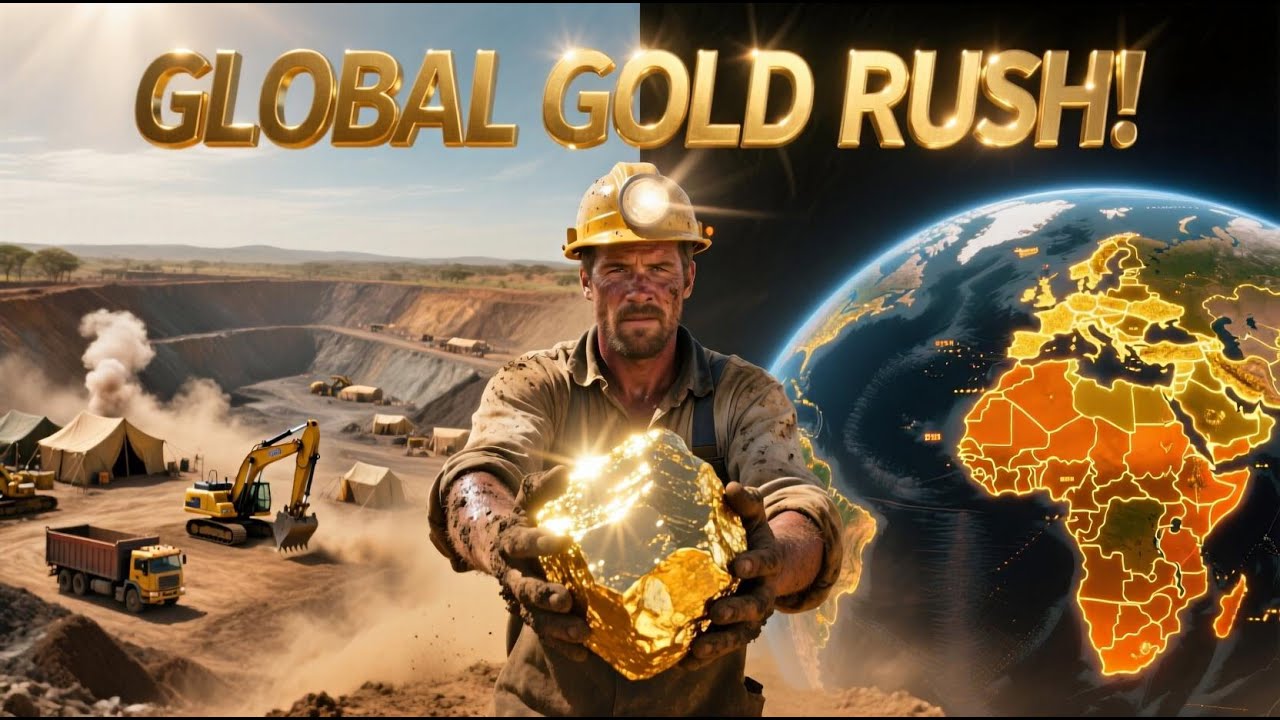
Overlooking the complexity of environmental compliance and radiological management in uranium mining can jeopardize project licensing, local community trust, and long-term profitability.
Uranium’s Role in Energy, Security, and Environmental Stewardship
- 🔋 Low-Carbon Power: Nuclear remains a keystone in decarbonization, providing reliable baseload electricity for grid resilience.
- 🛡 Defense & Security: Strategic applications in military propulsion and national energy security.
- 🌍 Land & Water Oversight: ISR minimally disturbs above-ground ecosystems but must tightly control groundwater impacts and radiological risks.
- 🗺 Geography & Access: Political stability and access agreements are pivotal for global uranium supply continuity.
Mapping the Future: Technology & Innovation Transforming Exploration
Mineral exploration is experiencing a renaissance as satellite-based analytics, artificial intelligence, and remote sensing solutions drive down costs, increase precision, and align mining with sustainability and regulatory scrutiny.
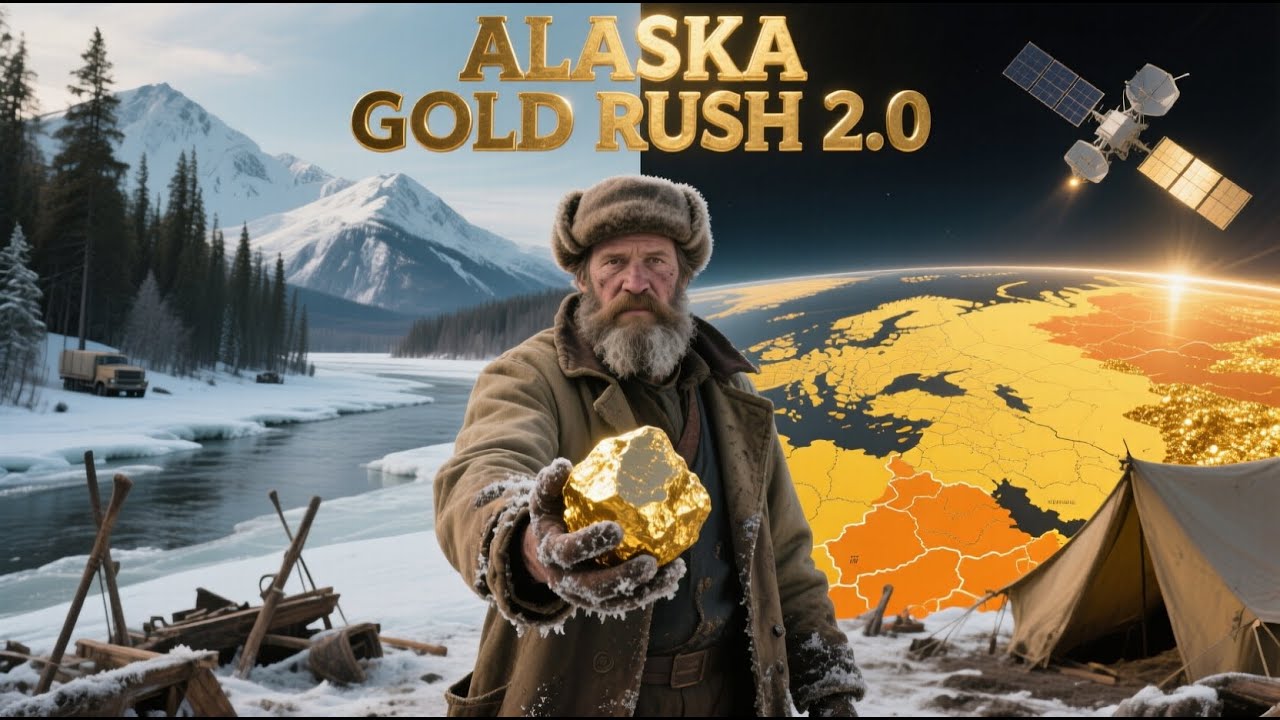
Satellite Intelligence for Mining: Gamechanger for Deposits Worldwide
- 🌐 Broader Area Coverage: Evaluate entire greenstone belts or salt flats from orbit, reducing fieldwork burden and costs by up to 80-85%.
- ⚡ Speed & Agility: Satellite-driven mineral detection compresses decision timelines from months or years to days.
- ✅ Non-Invasive Discovery: Early-stage target identification via spectral signatures eliminates ground disturbance and minimizes carbon footprint.
- 💧 Advanced Water & Environmental Monitoring: Use remote data to monitor water impact zones and track rehabilitation progress in real time.

Sustainability, Economic, and Strategic Importance for 2026
- 🌱 Sustainability: Major mining jurisdictions have rolled out broad efforts to balance production growth with environmental stewardship—from water management in lithium brines to land rehabilitation in gold fields and ISR best practices in uranium extraction.
- 💸 Economic Development: Deposits fund critical infrastructure, drive job creation, and power technological innovation—particularly in remote, rural, and emerging regions.
- ⛓ Geopolitical Security: As demand for critical minerals intensifies, resource-rich nations leverage their assets to attract investment, forge international trade links, and bolster national defense frameworks.
- 📈 Supply Chain Resilience: Secure access to lithium, gold, and uranium is increasingly crucial for advanced manufacturing, electronics, green energy, and sovereign independence.
-
🚜 Agriculture & Rural Electrification: Indirect lithium and uranium benefits
-
⚡ Energy Transition: Nuclear (uranium) and battery metals (lithium) power renewables and grids
-
🏭 Technological Advancement: Electronics, automation, and resource-efficient mining
-
🛡 Defense Security: Strategic mineral reserves for critical national assets
Farmonaut: Advancing Satellite-Based Mineral Intelligence
As we confront rising demand and complex sustainability & geopolitical requirements, Farmonaut’s satellite-based mineral detection platform provides a modern, effective, and environmentally friendly route to discover and understand lithium deposits worldwide, gold deposits worldwide, and uranium deposits worldwide.
We at Farmonaut leverage remote sensing, Earth observation, and AI-driven analytics to scan large regions—across continents like Africa, South America, North America, Asia, and Australia—flagging high-potential zones for exploration. This dramatically reduces time, capital, and environmental disturbance, enabling mineral prospecting that is aligned with ESG principles and commercial efficiency.
Our satellite-based mineral detection solution is tailored for exploration professionals who need to evaluate vast and geologically diverse terrains—bringing clarity and reliable data long before field teams are deployed, bridging the gap between environmental responsibility and economic opportunity.
For advanced projects, our satellite driven 3D mineral prospectivity mapping supports 3D subsurface modeling, optimal drilling recommendations, and actionable reports—empowering informed, risk-mitigated investment and operational decisions.
Why Farmonaut Matters for Modern Mining
- 🚀 Speed: Reduce exploration from years to days; gain first-mover advantage on new deposits.
- 🌎 Scale: Analyze entire basins or belts—across more than 80,000 hectares—uncovering patterns and hotspots missed by traditional methods.
- 🕵️♂️ Intelligence: Evaluate not just deposit presence but also alteration zones, structure, and host lithologies, using either multispectral or hyperspectral data.
- 💰 Cost: Save up to 85% on early exploration expenditure by narrowing drilling targets and fieldwork scope.
- 🌱 Sustainability: No ground disturbance at the exploration stage; optimal for environmentally sensitive or regulated regions.
Satellite mineral intelligence is revolutionizing prospecting—not just for mining firms and governments, but also for investors seeking rapid, actionable clarity on where to deploy capital for global mineral ventures.
- ✔ Lithium, gold, and uranium deposits remain the backbone of the world’s economic and technological transition.
- ⚡ Top regions in Australia, Latin America, Africa, and Eurasia are set to dominate deposit expansion in 2026 and beyond.
- 🛡 Strategic mineral security depends on advanced exploration, ESG compliance, and international competitiveness.
- 🌎 Farmonaut’s solutions empower more sustainable, efficient exploration—bridging science, technology, and commercial goals.
- 📈 The importance of innovative, responsible mining continues to rise as mineral demand is projected to grow exponentially through 2030.
Frequently Asked Questions
- Q1: What factors determine where large lithium, gold, or uranium deposits are found?
- Deposits typically occur in regions with unique geological history—tectonic rifting for lithium salars, ancient greenstone belts for gold, or sandstone-basement contacts for uranium. Climate, hydrogeology, and tectonics all play vital roles.
- Q2: What are the main environmental challenges in mining these minerals?
- Water use and brine management (lithium); deforestation, habitat loss, and cyanide/mercury control (gold); radiological and groundwater contamination (uranium). Modern methods are designed to mitigate these impacts with stricter regulations and clean technologies.
- Q3: Who are the largest global producers for each resource?
- In 2026 it remains: Australia (lithium), South Africa/Ghana/Australia (gold), and Kazakhstan/Canada/Australia/U.S. (uranium).
- Q4: Is Farmonaut a drilling or mining company?
- No, we are a satellite data analytics platform for mineral detection and prospectivity mapping. We do not conduct ground mining/extraction or machinery sales.
- Q5: How do new technologies improve mineral exploration?
- Satellite-based intelligence accelerates target discovery, reduces costs, covers larger areas, and supports sustainable, non-invasive early-stage exploration.
Key Insights, Pro Tips, and Investor Notes
- ✔ Key Insight: The economic and strategic value of lithium, gold, and uranium will only increase as the world pivots toward clean energy and advanced technology deployment.
- 💡 Pro Tip: Factor in sustainability credentials—water management, renewable energy integration, and community engagement—as major factors when evaluating deposit exploitation.
- 📌 Investor Note: Diversify portfolios with a focus on regions actively investing in sustainable mining and regulatory innovation to ride the next mineral boom.
- ⚠️ Common Mistake: Prioritizing quantity of resources over quality, access, and extraction challenges can lead to costly overruns or delays.
- 🌍 Market Application: Use advanced satellite analytics alongside on-site data for balanced, risk-mitigated resource exploration and investment.
Outlook for 2026 and Beyond: Navigating Opportunity and Risk
As we look beyond 2026, lithium deposits worldwide, gold deposits worldwide, uranium deposits worldwide will remain critical catalysts of the modern age—powering the green transition, strengthening infrastructure, and supporting resilient economies. Mining, investment, and policy must work in unison to align economic development with environmental and social responsibility.
Innovations such as Farmonaut’s satellite-driven mineral intelligence are poised to lead this evolution, transforming exploration into a faster, smarter, and more sustainable pursuit. We stand at the nexus of technology, geology, and global strategy—ready to foster a future where strategic minerals fuel prosperity while protecting our shared planet.
Contact & Additional Resources
- Get a Custom Quote: farmonaut.com/mining/mining-query-form
- Contact Us: farmonaut.com/contact-us
-
Learn about Satellite-Based Mineral Detection: farmonaut.com/satellite-based-mineral-detection
– For remote, rapid, and non-invasive mineral prospecting - Advanced 3D Prospectivity Mapping: View Farmonaut’s 3D mineral mapping solution

 Alkimy SARL
 Double A Trading
 GemSprout Metals Limited
 Qader Group
 Ileys General Trading
 SG Gold Mining LLC
 VRV Global Pte Ltd
 Omsri International FZE
 G.I.T.T.
 Jaunita Erss Ltd
 Almosi SARL
 SRK Consulting
 Berks Gold Limited
 Mwerezi Minerals Company Limited
 Mining SARL
 SenGold Invest SAS
 Sean Mining Limited
 NTS Group (Pty) Ltd
