

Largest Gold & Silver Deposit in the World: Location & Facts – Sustainability, Environmental Implications & Land Use Planning
“The Grasberg mine in Indonesia holds over 67 million ounces of gold, making it the world’s largest gold deposit.”
Introduction: Why the Largest Gold & Silver Deposits Matter
The largest gold deposit in the world commands not just awe for its sheer scale, but deep environmental, social, and economic significance. Gold and silver are not merely precious metals shaping financial markets—they are strategic resources whose discovery, mining, and management affect landscapes, water systems, soil health, and the livelihoods of local communities.
In this comprehensive blog post, we delve into the largest deposit of gold in the world, its location, and the intersecting factors of environmental impacts, sustainable stewardship, and implications for agriculture, forestry, and rural development. Whether you are a mining professional, environmental planner, agricultural stakeholder, or community advocate, understanding the global geography, resource management challenges, and best practices for integrating large-scale mining with resilient landscapes is essential.
The intersection of flagship gold and silver deposits with agricultural and forestry landscapes drives global land use planning, shapes environmental regulations, and impacts community well-being across continents.
✔ Quick Overview of Major Themes:
- Largest deposits shape regional and global mining geography
- Water, soil, and land management are central concerns
- Integrated planning supports sustainable mining, agriculture, and forestry
- Reclamation and rehabilitation enable productive reuse of affected lands
- Robust environmental governance is essential for future-proofing both mining and agriculture
“Sustainable mining practices can reduce water contamination by up to 60% in gold-rich regions like Papua, Indonesia.”
Where Are the Largest Gold & Silver Deposits Located?
The largest gold deposit in the world, and similarly, the largest silver deposit in the world, are not single sites but are distributed across multiple geological formations and mining districts worldwide. However, a few flagship mines and belts stand out due to their scale, output, and global significance.
🌍 World’s Premier Gold Deposits: Locations & Facts
- Grasberg Mine (Papua, Indonesia) – The single largest gold deposit globally, co-located with one of the largest copper reserves. Estimated reserves exceed 67 million ounces.
- Muruntau Mine (Kyzylkum Desert, Uzbekistan) – One of the world’s biggest open-pit gold mines with reserves estimated above 150 million ounces, making Uzbekistan a significant gold producer.
- Olympic Dam (South Australia) – A renowned multi-metal deposit with substantial gold and silver; also known for copper and uranium.
- Carlin Trend (Nevada, USA) – A belt of prolific gold mining districts, currently home to several flagship open-pit and underground operations.
- South Deep (South Africa) – Among the world’s deepest and largest gold mines by reserves and past production.
🌎 World’s Largest Silver Deposits: Locations & Facts
- Penasquito (Mexico) – The largest silver reserve in the world, also containing significant gold and zinc—key for global silver output.
- Polkowice-Sieroszowice (Poland) – The major European silver deposit, also contributing copper and other base metals.
- Kongsberg Silver District (Norway) – Historically significant and still relevant for silver output.
- Fresnillo (Mexico) – One of the oldest continually operated silver mines and a top modern producer.
- San Cristobal (Bolivia) – South America’s top source, with wide-reaching land and water impacts.
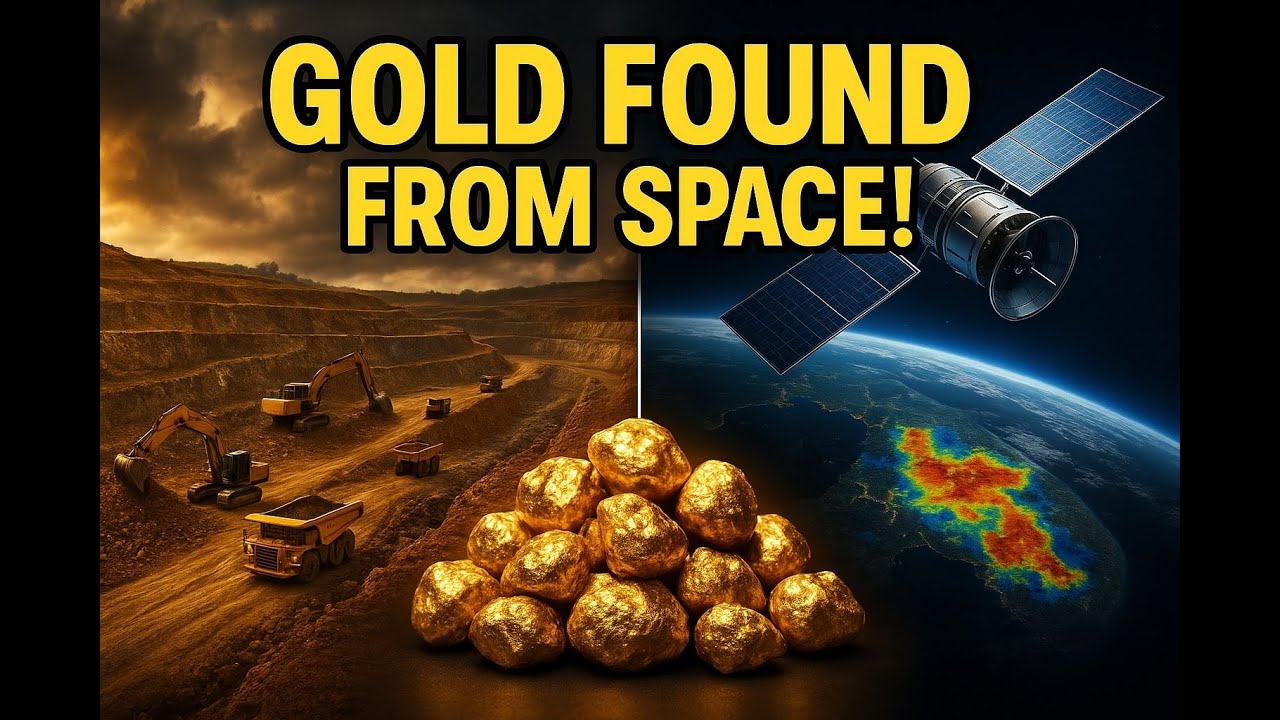
For technical mining teams and investors, uplifting exploration efficiency and accuracy is vital. Satellite-based mineral detection technologies enable rapid, non-invasive identification of mineralized zones, minimizing environmental footprint in early exploration.

Geological Context: How the World’s Largest Deposits Form
Most largest gold deposits and silver deposits form within mineral belts that span vast geological formations. These belts, such as the Carlin Trend or Witwatersrand Basin, are associated with unique transformations of bedrock, hydrothermal fluids, volcanic activity, and tectonic movements. The primary ore characteristics and their extraction challenges vary by region, dictating not just what is found and how it is mined, but also how environmental management must adapt along the way.
Gold is frequently spatially associated with copper, uranium, silver, and other base metals. This often amplifies the environmental implications of mining due to the mixed extraction processes and tailings management needs.
Key Geological Processes Behind Prolific Deposits
- Hydrothermal Alteration: Hot, mineral-laden fluids interact with rocks, concentrating gold, silver, and other metals into economic lodes.
- Tectonic Fractures: Faults and fractures create conduits for mineral-rich fluids to deposit valuable metals.
- Sedimentary Concentration: Ancient river and lake beds accumulate heavy minerals—including gold—over millions of years (as seen in Witwatersrand, South Africa).
Water, Soil, and Land: Environmental Implications of the Largest Deposits
The position and scale of the largest gold deposit in the world or the largest silver deposit in the world are inseparable from the fate of water resources, soil health, and landscapes nearby. Mining operations often overlap with agricultural and forestry lands, creating both challenges and opportunities for integrated land use planning.
🌊 Water Resource Management: Key Pressures & Mitigation
- Groundwater Drawdown: Mining can lower aquifer levels, impacting both farmland irrigation and community wells.
- Surface Water Pollution: Runoff containing metals or acid-rock drainage can contaminate rivers, lakes, and wetlands downstream of major deposits.
- Tailings Containment: Tailings dams hold mining waste, but require strict management to prevent catastrophic releases affecting adjacent ecosystems.
🌱 Soil Integrity & Land Health: Major Implications
- Heavy Metal Migration: Contaminants can move into soils, impacting crop productivity and soil ecology.
- Erosion & Slope Instability: Land disturbance from extraction increases erosion risks, especially on hill slopes, threatening both agriculture and forestry.
- Soil Rehabilitation Challenges: Returning land to productive farming or forestry use requires progressive reclamation, soil amendments, and careful reseeding or reforestation.
Underestimating the long-term impacts of tailings containment failure or unmanaged acid drainage can cause lasting harm to downstream farmland, forest ecosystems, and community water supplies.
🏞️ 5 Key Environmental Pressures Associated With Large Metal Deposits:
- ⚠ Groundwater drawdown can desiccate adjacent farmland and wetlands
- ⚠ Acid rock drainage (ARD) increases river and lake contamination risks
- ⚠ Dust and sediment from mining threaten crops, livestock, and forest edges
- ⚠ Heavy metals (e.g. arsenic, mercury) may migrate into agricultural soils
- ⚠ Habitat fragmentation can disrupt local wildlife corridors and biodiversity
Agriculture, Forestry & Rural Communities: Land Use and Livelihoods
The presence of the largest deposit of gold in the world or major silver reserves introduces complex land use dynamics. Often, mining operations overlap with agricultural production zones and forested lands that sustain communities. The need for balanced coexistence makes collaborative planning, transparent engagement, and long-term restoration essential.
International mining investment increasingly hinges on measurable sustainability performance—especially water management, reclamation, and support for productive land reuse post-mining.
🧑🌾 Implications for Farmers & Rural Communities:
- 🌾 Livelihood Risks: Reduced access to clean water, soil contamination, or land loss can imperil agricultural productivity.
- 🌾 Opportunity for Land Restoration: Progressive reclamation and agroforestry can return land to farming or grazing use after mining closure.
- 🌳 Forestry Interests: Maintaining wildlife corridors, controlling erosion, and reforesting degraded lands support forest health and resilience.
- 🤝 Community Engagement: Top-down planning often fails; participatory planning supports balanced outcomes and protects community interests.
🌲 Visual List: Coexistence Strategies for Mining, Agriculture & Forestry
-

Agroforestry: Merge trees, crops, and mining rehabilitation strategies for soil and habitat restoration. -

Layered Water Management: Diversion, wetlands treatment, and riparian buffers protect quality and flow. -

Reforestation: Plant native species to stabilize tailings and repair hillside erosion. -

Soil Amendments: Restore degraded soils with organic matter, lime, and minerals for productive reuse. -

Community Engagement: Joint planning and agreements ensure mining benefits support rural livelihoods.

🌽 Visual List: Smart Land Use Approaches Near Major Mining Sites
-

Agricultural Buffer Zones: Designate and protect farm environments with vegetated barriers, especially along watercourses. -

Mine Site Fencing: Secure active and closed sites to minimize unauthorized land or water contamination. -

Cover Crops: Use fast-growing vegetation on reclaimed soil to restore land quickly for farm or pasture use. -

GIS-Based Planning: Digital mapping supports integrated guidelines for land, water, and agriculture/forestry.
Best Practices: Sustainable Mining, Farming & Reclamation with the Largest Gold & Silver Deposits
With largest gold deposit in the world, location, and largest silver deposit in the world often adjacent to productive farmland or forests, best practices span sustainable water use, tailings containment, soil restoration, and land reuse.
🌱 Essential Sustainable Practices Across Major Deposits
- ✅ Layered Diversion of Surface Runoff: Segregates clean and contaminated flows, minimizing downstream impacts.
- ✅ Wetlands-Based Water Treatment: Natural and engineered wetlands filter mine water, boosting biodiversity and water quality.
- ✅ Progressive Land Reclamation: Rehabilitates disturbed lands, returns farmland to use quickly, and stabilizes soil structure.
- ✅ Erosion Control Strategies: Terracing, coir mats, re-seeding, and buffer strips stabilize hill slopes and riparian areas.
- ✅ Agroforestry & Green Infrastructure: Blends productive tree crops with habitat restoration for community, economic, and environmental gain.

Farmers, foresters, and mining companies benefit greatly from clear land-use agreements, access to environmental expertise, and long-term support for rehabilitation and productive reuse of post-mining landscapes.
5 Pillars of Sustainable Mining in Agricultural & Forested Regions
- Comprehensive Impact Assessment: Use transparent, stakeholder-driven baseline and cumulative impacts studies.
- Integrated Water Management: Implement adaptive monitoring, treatment, and conservation with community input.
- Soil Health Restoration: Apply best-in-class soil amendment, organic matter input, and microbial restoration post-mining.
- Agroforestry & Biodiversity Corridors: Design reclamation that favors native species mix, economic crops, and ecosystem function.
- Long-Term Reclamation & Productive Reuse: Prioritize plans that support rural livelihoods and landscape resilience for generations.

Unlock the benefits of rapid, non-invasive satellite prospectivity mapping for your exploration projects with mining.farmonaut.com—the portal to intelligent mineral targeting and site analysis.

How Farmonaut Empowers Modern Mineral Exploration
At Farmonaut, we offer satellite-based mineral detection and 3D mineral prospectivity mapping to mining companies, investors, and environmental planners seeking a sustainable edge. Our approach leverages Earth observation, advanced remote sensing, and artificial intelligence to fundamentally improve how gold, silver, and other critical minerals are discovered and mapped globally.
🌍 What Sets Farmonaut Apart?
- 🛰️ Global Coverage: We have mapped targets across Africa, South America, North America, Asia, and Australia—demonstrating excellence across diverse geological formations.
- 🚀 Time & Cost Savings: Satellite-driven workflows reduce exploration timelines by up to 85% vs. ground surveying, while avoiding landscape disturbance at the earliest stages.
- 🌱 Sustainable Discovery: Our technology produces no ground disturbance in early project phases, eliminates unnecessary drilling, and delivers rapid, environmentally non-invasive insights.
- 📊 Actionable Intelligence: Our reports highlight high-potential zones, prospective geology, and depth estimates—all with GIS-ready files for seamless site planning.
- 🔍 Multi-Mineral Detection: Beyond gold and silver, our solutions support base metals, lithium, rare earths, and more (see product details).
For decision-makers requiring even greater precision, our satellite-driven 3D mineral prospectivity mapping (Explore 3D Visualization Benefits) supports optimal drilling, reduces risk, and enables more targeted, cost-effective mineral exploration. We eliminate wasted resources and support environmental stewardship at the earliest decision point.

Comparative Impact & Sustainability Table: Top Gold & Silver Deposits
| Deposit Name & Location | Estimated Gold/Silver Reserve (tonnes) | Est. Annual Output (tonnes) | Nearby Water Bodies | Major Soil Types | Land Area Affected (sq km) | Environmental Impact Level | Sustainable Mining Practices Implemented |
|---|---|---|---|---|---|---|---|
| Grasberg, Papua, Indonesia (Gold) | ~2,085 t (67M oz gold) ~29,000 t silver |
~64 t (gold) | Ajkwa River; Wetland systems | Volcanic, alluvial – acidic | >90 sq km | High | Yes – tailings dam upgrades, water treatment, progressive reclamation |
| Muruntau, Uzbekistan (Gold) | >4,000 t (150M oz gold) | ~60 t (gold) | Amu Darya River (regional) | Desert, sandy-loam | ~50 sq km | Medium | Yes – runoff containment, dust suppression, revegetation |
| Penasquito, Zacatecas, Mexico (Silver/Gold) | >500 t (16M oz gold) 18,000 t (580M oz silver) |
~12 t (gold), ~800 t (silver) | Regional arroyos | Calcic, semi-arid grassland | 40 sq km | Medium | Yes – dry-stack tailings, progressive restoration, community support programs |
| Olympic Dam, South Australia (Gold/Silver/Uranium) | ~67 t (2.2M oz gold); 360 t (11.6M oz silver) | ~3 t (gold), ~20 t (silver) | Local ephemeral creeks | Arid, calcareous, stony sands | >40 sq km | Medium | Yes – brine management, groundwater monitoring, land rehabilitation |
| Polkowice-Sieroszowice, Poland (Silver) | ~1,500 t (48M oz silver) | ~35 t (silver) | Oder and Barycz Rivers | Floodplain, silty loam | 25 sq km | Medium | Yes – modern water treatment, reforestation |
| Fresnillo, Zacatecas, Mexico (Silver) | ~680 t (22M oz silver) | ~20 t (silver) | Juchipila River | Calcareous, semi-arid clay | 20 sq km | Low | Yes – legacy site remediation, agricultural land return |
📊 Comparative Table Key Takeaways:
- ✔ Grasberg leads all deposits in both gold inventory and environmental pressures.
- ✔ Modern mining operations in Mexico, Australia, and South Africa illustrate progressive sustainable practices.
- ✔ Sites with advanced tailings, water, and land management programs demonstrate reduced risk to downstream agriculture and greater opportunity for successful reclamation.
FAQ: Frequently Asked Questions About the Largest Gold & Silver Deposits & Land Use
Q1: Where is the largest gold deposit in the world and how does its location affect local lands?
The largest gold deposit is Grasberg, Papua, Indonesia, impacting vast rainforest, river, and mountainous ecosystems. Its location near productive agricultural valleys and forested slopes increases the need for comprehensive water, soil, and land management.
Q2: What risks do the world’s largest silver deposits pose to farming?
Silver-rich mining regions, especially in Mexico, Poland, and Bolivia, expose local farmland to risks such as sedimentation, transient contamination, and soil quality decline. Best practices focus on soil monitoring, tailored tailings stabilization, and timely reclamation.
The companies behind output in these regions are listed with their main operations in the guide to major silver producing companies.
Q3: Can mine reclamation truly restore productive farmland?
Yes, with progressive restoration, use of organic amendments, and post-closure site engineering, large mines can often return land to agricultural or forestry use. Success depends on early planning, adaptive management, and ongoing stakeholder engagement.
Q4: How does water management at large gold and silver mines benefit downstream users?
Robust water management—diversion, treatment, and buffer zones—minimizes heavy metal and sediment migration. This safeguards river water quality, wetlands, and irrigation supplies for downstream communities, increasing resilience and productivity.
Q5: What role does satellite technology play in modern sustainable mineral discovery?
Satellite intelligence allows for rapid, large-scale mineral prospectivity mapping with no ground disturbance, guiding environmental and operational planning from the outset. It reduces wasted exploration, improves cost efficiency, and strengthens non-invasive management of sensitive areas.
Conclusion: Towards Balanced, Productive Land Use in Regions With the Largest Gold & Silver Deposits
The largest gold deposit in the world, location, and the largest silver deposit in the world exert tremendous influence over local and regional land-use dynamics. Their impacts on water resources, soil health, agricultural productivity, and community livelihoods underscore the necessity of integrated, science-based planning.
Today, advanced tools—including Farmonaut’s satellite mineral detection and satellite-driven 3D prospectivity mapping—offer a zero-disturbance, rapid-response pathway to sustainable exploration, protecting land and water integrity at a global scale.
Ultimately, the productive coexistence of mining, agriculture, and forestry in precious metal-rich regions requires transparency, engagement, and a commitment to proactive land and water stewardship. By embedding sustainability and restoration at every stage, communities, mining stakeholders, and ecosystems all benefit—ensuring the enduring value of our world’s most prolific gold and silver deposits.
- 🛰️ Map Your Mining Site Now: mining.farmonaut.com
- 📄 Discover Our Satellite-Based Mineral Detection Product: Learn More
- 🎯 Satellite-Driven 3D Prospectivity Mapping: See Detailed Example
- 📧 Contact our team for tailored solutions: Contact Us
Discussion
Questions, corrections or field experience? Share them below. First-time comments are reviewed before they appear, and your email is never published.
No comments yet. Be the first to add a question or your experience.

 Vortex Minerals Pty Ltd
 Faith At Work (Pty) Ltd
 Geotech Mining Solutions plc
 Vulcan International Limited
 Kidepo Associates
 GKY Mining
 Alkimy SARL
 Double A Trading
 GemSprout Metals Limited
 Qader Group
 Ileys General Trading
 SG Gold Mining LLC
 VRV Global Pte Ltd
 Omsri International FZE
 G.I.T.T.
 Jaunita Erss Ltd
 Almosi SARL
 SRK Consulting
 Berks Gold Limited
 Mwerezi Minerals Company Limited
 Mining SARL
 SenGold Invest SAS
 Exploration consultancy · South Africa · Gold










