

Lithium Extraction Process: Mineral vs Water Compared – Innovations and Impact on Sustainable Agriculture & Forestry Systems
- Introduction: Why Lithium and Extraction Methods Matter
- Trivia: Did You Know?
- The Lithium Extraction Process: Mineral Deposits
- The Lithium Extraction Process: Extracting Lithium from Water
- Comparative Table: Mineral vs Water-Based Lithium Extraction
- Environmental Considerations & Management in Extraction Techniques
- Technology & Innovation in Lithium Extraction
- Supply Chain Impact: Agriculture and Forestry Systems
- Farmonaut’s Role in Modern Mineral Exploration
- Frequently Asked Questions (FAQ): Lithium Extraction
- Conclusion & Key Takeaways
Introduction: Why Lithium and Extraction Methods Matter
Lithium is increasingly critical for energy storage and modern technologies across various systems—from consumer electronics to electric vehicles, and importantly, to agriculture and forestry equipment. As the backbone of lithium-ion batteries, its relevance in supplying sustainable power isn’t minor—it’s foundational. Yet, the lithium extraction process itself shapes the environmental and economic landscape, especially when comparing mineral mining versus extracting lithium from water sources such as brines and geothermal fields.
To understand the impact of lithium supply on agriculture and forestry systems, it’s essential to view extraction not through speculative or purely chemical abstractions but through the real-world lenses of mining, processing, water stewardship, and supply chain integration. This comprehensive guide explores:
- How lithium is extracted from mineral deposits;
- How lithium is extracted from water-based sources;
- Environmental management and community engagement;
- Supply chain implications for farming and forestry technology.

The Lithium Extraction Process: Mineral Deposits Explained
When we refer to the lithium extraction process compared to the process of extracting lithium from mineral deposits, we are referring to sourcing lithium from solid mineral-containing rocks, most notably spodumene. Here’s a breakdown of the process and its technical specifics.
Overview of Hard Rock Lithium Mining
- ✔ Location: Frequently undertaken in regions like Australia, Brazil, and some parts of Africa.
- ✔ Resource: Key minerals include spodumene, lepidolite, petalite.
- ✔ Operations: Open-pit or underground mining of ore bodies hosting lithium-rich minerals.
- ✔ Key Considerations: Land disturbance, overburden, tailings, and dust management.
Technical Steps in Mineral-Based Lithium Extraction
- Ore Selection & Mining: Targeted extraction from mineralized bodies; spodumene is mined for its high lithium content.
- Crushing & Grinding: The ore is crushed and ground to liberate lithium crystals from the surrounding rock matrix.
- Beneficiation: The crushed ore undergoes dense media separation, flotation, and other concentrating steps to produce concentrates with a higher proportion of lithium minerals.
- Roasting/Acid Treatment: Spodumene concentrates are heated at high temperatures (roasting) to convert α-spodumene (low-reactivity) to β-spodumene (high-reactivity). Sometimes, acid or alkaline treatment is required to render lithium soluble.
- Dissolution & Purification: The processed material is mixed with reagents; soluble lithium compounds are collected post-filtration and further purified.
- Crystallization: Lithium is crystallized as lithium carbonate or lithium hydroxide, generating saleable compounds for battery and manufacturing uses.
Key Insight
Visual List: Core Steps in Mineral-Based Lithium Extraction
- 🔍 Ore Selection → Identify and mine lithium-rich ore bodies
- ⚙️ Crushing & Grinding → Liberate lithium minerals for beneficiation
- 🧪 Beneficiation → Separate and concentrate lithium minerals
- 🔥 Roasting or Acid Treatment → Enhance solubility for further extraction
- 💧 Dissolution → Extract lithium in solution phase
- ❄️ Crystallization → Purify and crystallize lithium into saleable forms

Common Mistake
Pro Tip

The Lithium Extraction Process: Extracting Lithium from Water Compared
Extracting lithium from water—whether from saline brines or geothermal waters—is rapidly growing both in adoption and innovation. This contrasting pathway focuses on the chemical engineering challenges of resource salinity, evaporation, and recovery.
Overview of Water-Based Lithium Extraction
- ✔ Location: Most common in salt flats of South America (Chile, Bolivia, Argentina), but expanding to geothermal fields in Nevada (USA), Europe, and Asia.
- ✔ Resource: Saline brines, geothermal fluids with high lithium concentrations in dissolved form.
- ✔ Operations: Evaporation ponds or direct lithium extraction (DLE) using advanced membranes, ion-exchange resins, or solvent extraction.
- ✔ Key Considerations: Water use and recycling, byproduct management, regional community engagement.
Technical Steps in Water-Based Lithium Extraction
- Brine Collection: Brines are pumped from subterranean saline horizons or geothermal sources to the surface.
- Evaporation: Brines are routed through a system of evaporation ponds, where ambient heat and intense sunshine allow water to evaporate, enriching the lithium concentration.
- Selective Recovery: As the brine concentration rises, steps like precipitation, ion-exchange, or solvent extraction are applied to selectively extract lithium amid other present salts and minerals.
- Purification: Lithium salts are further purified to separate them from potash, boron, and magnesium—common byproducts in brine extraction.
- Conversion & Crystallization: Finally, the solution is processed into high-purity lithium carbonate or lithium hydroxide crystals for commercial supply chains.

Visual List: Steps in Water-Based Lithium Extraction
- 💧 Brine Extraction → Pumping saline or geothermal fluids to the surface
- 🌞 Evaporation → Enrich lithium concentration via natural or accelerated evaporation
- 🧪 Chemical Recovery → Use ion-exchange, solvent extraction, or precipitation
- 🔬 Purification → Separate lithium from co-produced salts and impurities
- ❄️ Crystallization → Form lithium salts for supply
Investor Note
Comparative Table – Lithium Extraction Methods: Mineral vs. Water-Based Processes
| Extraction Method | Process Steps (Est. Number) |
Time to Extract (Days) |
Typical Lithium Recovery (%) | Environmental Impact | Relevance to Agriculture/Forestry Supply Chains |
|---|---|---|---|---|---|
| Mineral Extraction | 6–8 (mining, crushing, grinding, beneficiation, roasting, leaching, purification, crystallization) | 30–180+ (end-to-end process, variable by scale and mineral) | 65–80% (dependent on ore grade and process efficiency) | High water use, substantial land disruption, significant tailings and dust generation | Soil/groundwater contamination risk, potential impact on nearby farmland/forests, but easier for regions with little surface water |
| Water-Based Extraction | 6–7 (brine pumping, evaporation, chemical separation, purification, crystallization) | 180–730 (evaporation ponds) 1–30 (direct lithium extraction/DLE) |
40–90% (higher for DLE, lower for traditional brine evaporation) | High water use but 30% less land disruption, risk of brine-induced groundwater depletion, byproduct salt accumulation | Less soil disturbance, but local water stewardship concerns for farms/irrigation, byproduct re-use/recycling opportunities |
Key Insight

Environmental Considerations & Management in Extraction Techniques
Both lithium extraction from mineral deposits and extracting lithium from water bring substantial environmental considerations. The management of these impacts is central to site design, community engagement, and long-term sustainability.
Major Environmental Impacts:
- 📊 High Water Use: Mineral-based extraction may use up to 500,000 gallons per ton. Water-based extraction may reduce land use but can stress local water tables.
- ⚠ Land Disruption: Mining leads to significant land disturbance, overburden, and tailings piles.
- 🚩 Dust and Waste: Dust management, tailings containment, and chemical reagent control are pivotal to avoiding community health impacts.
- 💧 Water Stewardship: Brine extraction emphasizes careful groundwater replenishment, salt byproduct management, and water recycling to prevent ecosystem stress.
- 🦋 Ecological Impact: Sensitive habitats near either extraction site can incur lasting impacts if not managed (soil compaction, salinity, contaminated runoff).
Community Engagement Highlight
5 Key Points to Remember:
- ✔ Control water and chemical input to minimize contamination and ecological footprints
- ✔ Prioritize dust and tailings management for safety of adjacent farms, forests, and communities
- ✔ Restore land post-extraction to support long-term agricultural or forestry use
- ✔ Engage local stakeholders early for sustainable development
- ✔ Monitor, report, and adapt on-site processes with contemporary remote sensing and geospatial technologies
Pro Tip
Technology & Innovation in Lithium Extraction
Jumping from theory to practice, let’s spotlight key innovations reshaping both mineral and water-based lithium extraction processes:
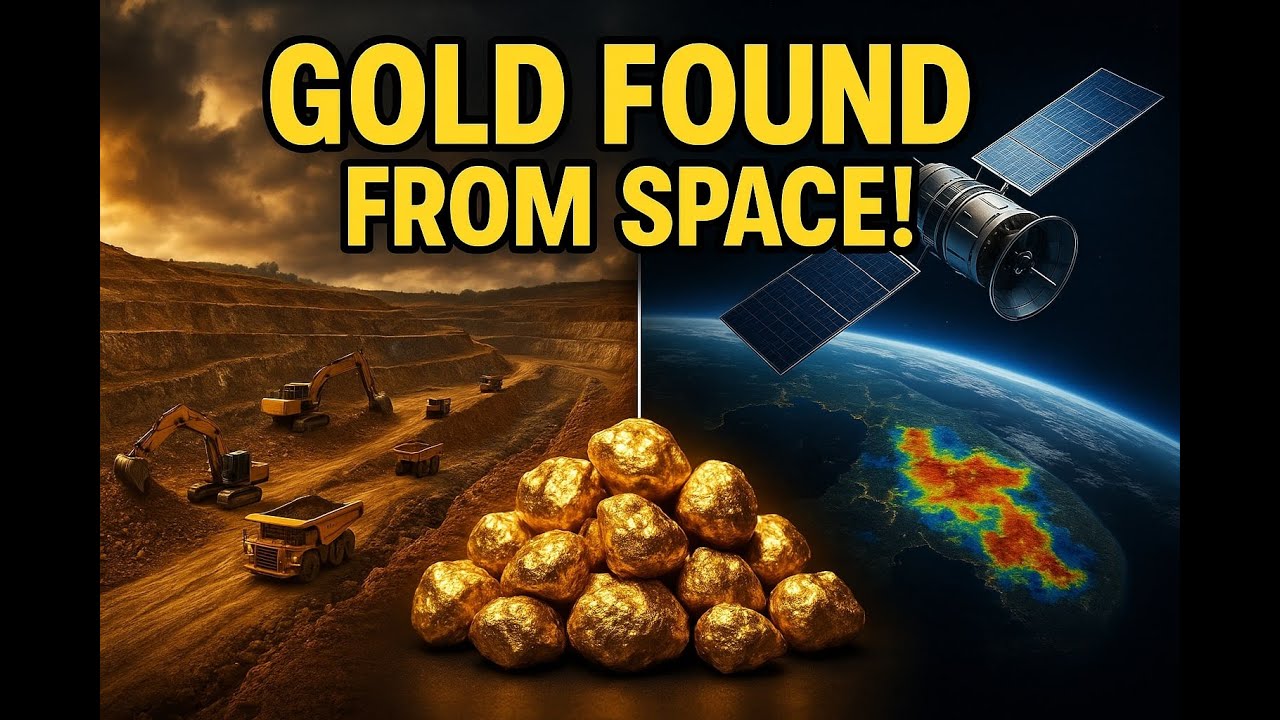
- 🚀 Satellite Mineral Detection: Spectral analysis for prospect targeting saves time, costs, and the environment. Explore Farmonaut’s AI-powered satellite-based mineral intelligence.
- 💡 3D Prospectivity Mapping: Visualizes underground veins, reachable ore, and concentration hotspots—supporting optimal drilling strategy. Review more at Farmonaut’s Satellite Driven 3D Mapping.
- 🔬 Direct Lithium Extraction (DLE): Uses advanced resins and membranes to accelerate lithium recovery from brine, significantly reducing evaporation time and land use.
- 🌱 Circular Water Use Systems: Recovery of byproduct salts (magnesium, potash, boron), and recycling of process water for irrigation or industrial use, especially near agricultural hubs.
- 🛰️ Remote Sensing & AI Analytics: Monitor shifts in land, groundwater, crop health, and forest cover near mining sites, integrating with agriculture systems supply security.

Visual List: Modern Extraction Technology Highlights
- 🎯 Satellite Intelligence → Speeds up prospect site selection with minimal ground impact
- 🌍 Multimineral Detection → Simultaneous mapping of lithium, cobalt, rare earths
- ⏱️ Process Optimization → DLE slashes extraction timelines and energy input
- 💧 Closed-Loop Water Use → Reduces ecological disruption and sustains local agriculture systems
- 📊 Data-Driven Decision-making → Quantified outcomes; real-time reporting; stakeholder confidence
Common Mistake
Supply Chain Impact: Agriculture & Forestry Systems
While lithium is not cultivated in the fields or forests, its role as a critical supply chain enabler for energy, storage, and electrified equipment is second to none for modern agriculture and forestry systems.
- ✔ Battery Storage: Powering automated irrigation, electric tractors, sensors, pumps, forestry drones, and weather stations.
- ✔ Supply Chain Security: Reliable regional lithium supply backs up digital farming infrastructure by reducing risk of battery shortages.
- ✔ Environmental Stewardship: Ensuring sustainable sourcing of lithium aligns extraction with regional biodiversity and land health priorities.
- ✔ Land Restitution: Sound post-extraction management allows eventual re-use of sites for farming or reforestation, minimizing permanent disruption.
- ✔ Resource-Efficient Practices: Closed-loop water systems in brine lithium recovery can support agricultural water needs and reduce over-extraction stress.
5 Key Benefits for Farming & Forestry Stakeholders
- ✔ Clean Energy Reliability for hybrid & automated systems
- ✔ Supply Chain Transparency with traceable lithium sourcing
- ✔ Efficient Water Management in water-based extraction regions
- ✔ Enhanced Community Engagement and shared value creation
- ✔ Reduced Ecological Footprint through modern extraction technologies
Farmonaut’s Role in Modern Mineral Exploration
At Farmonaut, we contribute to sustainable lithium discovery and extraction, particularly at the earliest, most environmentally sensitive stages of the exploration chain. Our satellite-based mineral intelligence offers transformative advantages:
- Non-Invasive Target Detection: We identify lithium and other critical mineral signals without any ground disturbance, covering vast landscapes efficiently.
- AI-Driven Analyses: Our proprietary algorithms process multispectral and hyperspectral satellite data to reveal target deposits and alteration zones, along with relevant geological patterns.
- Accelerated Timeframes: Instead of months of field surveys, we deliver actionable mineral maps and reports within days to weeks.
- Global Reach & Adaptability: From lithium in Nigeria to rare earths in Canada or cobalt in the DRC, our track record spans five continents and a wide spectrum of commercial minerals.
- Cost-Effective Outcomes: Our clients routinely cut exploration budgets by 80–85% compared to traditional methods, freeing resources for higher-impact initiatives.
- Supporting Responsible Mining: By narrowing drill targets, we help avoid unnecessary disturbance, thereby advancing environmental stewardship and aligning with ESG imperatives.
Key Insight
Frequently Asked Questions (FAQ): Lithium Extraction Process Compared
Q1: What are the major differences between lithium extraction from minerals versus from water?
Mineral-based lithium extraction involves mining, crushing, and chemically processing solid ore such as spodumene, with higher land disruption and intensive beneficiation. Water-based extraction utilizes brine pumping, evaporation, and dissolution/precipitation steps, which lower surface disruption but raise concerns over water resource management and byproduct handling.
Q2: Is one extraction method more sustainable than the other?
Both have trade-offs. Brine-based methods generally reduce land disturbance by over 30% but can stress water sources and create large salt byproducts. Hard rock mining causes more immediate ecological disruption but is often favored in regions with water scarcity. Technology and site-specific management determine the sustainability of each approach.
Q3: How does lithium supply affect agriculture and forestry systems?
Lithium underpins storage for electric equipment—tractors, irrigation systems, sensors, and logistics. Stable, ethically sourced supply chains help ensure resilient modern farming and forestry, benefitting wider food, fiber, and climate strategies.
Q4: How does Farmonaut contribute to sustainable mineral exploration?
We deliver non-invasive, fast, and cost-effective satellite-based lithium (and other mineral) prospectivity analysis, reducing unnecessary ground disruption and streamlining high-confidence investment decisions while aligning with environmental stewardship values.
Q5: How quickly can a company get satellite-based mineral intelligence from Farmonaut?
Reports are typically delivered within 5–20 business days, depending on the area, mineral complexity, and reporting tier selected. This radically compresses exploration timeframes compared to standard field-based survey methods.
Conclusion & Key Takeaways
The need for lithium as a critical energy storage mineral grows as the world pivots toward electrification in farming, forestry, and allied systems. Understanding the lithium extraction process—both from minerals and water-based sources—is fundamental for making informed decisions along the global supply chain. Here are the core lessons:
- ✔ Mineral extraction is best for regions with less surface water, but increases land disruption and tailings
- ✔ Water-based extraction (brine, geothermal) can minimize land footprint but requires vigilant water management and innovative chemical engineering to address byproducts
- ✔ Technological advances (satellite monitoring, DLE, 3D mapping) are key to balancing economic, supply, and ecological objectives in both pathways
- ✔ Farmonaut’s satellite mineral intelligence unlocks access to accurate, sustainable, and non-invasive mineral mapping, supporting responsible growth in electrified agriculture and forestry
- ✔ Long-term success for stakeholders depends on sustainable extraction, community engagement, and alignment with climate, food security, and environmental stewardship mandates
- ✔ Mineral vs. Water Extraction: Each has unique process, time, and ecological implications—balance by region and technology.
- 📊 Supply Chain Reliability underpins all farming and forestry equipment electrification.
- ⚠ Environmental Risk arises mainly from uncontrolled water/land use and byproduct mismanagement—advanced monitoring and community participation mitigate this.
- 🌱 Sustainability comes from integrating satellite mineral intelligence, process optimization, and closed-loop water systems.
- 📩 Connect with Farmonaut for the next-generation of responsible and rapid lithium prospectivity analysis: Contact Us
Final Investor Note
Whether advancing battery-powered agriculture, exploring for new deposits, or shaping future forestry technologies—the sustainability of lithium extraction today shapes the resilience of food, fiber, and energy systems tomorrow.
Discussion
Questions, corrections or field experience? Share them below. First-time comments are reviewed before they appear, and your email is never published.
No comments yet. Be the first to add a question or your experience.

 Geoticgy
 GemSprout Metals Limited
 Qader Group
 Ileys General Trading
 SG Gold Mining LLC
 VRV Global Pte Ltd
 Omsri International FZE
 G.I.T.T.
 Jaunita Erss Ltd
 Almosi SARL
 SRK Consulting
 Berks Gold Limited
 Mwerezi Minerals Company Limited
 Mining SARL
 SenGold Invest SAS
 Sean Mining Limited
 NTS Group (Pty) Ltd
 Mine4Africa
 Lithspo Minerals Limited










