

Lithium Extraction from Batteries, Water, & Clay: 2026
Table of Contents
- Introduction: Lithium’s Pivotal Role in the 21st Century
- Trivia: The Growing Impact of Recycling and Water Extraction on Lithium Supply
- Lithium Extraction: Advances and Shifting Paradigms
- Lithium Extraction from Batteries: Closing the Loop
- Video: Rare Earth Boom 2025 ? AI, Satellites & Metagenomics…
- Lithium Extraction from Water: Mining Brines, Geothermal, and Seawater
- Video: Arizona Copper Boom 2025 ? AI Drones, Hyperspectral & ESG…
- Lithium Extraction from Clay: Unlocking Clays for Sustainable Growth
- Video: Satellite Mineral Exploration 2025 | AI Soil Geochemistry…
- Comparative Table: Batteries vs. Water (Brine) vs. Clay Extraction
- Trivia: Water Use Reduction with New Extraction Technologies
- Environmental and Economic Considerations of Lithium Extraction
- Farmonaut: Satellite, AI, and Blockchain Solutions for Mining
- Implications for the Mining and Minerals Sector in 2026
- Frequently Asked Questions (FAQ)
- Conclusion: Toward a Circular & Sustainable Lithium Future
Introduction: Lithium’s Pivotal Role in the 21st Century
Lithium, often termed the “white gold” of the 21st century, has rapidly become a pivotal element in powering the global transition to clean energy. Its primary use in lithium-ion batteries for electric vehicles (EVs), grid-scale energy storage systems, and personal consumer electronics has caused global demand to accelerate exponentially.
But as we approach 2026, the mining sector faces mounting pressure to innovate and diversify lithium extraction methods to both meet soaring demand and minimize environmental impacts. This evolution is critical not only for energy security but also for maintaining a sustainable minerals supply chain during this decade’s clean transition.
In this article, we explore lithium extraction from batteries, water, and clay—dissecting 2025’s key mining innovations, highlighting environmental and supply chain challenges, and clarifying what these advancements mean for companies and economies worldwide.
“Lithium from recycled batteries could supply up to 30% of global demand by 2026, reshaping extraction methods worldwide.”
Lithium Extraction: Advances and Shifting Paradigms
Lithium extraction methods have historically focused on traditional mining from hard rock (spodumene) and brine sources. However, the global push towards electrification and clean energy is changing this landscape:
- Lithium extraction from batteries is fast emerging as a crucial component in the circular economy, reducing reliance on fresh minerals and recycling valuable metals like cobalt and nickel alongside lithium.
- Lithium extraction from water—including both conventional brine mining and advanced techniques targeting geothermal brines and seawater—is expanding the available lithium resource base.
- Lithium extraction from clay deposits is increasingly vital as new processing technologies make otherwise marginal reserves economically viable and more sustainable.
Let’s methodically explore each advanced extraction method and their impact on the minerals sector, environmental sustainability, supply chain resilience, and technology innovation.
Lithium Extraction from Batteries: Closing the Loop
The Circular Economy Opportunity
With the surge in electric vehicles (EV) penetration expanding rapidly into 2025 and beyond, spent lithium-ion batteries present both a challenge and an opportunity:
- Challenge: Growing volumes of used EV batteries add to the e-waste burden, posing disposal and resource risks within mining-dependent economies.
- Opportunity: Efficient recycling and lithium extraction from batteries allows us to recover not just lithium, but also cobalt, nickel, and other valuable metals, ensuring a more sustainable supply chain.
Current and Next-Generation Recycling Processes
- Mechanical Dismantling: Initial step to separate casings, electrodes, and cathode material; essential for clean, safe recovery.
-
Hydrometallurgical Processing:
- Uses aqueous leaching methods (often acid-based) to dissolve lithium and other metals.
- Advances are targeting lower reagent use and greater recovery rates to reduce environmental footprint.
-
Pyrometallurgical Smelting:
- High-temperature process to recover metals by melting battery materials.
- While robust, it is increasingly being optimized to minimize energy consumption and emissions.
-
Direct (Closed-Loop) Recycling:
- Emerging innovation that preserves and restores cathode materials, minimizing loss of structure and maximizing reuse.
By 2026, technological advancements have enabled recyclers to achieve:
- Higher overall recovery rates (upwards of 90% for lithium and accompanying metals in state-of-the-art plants)
- Declining costs per ton of extracted material due to automation, advanced separation, and economies of scale
- Scaling up direct recycling to preserve battery chemistries and enable “closed-loop” manufacturing
This approach ensures that lithium recovery from batteries is not just environmentally essential, but also economically competitive.
Environmental Benefits of Lithium Extraction from Batteries
- Drastically reduces the need for fresh mining, especially of hard rock and brines, lowering overall mining footprint
- Reduces e-waste and associated leachable toxins
- Advances the circular supply chain paradigm in minerals and energy industries
As industry and government efforts align to create regulatory incentives and standardized recycling frameworks, lithium extraction from batteries will play an increasingly dominant role in the global supply.

For large-scale operations needing blockchain-based product traceability, technologies like Farmonaut Traceability can provide secure supply chain validation and transparency as part of an eco-focused, recycled minerals value chain.
Lithium Extraction from Water: Mining Brines, Geothermal, and Seawater
Traditional Brine Extraction
Lithium mining has historically relied heavily on extracting lithium-rich brines from salt flats. Nowhere is this more prominent than in the so-called “Lithium Triangle” of South America—encompassing Chile, Argentina, and Bolivia. These salt flats hold the largest global reserve concentrations and have traditionally underpinned global lithium production.
Our explainer on how lithium is extracted from brine breaks the salt-flat process into stages.
- Brines are pumped to the surface, evaporated over months to years, and processed for lithium carbonate or lithium hydroxide.
- However, this process is water- and land-intensive, creates brine waste, and can degrade fragile desert ecosystems.
- With worsening drought and aquifer depletion, the environmental costs are mounting.
Emerging Frontiers: Geothermal Brines and Seawater
-
Geothermal Brine Extraction
- Geothermal power plants worldwide—especially in California, USA and Iceland—produce hot brines as a by-product.
- Selective lithium recovery from these brines allows operators to couple clean energy production with lithium extraction, effectively tapping a new category of sustainable reserves with far less incremental environmental impact.
- Direct lithium extraction (DLE) methods—using ion-exchange and advanced membranes—are scaling up rapidly by 2026.
-
Seawater Extraction
- Seawater holds vast but dilute lithium concentrations (0.17 ppm).
- Innovations in special absorbents and electrochemical processes are rapidly improving the efficiency and feasibility of extracting lithium from ocean water, although cost and technical barriers remain high.
- By 2025-2026, research breakthroughs in selective ion-sieves, nanotechnology membranes, and scalable pilot plants are bringing the dream of seawater lithium extraction closer to commercial reality.

For mining operators seeking to monitor water use, reduce environmental impact, and comply with ESG standards, Farmonaut’s Carbon Footprinting Platform offers satellite-driven, real-time environmental impact tracking to enhance sustainability in mining and mineral extraction.
Lithium Extraction from Clay: Unlocking Clays for Sustainable Growth
What Are Clay-Based Lithium Deposits?
Unlike brine or hard rock (spodumene) deposits, clay deposits (such as hectorite) host lithium that is chemically bound within spread-out, low-concentration areas. Previously dismissed due to processing challenges, these clays are increasingly attractive for diversification in regions such as North America where brine and hard rock reserves are limited.
Technological Advances in Clay Extraction
-
Hydrometallurgical Processing:
- Innovations in selective leaching agents (often using a mix of sulfuric acid and other specialty reagents) have increased recovery rates and economic viability of these reserves.
-
Acid Leaching and Thermal Processing:
- Modern methods optimize temperature and reagent concentration to extract lithium from otherwise intractable clays with minimal environmental and chemical footprint.
-
Pilot Programs and Commercialization:
- By 2025, several companies in the USA and elsewhere are investing in pilot projects and scaling up, opening new, water-efficient sources of lithium to help meet global demand.
Notably, extracting lithium from clay is less reliant on large water footprints versus brine and hard rock mining. However, the need for sustainable reagent management and waste treatment remains a technical and regulatory hurdle.

The emergence of AI-powered satellite monitoring in mining, as provided by our Fleet Management Platform, adds decision-making efficiency and traceability for companies pioneering new clay extraction methods.
Comparative Table: Lithium Extraction from Batteries, Brine (Water), and Clay
| Extraction Method | Estimated Efficiency (%) | Environmental Impact | Projected Cost by 2026 (USD/ton) | Key Innovations (2025) | Supply Chain Challenges |
|---|---|---|---|---|---|
| Batteries (Recycling) | 90+ | Low | 4,000–7,000 | Direct recycling, advanced separation automation | E-waste logistics, cathode chemistry variations |
| Water (Brine, Geothermal, Seawater) | 50–70 (Brine); Up to 70 (Geothermal); 20–35 (Seawater) | Moderate–High (Brine); Low–Moderate (Geothermal); Low (Seawater) | 2,500–5,000 | Direct lithium extraction (DLE), ion-sieves, membrane technology | Water use, salt flat depletion, processing complexity |
| Clay | 70–85 | Moderate | 3,000–6,500 | Selective leaching, advanced waste management | Reagent handling, scaling, waste mitigation |
These estimates highlight not only the technological progress by 2025–2026, but also the unique environmental, economic, and supply chain strengths and weaknesses of each lithium extraction method.

“By 2025, new water-based lithium extraction technologies may reduce mining-related water use by over 40%.”
Environmental and Economic Considerations of Lithium Extraction
Balancing Expansion and Sustainability
As the global minerals sector races to meet lithium demand sustainably and efficiently, regulators, companies, and technology providers are increasingly aware that:
- Traditional brine and hard rock mining faces mounting pressure from both local communities and global environmental oversight bodies.
- Lithium extraction from batteries can dramatically lower supply chain footprint, particularly when combined with satellite-based environmental monitoring platforms like those offered by Farmonaut.
- Expanding extraction from geothermal and seawater sources holds promise for a much lower water footprint—critical in drought-prone mining regions.
- Clay-based extraction can offer lower land use and reduced water consumption, but must navigate challenges around chemical management and tailings treatment.
Investments in sustainable extraction practices, energy-efficient processing methods, and traceable supply chains are now essential not just for regulatory compliance, but for access to ethical capital and global markets.
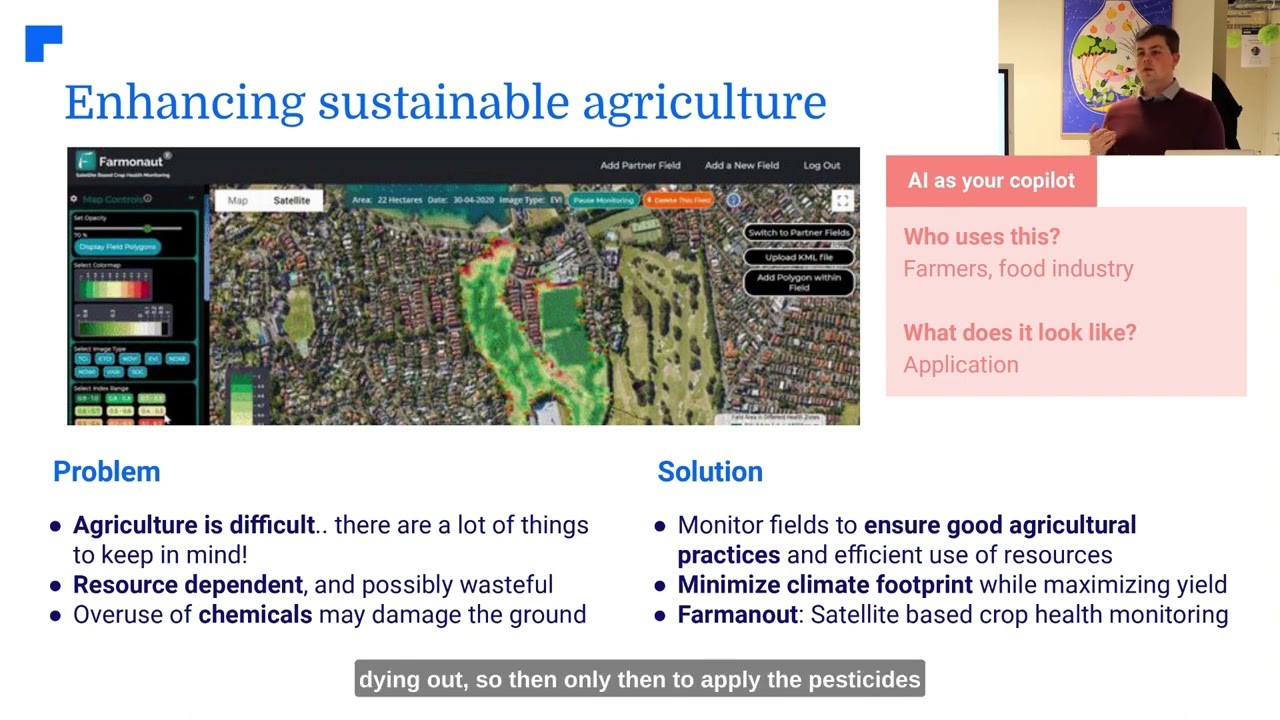
Farmonaut: Satellite, AI, and Blockchain Solutions for Mining
As a satellite technology company, we at Farmonaut offer integrated satellite-based monitoring, AI, blockchain, and advisory solutions to support innovation, sustainability, and supply chain security in lithium extraction and mining industries.
- Satellite Monitoring: Real-time tracking of lithium mining sites, environmental impact, and resource use. NDVI, soil health, and vegetation indices help with regulatory compliance and sustainability management.
- Jeevn AI Advisory: Our proprietary AI system provides strategic insight on optimal extraction methods, sustainability risks, and operational improvements based on satellite data and industry best practices.
- Blockchain-Based Traceability: Ensures seamless tracking of lithium through complex, diversified supply chains—from extraction to battery production—building trust and reducing fraud for both businesses and consumers.
- Environmental Impact Analytics: Our carbon footprinting and reporting tools help mining companies track, reduce, and offset emissions, positioning them as environmental stewards in the eyes of regulators and investors.
- Fleet and Resource Management: Optimize mining equipment usage, reduce operational costs, and manage resource allocation efficiently through our specialized fleet management solutions.
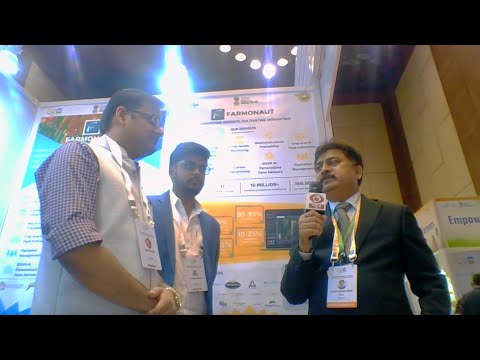
For mining operators and government regulators seeking scalable, large-scale mining management, our Agro-Admin App delivers comprehensive, web and mobile access to satellite-driven insights and mining site analytics.
If you’re a developer building custom applications or looking to integrate satellite-driven extraction/monitoring into your systems, our API and developer documentation at Farmonaut Satellite Weather API Docs make integration quick and robust.




Implications for the Mining and Minerals Sector in 2026
By 2026, lithium extraction from batteries, water, and clay will collectively underpin a new era for the global minerals and mining industry. Some key implications include:
-
Greater Supply Security and Diversification:
- Brine depletion, water stress, and rising extraction costs are accelerating investment into alternative sources and processing innovations.
- Battery recycling will increase the share of “urban mining”, dramatically reducing the environmental impact per ton of new batteries manufactured.
-
Stricter Environmental and Regulatory Standards:
- Sustainable practices—enabled by real-time monitoring, satellite analytics, blockchain traceability—will become not only a regulatory necessity but also a market differentiator as customers and end-users prioritize “green minerals”.
-
Innovation-Driven Cost Reductions:
- Efficient separation, reagent recycling, and advanced hydrometallurgical methods will drive lower material costs and higher recovery rates for the sector.
- IoT, AI, and satellite technology will enable predictive maintenance and operational optimization across battery, brine, and clay operations.
-
Resilient and Transparent Supply Chains:
- Blockchain solutions for lithium supply chains allow for robust, tamper-proof tracking from deposit to finished battery, unlocking ethical sourcing and higher investor confidence.
-
A New Socio-Economic Paradigm:
- Regions outside the traditional Lithium Triangle—particularly North America and Europe—can increasingly supply lithium through clay and recycling, reducing over-reliance on a few markets and boosting economic resilience.

Want to ensure regulatory compliance and chain-of-custody for your mining and insurance operations? Leverage Farmonaut Crop Loan and Insurance Verification for secure, satellite-validated impact and risk analysis.
Frequently Asked Questions (FAQ): Lithium Extraction from Batteries, Water, & Clay
Q1: What is the most environmentally friendly method of lithium extraction?
Answer: Lithium extraction from batteries is generally considered the most environmentally friendly. By recycling spent batteries, we lower reliance on traditional mining, reduce waste, and enhance circular supply. Geothermal brine extraction is also gaining traction as a low-impact alternative.
Q2: Can seawater become a significant source of lithium?
Answer: Seawater contains enormous lithium reserves but at very low concentrations. By 2025-2026, technological advancements in membrane and ion-sieve methods are beginning to make seawater extraction feasible for pilot and small-scale operations, with commercial potential on the horizon as costs drop.
Q3: How does direct recycling of lithium-ion batteries work?
Answer: Direct recycling preserves and restores cathode materials rather than breaking them down to raw metals. This method reduces costs, energy use, and preserves advanced battery chemistries, supporting efficient closed-loop battery production.
Q4: Why is clay-based lithium extraction only now gaining momentum?
Answer: Until recently, low lithium concentrations and complex binding in clay minerals made these deposits uneconomical. Innovations in selective leaching and processing, alongside growing demand and depleted traditional sources, are transforming clays into a viable and important new lithium supply.
Q5: Can recycling alone meet global lithium demand?
Answer: By 2026, recycled lithium from batteries could meet up to 30% of global demand. While a substantial supplement, new extraction from water and clays, along with traditional methods, remains critical to fully address the energy transition.
Conclusion: Toward a Circular & Sustainable Lithium Future
Lithium extraction from batteries, water, and clay is driving a technological and economic revolution that will define minerals mining and supply chains from 2025 onward. Each method—battery recycling, water/brine mining (including geothermal and seawater), and advanced clay extraction—offers unique advantages and challenges.
- Recycling closes the loop, conserves resources, and defines a new paradigm for circular minerals supply.
- Water/Brine Extraction continuously adapts with breakthroughs in membrane, ion-exchange, and DLE technology, making lithium production more sustainable and less land- and water-intensive.
- Clay Extraction opens new domestic supply fronts and promotes resilience as critical minerals become geostrategically essential.
Innovation, sustainable practices, and digital transformation—supported by satellite, AI, and real-time monitoring—are no longer optional for mining and minerals companies. They are the keys to unlocking secure, ethical, and resilient lithium flows in the coming decade.
Explore the future of minerals intelligence and sustainable mining with Farmonaut’s affordable satellite, AI, and blockchain solutions—for businesses, users, and governments worldwide.
Discussion
Questions, corrections or field experience? Share them below. First-time comments are reviewed before they appear, and your email is never published.
No comments yet. Be the first to add a question or your experience.

 SenGold Invest SAS
 Sania Corporation
 Sean Mining Limited
 NTS Group (Pty) Ltd
 Mine4Africa
 Lithspo Minerals Limited
 Tintina Mining Group
 Dalgety Minerals Pty Ltd
 Vortex Minerals Pty Ltd
 Faith At Work (Pty) Ltd
 Geotech Mining Solutions plc
 Vulcan International Limited
 Kidepo Associates
 GKY Mining
 Alkimy SARL
 Double A Trading
 GemSprout Metals Limited
 Qader Group
 Ileys General Trading
 SG Gold Mining LLC
 VRV Global Pte Ltd
 Omsri International FZE
 G.I.T.T.
 Jaunita Erss Ltd










