

Mexico silver · Reserves and states
Does Mexico Have a Lot of Silver? Reserves by State
Mexico is the world’s top silver miner, yet sixth for proven reserves. Production and reserves compared, the states with the largest deposits, the mines holding the biggest reserves and a calculator for reserve life.
Key takeaways
- Mexico mined about 6,300 tonnes of silver in 2025, the most of any country (USGS, Mineral Commodity Summaries 2026).
- Its reserves are 37,000 tonnes, about 6% of the world’s 610,000 t, behind Peru, Russia, Australia, China and Poland (USGS).
- Zacatecas made 41.8% of Mexico’s silver in 2025, ahead of Chihuahua, Durango and Sonora (Camimex, from INEGI data).
- The Fresnillo, Saucito and Juanicipio mines in Zacatecas hold about 325 Moz of silver reserves (Fresnillo plc annual report 2025).
- Silver was about US$52.76 per ounce on 9 November 2026 (Fortune), well above the 2025 average of about US$38 (USGS).
In this article
- Does Mexico have a lot of silver compared with other countries
- Why Mexico produces more silver than its reserves suggest
- How much silver Mexico produces each year
- Which Mexican states have the largest silver deposits
- Mexico's biggest silver reserves by mine
- Where Mexico's silver comes from geologically
- How to check a silver area in Mexico before you commit
- Estimate how long a silver reserve lasts
- Frequently asked questions
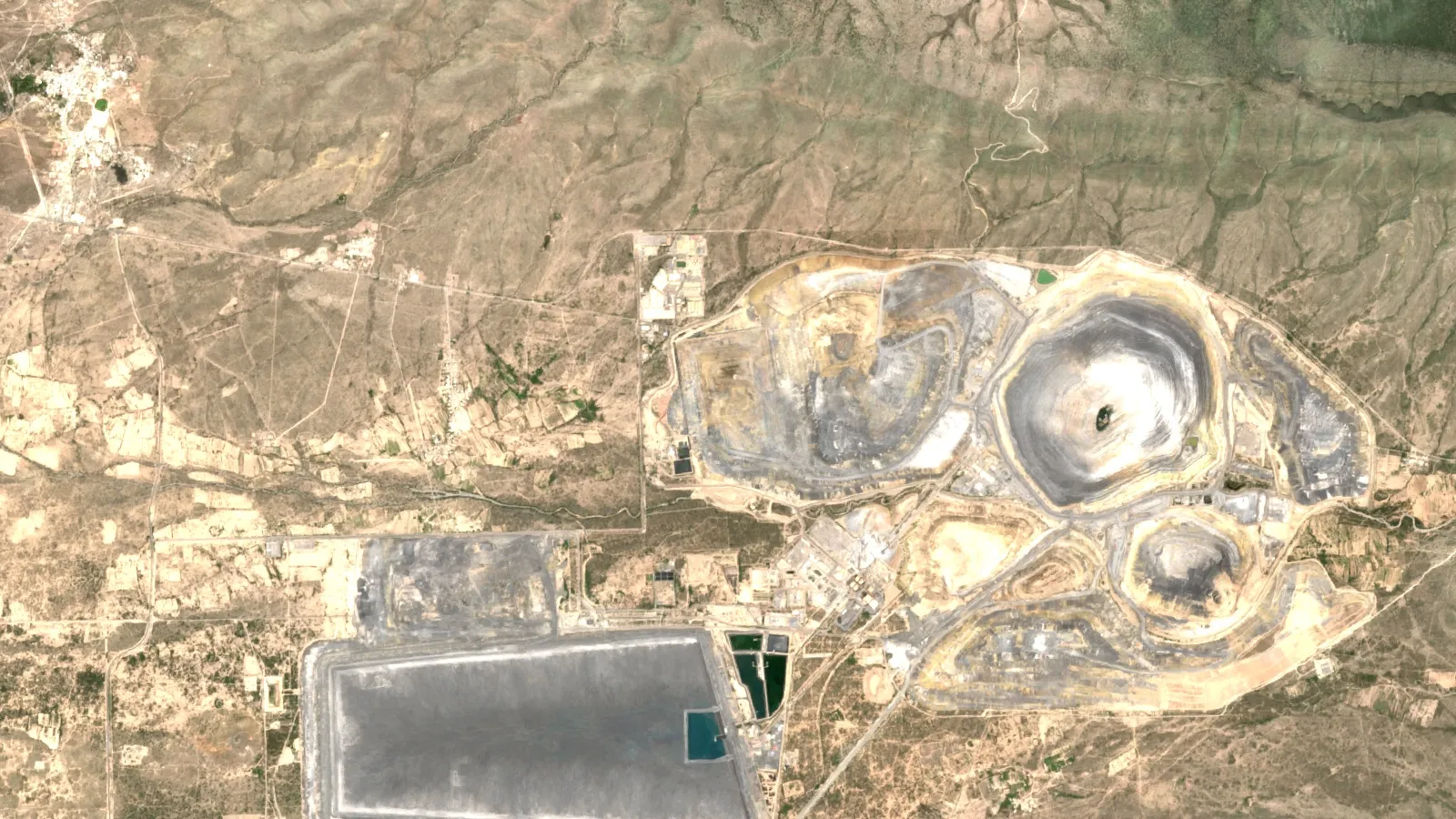
Yes. Mexico has a lot of silver: it is the world’s largest silver producer, mining about 6,300 tonnes in 2025, close to a quarter of world mine output, according to the USGS Mineral Commodity Summaries 2026. Its proven reserves are a different story. The USGS puts Mexico’s silver reserves at 37,000 tonnes, about 6% of the world total and behind Peru, Russia, Australia, China and Poland. Mexico leads on output because its rich vein districts are mined hard; the reserve figure is a rolling inventory that companies keep refilling by drilling.
This page answers both halves of the question for readers who need the detail: how much silver Mexico produces, how much it holds in reserve, which states hold the largest deposits, and which mines carry the biggest reported reserves. It ends with a reserve-life calculator you can use on any mine’s published figures. For a mine-by-mine production ranking, see our guide to where silver is mined in Mexico.
Does Mexico have a lot of silver compared with other countries
Measured by mining, Mexico is first by a wide margin. The USGS estimates 2025 mine production at 6,300 tonnes for Mexico, against 3,600 tonnes for Peru and 3,400 tonnes for China, out of a world total of about 26,000 tonnes. The World Silver Survey 2026 from Metals Focus and the Silver Institute, which counts output differently, puts Mexico at 172.9 million troy ounces (Moz) in 2025, about 20% of the world’s 846.6 Moz. (A troy ounce is 31.1035 grams, so 1 Moz is about 31.1 tonnes.) The national mining chamber Camimex notes in its 2026 annual report that Mexico remained the leading global producer in 2025.
Chart
Silver reserves by country
Thousand tonnes of contained silver
Measured by reserves, Mexico is mid-table. A reserve is the part of a deposit that has been drilled closely enough, and tested against costs and prices, to be shown as economic to mine today. A resource is a larger, less certain estimate of metal in the ground. The USGS reserve table for silver, in tonnes of contained metal, reads as follows.
| Country | Mine production 2025 (t, estimate) | Reserves (t) | Share of world reserves |
|---|---|---|---|
| Peru | 3,600 | 110,000 | 18% |
| Russia | 1,200 | 92,000 | 15% |
| Australia | 1,000 | 91,000 | 15% |
| China | 3,400 | 67,000 | 11% |
| Poland | 1,300 | 59,000 | 10% |
| Mexico | 6,300 | 37,000 | 6% |
| Chile | 1,400 | 33,000 | 5% |
| United States | 1,100 | 23,000 | 4% |
| Bolivia | 1,500 | 22,000 | 4% |
| World total (rounded) | 26,000 | 610,000 | 100% |
Source: USGS Mineral Commodity Summaries 2026, silver. Shares are our calculation from the USGS figures and are rounded.
Why Mexico produces more silver than its reserves suggest
Divide Mexico’s reserves by its yearly output and you get about six years of mining. Peru’s figure is about 30 years and Australia’s more than 90. That does not mean Mexico will run out of silver around the end of the decade. It reflects how Mexican vein mines are run. Underground silver mines in Zacatecas, Chihuahua and Durango usually drill only a few years ahead of the stopes, converting resources into reserves step by step, because closely spaced drilling deep underground is expensive. Fresnillo plc, the largest silver miner in the country, reports that its Fresnillo mine has been in production since 1554 and still shows 9.8 years of mine life in its 2025 annual report. Few mines anywhere have been “about ten years from closing” for more than four centuries.
Chart
Years of reserves at the 2025 mining rate
Reserves divided by 2025 mine production, years
There are three other reasons the reserve number looks small:
- Reserves move with price. Fresnillo plc says its silver reserves rose 9.4% in 2025, to 362.6 Moz, mainly because of higher metal prices and a lower cut-off grade (the minimum silver content at which ore is worth mining).
- Much of Mexico’s silver is a by-product. Silver from copper, zinc and gold mines such as Southern Copper’s Buenavista in Sonora is reported inside those mines’ plans, and national totals do not always capture it the same way.
- Resources are far larger than reserves. Fresnillo plc alone reports 2,058.4 Moz of attributable silver resources, more than five times its reserves, and Newmont reports 195.1 Moz of silver resources at Peñasquito.
The practical reading for a consultant or investor: Mexico is a high-output, high-turnover silver country. The geology is rich and well known; the reserve number tracks drilling budgets and prices as much as rock.
How much silver Mexico produces each year
Output has eased since a peak in 2022. The World Silver Survey 2026 shows Mexican mine production of 213.2 Moz in 2022, then 181.9 Moz in 2023, 181.1 Moz in 2024 and 172.9 Moz in 2025, a fall of 5% in the last year and the third yearly fall in a row. The survey links the decline mainly to lower ore grades at large mines. Peñasquito, the country’s largest silver producer, fell from 33.0 Moz to 28.0 Moz on lower silver head grades, and Fresnillo plc reported attributable silver production of 48.7 Moz in 2025, down 13.5%.
Chart
Mexico’s silver mine production
Million troy ounces, 2016 to 2025
The USGS figure for the same year is higher, at an estimated 6,300 tonnes (about 203 Moz), because the USGS and the Silver Institute use different reporting bases and the USGS 2025 number is an estimate. Camimex, which uses INEGI statistics, gives 168.2 Moz. All three sources agree on the ranking: Mexico is the largest producer.
Prices have moved the other way. Silver was about US$52.76 per ounce at 7:30 a.m. Eastern Time on 9 November 2026, according to Fortune’s daily price report, against a USGS-estimated 2025 average of about US$38 per ounce. Higher prices make lower-grade ore economic, which is the main reason Mexican reserves were revised up in 2025 even as output fell.
Which Mexican states have the largest silver deposits
Mexico does not publish official silver reserves by state, so the best guide to where the largest deposits sit is a combination of where silver is mined and where the big company reserves and resources are. On both measures the same four northern and central states lead. Camimex reports these shares of 2025 national silver production, based on INEGI data.
Chart
Share of Mexico’s silver output by state
Per cent of national production, 2025
- Zacatecas, 41.8% of output. Home to the Fresnillo district (Fresnillo, Saucito and Juanicipio mines), Peñasquito, La Colorada and San Martín. It holds most of the large reported silver reserves in the country.
- Chihuahua, 18.3%. Palmarejo (Coeur Mining), Cerro Los Gatos (First Majestic 70%, Dowa 30%), Dolores (Pan American Silver) and Santa Bárbara (Southern Copper).
- Durango, 17.3%. San Dimas (First Majestic), Guanaceví (Endeavour Silver), Ciénega (Fresnillo plc) and El Herrero (Minas de Bacis). San Julián (Fresnillo plc) sits on the Chihuahua-Durango border.
- Sonora, 13.3%. Mostly by-product silver from the Buenavista del Cobre and La Caridad copper mines (Southern Copper), plus the Las Chispas silver-gold mine (Coeur Mining).
- San Luis Potosí, 3.0%. Charcas (Southern Copper).
- Guanajuato. A historic silver centre; Guanajuato Silver runs Bolañitos, El Cubo and La Valenciana, and Fresnillo plc reports about 388 Moz of silver resources in its Guanajuato project.
- Guerrero and the south. Taxco is the centre of Mexican silversmithing, and Campo Morado (Luca Mining) and Capela (Peñoles) are producers; all states outside the top five made 6.4% of output together.
The four leading states together made 90.7% of Mexican silver in 2025. For the companies behind these mines, see our list of Mexican silver mining companies, and for a broader view across countries, see where to find silver mines in Mexico and key global locations.
▶ How mining feeds an economy through exports, jobs and revenue. · 5:03
Mexico’s biggest silver reserves by mine
Company filings give the clearest picture of where Mexico’s reserved silver actually sits. The table uses Fresnillo plc’s 2025 annual report (reserves as at the end of 2025) and Newmont’s Peñasquito page. Fresnillo reports Juanicipio on a whole-mine basis; Fresnillo plc owns 56% and Pan American Silver 44%.
| Mine | State | Owner | Silver reserves (Moz) | Reported mine life |
|---|---|---|---|---|
| Fresnillo | Zacatecas | Fresnillo plc | 131.9 | 9.8 years |
| Saucito | Zacatecas | Fresnillo plc | 119.5 | 7.7 years |
| Juanicipio | Zacatecas | Fresnillo plc 56%, Pan American Silver 44% | 74.1 | 8.6 years |
| San Julián | Chihuahua-Durango border | Fresnillo plc | 21.6 | 3.3 years |
| Ciénega | Durango | Fresnillo plc | 15.4 | 4.0 years |
| Peñasquito | Zacatecas | Newmont | 195.1 (resources; silver reserves not listed on the page) | Open pit, higher grades expected from 2028 |
The three Fresnillo-district mines alone hold about 325 Moz, roughly 10,100 tonnes. That is why Zacatecas is the answer to “which state has the largest silver deposits”. The district has a long record: a 2013 paper in Scientific Reports notes that silver was found on Cerro Proaño in 1553 and that district resources exceeded 48,000 tonnes of silver, which the authors called the largest silver deposit in Mexico. For how these compare with mines elsewhere, see our ranking of the largest silver mines in the world.
A caution on adding numbers: company reserves follow mining-code definitions and the USGS national figure uses its own compilation, so the two should not be summed or compared exactly.
Where Mexico’s silver comes from geologically
Most Mexican silver sits in epithermal veins: the remains of ancient hot-spring systems in which metal-bearing fluids rose along faults and deposited silver, lead and zinc minerals close to the surface. These veins line up along the Sierra Madre Occidental volcanic belt and the Mesa Central, which is why the producing districts form a band from Sonora and Chihuahua through Durango and Zacatecas to Guanajuato. The Scientific Reports paper describes Mexico’s veins as part of the world’s richest silver belt.
Two other deposit styles add volume. Large open pits such as Peñasquito mine disseminated polymetallic ore (gold, silver, lead and zinc) around a breccia pipe. Copper porphyry mines in Sonora recover silver as a by-product. The USGS notes that, worldwide, most silver comes as a by-product of lead-zinc, copper and gold mining, while the World Silver Survey 2026 shows that a large share of North American output comes from primary silver mines, many of them Mexican.
Key terms for readers new to the field: grade is the amount of silver in the rock, usually in grams per tonne (g/t); head grade is the grade of ore actually fed to the mill; recovery is the percentage of that silver the plant captures.
▶ An introduction to Farmonaut Mining Pro and satellite screening of a project area. · 4:56
How to check a silver area in Mexico before you commit
Consultants and buyers looking at Mexican silver ground usually work through the same checks:
- Locate the ground on the official map. The Mexican Geological Survey (SGM) publishes geology, mineral occurrences and concession layers through its GeoInfoMex data bank.
- Check the concession title and status with the authorities and local counsel; Mexico tightened its mining law in 2023, and title rules and terms should be confirmed for each case.
- Read the nearest company filings for grade, reserves and mine life in the same district; Fresnillo plc, Newmont, Pan American Silver, First Majestic and Coeur publish these.
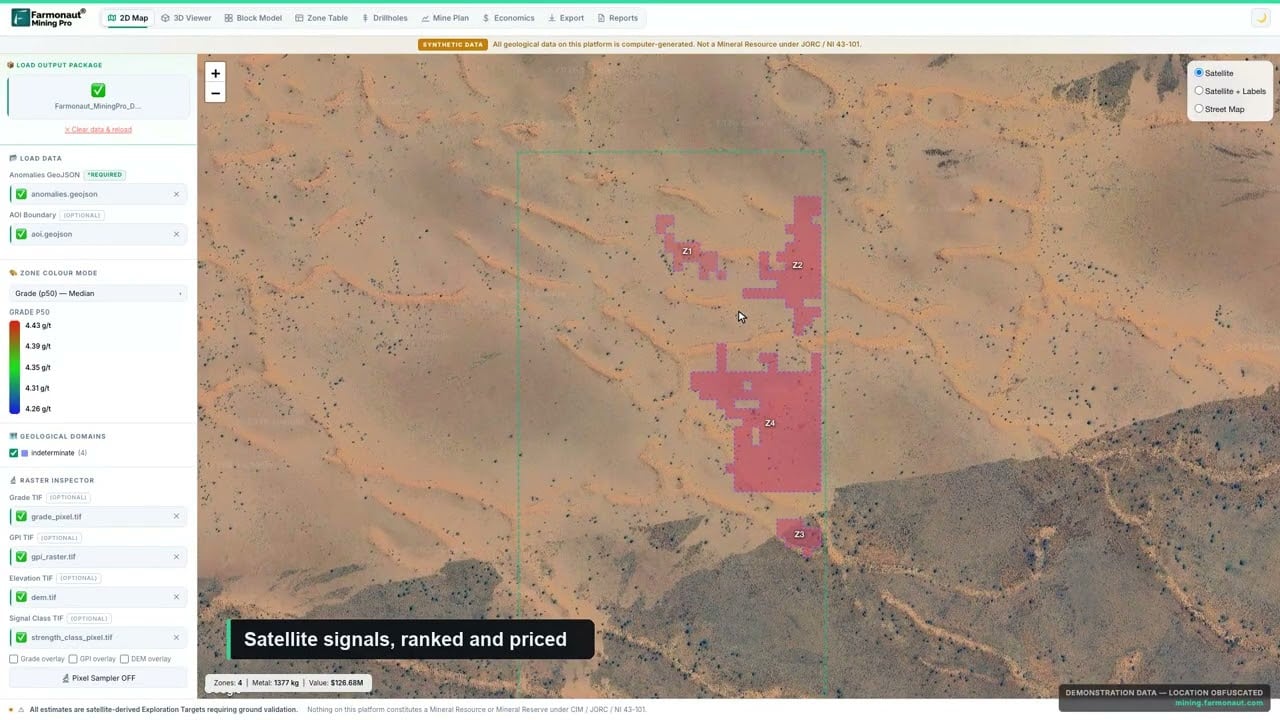
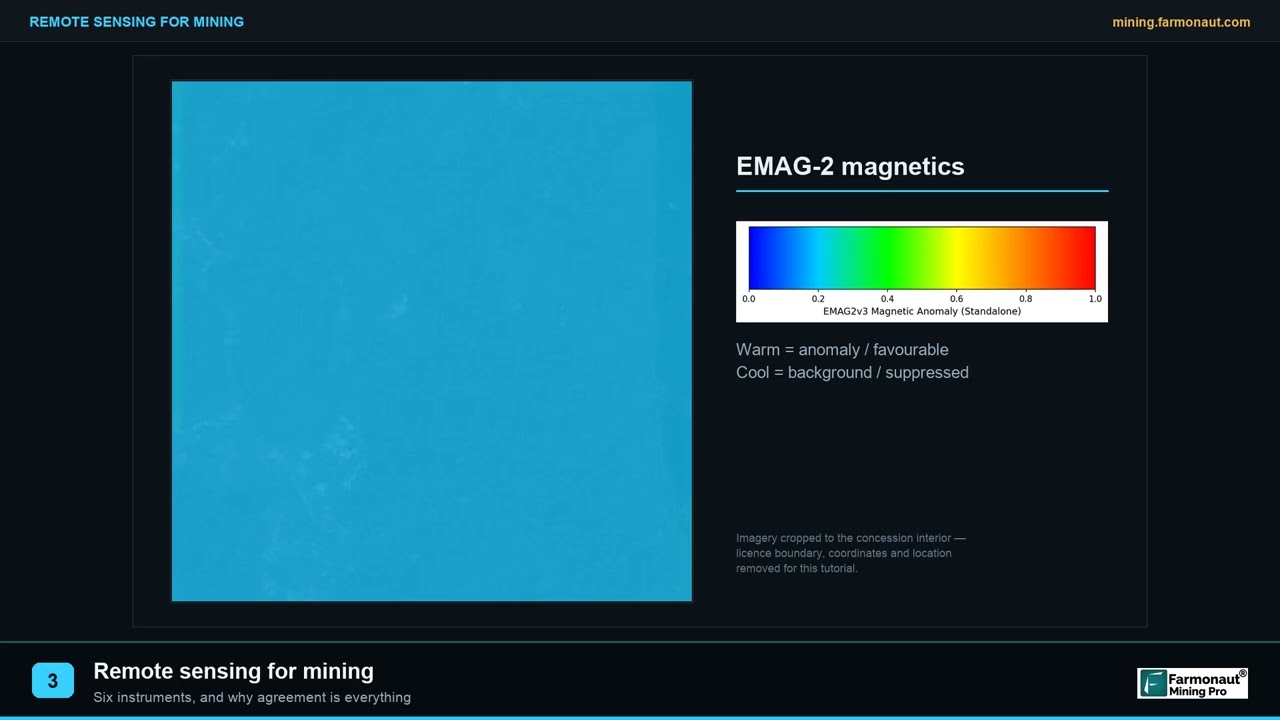
- Screen the surface. Satellite imagery can map iron-oxide staining, clay alteration and fault lines over a licence before any field visit. Farmonaut offers satellite-based mineral detection for a licence boundary.
- Plan sampling and drilling only after the desk checks; reserves are only ever proven by drilling and testing.
For a specific area you can also send details through our mining query form.
▶ Remote sensing for mining explained in plain words. · 2:01
Estimate how long a silver reserve lasts
Use the calculator below with a mine’s published reserves and yearly output. It shows the simple reserve life (reserves divided by output) and the gross value of the reserve at a silver price you enter. Fresnillo, for example, reports 131.9 Moz of reserves; at its 2025 output of about 10.3 Moz that gives roughly 13 years, longer than the company’s own 9.8-year figure, which allows for its mine plan and recoveries.
Calculator
How long will a silver reserve last?
Enter published reserves, yearly output and a silver price.
- Reserves in tonnes of silver: 4,103
- Gross value of reserves at your price (US$): $6,595,000,000
- Gross value of a year of output (US$): $600,000,000
Example values only. Silver price is an input (example, use today’s price). Simple reserve life ignores new drilling, recoveries and mine-plan changes; gross value ignores costs, royalties and tax. Money in US dollars (US$).
Frequently asked questions
Does Mexico have a lot of silver?
Yes. Mexico is the world’s largest silver producer, with about 6,300 tonnes mined in 2025 (USGS), and it holds about 37,000 tonnes of reserves, around 6% of the world total.
What are Mexico’s silver reserves?
The USGS Mineral Commodity Summaries 2026 lists Mexico’s silver reserves at 37,000 tonnes of contained silver, about 1,190 million troy ounces.
Which country has the most silver reserves?
Peru, with 110,000 tonnes according to the USGS, followed by Russia (92,000 t) and Australia (91,000 t).
Is Mexico the largest silver producer in the world?
Yes. The USGS, the World Silver Survey 2026 and Camimex all rank Mexico first for 2025, ahead of Peru and China.
Which Mexican state produces the most silver?
Zacatecas, with 41.8% of national output in 2025 according to Camimex, followed by Chihuahua, Durango and Sonora.
Where are the silver mines in Mexico?
Mainly in a band through Zacatecas, Chihuahua, Durango and Sonora, with smaller producers in San Luis Potosí, Guanajuato, Guerrero, Jalisco and other states.
What is the largest silver mine in Mexico?
By output, Peñasquito in Zacatecas (Newmont), with 28.0 Moz in 2025 per the World Silver Survey 2026. By reported silver reserves, the Fresnillo mine (Fresnillo plc) leads with 131.9 Moz.
Is Mexico running out of silver?
Not on current evidence. Reserves cover about six years of output, but Mexican mines keep converting resources into reserves; Fresnillo plc’s reserves rose 9.4% in 2025. Output has fallen for three years because of lower grades at some large mines.
How much silver did Mexico produce last year?
About 172.9 Moz in 2025 per the World Silver Survey 2026, 168.2 Moz per Camimex and an estimated 6,300 tonnes (about 203 Moz) per the USGS; the bases differ.
Why is there so much silver in Mexico?
Mexico sits on a long belt of volcanic rocks where ancient hot fluids deposited silver in veins along faults, producing many rich, near-surface deposits that have been mined since the 1500s.
More from Farmonaut: contact us.
This page is for information only and is not investment advice. Reserves, owners and prices change; check the latest company filings. Concession rules in Mexico should be confirmed with the authorities and local counsel, and any field work needs the landholder’s permission and a valid licence.
Farmonaut mining
Map a silver licence area from satellite data
Consultants can map alteration, iron oxides and structures over a Mexican licence boundary before planning field work.

Mining Pro sample view, synthetic data
Keep reading
Sources
- USGS, Mineral Commodity Summaries 2026: Silver: pubs.usgs.gov
- Metals Focus and the Silver Institute, World Silver Survey 2026: silverinstitute.org
- Camimex, Informe Anual 2026 (2025 data): camimex.org.mx
- Fresnillo plc, Annual Report 2025: fresnilloplc.com
- Fresnillo plc, preliminary results for 2025: investegate.co.uk
- Newmont, Peñasquito operations page: operations.newmont.com
- Scientific Reports, How metalliferous brines line Mexican epithermal veins with silver (2013): nature.com
- Fortune, current price of silver, 9 November 2026: fortune.com
- Servicio Geológico Mexicano, GeoInfoMex data bank: sgm.gob.mx
- Geo-Mexico, The geography of silver mining in Mexico: geo-mexico.com
- Southern Copper Corporation, Form 10-K for 2025: southerncoppercorp.com
Discussion
Questions, corrections or field experience? Share them below. First-time comments are reviewed before they appear, and your email is never published.
No comments yet. Be the first to add a question or your experience.

 Ramani Investments Ltd
 Congo Mining Solutions
 Mining SARL
 SenGold Invest SAS
 Sania Corporation
 Sean Mining Limited
 NTS Group (Pty) Ltd
 Mine4Africa
 Lithspo Minerals Limited
 Tintina Mining Group
 Dalgety Minerals Pty Ltd
 Vortex Minerals Pty Ltd
 Faith At Work (Pty) Ltd
 Geotech Mining Solutions plc
 Vulcan International Limited
 Kidepo Associates
 GKY Mining
 Alkimy SARL
 Double A Trading
 GemSprout Metals Limited

 Client · Somalia · Gold
 Client & affiliate partner · Ghana · Gold










