

Mineral Exploration: 2025 Tech for Sustainable Mining
“Over 70% of mineral exploration projects in 2025 will use AI-driven data analysis for site selection and resource estimation.”
Mineral Exploration: The Backbone of Sustainable Resource Development in 2025
Mineral Exploration is the systematic process of identifying and evaluating resources critical to the mining sector. As of 2025, this process remains not only a cornerstone of economic and industrial advancement but also a rapidly evolving discipline. Fueled by the urgent demand for critical minerals—such as lithium, copper, cobalt, and rare earth elements—exploration now combines advanced technologies, sustainability principles, and responsible practices, supporting global ambitions for cleaner energy and resilient infrastructure development.
With the world shifting toward electric vehicles, renewables, and digitalization, mineral exploration has rapidly adapted, integrating remote sensing, AI, and machine learning to make the process more efficient, environmentally conscious, and socially responsible. In this comprehensive post, we’ll take you through why mineral exploration in 2025 is essential, how it has changed, and what technologies are driving it forward.

Understanding Mineral Exploration in 2025
Mineral Exploration involves a series of geological, geophysical, and geochemical methods designed to detect minerals buried beneath the earth’s surface. Traditionally, it started with regional surveys to identify promising locations, followed by detailed mapping, sampling, and drilling to assess content, quality, and extent.
In 2025, the scope of exploration has broadened beyond gold, copper, iron, and coal—increasingly targeting rare earth elements, lithium, cobalt, and battery metals essential for renewable energy and electric vehicles. The transition to cleaner energy, digital infrastructure, and resilient supply chains drives the sector’s growth, requiring more advanced processes for identifying, evaluating resources, and mining responsibly.
How Exploration Methods Have Evolved
Let’s dive deeper into how the process of mineral exploration has evolved significantly in 2025:
- Traditional Approach: Began with broad regional surveys—airborne and ground-based—to spot geological anomalies.
- Detailed Assessment: Geological mapping, sampling, drilling (core, reverse circulation) to assess deposits for content, quality, and extent.
- Technological Leap: Today, AI-powered algorithms analyze large datasets, satellite imagery provides real-time updates, and drones collect highly precise data in otherwise inaccessible areas, greatly improving accuracy and sustainability.
- Environmental Responsibility: Advanced monitoring and reclamation ensure each phase minimizes impact on environments and communities, aligning with modern regulatory and social stewardship demands.

2025’s Advanced Technologies Revolutionizing Mineral Exploration
The industry in 2025 is witnessing a dramatic shift toward efficient, sustainable, and responsible exploration. Here are some key technological advancements:
- AI, Machine Learning, and Big Data:
- Algorithms process large datasets—geological samples, geophysical readings, historic records—predicting mineral deposits with higher accuracy and minimizing unnecessary exploration expenses.
- Remote Sensing & Satellite Imagery:
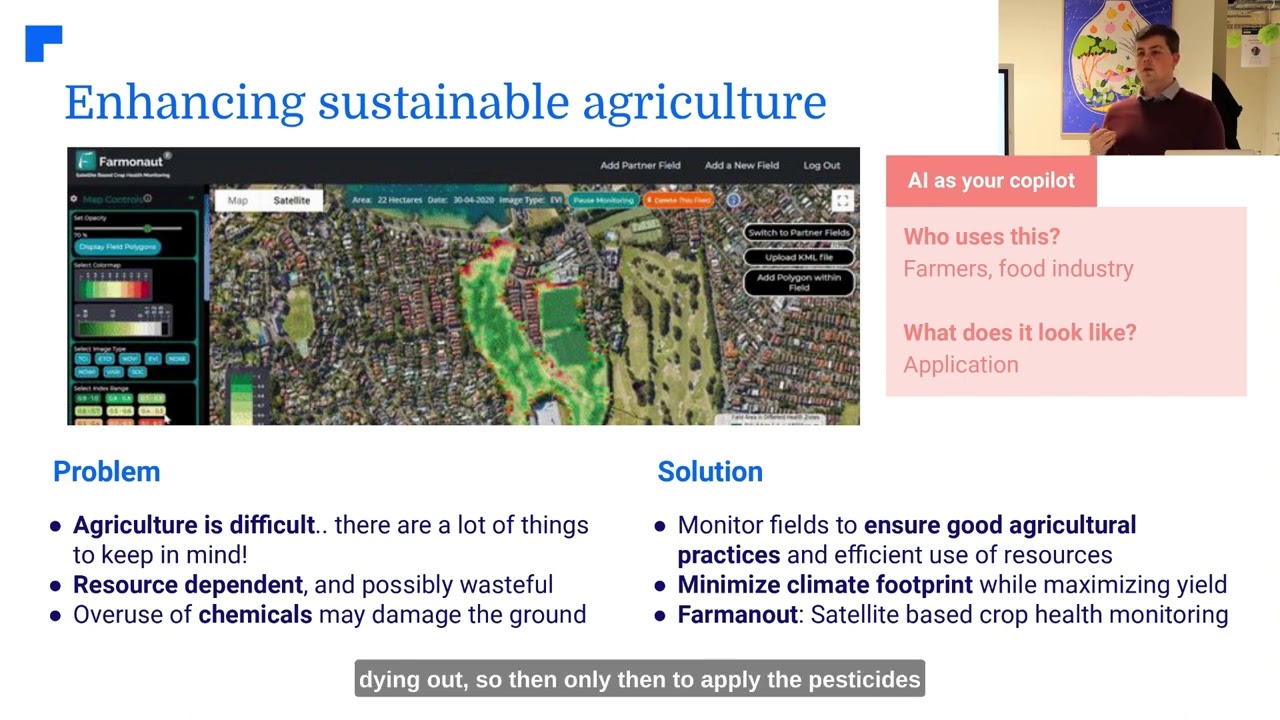
- Satellite-based technology (such as ours at Farmonaut) delivers multispectral analysis, rapidly identifying anomalies, detecting vegetation stress, water conditions, and surface indicators of buried minerals.
- Enables exploration in vast, inaccessible areas while drastically reducing time and costs of preliminary surveys.
- Drone and Robotic Drilling:
- Autonomous drones and robotic rigs safely collect samples & data—even in hazardous terrains—with precision, minimizing human exposure and site disturbance.
- Blockchain for Traceability:
- Secures transparent, accountable supply chains.
- Consumers and governments can verify materials’ origin—crucial for responsible, ethical materials sourcing in global trade and renewables infrastructure.
- Real-Time Environmental Monitoring:
- Advanced sensors and satellite-based carbon monitoring allow accurate assessment of emissions, water use, and ecological impact with granular, actionable data.
- Digital Twins & 3D Subsurface Modeling:
- Combine geology, AI, and site data to create precise digital models—optimizing exploration strategies and risk management before field deployment.

These technologies are underpinning an industry-wide shift toward sustainable mining, efficient resource management, and higher discovery rates—driving mining’s essential role in supporting global technological advancement.



Comparison Table: Advanced Mineral Exploration Technologies (2025)
| Technology Name | Main Application | Estimated Environmental Benefit | Estimated Adoption Rate by 2025 (%) | Example Companies or Regions |
|---|---|---|---|---|
| AI-Powered Remote Sensing | Detecting mineral anomalies via satellite multispectral analysis | Up to 50% reduction in survey-related fuel and resource usage | 75 | Farmonaut, Canada, Australia |
| Autonomous Drilling Systems | Automated, precise core sampling and stratigraphy mapping | Reduces land disturbance by 35-50% | 55 | Chile, Australia, Arizona |
| Blockchain Traceability Systems | Transparent, secure mineral supply chain tracing | 20% decrease in supply chain fraud/environmental misreporting | 45 | Farmonaut, EU, South Africa |
| Eco-Friendly Geochemical Analysis | Non-toxic analysis of soil, rock, and water samples | 33% less chemical waste generated | 42 | British Columbia, Scandinavia |
| Real-Time Environmental Impact Monitoring | Tracking emissions, water and land disturbance in real time | Monitor and reduce up to 40% of unintended environmental impacts | 63 | Farmonaut, Canada |
| Digital Twin & 3D Subsurface Modeling | Virtual mine sites to optimize drilling and resource extraction | Up to 20% less waste generation, optimized resource utilization | 38 | USA, Canada, Australia |
“By 2025, automated drilling rigs are expected to increase mineral discovery rates by up to 40% compared to 2020.”

Sustainability & Environmental Stewardship in Mineral Exploration
In 2025, sustainable mineral exploration is a top priority. Environmental stewardship now shapes the entire exploration and mining process from regional surveys to sampling, drilling, and beyond.
-
Advanced Environmental Impact Assessments (EIA):
- Real-time monitoring of biodiversity, water quality, and carbon footprints is a new normal.
- Environmental impact is assessed and managed at every stage—often leveraging AI and satellite-based solutions for accurate compliance tracking.
-
Low-Impact Equipment & Practices:
- Drones and autonomous robotic rigs minimize surface disturbance, reducing damage to habitats.
- New eco-friendly geochemical methods generate less waste and pollution, aligning mining with global sustainability goals.
-
Land Reclamation & Biodiversity Restoration:
- Best practices include detailed planning to restore surveyed and drilled lands post-exploration, using native species and advanced monitoring.
-
Responsible Water Use:
- Sensor-based tracking & predictive analytics minimize water use in sampling and drilling.
Advanced environmental monitoring solutions ensure regulatory compliance, lower risks, and build public trust—integral for sustainable sector growth in 2025 and beyond.

Social License, Regulatory Frameworks & Community Engagement
Securing a social license to operate is as crucial in 2025 as adopting technological advances. Responsible exploration now involves a social pact between mining companies, local communities, and governments.
- Community Engagement & Transparency: Open communication, public consultations, and transparent information sharing about exploration plans minimize misunderstandings and foster community trust.
- Respecting Indigenous Land Rights: Ethical explorers collaborate with indigenous peoples, ensuring mutual respect and recognition of traditional territories in all exploration phases.
- Socioeconomic Benefits: Employment, training, infrastructure, and shared value initiatives help communities benefit from local mineral resource development.
- Regulatory Compliance: Stringent rules now demand continuous environmental impact monitoring, adherence to reclamation protocols, and proof of ethical practices—backed by data and traceability solutions (see our product traceability platform).
In 2025, exploration is a partnership. Earning and sustaining a social license is key to avoiding the conflicts that have historically plagued mining projects worldwide.

Strategic Importance of Critical Minerals in a Global Context
The geopolitical landscape of mineral exploration is undergoing significant change in 2025. With growing global demand and supply chain risks, governments and companies are racing to secure access to critical minerals, safeguarding national security and technological leadership.
- Energy Transition Demand: Lithium, cobalt, nickel, and rare earths power batteries, wind turbines, and solar panels, making them essential for new energy infrastructure.
- Infrastructure Development: Copper and iron will underpin global economic growth as countries rebuild and expand resilient grids, transportation, and urban frameworks.
- Supply Chain Resilience: Strategic investment in domestic exploration reduces reliance on foreign sources, protecting national interests and defence capabilities.
- Ethical Sourcing: Blockchain traceability ensures critical materials originate from responsible, sustainable operations, strengthening global trust and supporting environmental goals.
The shift to green mining and responsible resource development aims to balance industrial growth with environmental stewardship—critical to mining’s role in sustainable development.
Challenges, Future Outlook & Continuous Innovation in Mineral Exploration
Despite the breathtaking advancements in exploration technology, several challenges remain for the sector as we look beyond 2025:
- Deeper, Concealed Deposits: As surface-level resources deplete, sophisticated AI-geo models and 3D mapping are vital for detecting minerals at greater depths.
- Variable Commodity Prices: Market fluctuations affect investment in exploration, requiring agile project planning and diversified portfolios.
- Regulatory Diversity: Different countries enforce varying regulatory frameworks; adaptable, globally-minded strategies are key to compliance and success.
- Balancing Exploration & Conservation: New technologies and practices must continuously evolve to respect ecological limits while supporting economic aims.
Looking toward the future, we anticipate:
- Greater Integration of Digital Twins & 3D Models: Real-time, interactive site simulation to reduce risk before field investment.
- Enhanced Blockchain Adoption: Full traceability, transparency, and fraud resistance in mineral supply chains to uphold global standards.
- Automated Fleet Management: As provided by solutions like Farmonaut’s Fleet Management, real-time optimization of vehicles and machinery for sustainable operations.
- AI-Powered Predictive Analysis: Ongoing advances in AI and machine learning will further minimize errors, waste, and unnecessary disturbance in resource identification.
The future of mineral exploration is deeply interdisciplinary, driven by technology, regulatory evolution, and environmental stewardship.

Farmonaut: Satellite-Driven Solutions for Sustainable Mineral Exploration
We at Farmonaut are committed to empowering stakeholders in mineral exploration with cutting-edge satellite technology, data analytics, and blockchain-driven traceability. Our comprehensive SaaS tools—accessible via web, Android, and iOS—are designed for mining companies, governments, and resource managers aiming to achieve efficient, sustainable, and transparent exploration.
- Satellite-Based Remote Sensing: Our platform provides multispectral satellite imagery for real-time monitoring and anomaly detection. This supports rapid, low-impact survey of vast and inaccessible areas—lowering both costs and environmental impact.
- Jeevn AI Advisory System: Delivers actionable strategies using AI and machine learning—optimizing every aspect of geological surveys, sampling, and resource development.
- Blockchain-Based Traceability: Enables responsible, transparent mineral supply chains with data-backed verification—crucial for regulatory compliance and building international trust.
- Real-Time Environmental Impact Monitoring: Our tools (see Carbon Footprinting Platform) allow active monitoring of emissions and resource use, helping businesses meet social, corporate, and regulatory obligations.
- Fleet & Resource Management: Automate logistics and on-site operations, maximizing vehicle efficiency and minimizing costs. Learn more about our solution at Farmonaut Fleet Management.
- Accessibility & Scalability: From app to API integration, we offer scalable solutions—empowering small miners to multinationals.
Our mission is to democratize satellite-driven insights for a broader, more sustainable mining industry, ensuring mineral exploration remains the backbone of resource development in 2025 and the years ahead.
For users focusing on environmental responsibility or planning large-scale resource surveys: Explore our Large Scale Farm Management tools and Crop Loan & Insurance solutions for objective, data-driven finance and compliance tracking in agricultural or mining land use.
If you are interested in traceability from exploration through the complete supply chain, get started with our dedicated Blockchain Traceability Module.
Frequently Asked Questions (FAQ) – Mineral Exploration 2025
What is the role of AI and machine learning in mineral exploration?
AI and machine learning are used to analyze large and complex datasets from satellite, geophysical, geochemical, and geological sources. These technologies enhance the accuracy of site selection, deposit prediction, and resource estimation—reducing time, costs, and environmental footprint.
How do satellite and remote sensing technologies increase sustainability?
Satellite remote sensing enables preliminary survey of vast, remote, or hazardous terrains without the need for physical presence, minimizing disturbance to the environment, reducing emissions, and supporting targeted exploration strategies.
What are critical minerals and why are they important in 2025?
Critical minerals include lithium, cobalt, nickel, rare earth elements, and others key for electric vehicles, renewable energy, electronics, and defense infrastructure. In 2025, securing sustainable and ethical supplies of these minerals is crucial for global energy transition and economic security.
How is blockchain technology applied in mineral exploration and mining?
Blockchain ensures traceability of minerals from exploration to end use by recording every step in their journey. This secures transparent, ethical supply chains, combats fraud, and assures regulatory bodies, consumers, and investors of origin and compliance.
Is environmental impact monitoring required for all exploration projects?
Yes, most jurisdictions now require ongoing environmental monitoring as part of exploration and development permits. Use of AI and satellite-based systems (like Farmonaut’s tools) enables continuous, data-backed compliance with evolving sustainability regulations.
Can small-scale operators access advanced exploration solutions?
Absolutely. We ensure Farmonaut’s tools are affordable and accessible for both small and large stakeholders, available via apps, web platforms, and APIs—democratizing access to technology across the mining and exploration sector.
Conclusion – Mineral Exploration: Supporting a Sustainable, Resilient Future
Mineral Exploration in 2025 is more than a technical exercise—it is the backbone of responsible resource development and global progress. As demand for critical minerals surges and sustainability shapes industry norms, exploration has evolved into a technology-driven, multidisciplinary pursuit.
With new AI algorithms, satellite monitoring, blockchain supply chain tools, and a culture of environmental stewardship, the sector achieves higher efficiency, resilience, and ethical standards than ever before. This secures the raw materials required for modern economies, the global energy transition, and resilient infrastructure—making mineral exploration indispensable to a prosperous, sustainable future for all.
At Farmonaut, we proudly support this evolution by making advanced satellite-powered solutions available to businesses, communities, and governments worldwide—empowering the future of exploration, mining, and sustainable resource management in 2025 and beyond.
Discussion
Questions, corrections or field experience? Share them below. First-time comments are reviewed before they appear, and your email is never published.
No comments yet. Be the first to add a question or your experience.

 Mineral Gulf Transhipment DMCC
 G.I.T.T.
 Jaunita Erss Ltd
 Almosi SARL
 SRK Consulting
 Berks Gold Limited
 Mwerezi Minerals Company Limited
 Mining SARL
 SenGold Invest SAS
 Sean Mining Limited
 NTS Group (Pty) Ltd
 Mine4Africa
 Lithspo Minerals Limited
 Tintina Mining Group
 Dalgety Minerals Pty Ltd
 Vortex Minerals Pty Ltd
 Licence holder · Nigeria · Gold + lithium










