

Mining Rare Earth Elements: Trends & Innovation 2026
- Introduction: Rare Earth Elements Mining – Critical for the Future
- Trivia: Rare Earth Element Insights 2026
- Definition and Importance of Rare Earth Elements in 2025–2026
- Demand, Global Trends, and Geopolitics
- Mining Rare Earth Elements: Extraction, Processing, and Challenges
- Comparative Table: REE Mining Technologies & Innovations (2026)
- Sustainable Technologies and Future Development
- Farmonaut: Satellite-Driven Solutions for Mining and Sustainability
- Trivia: Asia’s Role in Rare Earth Refinement
- Industry and Tech Innovations: Featured Videos
- Recycling, Urban Mining & Circular Economy
- Future Outlook: Rare Earth Elements as a Pillar of Sustainable Development
- Frequently Asked Questions (FAQ)
- Farmonaut Subscription & More
Rare earth elements (REEs) are stepping into the global spotlight in 2026, shaping the future of technology, energy, and sustainable development.
As global industries transition towards greener, smarter systems, mining rare earth elements has become not only economically strategic, but environmentally crucial. This blog explores the unique properties, challenges, and innovations redefining the rare elements of earth sector — and highlights how breakthrough technologies like satellite-based monitoring from Farmonaut are enabling a more sustainable and efficient future for this vital industry.
“Rare earth element demand is projected to surge by 40% by 2026, fueling advancements in sustainable technologies.”
What are Rare Earth Elements (REEs)? Defining Their Critical Importance (2026)
Rare earth elements refer to a group of 17 chemically similar metallic elements: the 15 lanthanides (atomic numbers 57 to 71), scandium, and yttrium. They share unique magnetic, catalytic, and luminescent properties—traits that make them essential for numerous modern and advanced technologies, including energy, defense, electronics, and infrastructure development.
Why Are They Called “Rare” Earth Elements?
Despite their name, these elements are relatively abundant in the earth’s crust. However, they are rarely found in concentrated, economically viable deposits. This makes the extraction and processing of rare earth elements highly specialized and critical.
- Examples of REEs: Neodymium, Praseodymium, Dysprosium, Europium, Yttrium, Lanthanum, Terbium, Cerium, Scandium (among others).
- Key Minerals: Bastnäsite, monazite, and xenotime are the primary minerals used in mining rare earth elements; each contains REEs but with unique, complex mineral matrices and occasionally radioactive elements like thorium.
What Makes Rare Earth Elements Unique?
- Magnetic Properties: Enable high-performance electric vehicle (EV) motors, efficient wind turbines, and miniaturized electronics.
- Catalytic and Luminescent Behavior: Power energy-efficient lighting (like LEDs), high-strength alloys, and advanced sensors.
- Chemically Similar Yet Distinct: The 17 REEs can be difficult to separate due to chemical similarities; specialized extraction and processing methods are required.
- Strategic Significance: Critical for national security, renewable energy, medical imaging, defense guidance systems, lasers, and more.



Rare Earth Elements: Demand, Global Trends, and Geopolitical Pressures in 2025 & 2026
In the context of 2025 and beyond, mining rare earth elements is a critical pillar for global industry and sustainable development. Demand for REEs accelerates as the world shifts towards renewable energy, electric vehicles, next-generation electronics, and national defense innovations. The supply chain for rare earths has, therefore, taken on unprecedented strategic significance.
- Growth in Demand: As of 2026, global demand for rare earth elements is expected to surge, driven by wind turbine growth, expansion of electric vehicle markets, and increased militarization of advanced defense systems.
- Renewable Energy: Permanent magnets (mainly from neodymium and dysprosium) are vital for efficient wind turbines and EV motors.
- Global Security: REEs support guidance systems, stealth technology, advanced armor, sensors, and directed-energy weapons.
- Consumer Technology: Smartphones, tablets, advanced batteries, and wearable devices depend on REEs’ unique properties.
- Smart Infrastructure: Sensors and high-strength, lightweight materials enabled by REEs underpin the future of urban and industrial infrastructure.

Concentration of Mining & Processing: Economic and Geopolitical Hotspots
Over 90% of global rare earth processing and refining occurs in Asia, shaping pricing, innovation trends, and international environmental strategies. Geopolitical tensions have spurred countries worldwide to diversify rare earth mining and processing capabilities, investing in new exploration, recycling, and sustainable extraction methods.
- Asia: The largest production and refining region, influencing prices and supply stability.
- US, Canada, Australia, Africa: Governments are funding critical mineral projects, supporting sustainable mining, and accelerating domestic technological innovations.
- Resource Security: National security strategies incorporate rare earth supply chain risk assessments; stockpiles and “friend-shoring” policies promote diverse supply sources.
Key Applications: Where Are Rare Earths Essential?
- Motors: Electric vehicles, drones, aircraft systems.
- Wind Turbines: Direct-drive, high-efficiency generators.
- Defense & Aerospace: Lasers, precision-guided munitions, stealth tech.
- Consumer Electronics: Screens, batteries, high-strength magnets.
Mining Rare Earth Elements: Extraction, Processing & Environmental Challenges
Mining rare earth elements involves extracting minerals like bastnäsite, monazite, and xenotime, which contain REEs in complex mineral matrices. These extraction and processing methods can be highly environmental intensive due to required chemical treatments and radioactive byproducts.
- Complex Extraction: Processing REEs from ores involves crushing, grinding, and applying chemical solutions to isolate individual elements.
- Each step—from ore concentration to chemical processing—creates waste and poses risks, especially with naturally radioactive elements like thorium often found in monazite.
- Soil and water contamination risks are particularly acute in older mining operations not governed by modern environmental regulations.

Key Environmental Impacts of REE Mining
- Radioactive Byproducts: Thorium and uranium often present in REE minerals require careful handling and disposal.
- Toxic Chemical Use: Chemicals such as hydrochloric and sulfuric acids are used in ore processing; without closed-loop systems, these chemicals can enter water tables, leading to pollution.
- Waste and Tailings: Disposal and management of tailings pose long-term environmental challenges, especially where regulations are weak or enforcement is lax.
Mining Processes and Innovations for Sustainable Extraction (2025–2026)
- Bioleaching: Using microorganisms to selectively extract REEs, significantly reducing chemical input compared to traditional solvent extraction.
- Remote Sensing and Digital Geology: AI-driven analysis of satellite and geophysical data enables highly efficient and targeted exploration, minimizing ecological disruption.
- Closed-Loop Processing: Recycling process fluids and reagents, minimizing waste and lowering emissions.
- Urban Mining: Recovering REEs from discarded electronics, permanent magnets, and batteries, supplementing primary mining and reducing reliance on new ore extraction.

Key Mining Minerals for REEs and Their Characteristics
- Bastnäsite: Main source of light REEs; mined in the US, China, and elsewhere.
- Monazite: Contains both light and heavy REEs; notable for thorium content.
- Xenotime: Rich in heavy REEs; more complex and costly to process.
Addressing these environmental and operational challenges demands continued technological advancements and sustainable development strategies.
Comparative Table of Rare Earth Element Mining Technologies and Innovations (2026)
This table compares leading REE mining technologies, highlighting operational metrics crucial for sector stakeholders planning for 2025 and beyond.
| Mining Technology/Innovation | Estimated Extraction Efficiency (%) | Environmental Impact | Estimated Operational Cost (USD/ton) | Scalability | Sustainability Rating (1–5) |
|---|---|---|---|---|---|
| Solvent Extraction (Conventional) | 80–90% | High | $4,000–$7,000 | Large Scale | 2 |
| Bioleaching (Microbial Extraction) | 65–80% | Low | $1,500–$3,500 | Medium–Large Scale | 5 |
| Direct Extraction from Clays (Ionic Adsorption) | 55–70% | Medium | $2,000–$4,000 | Medium Scale | 3 |
| Closed-Loop Solvent Extraction (Circular Processing) | 80–90% | Medium–Low | $3,000–$5,000 | Large Scale | 4 |
| Urban Mining (Recycling E-waste) | 45–70% | Low | $2,500–$4,500 | Small–Medium Scale | 5 |
| Direct Lithium Extraction (Emerging Tech) | 55–75% | Medium | $3,000–$6,000 | Scalable (Emerging) | 3–4 |
As indicated, bioleaching and urban mining offer the lowest environmental impact and highest sustainability. Solvent extraction remains the industry standard but faces pressure over sustainability in 2025–2026.
Sustainable Mining Rare Earth Elements: Technologies for 2026 and Beyond
Global industry is pushed toward sustainable mining rare earth elements by stricter regulations and increasing public scrutiny. Emerging technologies, digital tools, and new methodologies are reshaping sector standards and opening the way for greener and smarter extraction and production across the rare elements of earth value chain.
Breakthrough Innovations in Extraction and Sustainability
- AI & Remote Sensing: Leveraging satellite data, hyperspectral imaging, and AI analysis to map REE deposits and monitor environmental footprints in real time.
Farmonaut’s satellite-based monitoring, for example, enables accurate, remote tracking of mining activity, tailings, and potential contamination in accordance with environmental compliance. - Microbial Innovations: New strains of microorganisms are enabling bioleaching and bioremediation, transforming how tailings and mineral-rich soils are processed.
- Blockchain Traceability: Integrating immutable supply chain records for rare earths—accessible through platforms like Farmonaut Traceability—to ensure REEs are responsibly mined and sustainably processed from the source to the finished product.
- Environmental Impact Tracking: Farmonaut Carbon Footprinting offers real-time impact measurement, enabling organizations to comply with ESG disclosure frameworks and minimize their operational footprint.
- Fleet and Resource Optimization: Smart platforms like Farmonaut Fleet Management reduce mining fleet emissions, fuel consumption, and unplanned downtime through satellite tracking and AI-based advisory systems.
- Closed-Loop and Circular Economy Processes: Reagent recycling, on-site water treatment, and systematic reuse of process chemicals lower environmental impact and operational costs.

Sustainable Development Goals and Compliance
- Rare earth projects in 2026 are routinely assessed for environmental risk, climate impact, water resource management, and social license to operate.
- Public-private investments target modernizing facilities, controlling emissions, and integrating best practices for tailings management and water stewardship.
Farmonaut: Satellite Technology Solutions for Mining Rare Earth Elements
As the rare elements of earth sector evolves, data-driven technologies like remote sensing, real-time monitoring, and AI-based analytics become essential. At Farmonaut, we enable mining operators, businesses, and governments to gain accurate and actionable insights into their mining operations, environmental impact, and compliance needs.
- Satellite-Based Monitoring: We provide multispectral satellite images and analysis for REE mining sites, enabling the identification of vegetation loss, soil health, and land disturbance as part of environmental compliance and exploration planning.
- AI Advisory Systems: Our Jeevn AI tool analyzes weather, resource trends, and operational metrics, delivering intelligent advice across mining rare earth elements, environmental risk, and scheduling.
- Blockchain Traceability: We enable supply chain assurance for mining rare earth elements, supporting transparency and regulatory reporting from site to market.
- Fleet & Resource Management: Optimization solutions from Farmonaut reduce operational cost, maximize machinery safety, and enhance overall mining efficiency for REE operations.
Learn more about mining fleet management for energy sector efficiency and sustainability. - Environmental Impact Monitoring: We deliver carbon footprint analytics and compliance tracking for mining and infrastructure projects, empowering operators to pursue sustainable development objectives.
Discover satellite-powered carbon footprinting for mining and energy industries. - API Integration & Custom Apps: Access our API for direct integration with your digital mining systems
(Farmonaut Mining API |
API Developer Docs).
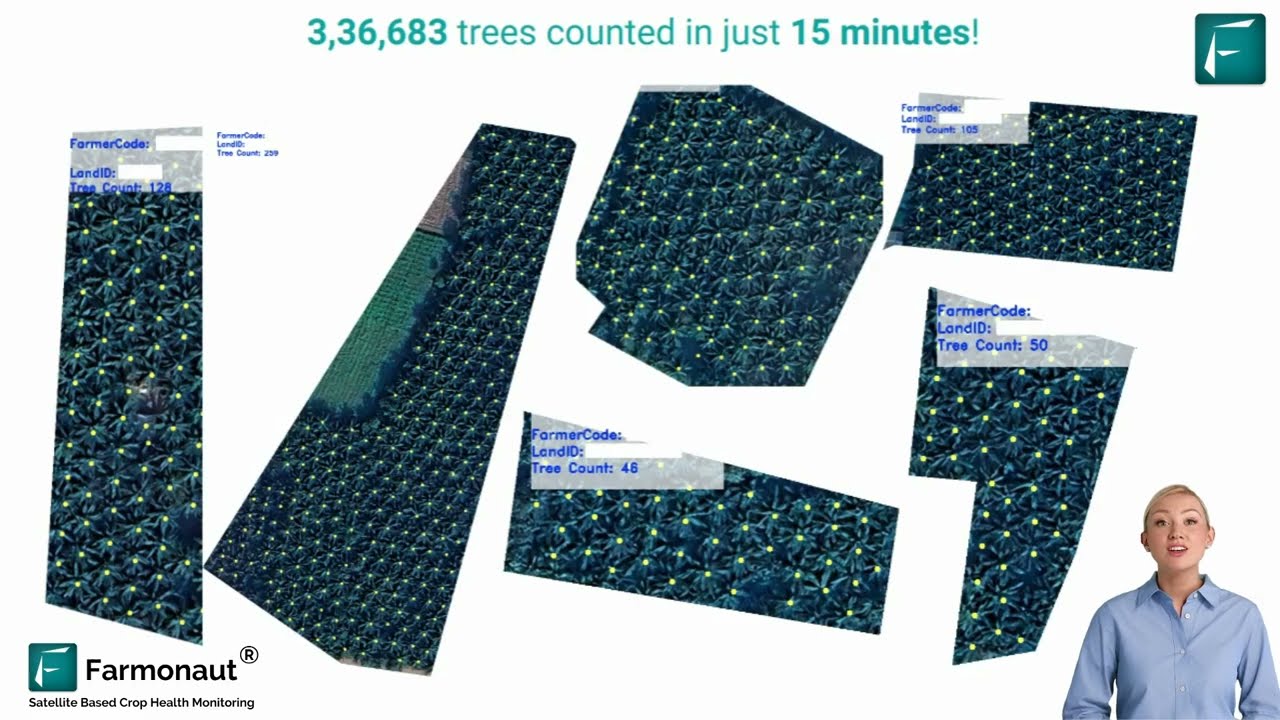
“Over 90% of global rare earth refining occurs in Asia, shaping innovation trends and environmental strategies by 2025.”
Featured Industry and Technology Innovations: Rare Earth Elements & Satellite Monitoring
Explore the intersection of satellite-driven environmental insights and responsible mining of the rare elements of earth.
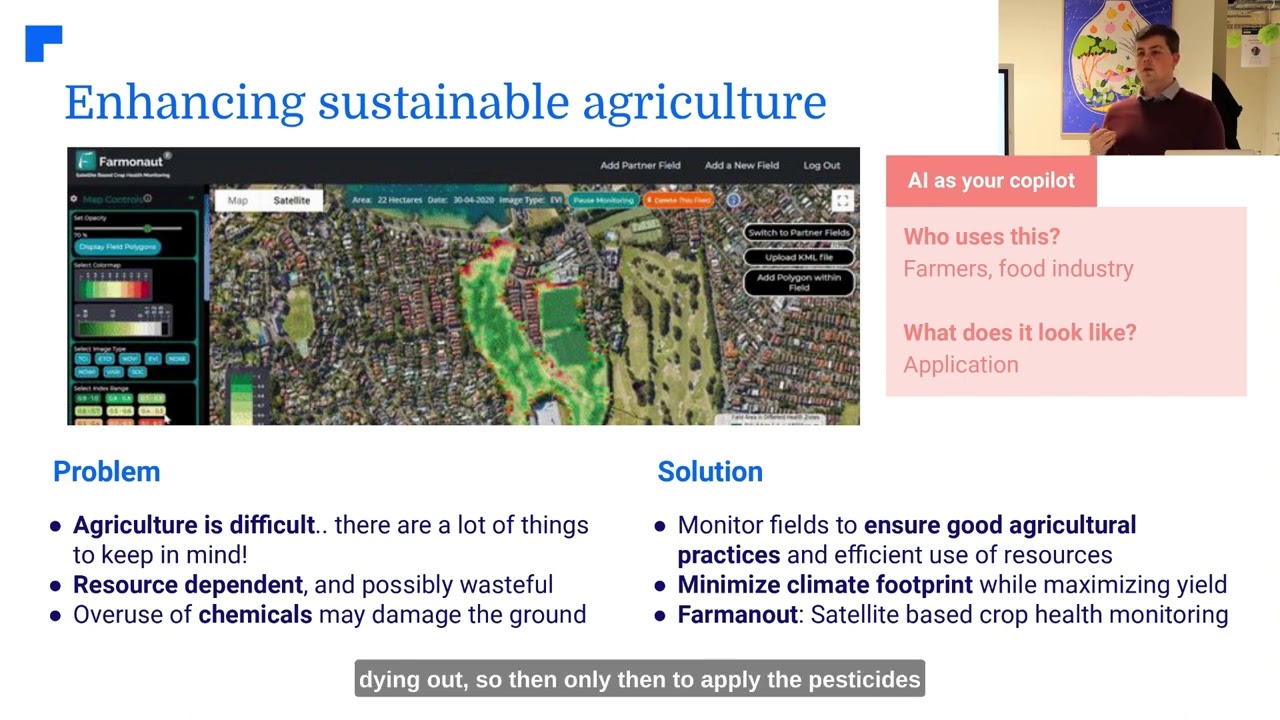
Farmonaut enables large-scale resources monitoring for governments and business through advanced web/mobile apps and APIs—helping manage risk in rare earth mining for 2025 and beyond.
- Check out large-scale mining and agricultural resource management in our AGRO-Admin App.
- Crop plantation and forest advisory technologies are available within the Farmonaut platform—saving operational costs, and enabling real-time site monitoring.
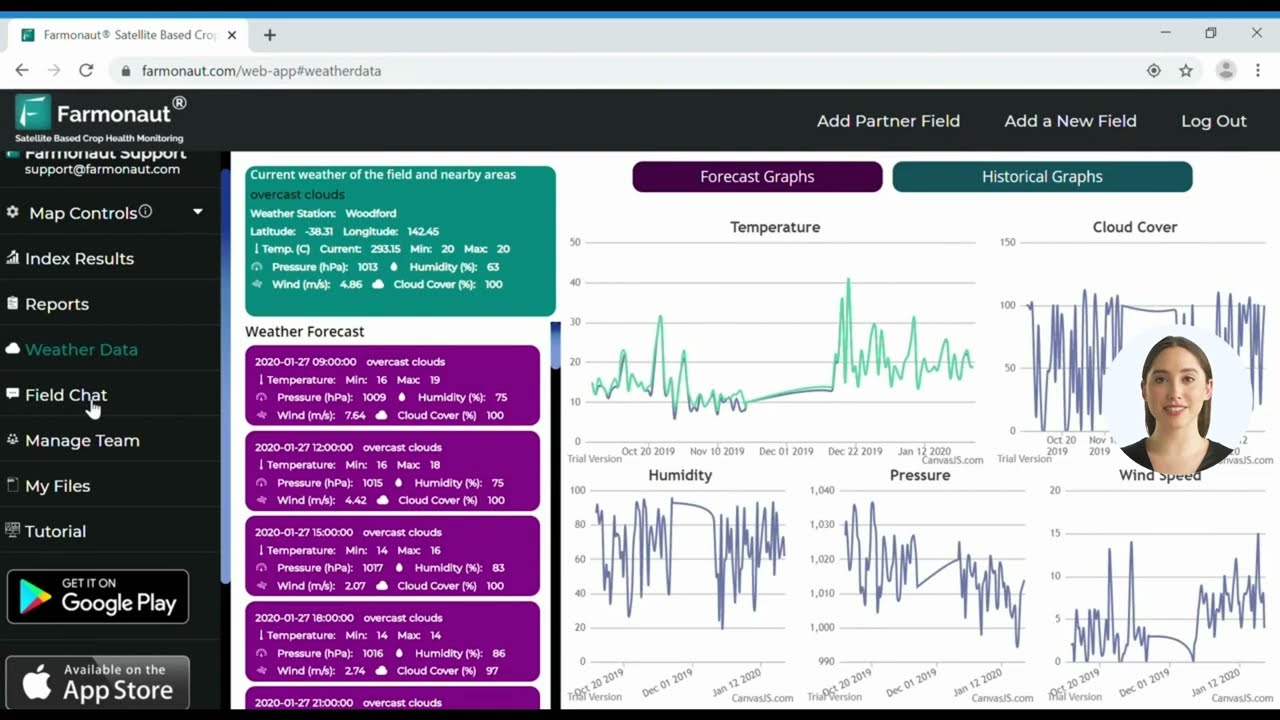
Recycling Rare Earths: Urban Mining & Closing the Circular Loop
In the face of spiraling demand, relying solely on virgin ore extraction is unsustainable. Urban mining—recovering rare earths from manufactured products, magnets, and electronics—has become a vital pillar of 2026’s REE strategy.
Why Urban Mining Matters
- Up to 25% of future REE production could come from recycled sources by 2030, based on current projections and investments in new recycling technologies.
- E-waste streams—smartphones, speakers, batteries, and automotive components—are rich sources of REEs, with significantly lower extraction costs and a far smaller environmental footprint.
- State-of-the-art AI sorting, automated disassembly, and solvent-free recovery tech are making urban mining of rare earths as efficient and scalable as primary mining operations.
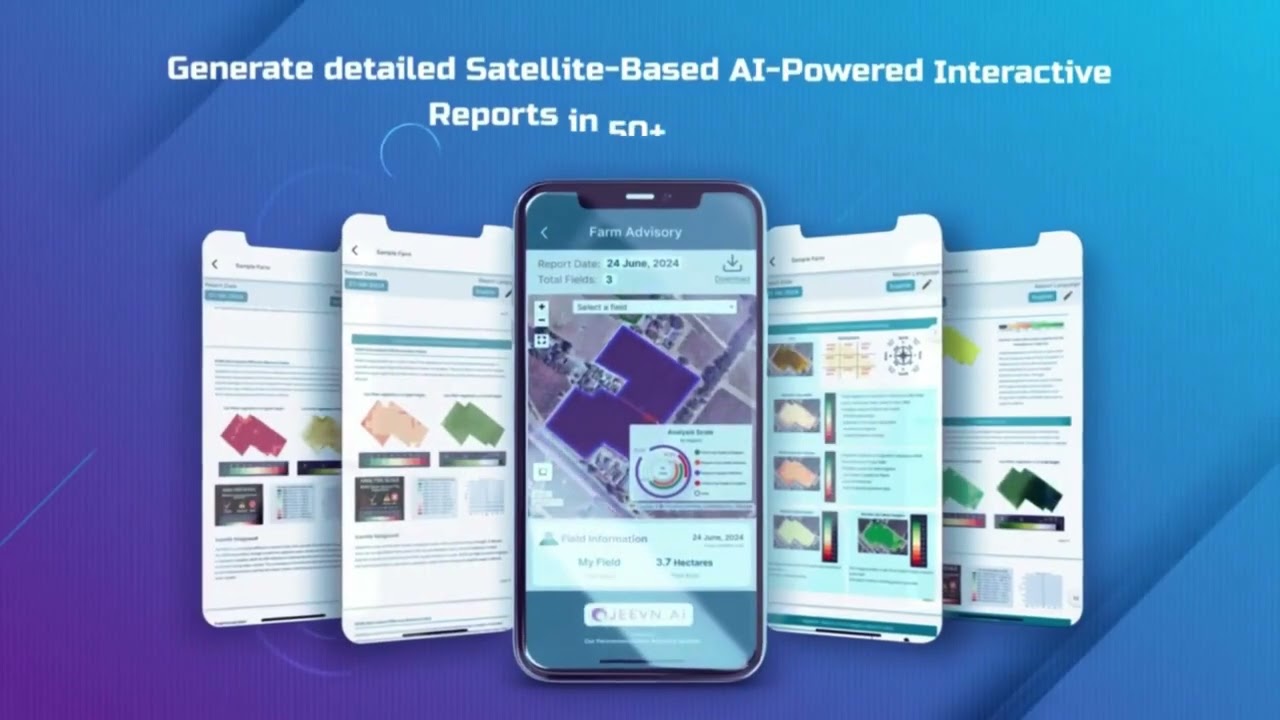
Key Advantages of REE Recycling & Circular Economy
- Reduces Waste: Less landfill burden and lower need for virgin resource extraction.
- Mitigates Geopolitical Risk: Diversifies supply, avoids chokepoints in global production.
- Enables Sustainable Growth: Lowers carbon footprint, supports green credentials, and opens new business models focused on resource efficiency.
Progress in recycling rare earth elements will underpin the stability and resilience of industries critical to the global transition to sustainable energy, smart infrastructure, and secure defense systems.
Outlook 2026: Rare Earth Elements as the Foundation of Future Technologies & Sustainable Development
Mining rare earth elements in the mid-2020s stands at the nexus of technological innovation, environmental stewardship, and global economic strategy. The next several years promise accelerated progress in extraction efficiencies, urban mining, digital monitoring, and sustainable system integration across the rare elements of earth value chain.
- Critical Pillar for Future Technology: REEs enable the miniaturization and advancement of batteries, wind turbines, EVs, smart grids, and global communications. The shift towards green energy systems fuels sustained REE demand.
- Advanced Defense and Security: Nations are increasingly aware of the strategic significance of REEs in ensuring national security and advanced defense technology dominance.
- Sustainability and Circularity: The move towards bioleaching, recycling, blockchain traceability, and closed-loop operational models aligns rare earth mining with UN Sustainable Development Goals and ESG investment frameworks.
- Resource and Social Responsibility: Sustainable mining rare earth elements is not only an economic imperative, but also a moral one: environmental compliance, social impact, and responsible development will define sector leaders in 2026 and beyond.
- Role of Digital Transformation: Artificial intelligence, satellite remote sensing, and real-time analytics (as delivered by Farmonaut) are setting new standards for transparency, compliance, and integrated resource management.
Mining rare earth elements—from responsible extraction to sustainable recycling—is enabling our transition to a resilient, intelligent, and low-carbon future.
Frequently Asked Questions (FAQ): Mining Rare Earth Elements 2026
-
What are rare earth elements and why are they important in 2026?
Rare earth elements refer to a group of 17 chemically similar metallic elements—15 lanthanides, plus scandium and yttrium. Their unique magnetic, catalytic, and luminescent properties make them essential in energy (wind turbines, EVs), defense systems (guidance, lasers), electronics, sensors, and smart infrastructure. Growing demand and global strategies to secure rare earth supplies make REEs a critical pillar for future development. -
How is mining rare earth elements changing in terms of environmental sustainability?
The mining sector is moving quickly towards bioleaching, remote sensing via satellites, closed-loop processing, and recycling/urban mining, reducing environmental impact, water/soil pollution, and reliance on chemical-intensive processes. -
What role does Farmonaut play in rare earth mining?
Farmonaut offers satellite-based monitoring, AI-driven advisory, blockchain traceability, and resource management tools that support environmental compliance, operational optimization, and ESG reporting for mining rare earth elements. -
Can rare earth elements be recycled?
Yes, advancements in recycling, urban mining, and AI-driven sorting allow large-scale recovery of REEs from electronic waste, permanent magnets, and batteries—a key sustainability trend for 2026. -
What are the environmental risks involved in rare earth mining?
Major risks include radioactive contamination (especially from thorium in monazite), chemical pollution (acids, solvents), tailings, and water/soil degradation. New technologies and stricter regulations in 2026 help mitigate these challenges. -
What is blockchain traceability and why does it matter?
Blockchain traceability links REE supply chains securely from mine to product, ensuring responsible sourcing and regulatory compliance—important for governments, manufacturers, and consumers. -
How can mining operators prepare for the future of REEs?
By adopting digital transformation, investing in sustainable extraction (bioleaching, closed-loop systems), recycling, and leveraging platforms like Farmonaut for real-time monitoring, compliance, and resource optimization.
Farmonaut Subscription & Resources
Explore how Farmonaut’s affordable, scalable satellite-driven solutions can empower mining, energy, defense, and smart infrastructure companies to achieve resource optimization, regulatory compliance, and future-proof growth.
Quick Access
- Web & Mobile Apps: Monitor and manage your mining operations anywhere.
- API Documentation: Get direct satellite feed and data integration. | API Dev Docs
- Product Traceability Solution: Ensure full traceability for your rare earth supply chain via blockchain.
- Environmental Reporting: Carbon footprinting for clean mining and ESG compliance.
- Mining Fleet Resource Management: Fleet and operations optimization tools for mining and energy sectors.
- Loan and Insurance Verification: Reduce fraud and improve access to mining loans and insurance.
Empower your mining, energy, and infrastructure team with cutting-edge tools to build a responsible, greener, and more resilient future.
Discussion
Questions, corrections or field experience? Share them below. First-time comments are reviewed before they appear, and your email is never published.
No comments yet. Be the first to add a question or your experience.

 Sahel Shipping SA
 Sania Corporation
 Sean Mining Limited
 NTS Group (Pty) Ltd
 Mine4Africa
 Lithspo Minerals Limited
 Tintina Mining Group
 Dalgety Minerals Pty Ltd
 Vortex Minerals Pty Ltd
 Faith At Work (Pty) Ltd
 Geotech Mining Solutions plc
 Vulcan International Limited
 Kidepo Associates
 GKY Mining
 Alkimy SARL
 Double A Trading
 GemSprout Metals Limited
 Qader Group
 Ileys General Trading
 SG Gold Mining LLC
 VRV Global Pte Ltd
 Omsri International FZE
 G.I.T.T.
 Jaunita Erss Ltd
