

Diamond mining · Guide
Real Diamond Mining: Where Diamonds Are Mined and How
The world mined an estimated 69 million carats of gem-quality natural diamond in 2025, about 30% of it in Russia. This guide covers how diamonds form, where they are mined, how a mine works, what ore can earn and where the public can dig.
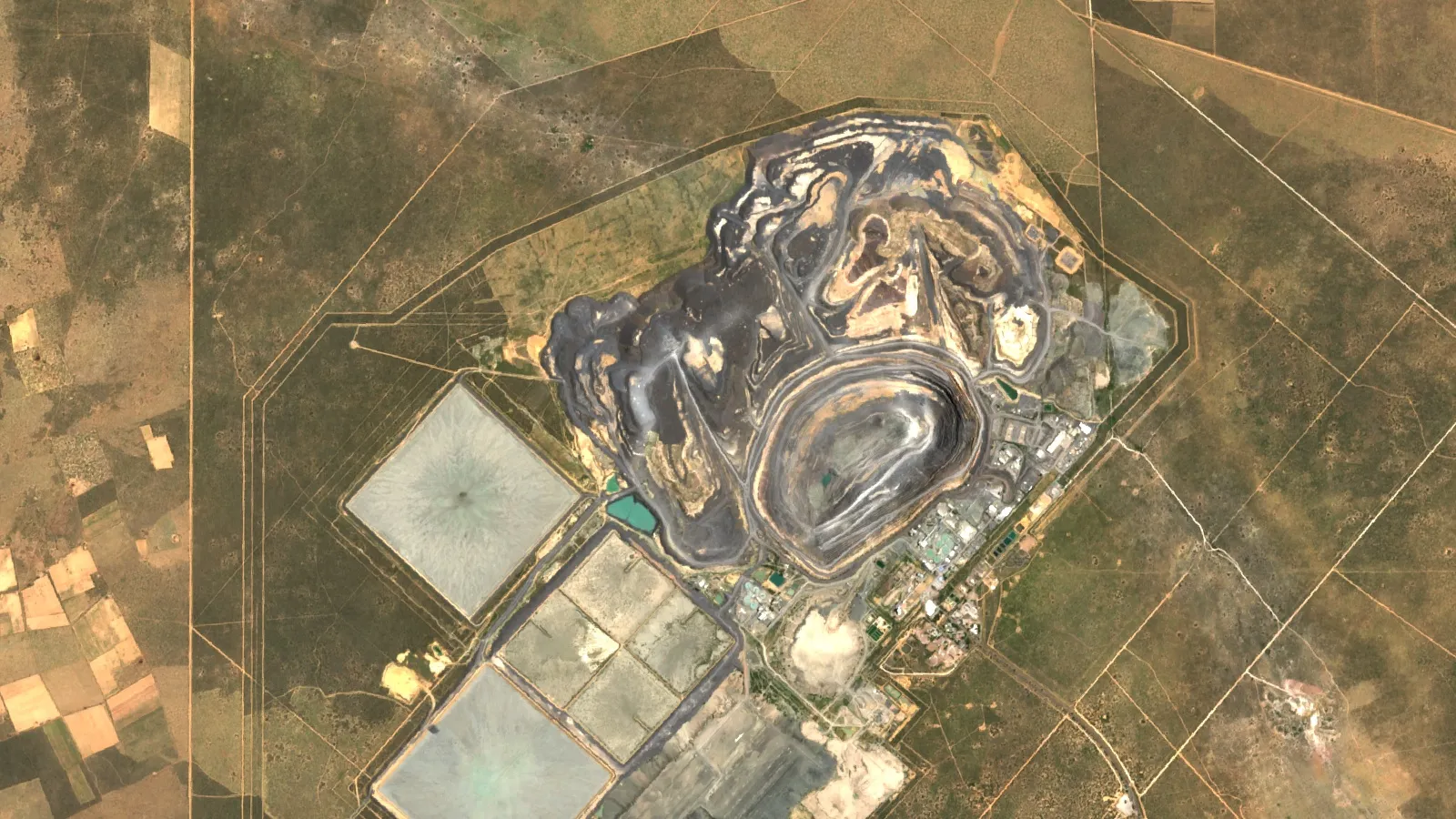
Key takeaways
- Estimated 2025 world gem-quality natural diamond output was 69 million carats; Russia mined about 30% by volume (USGS, 2026).
- Most diamond ore holds from under 1 carat to about 6 carats per tonne of rock (USGS, 2026), so a mine moves large amounts of waste.
- World rough output in 2024 was 107.9 million carats worth US$9.5 billion, about US$88 a carat (Natural Resources Canada, preliminary).
- Diavik in Canada announced the end of production on 26 March 2026 after 23 years and more than 150 million carats; closure work runs to 2029 (Rio Tinto).
- Natural diamond is under 1% of industrial diamond used; about 97% of US industrial diamond use is synthetic (USGS, 2026).
In this article
- How real diamonds form and reach the surface
- Where real diamonds are mined today
- How a diamond mine works, step by step
- Selected diamond operations compared
- How much diamond is in the ground, and what a mine earns
- How explorers find a diamond pipe
- Natural, lab-grown and industrial diamonds
- Environmental and community effects of diamond mines
- Can you dig for real diamonds yourself?
- Frequently asked questions
Real diamond mining means digging natural diamonds out of volcanic rock or river gravel, crushing the material and sorting out the stones. In 2025 the world mined an estimated 69 million carats of gem-quality natural diamond (a carat is 0.2 gram). Russia produced about 30% of that by volume, and Angola, Botswana and Canada about 13 million carats each (USGS, Mineral Commodity Summaries 2026, gemstones). Ore is thin: most diamond deposits hold from under 1 carat to about 6 carats in each tonne of rock (USGS), so a mine moves a lot of waste to find a few grams of stone.
This page answers the questions people ask when they search for real diamond mines: how the stones form, which countries mine them, how a mine works step by step, which operations are running or closed, what a tonne of ore can earn, and whether an ordinary person can dig for diamonds. It also covers lab-grown stones, because they now shape the market. Every figure carries its source and date. Where sources count differently, we say so.
How real diamonds form and reach the surface
Real diamonds are carbon crystals that grow in the mantle, far below any mine. Gemmologists at the Gemological Institute of America (GIA) summarise the conditions: diamond can form below about 140 km, at pressures above 4 gigapascals (about 40,000 times atmospheric pressure) and at temperatures of roughly 950 to 1,400°C. Gem-quality diamonds from the thick roots of old continents most likely formed near 1,150 to 1,200°C. Many of these stones are older than 1 billion years, and the oldest directly dated diamonds are about 3.5 billion years old (GIA, Gems & Gemology, Winter 2013).
Volcanoes do not make the diamonds. They carry them up. A kimberlite is a rock formed when a gas-rich magma blasts from the mantle to the surface and tears off pieces of rock on the way. These eruptions are much younger than the diamonds they carry. The magma cools in a vertical body called a pipe, and those pipes are what explorers look for. A related rock called lamproite carries diamonds at a few sites, including the Crater of Diamonds in Arkansas (Arkansas Geological Survey).
Most pipes are barren. GIA notes that only several hundred diamond-bearing kimberlites are known worldwide. In the Slave craton of northern Canada about half of more than 300 known pipes held some diamonds, but fewer than 1% were rich enough to mine. In the Kimberley craton of South Africa about 10% of more than 80 pipes held diamonds and none was rich enough to mine (GIA, 2013). A pipe that holds diamonds is therefore the start of a long test, not a mine.
Where real diamonds are mined today
Natural Resources Canada puts world rough diamond output at 107.9 million carats worth US$9.5 billion in 2024 (preliminary), an average of US$88.35 a carat. By volume, Russia supplied 34.6%, Botswana 16.8%, Angola 13.0%, Canada 12.3% and the Democratic Republic of the Congo 9.1% (Natural Resources Canada, Diamond facts).
Chart
Gem-quality natural diamond mine production by country
Million carats, 2025 estimate, selected countries
The USGS splits the same trade in two. Its gem-quality table (69 million carats in 2025, estimated) is the chart below. Its separate table for natural industrial diamond lists 38 million carats for 2025, led by Russia (16 million), the Democratic Republic of the Congo (7 million), Botswana (5 million) and Zimbabwe (5 million) (USGS, Mineral Commodity Summaries 2026, diamond). The two tables add to about 107 million carats for 2025, close to the 107.9 million carats Natural Resources Canada gives for 2024 (different years and sources, so treat the match as rough). Only about 20% of world production by weight goes into jewellery; the rest is used as industrial abrasives and for heat control in electronics (Natural Resources Canada).
Three facts shaped supply in 2025 and 2026. First, sanctions by the United States, the European Union and the Group of Seven bar imports of Russian rough and finished gem diamonds, including stones processed in third countries (USGS, 2026). Second, the market has been weak since early 2023, which hit stones of one carat or less hardest and cut rough sales and prices (USGS, 2026). Third, Canadian output fell to 13.3 million carats in 2024, down 17% on 2023, and Natural Resources Canada says its mines are approaching the end of their lives.
The Kimberley Process, the certification scheme for rough diamond trade, lists 60 participants representing 86 countries and says they cover nearly all rough diamond production (Kimberley Process). Its public statistics site publishes country tables for volume and value about six months after each year ends (Kimberley Process Statistics), and those tables, not trade-press summaries, are the place to check a specific country.
How a diamond mine works, step by step
The method depends on where the diamonds sit. There are four common settings.
Infographic
From ore to rough diamonds in 5 steps
- 1Mine the oreOpen pit, underground, river gravel or seabed, depending on where the diamonds sit.
- 2Crush and scrubCrushing and scrubbing release the diamonds and sort the ore by size.
- 3Separate by densityDense-medium separation lifts the heavy minerals away from light waste.
- 4X-ray sortX-ray equipment separates diamond-bearing concentrate from gravel.
- 5Hand cleanStaff remove the last waste, and the concentrate goes on to final recovery.
- Open pit: miners strip the overburden (the waste rock on top), blast the kimberlite and haul it to a crusher. This suits shallow pipes. Diavik in Canada used open pits and then underground mining (Rio Tinto, 26 March 2026).
- Underground: when the pipe goes deeper than a pit can follow, miners tunnel to it. De Beers’ Venetia mine in South Africa produced 0.7 million carats in the second quarter of 2026, largely from more underground ore; De Beers announced on 13 July 2026 a proposed pause in production from the second half of 2026 (Anglo American, Q2 2026 production report).
- Alluvial: rivers have washed diamonds out of old pipes into gravels. Operators often divert a river or wall off water to dig the dry bed (Mining Technology, 2018 feature).
- Marine: vessels recover diamond gravel from the seabed off Namibia. De Beers’ Namibia output was 0.5 million carats in the second quarter of 2026, broadly unchanged, and the Debmarine Namibia vessels made 0.37 million of it (Anglo American, Q2 2026).
The processing plant then turns tonnes of ore into a small bag of stones. Namibia’s Namdeb describes the stages at its plant: crushing, scrubbing and screening release the diamonds and sort the ore by size; dense-medium separation uses the density of the minerals; X-ray technology separates the diamond-bearing concentrate from gravel; and hand sorting removes the last waste. The concentrate then goes to the Red Area Complex for final recovery (Namdeb, treatment process).
Selected diamond operations compared
This table is a selection of operations with recent public figures, not a ranking of all mines. Output is for one quarter or the life of the mine, as shown, so rows cannot be added up.
| Operation | Where | What the sources show | Source |
|---|---|---|---|
| De Beers Botswana (Jwaneng, Orapa) | Botswana | 5.5 million carats in Q2 2026, up 107% on a quarter cut by extended maintenance at Orapa; planned higher-grade ore at Jwaneng | Anglo American Q2 2026 |
| Gahcho Kué | Canada | 1.0 million carats in Q2 2026 (51% basis) from planned higher-grade ore | Anglo American Q2 2026 |
| Venetia | Limpopo, South Africa | 0.7 million carats in Q2 2026 on more underground ore; a production pause is proposed from the second half of 2026 | Anglo American Q2 2026 |
| De Beers Namibia (Namdeb land and Debmarine Namibia vessels) | Namibia coast | 0.5 million carats in Q2 2026, broadly unchanged; the Debmarine Namibia vessels made 0.37 million | Anglo American Q2 2026 |
| Diavik | Northwest Territories, Canada | End of production announced on 26 March 2026 after 23 years and more than 150 million carats; closure work runs to 2029 | Rio Tinto |
| Russian mines | Russia | About 21 million carats of gem-quality stones in 2025 (estimate), about 30% of world volume; under US, EU and G7 sanctions | USGS |
| Crater of Diamonds | Arkansas, United States | A public dig site where visitors keep what they find; more than 37,377 diamonds found since 1972 (to 13 January 2026) | Arkansas State Parks |
One note on ownership. Anglo American, De Beers’ parent, says in its second-quarter 2026 report that it is progressing the sale process for De Beers. For the largest stones and mines on record, see our guide to the biggest diamonds and diamond mines.
How much diamond is in the ground, and what a mine earns
Three numbers decide whether a pipe is worth mining: the grade (carats per tonne of ore), the value of the stones (US dollars per carat) and the cost of moving and processing each tonne. The USGS gives the range for grade: most diamond ore bodies hold from under 1 carat to about 6 carats per tonne of ore (USGS, 2026). The same USGS report lists world reserves, in carats, shown in the second chart. Reserves are the part of a deposit that can be mined at a profit, so they change when prices or costs change.
Chart
Gem-quality diamond reserves by country
Million carats, USGS reserve estimates; countries with a published figure
Value per carat varies more than grade. Natural Resources Canada gives a world average of US$88.35 a carat for 2024 (preliminary). De Beers reported a consolidated average realised price of US$105 a carat for the first half of 2026, down 32% on the same period of 2025 (Anglo American, Q2 2026). Averages hide wide differences between a small industrial stone and a large clean gem. USGS puts the unit value of imported industrial diamond grit and powder at US$0.21 a carat in 2025, against US$6.70 a carat for imported industrial stones (USGS, 2026).
The calculator below turns grade, tonnage, recovery and price into a rough yearly revenue and a margin before royalties, tax, capital and the cost of waste mining. It uses your numbers; the defaults are round examples, not any mine’s figures.
Calculator
What could a tonne of diamond ore earn?
Enter your own tonnage, grade, recovery, price and cost.
- Revenue at your price: $40,500,000
- Operating cost: $35,000,000
- Margin before royalties, tax and capital: $5,500,000
Example values only, not a forecast or any mine’s figures. USGS says most diamond ore holds under 1 to about 6 carats per tonne. Price per carat is an input: example, use today’s price (US$ per carat); averages hide wide differences between stones. Royalties, tax, capital and waste mining are left out, so the margin is before those costs.
How explorers find a diamond pipe
Because so few pipes pay, explorers screen widely before they drill. The usual steps are regional geology and old maps, sampling of stream sediment for heavy indicator minerals, geophysical surveys for the magnetic or gravity signature of a pipe, then drilling and bulk sampling of the best targets. Our guide to diamond exploration, from indicator grains to kimberlite pipes goes through each step, and the guide to drilling companies in Canada covers permits, seasons and costs for the drilling stage.
Pipes can be hidden. Diavik’s four pipes were found in 1991 beneath Lac de Gras, 220 km south of the Arctic Circle (Rio Tinto, 2026). That is why large areas are screened early and cheaply before money goes into drilling.
Satellites do not see diamonds. They can map the rock and structures around a target. Farmonaut’s satellite screening lists diamonds among the minerals it covers, reading reflected light to flag target zones, alteration and faults, and it returns the result as an exploration target to be checked by ground sampling and drilling, ahead of any resource estimate. You can send an area of interest through the satellite mineral detection service, or ask a question through the mining query form.

▶ Explains what satellites can and cannot see in mineral exploration and how they help pick targets. · 4:25
Natural, lab-grown and industrial diamonds
Lab-grown diamonds are made, not mined, and they now shape the mined market. The USGS says the downturn in natural diamonds that began in early 2023 came from weaker luxury demand, excess inventory and the growing popularity of cheaper synthetic stones (USGS, 2026). In industry the split is stark: natural diamond is under 1% of all industrial diamond used worldwide, and about 97% of US industrial diamond consumption was synthetic because its quality can be controlled (USGS, 2026). At least 15 countries can make synthetic diamond.
Chart
US gemstone trade, imports and exports
US$ billion, all gemstones (diamond was 79% of import value in 2025)
Demand and trade show the squeeze on the gem side. US gemstone imports were valued at about US$11 billion in 2025 (estimate), down 44% from US$19.6 billion in 2024, and diamonds were on average 79% of the value of gem imports in 2025 (USGS, 2026). US production of synthetic gemstones fell 35% in 2025 after a leading Oregon producer stopped operating in July.
For a buyer, the practical point is origin and disclosure: a seller should say whether a stone is natural or lab-grown. For a miner, the point is cost: a mine must sell stones at a price that covers its costs against a cheaper alternative.
Environmental and community effects of diamond mines
A mine changes land and water for decades, and the closing years show what that costs. Diavik, which closed in 2026, is a useful example. Rio Tinto says the site is in decommissioning and reclamation, buildings are being removed or salvaged, and lake water is being returned to the mine pits and tested before it is reconnected with Lac de Gras. Closure work runs to 2029, followed by monitoring, and Rio Tinto plans the reclamation with the Government of the Northwest Territories and Indigenous partners (Rio Tinto, Diavik). The Tłı̨chǫ Government and Diavik signed a closure agreement on 26 February 2026.
Closure planning started before production began at Diavik. For any mine, the questions that matter are who pays for closure, how water is handled and what the plan is for workers and communities when ore runs out. Our video on the environmental impacts of mining explains seven common effects in plain words.
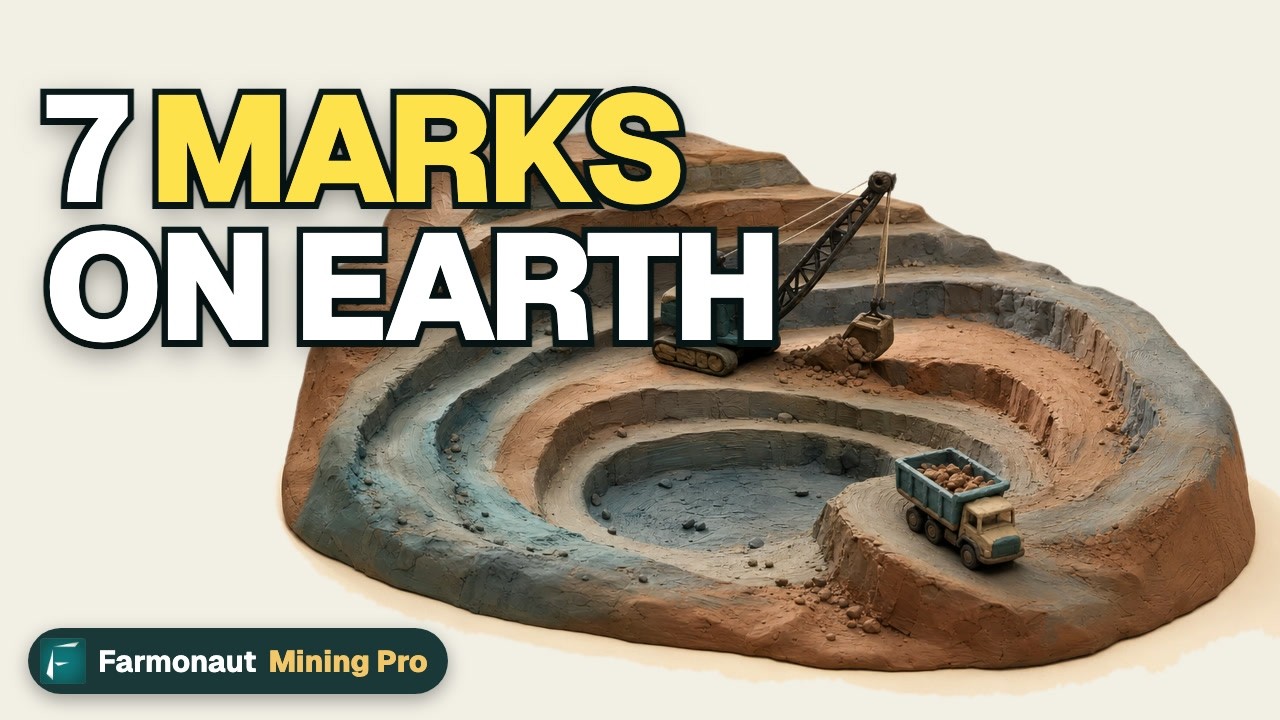
▶ A plain-language claymation on the seven environmental impacts of mining. · 2:31
Can you dig for real diamonds yourself?
In one place in the United States, yes. At Crater of Diamonds State Park in Arkansas, visitors search a 37-acre field of a lamproite crater and keep what they find, and the state geological survey describes it as the only place in the world where the public can pay a small entrance fee, look for diamonds and keep them. The park says that more than 37,377 diamonds had been found by visitors since 1972, as of 13 January 2026 (Arkansas State Parks). The largest diamond found in the United States, the 40.23-carat Uncle Sam found in 1924, came from this site and is now in the Smithsonian collection (Arkansas Tourism). Entry is US$15 for adults and US$7 for ages 6 to 12, and children under 6 pay US$0; a basic tool kit rents for US$15 with a US$45 refundable deposit (Arkansas State Parks, October 2026).
Elsewhere, digging on private or public land needs the owner’s permission or a valid claim or licence, and some places ban fossicking or mining. Our guide to where you can dig for diamonds lists public sites. Never use mercury, and follow local safety rules on pits and water.
Frequently asked questions
How are real diamonds mined?
Miners dig kimberlite or lamproite ore from open pits or underground, or recover diamonds from river gravel or the seabed. Plants then crush the ore, separate heavy minerals by density and sort diamonds with X-rays and by hand (Namdeb process description).
Where are real diamonds mined?
Mainly in Russia, Botswana, Angola, Canada and the Democratic Republic of the Congo. Natural Resources Canada gives these five countries a combined 86% of world volume in 2024 (preliminary).
How are diamonds formed underground?
Carbon crystallises in the mantle, below about 140 km, at pressures above 4 gigapascals and temperatures of roughly 950 to 1,400°C. Kimberlite eruptions later carry the diamonds to the surface (GIA, 2013).
Why do diamonds need such deep, extreme conditions?
GIA puts diamond stability at pressures above 4 gigapascals. That is why gem diamonds come from deep in the old, thick roots of continents and not from the crust near the surface.
How old are real diamonds?
Many gem diamonds are older than 1 billion years, and the oldest directly dated are about 3.5 billion years old. The volcanic rock that brought them up is far younger (GIA, 2013).
Are there real diamond mines in the United States?
The USGS lists no US mine production of gem-quality or industrial natural diamond. The Crater of Diamonds State Park in Arkansas is a public dig site, not a commercial mine.
How much diamond is in a tonne of ore?
Most diamond ore bodies hold from under 1 carat to about 6 carats per tonne (USGS, 2026). A carat is 0.2 gram, so even rich ore is more than 99.9% waste by weight.
What is the difference between a real and a lab-grown diamond?
A real diamond grew in the mantle over millions to billions of years; a lab-grown diamond is made in a machine. Both are diamond, and USGS notes that synthetic stones share the chemical and physical properties of natural ones. Natural diamonds are now under 1% of the industrial market.
Why has the diamond market been weak?
The USGS cites weaker luxury demand, inflation, excess inventory and cheaper synthetic stones since early 2023. Russian sanctions also changed trade flows.
What happened to the Diavik diamond mine?
Rio Tinto announced the end of production at Diavik on 26 March 2026 after 23 years and more than 150 million carats. Closure and reclamation work runs to 2029 (Rio Tinto).
Can satellites find diamond mines?
Satellites cannot see diamonds, but they can screen rock, alteration and faults over large areas to pick targets for ground work. A satellite result is an exploration target, not a resource estimate.
This page is for information only. It is not investment advice, and it gives no share prices or price targets. Ask the landowner or regulator for permission before you dig or prospect anywhere, follow safety rules and never use mercury.
Farmonaut mining
Map your mining site from space
Mining consultants can send an area of interest and receive a satellite-based exploration target map to support client work, ahead of any resource estimate.
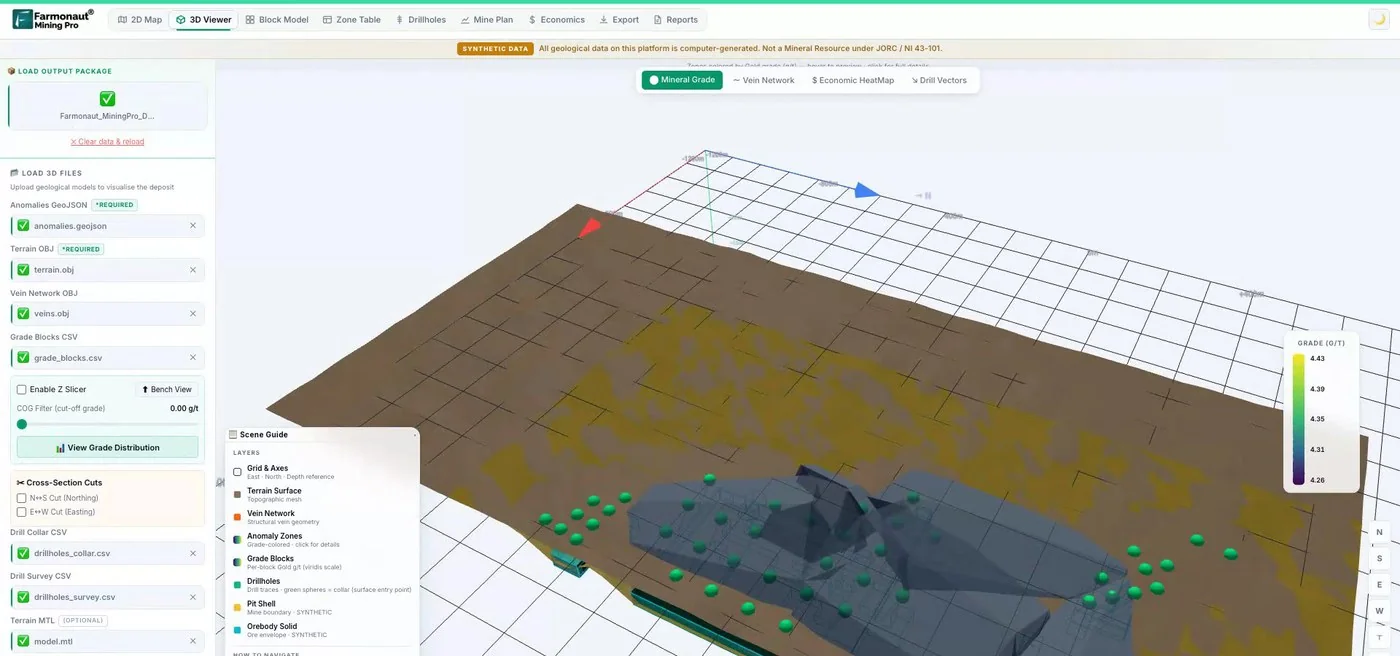
Mining Pro sample view, synthetic data
Keep reading
Sources
- USGS, Mineral Commodity Summaries 2026: Gemstones: pubs.usgs.gov
- USGS, Mineral Commodity Summaries 2026: Diamond (industrial): pubs.usgs.gov
- GIA, Recent Advances in Understanding the Geology of Diamonds, Gems & Gemology (Winter 2013): gia.edu
- Natural Resources Canada, Diamond facts: natural-resources.canada.ca
- Kimberley Process: kimberleyprocess.com
- Kimberley Process, Rough Diamond Statistics: kimberleyprocessstatistics.org
- Rio Tinto, Diavik delivers its final production (26 March 2026): riotinto.com
- Rio Tinto, Diavik operation page: riotinto.com
- Anglo American, Q2 2026 production report (23 July 2026): angloamerican.com
- Namdeb, treatment process: namdeb.com
- Mining Technology, How are diamonds mined? (2018): mining-technology.com
- Arkansas Geological Survey, Geology of the Crater of Diamonds State Park: geology.arkansas.gov
- Arkansas Tourism, Diamond Digging: arkansas.com
- Arkansas State Parks, Crater of Diamonds park brochure (2022): arkansas.com
- Arkansas State Parks, Crater of Diamonds State Park: arkansasstateparks.com
Discussion
Questions, corrections or field experience? Share them below. First-time comments are reviewed before they appear, and your email is never published.
No comments yet. Be the first to add a question or your experience.

 Sania Corporation
 Sean Mining Limited
 NTS Group (Pty) Ltd
 Mine4Africa
 Lithspo Minerals Limited
 Tintina Mining Group
 Dalgety Minerals Pty Ltd
 Vortex Minerals Pty Ltd
 Faith At Work (Pty) Ltd
 Geotech Mining Solutions plc
 Vulcan International Limited
 Kidepo Associates
 GKY Mining
 Alkimy SARL
 Double A Trading
 GemSprout Metals Limited
 Qader Group
 Ileys General Trading
 SG Gold Mining LLC
 VRV Global Pte Ltd
 Omsri International FZE
 G.I.T.T.
 Jaunita Erss Ltd
 SRK Consulting










