

Negative Effects of Mining on the Environment: 7 Impacts
“Mining contributes to nearly 10% of global deforestation, severely impacting agricultural and forestry sustainability.”
Table of Contents
- Introduction: Mining’s Broad Environmental Toll
- Comparative Impact Table: 7 Core Environmental Harms
- 1. Water and Sediment Contamination
- 2. Soil Degradation & Arable Land Loss
- 3. Deforestation and Habitat Destruction
- 4. Chemical Usage & Toxic Exposure
- 5. Air Pollution and Climate Impacts
- 6. Noise, Light & Social Disruption
- 7. Cumulative & Cross-Sectoral Impacts
- Mitigation & Sustainable Practices
- Satellite-Driven Solutions: Mining & Mineral Detection
- Frequently Asked Questions
- Conclusion & Next Steps
Introduction: Mining’s Broad Environmental Toll
Mining occupies a pivotal yet controversial role at the intersection of industry, environment, and society. The extraction of minerals—whether for gold, base metals, or rare earths—exacts a heavy toll on the environment that ripples through ecosystems, agriculture, forestry, and human settlements. While advances in processing and restoration have evolved, the negative effects of mining on the environment remain a persistent challenge facing global sustainability efforts. As demand for critical minerals accelerates, the stakes for responsible resource management—across soil, water, biological diversity, and community livelihoods—are only increasing.
For a balanced view that weighs these costs against the benefits, see the advantages and disadvantages of mining set out side by side.
In this comprehensive guide, we explore seven core negative effects of mining on the environment, analyzing their impacts on soil, land, water, forestry, health, agriculture, and communities. We also highlight actionable strategies—spanning modern technology and responsible land-use planning—that can help reduce these damages. Our purpose: empower stakeholders with objective knowledge to balance resource viability and environmental stewardship, ensuring that the legacy of mining supports, rather than undermines, present and future generations.
Across all forms and scales, mining’s environmental risks recur, from gold rush regions and artisanal small-scale operations to large strip and open-pit mines—demanding sector-wide accountability and innovation in mitigation.
Comparative Impact Table: 7 Core Environmental Harms
To help visualize scope and solutions, the table below compares the most significant negative effects of mining, delineating their environmental touchpoints, estimated severity, scale, and main mitigation options.
| Impact | Impact Description | Affected Area | Estimated Severity Level | Estimated Area Affected (per year) | Key Mitigation Strategies |
|---|---|---|---|---|---|
| Water & Sediment Contamination | Release of toxic chemicals (e.g., cyanide, mercury), sediments into streams, rivers, and groundwater. Impacts aquatic ecosystems, crop irrigation, and food safety. | Water, Soil, Communities, Agriculture | High | >1M hectares globally | Stringent tailings management, buffer zones, real-time water testing |
| Soil Degradation & Loss of Arable Land | Topsoil removal, compaction, erosion, loss of fertility, reduced agricultural productivity and land suitability. | Soil, Land, Forestry, Agriculture | High | 0.5–1M hectares | Progressive reclamation, soil rebuilding, controlled traffic of machinery |
| Deforestation & Habitat Destruction | Clearing forests, grasslands, wetlands; fragments wildlife corridors, loss of biodiversity and ecological services. | Forests, Biodiversity, Communities, Agriculture | High | 1M+ hectares | Reforestation, legal/physical access controls, habitat offsets |
| Chemical Usage & Toxic Exposure | Ore processing with chemicals (e.g., mercury, cyanide); bioaccumulation of toxins in ecosystems and human food/water supplies. | Soil, Water, Health, Food, Wildlife | Medium-High | 500k+ hectares | Safer alternatives, closed-loop processing, strict surveillance |
| Air Pollution & Climate Impacts | Dust, particulates, GHG emissions affect air quality, crop growth, and contribute to climate change. | Air, Health, Agriculture, Wildlife | Medium-High | Widespread—up to 2M hectares influenced | Dust suppression, emissions controls, low-carbon methods |
| Noise, Light & Social Disruption | Blasting, transport noise, artificial lighting disrupt wildlife, farming; cause social displacement, conflicts over land use. | Communities, Farming, Wildlife | Medium | Local—1000s of hectares | Buffer zones, operational curfews, stakeholder engagement |
| Cumulative & Cross-Sectoral Impacts | Combined, long-term negative effects (e.g., land-use change, ecosystem shifts, chronic pollution) that undermine resilience of agricultural and forest systems. | All—Soil, Water, Biodiversity, Communities, Livelihoods, Climate | High | Global; compounded over time | Integrated planning, ESG frameworks, restoration prioritization |
1. Water and Sediment Contamination: A Leading Negative Effect of Mining on the Environment
Water pollution stands as one of the most scrutinized negative effects of mining on the environment, especially in gold-rich regions. Ore processing releases toxic elements—notably mercury and cyanide—into waterways. In artisanal gold mining, mercury is commonly used to extract gold from sifted soils, which, once discarded, enters local streams, rivers, and even groundwater aquifers. Cyanide, another hazardous chemical, is employed in large-scale gold ore extraction and can leak from holding ponds or tailings dumps, contaminating surrounding hydrological systems.
The resultant effect on water, soil, health, and ecosystems is profound:
- ⚠ Polluted Waterways: Mining wastewater can contaminate streams used for drinking, irrigation, and aquatic life, impairing both human health and food production.
- ⚠ Sediment Runoff: Soil and ore particles from disturbed hillsides, tailings dumps, and open pits wash into rivers, increasing turbidity, blocking sunlight, and smothering fish habitats.
- ⚠ Nutrient & Toxin Transport: Runoff not only transports sediment but also delivers concentrated toxins downstream, impacting productive farmland and threatening crop health and food safety.
- ⚠ Dam Sedimentation: Heavy sediment loads reduce dam capacity, destabilize sediment balance, and threaten regional irrigation or hydro-mining operations.
- ⚠ Bioaccumulation: Mercury and arsenic enter the food chain, affecting fish and humans, with elevated risks for agricultural communities relying on local streams for watering livestock and crops.
📊 Data Insight: Over 80% of gold mining regions worldwide report detectable mercury levels in stream sediments, threatening both aquatic and agricultural systems.
Many mining sites focus mainly on dust or air pollution, underestimating the risks of waterway contamination. Proactive, real-time water monitoring and responsible tailings management are non-negotiable in effective environmental stewardship.

2. Soil Degradation and Loss of Arable Land: Mining’s Threat to Agriculture
The negative effects of mining on the environment are nowhere as visible as in the degradation of soil and loss of arable land. Large-scale open-pit and strip mining operations strip away the precious topsoil and organic matter essential for soil structure, fertility, and water retention. Without the protective layer, exposed subsoil becomes highly vulnerable to erosion and loss, leaving behind land that is often unsuitable or much less suitable for farming, forestry, or restoration.
- ✔ Open-Pit & Strip Mining: These methods remove topsoil and vital organic matter—crippling the land’s capacity to regenerate crops or natural vegetation.
- ✔ Heavy Machinery: Mining equipment compacts soil, reduces porosity and hinders infiltration, disrupting soil biota and making land restoration challenging and costly.
- ✔ Irreversible Damage: In many regions, reclamation efforts only partially restore lost fertility and, over the long term, can translate into reduced yields and food insecurity, especially for communities relying on subsistence or cash crops.
- ✔ Accelerated Erosion: Steep, disturbed hillsides and absence of root structures increase runoff and soil loss, especially during heavy rains or floods.
- ✔ Persistent Impacts: Soil compaction and chemistry alteration can last decades, undermining both agricultural output and biodiversity.
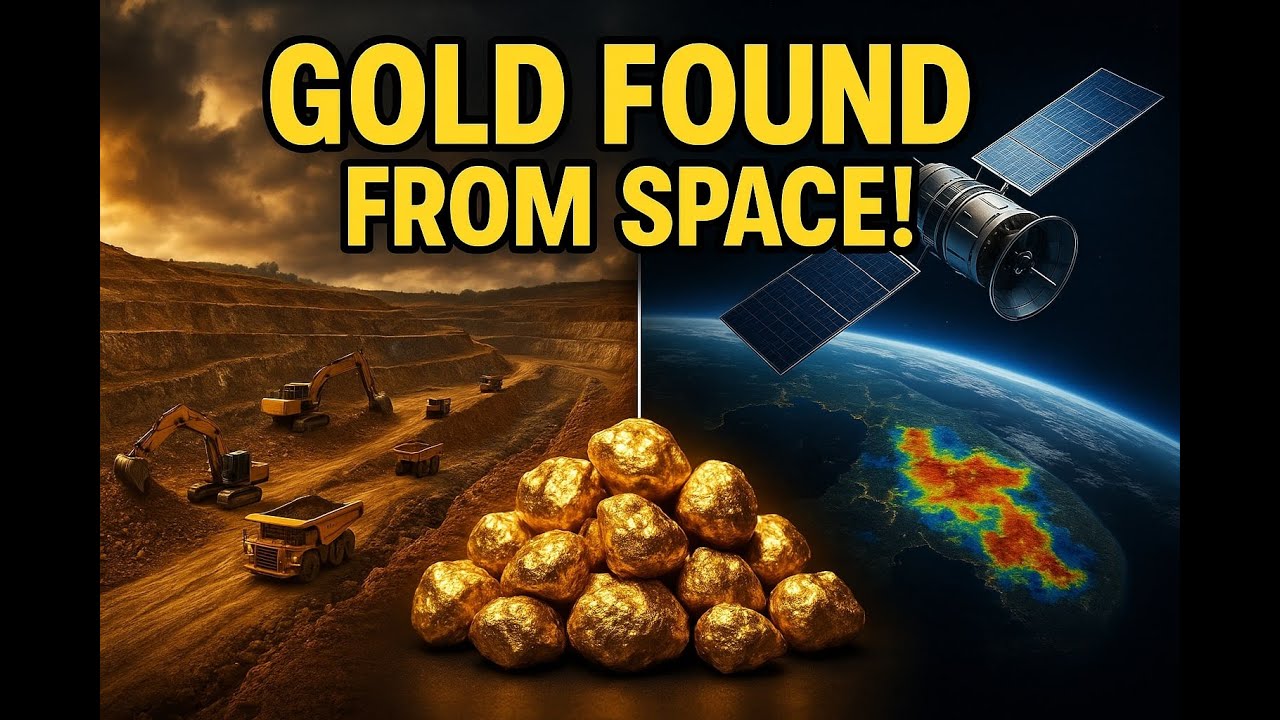
Compromised land value, mounting reclamation liabilities, and rural opposition to new projects are major financial risks for mining ventures that neglect soil and land stewardship.
- 🌱 Pro Tip: Progressive reclamation (restoring land as mining progresses) is far more effective than post-closure restoration in limiting soil loss and reducing rehabilitation costs.
“Acid mine drainage can lower water pH to below 3, harming aquatic life and contaminating irrigation sources.”
3. Deforestation and Habitat Destruction: Undermining Forestry & Ecosystems
Mining is a significant driver of deforestation worldwide—directly impacting forest health, biodiversity, agricultural viability, and the climate resilience of natural and human-managed systems.
Mining corridors and associated roads carve through forests, grasslands, and wetlands, fragmenting habitats, disrupting migration routes, and accelerating the loss of plant and animal species.
- 🪵 Loss of Pollinator & Wildlife Habitats: Critical for agricultural production, natural pest control, and ecosystem resilience; their disappearance often reduces yields even outside direct mining zones.
- 🪵 Secondary Impacts: Mining roads open previously inaccessible regions, fueling illegal logging, hunting, and further land conversion, particularly in the world’s tropical forest belts: the Amazon, Congo Basin, and SE Asia.
- 🪵 Climate Feedback: Forest degradation releases stored carbon, undermining carbon sequestration critical for mitigating climate change.
- 🪵 Forestry Productivity: Soil compaction, erosion, and chemical pollution all reduce long-term forestry potential, especially where mining sits adjacent to community-managed or commercial plantations.
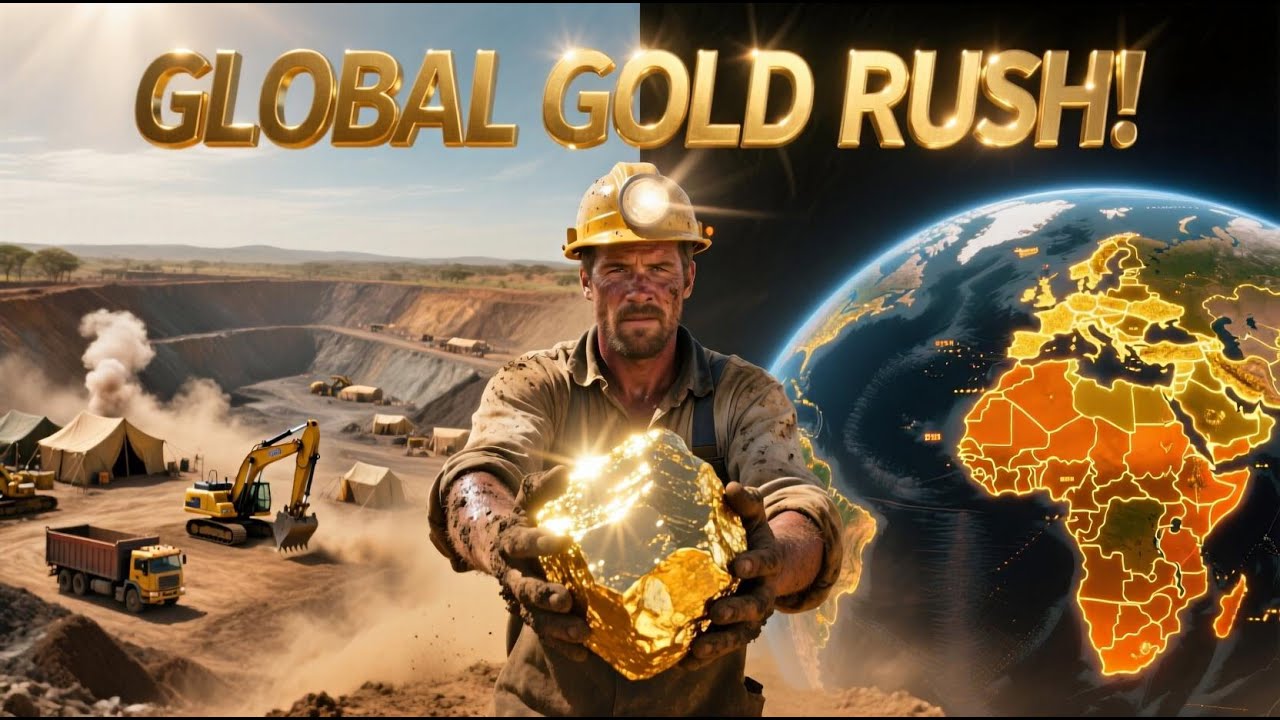

Mining-induced deforestation can extend far beyond the initial pit or corridor, especially where loss of access to farmland or forest products increases pressure to clear nearby lands for alternative livelihoods.
- 🌍 Biodiversity Fact: Regions with high mining density—including the Andean-Amazon, sub-Saharan Africa, and parts of SE Asia—consistently report elevated rates of species loss linked directly to mine-driven habitat fragmentation.
4. Chemical Usage and Toxic Exposure: Invisible Risks in Extraction and Processing
Mining goes hand in hand with chemical processing to extract valuable minerals—especially in the case of gold, where mercury and cyanide play a major role. The broad negative effects of gold mining on the environment highlight this challenge, with the hazards extending from the mine to agricultural land, food, and even distant communities via water, air, and food chains.
- ☣ Mercury Exposure: Gold mining’s reliance on mercury puts both miners and communities at risk, with mercury entering waterways and persisting for decades, contaminating soil, food, and fish.
- ☣ Toxic Tailings: Tailings reservoirs often leak, especially in regions with heavy rainfall or seismic risk, leaking toxic sludge into groundwater and surrounding lands.
- ☣ Secondary Contaminants: Arsenic, cadmium, and lead are also released during ore separation and refinement, especially in polymetallic deposits, further exacerbating health and crop contamination risks.
- ☣ Persistent Organic Pollutants: Chemicals applied for dust or pest control near mines can runoff onto farmland, limiting market access for crops and jeopardizing food safety.

Neglecting ongoing tailings surveillance or post-closure monitoring often leads to “legacy contamination”—problems that persist long after mining ends, undermining future land, water, and food security.
- ⚠ Risk: Chronic toxic exposure is hard to detect early but can cause severe, long-term health and fertility declines in communities and wildlife.
5. Air Pollution and Climate Impacts: From Blasting to Dust & Emissions
The atmosphere is not immune to mining’s harm. Air pollution from dust, particulate matter (PM), emissions from processing, and fugitive greenhouse gases from unmanaged or decommissioned sites remain persistent issues. These impacts cut across environmental, agricultural, and human health domains:
- 💨 Dust Fallout: Mining operations generate large quantities of dust that settle on crops, reducing photosynthetic efficiency, and lowering yields.
- 💨 Community Health Effects: Airborne particulates can trigger respiratory issues, especially in children, the elderly, and farm workers.
- 💨 GHG Emissions: Mining and ore processing contribute to greenhouse gas emissions, undermining climate-smart agricultural and forest management goals.
- 💨 Methane & Toxic Gases: Abandoned or poorly managed coal mines continue to leak methane—a potent climate gas—years after closure.

6. Noise, Light, and Social Disruption: Mining’s Hidden Impacts
While less visible, noise and light pollution from mining operations present persistent pressures on wildlife, agricultural routines, and nearby communities. Large-scale blasting and drilling create chronic noise, changing animal behaviors and interfering with pollinator and predator cycles significant to pest control in adjacent farms and forests. Artificial lighting from 24/7 operations disrupts nocturnal ecosystem processes—essential for many species.
- 🔊 Wildlife Displacement: Migratory patterns, breeding, and feeding cycles are disturbed, with impacts cascading through the food chain and reducing agricultural ecosystem resilience.
- 🔊 Community Conflicts: Traditional farming, grazing lands, and even indigenous territories are often lost or reduced, forcing households to seek alternatives and increasing stress on farmland and forests nearby.
- 🔊 Social Health: Chronic noise and light exposure also harm human health—contributing to sleep disruption, anxiety, and reduced well-being in mining-adjacent settlements.

Active stakeholder engagement, participatory land-use planning, and operational curfews are essential to minimize social and ecosystem disruption—saving companies time, conflict, and legal exposure.
- ⚠ Risk: Poor community relations and social displacement can undermine mining projects, incite protests, and jeopardize future site access.

7. Cumulative & Cross-Sectoral Impacts: Why Sector-wide Planning Matters
The negative effects of mining on the environment rarely occur in isolation. Combined, they create cumulative impacts that persist and compound across years or even decades. Soil loss, water contamination, forest conversion, and pollution feed back into one another, eroding ecosystem resilience, undermining food security, and driving forced migration.
- 🔄 Long-Term Land Transformation: Conversion of agricultural, grazing, and forest lands into mine wastes reduces regional food production capacity—even if communities move elsewhere or new land is cleared, stretching environmental limits further.
- 🔄 Legacy Pollution: Unmanaged tailings, waste piles, and acid mine drainage cause chronic health and crop risks, affecting future generations.
- 🔄 Feedback Loops: Soil compaction increases runoff, runoff increases erosion, and erosion enhances river sediment loads—each impact magnifies the next.
- 🔄 Cross-Border Harms: Rivers, migratory wildlife, and air currents carry pollutants and disruption far outside the original mine site, regionalizing the problem.
- 🔄 Livelihoods Under Pressure: When land and water are lost to mining, communities may shift to unsustainable alternative extraction, illegal logging, or bushmeat harvest, further undermining forest, soil, and ecosystem health.
Mitigation & Sustainable Practices: Restoring Balance After Mining
Reducing the negative effects of mining on the environment is possible through smart, proactive, and integrated management, especially where agriculture, forestry, and community needs are considered from project inception. Here are five essential mitigation strategies for mining companies, land managers, and regulators:
- Integrated Land-Use Planning: Prioritizes buffer zones between mining, farmland, forests, and watersheds to protect ecological services and reduce land-use conflicts.
- Stringent Tailings Management: Requires engineered containment, leak detection, independent monitoring, and transparent reporting to prevent contamination of soil and water.
- Progressive Reclamation: Prioritizes rapid restoration of soil, native vegetation, and re-establishment of agricultural or forestry land use—long before full closure.
- Low-Impact Techniques: Modernizes methods to reduce chemical usage, machinery compaction, and surface disturbance, aligning with best-in-class ESG standards.
- Community Engagement & Alternative Livelihoods: Empowers local stakeholders, distributes benefits, and encourages sustainable land use, fostering stewardship over short-term extraction incentives.
mining.farmonaut.com
— Initiate non-invasive, satellite-driven mineral assessment for more environmentally responsible and cost-effective exploration.
Satellite-Driven Solutions: Mineral Detection for Sustainable Mining
At Farmonaut, we believe that mineral exploration does not need to come at the cost of ecosystem and community health. Our satellite-based mineral detection solutions fundamentally transform how mining companies approach resource discovery—shifting exploration from invasive ground methods to non-disturbing, space-based intelligence.
- 🌍 Global, Rapid Screening: Using multispectral and hyperspectral satellite data, we identify mineralized zones, alteration halos, and valuable deposits before any field operations begin—reducing unnecessary land, soil, and forest disturbance.
- 📉 Timelines & Costs: Exploration time is reduced from years to days or weeks. Our clients report up to 80–85% cost savings, and no ground disturbance during early-stage exploration.
- 🛰 Non-Invasive Intelligence: Our methods avoid trenching, drilling, or chemical sampling until absolutely necessary, directly supporting responsible mining and ESG compliance.
- 📄 Actionable Reports: With our satellite-based mineral detection reports, clients receive detailed mineral prospectivity maps, depth estimates, geological interpretations, and high-confidence targets for follow-up—all in digital, GIS-compatible formats.
- 🚀 Advanced 3D Prospectivity Mapping: For projects requiring subsurface guidance, satellite driven 3d mineral prospectivity mapping models visualize ore veins, reduce exploration risk, and optimize field operations—responsibly prioritizing impact and investment.
Leveraging remote sensing and AI is not just eco-friendly; it’s a decisive strategic advantage—cutting costs, timelines, and legacy liabilities without sacrificing resource confidence.
- 🤝 For inquiries about initiating a sustainable mineral exploration project, Get a Quote or Contact Us.
- 🌐 Explore the capabilities of satellite-based mineral detection at this page for detailed use cases, benefits, and technical overview.
- 🚀 Ready to map your mine site or assess prospectivity non-invasively? Visit: mining.farmonaut.com
Satellite mineral intelligence permits large-area, efficient screening of mineral potential, enabling faster, smarter, and more sustainable decisions for mining companies and land managers.
Frequently Asked Questions – Negative Effects of Mining on the Environment
What are the main negative effects of mining on the environment?
- Water and sediment contamination (toxic runoff, mercury/cyanide release)
- Soil degradation and loss of arable land
- Deforestation and habitat destruction
- Chemical exposure and bioaccumulation
- Air pollution and climate emissions
- Noise, light & social disruption
- Cumulative, cross-sectoral impacts on agriculture, forestry, and communities
How does gold mining specifically impact the environment?
Gold mining is notorious for its use of mercury and cyanide during ore extraction and processing, leading to long-lasting water, soil, and food chain contamination. It is also a driver of deforestation, especially in rainforests, and commonly triggers secondary impacts such as illegal logging, wildlife poaching, and soil erosion.
Can mining areas be safely restored after closure?
Reclamation is possible, but challenging. Best outcomes require progressive restoration, careful soil rebuilding, responsible tailings management, and use of native plants for re-vegetation. Long-term monitoring and community involvement are essential for success—and even then, full restoration of previous productivity and biodiversity is not always guaranteed.
How can technology reduce negative mining impacts on the environment?
- 🌍 Remote Sensing & Satellites: Minimize ground disturbance, enable rapid and large-scale mineral assessment without trenching or drilling.
- 💧 Automated Water & Air Monitoring: Detect pollution in real-time, facilitating faster responses.
- 🏞 GIS and Environmental Mapping: Improve planning for buffer zones, habitat offsets, and restoration priorities.
Who can use Farmonaut’s satellite-based mineral intelligence?
Mining companies, exploration firms, land managers, regulators, and investors can leverage our platform to:
- Reduce exploration environmental footprint
- Optimize project planning and risk management
- Support due diligence for sustainable mining investments
For more information, see: Contact Us
Visual Key Points: Environmental Impacts & Solutions
🌿 Top 5 Environmental Harms of Mining
- 💧 Water & Soil Contamination
- 🌳 Deforestation & Habitat Loss
- ⛏ Soil Degradation & Erosion
- ☣ Chemical Pollutant Exposure
- 🌫 Air Pollution & Dust Fallout
🔧 5 Mitigation Practices for Sustainable Mining
- 🛡 Engineered Tailings & Water Management
- 🗺 Remote Sensing & Impact Mapping
- 🌱 Progressive Land Restoration
- 👥 Community Engagement
- 🚜 Modern, Low-Impact Mining Techniques
🔎 Farmonaut’s Platform Supports:
- 🛰 Satellite-based mineral detection
- 🗺 Large-area, non-invasive screening
- 🕒 Timely, cost-effective exploration
- 🌏 Global project reach
- 📊 ESG-aligned reporting
🙌 Why Responsible Mining Matters:
- 🌱 Food security for local & global population
- 🌳 Preservation of biodiversity & natural resources
- 💧 Clean water and soil for future generations
- 🏞 Mitigation of climate and ecological risks
- 💡 Protection of community livelihoods and well-being
Conclusion & Next Steps: Towards Responsible Mining and Resilient Landscapes
Mining’s environmental legacy requires serious reckoning and even more serious innovation. The negative effects of mining on the environment run broad and deep—manifesting in soil degradation, water contamination, forest loss, air pollution, and social disruption. Yet, there is a momentum for change. By integrating technology-driven intelligence, ecosystem stewardship, and transparent governance, the mining sector can support long-term agricultural, forestry, and community health.
- 🌍 Balance is possible: With smart planning, advanced monitoring, and strong stakeholder engagement, mining can co-exist more responsibly with food systems and natural landscapes.
- 🛰 Satellite solutions reduce impact: Exploration no longer has to mean environmental disruption. Farmonaut enables rapid, scalable, and non-invasive mineral targeting—minimizing risk and maximizing sustainability.
- 🗺 Take action: Whether you are a mining company, investor, land manager, or policy-maker, the tools to assess, monitor, and mitigate mining’s environmental risks are stronger than ever before.
Discussion
Questions, corrections or field experience? Share them below. First-time comments are reviewed before they appear, and your email is never published.
No comments yet. Be the first to add a question or your experience.

 Tintina Mining Group
 Dalgety Minerals Pty Ltd
 Vortex Minerals Pty Ltd
 Faith At Work (Pty) Ltd
 Geotech Mining Solutions plc
 Vulcan International Limited
 Kidepo Associates
 GKY Mining
 Alkimy SARL
 Double A Trading
 GemSprout Metals Limited
 Qader Group
 Ileys General Trading
 SG Gold Mining LLC
 VRV Global Pte Ltd
 Omsri International FZE
 G.I.T.T.
 Jaunita Erss Ltd
 Almosi SARL
 SRK Consulting
 Berks Gold Limited
 Mwerezi Minerals Company Limited
 Exploration consultancy · South Africa · Gold










