

Negative Effects of New Farming Technology: 7 Key Risks
“Over 60% of farmers express concerns about data privacy with new farming technologies in 2025.”
Introduction
In 2026 and beyond, rapid innovation in agriculture and new farming technology continues to shape how we produce food, manage land, and interact with ecosystems. From precision decision tools and IoT sensors to AI-based advisory systems, the promises are vast: higher yields, lower inputs, smarter resource stewardship, and climate resilience for supply chains in agriculture, forestry, and mining.
But as we unlock these benefits, a question arises that demands more attention than ever: What is a possible negative aspect of new farming technology? As we strive for sustainability, we must also reckon with a spectrum of challenges—from data privacy and environmental burdens to social and regulatory issues—that affect every node in the value chain. This blog delivers a balanced view in 2025 and beyond, highlights the potential negatives, and offers in-depth considerations for sustainable adoption of advanced farming technologies.
- ⚠ Key Focus: 7 critical risks of new farming technology adoption in 2026
- 💡 Learning: Understand the negative effects of technology on agriculture—and how to keep farming systems resilient
- 🌍 Scope: Covers agriculture, forestry, mining-supported supply chains, and local to global impacts
- 🔗 Extras: Embedded video guides, real-world examples, actionable tips, and Farmonaut insights
The 7 Key Risks of New Farming Technology
Below we explore the seven most pressing negative effects of technology on agriculture as identified by industry experts and practitioners for 2026. Each risk answers, in its own way, what is a possible negative aspect of new farming technology? Let’s unpack the complexities.
- 🔒 Data Privacy & Ownership Concerns
- 🔌 Dependence on Complex, Centralized Systems
- 🌱 Environmental Impact & Resource Burdens
- 👨🌾 Unequal Access and Increasing Smallholder Gaps
- 🤖 Labor Displacement and Social Change
- 🍃 Biodiversity and Ecosystem Risks
- 🦺 Resilience, Cybersecurity, and Regulatory Challenges

Comparison Table of Key Risks Associated with New Farming Technologies
A side-by-side overview to quickly compare the critical risks, relevant technologies, and possible mitigation paths for each major negative aspect of new farming technology. This table aims to enhance understanding and support sound decision-making in tech adoption.
| Risk | Description of Risk | Estimated Severity | Example Technology Involved | Potential Mitigation Strategy |
|---|---|---|---|---|
| Data Privacy & Ownership Concerns | Farmers risk losing control over their data to third-party providers. Data could be misused or monetized without consent, eroding trust in supply chains. | High | AI advisory, IoT sensors, cloud platforms | Clear data governance policies; transparent consent mechanisms; fair data-sharing agreements |
| Dependence on Complex, Centralized Systems | Farms rely on stable connectivity and maintenance; outages or supplier lock-in can disrupt entire operations. | Medium-High | Precision ag, centralized software, IoT networks | Invest in local backup solutions; diversify suppliers; improve local infrastructure |
| Environmental Impact & Resource Burdens | Tech may reduce farm emissions but increase energy use, material waste, and e-waste overall. | Medium | Sensor networks, CEA, autonomous machinery | Life-cycle assessments; prioritize renewables; recycle devices |
| Unequal Access and Smallholder Gaps | High costs and tech literacy favor large producers, potentially widening gaps. | High | Robotics, AI tools, advanced farm management | Subsidies, cooperatives, community training |
| Labor Displacement & Social Effects | Automation risks job loss; rapid change may erode rural communities and traditional knowledge. | Medium | Robotics, AI-driven machinery | Career retraining; invest in local livelihoods |
| Biodiversity & Ecosystem Risks | Monocultures and rapid crop cycles may reduce genetic diversity and ecosystem resilience. | Medium | Hydroponics, vertical farming, rapid-rotation systems | Integrated systems, agroforestry, local adaptation |
| Resilience, Cybersecurity & Regulatory Challenges | Relies on secure, up-to-date software; vulnerable to cyber threats and algorithm failures. | Medium-High | Satellite platforms, AI models, cloud-based tools | Cybersecurity protocols, transparent updates, contingency planning |
“By 2025, advanced farming tech could increase electronic waste in agriculture by up to 30%.”
Deeper Dive Into Each Negative Effect of Technology on Agriculture
1. Data Privacy & Ownership Risks (Focus Keyword: what is a possible negative aspect of new farming technology?)
One major negative aspect of new farming technology is the risk to data privacy and ownership. As modern farming solutions collect vast amounts of data—soil moisture, crop health, input rates, yields—farmers frequently use platforms where control of this information becomes unclear.
Without robust data governance, third-party service providers can monetize, sell, or use this data to influence agronomic decisions—sometimes without explicit farmer consent. This can erode trust, break down networks, and affect collaboration among co-ops and supply chains. Moreover, as blockchain- and cloud-based tools become central, lax oversight could mean sensitive information is exposed, increasing risk not just for farms but for the entire food security ecosystem.
- ⚠ Risk: Farmers may lose control over vital production and market data
- 🔗 Tip: Choose platforms with transparent data traceability features
2. Dependence on Complex, Centralized Systems
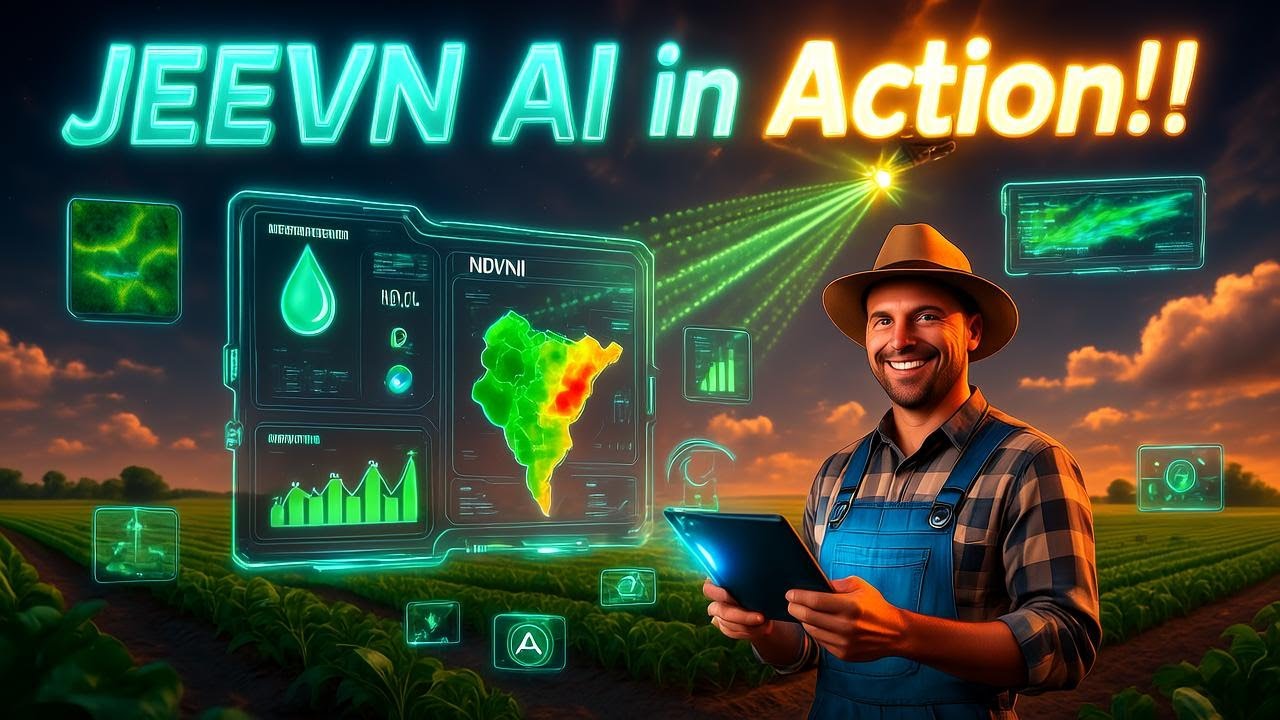
Centralization is a defining feature of many new farming technologies—especially in precision agriculture, AI-driven decision tools, and IoT sensors. These systems often require reliable connectivity, hardware maintenance, and software updates. In rural or remote areas, however, inconsistent broadband and power outages can disrupt farm operations, create downtime, and raise operational risk.
Supplier lock-in, where a single technology provider controls everything from data access to hardware servicing, can mean high switching costs and a lack of flexibility. Smallholders and family farms may struggle with upfront costs and technical know-how, widening the gap between large producers and vulnerable farms. This dependence is a concrete answer to the question: What is a possible negative aspect of new farming technology?
- ⏱ Operational Delay: Even short-term connectivity issues can halt entire farm operations.
- 🔒 Tip: Diversify suppliers, locally back up your data, and use farm management platforms with robust offline features.
3. Environmental Impact & Resource Burdens
While new farming technologies often promise to reduce water and chemical inputs, there can be significant environmental trade-offs that deserve scrutiny. For example, controlled-environment agriculture (CEA), sensor networks, and autonomous machinery may reduce pesticide and water use—but they shift energy and resource burdens elsewhere.
Expanding use of high-tech equipment means more embedded emissions from battery production, device manufacture, and eventual disposal. If not managed with life-cycle thinking, the transition to modern technology in agriculture may simply move emissions from fields to remote energy grids and distribution centers—an outcome at odds with true climate-smart farming.
- 🔋 Batteries and Components: Responsible disposal and recycling are crucial for sustainability.
- 🌞 Tip: Prioritize energy-efficient devices and integrate renewables where possible—for example, by investing in carbon footprinting and impact monitoring tools.
4. Unequal Access and Widening Smallholder Gaps
A recurring issue in global food systems is that smallholders—often running family farms—bear disproportionate burdens in the transition to high-tech agriculture. Advanced tech solutions, from robotics to precision software, generally require higher upfront costs, operational knowledge, and ongoing maintenance. This can exacerbate the divide between well-resourced producers and local, remote farmers.
- 💵 Upfront Investment: Cost barriers can leave out marginalized communities.
- 💡 Solution: Governments, co-ops, and technology vendors should prioritize joint purchasing, subsidies, and access to finance and insurance to level the playing field in 2026 and beyond.
- ✔ Key benefit: Lower input use and higher potential yields for large farms
- ⚠ Risk or limitation: Widening inequalities due to digital and financial divide

5. Labor Displacement and Changes in Rural Communities
In agriculture, forestry, and mining-supported landscapes, the rise of automation and robotics brings clear safety improvements and may reduce hazardous jobs. However, it also risks displacing agricultural workers, especially those whose skills may not translate to the new, digital world.
If reskilling or alternative livelihoods are not provided, depopulation of rural areas and erosion of traditional knowledge are likely. This has cascading impacts on local economies, cultural stewardship, and the wider food supply chain.
- 👩🔧 Retraining Essential: Investment in rural education, digital literacy, and new enterprise development is as important as investment in new equipment.
- 🔗 Explore modern tools: Digital field advisory apps (like Farmonaut’s advisory tools) help bridge the skills divide by making knowledge accessible to all.

6. Biodiversity and Ecosystem Risks
Modern farming technologies often prioritize yield and resource efficiency. But high-input systems such as hydroponics, vertical farms, and rapid-rotation monoculture can have negative effects on biodiversity if not designed thoughtfully. Intense concentration of nutrient and energy flows may impact local water sources, promote pest and disease cycles, and lower genetic diversity.
- 🌿 Agroforestry & Polycultures: Blending high-tech monitoring with regenerative agriculture and carbon tracking can sustain ecosystem services while achieving commercial goals.
- 🍀 Genetic Resilience declines with widespread monoculture
- 💧 Water Quality issues rise if nutrient flows are not managed
- 🐝 Pollinator Populations may decrease without habitat buffers
7. Resilience, Cybersecurity, and Regulatory Risks
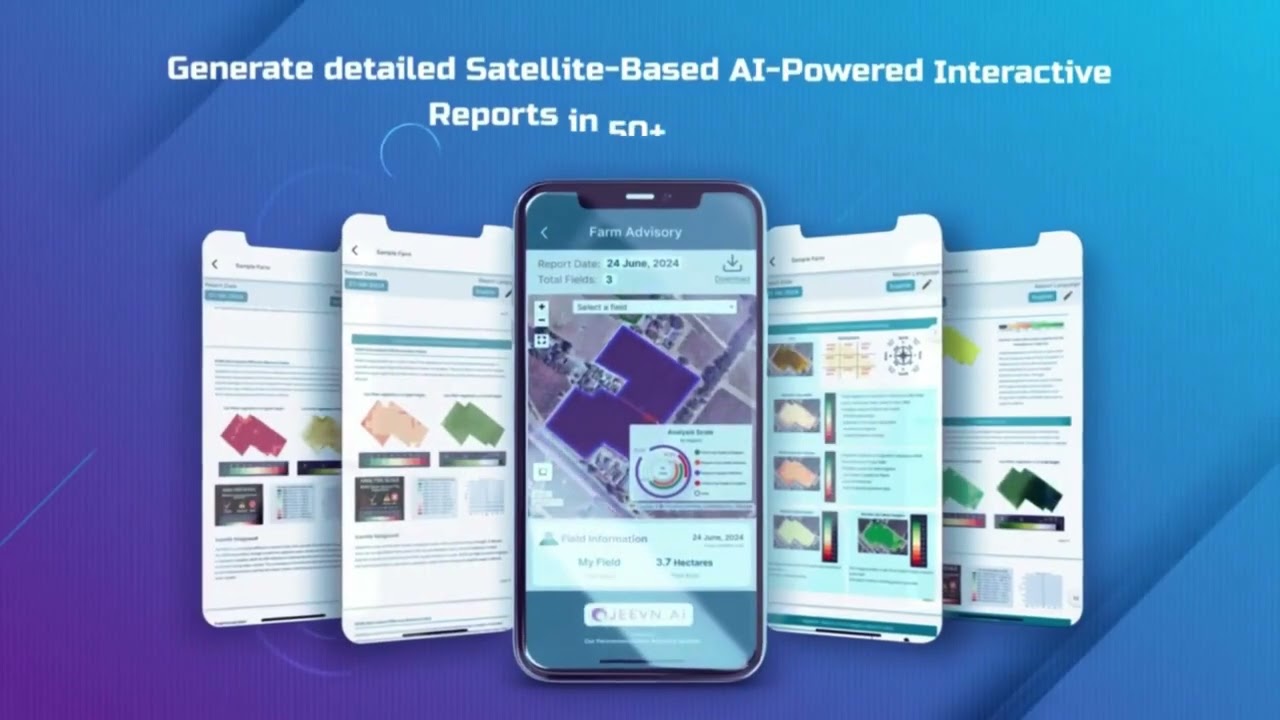
As supply chains become more digitized, dependence on satellite data, algorithms, and connected hardware increases sensitivity to cyberthreats, misconfigurations, and software failures. For example, a disrupted AI model may misinterpret soil moisture or crop stress, leading to poor recommendations at crucial moments—potentially ruining a season’s yield.
Regulation is still catching up. Rapid advances in genome editing, synthetic agrochemicals, or remote advisory systems create gray areas in safety, ethics, and consumer trust. Hesitation or confusion in regulatory agencies may delay helpful innovations—or, conversely, let harmful ones slip through without adequate testing.
- 🛡 Cybersecurity: Use farm management platforms with robust security certifications and transparent update logs.
- 📜 Stay Updated: Engage with local policy and participate in consultation rounds on agri-tech governance.
Highlighted Insights and Tips: Navigating the Negatives
- ✔ Transparency in Data Handling is essential to prevent exploitation and build lasting trust.
- ✔ Life-cycle Management of devices and batteries reduces hidden environmental burdens.
- ✔ Local Training Programs close the gap for smallholders and promote inclusive adoption.
- ✔ Regulatory Vigilance ensures balanced use of rapidly evolving agri-tech.
- ✔ Integrated Systems (combining modern and agroecological practices) offer greater resilience in the face of climate volatility.
- Prioritize devices and apps with robust security features and transparent data agreements.
- Select solutions that offer modular, scalable deployment—matching your farm’s actual needs.
- Evaluate total energy use and upstream impacts for every new tool deployed.
- Advocate for clear local and national guidelines on agri-data ownership and sharing.
- Support and join community training initiatives on digital farming and resilience management.
Is Sustainable Farming Possible in 2026?
Is sustainable farming possible despite the negatives? The answer: yes—if the sector adopts an integrated, context-driven approach:
- 🌱 Equitable Access via public-private subsidies, training, and group purchase models.
- 🔒 Data Governance featuring clear ownership, consent, and transparent data-sharing agreements.
- 🌍 Life-Cycle Thinking for devices, energy use, and e-waste management.
- 🧩 Local Adaptation—design solutions for climate, soils, and communities rather than a one-size-fits-all model.
- 🌲 Integrated Systems—combine precision tools with regenerative practices, agroforestry, and biodiversity safeguards.
In 2026 and beyond, the most promising new technologies in farming include sensor-enabled irrigation, AI-driven pest and nutrient management, and autonomous robotics for targeted weeding. When these solutions are designed for resilience, inclusivity, and ecosystem health, they offer a future where both productivity and environmental integrity are preserved.



The Farmonaut Approach: Innovation with Responsibility
At Farmonaut, we believe the negative effects of technology on agriculture can be minimized with responsible, context-driven deployment. Our mission is to make advanced, satellite-driven farming insights affordable and accessible—particularly for remote and rural users worldwide.
- 🛰 Satellite-Based Monitoring for timely, actionable insights on crop health, soil, and water management—increasing resilience without hardware lock-in
- ⚡ AI-Driven Advisory providing hyperlocal guidance and resource optimization for agriculture, forestry, and mining
- 🔗 Blockchain Traceability to protect data ownership and ensure trustworthy supply chains
- 📊 Resource Management Tools (including fleet and equipment tracking) to enhance efficiency and lower operational cost
- 🌏 Environmental Impact Tracking helping users monitor and reduce their carbon footprint
Our platform supports individual farmers, agribusinesses, infrastructure managers, financial institutions, and government agencies—enabling smarter decisions that balance productivity and sustainability for 2026 and beyond.
- 🎯 Targeted subscription plans for users—ensuring equitable access and cost-effective scaling
- 🔍 Real-time data for improved decision-making and risk mitigation
- 🔐 Emphasis on privacy and traceability at every step
- 🌟 Open API for integration with custom business and government solutions
Want a flexible subscription for satellite-based monitoring, AI advisory, traceability, and resource management? Explore our plans below:
FAQ: Addressing Common Questions on Farming Tech Risks
A major concern is loss of data privacy and control—farmers may have their sensitive information used or sold without consent, impacting trust and collaboration in the supply chain.
Other key risks include environmental burdens, increased dependence on centralized systems, labor displacement, and ecosystem impacts such as reduced biodiversity or increased e-waste.
Yes, if tech is implemented equitably, integrates traditional and digital practices, and actively tracks environmental impact across its full lifecycle.
Prioritize platforms offering transparent privacy agreements, blockchain-based traceability, and robust security certifications.
The most innovative systems include satellite-based crop monitoring, AI-driven advisory, digital traceability tools, precision irrigation, robotics, and integrated carbon footprint tracking.
Conclusion: Navigating the Complexities of New Farming Tech Risks in 2026
The what is a possible negative aspect of new farming technology? conversation has never been more relevant. While modern tools in agriculture, forestry, and mining can revolutionize yields, resource management, and supply chain transparency, they also introduce a spectrum of risks that demand our attention and action.
From data privacy and environmental impacts to skills gaps and social equity, every stakeholder—producer, policymaker, investor, and tech developer—must balance progress with precaution. For sustainable adoption in 2026 and beyond, success hinges on transparency, local adaptation, fair access, and continuous improvement in both technology and the ethical frameworks surrounding its use.
By remaining proactive and informed, we can harness the promise of digital innovation while minimizing its negatives—building a food and land use system that is equitable, resilient, and truly sustainable for future generations.
Discussion
Questions, corrections or field experience? Share them below. First-time comments are reviewed before they appear, and your email is never published.
No comments yet. Be the first to add a question or your experience.

 Mostas Tech
 AgroStar
 Native Seeds
 Andex
Andex FCF India
 Unifrutti Gulf
 Deluxe Conseil
 TVS Electronics
 BW Pipelines
 WICO
WICO Chimera Innovation
 SkyHarvest
 Polaris Digitech
 Teledarbas
 Licence holder · Niger · Gold










