

Silver market · Data guide
Silver Supply Shortage: Deficit Data and Causes
The silver market ran a 40.3 million ounce deficit in 2025, its fifth in a row, and the Silver Institute forecasts a sixth. AI chips add demand, but solar thrifting, thin stocks and by-product mine supply matter more. Year-by-year data, charts and a silver ore value calculator.
Key takeaways
- Silver demand exceeded supply by 40.3 Moz (1,252 t) in 2025, the fifth deficit in a row; a 46.3 Moz deficit is forecast for 2026 (Silver Institute, World Silver Survey, April 2026).
- Industrial silver demand fell 3% to 657.4 Moz in 2025 because solar demand dropped, even with AI-related growth (Silver Institute, April 2026).
- Primary silver mines supplied only 26% of 2025 mine output; lead-zinc, copper and gold mines supplied the rest, so supply follows other metals (Silver Institute, April 2026).
- The October 2025 squeeze came from stocks moving into CME vaults and ETPs and from high lease rates; CME stocks rose 41% in 2025 (Silver Institute, April 2026).
- Spot silver was US$56.98 per troy ounce on 15 October 2026 (Kitco), against an all-time high above US$121 on 29 January 2026 (Silver Institute).
In this article
- How big is the silver supply deficit, year by year
- Is AI really causing the silver shortage
- What really tightened the market: stocks, coins and lease rates
- Where mined silver comes from and why supply is slow to respond
- What silver producers reported
- What a silver ore stream is worth: calculator
- What the deficit means for mine owners and explorers
- Will the silver deficit end
- Frequently asked questions
Yes, the silver market is short of metal, but the cause is mostly not AI chips. The world used about 40.3 million troy ounces (Moz) more silver than it supplied in 2025, which is 1,252 tonnes and the fifth deficit in a row (Silver Institute, World Silver Survey 2026). The survey expects a sixth deficit of 46.3 Moz in 2026. Industrial demand actually fell 3% in 2025, because solar makers cut the silver in each cell. Data-centre demand is growing, but it is a slice of electronics demand, not the main driver. The squeeze came from thin stocks, a rebound in coin and bar buying (up 14% in 2025), and a mine supply that cannot grow quickly.
This page is written for mine owners, explorers and business owners who need the numbers. It gives the deficit year by year, the part AI plays, where mined silver comes from, what producers reported, and a calculator that shows what a silver-bearing ore stream is worth. Every figure carries its source and date. Metal prices are examples; check the day’s price before you decide anything.
How big is the silver supply deficit, year by year
A deficit means total demand was larger than total supply, so the difference was met by drawing down stocks that already exist above ground. The Silver Institute publishes the balance each April, and its data is produced by the research firm Metals Focus. The table below uses the 2026 edition. Supply is mine output plus recycling plus net hedging and official-sector sales. Demand is industrial use, photography, jewelry and silverware, and coin and bar investment. All figures are in million troy ounces (Moz).
Chart
Silver market deficit by year
Million troy ounces, total demand minus total supply
| Moz | 2021 | 2022 | 2023 | 2024 | 2025 | 2026 forecast |
|---|---|---|---|---|---|---|
| Mine production | 825.4 | 833.7 | 810.7 | 823.6 | 846.6 | 844.1 |
| Recycling | 191.8 | 194.6 | 184.6 | 194.5 | 197.6 | 211.3 |
| Total supply | 1,018.7 | 1,030.1 | 997.0 | 1,019.6 | 1,090.4 | 1,066.4 |
| Industrial demand | 564.1 | 592.3 | 657.1 | 679.0 | 657.4 | 639.6 |
| Jewelry and silverware | 221.7 | 306.7 | 256.8 | 258.6 | 231.4 | 192.9 |
| Coin and net bar demand | 285.3 | 339.5 | 244.2 | 190.9 | 217.7 | 257.6 |
| Total demand | 1,102.4 | 1,284.1 | 1,197.0 | 1,157.4 | 1,130.6 | 1,112.6 |
| Market balance | -83.7 | -254.0 | -200.1 | -137.9 | -40.3 | -46.3 |
Source: Silver Institute, World Silver Survey 2026 (Metals Focus). Jewelry and silverware are added together by us. Totals also include photography, net hedging and official-sector sales, so rows do not add up exactly. The market balance row is as published in the survey table.
Three things stand out. The deficit peaked at about 254 Moz in 2022 and has shrunk since. In 2025 total supply rose 7% while demand fell 2%, and the gap narrowed sharply. Even so, the Silver Institute adds up the shortfall at 762.1 Moz across 2021 to 2026, which is about 23,705 tonnes taken out of existing stocks (World Silver Survey 2026). A smaller deficit is still a deficit, and it keeps lowering the buffer.
Is AI really causing the silver shortage
Only in part, and the data shows it is not the biggest factor. Silver goes into chip packaging, connectors, power modules and thermal pastes, and the Silver Institute says AI-related data-centre demand has been a structural growth area (Silver Institute, 15 April 2026). But the same survey shows these gains were outweighed in 2025. Electrical and electronics demand fell 2% to 449.5 Moz, because photovoltaic (PV, or solar cell) demand dropped 6% to 186.6 Moz as manufacturers used less silver per cell and switched to substitutes.
Chart
Electronics silver demand and the solar part of it
Million troy ounces; 2026 is a forecast
How large could data centres become? In its forward-looking section, published in April 2026, the survey says data-centre silver use alone is expected to exceed 10% of electrical and electronics demand “next year”. For scale, 10% of the 2025 electrical and electronics total is about 45 Moz, against a 2025 deficit of 40.3 Moz. The survey does not publish a single measured figure for data-centre silver use in 2025, so treat any precise number you see elsewhere with care.
The chart shows why the solar story matters more than the chip story. Electrical and electronics demand rose from 350.7 Moz in 2021 to 460.9 Moz in 2024, and most of that rise came from solar. PV demand more than doubled between 2020 and 2024 according to the survey. Now that growth is reversing as thrifting (using less silver per unit) spreads. The Silver Institute forecasts a further 19% fall in PV silver in 2026, to 151.0 Moz.
What really tightened the market: stocks, coins and lease rates
The 2025 squeeze was a stock problem. Between December 2024 and early October 2025 about 225 Moz (7,000 tonnes) of silver moved into CME Group vaults, partly because of tariff worries, while London stocks fell. At the same time, inflows into silver exchange-traded products (ETPs, funds that hold metal) locked up much of what remained in London. By October 2025, strong buying and tight inventories pushed up lease rates, which are the cost of borrowing metal, to unusual levels (World Silver Survey 2026).
Chart
Where the bullion sat at year-end
Million troy ounces of identifiable bullion inventories
That is why the price rose so much while the annual deficit shrank. The survey reports an average price up 42% in 2025 to just over US$40 per ounce, a peak near US$84 in December 2025, and an all-time high above US$121 on 29 January 2026, followed by a sharp pullback (Silver Institute, April 2026). Kitco showed spot silver at US$56.98 per troy ounce at 2:50 p.m. New York time on 15 October 2026 (Kitco). The USGS puts its own 2025 average at US$38 per ounce, on a different basis from the Silver Institute (USGS Mineral Commodity Summaries 2026).
The chart below compares year-end identifiable bullion stocks in the main vaults. London held 894.4 Moz at the end of 2025, up 8% on a year earlier, and CME stocks rose 41% to 449.4 Moz. The Shanghai Futures Exchange and Shanghai Gold Exchange stocks both fell by large amounts. Total identifiable stocks were 1,394.5 Moz, up 13% (World Silver Survey 2026). The metal exists. The problem is that much of it sits where it cannot easily be lent or delivered, and the survey says the market has entered an era of reduced stocks, with thinner liquidity and larger price moves.
Where mined silver comes from and why supply is slow to respond
Mine production was 846.6 Moz in 2025, up 3%, and the Silver Institute forecasts 844.1 Moz in 2026 (World Silver Survey 2026). Only about a quarter of it comes from mines that run for silver. The survey says primary silver mines supplied a new low of 26% of the total in 2025, and non-primary, or by-product, output rose 4% to 625.5 Moz. By-product silver is the silver recovered as a side product of lead and zinc, copper and gold mining. Lead and zinc mines remain the largest source at 249.1 Moz, with copper at 237.3 Moz, primary silver at 221.1 Moz and gold mines at 134.7 Moz.
Chart
Mine silver by source metal, 2025
Million troy ounces
This structure explains the slow supply response. A copper miner does not open a new pit because silver is expensive. It opens one because of copper and gold prices, and the silver comes along. The Silver Institute notes that global silver supply now depends increasingly on gold and base metal prices. Primary silver output fell for the third year in a row in 2025, down 1%, after some mines closed because of reserve depletion and others produced less.
The same survey shows how location matters. Mexico remained the largest producing country at 172.9 Moz in 2025, down 5% for the third straight year of decline there, followed by Peru at 130.6 Moz and China at 112.8 Moz. The USGS estimates world mine production at 26,000 tonnes in 2025, with Mexico leading at 6,300 tonnes (USGS Mineral Commodity Summaries 2026). The USGS figures are a separate estimate and differ slightly from the Silver Institute’s, so the two are not mixed in any one chart on this page.
If you want to see how copper and gold operations feed silver supply, read our guides to copper deposit types and where to explore and porphyry copper deposits, and for gold systems that carry silver, mining prospecting for gold.
▶ Explains what mining contributes to economies and why energy-transition minerals are in demand. · 5:03
What silver producers reported
Company filings show the tension between high prices and hard operating limits. Fresnillo plc, a Mexican primary silver and gold producer listed in London, reported attributable silver production of 48.7 Moz in 2025, down 13.5% from 56.3 Moz in 2024. It gave the causes as the end of mining at the San Julian disseminated ore body, lower ore grades and less ore processed. Its 2026 guidance is 42.0 to 46.5 Moz (Fresnillo preliminary results). So one of the major primary producers is guiding to lower output while the price is high.
Chart
Largest silver-mining countries, 2025
Million troy ounces of mine production
Pan American Silver reported attributable silver production of 6.47 Moz in the second quarter of 2026, at the high end of its quarterly guidance (Pan American Silver, 30 June 2026 report). Streaming companies earn silver revenue without running mines: Wheaton Precious Metals reported that silver made up 36% of its 2025 revenue of US$2.3 billion (Wheaton Precious Metals, 2025 results). This is a statement of facts about the companies, not a view on their shares.
For primary silver mines in general, the survey says all-in sustaining costs (AISC, the full cost of keeping a mine running per ounce sold) fell 1% to US$12.21 per ounce in 2025, and margins widened 75% as prices rose. Producers also increased hedging, selling forward part of their future output, to a delta-adjusted book of about 50.0 Moz. Higher margins can pay for new development, but the survey forecasts mine output of 844.1 Moz in 2026, about flat, as gains in Mexico and Morocco are offset by lower output in Peru and Argentina.
What a silver ore stream is worth: calculator
Use the calculator below with your own numbers. Enter the ore you process, the silver grade in grams per tonne (g/t), the share you recover, and a silver price. It returns the recovered ounces and the gross value, and shows what share of the 2025 market deficit your output would cover. The price field holds an example, so replace it with the day’s price. The result is gross metal value before smelter terms, royalties and costs, so it is not profit.
Calculator
What is the silver in your ore worth?
Enter your own tonnage, grade, recovery and silver price.
- Gross silver value per year: $68,320,285
- Silver recovered per year: 1.37 Moz
- Share of the 2025 market deficit (40.3 Moz): 3.39 %
Example values only, not a benchmark. The price is an input: example, use today’s price (US$ per troy ounce). The deficit comparison uses 40.3 Moz, the 2025 deficit in the Silver Institute World Silver Survey 2026. The result is gross metal value before smelter terms, royalties and costs.
What the deficit means for mine owners and explorers
For an owner of a lead-zinc, copper or gold operation, silver is a credit against costs, and the 2025 price gain raised that credit. Check the silver grade in your concentrate, the payable percentage your smelter offers, and whether a stream or royalty already takes part of the silver. These three items decide how much of the metal value reaches you.
For explorers, the data points to polymetallic projects. Because roughly three quarters of mined silver comes from by-product sources, a new silver ounce is more likely to come from a copper, zinc or gold discovery than from a pure silver deposit. The USGS notes that most recent silver discoveries have been associated with gold occurrences, and that polymetallic deposits hold more than two-thirds of world silver resources (USGS Mineral Commodity Summaries 2026). Silver was added to the US Final 2025 List of Critical Minerals, published in the Federal Register on 7 November 2025 (90 FR 50494; the USGS lists silver among the six minerals added to the 2022 list).
US readers should note the import dependence. The USGS estimates net import reliance at 77% of apparent US consumption in 2025, with imports of 7,600 tonnes and mine output of 1,100 tonnes. Mexico supplied 47% of imports in 2021 to 2024, and Canada 18%. Recycling covered about 11% of US apparent consumption.
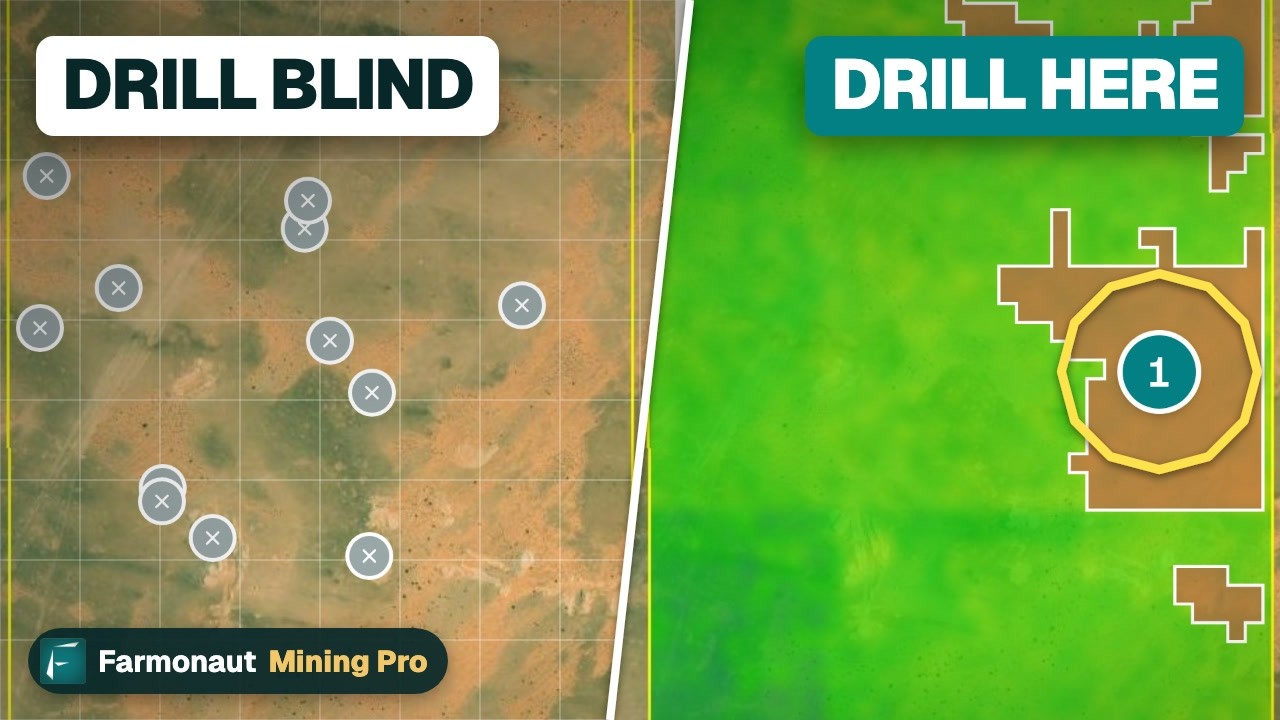
Early-stage targeting is where satellite data helps. Satellite surveys can screen a licence for alteration minerals and structures that often accompany silver-bearing systems and rank them as exploration targets, which sit ahead of any resource estimate and need drilling to confirm. If you hold a licence and want a screen, you can request a quote or read how satellite-based mineral detection works.
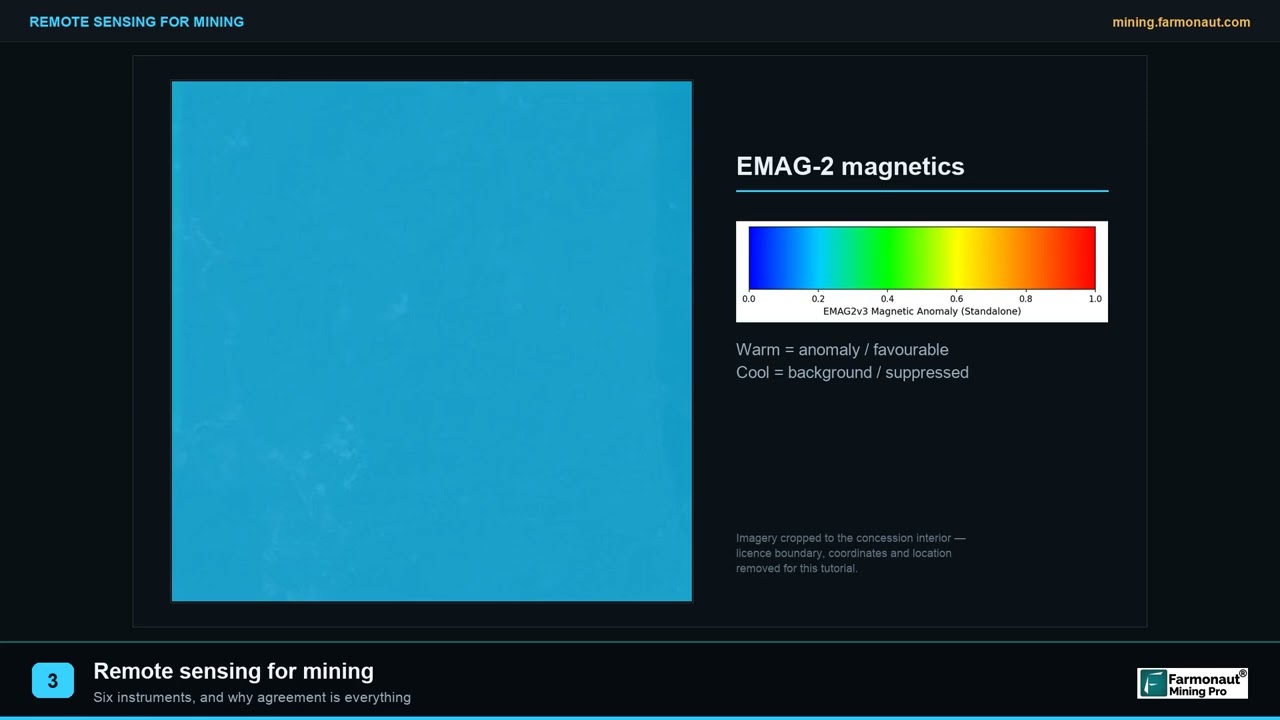
▶ A short plain-language explanation of remote sensing for mining and how different instruments are combined. · 2:01
Will the silver deficit end
The Silver Institute’s longer-term view is that the structural deficit should erode, but not disappear soon. High prices push solar makers to use less silver and cut jewelry and silverware demand: the survey forecasts industrial demand down 3% and jewelry down 16% in 2026. Recycling is forecast to rise 7% to 211.3 Moz. Against that, coin and bar demand is forecast to jump 18%, and growth in data centres, cars and grid investment may slow the erosion. The survey says a swing to a sustained surplus would take an extreme combination of changes, and that matching the six-year cumulative deficit is very unlikely (World Silver Survey 2026).
What would change the picture for a mine owner? Watch four things: the next World Silver Survey balance, year-end stocks in London and CME vaults, lease rates, and PV silver loadings. These are published, dated measures. A forecast is a forecast, and the Silver Institute itself warns that its outlook statements may not come true.
Related reading on this site: Causes and Effects of Mining: Key Impacts With Data.
Frequently asked questions
Is there a silver shortage right now?
Yes, in the sense of an annual deficit. The Silver Institute reports a 40.3 Moz deficit for 2025 and forecasts 46.3 Moz for 2026 (World Silver Survey 2026). Physical shortages in London in October 2025 were a liquidity squeeze that has since eased, not an absence of metal.
Is AI causing the silver shortage?
AI is one demand driver, but it is not the main cause. Industrial silver demand fell 3% in 2025 because solar demand dropped, even with growth from AI infrastructure. The deficit also reflects a 14% rebound in coin and bar demand, falling stocks and flat mine supply.
How much silver do data centers use?
The World Silver Survey does not give a measured 2025 total. It expects data-centre silver use alone to exceed 10% of electrical and electronics demand, which was 449.5 Moz in 2025.
How many years has the silver market been in deficit?
Five years through 2025, from 2021, and a sixth is forecast for 2026. The cumulative shortfall over the six years is 762.1 Moz (23,705 tonnes) according to the Silver Institute.
Why did the silver price rise when the deficit shrank?
Because the 2025 squeeze was about metal that could be borrowed or delivered, not the size of the yearly deficit. Metal moved into CME vaults and ETPs, London liquidity tightened, and lease rates spiked in October 2025. Investment buying then added to the move.
Where does most silver come from?
From by-product sources. Primary silver mines supplied 26% of mine output in 2025; the rest came from lead-zinc, copper and gold mines (World Silver Survey 2026).
Which countries mine the most silver?
Mexico (172.9 Moz in 2025), Peru (130.6 Moz) and China (112.8 Moz) lead, followed by Russia, Bolivia and Chile, according to Metals Focus data in the survey.
Can mines raise silver output quickly?
Not easily. Most silver is a by-product, so output follows copper, zinc and gold mining decisions, and new mines take years to permit and build. The survey forecasts flat mine output in 2026.
Is silver a critical mineral in the US?
Yes. It was added to the US Final 2025 List of Critical Minerals, published in the Federal Register on 7 November 2025 (USGS Mineral Commodity Summaries 2026).
Will the shortage end?
The survey expects the deficit to erode as high prices cut solar, jewelry and silverware demand and recycling grows, but it sees a sustained surplus as very unlikely in the near term. This is a forecast, not a certainty.
What is the gold-to-silver ratio?
It is the number of silver ounces that equal the price of one gold ounce. The survey reports it peaked at 107:1 in April 2025 and fell below 55:1 in December 2025, its lowest since March 2013. It is a market measure, not investment advice.
This page is for information only. It is not investment advice. It gives no price targets, and the company figures are reported facts, not recommendations. Check the day’s silver price and each company’s filings before you decide anything.
Farmonaut mining
Get a quote to map your licence from space
Business owners can request a quote for a satellite screen of a licence area for exploration targets, ahead of a resource estimate.
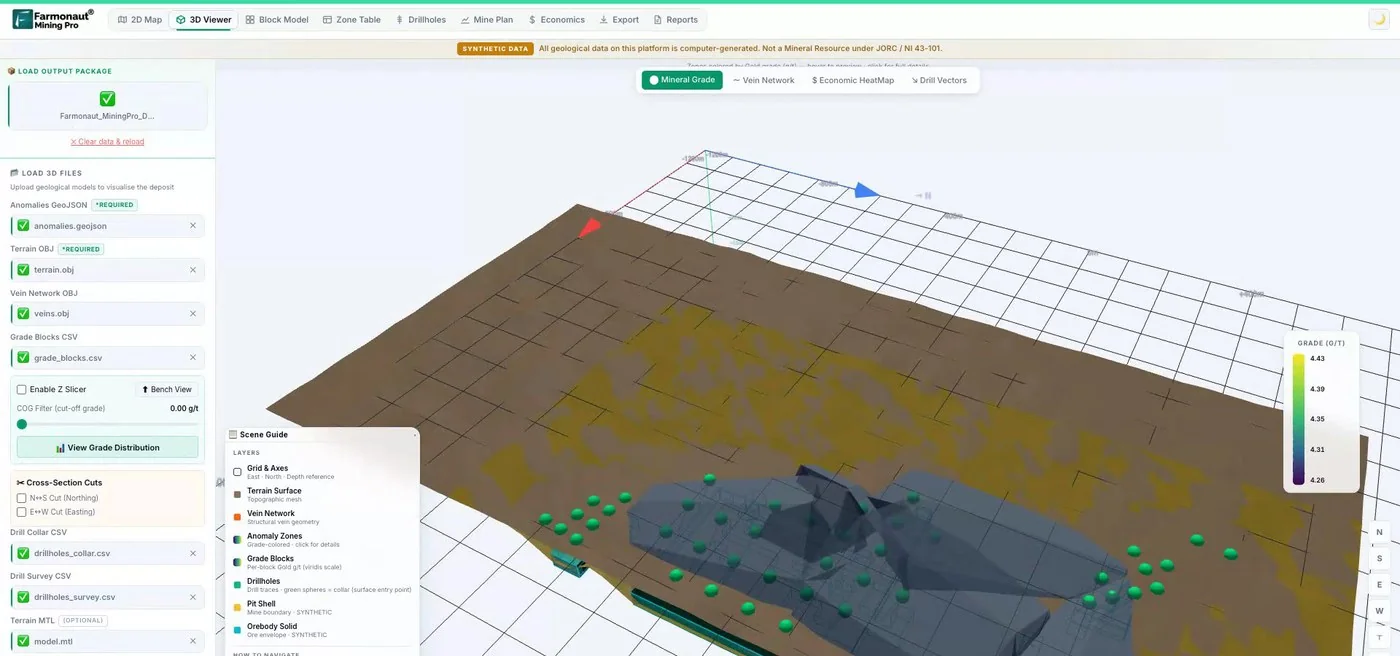
Mining Pro sample view, synthetic data
Keep reading
Sources
- Silver Institute / Metals Focus, World Silver Survey 2026 (April 2026): silverinstitute.org
- Silver Institute, press release 15 April 2026: record silver prices and fifth deficit: silverinstitute.org
- Silver Institute, press release 10 February 2026: 2026 outlook: silverinstitute.org
- Silver Institute, Silver supply and demand page: silverinstitute.org
- USGS, Mineral Commodity Summaries 2026: Silver: pubs.usgs.gov
- Kitco, live silver price (15 October 2026): kitco.com
- Fresnillo plc, preliminary results for 2025: investegate.co.uk
- Pan American Silver, report for the quarter ended 30 June 2026: panamericansilver.com
- Wheaton Precious Metals, 2025 annual results: finviz.com
- Fresnillo plc, annual report 2025: fresnilloplc.com
- Federal Register, Final 2025 List of Critical Minerals (90 FR 50494, 7 November 2025): federalregister.gov
Discussion
Questions, corrections or field experience? Share them below. First-time comments are reviewed before they appear, and your email is never published.
No comments yet. Be the first to add a question or your experience.

 Riverside Resources Limited
 Congo Mining Solutions
 Mining SARL
 SenGold Invest SAS
 Sania Corporation
 Sean Mining Limited
 NTS Group (Pty) Ltd
 Mine4Africa
 Lithspo Minerals Limited
 Tintina Mining Group
 Dalgety Minerals Pty Ltd
 Vortex Minerals Pty Ltd
 Faith At Work (Pty) Ltd
 Geotech Mining Solutions plc
 Vulcan International Limited
 Kidepo Associates
 GKY Mining
 Alkimy SARL
 Double A Trading
 Licence holder · Nigeria · Gold + lithium










