

Bauxite · Country ranking
Bauxite Production in the World: Top Countries Ranked
About 440 million tonnes of bauxite were mined worldwide in 2025. Guinea led with about 150 million tonnes, ahead of Australia (97) and China (87), according to the USGS (2026).
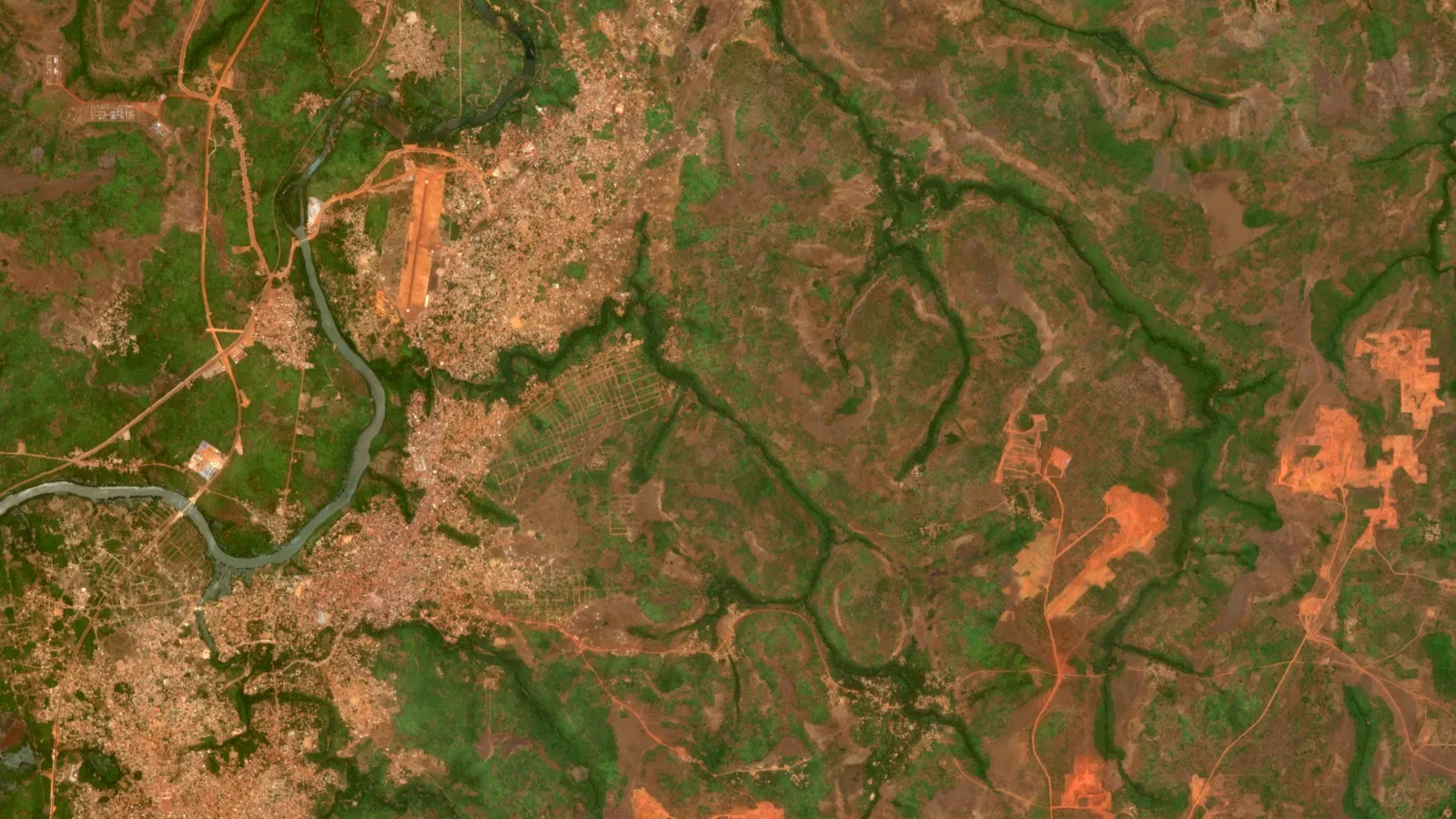
Key takeaways
- World bauxite mine output was about 440 million tonnes in 2025, up from 428 million tonnes in 2024 (USGS, 2026).
- Guinea, Australia and China mined about 76% of the world’s bauxite in 2025; Guinea alone mined about 34%.
- Guinea holds the largest reserves, about 7.4 billion of the world’s 29 billion tonnes (USGS, 2026).
- China made about 93 million tonnes of alumina in 2025, while Guinea made only about 0.36 million tonnes (USGS, 2026).
- In Q3 2025 Guinea Boké FOB bauxite averaged US$52.50 per tonne and Australia FOB US$57.67 (Jamaica Bauxite Institute).
In this article
- Top bauxite producing countries ranked by output
- How we ranked the countries
- Profiles of the major bauxite producing countries
- How world bauxite output has shifted in five years
- Bauxite rich countries: where the reserves are
- Bauxite prices by origin
- From bauxite to alumina: who refines the ore
- What consultants should check on a bauxite project
- Frequently asked questions
World bauxite mine output reached about 440 million tonnes in 2025, up from about 428 million tonnes in 2024, according to the USGS Mineral Commodity Summaries 2026. Guinea mined about 150 million tonnes, roughly a third of the world total, ahead of Australia (97 million tonnes) and China (87 million tonnes). Those three countries supplied about three quarters of all bauxite mined.
Bauxite is the rock that aluminium comes from. It is a mix of aluminium hydroxide minerals (gibbsite, boehmite and diaspore) with iron oxides and clay, so it has no single formula; our guide is bauxite a mineral explains the difference. Refineries turn bauxite into alumina (aluminium oxide), and smelters turn alumina into metal. This page ranks the producing countries, shows how output has moved since 2020, compares reserves and export prices by origin, and gives a calculator for reserve life and output share.
Top bauxite producing countries ranked by output
The ranking below uses the USGS estimate of mine production for 2025, in dry tonnes. USGS publishes one comparable figure per country each year, which makes it the fairest single yardstick. National agencies and company reports sometimes give higher or lower numbers, and we note the main differences in the country profiles.
Chart
Bauxite mine production by country, 2025
Million tonnes (dry), USGS estimates; selected producers
| Rank | Country | Mine output 2024 (Mt) | Mine output 2025, est. (Mt) | Share of world 2025 | Reserves (Mt) |
|---|---|---|---|---|---|
| 1 | Guinea | 142 | 150 | 34% | 7,400 |
| 2 | Australia | 100 | 97 | 22% | 3,700 |
| 3 | China | 80.5 | 87 | 20% | 710 |
| 4 | Brazil | 33 | 33 | 7.5% | 1,700 |
| 6 | Indonesia | 9.9 | 10 | 2.3% | 2,900 |
| 7 | Jamaica | 5.89 | 6.2 | 1.4% | 2,000 |
| 8 (tied) | Russia | 5.47 | 5.7 | 1.3% | 650 |
| 8 (tied) | Saudi Arabia | 5.5 | 5.7 | 1.3% | 180 |
| 10 | Kazakhstan | 4.78 | 4.8 | 1.1% | 160 |
| 11 (tied) | Turkey | 3.66 | 3.8 | 0.9% | 69 |
| 11 (tied) | Vietnam | 3.71 | 3.8 | 0.9% | 3,100 |
| – | World total (rounded) | 428 | 440 | 100% | 29,000 |
Fifth place belongs to one more Asian producer that mined about 25 million tonnes in 2025 and is not profiled on this page; its figure is in the USGS table linked above. Greece (about 0.96 million tonnes) and a group of smaller miners make up the rest. The United States mines a little bauxite for non-metal uses in Alabama, Arkansas and Georgia, but USGS withholds the tonnage, and the country imports more than 75% of what it uses.
Two things stand out. First, output is concentrated: Guinea, Australia and China together mined about 334 million tonnes, or 76% of the world total. Second, mining and refining happen in different places. Guinea mined a third of the world’s bauxite in 2025 but made only about 360,000 tonnes of alumina, while China made about 93 million tonnes of alumina, close to two thirds of the world’s 150 million tonnes (USGS, 2026).
How we ranked the countries
- Metric: mine production of bauxite in 2025, dry tonnes, as estimated by the US Geological Survey in January 2026. Ties are shown where USGS gives the same rounded figure.
- Why not exports: export data mixes calendar years, wet and dry tonnes, and re-exports. Our separate guide to top bauxite and aluminium exporting countries covers trade flows.
- Reserves: USGS reserve figures are the tonnes that could be mined at a profit today. They are much smaller than total resources, which USGS puts at 55 to 75 billion tonnes worldwide.
- Vintage: 2025 numbers are estimates and may be revised. USGS revised 2024 output for Greece and Indonesia in the 2026 edition, for example.
Profiles of the major bauxite producing countries
1. Guinea: the largest producer of bauxite in the world
Guinea holds the largest bauxite reserves of any country, about 7.4 billion tonnes, or a quarter of the world total (USGS, 2026). Its mines sit mostly in the Boké region in the north-west, where ore is railed or trucked to river and sea ports such as Kamsar. USGS estimates Guinea mined 150 million tonnes in 2025, up from 142 million tonnes in 2024.
Local figures give a higher number for exports. Figures presented by a mining engineer at a Conakry forum on 16 October 2026 put 2025 exports of raw bauxite at 182.8 million tonnes, about 25% more than in 2024, from 23 exporting companies, as reported by The Rio Times. The same report lists Chalco (22.1 million tonnes) and Compagnie des Bauxites de Guinée, or CBG (17.4 million tonnes), as the largest shippers, and says China took about 74% of the volume. The gap with USGS reflects different sources and methods, so quote the basis whenever you use either figure.
CBG is a joint venture between the Government of Guinea, Alcoa, Rio Tinto and Dadco, and the Société Minière de Boké (SMB) overtook it as the largest single producer in earlier years (in 2025 the two each shipped about 17 million tonnes, per The Rio Times), according to the US Commerce Department’s Guinea mining guide. That guide also notes Guinea introduced a bauxite reference price for export tax purposes in September 2022. In August 2025 the government revoked the bauxite licences of a subsidiary of a United Arab Emirates-based aluminium producer after a dispute over building an alumina refinery, and gave the concessions to a state-backed company (USGS, 2026). Licence security and local refining are the two policy issues to watch.
2. Australia: the largest mine output outside Africa
Australia mined about 97 million tonnes in 2025 (USGS). Geoscience Australia reports 100.5 million tonnes from nine operating mines in 2024, ranks the country second in the world for both production (22%) and resources (13%), and gives export income of about A$18.7 billion for bauxite, alumina and aluminium combined. Ore reserves were 1,783 million tonnes at the end of 2024 on the Australian (JORC) basis, about half the USGS reserve figure, which uses a wider definition.
The main districts are Weipa on Cape York in Queensland, Gove in the Northern Territory and the south-west of Western Australia. Rio Tinto, the largest producer, reported 28.5 million tonnes of bauxite (its share) in the first half of 2026 and is studying an expansion of its Weipa Southern operations by up to 20 million tonnes a year to replace tonnes lost as Gove and Andoom reach the end of their lives (Rio Tinto half-year results, 2026). In Western Australia, mining began in June 2025 inside expanded boundaries at a mine near Boddington that feeds a 4.7-million-tonne-a-year refinery near Collie (USGS, 2026). Our Australia mining map shows where these districts lie.
3. China: big miner, bigger refiner
China mined about 87 million tonnes in 2025, up from 80.5 million tonnes in 2024, but its reserves are only about 710 million tonnes, roughly eight years of output at that rate (USGS, 2026). Its alumina output of about 93 million tonnes needs far more ore than it mines, so China is the main buyer of Guinean and Australian bauxite.
4. Brazil: steady output in the Amazon
Brazil mined about 33 million tonnes in both 2024 and 2025 and holds about 1.7 billion tonnes of reserves (USGS, 2026). Trombetas, in the state of Pará, is a main export source with its own price assessment, and much of Brazil’s ore is refined at home: Brazil made about 11 million tonnes of alumina in 2025 and supplied 71% of US alumina imports in 2021-24 (USGS, 2026).
6. Indonesia: from exporter to refiner
Indonesia mined about 21 million tonnes in 2022 (USGS, 2024) but only about 10 million tonnes in 2025. Output fell sharply after the 2023 ban on bauxite exports. A 1-million-tonne-a-year alumina refinery at Mempawah shipped its first alumina in April 2025, and new refining capacity may lift mining again (USGS, 2026). With 2.9 billion tonnes of reserves, Indonesia has the fourth-largest reserves in the world.
7. Jamaica: the main supplier to the United States
Jamaica mined about 6.2 million tonnes in 2025 and holds about 2 billion tonnes of reserves (USGS, 2026). It supplied 60% of US bauxite imports in 2021-24, ahead of Turkey (16%) and Guyana (9%). The Jamaica Bauxite Institute tracks the island’s output and world prices. Read more in our profile of Jamaica as a bauxite exporter.
8. Russia and Saudi Arabia
Russia and Saudi Arabia each mined about 5.7 million tonnes in 2025 (USGS, 2026). Russia’s reserves are about 650 million tonnes and it made about 2.9 million tonnes of alumina. Saudi Arabia’s reserves are about 180 million tonnes and alumina output about 1.9 million tonnes.
10. Kazakhstan, Turkey and Vietnam
Kazakhstan mined about 4.8 million tonnes in 2025, and Turkey and Vietnam about 3.8 million tonnes each (USGS, 2026). Vietnam is the outlier: its reserves of about 3.1 billion tonnes are the third-largest in the world, yet it mines less than 1% of world output. Turkey is the second-largest source of US bauxite imports.
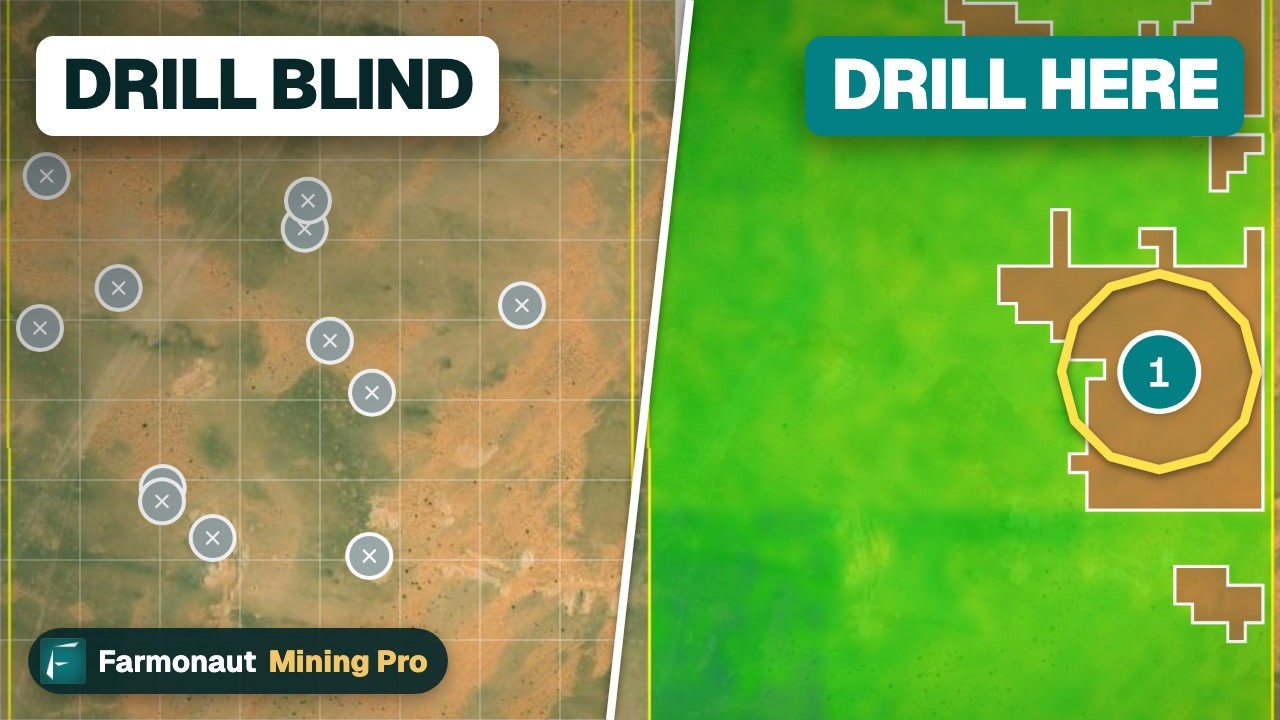
▶ What mining adds to an economy: exports, jobs and government revenue. · 5:03
How world bauxite output has shifted in five years
World output rose from about 391 million tonnes in 2020 (USGS, 2022) to about 440 million tonnes in 2025, a gain of about 12%. Almost all of the growth came from Guinea, which went from about 86 million tonnes in 2020 to about 150 million tonnes in 2025. Australia stayed close to 100 million tonnes, and China moved between about 80 and 93 million tonnes.
Chart
Bauxite output of the top three producers
Million tonnes, 2020-2025 (2021, 2023 and 2025 first estimates)
The shift matters for anyone pricing ore or planning logistics. More of the world’s bauxite now moves by sea from one country to one main buyer, and freight costs and Guinean policy have more effect on prices than they did five years ago. The Jamaica Bauxite Institute noted that Guinean shipments reached about 117.1 million tonnes in the first eight months of 2025, up 28.7% on a year earlier.
Bauxite rich countries: where the reserves are
World reserves total about 29 billion tonnes (USGS, 2026). Guinea (7.4 billion), Australia (3.7 billion), Vietnam (3.1 billion), Indonesia (2.9 billion), Jamaica (2.0 billion) and Brazil (1.7 billion) hold about 72% of them. By continent, USGS puts total resources at 32% in Africa, 23% in Oceania, 21% in South America and the Caribbean and 18% in Asia.
Chart
Output versus reserves
2025 mine output (Mt) against reserves (billion tonnes)
A simple test of how long a country can keep mining is the reserve-to-production ratio: reserves divided by yearly output. At 2025 rates, Guinea has about 49 years, Australia about 38, Brazil about 52 and China only about 8. Vietnam, Jamaica and Indonesia each have hundreds of years, which is why they attract new projects. The ratio is only a rough guide, since reserves change with prices, costs and new drilling. Use the calculator below to test your own numbers.
Calculator
How long would the reserves last, and what share of world output is it?
Enter reserves and yearly output for a country, company or deposit.
- Share of world output (%): 34.1
- Available alumina in a year of ore (Mt): 67.5
- Ore value per year at your price (US$): $7,500,000,000
Example values only, not a benchmark: defaults are Guinea’s USGS 2026 reserve and 2025 output figures and the USGS world total of about 440 Mt. Grade and price are inputs; the price is an example, use today’s price.
Bauxite prices by origin
Bauxite has no exchange-traded price. Buyers and sellers agree prices per dry metric tonne, adjusted for available alumina (the alumina that dissolves in the refinery) and reactive silica (which wastes caustic soda). Price reporters publish weekly assessments by origin. For the third quarter of 2025, the Jamaica Bauxite Institute reported Australia FOB at US$57.67 per tonne, Guinea Boké FOB at US$52.50, Brazil Trombetas FOB at US$39.50, Jamaica’s export price at US$35.55 and the delivered China CIF price at US$70.57, all lower than in the second quarter as supply grew.
Chart
Bauxite prices by origin, Q3 2025
US$ per tonne, quarterly averages
FOB is the price with the ore loaded at the export port; CIF adds cost, insurance and freight to the buyer’s port. The average value of US imports of crude dry bauxite was about US$31 per tonne in the first eight months of 2025 (USGS, 2026). For recent weekly prices and what drives them, see our page on bauxite price per ton, and for mining costs, our bauxite production cost breakdown.
From bauxite to alumina: who refines the ore
Refineries dissolve the alumina in bauxite with hot caustic soda (the Bayer process), then precipitate and heat it to make alumina. It takes roughly two to three tonnes of bauxite to make one tonne of alumina, depending on grade, and about 1.9 tonnes of alumina to make one tonne of aluminium, since aluminium is about 53% of alumina by weight. Refining also leaves bauxite residue (“red mud”): a global average of 1.23 tonnes per tonne of alumina, with a range of 0.55 to 2.21, according to the International Aluminium Institute.
The alumina league table looks very different from the mine table. In 2025 China made about 93 million tonnes, Australia 17 million and Brazil 11 million, with Russia, Saudi Arabia and the United Arab Emirates near 2 to 3 million each (USGS, 2026). Guinea, the top miner, made only about 0.36 million tonnes. Building a refinery needs cheap energy, water, ports and buyers as well as ore, which is why most Guinean ore still leaves the country raw.
Governments treat this chain as strategic. Aluminum is on the final 2025 US List of Critical Minerals (Federal Register, November 2025), and the European Union lists aluminium and bauxite as one entry on its critical raw materials list.
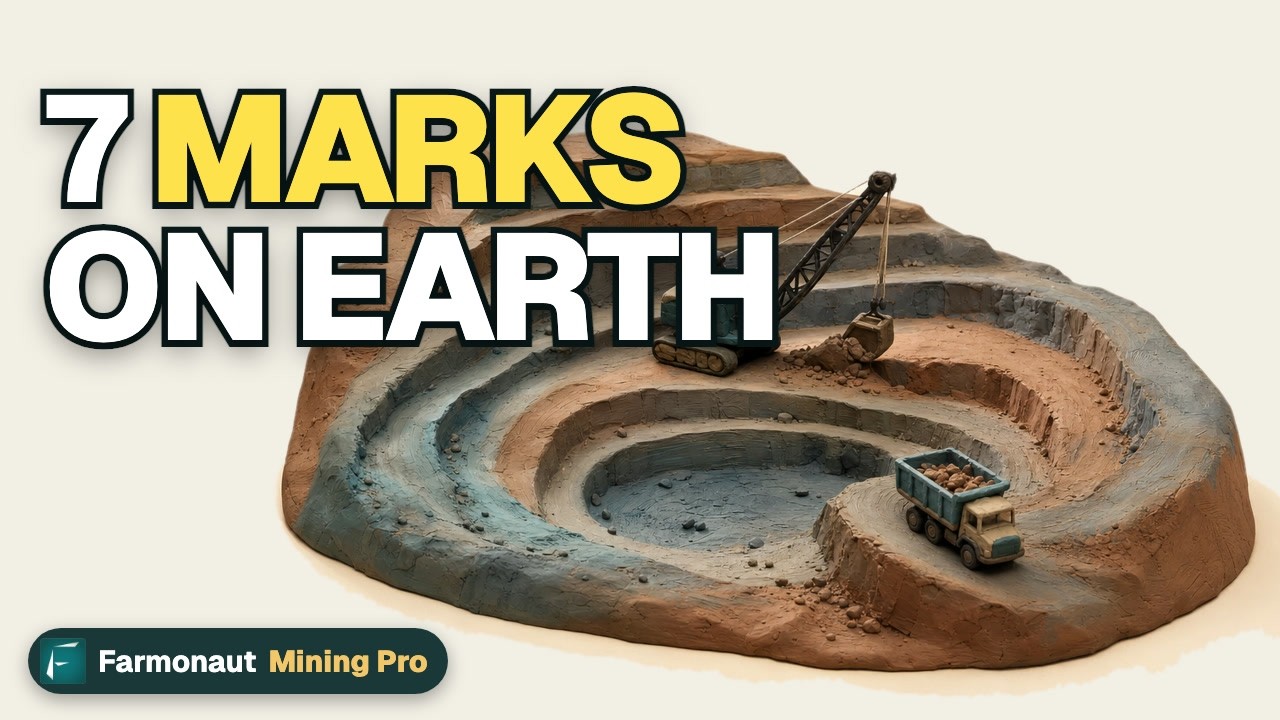
▶ The seven main environmental impacts of mining, explained in clay animation. · 2:31
What consultants should check on a bauxite project
Country rankings set the scene, but a project’s value depends on the deposit and its route to market. When you review a bauxite licence or advise a client, check:
- Grade and mineral type: available alumina and reactive silica (Guinea’s reserves average about 45% alumina, per the figures presented in Conakry) decide price and refinery fit; gibbsite ore suits low-temperature refineries, diaspore-rich ore does not.
- Thickness and overburden: most bauxite is mined from shallow open pits on plateaus, so the ratio of waste to ore drives cost.
- Logistics: distance to rail, river or port, and barge or ship size, often matter more than grade for seaborne ore.
- Licence status and policy: reference prices, export rules and local-refining demands, as Guinea and Indonesia show, can change a project’s economics quickly.
- Land and water: rainy seasons, forest cover, villages and drainage affect access and rehabilitation.
Satellite imagery is a quick way to screen the last two points before a site visit: it shows plateau extent, vegetation, haul roads and existing pits across a whole licence. Farmonaut offers satellite-based mineral detection reports from a KML or polygon of a licence, and our overview of bauxite and other bulk-mineral exploration explains the method. To discuss a site, use the mining query form or contact us.
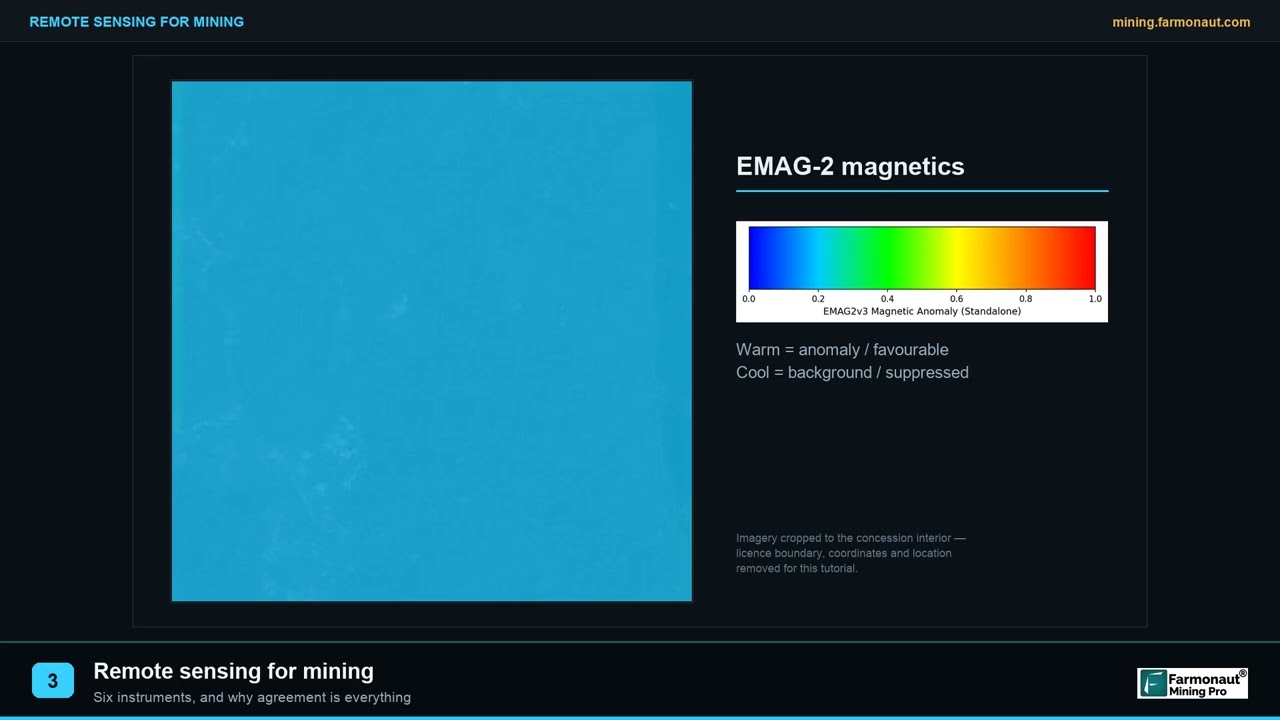
▶ Remote sensing for mining in plain words: what satellites measure and why agreement between sensors matters. · 2:01
Frequently asked questions
Which country is the largest producer of bauxite in the world?
Guinea. USGS estimates it mined about 150 million tonnes in 2025, about 34% of world output, ahead of Australia (97 million tonnes) and China (87 million tonnes).
How much bauxite is produced in the world each year?
About 440 million tonnes in 2025 and about 428 million tonnes in 2024, according to USGS estimates. Output was about 391 million tonnes in 2020.
What are the top 10 bauxite producing countries?
By USGS 2025 estimates, the leaders are Guinea, Australia, China and Brazil, followed by one more Asian producer at about 25 million tonnes, then Indonesia, Jamaica, Russia, Saudi Arabia and Kazakhstan. Turkey and Vietnam follow closely.
Which countries are rich in bauxite?
Guinea has the largest reserves (about 7.4 billion tonnes), followed by Australia (3.7 billion), Vietnam (3.1 billion), Indonesia (2.9 billion), Jamaica (2.0 billion) and Brazil (1.7 billion), out of a world total of about 29 billion tonnes (USGS, 2026).
What country is famous for bauxite mining?
Guinea and Australia are best known: Guinea for the largest reserves and output, and Australia for long-running mines at Weipa and Gove. Jamaica is known in the Americas as the main supplier of US bauxite imports.
Does the United States produce bauxite?
Only a small amount, for non-metal uses such as abrasives, cement and refractories, in Alabama, Arkansas and Georgia. USGS withholds the tonnage, and the country relies on imports for more than 75% of its bauxite, mainly from Jamaica and Turkey.
Why does China import so much bauxite?
China makes about 93 million tonnes of alumina a year but mines only about 87 million tonnes of bauxite, and it takes two to three tonnes of bauxite per tonne of alumina. Its reserves of about 710 million tonnes are small for that rate, so it imports, mostly from Guinea.
Why does Guinea export raw bauxite instead of aluminium?
Refining and smelting need large amounts of cheap power, water, transport and secure buyers. Guinea made only about 360,000 tonnes of alumina in 2025 (USGS), and its government is pressing miners to build refineries.
Is bauxite production growing?
Yes. World output rose about 12% between 2020 and 2025, driven by Guinea. Indonesia fell after its 2023 export ban, while Australia held near 100 million tonnes.
What equipment is used in bauxite mining?
Most bauxite is mined in shallow open pits. Operators clear vegetation and topsoil, then use excavators or surface miners, haul trucks, crushers and conveyors, with rail, barges or ships to move ore to refineries or ports.
Is bauxite a critical mineral?
Aluminum is on the 2025 US List of Critical Minerals, and the EU lists aluminium and bauxite as a single critical raw material. Australia also names bauxite a strategic material.
This page is for information only. It is not investment advice.
Farmonaut mining
Map your mining site from space
Screen a bauxite licence for plateau extent, access and land cover before you send a team to the field.
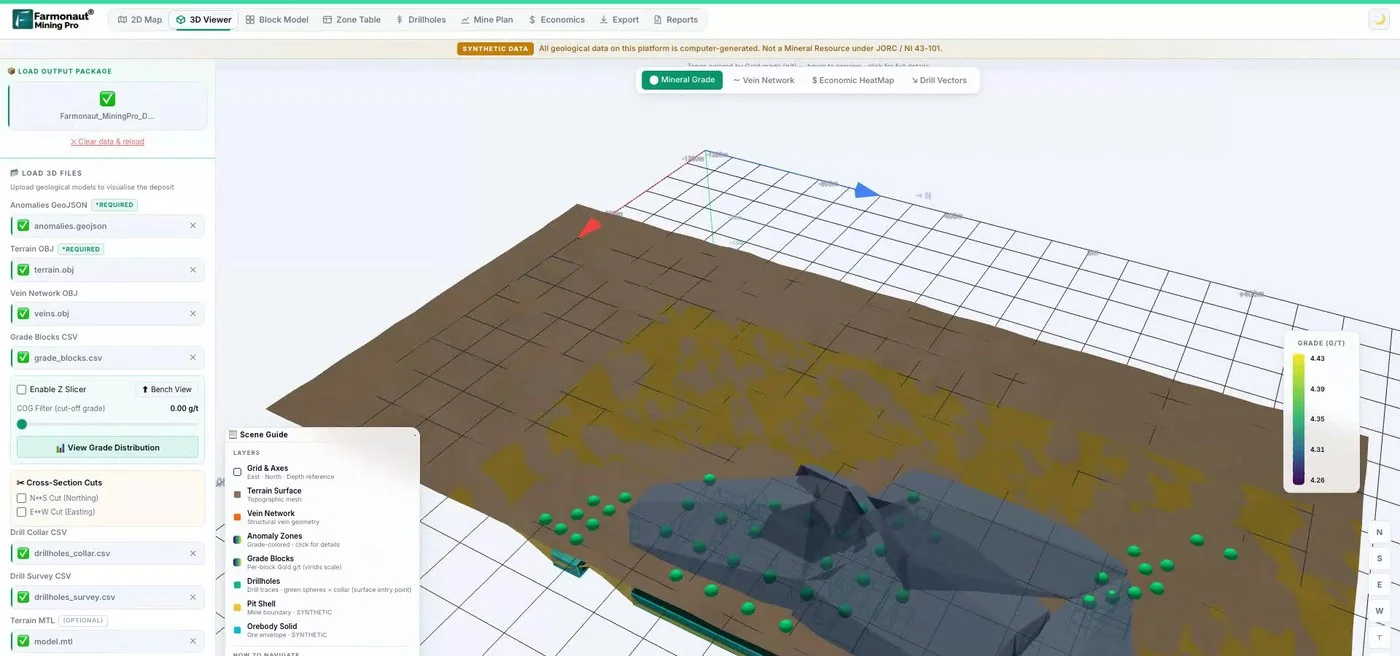
Mining Pro sample view, synthetic data
Keep reading
Sources
- USGS, Mineral Commodity Summaries 2026: Bauxite and Alumina: pubs.usgs.gov
- USGS, Mineral Commodity Summaries 2024: Bauxite and Alumina: pubs.usgs.gov
- USGS, Mineral Commodity Summaries 2022: Bauxite and Alumina: pubs.usgs.gov
- Geoscience Australia, Australia’s Identified Mineral Resources 2025: commodity summaries: ga.gov.au
- Jamaica Bauxite Institute, Global Bauxite (Q3 2025 review): jbi.org.jm
- International Trade Administration, Guinea: Mining and Minerals: trade.gov
- The Rio Times, Guinea bauxite exports hit 182.8m tonnes (October 2026): riotimesonline.com
- Rio Tinto, 2026 half-year results: riotinto.com
- International Aluminium Institute, Bauxite Residue Management guidance: international-aluminium.org
- Federal Register, Final 2025 List of Critical Minerals: federalregister.gov
- European Commission, Critical raw materials: single-market-economy.ec.europa.eu
Discussion
Questions, corrections or field experience? Share them below. First-time comments are reviewed before they appear, and your email is never published.
No comments yet. Be the first to add a question or your experience.

 Jaunita Erss Ltd
 Almosi SARL
 SRK Consulting
 Berks Gold Limited
 Mwerezi Minerals Company Limited
 Mining SARL
 SenGold Invest SAS
 Sean Mining Limited
 NTS Group (Pty) Ltd
 Mine4Africa
 Lithspo Minerals Limited
 Tintina Mining Group
 Dalgety Minerals Pty Ltd
 Vortex Minerals Pty Ltd
 Faith At Work (Pty) Ltd

 Licence holder · Nigeria · Gold + lithium
 Client · Somalia · Gold










