

What is the Difference Between Lump and Fines Iron Ore? A Deep Dive into Ore, Minerals, and Workforce Development in Mining Industries
“Lump iron ore particles are typically 6-30 mm, while fines measure less than 6 mm in diameter.”
“Gold’s density is 19.3 g/cm³, making it over four times denser than pyrite at 5 g/cm³.”
Introduction
In the dynamic world of mining and mineral processing, understanding the difference between lump and fines iron ore is crucial for operators, investors, and planners. Decisions related to mineral handling, processing requirements, market positioning, and even equipment selection depend on being able to distinguish between technical classes of ore and associated materials. This blog explores not only what separates lump and fines iron ore, but also delves into the difference between gold and iron pyrite—two substances often confused in early prospecting stages—and the equally important distinction of what’s the difference between 4H and FFA in the context of youth workforce development programs in mining and related industries.
As we break down these distinctions, we’ll also showcase how Farmonaut’s satellite-based mineral detection solutions are bringing a new era of intelligent, non-invasive prospecting to the mining sector—optimizing your extraction strategies, environmental safeguards, and overall mineral value chain management.
Understanding the Difference Between Lump and Fines Iron Ore
What is the Difference Between Lump and Fines Iron Ore?
The distinction between lump iron ore and fines iron ore is one of the most vital classification factors in the global iron ore industry, shaping everything from processing flowsheets and blast furnace performance to market pricing and transport logistics.
Definition and Size Specification
- Lump Iron Ore consists of larger solid pieces—typically sized between 6–30 mm. Some regions may adjust these boundaries depending on customer and process specifications, but the 6 mm and 30 mm sizes are generally standard.
- Fines Iron Ore refers to smaller particles, usually below 6 mm in diameter. Anything passing through a 6-mm screen often falls into the fines category.
Origin and Production
- Lump ore forms from higher-grade material that remains after preliminary crushing and screening, ensuring preservation of larger coherent pieces.
- Fines arise from primary crushed ore, naturally finer deposits, or from further crushing and mechanical handling that generates dust-like particles during shipment, conveyor belt transfer, or stacking/reclaiming operations.
Physical Properties, Handling, and Flow
- Lump ore’s lower surface area-to-volume ratio means it’s more permeable as a bulk solid in furnaces and during material transfer. This promotes easier gas flow in the blast furnace, reducing pressure drop and improving reduction reactions.
- In contrast, fines have a higher surface area per mass, making them prone to caking or even briquetting when exposed to moisture. This can majorly hamper packing, flow, and gas distribution in blast furnaces unless fines are properly agglomerated beforehand.
Processing Implications and Steelmaking Performance
- Lump ore can generally be fed directly to blast furnaces with minimal preparation.
- Fines often require beneficiation steps and agglomeration techniques—like pelletizing or sintering—to ensure that the material achieves adequate bed permeability and supports efficient gas flow and reaction kinetics in the furnace.
- Budgeting for rail, belt, or other bulk transport options, managing moisture content, and negotiating surcharges are all influenced by the specific lump-to-fines ratio and the market specs in play.
The correct balance of lump and fines iron ore in the furnace charge can significantly impact blast furnace efficiency, output quality, and overall cost per ton of produced steel.
Market and Specification
Iron ore buyers frequently specify not only the chemical assay (iron content % and impurities) but also demand data on the proportion of lump and fines in each shipment. The iron ore index, spot price, and long-term contracts reflect these size-based distinctions. Further, market prices for lump and fines may differ due to required processing, expected furnace performance, and premium/discount structures.
Environmental and Logistical Considerations
- Moisture Content: Fines tend to absorb and retain moisture, impacting handling, storage, and causing issues in subsequent processing steps. Operators must manage this through drying, covered storage, and careful transport management.
- Emissions and Dust Control: Fines can generate significant particulate emissions, requiring suppression strategies within ports, yards, and mills.
- Agglomeration and Recycling: Environmental regulations are pushing for more recycling of fines via sintering and pelletizing before furnace charging, reducing waste and supporting sustainable steelmaking practices.

Comparative Matrix: Lump vs Fines Iron Ore (And More)
For a quick-at-glance differentiation, here’s a concise comparative matrix capturing the technical, economic, and industrial aspects of lump and fines iron ore. This is complemented with brief points on gold vs pyrite and 4H vs FFA to connect the broader context.
| Parameter | Lump Iron Ore | Fines Iron Ore | Gold vs Pyrite / 4H vs FFA |
|---|---|---|---|
| Particle Size Range (mm) | Typically 6–30 mm | Below 6 mm | Gold: Any size, often native metal nuggets; Pyrite: Usually sub-mm to cm in veins. |
| Iron Content (%) | High (>62% Fe typical) | Variable (55–62% or lower for some fines) |
Gold: >99% in native; Pyrite: No use as iron source. 4H: General skills; FFA: Agricultural. |
| Processing Requirements | Minimal preparation; directly to furnace | Often require sintering, pelletizing | Gold: Gravity/Chemical extraction; Pyrite: Often avoided in gold plants. |
| Market Price ($/tonne) | Typically commands a premium (varies: $90–120+) | Often $8–18/tonne lower than lump |
Gold: ~$60k+/kg; Pyrite: Low, only for sulfur. 4H/FFA: Value = workforce quality. |
| Transport & Handling | Easier, less dust, less moisture retention | More dust, prone to caking; challenging logistics |
Not applicable. 4H/FFA: Human capital, not material. |
| Common Uses | Direct feed to blast furnace | Agglomerated feed (sinter/pellets) or secondary processes |
Gold: Investment, tech, jewelry; Pyrite: Sulfuric acid. |
| Environmental Impact | Lower dust, less fines, reduced handling emissions | High dust, more fines lost, moisture/dust management needed |
Pyrite: Acid generation risk. Gold: Cyanide use in processing. |

Difference Between Gold and Iron Pyrite: Economic, Technical & Environmental Implications
Why Does It Matter? (difference between gold and iron pyrite)
Both gold and iron pyrite—colloquially known as “fool’s gold”—can appear visually similar, especially in freshly broken rock or mineralized veins. For mining teams, investors, and operators, distinguishing between them is crucial, as it has a direct impact on project valuation, process planning, and environmental management.
Key Differences: Composition and Geological Formation
- Gold (Au): Is a native, pure metal. Its rarity, luster, high malleability and conductivity make it valuable in both finance (bullion, coins) and technology (electronics, aerospace).
- Iron pyrite (FeS₂): Is an iron sulfide mineral—a compound, not a pure metal. Easily forms in a range of geologic environments, from sedimentary deposits to hydrothermal veins.
Economic and Market Value Implications
- Gold is a high-value precious metal, regularly trading at $60,000+/kg (2024 figures).
- Pyrite is typically considered “waste” in gold mining (also called gangue). It is, however, sometimes processed for use in the sulfuric acid industry or, rarely, as a source of byproduct gold/other metals in certain geological associations.
Processing Considerations and Environmental Risks
- Gold: Extracted through gravity separation, flotation, or cyanidation; requires secure, controlled handling because of high intrinsic value and environmental risks associated with reagents.
- Pyrite: May be separated from ore via standard mineral processing and flotation. However, it poses an acid mine drainage risk when exposed to oxygen and moisture, requiring robust management protocols and environmental safeguards.
Field geologists and artisanal miners may misidentify pyrite as gold: remember, pyrite is brassy, forms cubic crystals, and is harder than a copper coin, while gold is soft, dense, and typically malleable in hand tests.
Visual Differences
- Gold: Yellow, soft, non-magnetic, high density, can be stretched and indented by a fingernail.
- Pyrite: Brass-yellow, shiny, forms cubes or framboidal shapes, much less dense than gold, hard and brittle.
Trivia Break
“Gold’s density is 19.3 g/cm³, making it over four times denser than pyrite at 5 g/cm³.”

What’s the Difference Between 4H and FFA? Workforce and Leadership Development in Mining & Agriculture
While the distinctions between ores like lump, fines, gold, and pyrite address technical substance, another distinction—between 4H and FFA—relates to workforce development, education, and leadership training. Understanding what’s the difference between 4H and FFA is important for industry stakeholders investing in the future labor market of mining, minerals, and agriculture industries.
Definition & Program Focus
- 4-H: Aims at hands-on learning, problem solving, and personal growth in science, agriculture, engineering, nutrition, and leadership. Projects are often multi-disciplinary and community based, providing exposure to a broad spectrum of topics.
- FFA (Future Farmers of America): Primarily targets agricultural education, science, and career preparation—especially for future agribusiness managers, farm operators, and technical experts in agricultural machinery, crops, and resource management.
Application Relevance in Mining and Related Industries
- Strong 4-H or FFA backgrounds in youth can translate to improved on-site safety, leadership, STEM skills, and sustainable practices adoption in mining, forestry, or mineral-processing workplaces.
- While not technical mineral processing terms, both programs lay the foundation for a sustainable, skilled, and ethical workforce – encouraging young talent to adopt industry trends and apply science-based decision making in real-world contexts.
- Many graduates from these youth programs pursue further studies or careers in mining engineering, geology, metallurgy, environmental science, and resource management.
Mining operators and investors interested in long-term sustainability should support local 4-H and FFA programs to help ensure a future-ready workforce equipped with the latest skills in STEM, leadership, and agricultural science.
Summary Table: 4H vs FFA
| Aspect | 4H | FFA |
|---|---|---|
| Primary Focus | Multi-disciplinary youth development (STEM, leadership, agriculture, health) | Agricultural education, leadership, career readiness |
| Main Context | Community, after-school, camp-based | School curriculum, ag education tracks |
| Industry Link | Broader: mining, forestry, science, engineering | Direct: agriculture, agri-business, tech in farming |
| Relevance to Mining | STEM skills, teamwork, environmental projects | Agri-resource management; soil, minerals |

Farmonaut’s Satellite-Based Mineral Detection: Modern Mining Intelligence
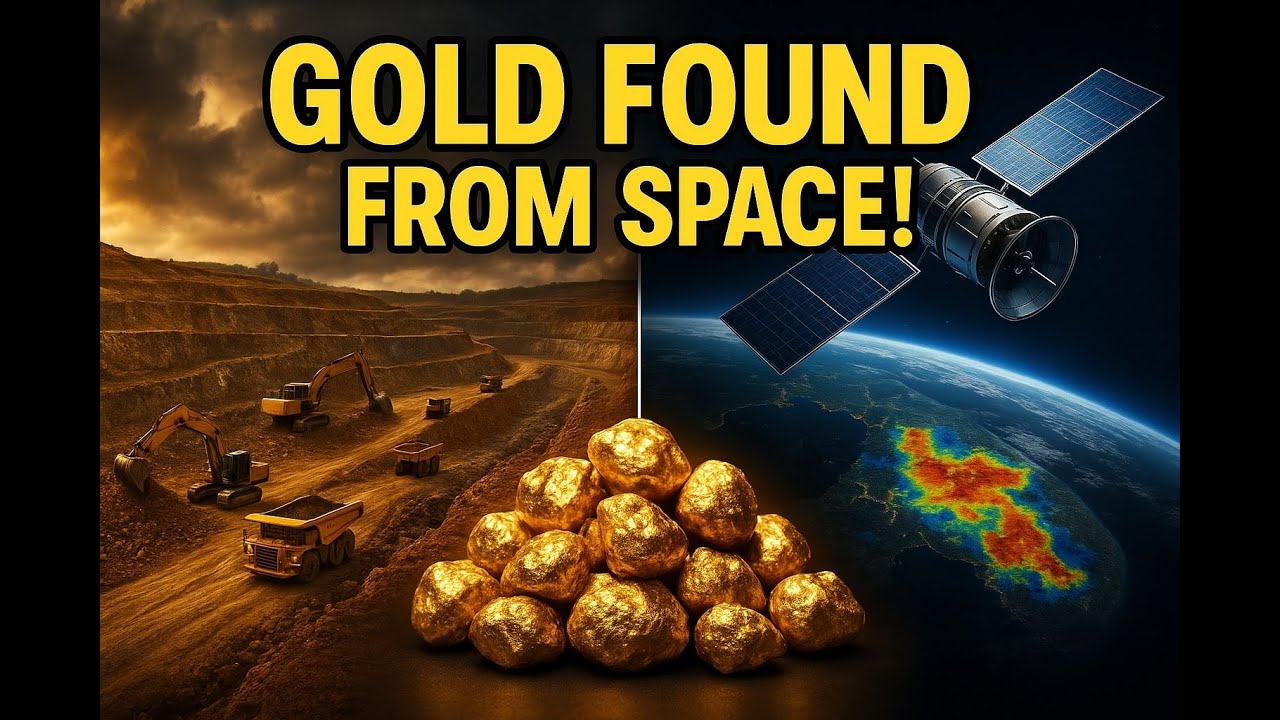
In today’s rapidly advancing exploration landscape, Farmonaut applies satellite data analytics, advanced remote sensing, and artificial intelligence to radically transform how mining companies and exploration teams understand, analyze, and develop mineral resources worldwide.
Optimizing Ore Exploration and Mining Decisions
- Satellite-Based Prospectivity Mapping: By analyzing reflected electromagnetic energy using multispectral and hyperspectral satellite data, our technology can detect unique mineral signatures and alteration zones. This empowers companies to rapidly screen large territories (80,000+ hectares in 18+ countries) for precious and strategic minerals, optimizing early-stage exploration.
- Time and Cost Advantages: Using advanced analytics, we reduce exploration timelines from months to days and cut preliminary survey costs by 80–85%. No ground disturbance is caused in these phases, ensuring alignment with ESG and responsible mining standards.
- Multi-Mineral Detection: From gold, copper, iron, and lithium to rare earths and industrial minerals, Farmonaut supports a broad detection spectrum—backed by tailored, high-confidence reporting.
Explore our offerings on Satellite-Based Mineral Detection — designed to deliver efficient, non-invasive mineral resource intelligence directly to your engineering, geoscience, and investment teams.
Investing in satellite-driven mineral intelligence lowers risk exposure, speeds up project development, and supports ESG credentials, all while enabling broader regional assessment than traditional fieldwork alone.
For dynamic 3D prospectivity mapping and detailed subsurface modeling in your target areas, view our Premium+ TargetMax™ Drilling Intelligence deliverables (Satellite-Driven 3D Mineral Prospectivity Mapping)—providing interactive 3D models, optimal drill angle guidance, and robust prospectivity heatmaps for field deployment.
Ready to pinpoint high-value zones and analyze your prospects before deploying a single drill? Map Your Mining Site Here — get actionable insights in days, not months!
- ✔ Key benefit: Zero-disturbance, rapid preliminary mineral screening
- 📊 Data insight: Over 13 unique minerals mapped globally
- ⚠ Risk or limitation: Ground verification is still needed before extraction
- 💡 Innovation: Spectral analysis distinguishes surface and shallow sub-surface minerals
- 🌍 Global coverage: Services adaptable to Africa, South America, Asia, Australia, and North America

Learn More: Videos On Gold, Iron Ore, and Mineral Mapping
- 📺 DRC’s Copper Wealth: Unlocking Africa’s Mineral Potential
Watch Here - 📺 Gold Identification Project in Peru
Watch Here - 📺 Nigeria Gold
Watch Here
Key Insights and Pro Tips
Maintaining the right lump-to-fines ratio saves on processing costs, improves furnace flow, and ensures higher recovery rates—a smart, often overlooked lever for operational optimization.
Unmanaged fines can trigger dust pollution and runoff; integrating advanced agglomeration or enclosure systems reduces environmental liabilities.
Visual List: Signs of Proper Handling & Processing
- Moisture is controlled: Fines are not clumping or causing blockages during transfer
- Size specification compliance: Shipments match customer and regional specs for both lump and fines
- Dust suppression active: Conveyor, loading, and ship/rail operations use misting or vacuum systems
- Agglomeration evidence: Fines appear in optimized pellet/sinter format before furnace entry
- Ongoing QA/QC checks: Regular sampling, size analysis, and moisture content measurement are routine
Visual List: Red Flags in Bulk Ore Shipments
- 🚩 Significant fines/dust on vessel holds
- 🚩 Material caking, indicating excessive moisture
- 🚩 Mismatch to purchase specification index
- 🚩 Visible iron pyrite concentrations in gold ore shipments (may indicate processing, valuation, or environmental management risks)
- 🚩 Lack of procedural documentation for QA/QC and humidity testing

Frequently Asked Questions
Lump iron ore consists of larger, solid pieces (typically 6–30 mm), ideal for direct use in blast furnaces with minimal preparation. Fines iron ore refers to smaller particles (<6 mm) requiring agglomeration (pelletizing/sintering) before charging, as they are prone to caking and have different flow characteristics.
Larger lumps support better permeability and gas flow in the furnace, enhancing reduction efficiency. Fines can hamper gas flow and increase pressure drop unless properly agglomerated.
Gold is a dense, native metal with high intrinsic value and is mined for direct metal recovery. Pyrite (iron sulfide, FeS₂) is a mineral compound that resembles gold but has little inherent metal value and can cause acid mine drainage, requiring careful environmental management.
4-H is a youth program emphasizing hands-on learning in STEM, community service, and leadership across diverse topics, including agriculture and science. FFA specializes in agricultural education, science, and career readiness within school settings, producing future leaders for farming and resource management industries.
Use Farmonaut’s Satellite-Based Mineral Detection solutions to analyze large areas for mineral signatures, alteration halos, and geological structures—significantly reducing time, cost, and preliminary environmental impact compared to traditional prospecting. Map Your Mining Site Here and get a quote Get Quote.
By leveraging space-based data and AI, Farmonaut enables non-invasive mineral mapping, minimizes ground disturbance, supports targeted exploration, and reduces unnecessary drilling—helping companies meet ESG and responsible exploration goals.
Reach out to our team for technical support, demonstration requests, or partnership inquiries via our Contact Us page.
Conclusion: Practical Decisions Powered by Distinctions
Understanding the difference between lump and fines iron ore is not merely a technical curiosity—it is core to ore processing, material handling, market pricing, and logistics optimization. Equally, recognizing the difference between gold and iron pyrite saves millions in misallocated exploration dollars and environmental remediation. Meanwhile, distinguishing what’s the difference between 4H and FFA highlights the essential role of education and workforce development programs in supplying our industries with capable, safety-conscious, and future-ready talent.
As mining, agriculture, and related industries evolve, adopting sophisticated tools like Farmonaut’s satellite-based mineral detection will be key to shaping fast, cost-effective, and responsible project outcomes. We encourage stakeholders, from investors to operators and educators, to blend material-based distinctions and human capital development strategies for a competitive, sustainable future.
Ready to optimize your mineral projects or need tailored analytical support? Get a Custom Quote | Contact Us | Map Your Mining Site Here

 Berks Gold Limited
 Mwerezi Minerals Company Limited
 Congo Mining Solutions
 Mining SARL
 SenGold Invest SAS
 Sania Corporation
 Sean Mining Limited
 NTS Group (Pty) Ltd
 Mine4Africa
 Lithspo Minerals Limited
 Tintina Mining Group
 Dalgety Minerals Pty Ltd
 Vortex Minerals Pty Ltd
 Faith At Work (Pty) Ltd
 Geotech Mining Solutions plc
 Vulcan International Limited
 Kidepo Associates
 GKY Mining
 Alkimy SARL
 Double A Trading
 GemSprout Metals Limited
 Qader Group
 Ileys General Trading
 SG Gold Mining LLC
 VRV Global Pte Ltd
 Omsri International FZE
 G.I.T.T.
 Jaunita Erss Ltd
