

When Will Tanzanite Run Out? Is Tanzanite Mined Out? A Deep Dive into Resource Depletion, Sustainability, and the Tanzanite Future
Table of Contents
- Introduction: Tanzanite’s Singular Importance
- Geology and Tanzanite Reserves: How Finite is the Resource?
- Mining Extraction Dynamics and Sustainability Issues
- Resource Use: Water, Land, and Environmental Impacts
- Market Demand, Price Movements, and Tanzanite’s Future
- Policy, Land Planning, and Governance Around Tanzanite
- Implications for Agriculture, Forestry, and Infrastructure
- Tanzanite Resource Depletion & Sustainability Comparison Table
- Modern Satellite Exploration: Farmonaut’s Role in Responsible Tanzanite Mining
- Key Takeaways, Bullet Points & Visual Lists
- Frequently Asked Questions (FAQ)
- Conclusion: Planning for a Finite Tanzanite Future
Introduction: Tanzanite’s Singular Importance
Tanzanite, a rare blue-violet gemstone, is globally renowned for its captivating color and origin story. But beneath its surface beauty lies an urgent question echoing among stakeholders in mining, agriculture, forestry, and infrastructure: When will tanzanite run out? Is tanzanite already mined out or nearing that state in the Mererani Hills of northern Tanzania, the only primary source for this precious stone?
This comprehensive exploration addresses not only resource depletion and future supply but also dives into environmental impacts, water and land use, sustainability dynamics, and livelihood implications for communities near the mining sites. As we edge closer to 2026 and beyond, understanding whether tanzanite could run out—and when—is vital for businesses, policymakers, and local economies alike.
Throughout our analysis, we’ll examine:
- The geology and reserves underlying tanzanite’s finiteness
- Mining practices and sustainability concerns in the Mererani belt
- Land and water competition with farming and forestry
- Market demand, price trends, and future supply risks
- Policy frameworks shaping access and sustainable management
- How stakeholders can plan resilient, diversified economies and land use
Tanzanite is a finite resource—found only in a 14 km geologically constrained strip in northern Tanzania. The question of “when will tanzanite run out” is both a technical and a socioeconomic challenge, demanding robust resource stewardship and forward planning.
Geology and Tanzanite Reserves: How Finite is the Resource?
Rare, Unique, and Geologically Constrained
Tanzanite is a variety of zoisite, colored by trace vanadium through natural and sometimes laboratory-based heat treatment. The only economically significant deposit sits in the Mererani (Merelani) Hills—a small zone within Tanzania’s Arusha Region.
Let’s break down why the world continually asks, “When will tanzanite run out?”:
- Geographically Unique: Over 99% of all tanzanite mined globally comes from a single, 14 km-long belt.
- Resource Estimates Vary: Most estimates agree the resource is finite, with reserves calculated in tens of millions of carats (metric tons), but official, universally accepted figures are lacking in the public domain.
- No Known Substitute Zone: No comparable economic tanzanite deposit has ever been discovered outside Mererani, making resource balance and planning crucial.
Resource Balance and Depletion: What the Industry Acknowledges
Most industry consensus acknowledges that:
- The country holds a strictly limited, non-renewable resource within the reach of ongoing extraction.
- There is no evidence the resource is limitless. Incremental depletion is inevitable as accessible pockets are exhausted or become uneconomical to mine.
- The key point: Even though “tanzanite mined out” is unlikely by 2025, the risk of running out is real in the medium term without new discoveries, technologies, or resource reclassification.
Geology matters: The Mererani Hills’ unique formation and the geological zone constraints prevent large-scale expansion, unlike other mineral resources. Thus, depletion rates are governed by current technological, geological, and market realities.
The finite nature of tanzanite reserves means future price rises are likely as annual extraction depletes accessible pockets—making ethical sourcing and alternative investments even more crucial.

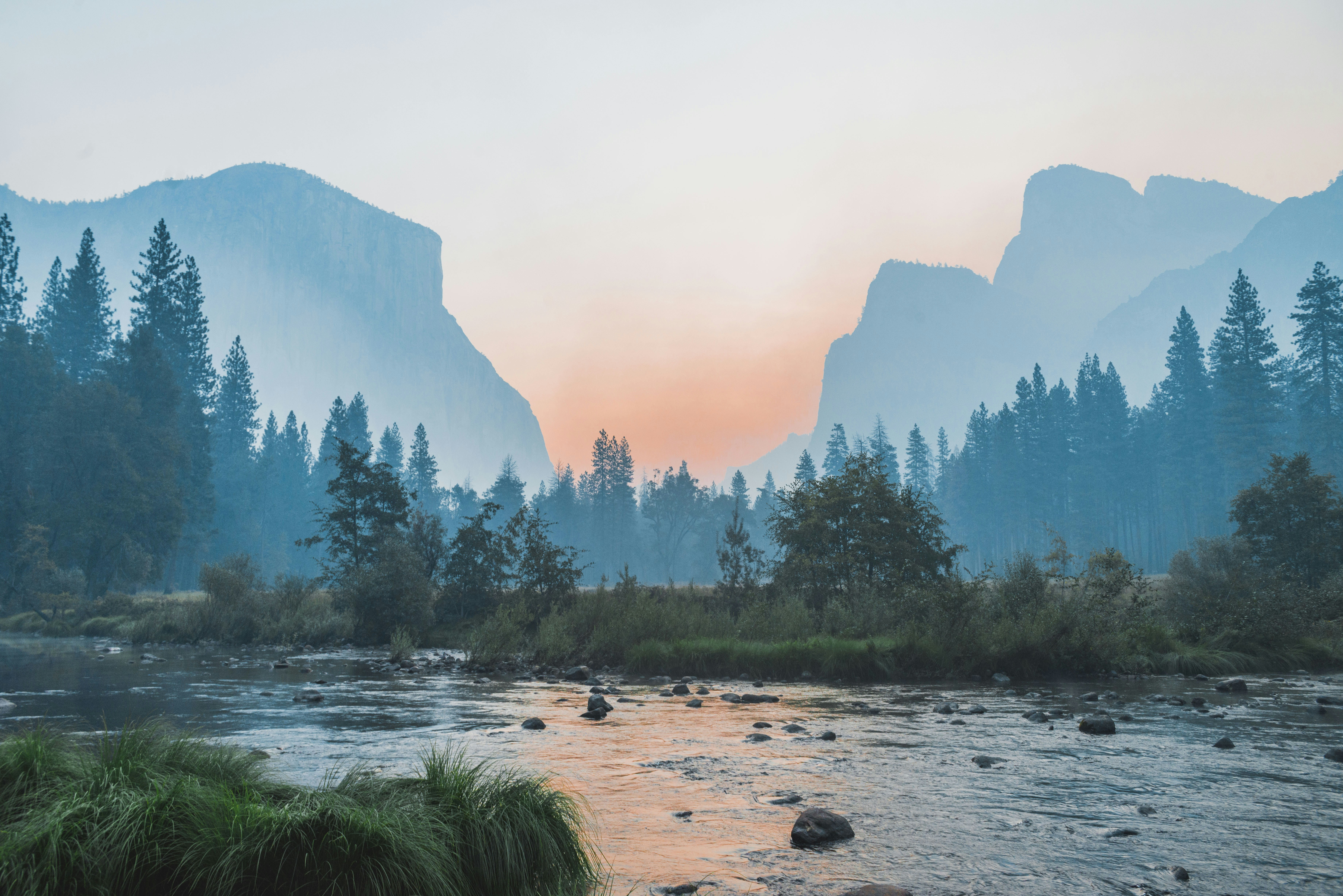
Mining Extraction Dynamics and Sustainability Issues
Operational Realities: From Artisanal Sites to Mid-Scale Mines
The Mererani zone features a landscape dominated by artisanal and small- to mid-scale mining ventures. Extraction occurs in concentrated pockets, and as higher-grade zones are exhausted, miners are forced to move to lower-grade areas, requiring larger volumes of processing, energy, and water.
Core mining dynamics shaping depletion and sustainability include:
- Production is Uneven: Mining has historically been uneven and concentrated, with production spikes when richer pockets are uncovered, followed by stages of decline.
- Resource Accessibility: As deeper and lower-grade zones become the only ones left, getting to them escalates energy costs and water needs.
- Environmental Impact: Sub-optimal management practices often increase waste generation (tailings, waste rock), and if not handled responsibly, can deteriorate surrounding soil health and water.
Mining vs. Local Livelihoods: The Risk of Resource Conflicts
Whenever mining operations expand or intensify, they often encroach on agricultural land, forests, or critical infrastructure corridors. This competition shapes local land use patterns and frequently triggers disputes with farmers and foresters over crop yields, soil health, and water.
Artisanal mining can disrupt nearby agricultural zones—sometimes permanently. Proper site planning, environmental safeguards, and integrated land use management are essential to mitigating these effects as depletion accelerates.
Satellite-based mineral detection solutions—like Farmonaut’s—allow miners and regulators to quickly identify ore-grade pockets and assess new prospects, reducing unnecessary ground disturbance and ensuring better environmental stewardship.

Resource Use: Water, Land, and Environmental Impacts of Tanzanite Mining
Water Competition and Environmental Stewardship
Processing Tanzanite ore requires considerable water, especially as the average grade of accessible pockets declines. In semi-arid or drought-prone zones of northern Tanzania, this can create significant local stress.
- 📊 Data Insight: Annual water demand for the entire Mererani mining area can reach hundreds of thousands of cubic meters, sometimes directly competing with local farming and domestic water supply—especially during dry seasons.
Land Use Conflicts:
- ⚠ As mining expands or intensifies, it often encroaches on arable land or forest edges, affecting crop yields, reducing pasture, and increasing erosion and soil degradation risks.
- ✔ Integrated land planning and defined buffer zones are needed to protect farms and forest lands surrounding mining sites.
Soil Health and Waste Management:
- Tailings and waste rock, if poorly managed, can contaminate soil health and water, diminishing surrounding ecosystem function and increasing long-term restoration costs.
Stakeholders underestimating the indirect environmental impact of mining—especially on surrounding agriculture and forestry—risk long-term productivity losses and community discontent.
Market Demand, Price Movements, and Tanzanite’s Future Supply
Demand, Price Volatility, and Supply Scenarios
Tanzanite’s price is inherently volatile, swinging in response to shifts in global luxury jewelry demand, sudden supply disruptions (e.g., political changes, temporary mine closures), and discoveries or exhaustion of new ore-grade pockets.
- 📈 When richer pockets are exhausted, the incremental cost of mining increases, raising supply risks and pushing prices up.
- 💎 If new extraction technologies allow previously uneconomic zones to become viable, the market could temporarily stabilize or even increase supply—but this is not guaranteed.
- ✋ Conversely, if social, political, or regulatory headwinds arise in Tanzania—tightening access to the Mererani belt—supply could tighten further, amplifying price pressures and possibly restricting availability in the near and medium-term future.
Will Tanzanite Run Out by 2025? Absolute depletion by 2025 is extremely unlikely; however, the gradual transition to lower-grade, less accessible zones makes planning for supply decline and higher extraction costs critical for the future.
Tanzanite remains a “living” market: new discoveries, technological improvements, and shifts in demand can radically alter future supply forecasts—but the core resource is finite, and responsible resource management is crucial for long-term value retention.

Policy, Land Planning, and Governance Around Tanzanite
National Frameworks Direct Depletion Timelines
The future of tanzanite supply is directly influenced by the regulatory framework in Tanzania, including:
- Mining licensing and oversight—which determine who can access which zones and under what conditions
- Environmental safeguards—such as mandatory environmental impact assessments and waste mitigation plans
- Mandates for community benefit-sharing—to ensure that local farmers and foresters see value from resource extraction and avoid conflict
For optimal outcomes, land use planning should harmonize mining, crop production, forestry, and infrastructure development. Buffer zones, robust stakeholder consultations, and water stewardship arrangements are vital tools for de-risking resource depletion and protecting **soil health** and water access for the long term.
Governments and firms should routinely integrate Tanzanite resource depletion risks into local and regional spatial plans, using modern technologies for site selection and boundary definition.
Implications for Agriculture, Forestry, and Infrastructure Stakeholders
Protecting Land, Livelihoods, and Ecosystem Services
The story of tanzanite mining is not just about gemstones—it’s also about the people and environments intertwined with extraction. As the resource faces depletion:
- Agricultural land: Must be protected from encroachment; buffer zones and strict land use controls preserve crop yields and livelihoods.
- Water management: Integrated planning is mandatory to balance mining, community, and farming needs—especially in drought-prone periods.
- Forestry: Forest edges close to mining sites are at risk of degradation; ecosystem service conservation plans are needed.
- Infrastructure: Roads, power, and waste management systems need futureproofing as activities ebb or flow with market and resource shifts.
- Economic diversification: Encouraging agroforestry, crop diversification, and value-added processing sustains local economies if mining declines or becomes uneconomical to operate.
For everyday stakeholders—farmers, planners, miners, and investors—diversified land-use and responsible stewardship of soil, water, and natural resources offer the best path to resilience as the question of when and whether “tanzanite will run out” continues to gather urgency.

Tanzanite Resource Depletion & Sustainability Comparison Table
*Note: All values are estimates based on publicly available industry and research data.
Modern Satellite Exploration: Farmonaut’s Role in Responsible Tanzanite Mining
In the context of finite resources and the vital question of when will tanzanite run out, modern technology offers a lifeline for smarter,low-impact prospecting. Our team at Farmonaut specializes in satellite-based mineral detection, empowering mining companies, investors, and planners to rethink resource exploration.
How does our technology help?
-
Rapid, Non-Invasive Prospecting: We use satellite and AI-based analytics to screen vast areas for ore-grade prospects—all without ground disturbance.
Learn more about satellite based mineral detection - Cost and Time Savings: Our approach can lower early-stage exploration costs by up to 85% and deliver mineral prospectivity maps in days, not years.
- Environmental Safeguards: By narrowing field activities only to the most promising targets, we help minimize unnecessary soil, water, and landscape disturbance—aligning mineral discovery with sustainable management and ESG principles.
For targeted insights on deposit shape, potential ore zones, and optimal drilling strategies, see our solution on
satellite driven 3D mineral prospectivity mapping.
If you want to map your mining site for new tanzanite prospects, use our platform at:
Map Your Mining Site Here

Our analytics help mining operators assess the true extent and grade of accessible pockets, accelerating prospect validation and supporting sustainability by avoiding unnecessary extraction in marginal zones.

Key Takeaways, Bullet Points & Visual Lists
- ✔ Singular Source: Over 99% of all tanzanite is mined in a single 14 km zone in northern Tanzania.
- 📊 Finite Reserves: Most estimates predict 20–30 years of accessible reserves left at current rates.
- ⚠ Run-Out Risk: Absolute depletion by 2025 is unlikely, but economically viable supply could decline rapidly with rising costs or policy shifts.
- 🔍 Land and Water Impact: Mining expansion can encroach on farmland and water sources, demanding careful stewardship and buffer planning.
- 🌱 Sustainability: Modern, satellite-based detection and transparent ore grade reporting are key for ongoing sustainability and local benefit sharing.
Visual List: Main Pathways to Tanzanite Resource Depletion
- ⬇️ Incremental Depletion: High-grade pockets exhausted, shifting to lower-grade, costlier extraction
- 💧 Water Competition: Processing increases pressure on local supplies
- 🌾 Land Encroachment: Cropland and pasture affected; buffer zones needed
- 🔗 Policy & Compliance Risk: Tightened access or new taxation accelerates exhaustion
- 🪨 Waste Burden: Tailings and waste rock place long-term stress on local ecosystems
Visual List: Sustainable Actions for Tanzanite Stakeholders
- ✅ Buffer Zone Planning: Protect arable land and forests from mine encroachment
- 💧 Water Stewardship: Develop integrated management solutions for mining and farming needs
- 🌱 Rehabilitation: Pursue site replanting, soil restoration post-mining
- 📄 Transparent Reporting: Regular ore grade and environmental impact reporting
- 🔄 Diversification Initiatives: Support alternative livelihoods in farming, forestry, and mineral value addition
Use satellite-driven mineral prospectivity mapping before expanding mine sites—this reduces waste, operational risk, and local land competition.
Frequently Asked Questions (FAQ): When Will Tanzanite Run Out?
-
Q: Is tanzanite likely to run out by 2025?
A: It is extremely unlikely that tanzanite will be completely depleted by 2025. However, the resource is indeed finite, and ore-grade pockets are being progressively exhausted. Without new discoveries or tech, depletion may occur within 20–30 years. -
Q: What are the main threats to future tanzanite supply?
A: Principal risks include a finite deposit size, inefficient management, land use conflicts with farming and forestry, rising operational costs, and policy changes that could restrict access. -
Q: Can technology extend the life of tanzanite mining?
A: Yes. Advanced exploration—such as satellite-based detection—and improved processing may help uncover new or reclassify marginal deposits as viable, potentially extending supply. -
Q: How does mining affect water and land use near Mererani?
A: Mining requires significant water for ore processing and can encroach on arable land if not planned with buffer zones and environmental safeguards. Integrated resource management is essential to protect croplands and local water sources. -
Q: Can communities prepare for tanzanite’s future depletion?
A: Proactive economic diversification (e.g., agroforestry, value addition of minerals, sustainable farming), collaborative land planning, and transparent reporting help communities adjust to potential declines in mining activities.
Responsibly managing a rare, finite gemstone resource like tanzanite demands both tradition and innovation. Pairing local stewardship with remote sensing and AI-based mineral intelligence will help stakeholders find the right balance between extracting value and preserving the land, water, and livelihoods critical to Tanzania’s future.
Conclusion: Planning for a Finite Tanzanite Future
The question of “when will tanzanite run out?” is not alarmist but prudent. As we approach 2026 and look further ahead, tanzanite remains a non-renewable, geologically unique resource under increasing pressure. For agriculture, forestry, infrastructure, and local community stakeholders, the answer lies in proactive planning, technological adoption, and sustainable land use management.
Whether you mine, farm, invest, or plan policy, remember:
- 🟢 Resource is finite—current extraction trends may accelerate depletion within our generation.
- 🔵 Environmental impact can be mitigated but not avoided without responsible site planning and buffer creation.
- 🟠 Modern technologies—like Farmonaut’s satellite mineral intelligence—empower smarter, less invasive, and more sustainable resource use.
- 🟣 Planning for the next phase starts now: diversify local economies, protect water/land resources, and embrace transparency in reporting and governance.
Let us collectively steward this rare gemstone for future generations by pairing the best of tradition and cutting-edge technology.
Curious how satellite-driven insights can shape your next mining or land planning decision? Visit our specialized solution for satellite-based mineral detection at Farmonaut’s Product Page.
Are you ready to explore, plan, or monitor your site sustainably? Map Your Mining Site Here.
For tailored inquiries, fill out the Get Quote form or Contact Us directly.
Tanzanite’s legend transcends beauty—it defines what it means for communities, policymakers, and investors to responsibly steward what is truly irreplaceable.
Discussion
Questions, corrections or field experience? Share them below. First-time comments are reviewed before they appear, and your email is never published.
No comments yet. Be the first to add a question or your experience.

 Ramani Investments Ltd
 Congo Mining Solutions
 Mining SARL
 SenGold Invest SAS
 Sania Corporation
 Sean Mining Limited
 NTS Group (Pty) Ltd
 Mine4Africa
 Lithspo Minerals Limited
 Tintina Mining Group
 Dalgety Minerals Pty Ltd
 Vortex Minerals Pty Ltd
 Faith At Work (Pty) Ltd
 Geotech Mining Solutions plc
 Vulcan International Limited
 Kidepo Associates
 GKY Mining
 Alkimy SARL
 Double A Trading
 GemSprout Metals Limited










