

- Introduction: Where Does Placer Mining Take Place?
- Understanding Placer Surface Mining and Its Significance
- Top Mining Places: Diverse Placer Mining Settings
- Top Placer Mining Locations and Methods Comparison Table
- Economic Context: Common Minerals in Placer Mining
- Placer Mining Methods and Processes: Sluicing, Dredging, and More
- Environmental and Regulatory Management in Placer Mining
- Placer Mining and Land Use: Integration with Agriculture, Forestry, and Infrastructure
- Modern Innovation: Satellite Solutions for Placer Mining Site Mapping
- FAQs on Where Placer Mining Takes Place
- Conclusion: Placer Mining in a Changing World
Where Does Placer Mining Take Place? Top Mining Places & Technology Innovations
“Over 70% of the world’s placer gold is mined in Russia, Canada, and Alaska using advanced recovery technologies.”
Placer surface mining stands as a testament to nature’s own sorting power, harnessing the movement of water over time to concentrate heavy, valuable minerals in particular environments. But where does placer mining take place, and what methods and management practices make these mining places sustainable and economically significant? This comprehensive guide explores the primary environments for placer mining, the technological and operational methods used to recover minerals, key mining locations worldwide, and the integration of environmental stewardship within ongoing mining operations.
Placer mining success relies on understanding how alluvial environments create rich concentrations of minerals through natural water forces, making certain settings globally valuable for resource extraction.
Understanding Placer Surface Mining and Its Significance
Placer surface mining is a specialized technique focusing on recovering valuable minerals—most notably gold—that have been weathered from bedrock and then transported and deposited by water. Unlike traditional hard-rock mining, where minerals are extracted directly from bedrock, placer mining occurs in natural sediment deposits where dense minerals have become concentrated through the ongoing action of moving water.
- ✔ Surface-based: No deep tunnels—operations focus on accessible soils and sediments at or near the surface.
- 📊 Alluvial context: Occurs in riverbeds, streams, floodplains, and ancient channels.
- ⚠ Careful management: Environmental control is crucial due to potential disturbance to soils, water, and habitats.
- 🔎 Low waste: Exploits nature's sorting—less overburden than traditional mining.
- 💧 Water driven: Methods often require flowing or accessible water for separation.
The appeal of placer surface mining lies in its straightforward mineability, reduced capital requirements, and its alignment with sustainable land use, especially when integrating mining operations with local agriculture, forestry, and community infrastructure.
Top Mining Places: Diverse Placer Mining Settings
“Modern placer mining can recover minerals from sediments as fine as 0.01 millimeters using innovative separation techniques.”
Where does placer mining take place? The answer centers on environments shaped by water—both present and ancient. These natural dynamics sort, concentrate, and deposit dense minerals in specific settings:
Primary Environments & Natural Settings
- Active Riverbeds and Banks: Ongoing flow shapes, reworks, and layered gravels where heavier minerals settle.
- Floodplains, Bends, and Eddies: Slowed water currents in these features drop dense particles, forming “pay zones”.
- Ancient and Abandoned Channels: Old, archived sediments in terraces, cutoffs, and deltas often hide historical mineral concentrations.
- Glacial Outwash Plains: As glaciers melt, meltwater transports and sorts mineral loads, leaving behind rich placer deposits.
- Alluvial Fans and Deltas: Points where streams slow and discharge sediments on flatter lands, building up valuable placers.
When prospecting for new placer mining sites, trace upstream to find “pay streaks”—these are narrow, gold-rich streaks in gravels, often near the inside bends of rivers or where streams have slowed over time.
These placer mining places are common in river systems near agricultural fields, forested lands, or maintained infrastructure corridors. Location choices must balance mineral potential with accessibility, environmental impact, and legal entitlements (water rights, land use permits).
Visual Guide: Typical Placer Mining Settings
- 🌊 Modern rivers & shallow banks
- 🪨 Exposed gravel bars (post-flood)
- ❄️ Glacial meltwater channels
- 🌱 Alluvial fans at hilly terrain bases
- 🏞️ Historic (abandoned) river valleys
- ⛏️ Seasonal streambeds (dry periods expose gravels)
- 🌾 Corridors along farm or forestry roads
- 🛤️ River-adjacent infrastructure routes
- 🧭 Ancient terraces and deltas
- 💡 Map Your Mining Site Here with satellite intelligence!

Key Characteristics of Major Placer Mining Locations
- ✔ Dense, valuable minerals—notably gold, platinum-group elements, tin, and industrial heavy mineral sands.
- ✔ Natural water action sorts and concentrates sediments by density.
- ✔ Accessible via rivers, streams, or downstream corridors near population or production centers.
- ✔ Environmental stewardship is required—sediment control and site restoration are critical.
Top Placer Mining Locations and Methods Comparison Table
The table below highlights some of the world’s major placer mining places, comparing their estimated outputs, methods used, notable minerals, and key environmental management practices. This provides a real-world snapshot for stakeholders planning new mining operations or evaluating project sites.
| Location (Country/Region) | Estimated Annual Output | Primary Mining Method | Notable Minerals Recovered | Key Environmental Management |
|---|---|---|---|---|
| Yukon (Canada) | ~80,000 oz gold | Sluicing, Dredging, Panning | Gold, platinum, heavy minerals | Riparian buffer zones, silt fencing, active reclamation |
| Alaska (USA) | ~700,000 oz gold | Large-scale Dredging, Sluicing | Gold, platinum, tin | Seasonal water use, fish habitat protection, sediment ponds |
| Siberia (Russia) | >1,000,000 oz gold | Hydraulic Mining, Dredging | Gold, platinum, gems | Erosion control, water treatment, seasonal restrictions |
| Ghana (Africa) | ~230,000 oz gold | Small-scale Panning, Sluicing | Gold, diamonds, ilmenite | Riparian vegetation management, water recycling, formalized licensing |
| Kalimantan (Indonesia) | ~70,000 oz gold | Manual Panning, Small Dredges | Gold, zircon, tin | Community-led conservation, buffer strip planting, sediment traps |
Locations with established placer resources and robust environmental management face fewer regulatory delays and have more sustainable, long-term value—critical for modern investment decisions.

Economic Context: Common Minerals in Placer Mining Deposits
Placer mining’s economic impact is far-reaching, encompassing gold rush histories and modern commodity demand. These mining operations are particularly attractive because the material to be recovered is already physically separated from bedrock, sorted by water movement, and often concentrated in accessible layers. Let’s delve into the minerals typically found in these settings:
Typical Placer Mineral Suite
- 🏆 Gold: The iconic placer mineral—dense, malleable, and resistant to corrosion.
- 💎 Gemstones: Sapphires, garnets, and, in Africa, even diamonds in alluvial deposits.
- ⚙️ Platinum-Group Minerals: Recovered from gravels in Siberia, Alaska, and select African sites.
- 🔩 Tin, Tungsten, Ilmenite, Magnetite, Zircon: Heavy industrial minerals—critical for electronics, alloys, and ceramics.
- 🌟 Rare finds: Occasional nuggets of native silver, copper, and even meteorite fragments.
Why is placer surface mining so economically appealing? It provides access to dense minerals without deep shafts, reducing mine startup costs. Additionally, environmental impact is generally localized to the active sediment-disturbed zones, and reclamation is possible, supporting coexisting land uses.

Focusing only on gold can cause missed opportunities: heavy mineral sands (ilmenite, zircon) and gem concentrations offer significant additional value in many placer sites.
Placer Mining Methods and Processes: Sluicing, Dredging, and More
Depending on local water availability, sediment type, accessibility, and scale, placer mining employs a range of methods—from artisanal manual panning to highly mechanized dredging and gravity separation systems. Here we outline the most common mining techniques and their integration with sustainable resource management.
Major Placer Mining Methods
- 🌊 Sluicing: Directing water and sediment down an inclined sluice box fitted with riffles. Heavier minerals are trapped behind the riffles, while lighter sediments wash away. Adaptable for small and large operations, often used near fields & forestry lands with ready water flow.
- ⚒️ Dredging: Used in deeper or remote river channels, ponds, or slow-moving water bodies. Dredges suction or scoop sediment to the surface—ideal for high-throughput operations.
- 🧺 Panning & Dry Washing: Manual techniques favored in smaller or water-scarce environments. Pans swirl sediments to settle out denser minerals, while dry washers use air to separate materials by density—suitable for alluvial fans adjacent to road corridors.
- 🌀 Gravity Separation: Uses jigs, spirals, shaking tables, or centrifugal concentrators to separate large volumes by density after initial processing. This method further concentrates valuable minerals for final recovery.
Visual: How Placer Mining Methods Fit Different Environments
- 🔵 Sluicing—active riverbanks, next to agricultural zones
- 🟢 Dredging—broad river channels, old ponds, or historical deltas
- ⚪ Gravity separation—post-extraction, concentrates management
- 🟡 Dry washing/panning—arid alluvial settings, roadside exposures, or abandoned terraces

For advanced planning, Satellite-Based Mineral Detection is transforming how modern mining operations pinpoint and assess placer deposits—enabling stakeholders to screen large areas non-invasively before committing ground resources.
Environmental and Regulatory Management in Placer Mining
Placer mining can affect soil, water, vegetation, and aquatic life, especially through the disturbance of sediments. To maintain the delicate balance between resource extraction and ecosystem health, modern regulations guide every stage of mining:
Best Environmental Management Practices
- 🌱 Contour and minimal-disturbance techniques: Limit the mining footprint by keeping excavations small and restoring landform contours during and after operations.
- 💧 Sediment control structures: Silt fences, berms, settling ponds—prevent fine sediments from entering river systems and impacting aquatic habitats.
- 🐟 Aquatic life protection: Schedule work to avoid critical fish spawning seasons and maintain natural flow regimes in active streams.
- 🔙 Reclamation and revegetation: Replace topsoil, seed native plants, and restore wetlands or riparian zones to their pre-mining function.
- 📄 Compliance with regulatory frameworks: Secure required permits for land, water, and waste use; adhere to mining codes in your jurisdiction.
A successful placer operation integrates environmental controls with mining techniques—safeguarding both ecosystem health and project longevity.

Environmental Risks in Placer Surface Mining
- ⚠ Increased river turbidity—impacts fish populations and water use for agriculture, especially downstream users.
- ⚠ Erosion and altered sediment deposition—may undermine riverbanks or reduce floodplain fertility.
- ⚠ Habitat loss—when riparian buffers are not maintained, native vegetation is lost and wildlife faces disruptions.
- ⚠ Waste mismanagement—failure to properly separate and dispose of tailings contaminates waterways and land.
- ⚠ Regulatory shutdowns/fines—due to poor compliance or lack of stewardship.
Smart placer miners invest early in sediment management and post-mine reclamation—reducing remediation costs and helping secure community trust.
Placer Mining and Land Use: Integration with Agriculture, Forestry, and Infrastructure
Modern placer mining takes place amid growing demands for productive land—in agricultural, forestry, and infrastructure contexts. Here, management practices aim to balance mineral extraction with stewardship of surrounding lands.
- 🌾 Agricultural Lands: Mining is planned with respect for topsoil conservation, field restoration, and water recycling—ensuring productive fields after operations cease.
- 🌲 Forestry Environments: Temporary corridors, buffer zones, and minimal disturbance let timber production and placer mining coexist.
- 🚜 Infrastructure Planning: Placer mining near roads, bridges, and utilities must coordinate access, sediment control, and restoration with public works departments.
Reclamation of disturbed lands includes:
- ✔ Spreading topsoil over recontoured ground
- ✔ Seeding/replanting with region-specific vegetation
- ✔ Restoring wildlife corridors and wetlands
- ✔ Monitoring recovery of riverbanks, especially near farms or critical infrastructure
Integrate land-use planning with placer mining layouts early in your feasibility studies: Get a Custom Mining Quote
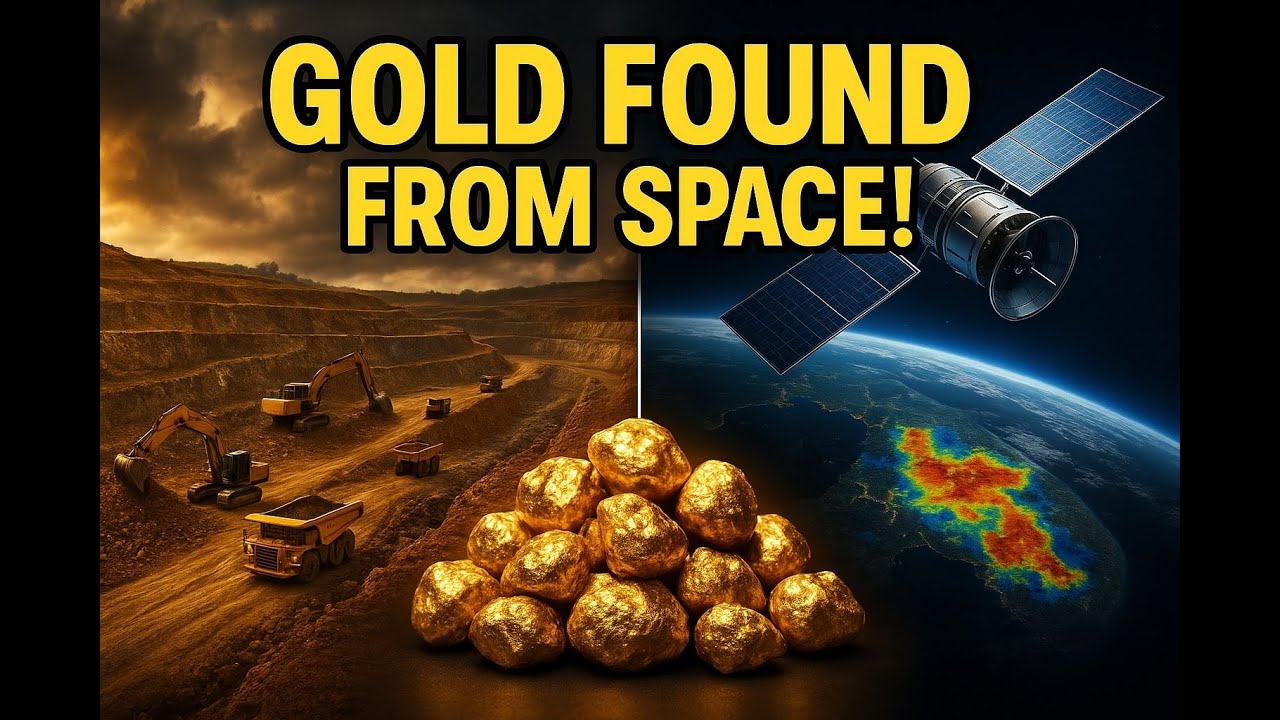
Modern Innovation: Satellite Solutions for Placer Mining Site Mapping
As placer mining evolves, technology and remote sensing are redefining site discovery and resource management. We at Farmonaut apply advanced satellite-based mineral detection and 3D prospectivity mapping to help exploration teams locate the most promising placer targets with unmatched speed and environmental safety.
Deploying satellite mineral intelligence can reduce early exploration costs by up to 85% and deliver high-confidence target zones without land disturbance.
Farmonaut’s satellite-driven solutions offer the following:
- ✔ Global coverage: We identify placer-rich zones across active rivers, ancient valleys, glacial outwash plains, and even deserts.
- 📊 Detailed mineral prospectivity mapping: Using satellite driven 3D mineral prospectivity mapping, users gain insights into mineral type, concentration, and estimated volume—at various depths.
- ⚡ Rapid reporting: Professional results delivered in days—not months.
- 🌱 Zero surface disturbance at the target-evaluation phase—supporting ESG goals.
- 💬 Contact Us for custom intelligence and project support.

Map Your Mining Site Here with Farmonaut and identify your next high-confidence placer target—from initial prospectivity to final reporting—entirely from space.
Modern placer mining projects increasingly depend on geospatial analytics to minimize exploration risk and environmental impact—Farmonaut leads the way in satellite-driven mineral detection for both technical and commercial stakeholders.
FAQs on Where Placer Mining Takes Place
What is the primary setting for placer surface mining?
Placer mining primarily takes place in environments shaped by running water—active riverbeds, banks, floodplains, bends, ancient channels, alluvial fans, and glacial outwash plains—where dense minerals are naturally sorted and concentrated.
How do placer operations separate valuable minerals from lighter sediments?
Operations use gravity-based techniques (sluicing, panning, dredging, jigs, spirals). Water or air moves material through a device that concentrates heavier minerals at the bottom, allowing lighter materials to wash away.
What minerals are commonly recovered in placer mining?
Gold is most common, but placer deposits may also contain platinum-group minerals, tin, tungsten, magnetite, ilmenite, zircon, sapphires, and garnets.
Does placer mining cause more environmental disturbance than other mining methods?
While the surface and sediment can be disturbed, placer mining is generally less invasive than deep rock mining and can be managed for low environmental impact with modern sediment control, land reclamation, and water use techniques.
Can placer mining take place near agricultural or forestry lands?
Yes. In contexts such as river-adjacent farmlands or forest plots, careful planning and reclamation enable coexisting land uses, provided regulatory guidelines are met.
How can technology help discover new placer mining places?
Technologies like Farmonaut’s satellite-based mineral detection rapidly screen large landscapes for potential placer concentrations—without any initial on-the-ground disturbance.
Conclusion: Placer Mining in a Changing World
Placer mining is best understood as a low-impact, high-value mining method that exploits the natural sorting power of water to concentrate and separate dense minerals from lighter sediments. The primary environments—from active riverbeds to glacial plains—offer abundant opportunities to recover valuable materials with careful technique and responsible management. Integrating mining with existing land use objectives not only secures long-term productivity but also aligns with critical environmental and community stewardship.
With the rise of advanced satellite data and AI-driven exploration, stakeholders can now map out and monitor placer mining places at unprecedented scale and efficiency. We at Farmonaut are proud to power this transformation—providing rapid, reliable, and environmentally non-invasive mineral intelligence for the modern mining era.
Ready to Discover Your Next Placer Target?
- 💡Identify new mining places with satellite precision
- 🤝Accelerate project planning and investment assessment
- ⚡Reduce time, cost, and environmental risk at exploration stage
- 🌱Commit to best-in-class stewardship and reclamation
- 📍Map Your Mining Site Here
Contact our mineral intelligence team to discuss your project or Get a custom quote for placer site analysis
Your next discovery starts from space—with Farmonaut.
Placer mining occupies a unique intersection between nature’s forces, technological innovation, and sustainable resource management. Use the latest mapping, management, and stewardship tools to ensure your mining operations maximize value—now and for generations to come.
Discussion
Questions, corrections or field experience? Share them below. First-time comments are reviewed before they appear, and your email is never published.
No comments yet. Be the first to add a question or your experience.

 Vortex Minerals Pty Ltd
 Faith At Work (Pty) Ltd
 Geotech Mining Solutions plc
 Vulcan International Limited
 Kidepo Associates
 GKY Mining
 Alkimy SARL
 Double A Trading
 GemSprout Metals Limited
 Qader Group
 Ileys General Trading
 SG Gold Mining LLC
 VRV Global Pte Ltd
 Omsri International FZE
 G.I.T.T.
 Jaunita Erss Ltd
 Almosi SARL
 SRK Consulting
 Berks Gold Limited
 Mwerezi Minerals Company Limited
 Mining SARL
 SenGold Invest SAS
 Exploration consultancy · South Africa · Gold










