

Best Places to Look for Gold: Top 7 Mining Spots 2026
“Over 60% of top gold mining spots in 2026 are located within designated sustainable land management zones.”
The Best Places to Look for Gold: A Practical Guide for Agriculture, Forestry, and Resource Industries in 2026
The search for gold in 2026 remains a multidisciplinary endeavor that deeply intertwines economic opportunity with environmental stewardship and responsible land management. Whether you’re searching for where is the best place to look for gold, or charting future pathways for responsible mining in agricultural, forested, and infrastructure-adjacent areas, the key lies in understanding not only gold’s geologic signatures but also how to balance sustainability, soil health, and community considerations.
With modern mining technologies and advanced exploration platforms—like Farmonaut’s satellite-based mineral detection—we now combine geologic expertise with state-of-the-art remote sensing and AI analysis to uncover gold potential efficiently, accurately, and with minimal environmental impact.
In this comprehensive guide, we’ll examine the top 7 mining spots for 2026, discuss primary indicators and best practices for identifying productive areas, compare each location’s sustainability factors, and show how cost-effective, low-impact exploration is transforming the industry for future generations.
“In 2025, responsible gold exploration increased by 35% in agricultural and forestry regions worldwide.”
Primary Geographic Indicators: Where Is the Best Place to Look for Gold in 2026?
To pinpoint where is the best place to look for gold, it’s important to recognize the geologic and geomorphologic settings that favor gold concentrations while remaining compatible with sustainable land use. Below, we detail the primary zones and their practical considerations for industries evaluating new mining opportunities:
1. Gold Belts and Orogenic Belts
- ✔ Old Crustal Regions: Stable, geologically ancient crust such as greenstone belts and metamorphic terrains—seen in regions like Western Australia and South Africa—often host gold deposits formed by tectonic processes.
- ✔ Structurally Controlled Deposits: Shear zones and fault lines concentrate minerals like gold within quartz veins and disseminated ores.
- ✔ Geological Indicators: Look for areas with intersecting fault lines, visible quartz veins, and alteration zones which indicate geologically active systems capable of forming gold deposits.
2. Alluvial and Placer Zones
- ✔ Rivers and Streams: Gold accumulates in bends, behind rocks, gravel bars, and along floodplains where water slows and heavier minerals settle.
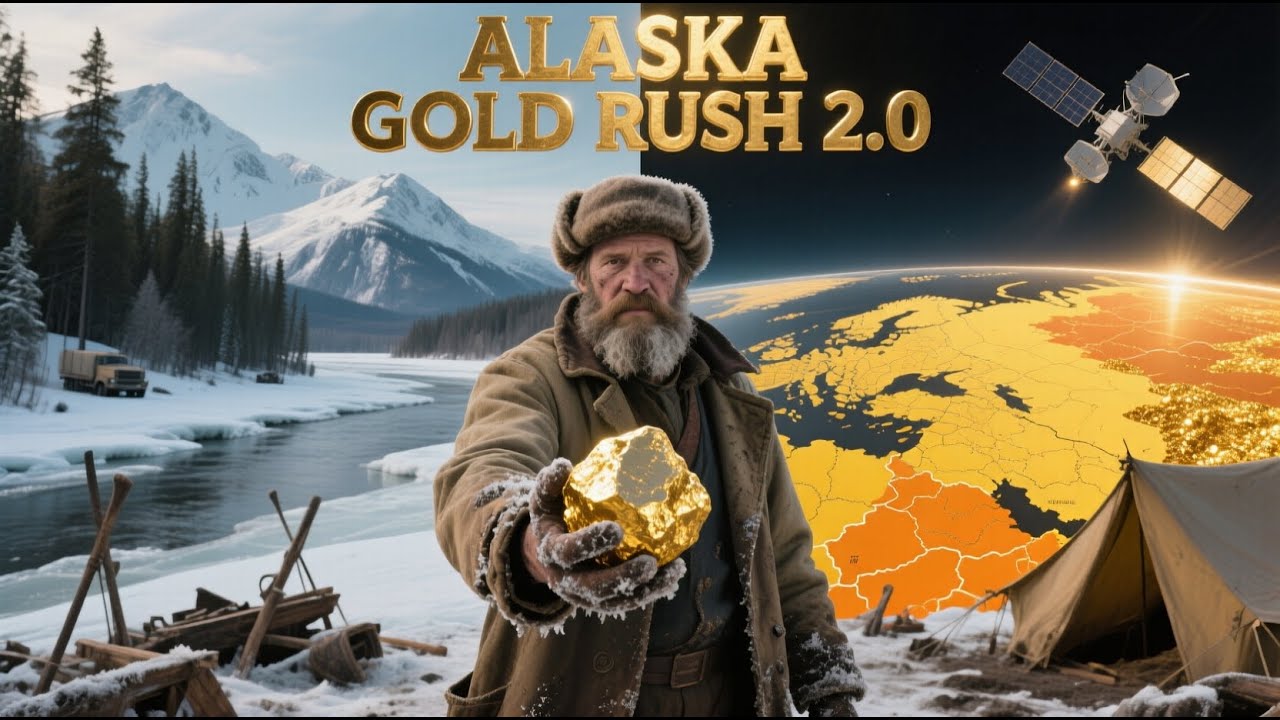
- ✔ Historic & Modern Deposits: Districts with a legacy of placer mining—such as Alaska and Ghana—often still offer residual gold in upstream sediments or tailings.
- ✔ Low Overburden: Zones with minimal sediment cover and active erosion are prime for accessible gold extraction.
3. Secondary Placers Near Orogenic Zones
- ✔ Downstream Concentrations: Weathered crust and former mining regions feed gold into downstream gravels (e.g., Mauritania, Tanzania).
- ✔ Proximity to Old Mining Districts: Areas with historic gold tailings commonly indicate residual or unprocessed gold.

Geological and Environmental Reconnaissance for Non-Mining Stakeholders
With much of the world’s gold mining activity intersecting agriculture, forestry, and natural resource management in 2026, it’s essential to integrate responsible reconnaissance practices. Here’s how different industries should approach their role in sustainable gold exploration:
a. Bedrock Mapping and Soil Surveys
- ✔ Collaborate with Geologists: Engage multidisciplinary teams to identify quartz veins, sulfide-rich zones, and alteration halos indicative of concealed gold without unnecessary disturbance.
- ✔ Preventative Planning: Use satellite-derived soil and bedrock maps (like those we provide at Farmonaut) to plan extraction or conservation activities strategically.
b. Hydrological Indicators in Agricultural and Forested Areas
- ✔ Gold-Bearing Streams: Consistent exposures of bedrock in streams, combined with fine-grained sediment pockets, are strong indicators of placer gold.
- ✔ Groundwater Assessment: Analyze water flow and sediment transport to determine environmentally viable extraction sites—avoiding aquifer disruption.
c. Rehabilitation Potential & Environmental Zones
- ✔ Clear Reclamation Plans: Prioritize sites that support life after mining—such as returning land to agriculture or restoring native ecosystems post-operation.
- ✔ Sediment Control and Biodiversity Stewardship: Include sediment traps, turbidity management, and soil recontouring as baseline requirements.

Practical Considerations for Industries Adjacent to Gold Exploration
Infrastructure, Access, and Land-Use Compatibility
- ✔ Infrastructure Leverage: Select areas where existing roads, ports, and power lines minimize new construction and environmental disturbance.
- ✔ Land-Use Integration: Avoid high-value forestry or agricultural land where possible. Employ buffer zones and staged timing to enable coexistence when overlap is unavoidable.
- ✔ Water Management: Implement zero-discharge and process-water reuse practices to safeguard downstream ecosystems and agricultural irrigation.
- ✔ Rehabilitation Plans: Develop and enforce land restoration requirements (soil stabilization, reforestation, or crop readiness) before approval of new extraction activities.

- 📊 Data Insight: Top mining spots in 2026 frequently overlap with forest-agricultural transition zones, where multi-land-use planning is crucial.
- ✔ Key Benefit: Satellite-driven assessment allows non-invasive, rapid identification of promising gold systems without field disturbance.
- ⚠ Risk: Poor rehabilitation oversight can render post-mining land unfit for agriculture or forestry, diminishing long-term value.
- 🌱 Sustainability: Emerging gold operations are increasingly benchmarked against biodiversity, water, and soil health metrics in environmental impact assessments.
- 🛤 Access Optimization: Utilize degraded or previously disturbed corridors for new infrastructure to minimize impact on pristine zones.
Best Practices: Where Is a Good Place to Look for Gold in 2026?
If you’re seeking actionable insights for where is a good place to look for gold while maintaining responsible stewardship, consider the evolving best practices below:
Regional Geologic Surveys—A Foundational Approach
- ✔ Start with Data: Combine government geological surveys, university research, and industry datasets focusing on belts, historic districts, and proximity to compatible land uses.
- ✔ Utilize Advanced Tools: Tools such as satellite-based mineral detection platforms support efficient, accurate surveying with zero on-ground disruption.
Modern Alluvial Potential—The Placer Gold Advantage
- ✔ Modern Placer Zones: Shallow, well-watered streams and river bends in erosion-prone landscapes still hold substantial gold, provided environmental constraints are respected.
- ✔ Evaluate Residuals: Review tailings from historical mining for recoverable residues—often overlooked yet viable in 2026 technological frameworks.
Stakeholder Collaboration—From Agriculture to Mining
- ✔ Community Engagement: Early and transparent communication with stakeholders reduces friction and fosters co-benefit land management planning.
- ✔ Environmental Assessments: Embed independent audits and third-party certifications into all high-potential projects.
Comparative Analysis Table: Top 7 Places to Look for Gold in 2026 with Sustainability Factors
This table provides a concise, quantitative comparison of the best gold mining locations for 2026, evaluating each for gold yield, sustainability, land use compliance, and more. These locations are prioritized for responsible, low-impact operations relevant to agriculture, forestry, and resource industries.
| Mining Spot Name | Estimated Gold Yield (oz/year, 2026) | Sustainability Score (1-10) | Environmental Zone Type | Land Use Policy Compliance | Proximity to Protected Areas (km) | Responsible Mining Practices Implemented |
|---|---|---|---|---|---|---|
| Western Australia Orogenic Belt | 5,000,000 | 9 | Arid Rangeland, Agricultural | Yes | 60 | Water reuse, Land rehabilitation, Biodiversity Banking |
| Yukon, Alaska Alluvial District | 900,000 | 8 | Boreal Forest, River Basins | Yes | 45 | Zero-discharge, Rolling restoration, Sediment control |
| Ghana Birimian Greenstone Zone | 2,100,000 | 7 | Agricultural, Savannah | Yes | 31 | Buffer zones, Local stakeholder audits, Cover crops |
| Mauritania North Placer Belt | 850,000 | 8 | Semi-Arid, Alluvial | Yes | 79 | Soil stabilization, Seasonal water monitoring |
| Tanzania Lake Victoria Gold Fields | 950,000 | 8 | Agricultural, Lake Basin | Yes | 24 | Contour farming, Forest corridor maintenance |
| South Africa Witwatersrand Basin | 4,500,000 | 7 | Urban-Adjacent, Agricultural | Yes | 80 | Acid mine water control, Post-mining agriculture |
| Peru Eastern Cordillera Hydrothermal System | 1,200,000 | 9 | Montane Forest, Alluvial | Yes | 33 | Stream rewilding, Indigenous forestry rights |
- 📊 Quantitative Comparison: Each spot’s sustainability and proximity to protected zones directly affect long-term land value and operation duration.
- ✔ Compliance Focus: Top locations implement strict rehabilitation, water, and land use controls to meet 2026 policy standards.
- ⚠ Potential Risk: Closer proximity to protected areas (under 30 km) requires extra diligence on water quality and noise mitigation.
- 🌎 Regional Diversity: From the dry Australian interior to the forested Peruvian Andes, geology drives opportunity—but policy governs success.
- 🛑 Red Flag: Mining locations outside robust land use compliance frameworks increasingly face social and regulatory shutdowns in 2026.

Modern Tools for Sustainable Gold Exploration: Satellite Intelligence & AI
In 2026, advanced mineral exploration methods spearhead the search for gold in environmentally and socially responsible ways. Traditional prospecting using physical mapping, geochemical sampling, and heavy machinery is being complemented—if not replaced—by satellite-driven reconnaissance, hyperspectral surveys, and AI-powered geologic modeling.
How Farmonaut Satellite-Based Detection Transforms Exploration
- ✔ Zero Ground Disturbance: Early exploration phases with Farmonaut’s technology use only remote data—no on-site drilling, sampling, or road-building required until targets are verified digitally.
- ✔ Rapid, Scalable Mineral Screening: Screen entire districts for gold belts, alluvial systems, and orogenic indicators—reducing years of legwork to weeks or days.
- ✔ Precision Targeting: Unique spectral signatures from quartz, alteration zones, and vein-related deposits are automatically detected and ranked for economic and environmental viability.
- ✔ Multidisciplinary Land Planning: Overlay gold prospectivity maps with land use, crop zones, forestry corridors, and infrastructure to plan co-benefit operations and avoid high-risk conflict areas.
Want to see what’s possible with remote, AI-driven mineral detection? Explore Farmonaut’s Satellite-Based Mineral Detection for gold, copper, lithium, and more—across diverse climatic and land management contexts.

For those preferring interactive engagement, Map Your Mining Site Here to upload your area of interest and instantly receive heatmaps and prospectivity scores—saving months of on-ground reconnaissance and reducing environmental risk.


Risk and Opportunity Management for Gold Mining Operations
While high grades and easy access are critical, the future of where are the best places to mine for gold depends increasingly on integrated risk management in environmental, economic, and social dimensions:
Environmental Risk Control
- ✔ Water Quality Protection: Rigorous control practices, such as sediment traps and closed-loop water systems, are mandatory in 2026 for proximity to agricultural and forestry zones.
- ✔ Soil Health Stewardship: Progressive rehabilitation—topsoil replacement, tree planting, cover cropping—ensures land remains fit for post-mining agriculture or timber.
Economic Resilience & Adaptability
- ✔ Market-Aligned Planning: Align exploration investment with long-term land use plans and diversify activities to buffer risk from price fluctuations.
- ✔ Fieldwork Efficiency: Deploy digital prospectivity analysis to minimize up-front spend on low-return exploration zones.
Social License & Stakeholder Engagement
- ✔ Transparent Practices: Maintain open consultation with local communities, land users, and regulatory agencies at all project phases.
- ✔ Third-Party Oversight: Adopt independent audits and certifications (such as ISO 14001) to signal responsible operation and build trust.
Frequently Asked Questions (FAQ): Gold Mining, Land Use, and Sustainability
Q1. Where is the best place to look for gold in 2026?
The best place to look for gold in 2026 combines high-yield geological systems—such as orogenic belts and alluvial river districts—with high sustainability scores, robust rehabilitation plans, and minimal impact on agricultural, forested, or protected zones. Use updated satellite data and AI-driven prospecting for low-impact exploration.
Q2. What environmental zones support the most responsible gold mining?
Transition zones—such as semi-arid agricultural land, forest margins, and degraded rangelands—allow gold mining with manageable environmental impact, provided strict soil, water, and land rehabilitation standards are implemented.
Q3. How can I minimize environmental impact in early exploration?
Favor non-invasive reconnaissance such as multispectral satellite mapping, avoid new road-building in undisturbed areas, prioritize rolling restoration, and consult ESG professionals for ongoing monitoring.
Q4. How do regulatory frameworks affect where I should mine for gold?
Locations with clear land use policy compliance, transparent permitting, and local engagement—like Western Australia and parts of Ghana—rank higher for operational stability and long-term returns.
Q5. What Farmonaut solutions help gold mining companies in 2026?
Our satellite-based mineral detection technology supports early-stage prospecting, environmental zoning, soil & water management, and investment planning. This reduces both cost and impact while improving site selection success and regulatory approval rates. Explore the technology or request a quote.
Conclusion: Building a Sustainable Gold Mining Future for 2026 and Beyond
The future of gold mining lies not just in the riches beneath our feet, but in how responsibly we uncover them. Combining deep geological knowledge with modern AI- and satellite-enabled intelligence, today’s successful operators are those who identify where is the best place to look for gold—and ensure every phase, from exploration to rehabilitation, respects environmental boundaries and community needs.
By targeting stable gold belts, alluvial-prone river systems, and secondary placer districts—alongside rigorous sustainability and rehabilitation plans—mining, agriculture, forestry, and infrastructure sectors can unlock new value while protecting our shared resources.
As we move into 2026 and beyond, we at Farmonaut remain committed to empowering responsible exploration and sustainable development across all landscapes—blending the latest in space-age sensing with practical, actionable ground knowledge.
- ✔ Discover Satellite-Based Mineral Detection: For integrated, high-accuracy gold prospecting & environmental monitoring.
- ✔ Request a Mining Intelligence Quote: Optimize your site selection and reduce field risk.
- ✔ Contact Us: Tailored support for mining, agricultural, and forestry professionals.
- ✔ Map Your Mining Site Here: Start planning your sustainable exploration or mining project instantly.
Discussion
Questions, corrections or field experience? Share them below. First-time comments are reviewed before they appear, and your email is never published.
No comments yet. Be the first to add a question or your experience.

 Vortex Minerals Pty Ltd
 Faith At Work (Pty) Ltd
 Geotech Mining Solutions plc
 Vulcan International Limited
 Kidepo Associates
 GKY Mining
 Alkimy SARL
 Double A Trading
 GemSprout Metals Limited
 Qader Group
 Ileys General Trading
 SG Gold Mining LLC
 VRV Global Pte Ltd
 Omsri International FZE
 G.I.T.T.
 Jaunita Erss Ltd
 Almosi SARL
 SRK Consulting
 Berks Gold Limited
 Mwerezi Minerals Company Limited
 Mining SARL
 SenGold Invest SAS
