

World’s Deepest Mine Location & Engineering Innovations: A 360° Exploration of Depth, Technology, and Sustainability
“The world’s deepest mine, Mponeng in South Africa, reaches a staggering depth of nearly 4,000 meters underground.”
Table of Contents
- Introduction: Why Deepest Mines Matter
- The World’s Deepest Mine Location and Geological Context
- Engineering Advances: Unlocking the Deepest Mine in the World
- Ore Extraction: Caving, Transport, and Efficiency Challenges at Depth
- Safety, Risk, and Worker Health in Deep Mines
- Environmental Management and the Depth Transformation of Resource Systems
- Mining and Farmonaut: Satellite-Driven Innovation
- Comparative Overview Table: Deepest Mines vs. Innovations
- Transforming Landscapes: Mining, Land, Water, and Agriculture
- FAQs: Deepest Mine in the World & More
- Conclusion: Limits, Lessons, and the Future of Deep Mines
Introduction: Why the Deepest Mines Matter in a Changing World
The global mining industry’s pursuit of riches beneath the earth’s surface has set humanity on an extraordinary quest—forging tunnels kilometers underground, battling blistering temperatures, and engineering complex systems just to access valuable ore bodies. As we navigate the 21st century, the deepest mine in the world continues to capture the imagination of scientists, engineers, and economic strategists alike. The significance of the world’s deepest mine location isn’t purely about record-breaking numbers—it’s a testament to how modern engineering and technological advances are transforming what is technically possible in resource extraction, environmental management, and industrial infrastructure.
In this detailed exploration, we will travel through the tunnels of the world’s most profound mines, unravel the engineering innovations that enable such feats, and consider how these underground wonders influence surface economies, landscapes, and even agricultural and forestry systems. Along the way, we will bridge the mineral and organic worlds with crucial lessons in resource management, climate control, and sustainable practice.
The World’s Deepest Mine Location and Geological Context
From the Goldfields of South Africa to Global Depth Records
The crown for the deepest mine in the world is held by the Mponeng Gold Mine, found within the famed Witwatersrand Basin near Carletonville, South Africa—specifically at coordinates around 26.4200° S, 27.3980° E. Piercing the earth to almost 4,000 meters (3,900 meters as of recent records), Mponeng exemplifies the extreme challenges and rewards of accessing rich ore bodies far below the surface.
Other record holders include:
- TauTona Mine (South Africa): Close depth rival, now closed yet renowned for ultra-deep mining.
- Driefontein Mine (South Africa): Reaches beyond 3,400 meters.
- South Deep Mine (South Africa): Another contender within the Witwatersrand.
- Deepest Mine in US: Lucky Friday Mine (Idaho), peaking at just over 2,600 meters.
The geological context is vital. These ore deposits are typically associated with ancient greenstone belts and basin formations where natural processes concentrated metals through tectonic and hydrothermal activity. The grade and geometry of these bodies dictate both the technical difficulty and potential return of each deep operation.
“Mining at extreme depths requires cooling systems that lower rock temperatures from 60°C to a safer 28°C for workers.”
Key Benefits of Deep Mining Innovation
- ✔ Access to the highest-concentration minerals worldwide
- ✔ Advances in ventilation, cooling, and equipment automation
- ✔ Enhanced safety protocols and worker welfare measures
- ✔ Greater economic returns from previously unreachable ore deposits
- ✔ Development of industry-wide best practices in environmental management

Engineering Advances: Unlocking the Deepest Mine in the World
Building Deep: Vertical Shafts, Decline Tunnels, and Subterranean Networks
To access ore at such profound depths, mining engineering orchestrates a sophisticated network of vertical shafts, decline tunnels, and multi-level drifts. The design of every mine must
- ✔ Relies on robust shafts and rapid hoisting systems for both personnel and material transport
- ✔ Use a maze of tunnels to insulate operations against the rising pressures and temperatures found at depth
- ✔ Implement multi-stage pumps and sumps for aggressive water management
- ✔ Engineer automated equipment that minimizes downtime and boosts efficiency
Engineering Solutions for Extreme Underground Challenges
- Thermal Management and Cooling: At 4000 meters, the rock can exceed 60°C due to geothermal gradients. Cooling systems (ice-slurry, chilled water, refrigeration plants) deliver a safer atmosphere, often reducing working temperatures to below 28°C.
- Advanced Ventilation: Massive fans, ductwork, and airflow monitoring constantly adjust to combat hazardous gases (methane, radon, CO2)—creating a safe, oxygen-rich environment for miners.
- Seismic and Rock Stability Monitoring: Micro-seismic sensors and ground-penetrating radar monitor for sudden shifts under intense pressure—protected by reinforced tunnel supports and backfilled cavities.
- Material Hoisting and Ore Transport: High-speed skips and conveyors move ore and waste material across labyrinthine underground distances to processing facilities on the surface.
- Automated and Remote-Controlled Equipment: High-risk tasks leverage robotics to further reduce exposure and downtime, boosting efficiency and pacesetting for modern mining.

Visual List: Major Engineering Innovations
- 🛠 Automated Drilling Rigs
- 🌬️ Dynamic Ventilation and Air Cooling
- 🛰️ Satellite-Based Geotechnical Monitoring
- 👷 Tele-Remote Operations & Robotics
- ⚡ Energy Recovery & Heat Exchange Systems

Ore Extraction: Caving, Transport, and Efficiency Challenges at Depth
Extraction Methods: Sublevel & Block Caving, Cut-and-Fill, and Panel Mining
The depth and geometry of a mine directly dictate which ore extraction methods can be used. In ultra-deep mines like Mponeng:
- ✔ Sublevel caving—horizontal tunnels at intervals, blasted to allow ore to gravitationally fall and be scraped away
- ✔ Block caving—large-scale undermining, causing part of the rock mass to collapse in a controlled fashion
- ✔ Cut-and-fill—incremental blasting, ore removal, and backfilling to maintain stability
- ✔ Panel caving—variation of block caving, allowing access to large, flat-lying ore bodies with reduced surface subsidence
Each technique is designed not only for maximum productivity but to protect miners and maintain viability in the heavy, pressurized, and unpredictable depths.
Visual List: Key Extraction and Transport Systems
- 🏗️ Ore Hoists
- 🚚 Underground Conveyor Networks
- ⚙️ Rock Crushers & Mills
- 🚇 Drift and Decline Tunnels
- 🛢️ Pumping and Sump Systems (Water Management)

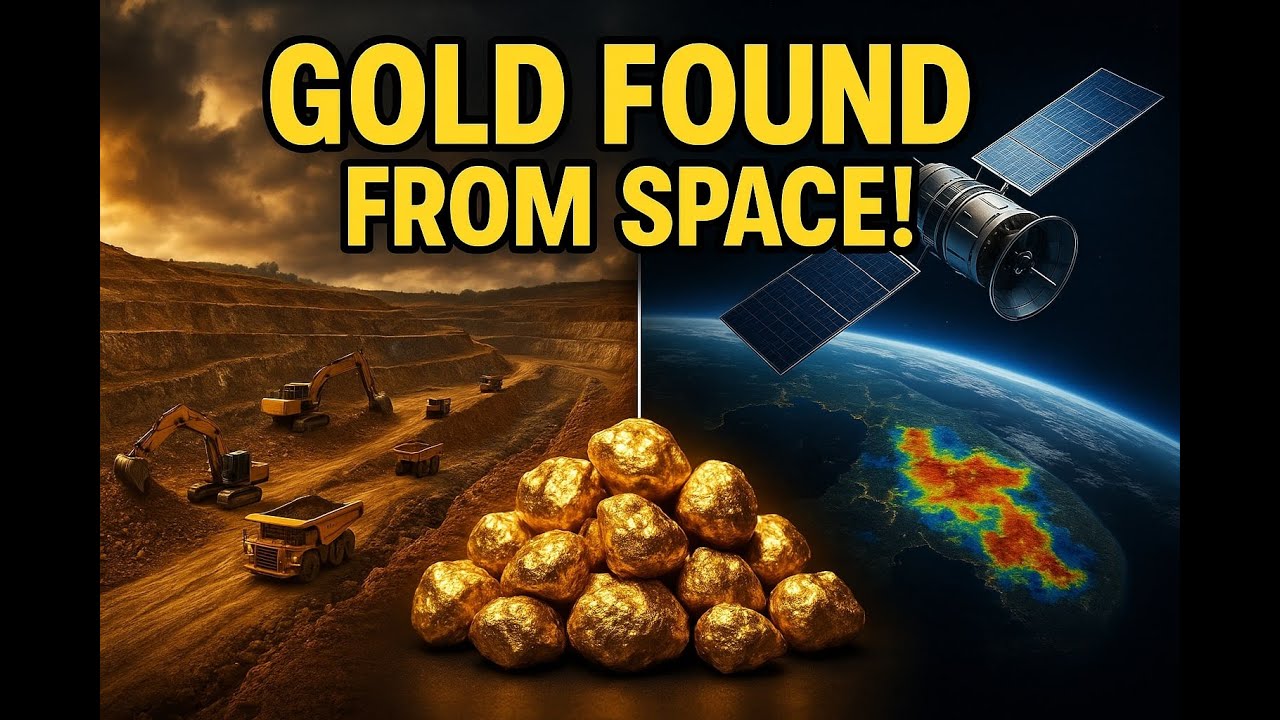
For explorers and resource developers, satellite based mineral detection from us at Farmonaut offers exceptional early-stage intelligence. Our platform streamlines target identification by analyzing remote sensing data over large and diverse terrains. This increases efficiency and reduces costs—allowing explorers to focus investment and resources on sites with the highest mineralization potential and the best odds for safe, profitable extraction.
Safety, Risk, and Worker Health in Deep Mines
Why Safety is the Cornerstone of Underground Mining Operations
The accumulation of hazardous gases, risk of tunnel collapse, seismic activity, and the sheer isolation of the deepest mine in the world all elevate safety into a science of its own. Best practices involve:
- ✔ Real-time gas detection and ventilation flow monitoring
- ✔ Redundant escape routes and refuge chambers
- ✔ Emergency response teams drilled for collapse, explosion, or fire events
- ✔ Psychological support and ergonomics to counteract fatigue and stress from working at depth
- ✔ Predictive analytics for rock stability and micro-seismic events

Environmental Management and the Depth Transformation of Resource Systems
The Environmental Footprint of Ultra-Deep Mining
As mining operations extend ever deeper, their environmental implications become both more acute and more complex. Key challenges involve:
- 📊 Water Inflow & Groundwater Protection: Managing massive inflow of water—often mineralized, acidic, or loaded with heavy metals—to prevent flooding, surface seepage, and aquifer contamination.
- 📊 Waste Rock and Tailings Handling: Isolating and neutralizing potentially hazardous rock and chemical-laden tailings to reduce leaching and dust emissions.
- ⚠ Surface Disturbance & Land Use: Planning new infrastructure (headframes, processing plants, tailings, logistics corridors) with minimal footprint, echoing sustainable land stewardship from agriculture and forestry best practices.
- ⚠ Efficient Energy Usage: High energy demand for ventilation and cooling increases the operational carbon footprint.
- ⚠ Ecosystem & Social Considerations: Ensuring robust community engagement, reclamation, and biodiversity planning.
For mining companies seeking a lower-impact, higher-precision discovery path, our satellite driven 3d mineral prospectivity mapping is a game-changer. We leverage 3D geospatial models to reveal subsurface mineral prospectivity and vein geometry, thus supporting smarter, less invasive exploration—critical for meeting modern environmental and regulatory expectations.
mining.farmonaut.com
—Quickly pinpoint your target areas using world-leading satellite intelligence from Farmonaut. Reduce your environmental footprint and fast-track your next mineral discovery with a few simple clicks.
Mining and Farmonaut: Satellite-Driven Innovation
While we at Farmonaut are renowned for revolutionizing agricultural, forestry, and wildfire monitoring, our impact on the mining industry stands as a transformative leap for resource systems worldwide. Traditional exploration is slow, costly, and ecologically disruptive—our Earth observation, remote sensing, and AI tools empower companies to screen, validate, and prioritize mineral prospects rapidly, affordably, and without ground disturbance.
- ✔ Global Reach: Over 80,000 hectares across 18+ countries, mining everything from gold in Africa and South America to rare earths and specialty minerals in North America and Australia.
- ✔ Speed & Savings: Reduce project timelines from months to days, with cost savings up to 85% during early-stage exploration.
- ✔ Sustainability: Zero surface footprint in the detection phase; aligns with ESG goals across mining sectors.
Our processes leverage both multispectral and hyperspectral satellite data—identifying mineralized targets, alteration zones, host rock types, and structural features, plus providing indicative quantity and depth forecasts for smarter investment decisions.
Comparative Overview Table: Deepest Mines vs. Innovations
The following table provides a structured comparison of the deepest mines worldwide, focusing on their location, metrics, and innovations. This directly supports your research into “deepest mine in the world”, “deepest mine in US”, engineering advances, and resource stewardship.
| Mine Name | Location (Country, Coordinates) | Estimated Depth (m) | Primary Resource | Engineering Innovations | Ore Extraction Rate (tons/year est.) |
Notable Safety Measures | Environmental Management | Agriculture / Environmental Impact |
|---|---|---|---|---|---|---|---|---|
| Mponeng Gold Mine | South Africa 26.4200° S, 27.3980° E |
~3,900 | Gold | Cooling plants; seismic sensors; tele-remote loaders | ~190,000 | Double escape ways, real-time gas monitoring, refuge stations | Underground water management, backfilled stopes, dust control | Moderate—localized land, aquifer impact, best-in-class mitigation |
| TauTona Mine | South Africa 26.4221° S, 27.4302° E |
~3,850 | Gold | Advanced hoisting & cooling; block caving | ~300,000 (at peak) | Refuge bays, continuous seismic monitoring | Cyanide recovery, groundwater handling | Localized groundwater influence, progressive closure |
| Driefontein Mine | South Africa 26.3896° S, 27.4841° E |
~3,400 | Gold | Backfill automation; deep pumping tech; seismic arrays | ~500,000 | Gas detection, automated drilling, reinforced tunnels | Settling dams, water treatment, land restoration | Surface land degradation, robust post-mining plans |
| South Deep Mine | South Africa 26.4050° S, 27.6976° E |
~3,000 | Gold | Hydraulic backfill; block cave design | ~250,000 | Escape chambers, blast control, real-time monitoring | Water recapture, dust suppression, tailings covers | Groundwater monitoring, local ecosystem protection |
| Lucky Friday Mine | USA (Idaho) 47.6021° N, 115.7815° W |
~2,600 | Silver/Lead/Zinc | Longhole stoping; vertical shaft winze | ~50,000 | Evac drills, borehole seismic systems, radon checks | Tailings thickening, water purification | Minimal surface impact, strong local water management |
| Garpenberg Mine | Sweden 60.2010° N, 16.2296° E |
~1,400 | Zinc/Lead/Silver | Automation; digital ventilation; remote equipment | ~3,000,000 | Int. monitoring, dust suppression, digital presence | Zero process water discharge, biodiversity monitoring | Model for minimal land/water footprint, advanced closure planning |
Transforming Landscapes: Mining, Land, Water, and Agriculture
The core topic of deep mining goes beyond technology and economics—it directly influences the configuration of landscapes and resource systems above. The depth at which we access minerals shapes patterns of surface water flow, modifies local geomorphology, and risks disturbing aquifers vital for agricultural and forestry systems.
This challenge mirrors the complexities we face in crop production, soil health, and sustainable irrigation practices—only, in mining, the stakes are visible through the magnitude of rock moved, the management of hazardous gases, and the scale of engineered infrastructure at and below the surface.
- 📊 Ultra-deep mining projects demand robust planning to avoid groundwater depletion and protect local agricultural root systems.
- 📊 Waste rock management and backfilling are engineered to prevent contaminant migration—essential for preserving regional soil health and water supplies.
- ✔ Community engagement and environmental stewardship are increasingly built into vertical and decline mine designs, echoing responsible land use practices from modern agri-forestry.
FAQs: Deepest Mine in the World & More
What is the world’s deepest mine location?
The world’s deepest mine is the Mponeng Gold Mine in South Africa, about 65 km southwest of Johannesburg. Its vertical depth exceeds 3,900 meters (around 4,000 meters).
Which is the deepest mine in the US?
The Lucky Friday Mine in Idaho holds the US record, with a current depth just above 2,600 meters, primarily extracting silver, lead, and zinc.
Why do mines go so deep?
Profound underground operations are driven by the need to access ore deposits of high grade and valuable minerals—which often lie far below the surface in ancient geological structures. The economics justify the extraordinary engineering and operational costs.
What are the greatest challenges for deep mining?
- Extreme temperature and pressure conditions
- Ventilation and gas risk (accumulation of hazardous gases)
- Water inflow and groundwater management
- Rock stability and seismic threats
- Operational efficiency given lengthy transport and tight access limitations
How does Farmonaut improve mineral exploration for deep mines?
We at Farmonaut streamline early-stage mineral exploration with satellite-based mineral detection, turning months of fieldwork into days of remote analysis. Our approach reduces environmental footprint, targets the highest-potential zones, and provides technical and commercial intelligence for better drilling decisions.
Conclusion: Limits, Lessons, and the Future of Deep Mines
The world’s deepest mine stands as a striking example of how mining engineering and resource extraction push the limits of what is technically possible. Through combination of geology, technology, and industrial infrastructure, we have created mines that reach farther than ever imagined—transforming landscapes and economies, and spurring new standards for environmental management, safety, and global supply.
The lessons learned from these profound operations ripple across sectors, shaping everything from agricultural systems to large-scale forestry planning. The integration of remote sensing and AI (as practiced by Farmonaut), not only accelerates and de-risks mineral discovery but also sets a new bar for sustainable and responsible mining worldwide.
As we look to the future, depth—whether in mining, agriculture, or environmental stewardship—remains both a challenge and an opportunity. Those who master its forces will continue to shape the contours of our planet and the economic destiny of industries that sustain us all.
- Get a Quote for your next mining project—move from prospect to production with actionable intelligence.
- Have specific questions? Contact Us today for tailored solutions!
- Want instant assessment? Map Your Mining Site Here—see what minerals lie beneath your land from your mobile or desktop!

 Berks Gold Limited
 Mwerezi Minerals Company Limited
 Congo Mining Solutions
 Mining SARL
 SenGold Invest SAS
 Sania Corporation
 Sean Mining Limited
 NTS Group (Pty) Ltd
 Mine4Africa
 Lithspo Minerals Limited
 Tintina Mining Group
 Dalgety Minerals Pty Ltd
 Vortex Minerals Pty Ltd
 Faith At Work (Pty) Ltd
 Geotech Mining Solutions plc
 Vulcan International Limited
 Kidepo Associates
 GKY Mining
 Alkimy SARL
 Double A Trading
 GemSprout Metals Limited
 Qader Group
 Ileys General Trading
 SG Gold Mining LLC
 VRV Global Pte Ltd
 Omsri International FZE
 G.I.T.T.
 Jaunita Erss Ltd
