

Lead and zinc · Ore, mines and producers
Lead Zinc Ore: Minerals, Grades and Key Mines
Lead zinc ore is rock rich in sphalerite (zinc) and galena (lead). A typical sedex deposit holds about 7% zinc and 3% lead; China mined about 32% of the world’s zinc in 2025. Compare grades, countries and mines, then test your own ore.
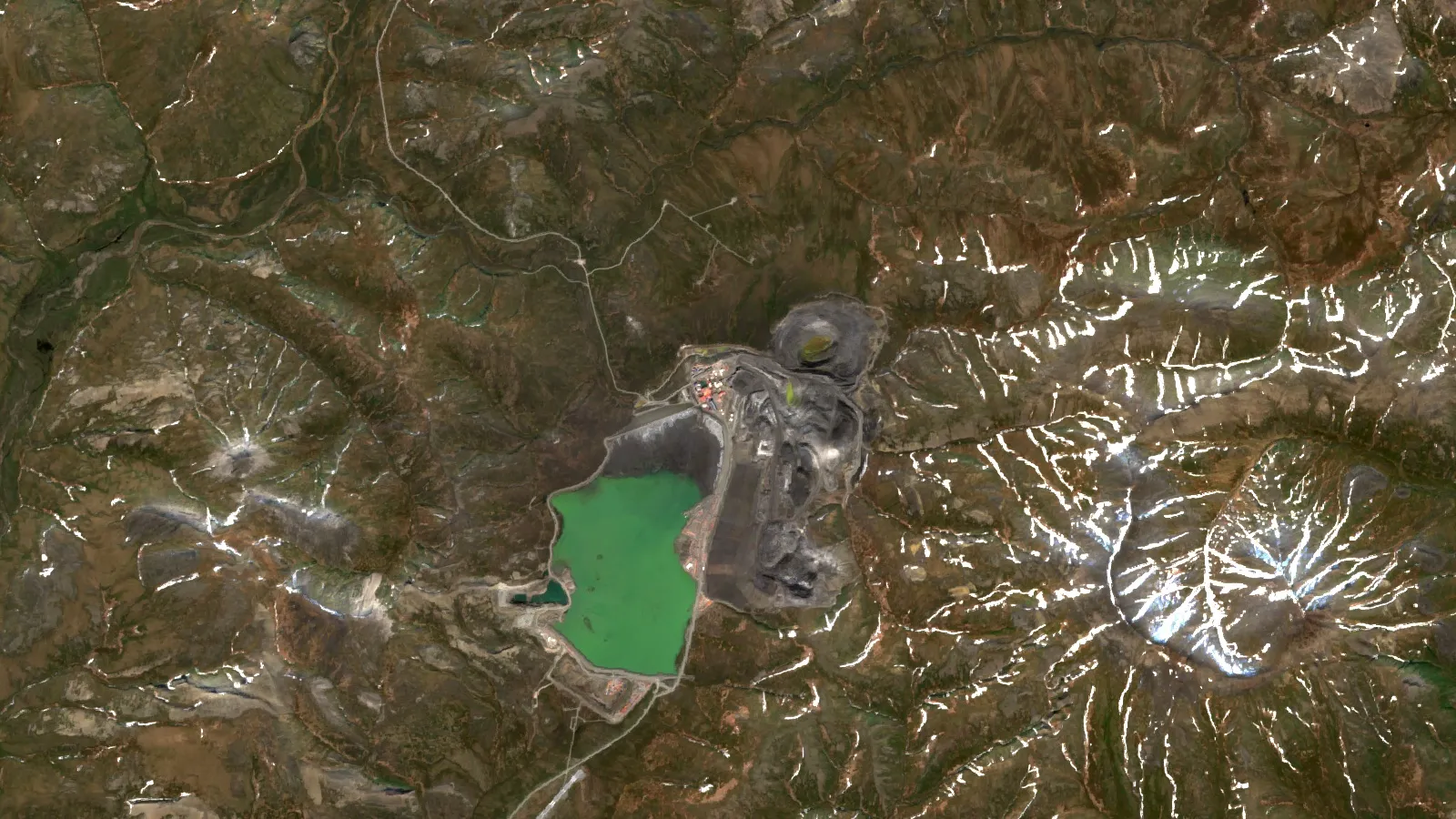
Key takeaways
- Sedex deposits average about 7% zinc and 3% lead; the median Mississippi Valley-type deposit holds about 7.9% lead plus zinc (USGS, 2016 and 2009).
- World zinc mine output was an estimated 13.0 million metric tons in 2025, led by China (4.1 million), Peru (1.5 million) and Australia (1.1 million); lead output was 4.5 million (USGS, 2026).
- Red Dog in Alaska produced 462,700 tonnes of zinc in 2025 with reserves grading 11.5% zinc and 3.3% lead; Dugald River in Australia produced 183,463 tonnes of zinc and 21,666 tonnes of lead (Teck, MMG, 2026).
- U.S. zinc mine output fell an estimated 12% in 2025, mostly from lower grades at Red Dog; about 70% of U.S. lead consumption was met by recycling (USGS, 2026).
- On 15 October 2026 zinc traded at US$3,676.65 and lead at US$1,882.98 a tonne (Trading Economics); a calculator below turns your grades and prices into payable value.
In this article
- What lead-zinc ore is and which minerals carry the metals
- Typical grades: how much zinc and lead is in the rock
- Where lead-zinc ore forms: the main deposit types
- Which countries mine the most zinc and lead
- Key lead and zinc mines compared
- Lead and zinc mining in the United States
- From ore to metal: concentrates, smelters and recycling
- What lead and zinc are used for
- Zinc and lead prices and what moves them
- Lead-zinc ore value calculator
- How satellites help find lead-zinc deposits
- Acid drainage and cleanup: the legacy of old lead-zinc mines
- Frequently asked questions
Lead zinc ore is rock that holds both metals, mostly as two sulfide minerals: sphalerite (zinc sulfide) and galena (lead sulfide). An average sedex deposit (a layered, sediment-hosted type) holds about 7% zinc and 3% lead, according to the U.S. Geological Survey. China mined about 4.1 million metric tons of zinc in 2025, roughly 32% of the world total of 13 million (USGS, 2026). This guide covers the minerals, typical grades, the deposit types, the biggest producing countries, a mine-by-mine comparison from company reports, current prices and a calculator for the metal in your own ore.
What lead-zinc ore is and which minerals carry the metals
Zinc is mined from several minerals, and sphalerite, a zinc sulfide, is the one listed first by the Minerals Education Coalition. Lead comes chiefly from galena, a lead sulfide, as the same source states. Geologists call a deposit “lead-zinc” when both minerals are worth recovering from the same rock.
The two metals often share a deposit because the same hot, salty fluids carried both and left them in the same rocks. Many deposits also carry by-products. The USGS notes significant silver in sedimentary-hosted deposits, and some carbonate-hosted deposits yield silver, copper and indium. At Red Dog in Alaska, germanium is a by-product, based on a state survey summary of Teck’s operation (Alaska Division of Geological & Geophysical Surveys, 2026).
Two terms help when reading mine reports. Grade is the share of metal in the rock, quoted in percent for base metals. Concentrate is what a mill produces: ore is crushed, ground and separated so that a lead concentrate and a zinc concentrate can be sold to smelters. Production figures are often quoted as “zinc in concentrate”, which is the zinc contained in those concentrates, not refined metal.
Typical grades: how much zinc and lead is in the rock
Grade varies by deposit type, so there is no single figure. Three reference points from official sources:
- Sedimentary-exhalative (sedex) deposits: on average about 7% zinc and 3% lead (USGS, 2016).
- Mississippi Valley-type (MVT) deposits: a median size of 7.0 million tonnes with about 7.9% lead plus zinc combined (USGS, 2009).
- Red Dog, Alaska: mineral reserves of 32.1 million tons at 11.5% zinc, 3.3% lead and 61.8 grams of silver per tonne at 31 December 2024, as reported by Teck and summarised by the Alaska state survey.
Grade is only part of the story. A rich orebody that is deep, narrow or far from a port can lose to a lower-grade orebody near infrastructure. Metallurgy matters too: how cleanly a mill can split the lead and zinc minerals decides how much of each metal is paid for.
Where lead-zinc ore forms: the main deposit types
Most of the world’s lead and zinc comes from two families of sediment-hosted deposits, plus a smaller share from other styles.
Sedex deposits
Sedex deposits form when metal-bearing basin brines vent onto the sea floor and layer sulfides into fine sediment. The USGS says they hold more than 50% of the world’s zinc and lead reserves and supply more than 25% of current production of the two metals, with the figures drawn from earlier industry studies (USGS, 2016). Named examples in that report include Red Dog in Alaska, Mount Isa, McArthur River and George Fisher in Australia, and Sullivan in British Columbia.
Mississippi Valley-type deposits
MVT deposits sit in carbonate rocks such as limestone and dolostone and tend to occur in districts that cover hundreds of square kilometres, sometimes with as many as 400 separate deposits. The USGS puts nearly one quarter of the world’s sediment- and volcanic-hosted lead-zinc resources in this type, and notes that the carbonate host rock reduces many environmental concerns compared with other deposit types (USGS, 2009).
Why the type matters to an explorer
Sedex orebodies are layered, so exploration is about finding the right horizon in the sediment pile. MVT deposits come in districts, so one find can point to others nearby. Knowing the type tells you which host rock to map and which structures to follow.
Which countries mine the most zinc and lead
The USGS estimates world zinc mine production at 13.0 million metric tons in 2025 (11.9 million in 2024). China produced about 4.1 million, Peru 1.5 million and Australia 1.1 million (USGS, 2026). China, Peru and Australia are the top three producers. Other producers include Mexico, the United States and Bolivia. Australia holds the largest zinc reserves in the USGS table at 64 million tons, ahead of China at 60 million, out of 240 million tons worldwide (USGS, 2026).
Chart
Zinc mine production by country, 2025
thousand metric tons of zinc in concentrate, estimated, selected countries
Lead is a smaller market. World mine production was 4.5 million metric tons in 2025, with China at 1.9 million, Australia at 480,000, Peru at 290,000, the United States at 280,000, Russia at 260,000 and Mexico at 200,000 (USGS, 2026). Australia’s lead reserves, 34 million tons, are the largest in that table, ahead of China at 22 million, within a world total of 95 million.
These are estimates and countries revise them. The USGS says it revised Bolivia and Mexico lead for 2024, so use the latest edition of its Mineral Commodity Summaries for current numbers.
Key lead and zinc mines compared
The table lists operations that report lead and zinc separately in their company reports. It is a selection, not a ranking of every mine, and operations are reported on different bases (single mine, mining complex or equivalent metal), so compare with care.
| Operation | Owner and place | Latest reported output | What to know |
|---|---|---|---|
| Red Dog | Teck; Alaska, United States | 462,700 t zinc in concentrate in 2025 | A sedex deposit; the largest zinc mine in the United States and about 4% of world zinc, per the state survey. Mine life runs to 2031 and Teck is studying an extension 10 to 20 km away. |
| Mount Isa, George Fisher and McArthur River | Glencore; Queensland and Northern Territory, Australia | 562,800 t zinc and 143,000 t lead in concentrates in 2025 (whole Australian zinc group) | Includes the Lady Loretta mine, which reached end of life in December 2025. |
| Dugald River | MMG; Queensland, Australia | 183,463 t zinc and 21,666 t lead in 2025 | Record year in 2025; 2026 zinc guidance is 170,000 to 180,000 t. |
| Cannington | South32; Queensland, Australia | 205.4 kt payable zinc equivalent in the year to June 2026 | A silver-lead-zinc mine reported as one equivalent figure; 11 Mt underground reserve supports about 7 years of life. |
Sources for the table: Teck Q4 2025 report, the Alaska state survey overview, Glencore’s 2025 full-year production report, MMG’s fourth-quarter 2025 production report and South32’s FY26 results. Zinc equivalent combines zinc, lead and silver into one figure using the company’s price assumptions, so it is not tonnes of zinc.
Red Dog’s decline matters outside Alaska. The USGS attributes the estimated 12% fall in U.S. zinc mine output in 2025 mostly to lower ore grades at Red Dog as it approaches the end of its mine life.
Lead and zinc mining in the United States
U.S. mines produced an estimated 670,000 metric tons of zinc in 2025, down from 759,000 in 2024, from five states and six mining operations (USGS, 2026). Lead in concentrates was 280,000 tons, from five lead mines in Missouri plus by-product lead at two zinc mines in Alaska and two silver mines in Idaho. Nearly all U.S. lead concentrate is exported because the last primary lead refinery closed in 2013 (USGS, 2026).
Chart
Zinc mine production, 2024 against 2025
thousand metric tons of zinc in concentrate, selected countries
The USGS also records that operations at the Middle Tennessee zinc mines have been suspended since November 2023, and that development advanced at the Bunker Hill Mine in Idaho and the Hermosa project in Arizona.
The U.S. also has a long history of lead-zinc districts that no longer operate. The Colorado Geological Survey reports that the Leadville district produced about 28.9 million tons of ore through 1999, including about 1.18 million short tons of lead and 968,000 short tons of zinc. Eagle County’s Gilman district yielded about 858,000 short tons of zinc between 1880 and 1972 (Colorado Geological Survey). As of 2020 the survey lists gold, molybdenum and silver as the metals mined in Colorado, so lead and zinc there are history rather than current output. Our guide to lead mining trends and challenges covers the lead side of the market, and our note on zinc mining trends covers the zinc side.
From ore to metal: concentrates, smelters and recycling
Lead-zinc ore is rarely sold as rock. Mills grind it and produce concentrates, and smelters or refiners turn those into metal. Company reports keep these stages apart: Teck, for example, reports “zinc in concentrate” from Red Dog separately from refined zinc, which it also guides separately (Teck, 2026).
Chart
U.S. lead supply by source, 2025
thousand metric tons, estimated: recoverable lead from U.S. mines (mostly exported as concentrate), refined lead from old scrap, and imported refined metal
Recycling is a large part of lead supply. The USGS estimates U.S. secondary lead output at about 1 million tons in 2025, equal to 70% of apparent domestic consumption, nearly all recovered from old scrap, mostly lead-acid batteries. Zinc recycling is smaller: U.S. secondary materials include galvanizing residues and crude zinc oxide recovered from electric arc furnace dust (USGS, 2026).
What lead and zinc are used for
In the United States, most zinc is used to galvanize steel, with brass and bronze, zinc-base alloys and other uses behind it. For lead, the lead-acid battery industry accounted for an estimated 67% of U.S. apparent consumption in 2025, according to the USGS. Galvanized steel is used widely in the automobile and construction end markets, which is why zinc demand follows those sectors.
The International Lead and Zinc Study Group forecast, as quoted by the USGS, that world refined zinc output would reach 13.8 million tons in 2025 against 13.7 million tons of consumption, a surplus of 85,000 tons. For lead it forecast 13.3 million tons of refined output and 13.25 million tons of consumption (USGS, 2026).
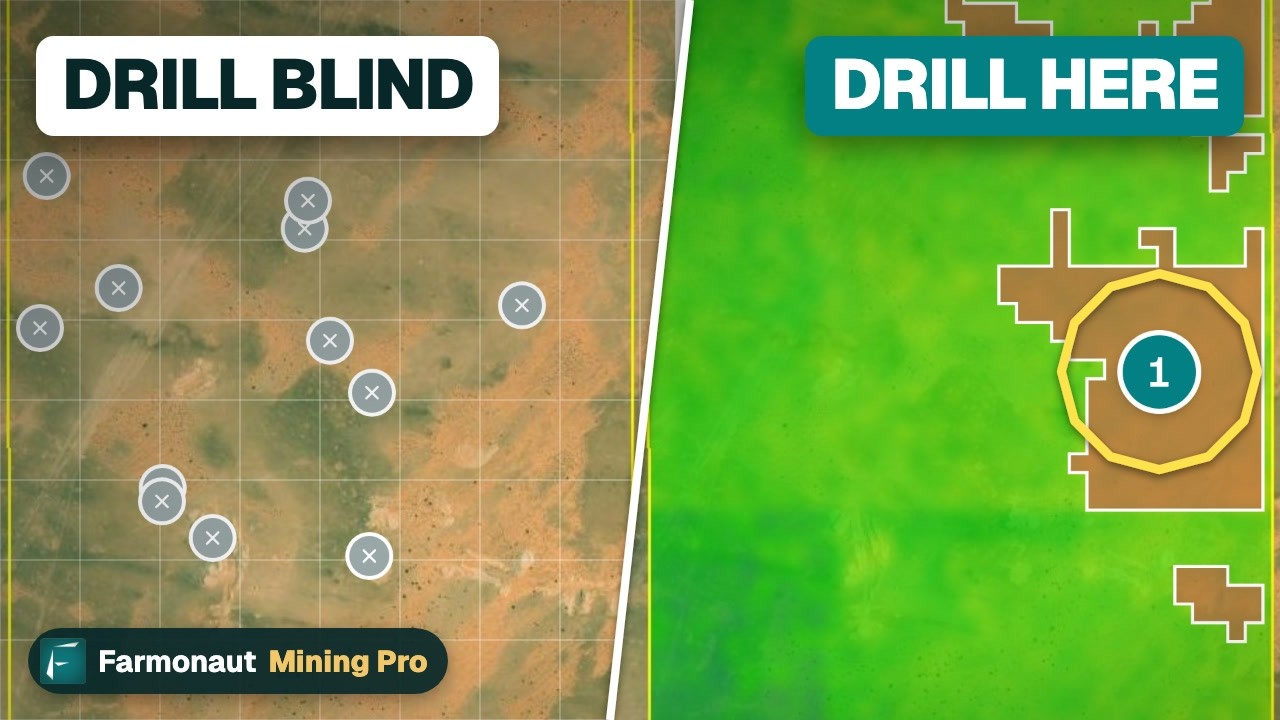
▶ Explains what mining brings an economy: exports, jobs, revenue and energy-transition minerals. · 5:03
Zinc and lead prices and what moves them
On 15 October 2026 zinc traded at US$3,676.65 a tonne, down 3.5% over one month and up 23.7% over one year, according to Trading Economics. The same site put lead at US$1,882.98 a tonne on that date (Trading Economics). Trading Economics quotes a contract for difference that tracks the benchmark market, so these are indicative prices, not LME settlements.
Chart
LME cash zinc price, annual average
US cents per pound
For a longer view, the USGS publishes annual averages. The London Metal Exchange cash price for zinc averaged 136.3 cents a pound in 2021, 158.1 in 2022, 120.1 in 2023, 126.0 in 2024 and an estimated 130 in 2025. The average North American lead price was 113.0, 116.5, 114.1, 108.8 and an estimated 106 cents a pound over the same years. Prices respond to smelter capacity, concentrate supply, stocks in exchange warehouses and demand from construction, vehicles and batteries.
A mine does not receive the full metal price. Smelters pay for a share of the metal in a concentrate and charge treatment fees, so the sale value is below the contained value. The calculator below lets you set that share yourself.
Lead-zinc ore value calculator
Use the calculator to estimate the metal in a tonne of ore and what it could be worth before costs. Enter your own tonnage, grades, recoveries, prices and the share of value a smelter pays.
Calculator
What is your lead-zinc ore worth?
Enter your own tonnage, grades, recoveries, prices and smelter payable share.
- Zinc recovered to concentrate: 68,000 t
- Lead recovered to concentrate: 22,500 t
- Value of recovered metal at your prices: $280,750,000
- Payable value per tonne of ore: $196.53
Example values only, not a benchmark and not any mine’s figures; the lead grade matches the sedex average of about 3% and the zinc grade is a little above the sedex average of about 7% (USGS). Prices are inputs (example, use today’s price); money is in US$. The 70% payable share is an example term, not a quote. It stands for what smelters pay after treatment charges and penalties, and it varies by contract. Mining, milling, freight, royalty and tax costs are not included.
How satellites help find lead-zinc deposits
Satellites cannot see sulfide ore underground. They map the surface clues around it: iron-stained gossan caps from weathered sulfides, clay and other alteration minerals, and the faults and fractures that controlled hot fluids. Those patterns help rank which parts of a large licence deserve soil sampling, mapping or drilling first, and they do so without ground disturbance. Results from this stage are exploration targets that sit ahead of a resource estimate, not measured tonnage.
Farmonaut screens satellite data for zinc among other minerals, using a polygon or KML/KMZ file you supply. Our satellite-based mineral detection page explains the method, and a quote request or the contact page starts a project.
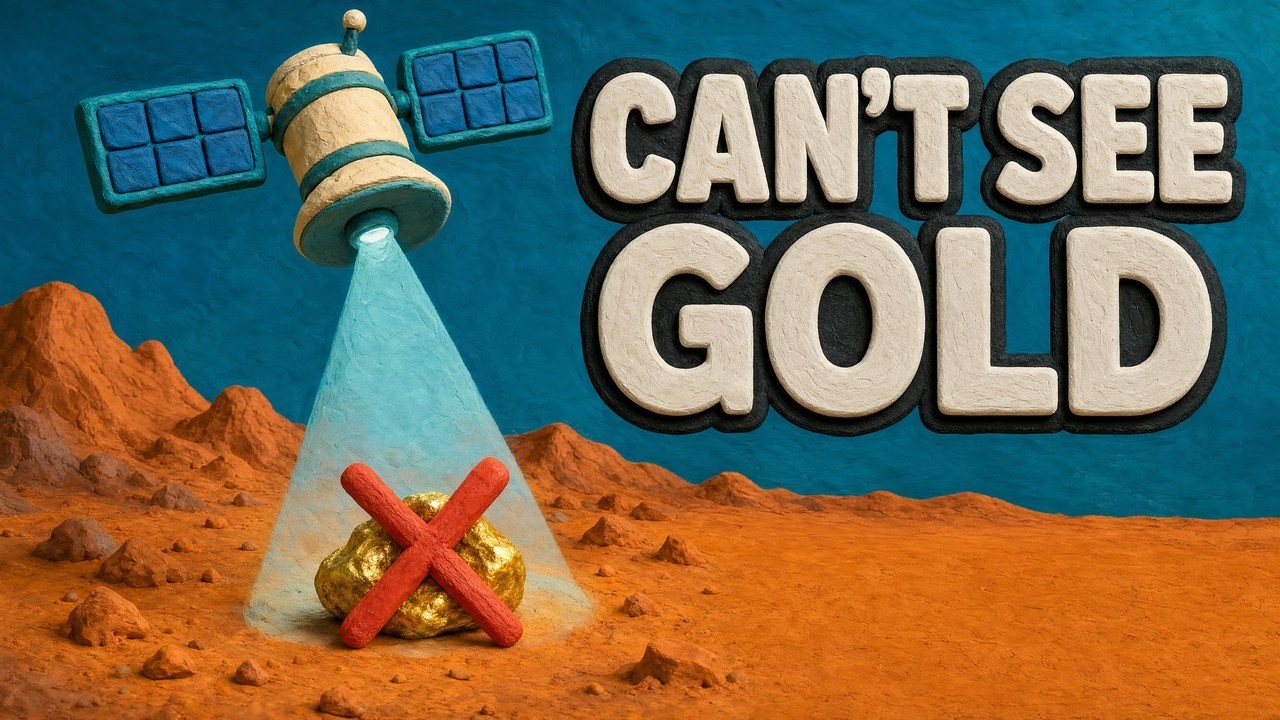
▶ Explains how satellites map rust stains, clays and cracks around ore; the example is gold, and the same surface clues guide base-metal exploration. · 4:25
Acid drainage and cleanup: the legacy of old lead-zinc mines
Sulfide mining can leave acid mine water and tailings behind if sites are not managed. The clearest U.S. example is the Tar Creek Superfund site in Ottawa County, Oklahoma, part of the former Tri-State Mining District that stretched across Oklahoma, Kansas and Missouri. The U.S. Environmental Protection Agency says mill tailings, called chat, were left in piles up to 200 feet high, and flooded workings released water carrying cadmium, lead and zinc into Tar Creek in 1979 (EPA Superfund profile).
The site joined the National Priorities List on 8 September 1983. The 2008 cleanup decision for the chat piles called for a phased effort over about 30 years, and by March 2022 about 7 million tons of source material had been addressed and nearly 5,000 acres remediated. EPA’s 2025 five-year review found the remedy protective of human health in the short term, with the next review due in 2030 (EPA).
Modern projects plan water treatment, tailings storage and closure before mining starts. Teck’s fourth-quarter 2025 report, for example, lists higher spending on water treatment supplies at Red Dog among its cost drivers (Teck, 2026). Satellite monitoring of vegetation, water colour and bare ground around a site can help flag change over time, but it supports field sampling rather than replacing it.
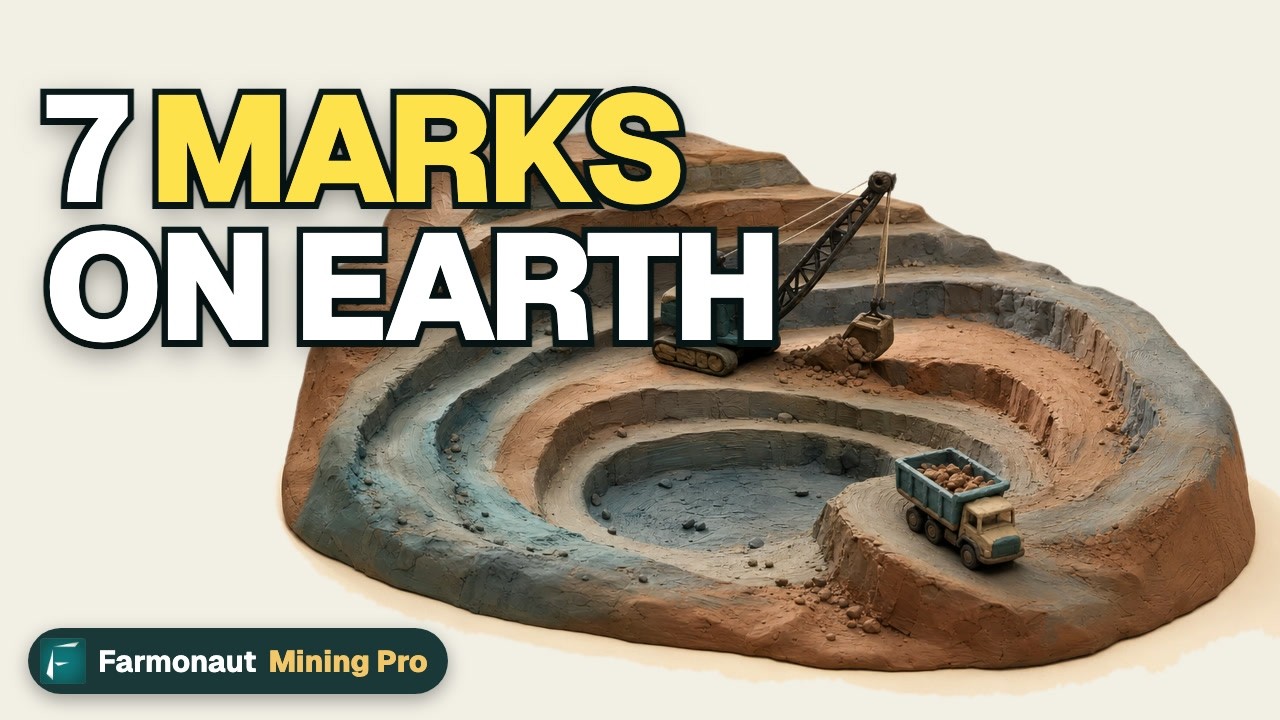
▶ Walks through the seven environmental impacts of mining in plain words. · 2:31
Related reading on this site: Alumina Powder Grades, Uses and Red Mud Solutions.
We cover a connected topic in Silver as Byproduct of Copper, Lead & Zinc: The Real %.
Frequently asked questions
What is lead zinc ore?
It is rock containing lead and zinc in sulfide minerals that can be mined together, mainly galena for lead and sphalerite for zinc. An average sedex deposit holds about 7% zinc and 3% lead (USGS, 2016).
What is the main ore of zinc?
Sphalerite, a zinc sulfide, is the mineral listed first among zinc ores by the Minerals Education Coalition. Others include smithsonite, hemimorphite and zincite.
What is the main ore of lead?
Galena, a lead sulfide, is the chief source of lead.
Why are lead and zinc found together?
The fluids that carried both metals deposited them in the same rocks, so deposits often contain both. Sedex and Mississippi Valley-type deposits are the two best-known families.
How much zinc is in zinc ore?
It depends on the deposit. The average sedex deposit holds about 7% zinc (USGS, 2016) and Red Dog’s reserves are 11.5% zinc (Teck, via the Alaska state survey, 2026).
Which country produces the most zinc and lead?
China leads both: about 4.1 million metric tons of zinc and 1.9 million of lead in 2025, based on USGS estimates.
What is the largest zinc mine in the United States?
Red Dog in Alaska, operated by Teck, produced 462,700 tonnes of zinc in 2025. The state survey calls it the largest zinc mine in the United States.
Is lead and zinc still mined in the United States?
Yes. The USGS counts six zinc mining operations in five states and five lead mines in Missouri. Some formerly large districts, such as Leadville in Colorado, are no longer producers.
What by-products come from lead-zinc ore?
Silver is a significant by-product of sedex deposits, per the USGS. Depending on the deposit, copper and indium (MVT) and germanium (Red Dog) are also recovered.
What is the current price of zinc and lead?
On 15 October 2026 Trading Economics showed zinc at US$3,676.65 a tonne and lead at US$1,882.98 a tonne. Prices change daily. This is not investment advice.
Is lead-zinc mining harmful to the environment?
It can be if waste is not managed. Acid mine water and metal-bearing tailings caused lasting problems at Tar Creek, Oklahoma, which EPA is still cleaning up. Modern mines plan water treatment and closure from the start.
Can satellite imagery find lead-zinc ore?
It cannot see deep sulfides, but it can map surface alteration, iron staining and structures that guide exploration. Treat results as targets to test in the field.
This page is for information only. It is not investment advice. Prices change daily and company figures are from the dated reports named above; mine status and guidance can change.
Farmonaut mining
Map your mining site from space
Send a KML, KMZ or polygon and Farmonaut screens the area from satellite images to rank targets before your field team goes in.
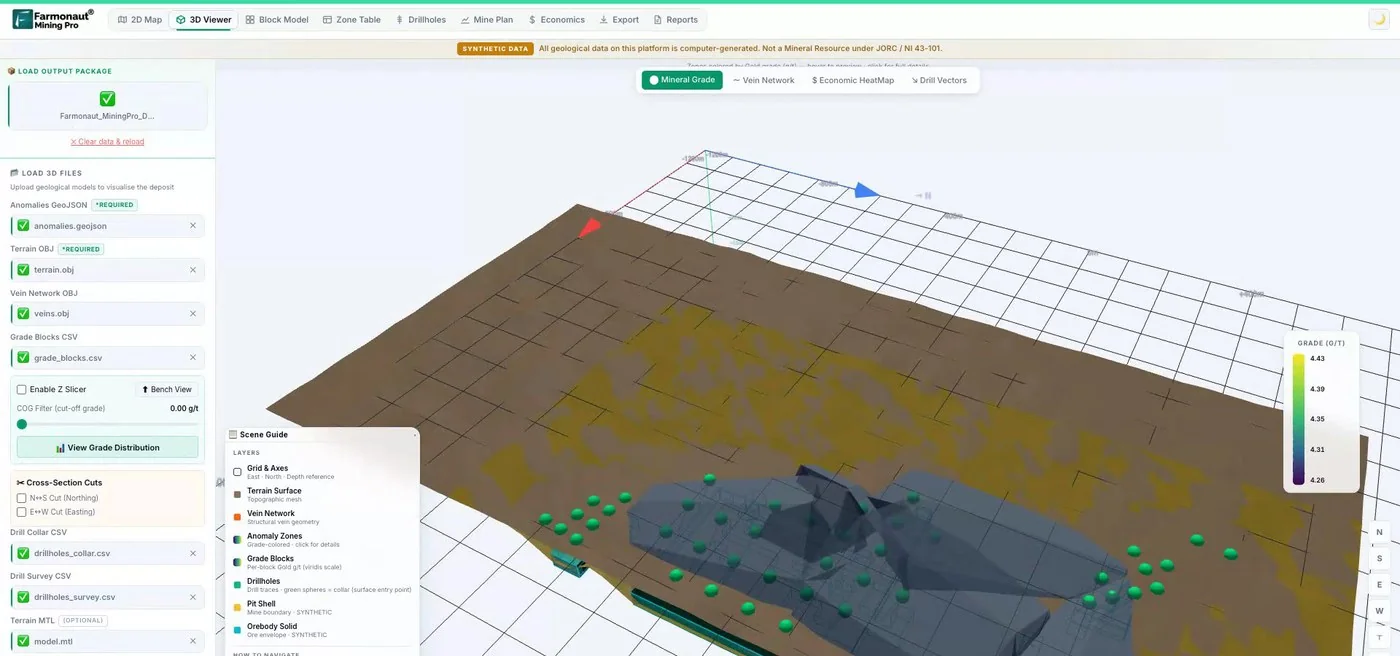
Mining Pro sample view, synthetic data
Keep reading
Sources
- USGS, Mineral Commodity Summaries 2026: Zinc: pubs.usgs.gov
- USGS, Mineral Commodity Summaries 2026: Lead: pubs.usgs.gov
- USGS, Sedimentary exhalative (sedex) zinc-lead-silver deposits, SIR 2010-5070-N: pubs.usgs.gov
- USGS, Mississippi Valley-type lead-zinc deposit model, OFR 2009-1213: pubs.usgs.gov
- Alaska DGGS, Alaska Mining Industry Overview (2025 data, published 2026): dggs.alaska.gov
- Teck Resources, 2025 fourth quarter financial report: teck.com
- Glencore, 2025 full-year production report: glencore.com
- MMG, fourth quarter 2025 production report: mmg.com
- South32, financial results and outlook for the year ended 30 June 2026: south32.net
- U.S. EPA, Tar Creek (Ottawa County) Superfund site profile: cumulis.epa.gov
- Colorado Geological Survey, Metals: coloradogeologicalsurvey.org
- Minerals Education Coalition, Zinc: mineralseducationcoalition.org
- Minerals Education Coalition, Lead: mineralseducationcoalition.org
- Trading Economics, Zinc (15 October 2026): tradingeconomics.com
- Trading Economics, Lead (15 October 2026): tradingeconomics.com
Discussion
Questions, corrections or field experience? Share them below. First-time comments are reviewed before they appear, and your email is never published.
No comments yet. Be the first to add a question or your experience.

 Almosi SARL
 SRK Consulting
 Berks Gold Limited
 Mwerezi Minerals Company Limited
 Mining SARL
 SenGold Invest SAS
 Sean Mining Limited
 NTS Group (Pty) Ltd
 Mine4Africa
 Lithspo Minerals Limited
 Tintina Mining Group
 Dalgety Minerals Pty Ltd
 Vortex Minerals Pty Ltd
 Faith At Work (Pty) Ltd
 Geotech Mining Solutions plc
 Licence holder · Nigeria · Gold + lithium










