

7 Powerful Precision Farming Strategies for Higher Yields
“Precision farming can increase crop yields by up to 20% while reducing fertilizer use by nearly 15% through data-driven decisions.”
Table of Contents
- • The Transformative Power of Precision Agriculture
- • Comparison Table: The 7 Precision Farming Strategies
- • 1. Precision Soil Health Assessment and Management
- • 2. Variable-Rate Technology (VRT) for Inputs
- • 3. Data-Driven Precision Irrigation
- • 4. Advanced Crop Health Monitoring using Remote Sensing
- • 5. Smart Automation & Machinery Operations
- • 6. Data Integration, Farm Analytics & Decision Support
- • 7. Sustainable Land & Resource Management for Climate Resilience
- • Farmonaut for Modern Precision Agriculture
- • Frequently Asked Questions (FAQ)
- • Conclusion
The Transformative Power of Precision Agriculture in Modern Farming
Precision agriculture represents a paradigm shift in the world of modern farming. Instead of one-size-fits-all approaches, we’re now integrating granular data, advanced sensing technologies, and adaptive management to optimize inputs, enhance yields, and reduce our environmental footprint. At its core, this approach combines sensor networks, geospatial analysis, and real-time observations so that every decision — from soil preparation to final harvest — is tailored to the unique conditions of each plot, row, or even plant.
Let’s dive into the 7 most powerful strategies reshaping precision farming globally — and see how these techniques are being powered by satellite imagery, AI, automation, and smart management practices.
Comparison Table: 7 Precision Farming Strategies at a Glance



1. Precision Soil Health Assessment and Management
Central to precision farming is the detailed assessment of soil health. Establishing an accurate soil baseline enables us to optimize nutrient application, sustain productivity, and minimize resource waste. Modern precision agriculture systems deploy a suite of tools, including:
- Satellite imagery — for broad-area soil moisture and organic matter mapping.
- Soil probes & sensors — measuring in-situ properties such as moisture, pH, and nutrient availability.
- Proximal sensors — providing spatially resolved data for soil variability and crop suitability.
- ✔ Targeted fertilization reduces nutrient loss and environmental runoff.
- ✔ Annual or seasonal soil testing reveals trends so we can adjust lime, organic amendments, or cover cropping practices as needed.
- ✔ Minimized input waste directly translates into lower production costs and higher margins.
- ✔ Improved soil structure ensures better root development and water retention.
- ✔ Long-term soil health improvement sustains system productivity without degrading land integrity.
A cornerstone of this approach is variable-rate application of fertilizers and lime, aligning nutrients to what each part of the field or plot actually needs. Farmonaut’s platform uses satellite imagery and AI for real-time soil condition mapping—so farms can move beyond guesswork and drive productivity, all while maintaining soil health and reducing environmental footprint.

2. Variable-Rate Technology (VRT) for Inputs
One of the most effective precision agriculture strategies is the Variable-Rate Technology (VRT) approach. It relies on robust soil and crop data layers generated from satellite imagery, ground sensors, and geospatial analysis to prescribe input application rates that match in-field variability.
- VRT-enabled tractors and applicators use GPS and smart controllers to apply fertilizers, pesticides, and seeds only where needed.
- AI-derived input maps mean we can tailor operational schedules, optimize costs, and reduce waste and risk.
By deploying VRT systems, farms typically achieve:
- 10–30% reduction in overall input costs.
- Noticeable improvements in crop uniformity and end-of-season yields.
- Lowered chemical use, directly supporting sustainable and environmentally friendly production.

- 📊 Data insight: Satellite, sensor, and in-field data ensure every square meter gets only the fertilizer or treatment it needs.
- ✔ Key benefit: No more blanket inputs — only targeted, precision applications.
- ⚠ Risk or limitation: Requires up-to-date input maps and controller calibration.
- 💡 Enhancement: Integrate with weather forecasts for even finer scheduling.
- 🌱 Sustainability: Minimizes nutrient runoff and supports healthy soils for future generations.
3. Data-Driven Precision Irrigation
Water is often the limiting factor in agriculture, especially in regions challenged by fluctuating climates and stressed infrastructures. Data-driven precision irrigation integrates:
- Soil moisture sensors (field-based and remote sensed)
- Weather analytics and evapotranspiration estimates
- Automated controllers and connected irrigation systems
These systems help determine operational schedules, usable water volumes, and optimal timing—delivering precise hydration to each plot or row. Automated drip and sprinkler networks respond in real-time to soil moisture observations, forecasts, and threshold triggers.
“Soil health monitoring technologies can improve nutrient efficiency by 30%, significantly enhancing sustainable farming practices and resource conservation.”

Benefits include:
- 15–40% reduction in water use due to targeted applications.
- Reduced energy and operational cost for pumping and distribution.
- Minimized leaching, runoff, and environmental stress on local ecosystems.
For advanced, real-time monitoring, Farmonaut’s satellite-based soil moisture tools can be integrated into existing API workflows or accessed via our apps. Our system delivers actionable moisture maps and AI-based irrigation advisories for every farm size—enabling optimal resource allocation (see our API and developer docs for setup).
- 💧 Sensor-guided scheduling cuts irrigation costs by ensuring systems run only when the soil actually needs water.
- 🌡 Evapotranspiration rates align water delivery schedules to actual crop demand, not just fixed calendar dates.
- 🌍 Remote access and AI-advisory support are ideal for both on-site and absentee landowners and investors.
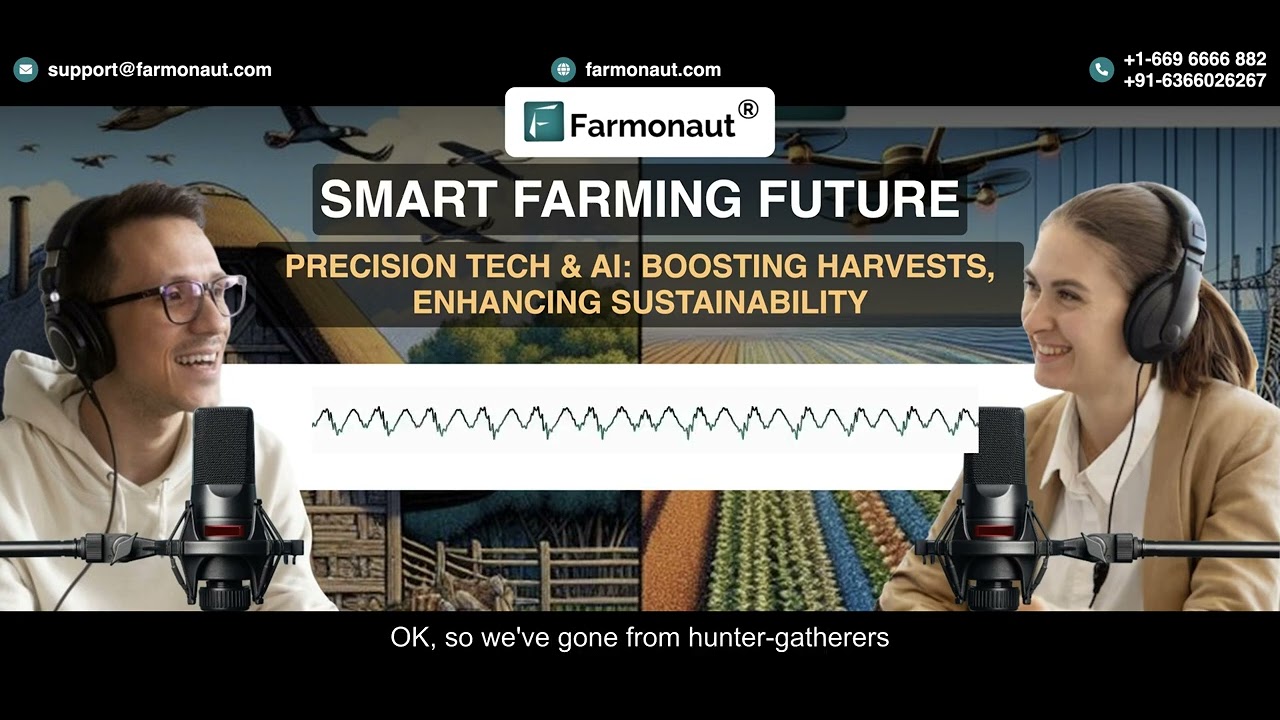
4. Advanced Crop Health Monitoring using Remote Sensing
The modern field is no longer “invisible” between visits. With remote sensing technologies — including satellite imagery, drones, and smart field cameras — we now have a 24/7 eye on the real-time and historical health of our crops.
Using tools such as NDVI (Normalized Difference Vegetation Index) and advanced multispectral imaging, we can spot early warning signs of:
- Water stress and drought
- Nutrient deficiencies
- Emergent pest or pathogen attacks
- Localized lodging or crop stand issues
With proactive monitoring, interventions like targeted foliar sprays or bio-controls can be implemented before issues become yield-threatening, supporting both productivity and sustainability.
- 🚁 Quick response: Detect stress before visual symptoms appear.
- 📈 Yield optimization: Maintain healthy canopies throughout the season.
- 🔍 Margin boost: Direct inputs where they’ll matter most.
- 🗺 Layered field maps: Pinpoint exact locations for follow-up field scouting or treatment.
- 🌎 Sustainable practice: Reduces chemical application by supporting only necessary, site-specific interventions.
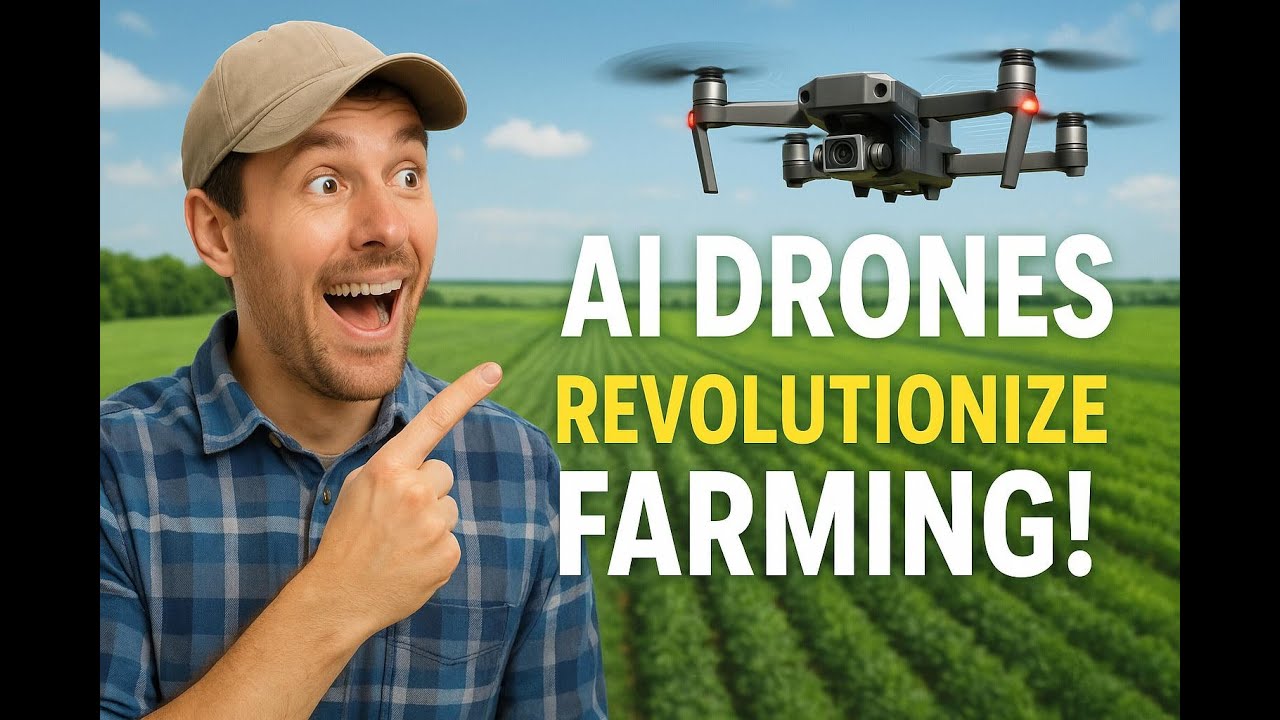
On Farmonaut, our multispectral imagery and AI algorithms analyze crop health variation across every field, delivering actionable maps and early alerts through our Android, iOS, and web-based apps. Consider integrating ongoing monitoring into your scouting routines—see our crop health monitoring dashboard for more.

5. Smart Automation & Machinery Operations
Another leap in modern farming efficiency comes with automated machinery and telematics. Today’s fleets can include:
- GPS-guided tractors and sprayers that maintain perfect row-to-row accuracy.
- Robotic harvesters executing delicate or repetitive tasks with consistency.
- Telematics-enabled fleet management, tracking location, performance, and scheduling preventive maintenance.
Integrating Fleet Management solutions such as those offered by Farmonaut, businesses can streamline logistics, cut down on compaction and fuel costs, and extend machinery life cycles—all while improving operational safety and reliability.
Smart automation enables:
- Consistent field passes, reducing overlap and compaction
- Reduced labor requirements, helping retention and upskilling in rural workforces
- Integration with input systems (VRT, crop scouting, irrigation)
- 🤖 Robotics boost yields via more precise planting and spraying.
- 🔗 Seamless operations as AI links machine data to field recommendations.
- 📉 Lower fuel and maintenance costs with predictive maintenance scheduling.

6. Data Integration, Farm Analytics & Decision Support
The backbone of true precision farming success lies in the purposeful integration of farm data. A modern farm management platform consolidates:
- Soil, weather, and moisture sensor data
- Crop health imagery, yield maps, and operational logs
- Input application records (fertilizers, seeds, chemicals)
With these layers in one place, predictive analytics and AI models can:
- Detect patterns across seasons and field zones.
- Recommend tailored interventions (e.g., variable irrigation schedules, optimal planting dates).
- Quantify ROI on each decision and simulate what-if scenarios for risk management.
Farmonaut’s platform provides these capabilities to users of all scales via its AI-powered web, Android, and iOS apps, with API access for custom analytics integration. Regular data analytics cycles help farmers align practices with both market and environmental sustainability goals, driving long-term resilience.
For enterprises, integrating blockchain-powered traceability solutions protects against fraud and strengthens both buyer and lender confidence by providing transparent, auditable records of inputs, harvests, and field interventions.

7. Sustainable Land & Resource Management for Climate Resilience
A truly modern farm must invest in the sustainability and climate resilience of its land. This includes:
- Soil health restoration: Using satellite and on-ground sensors to prioritize areas for cover cropping, organic amendment, or erosion control.
- Carbon footprinting: Quantifying farm emissions—and sequestration—using sophisticated carbon tracking tools for regulatory compliance and access to future carbon markets.
- Resource adaptation: Using analytics to drive drought-resilient, low-impact crop rotation and sustainable water strategies.
- Post-mining & environmental restoration: Harnessing remote sensing and soil analytics to rapidly reintroduce vegetation, prevent erosion, and stabilize hydrology after land disturbance.
For global businesses and governments, these strategies also enhance land value, meet sustainability targets, and open access to green finance and climate-linked insurance.
Farmonaut for Modern Precision Agriculture
At Farmonaut, our mission is to democratize precision farming and make satellite-driven insights accessible at every scale. We offer:
- Real-time monitoring for soil, crop health, and resource data via our satellite imagery platform.
- AI-driven advisories (Jeevn AI) for customized risk management, weather, and agronomic recommendations.
- Comprehensive environmental and carbon footprint monitoring supporting both compliance and new revenue strategies.
- Blockchain-powered traceability tools for transparent, fraud-resistant supply chain management.
- Seamless access: Web, Android, iOS apps and powerful APIs for full data integration.
- Flexible subscription models—see plan comparison below:
Frequently Asked Questions (FAQ)
-
What is precision agriculture?
Precision agriculture refers to integrating advanced technologies like sensors, satellite imagery, and data analytics to tailor farm practices for the unique conditions of each plot, row, or even individual plant. It aims to maximize yields, reduce resource usage, and promote sustainable farming. -
How does soil health monitoring improve farming outcomes?
Regular, data-driven soil health assessment identifies nutrient needs, pH imbalances, and structural issues—enabling targeted interventions and reducing the waste of fertilizers and amendments. -
Can small-scale farmers benefit from precision agriculture systems?
Yes! Precision techniques scale down with field size and are increasingly accessible via mobile apps and affordable satellite imagery. Farmonaut, for example, is designed to be user-friendly for operations of any scale. -
What are the biggest challenges in implementing precision farming strategies?
Initial setup costs, data integration across diverse systems, and limited agronomic expertise in interpreting new datasets are common barriers. Farmonaut reduces these challenges by offering an integrated, affordable platform and ongoing support. -
How does Farmonaut support environmental sustainability?
By providing real-time data on resource use, environmental impact tracking, and traceability tools, Farmonaut encourages farming practices that align with environmental protection, carbon sequestration, and climate resilience goals.
Conclusion
These 7 precision farming strategies prove that modern agriculture is no longer just about working harder — it’s about working smarter. By integrating data, automation, and advanced sensing, farms worldwide are achieving better yields, slashing input costs, sustaining soil health, and leading the charge against climate risk.
Whether you’re a grower, environmental manager, agribusiness, or government stakeholder, the future is bright — and at Farmonaut, we’re committed to making the journey accessible and impactful for all.
Ready to take the next step? Explore Farmonaut’s all-in-one satellite-based platform or get started with our API and developer tools to power your journey into the future of precision farming.

 AgroGreen Dynamics
 Leher
Leher AgroRisk
 Oath Inc
 Reddane Farming
 Esri North East Africa
 Cresol
 Atur Kuliner
 MDCV UK
 Zerella Group
 Etech Consulting Madagascar
 Vestlandsforsking
 Agritein
 Delicio
 WB Dev
 Sama Premium
 Prochecker
 Tres Valles
 LACOS Geoinformation
 Magrifly
 LatConnect 60
 Blickwinkel
 Agricultural Credit Policy Council
