

CO2 Meter for Grow Room: 7 Powerful Tech Upgrades for 2025
“Advanced CO2 meters in 2025 can monitor levels within ±30 ppm accuracy, optimizing indoor crop yields by up to 20%.”
Understanding the Role of CO2 in Plant Growth
In indoor agriculture, CO2 is not merely a trace atmospheric gas; it is a paramount driver of plant growth and optimal yields. The process by which plants convert light, water, and carbon dioxide into oxygen and glucose is called photosynthesis.
Under natural, outdoor, atmospheric conditions, air typically contains around 400 parts per million (ppm) of CO2. However, studies show that increasing this concentration in controlled indoor environments—such as greenhouse cultivation and indoor grow rooms—to levels between 800–1200 ppm can significantly enhance photosynthetic efficiency. The result is faster growth rates, higher yields, and an overall boost in plant health and productivity.
- Higher CO2 levels (800–1200 ppm) accelerate plant growth.
- Yield improvements of up to 20% are possible with optimal CO2 conditions.
- Photosynthetic rates are directly influenced by ambient CO2 concentrations.
- CO2 enrichment enables shorter crop cycles and larger biomass accumulation.

It’s clear from photosynthetic theory and field results that CO2—when managed at the right levels and concentration—becomes a powerful force in modern indoor agriculture.
Why a CO2 Meter is Crucial in Grow Rooms
Maintaining the optimal CO2 concentration without accurate measurement is challenging in any farming context, but it’s especially true in indoor grow rooms or modern controlled environment agriculture (CEA).
A CO2 meter for grow room becomes an essential tool for growers and horticulturists intent on precision environmental control:
- It provides real-time data on CO2 levels.
- It enables adjustment of ventilation, airflow, or supplemental CO2 injection.
- It counters the risk of insufficient (which limits photosynthesis and slows growth) or excessive CO2 (toxic to plants, crops, or even farm worker health).
Precision monitoring of CO2 concentration is, therefore, not merely beneficial—it’s necessary for robust, sustainable agriculture and optimal plant health.
Key Takeaway: With a high-accuracy CO2 meter for grow room, farmers can ensure plants receive crucial environmental inputs—maximizing yield while protecting both resource efficiency and worker safety.
Technological Advancements in CO2 Meters (2025 Perspective)
Modern CO2 meters—especially as of 2025—have become remarkably sophisticated, enabling smart, automated, and efficient CO2 management.
These advanced meters for grow rooms are now:
- Employing NDIR (Nondispersive Infrared) sensors for precision, stability, and longevity.
- Integrated with wireless connectivity—Wi-Fi and Bluetooth—for remote access, monitoring, and real-time analytics.
- Designed with durable, weather-resistant enclosures for greenhouse and indoor farming reliability.
- Coupled with environmental sensors (temperature, humidity, light, VOCs).
- Logging and visualizing CO2 data over extended periods, enabling trend analysis and data-driven decisions.
- Featuring automated climate control system integration, to actively control CO2 injection and ventilation.
- Supporting mobile apps for real-time notifications and control from anywhere.
As a result, the role of a modern CO2 meter for grow room has shifted from being a passive indicator to a central environmental management system.
Why does this matter? In 2025, these upgrades mean growers can maximize plant growth and yields with greater confidence, saving energy and reducing resource waste.
“Top-tier CO2 meters use real-time sensors, checking atmospheric changes every 2 seconds to safeguard plant growth environments.”
Comparison of CO2 Meter Tech Upgrades for Grow Rooms (2025)
| Upgrade Name | Main Functionality | Estimated CO2 Accuracy (%) | Additional Sensors Integrated | Connectivity Options | Estimated Yield Improvement (%) | Power Consumption (Watt) | Estimated Cost (USD) |
|---|---|---|---|---|---|---|---|
| NDIR Ultra-Precision Module | CO2 detection via advanced nondispersive infrared technology | 99.5 | Temperature, Humidity | Wi-Fi, Bluetooth | 18 | 6 | 450 |
| AI Predictive Adjustment Meter | Learns plant cycles & automates CO2 injection | 98.8 | VOC, Light | Wi-Fi | 21 | 8 | 530 |
| Integrated Environmental Suite | Tracks CO2, temp, humidity, and soil moisture | 98.5 | Soil Moisture, EC | Bluetooth | 14 | 7 | 395 |
| Mobile App-Linked CO2 Logger | Real-time CO2 trending, mobile alerts | 97.9 | Light | Wi-Fi, Bluetooth | 13 | 5 | 350 |
| Battery-Efficient CO2 Monitor | Low-power operation for remote grow rooms | 97.4 | Temperature | Bluetooth | 11 | 2 | 290 |
| Automated Climate Control Integrator | Links directly to HVAC for real-time CO2 balancing | 98.7 | Humidity, Light | Wi-Fi | 17 | 7 | 410 |
| Cloud-Based Analytics CO2 System | Data storage, analytics, forecasting, remote access | 99.1 | All-in-One Environmental Suite | Wi-Fi, API | 22 | 10 | 590 |
The above features and estimated performance gains highlight how 2025’s CO2 meter technologies elevate environmental control in indoor agriculture.
7 Powerful CO2 Meter Upgrades for Grow Rooms in 2025
1. NDIR Ultra-Precision Module
Nondispersive Infrared (NDIR) sensors have become the standard for CO2 meters due to their superior precision and long-term stability. These sensors directly measure CO2 concentrations with minimal drift, offering ±30 ppm accuracy—vital for keeping indoor rooms at ideal CO2 levels. Growers can trust that their environmental data is both accurate and consistent over time.
- 99.5% accuracy at detecting true CO2 levels
- Reliable for both short- and long-term grow room monitoring
- Long sensor life & low calibration needs

2. AI Predictive Adjustment Meter
Artificial Intelligence (AI) now empowers CO2 meters for grow rooms to predict plant growth cycles and automate CO2 injections accordingly. By analyzing historic and live data (CO2, light, temperature, and humidity), these meters anticipate plant needs—delivering CO2 at each growth stage for superior efficiency.
- Self-learning algorithms adapt to each growing cycle
- Prevents over-supplementation or deficiency
- Can integrate with crop advisory platforms via API for AI-driven optimization (such as Farmonaut’s carbon footprinting platform, which provides CO2 emissions and sustainability analytics)
3. Integrated Environmental Suite
2025’s best CO2 meters don’t just measure carbon dioxide; they integrate sensors for temperature, humidity, soil moisture, and EC (electrical conductivity). This all-in-one approach enables holistic environmental control in indoor agriculture setups.
- Data from various sensors helps growers make well-rounded decisions
- Tracks how CO2 changes with temperature and humidity in real-time
- Useful for vertical farms, hydroponic setups, and greenhouses
For operations seeking full-spectrum environmental monitoring, this is the ultimate tool.
4. Mobile App-Linked CO2 Logger
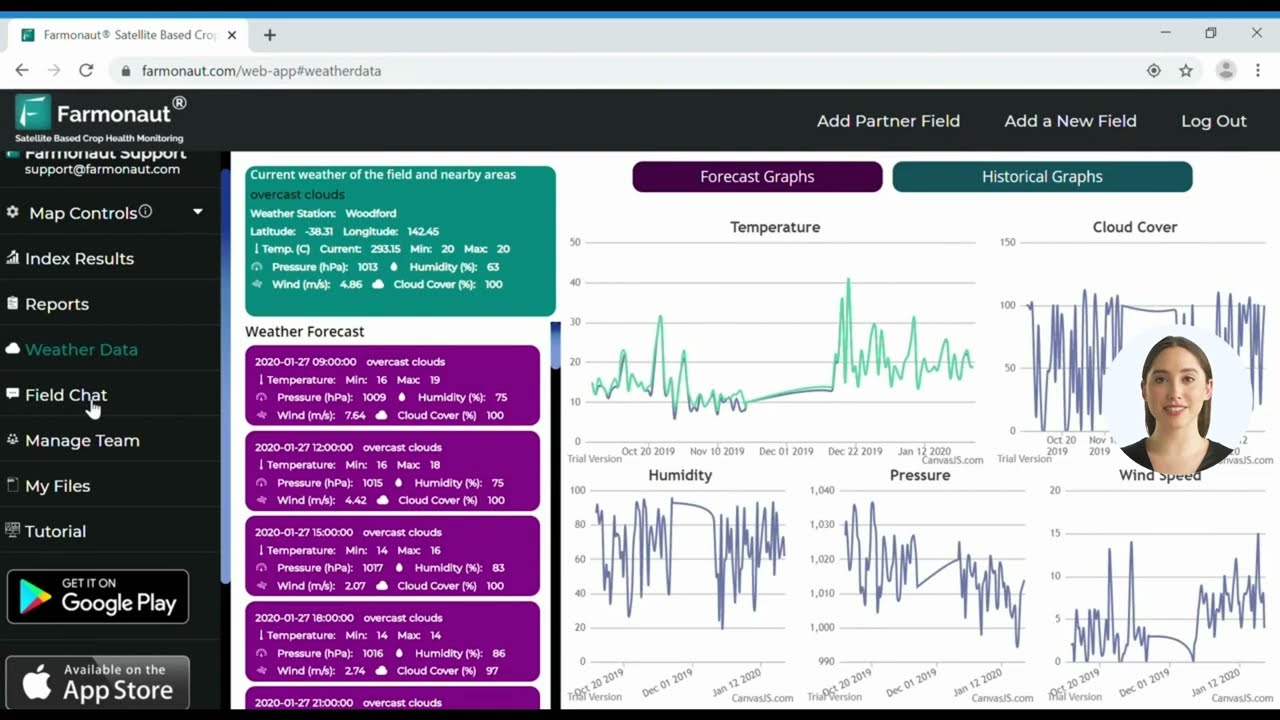
Mobile connectivity is a game changer. CO2 meters with Wi-Fi and Bluetooth enable growers to:
- Receive instant alerts when CO2 levels deviate from optimal
- Access real-time trending, remote control, and data history
- Integrate with third-party compliance traceability systems to authenticate resource usage and sustainability
These devices empower users to act quickly—reducing risk of insufficient or excessive CO2 exposure.
5. Battery-Efficient CO2 Monitor
Indoor farming setups, urban gardens, or remote grow rooms often lack reliable power supply. The latest battery-efficient CO2 meters can operate for months on a charge, making them ideal for both small and large-scale operations.
- Low-watt operation (<2W typical)
- Mobile monitoring in challenging, off-grid locations
Paired with Farmonaut Fleet Management solutions, farm fleet operators can optimize the allocation and movement of devices and CO2 resources.

6. Automated Climate Control Integrator
With this upgrade, the CO2 meter directly integrates with climate control systems (like HVAC). When CO2 levels need adjustment, the meter triggers ventilation shifts or CO2 injection, keeping the environment in perfect balance—without manual intervention.
- Eliminates the risk of human error
- Ensures optimal plant growth conditions 24/7
This move toward complete automation simplifies large-scale indoor cultivation management.
7. Cloud-Based Analytics CO2 System
In the future of CO2 monitoring, cloud connectivity is king. The latest meters can log CO2 and environmental data in the cloud, run advanced analytics, and enable remote access via APIs and dashboards.
- Stores long-term analytics for resource planning
- Provides actionable reports on plant performance and efficiency
- Can be coupled with third-party advisory systems (e.g., Farmonaut large-scale farm management)
- APIs allow easy data integration (Farmonaut API, Developer Docs)
Application in Controlled Environment Agriculture
Indoor and greenhouse farming have become the hallmark of efficiency in 2025. CO2 monitoring and control is particularly essential for:
- Vertical farms: multi-layered setups that demand granular environmental control
- Hydroponic/Soilless cultivation: where CO2 concentration can swing rapidly without immediate soil-buffering effects
- Urban agriculture: often in low-ventilation buildings and densely populated regions
Elevated CO2 like 800–1200 ppm ensures maximal photosynthesis, faster growth, and higher yields for crops such as lettuce, tomatoes, strawberries, peppers, cannabis, and leafy greens.

Examples:
- Lettuce grown with controlled elevated CO2 sees improved leaf expansion and mass
- Tomatoes under CO2 enrichment produce larger, sweeter fruit in shorter cycles
- Herbs and microgreens achieve denser growth and richer nutrient profiles
Yet, precision control is vital: insufficient CO2 will limit growth, while excessive CO2 risks both plant toxicity and the health of beneficial soil microorganisms.



Energy and Sustainability Considerations
CO2 enrichment can boost productivity, but must be managed sustainably:
- CO2 sources may include bottled CO2, fermentation, composting, or capture from industry emissions
- Accurate monitoring ensures CO2 is used efficiently, preventing wastage
- Maintaining safe CO2 levels is vital for worker health—prolonged exposure to excessive CO2 (above 1500 ppm) can lead to dizziness and respiratory issues
- Good ventilation and monitoring keeps the environment safe for both plants and people
Best Practices:
- Use automatic venting or exhaust systems to remove excess CO2
- Add environmental monitoring for VOCs and oxygen levels for a full safety net
- Leverage sustainable agriculture strategies and carbon footprinting tools to minimize environmental impact
Not only does this approach maximize yield, but it also supports resource conservation, operator health, and responsible farming for the future.
Future Trends in CO2 Monitoring & Control
As we look beyond 2025, several key trends are shaping the future of CO2 management in indoor agriculture:
- AI & Machine Learning Integration: Smart CO2 meters will leverage machine learning to predict plant growth stages and adjust CO2 concentration dynamically, optimizing for different crops, environmental fluctuations, and desired outcome (e.g., biomass, fruit size, sugar content).
- Holistic, Data-Driven Agriculture: CO2 control will become increasingly connected with other environmental controls (light, temperature, humidity, nutrients), providing a unified “crop system intelligence.”
- Blockchain Traceability: Solutions like Farmonaut traceability will tie CO2 resource management and environmental logs to supply chain authenticity, supporting both consumer trust and regulatory compliance.
- Subscription & Analytics Platforms: API-first approaches and cloud analytics dashboards (explore the Farmonaut advisory and reporting apps) give growers and agronomists actionable insights anytime, anywhere.
- Environmental Impact Accountability: Carbon footprinting for agriculture, now available to farms of all sizes, will ensure sustainability for both local and global food systems.

Farmonaut Platform Solutions for CO2 and Beyond
As a pioneering satellite technology company, Farmonaut delivers much more than traditional CO2 monitoring. Our platform empowers agriculture and indoor farming operations with:
- Satellite-driven crop health imagery and reports, enabling growers to visualize photosynthetic efficiency at a large scale (not just limited to CO2, but also including vegetation health, soil condition, temperature, and more)
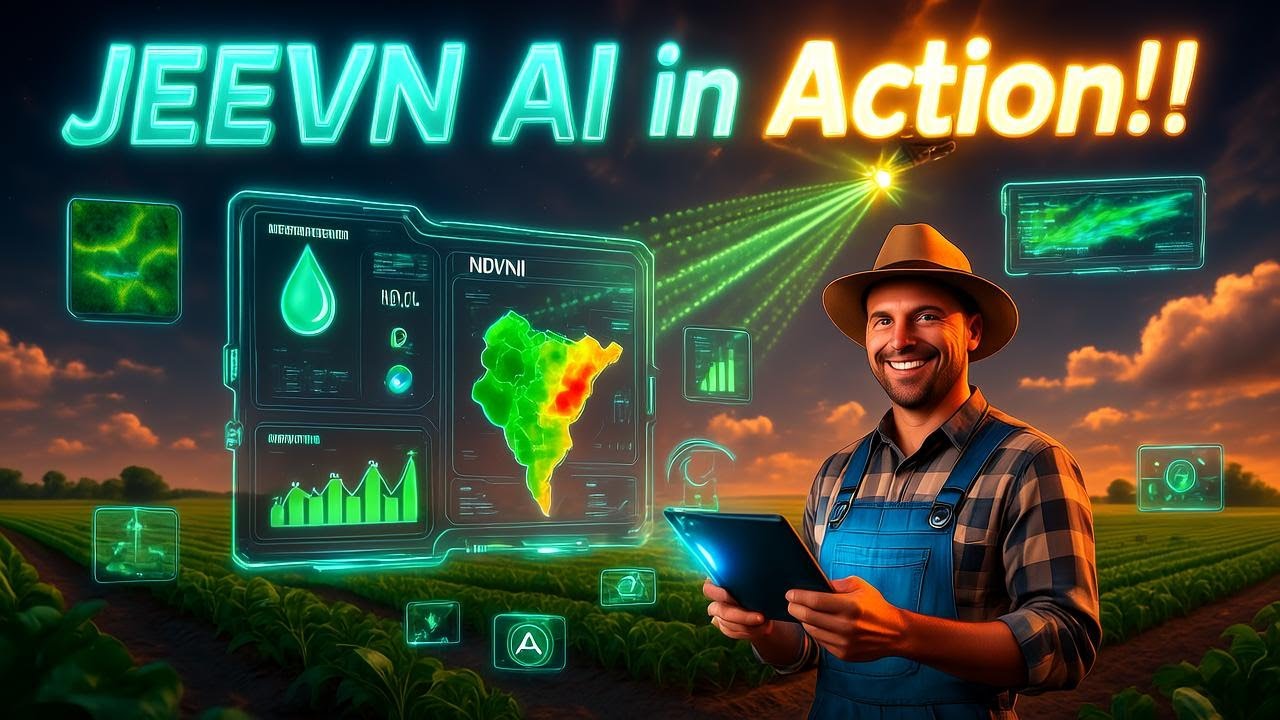
- Real-time, AI-based advisory and monitoring systems through the Jeevn AI platform—integrating weather, disease predictions, and environmental dataset analysis to enhance both yield and sustainability
- Blockchain traceability supporting farm transparency, compliance, and supply chain trust (read about Farmonaut product traceability solutions for further details.)
- Environmental impact tracking, with easy-to-use carbon footprint monitoring (learn more about Farmonaut carbon footprinting)
- Fleet & resource management for hardware and inputs across distributed farming setups (explore Farmonaut fleet management).
Discover our large-scale farm management platform for integrated, data-driven environmental and resource control across expansive operations.
Conclusion: The Indispensable Role of CO2 Meter for Grow Room in 2025
The CO2 meter for grow room has rapidly become the cornerstone tool for modern, controlled-environment agriculture. As the science of photosynthesis and technology advances, precise control over CO2 levels now enables growers and farmers to:
- Maximize plant yield and quality
- Enhance resource efficiency by limiting waste
- Safeguard crop health and farm worker safety
- Integrate environmental monitoring for full-spectrum ecosystem management
- Advance toward truly sustainable agriculture in the face of climate and economic challenges
2025 and beyond will see ever-more sophisticated, connected, and automated CO2 meters, helping growers everywhere unlock new levels of innovation and sustainability in indoor farming.
FAQ: CO2 Meter for Grow Room
What is the ideal CO2 level for most grow rooms in 2025?
Studies show that 800–1200 ppm is optimal for most indoor crops, including lettuce, tomatoes, and herbs. Always consult the specific plant species requirements and use a precise CO2 meter for accurate monitoring.
How often should I calibrate my CO2 meter for indoor farming?
Most NDIR CO2 meters require calibration every 6–12 months, but many 2025 models offer auto-calibration. Always refer to device-specific guidance for best sensor accuracy.
Can CO2 levels become toxic for plants or humans?
Yes. Excessive CO2 (above 1500–2000 ppm) can be toxic to certain crops and may cause adverse health effects in people (e.g., dizziness). Continuous monitoring with alerts is essential.
What’s the benefit of integrating CO2 meters with smart platforms like Farmonaut?
Integration with scalable, smart platforms enables full data-driven ecosystem management: linking CO2 monitoring with weather forecasts, resource management, traceability, and advisory systems for maximal yield and sustainability.
Do these meters work with third-party apps or systems?
Most modern CO2 meters for grow rooms support APIs, Wi-Fi, and Bluetooth, enabling easy integration with Farmonaut API and other platforms for enhanced analytics, traceability, and environmental reporting.
Discussion
Questions, corrections or field experience? Share them below. First-time comments are reviewed before they appear, and your email is never published.
No comments yet. Be the first to add a question or your experience.

 Drift-Sense
 NWNS
NWNS Hydenmet
 Dirks Bros Farms
 Red August Group
 Farm Inc
 WeMe Global
 Agrotoken
 Blue BearX
 Insignito
 Croptimum
 DnCubed
 Field Capacity
 Indosistim Teknologi
 Liquify Digital
 CU Foods
 BeyondTech Global
 Rouge VC
