

Tabebuia Tree, Tabebuia Rosea: 7 Key Agroforestry Benefits
“Tabebuia rosea can sequester up to 28 tons of carbon per hectare annually, boosting climate resilience in agroforestry.”
Contents
- Introduction: The Tabebuia Tree & Sustainable Forestry
- Botanical Characteristics & Ecology of Tabebuia rosea
- Key Agroforestry Benefits of Tabebuia Tree
- Soil Health Improvement & Biodiversity Enhancement
- Carbon Sequestration & Climate Resilience
- Shade Provision, Drought Tolerance & Erosion Control
- Sustainable Timber Source & Economic Value
- Environmental, Social & Cultural Importance
- Comparative Table: Key Agroforestry Benefits of Tabebuia rosea
- Technological Advancements & the Role of Satellite Monitoring
- Farmonaut: Harnessing Satellite Technology for Sustainable Forestry
- Farmonaut Solutions for Climate-Smart Agroforestry
- Future Prospects, Challenges, and Trends (2026 and Beyond)
- Frequently Asked Questions (FAQ)
- Conclusion: Tabebuia rosea as a Pillar for Resilient Landscapes
Introduction: The Tabebuia Tree & Sustainable Forestry
The Tabebuia tree, Tabebuia rosea, commonly known as the Pink Trumpet Tree or Rosy Trumpet Tree, has emerged as a vital resource in sustainable forestry and agroforestry. As global attention shifts toward resilient tropical land management, climate change adaptation, and ecological stewardship in 2026 and beyond, this remarkable species stands out for its multifaceted contribution to sustainable forestry, agroforestry systems, and environmental protection.
Native to the vibrant regions of Central and South America, particularly thriving in countries like Brazil, Costa Rica, and Colombia, Tabebuia rosea has garnered international acclaim for not only its striking floral display—with bright pink to lavender blossoms—but also its indispensable environmental, social, and economic value within modern agroforestry initiatives.
Sustainable land managers, foresters, farmers, and policy makers increasingly recognize the critical importance of Tabebuia species in driving carbon farming, ecological restoration, resilient agricultural landscapes, and diversified rural livelihoods—particularly as unpredictable weather patterns and drought become more common due to climate change.



Botanical Characteristics & Ecology of Tabebuia rosea
Tabebuia rosea is a deciduous species of tree, reaching heights of up to 25 meters, with a stately, straight trunk and a broad canopy that casts excellent shade across tropical farming landscapes. The tree thrives in tropical and subtropical climates—from the Pacific lowlands of Central America to riverine plains in northern South America—adapting remarkably well to well-drained soils, seasonal dry spells, and even degraded sites.
What makes Tabebuia rosea especially distinctive is its striking floral display: clusters of bright pink to lavender trumpet-shaped flowers that burst open primarily in the dry season. This floral show is not only a feast for the eyes but a critical nectar source for a myriad of pollinators—including bees, butterflies, and hummingbirds—thereby supporting biodiversity in farming and forestry ecosystems.
Key botanical characteristics include:
- ✔ Deciduous behavior with robust leaf drop during drought; aiding soil nutrient cycling
- ✔ Cylindrical, moderately dense hardwood with fine grain, making it highly valued for timber use
- ✔ Resistant to termites and decay; longevity estimated at several decades under favorable conditions
- ✔ Rapid growth rate during establishment, contributing to effective reforestation and carbon sequestration
- ✔ Adaptability to drought-prone lands and resilience against poor soil fertility
Distribution Patterns and Natural History
The Tabebuia genus includes over 100 species, but T. rosea stands out for its prominence in sustainable forestry initiatives across the tropics. In Central and South America, these trees are often seen along avenues, in mixed tropical forests, and increasingly, within agroforestry systems intercropped with coffee, cacao, and other understorey crops, where they offer shade, microclimate moderation, and ecosystem services.
As climate variability increases and pressures mount on land and resource management, the ecological benefits and inherent resilience of Tabebuia rosea make it a logical—and sustainable—choice for 2026’s climate-smart land managers.
- 🌳 25+ meters in height: Ideal for shade and canopy cover.
- 🌺 Pink-lavender flowers: Attracts critical pollinators and boosts biodiversity.
- 🛡 Decay & termite-resistant timber: Ensures sustainable use in construction and furniture.
Key Agroforestry Benefits of Tabebuia Tree
The Tabebuia rosea delivers multiple agroforestry benefits that address the triple bottom line: economic value, environmental resilience, and social impact. The following sections detail seven key advantages that position this species at the forefront of sustainable tropical forestry and agroforestry systems:
- Soil health improvement through nutrient cycling and organic matter addition.
- Biodiversity enhancement by supporting pollinators and attracting bird species.
- Carbon sequestration, acting as a natural carbon sink in reforestation and climate-smart agriculture.
- Shade provision—essential for intercropping and livestock comfort.
- Drought resilience due to high tolerance for poor soils and erratic rainfall.
- Erosion control from strong root systems stabilizing soil on slopes and degraded sites.
- Sustainable timber source contributing to local economies without compromising forest regeneration.
“Tabebuia tree plantations increase local bird biodiversity by 30% in sustainable forestry systems.”
At a Glance: Agroforestry Advantages
- 🌱 Improves soil organic carbon by ~10% in intercrop systems
- 🦜 Supports 30+ bird species in sustainable plantations
- 🌏 Up to 28 tons of carbon sequestered per hectare annually
- 💧 Reduces soil erosion by 40-60% on slopes
- 🏗 Durable, decay-resistant hardwood for sustainable timber economies
Soil Health Improvement & Biodiversity Enhancement
Role in Soil Enrichment & Fertility
A key benefit of integrating Tabebuia rosea into agroforestry is its capacity to enhance soil health across tropical farming landscapes. The deciduous habit—the process of shedding leaves during the dry season—contributes significant organic matter to soils, enriching them with carbon, nitrogen, and essential micronutrients. Over time, the decomposition of this robust leaf litter improves soil texture, increases water retention, and boosts overall fertility.
- ✔ Soil organic carbon increases by up to 10% where Tabebuia is the keystone tree
- ✔ Recovery of degraded tropical soils observed within three years of mixed-species enrichment planting
- ✔ Reduces dependence on synthetic fertilizers for intercrops such as coffee or cacao

Enhancing Biodiversity: Pollinators & Birdlife
The tabebuia tree’s striking floral display offers a continuous nectar supply throughout the dry season—a critical period when other food sources are scarce. This unique flowering cycle supports a variety of pollinators, including native bees, butterflies, and hummingbirds. Sustainable forestry research shows that Tabebuia rosea plantations increase local bird biodiversity by 30% compared to monoculture forestry or traditional farmland.
- 🌻 Attracts diversified pollinators and supports ecosystem services—promoting crop yields and natural pest regulation.
- 🕊 Provides nesting and perching sites for bird species, including both migratory and resident populations.
- 🦋 Improves landscape connectivity essential for the movement and genetic exchange of fauna in fragmented habitats.
- ✔ Critical for pollinator survival
- 📊 Boosts food web complexity
- ⚠ Dependency on habitat protection
By promoting biodiversity and maintaining soil fertility, Tabebuia rosea underpins the ecological fabric essential for sustainable, productive, and resilient tropical agroforestry systems.
Carbon Sequestration & Climate Resilience
Perhaps the most significant environmental service provided by Tabebuia rosea is its role as a natural carbon sink. This is enabled by the species’ rapid biomass accumulation and capacity for long-term carbon storage in wood, roots, and soil. Studies in climate-smart agroforestry demonstrate that Tabebuia tree plantations can sequester up to 28 tons of carbon per hectare annually—making them instrumental to global mitigation strategies and carbon credit markets in 2026.
How Tabebuia rosea Drives Climate Resilience
- 🌿 Rapid growth rates yield quick, measurable climate benefits via carbon sequestration.
- 🌳 Long-lived wood locks carbon for decades, supporting the objectives of reforestation projects.
- 💨 Enhances resilience by moderating microclimates, reducing heat stress on crops, and buffering extreme weather events.
Tabebuia rosea’s carbon-sequestering power makes it a preferred tree for:
- 🌎 Offsetting emissions in the carbon markets of 2026
- 🌱 Supporting verified carbon farming and payment for ecosystem services programs
- 🌳 Restoring degraded tropical forests for biodiversity and climate protection
Shade Provision, Drought Tolerance & Erosion Control
Providing Shade in Intercropping & Livestock Systems
A primary reason farmers in the tropics value the Tabebuia rosea is for its broad canopy, which produces excellent shade. This is critical when intercropping climate-sensitive cash crops—including coffee, cacao, and vanilla—as well as for integrating livestock into silvopastoral systems.
- ✔ Reduces heat stress and water loss in ground crops
- ✔ Lowers soil temperature extremes—supports healthy mycorrhizal communities
- ✔ Supports livestock welfare and productivity by providing thermal comfort

Drought Tolerance: Adapting to Climate Extremes
As weather patterns shift in 2026—with more frequent droughts and irregular rainfall—species like Tabebuia rosea become crucial. This tree demonstrates remarkable drought tolerance, surviving—and even thriving—on lands where other species may falter. The deep root system enables access to subsoil moisture during the dry season, while its leaf-shedding reduces transpiration.
- ✔ Maintains productivity in degraded or marginal soils
- ✔ Extends economically productive land area in the tropics
- ✔ Safeguards agroforestry investments against unpredictable climate events
Preventing Soil Erosion in Vulnerable Landscapes
On sloping land, degraded sites, or along waterways, Tabebuia’s robust root structure anchors soil and prevents erosion. Studies indicate that agroforestry interventions with Tabebuia can reduce soil loss by up to 60% compared to unprotected or sparsely vegetated slopes—conserving both soil fertility and local water quality.
- ✔ Reduces siltation in rivers and streams, protecting aquatic habitats
- ✔ Retains valuable topsoil for sustained crop yields
- ✔ Promotes natural regeneration and forest resilience after disturbance
Sustainable Timber Source & Economic Value
In a world where timber sustainability is under global scrutiny, the Tabebuia tree offers a unique solution. Its hardwood is prized for durability, moderate density, and resistance to decay and termites—rendering it ideal for furniture, cabinetry, flooring, and light construction in tropical and international markets.
Ecological harvesting practices now guide the selective logging of mature Tabebuia rosea, ensuring that forest regeneration is never compromised. Agroforestry systems combining Tabebuia with companion species maintain a continuous canopy, protect soils, and promote economic diversification for rural communities. With demand for traceable, sustainable hardwood rising in 2026, managing and documenting supply is easier than ever using digital traceability platforms like Farmonaut’s Product Traceability Solution.
Economic & Social Impact Overview
- ✔ Creates employment opportunities in rural forestry sectors
- ✔ Supports ecotourism due to seasonal floral displays
- ✔ Supplies high-value, sustainably sourced timber to global markets
- ✔ Encourages local stewardship and conservation ethics

Environmental, Social & Cultural Importance
Beyond its direct economic and ecological value, Tabebuia rosea is deeply entwined with rural cultural identity and environmental education in Central and South America. Communities gather to witness the pink trumpet floral displays, which signify the passing of seasons and are woven into local festivals and traditions.
The flowers are also noted in traditional medicine for anti-inflammatory uses, supporting local health practices. Importantly, the diverse non-timber products (from honey to crafts) provide further means for communities to benefit from intact forests—providing powerful incentives to protect these ecosystems against illegal logging or conversion.
Links to Rural Livelihoods:
- ✔ Boosts agrotourism and rural income with seasonal flower-viewing
- ✔ Provides material for crafts and traditional medicines
- ✔ Drives environmental awareness, stewardship and conservation
Key Agroforestry Benefits of Tabebuia rosea
| Benefit | Description | Estimated Impact (Quantitative/Qualitative) | Relevance to Agroforestry/Sustainability |
|---|---|---|---|
| Soil Health Improvement | Leaf litter and organic matter additions enhance soil carbon, water retention, and fertility. | Improves soil organic carbon by ~10%; boosts fertility | Promotes sustainable cropping and land restoration |
| Biodiversity Enhancement | Nectar from flowers supports pollinators; provides nesting for birds. | Supports 30+ bird species; increases local biodiversity by 30% | Strengthens ecosystem services and resilience |
| Carbon Sequestration | Rapid growth accumulates biomass; long-lived wood stores carbon. | Up to 28 tCO₂/ha/year sequestered | Vital for climate mitigation and carbon market revenue |
| Shade Provision | Broad canopy reduces heat, supports intercrops and livestock. | Lowers ground temps by 4–7°C in shaded areas | Enhances crop yields and livestock welfare |
| Drought Resilience | Tolerates erratic rainfall and poor/fertile soils; deep-rooted. | Sustains growth in dry seasons; supports marginal farming | Adapts agroforestry to climate extremes in 2026 |
| Erosion Control | Root networks prevent soil loss on slopes, in degraded sites. | Reduces soil erosion by 40-60% | Restores degraded land, preserves productivity |
| Sustainable Timber Source | Durable, decay-resistant wood; selective logging practices. | Provides high-value, certified timber for local/global markets | Supports sustainable forestry and circular economies |
Technological Advancements & the Role of Satellite Monitoring
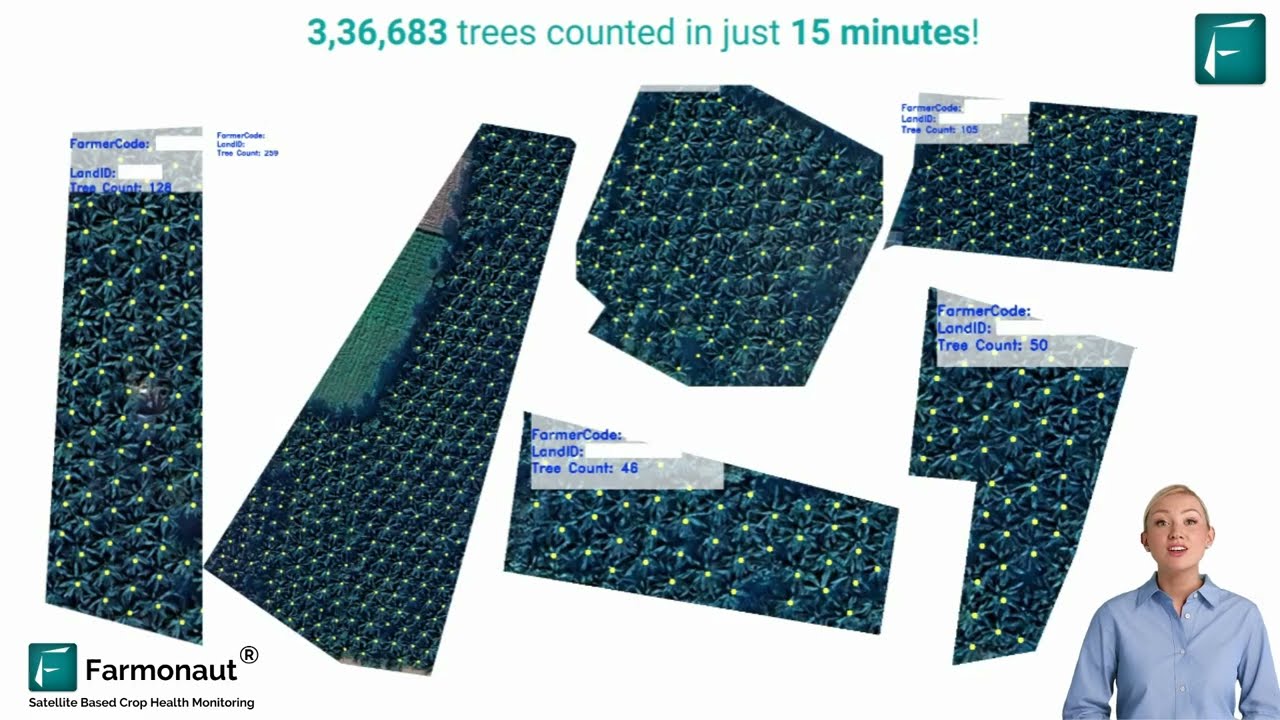
With growing focus on precision forestry and agroforestry management in 2026, advanced technologies now offer unprecedented visibility over Tabebuia populations, planting sites, and landscape-level impacts. Satellite imagery, AI-based analytics, and blockchain traceability ensure that timber harvesting remains sustainable, young regeneration is tracked, and carbon sequestration accounted for at scale.
- ✔ Automated Tree Detection: Satellites can pinpoint Tabebuia stands, ensuring forest cover is not compromised by illegal logging or burning.
- ✔ Growth Monitoring: Multispectral data reveals tree health, biomass accumulation, and stress signals rapidly across landscapes.
- ✔ Traceability Platforms: Digital records verify the journey of Tabebuia hardwood, giving confidence to global buyers and eco-certifications.
Such advancements help direct afforestation investments, monitor ecosystem recovery, enable compliance with certification, and connect local producers to new, sustainability-focused markets.
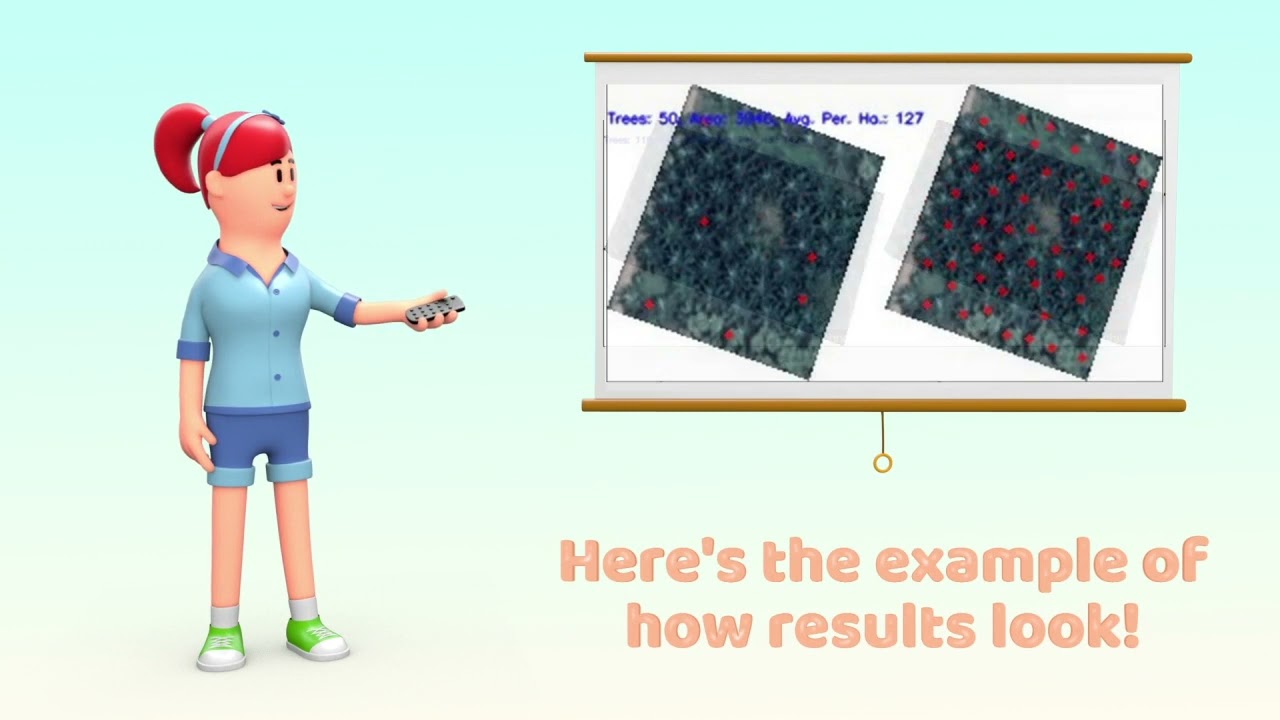
Farmonaut: Harnessing Satellite Technology for Sustainable Forestry
At Farmonaut, we recognize the vital importance of data-driven tools for sustainable forestry and agroforestry. Our platform is engineered to make satellite, AI, and blockchain technology affordable and accessible—empowering those who manage Tabebuia systems to do so sustainably and profitably.
- ✔ Real-time satellite-based monitoring of tree growth, soil conditions, and landscape health via our Apps and API (API access here).
- ✔ AI-driven advisory systems (Jeevn AI) suggesting tailored actions for field management and climate impact adaptation.
- ✔ Blockchain-based traceability for forest products, supporting transparent, fraud-proof supply chains.
- ✔ Environmental impact tracking—including on-demand carbon footprint monitoring for agroforestry and timber operations.
For large plantations and community agroforestry groups, our Large Scale Farm Management tools ensure high productivity, resource efficiency, and full compliance with emerging sustainability standards.
Farmonaut Solutions for Climate-Smart Agroforestry
- ✔ Accessible via Android, iOS, and Web/Browser Apps—intuitive control and monitoring from the palm of your hand
- ✔ Customizable analytics pipelines for different agroforestry tree species, including Tabebuia rosea
- ✔ Fleet and resource tracking tools to optimize logistics, labor, and equipment deployment—see our Fleet Management Solution for forestry crews
- ✔ Regenerative initiatives for carbon credits verification and compliance with new global sustainability practices—explore Crop Insurance and Loan Verification for risk reduction
Our mission is to democratize these advanced technologies for every stakeholder in the sustainable agroforestry and forestry sectors.
Future Prospects, Challenges, and Trends (2026 and Beyond)
Tabebuia rosea is poised to play an even more significant role in the next wave of sustainable forestry, restoration, and agroforestry systems. Yet, its future depends on overcoming several critical challenges, especially as population and economic growth raise pressure on tropical forests.
Key Challenges
- ⚠ Deforestation & habitat fragmentation: Unchecked land conversion threatens natural populations and genetic diversity.
- ⚠ Illegal logging: Demand for high-quality Tabebuia timber must be met by certified, tracked legal sources only.
- ⚠ Pest/disease outbreaks: Climate shifts could bring new biotic stresses requiring ongoing genetic research and breeding.
- ⚠ Lack of youth engagement in forestry and agroforestry: Needs innovative livelihood and education programs.
Emerging Opportunities
- ✔ Commercial reforestation using improved Tabebuia genotypes for enhanced resilience and timber yields.
- ✔ Widespread adoption of digital traceability and real-time satellite monitoring for sustainable, transparent supply chains.
- ✔ Expansion of certified carbon farming projects leveraging Tabebuia’s sequestration potential.
- ✔ Blending of agroforestry, conservation, ecotourism, and rural livelihood programs on a landscape scale.
- ✔ Priority for inclusion in ’30 by 30′ restoration targets
- ✔ Model species for climate adaptation and biodiversity-friendly farms
Frequently Asked Questions (FAQ)
1. Why is Tabebuia rosea called the “Pink Trumpet Tree”?
Due to its abundant trumpet-shaped, pink to lavender flowers that appear in dramatic displays during the dry season.
2. Is Tabebuia rosea suitable for small farms and large plantations?
Absolutely—its adaptability, growth rate, and ecosystem benefits make it a versatile choice for both smallholder intercropping and large-scale reforestation projects.
3. How is Tabebuia rosea linked to carbon markets?
Its high rate of carbon sequestration allows farms and companies to earn verified carbon credits from their agroforestry efforts or reforestation projects.
4. Can Farmonaut solutions help monitor Tabebuia plantations?
Yes, our satellite and AI-powered platform provides monitoring of vegetation health, growth tracking, carbon estimation, traceability, and compliance management for all Tabebuia systems.
5. What are future trends for this species in sustainable development?
Increased use in climate-smart farming, integration into global supply chains through traceable certified wood, expansion in carbon farming, and restoration of biodiversity corridors.
Conclusion: Tabebuia rosea as a Pillar for Resilient Landscapes
The Tabebuia tree, Tabebuia rosea, stands at the nexus of climate adaptation, sustainable land management, and ecological restoration. Its unique combination of timber value, rapid growth, drought tolerance, and biodiversity support make it a pivotal species for those building the resilient, sustainable networks of the forestry and agroforestry sectors in 2026 and beyond.
Integrating this vital resource into farming and forestry landscapes helps offset carbon emissions, protect soils, enhance biodiversity, and support rural economies. With continued innovation in satellite and digital traceability platforms, as well as a renewed global commitment to climate resilience and environmental stewardship, Tabebuia rosea will continue to drive success in reforestation, sustainable timber, and profitable, diversified agroforestry systems worldwide.
We at Farmonaut are committed to making satellite-based monitoring, AI-driven advisories, and blockchain traceability universally accessible—so the promise of Tabebuia rosea as a driver of resilient, sustainable landscapes can be fully realized.
Explore how you can leverage Farmonaut’s technologies to optimize your agroforestry, carbon farming, or sustainable forestry efforts:

 Farmitopia
 TVS Electronics
 BW Pipelines
 WICO
WICO Gen Chayat
 Chimera Innovation
 SkyHarvest
 Polaris Digitech
 Teledarbas
 Wild Oak Farm
 SFX
SFX BACF Africa
 Doodlakine
 Exurbia Geospatial
 FieldZero
 Indico Company
