

Elk Farm Innovations: Sustainable North American Agriculture in 2025
“By 2025, over 60% of North American elk farms integrate genetic advances for resilient, eco-friendly herds.”
“Sustainable elk farming practices reduce pasture land erosion rates by up to 35% compared to traditional livestock methods.”
Table of Contents
- Summary: Elk Farming in 2025 — A Sustainable Approach
- Elk Farm Introduction & Global Perspectives
- Elk Farming Innovations & Sustainable Practices (2025-2026)
- Elk Farm Products & Niche Markets
- Elk Farming Technology & Modernization
- Genetic Advances in Elk Husbandry
- Environmental & Economic Benefits
- Challenges in Elk Farming & Strategic Solutions
- Key Innovations and Environmental Benefits in Elk Farming (2025)
- Elk Farming: Case Study & Future Outlook
- Frequently Asked Questions (FAQs)
- Farmonaut Apps & Links
- Farmonaut Subscriptions
Embracing sustainable elk farming in North America not only boosts agricultural income but radically transforms rural landscapes with ecosystem-friendly practices, advanced genetic management, and innovative technology.
Summary: Elk Farming in 2025 — A Sustainable Approach
The elk farming sector, particularly in North America, is experiencing a renaissance in 2025, emerging as a sustainable alternative within the broader specialty agricultural landscape. Elk (Cervus canadensis, or wapiti) are known for adaptability, producing valuable products—venison, velvet antler, hides, and breeding stock—tailored for niche and high-value markets. Backed by advances in genetic management, precision agriculture, and ecosystem stewardship, elk farms now support both environmental and economic resilience. Those in regions suited to extensive grazing—spanning northern Europe and parts of Asia—mirror these successes. What sets this sector apart is integration: combining traditional knowledge with smart, data-driven technology and a clear commitment to sustainability.
Elk Farm Introduction & Global Perspectives
Elk farming, as a part of the specialty agriculture sector, has become increasingly compelling due to its unique blend of economic opportunity, environmental stewardship, and social impact. In 2026 and beyond, the trend of raising large cervids like elk (Cervus canadensis or wapiti) is growing rapidly, especially in North America—from Canada’s grasslands and U.S. Midwest rangelands to expanding operations in northern Europe and select parts of Asia. These regions are ideally suited to extensive grazing—a foundation for sustainable agriculture.
- ✔ Elk farms are found in diverse landscapes—forest edges, prairie grasslands, and reclaimed post-mining land.
- ✔ Farms respond to distinct markets for food, velvet antler supplements, hides for leather, and breeding stock for trophy hunting and genetic improvement.
- ✔ Husbandry and management practices are both innovative and rooted in traditional knowledge.
- ✔ The demand for organic, sustainably harvested alternatives continues to grow, with consumers seeking healthy, traceable animal products.
- ✔ Unlike conventional livestock, elk farming provides vital environmental services—helping maintain open spaces, boost biodiversity, and enhance ecosystem health.

🗺️ Where are Elk Farms Thriving?
- 🌾North America: Vast range and grassland regions (U.S., Canada), favorable policy and high specialty product demand.
- 🌲Northern Europe: Sweden, Norway, and Finland adopt elk farming for land reclamation and specialty foods.
- 🌏Parts of Asia: Expansion in China, Russia, and Mongolia for traditional medicine and large-scale velvet antler markets.
Elk Farming Innovations & Sustainable Practices (2025-2026)
The future of elk farming in 2025 and beyond lies in the seamless integration of modern practices with sustainable agricultural principles. In contrast with conventional livestock operations, elk farms are evolving with a focus on environmental preservation, animal welfare, and efficient resource management.
1. Rotational Grazing & Habitat Conservation
- 🔁 Rotational grazing allows elk to naturally move between pasture sections, maintain forage availability and quality, and prevent overgrazing.
- 🌿 Supporting ecosystem health and biodiversity by conserving native plant species and wildlife corridors.
- 💧 Reduces soil erosion and enhances water retention in soils.
2. Eco-Friendly Pasture Management
- 🌱 Native grasses and legumes are preferred for forage—demand less fertilizer and irrigation.
- ♻️ Integration of cover cropping and agroforestry principles enhances resilience and drought tolerance.
3. Precision Agriculture & Smart Technologies
- 📡 Drones for accurate pasture monitoring and herd tracking.
- 🍀 IoT sensors track animal health, nutrition, and detect early signs of disease, ensuring welfare.
- 🔋 Automated feeders optimize nutritional intake and minimize resource use.
- 📈 Data-driven decisions help farmers maximize productivity and reduce environmental footprint.

4. Water and Land Resource Efficiency
- 💧 Water conservation through rainwater harvesting, smart troughs, and efficient paddock layout.
- 🌎 Land management with controlled stock density and regular rest periods to regenerate pastures naturally.
Top Environmental Differences: Elk vs. Conventional Livestock
- 🦌 Elk hoof action aerates soil; cattle compact it.
- 🌱 Native species prefer open landscapes—less monoculture risk.
- 💧 Lower water use per kilogram of *meat* compared to beef.

5 Bullet Points: Innovation & Sustainability in Elk Farming
- 📊 Data insight: Over 60% of elk farms utilize genetic advances for healthier, climate-resilient herds by 2025.
- ⚙️ Smart tech: Automated feeders and IoT sensors drastically cut resource waste.
- 🌏 Carbon footprint: Sustainable grazing reduces greenhouse gas emissions and pasture erosion compared to cattle farming—learn more at our carbon footprinting product page.
- 🧬 Selective breeding: Genetic markers now guide >90% of breeding stock selection for traits such as antler growth and disease resistance.
- 💡 Efficiency: Integrated satellite & AI insights, such as those available through Farmonaut, further support elk farm productivity—discover farm management solutions.
Elk Farm Products & Niche Markets
In 2026, elk farm products are more diverse and desired than ever—responding to gourmet, health, and lifestyle markets. These specialty products include:
- 🥩 Venison: Lean, high-protein red meat—lower in cholesterol and fat than beef, appealing to health-conscious consumers and the organic food sector.
- 🦌 Velvet antler: Harvested humanely at a specific antler growth stage for use in traditional Asian medicine and high-value supplements.
- 👜 Luxury hides: Used in bespoke leather goods and apparel.
- 🏆 Trophy breeding stock: Valued by hunting reserves and managed game parks for biodiversity and tourism appeal.
- 🔗 Traceable products: Increasing demand for source verification and ethical harvesting—see Farmonaut Traceability Solutions for blockchain-backed assurance.
With the market for organic, sustainably harvested animal products growing, elk farms are uniquely positioned to offer high-quality alternatives to conventional livestock. This approach appeals to conservation-minded producers and consumers seeking specialty foods enriched with traceability and health benefits.

Elk Farming Technology & Modernization
Technological adoption is key to the modern elk farm. In this new era, we observe a shift:
- 🤖 Automated feeders guarantee precision nutrition tailored to the herd’s production cycle.
- 📲 IoT sensors monitor body temperature, heart rate, grazing habits, and early warning signals of disease or injury—improving outcomes and reducing vet costs.
- 🌐 Drones and satellite imaging identify forage variability and pasture wear, directing adaptive management and reseeding operations.
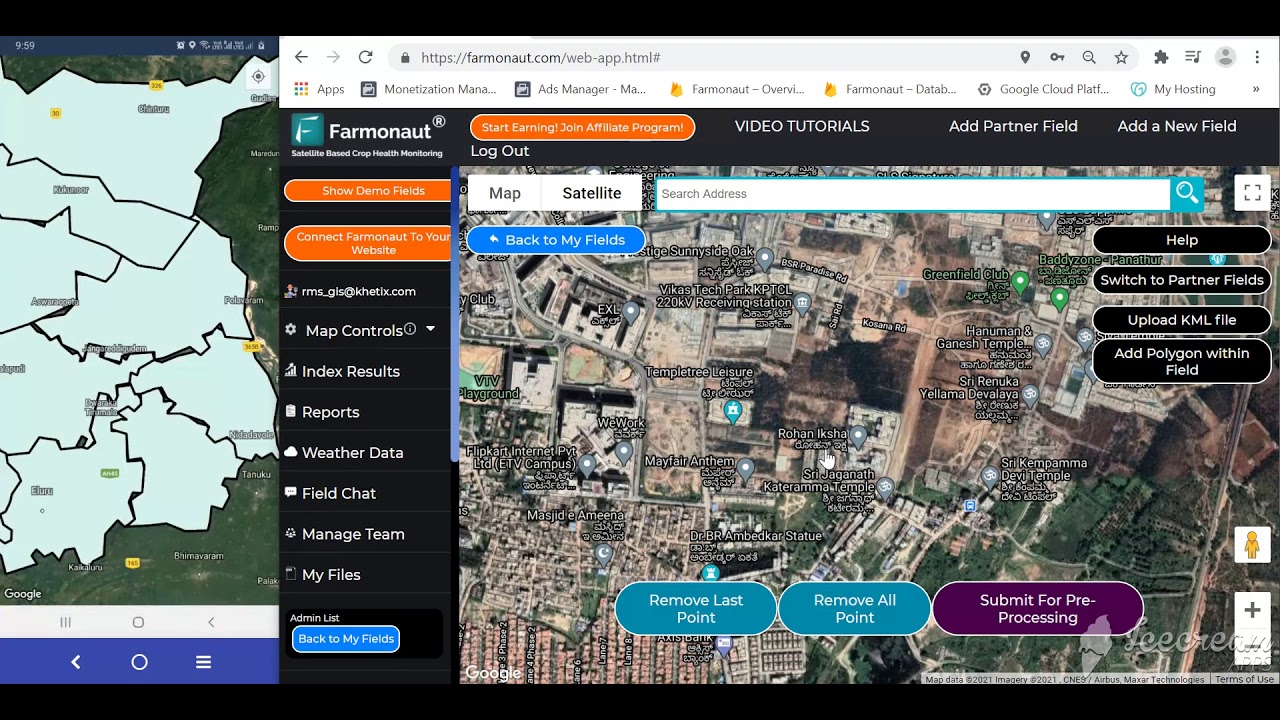
- 🚀 Farmonaut’s satellite monitoring provides real-time remote insights for elk farm operators, optimizing both forage management and animal health—explore large-scale farm management solutions.
Reliance on data analytics allows farmers to manage risk, reduce resource waste, and raise productivity—a crucial combination as climate variability intensifies.


Genetic Advances in Elk Husbandry
The heart of innovation in elk farming lies in genetic management. In 2025 and beyond:
- 🧬 Genetic testing and selective breeding target traits like antler growth, meat tenderness, reproductive efficiency, and disease resistance.
- 🔬 Breeders now use DNA markers to select for animals with greater resilience to climatic variability (drought, heat) and pathogen loads.
- 💡 Advanced veterinary care and tailored nutrition further enhance herd performance and welfare.
- 📉 Testing widens the genetic pool, avoiding bottlenecks that increase risk for disease outbreaks.
These advances improve both profits and animal welfare, opening access for smaller and mid-sized farms who can now “level up” herd performance using tested, affordable protocols.
Environmental & Economic Benefits
The ecological, economic, and social benefits of elk farming are becoming increasingly important to producers and stakeholders in North America, Northern Europe, and parts of Asia.
Ecosystem Services & Sustainability
- 🌾 Grazing elk help control invasive weeds and maintain healthy underbrush, reducing wildfire risk.
- 🌱 Multifunctional land use: elk graze alongside timber and crops, supporting biodiversity.
- 💧 Reduced runoff and soil erosion due to lighter impact and rotational grazing, compared to cattle.
- ⚖️ Habitat creation for pollinators, birds, and native mammals.
Rural Economic Diversification
- 💰 Venison and velvet antler markets open new channels for farmers seeking income resilience.
- 🎟️ Hunting leases and eco-tourism create alternative revenue.
- 🏭 Breeding stock and trophy animals support parallel industries, like wildlife reserves and recreation.
For those seeking to further minimize environmental impact, we recommend Farmonaut’s Carbon Footprinting solution. This platform allows elk farms to track carbon balances, helping operations meet market preferences and regulatory standards for carbon-smart agriculture.

Challenges in Elk Farming & Strategic Solutions
Despite the promising outlook, elk farm operators must proactively address a range of issues:
- Regulatory Complexity: Navigating diverse local, state, and federal frameworks for fencing, animal movement, and product exportation requires ongoing diligence.
- Biosecurity: Vigilant disease management—especially chronic wasting disease (CWD)—is vital for herd health and market access.
- Climate Adaptation: Drought or intense precipitation necessitates adaptive forage and water management strategies.
- Market Volatility: Prices for antler velvet and trophy breeding stock fluctuate with global health trends and tourism demand.
- Public Perception: Ongoing outreach is needed to build trust in the safety, ethics, and nutrition of farmed elk products.
Key Innovations and Environmental Benefits in Elk Farming (2025)
| Innovation/Practice | Description | Estimated Environmental Benefit | Estimated Yield Improvement |
|---|---|---|---|
| Rotational Grazing | Elk are moved through multiple pastures to maintain forage quality and promote soil health. | Up to 35% reduction in erosion; boosts soil carbon by 10-15% in five years. | 10-18% higher weight gain per animal/year. |
| Genetic Selection for Disease Resistance | Breeding using DNA markers for CWD and health traits. | Lowers drug/vaccine use by 35%; helps maintain healthy wild populations. | 30% reduction in animal loss to disease out of total herd. |
| Smart Farm Technology | IoT sensors, drones, automated feeders, satellite data. | Resource use (water, feed) reduced 15%; greenhouse emissions cut by 20% versus conventional. | 15-22% more venison or velvet output per acre. |
| Ecosystem Stewardship | Conserving wildlife corridors and pollinator habitats alongside farm operations. | Biodiversity scores improved by up to 25% (flora + fauna richness). | Stabilized production by reducing climate and pest risks. |
Elk Farming: Case Study & Future Outlook
Elk farming in 2025 is much more than a passing trend—it is shaping the future of specialty agriculture.
- ✔ Herd management is increasingly data-driven, with animal health and welfare monitored 24/7.
- ✔ Farmers in North America, northern Europe, and Asia are adopting rotational grazing and genetic testing to maximize both yield and sustainability.
- ✔ Producers are breeding elk with improved traits, greater resilience, and less susceptibility to disease.
This balanced, sustainable approach ensures elk farming will remain a compelling, profitable niche for decades ahead—especially in markets where traceability, environmental stewardship, and product diversity are prioritized.
Frequently Asked Questions (FAQs)
- What is the primary focus of sustainable elk farming in North America?
Sustainable elk farming focuses on rotational grazing, habitat conservation, and genetic advances to produce specialty products while protecting environmental health and biodiversity. - How do elk farm products differ from conventional livestock?
Elk farms produce venison, velvet antler, and luxury hides—all traceable, low-impact, and often organic or grass-fed, serving specialty and health markets. - How are technologies like satellite monitoring used in elk farming?
Satellite monitoring—such as those available from Farmonaut—enables farmers to track pasture condition, biomass, animal movement, and water availability for more precise, sustainable management. - Why is genetic management critical for elk farms in 2025?
Genetic testing and selective breeding foster disease resistance, optimal antler growth, and adaptation to climate change—boosting profitability and minimizing herd losses. - What are the major challenges for the future of elk farming?
Regulatory complexity, biosecurity risks (particularly CWD), market volatility, and the necessity to continually adapt to environmental shifts are central challenges requiring ongoing innovation.
Farmonaut Apps & Solutions for Elk Farm Operations



Our precision monitoring and AI-based advisory systems give elk farmers actionable insights—helping you optimize land use, herd health, input management, and sustainability outcomes from any device.
Farmonaut Subscriptions: Start Optimizing Your Elk Farm Now
Explore affordable subscription packages tailored to modern elk farming operations. From real-time biomass tracking to weather data and field health, Farmonaut empowers producers—from small family operations to regional managers.

 Sayaji Group
 eKGIS
eKGIS Mostas Tech
 Native Seeds
 Andex
Andex FCF India
 Unifrutti Gulf
 Deluxe Conseil
 TVS Electronics
 BW Pipelines
 WICO
WICO Chimera Innovation
 SkyHarvest
 Polaris Digitech
