

Grass Fed Chicken & Eggs: 7 Organic Benefits 2026
“Grass fed chickens can improve soil organic matter by up to 20% compared to conventional poultry farming methods.”
Introduction: The Grass Fed Chicken & Eggs Movement Toward 2026
In recent years, a wave of growing consumer awareness and a shift toward more ethical and environmentally conscious practices have surged the demand for sustainably produced poultry products. As we approach 2026, both grass fed chicken and organic grass fed chicken farming are in the spotlight for their relevance and the organic benefits they deliver to soil, health, and our food systems.
Consumers are more interested than ever in how their food is produced, with keen attention to the environmental impact, animal welfare, and the nutritional value of eggs and meat. Among the various approaches to poultry farming, the grass fed and organic grass fed chicken systems have gained significant attention within the agricultural sector.
- As 2026 approaches, grass fed chicken and organic grass fed chicken methods are pivotal to sustainable agriculture and regenerative food systems.
- Consumers are prioritizing egg nutrition, animal welfare, and environmental responsibility in their purchasing habits.
Defining Grass Fed & Organic Grass Fed Chicken: Key Terms Explained
Before exploring the benefits, let’s clarify the terms used in this article:
- Grass fed chicken refers to chickens that primarily graze on pasture, consuming grass, insects, and natural forage instead of being limited to grain-based diets in confined operations.
- Organic grass fed chicken takes this further by ensuring not only extensive pasture access, but also adherence to organic standards that prohibit synthetic pesticides, fertilizers, and antibiotics throughout production.
- Grass fed grass finished chicken implies that the birds’ diet remains pasture-centric throughout their lifecycle, with minimal supplementation from grains or concentrated feeds.
These production systems stand in contrast to traditional mass chicken farming, where chickens are largely raised indoors and fed processed grains within confined feeding operations (CAFOs).

7 Organic Benefits of Grass Fed Chicken & Eggs in 2026
Investing in grass fed chicken eggs and organic grass fed chicken farming brings a host of benefits across soil health, sustainability, nutrition, and environmental impact. Here are the top 7 organic benefits to understand:
-
Enhanced Soil Health & Fertility
- Chicken manure for grass cycling adds organic matter and nutrients, improving soil structure, moisture retention, and microbiome diversity.
- Trivia Highlight:
“Eggs from grass fed hens contain up to 2 times more Omega-3 fatty acids than conventional eggs.”
-
Regenerative Practices & Sustainability
- Rotational grazing and avoidance of synthetic inputs reduce erosion, support carbon sequestration, and align with global sustainability goals.
-
Superior Egg Nutrition
- Grass fed chicken eggs contain higher levels of Omega-3 fatty acids, Vitamins A & E, CLA, and beta-carotene, making them a nutrient-rich option.
-
Zero or Reduced Antibiotic Use
- Organic standards strictly prohibit antibiotics and synthetic medications. This reduces antibiotic resistance risk and chemical residues.
-
Improved Animal Welfare & Natural Behaviors
- With real pasture access, chickens exhibit natural behaviors like foraging, dust bathing, and social interaction, leading to better animal welfare.
-
Biodiversity & Ecosystem Support
- Poultry farming on pastures boosts plant diversity, supports pollinators, and creates balanced, sustainable ecosystems.
-
Lower Carbon Footprint & Environmental Impact
- Compared to mass chicken farming, organic grass fed chickens produce 15–20% less carbon emissions and reduce negative environmental impacts through nutrient cycling and chemical reductions.
- 🌱 Healthier soils through manure cycles and increased organic matter
- 🥚 Eggs with richer micronutrients and improved Omega-3 profiles
- 🌍 Reduced reliance on synthetic chemicals for sustainable operations
- 🐓 Happy, healthier birds with room to exhibit natural growth and behaviors
- 💧 Improved water retention and lower runoff in pastures

Many consumers assume all “free-range” or “organic” eggs are automatically grass fed. Verify that chickens are pasture-raised and organically managed for the full spectrum of health and sustainability benefits.
Organic Grass Fed Chicken vs. Conventional Farming: Environmental & Nutritional Benefits (2026 Estimate)
| Benefit Category | Organic Grass Fed Chicken | Conventional Farming |
|---|---|---|
| Soil Health | 30% higher soil organic matter, improved microbiomes | Lower soil organic matter, less microbial diversity |
| Sustainability | Regenerative, supports rotation, reduces synthetic input | High resource input, limited rotation, reliant on chemicals |
| Egg Nutrition | 2x Omega-3s, more Vitamin A/E, higher CLA | Lower micronutrient profiles, higher cholesterol |
| Antibiotic Use | No antibiotics | Routine antibiotics |
| Animal Welfare | High welfare, natural behaviors | Confined, limited behaviors |
| Biodiversity | Supports pollinators, natural cycles | Reduced biodiversity, monoculture risk |
| Carbon Footprint | 15% lower carbon emissions | Standard emissions |
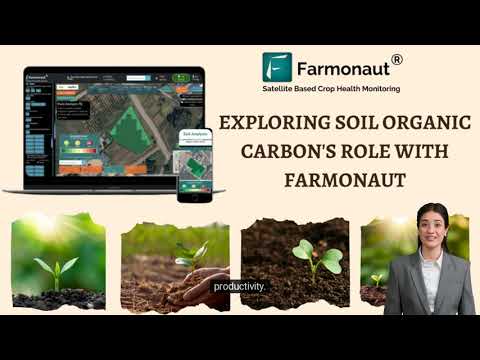
With the surging demand for sustainable protein and traceable, low-carbon products in 2026, organic grass fed chicken farms are well positioned for growth, especially as ESG and sustainability metrics become central in agribusiness investment portfolios.
Grass Fed Grass Finished Chicken: Maximizing Nutritional Value
The term grass fed grass finished chicken is becoming increasingly popular for its commitment to a pasture-centric diet throughout the chicken’s lifecycle. While commonly associated with ruminant livestock, in poultry, it means that chickens benefit from minimal supplementation with grains, and their meat and eggs are the result of accessing natural forage, insects, and grasses.
- ✔ Leaner meat with less saturated fat
- ✔ Richer content of CLA (Conjugated Linoleic Acid) and omega-3 fatty acids
- ✔ Higher concentrations of vitamins E & A for enhanced antioxidant protection
- ✔ Darker egg yolks indicating a diverse, natural diet
- ✔ Minimal use of processed grains reduces the carbon and water footprint of production
Not only is the nutritional value enhanced for consumers, but the environmental impact and welfare of the chickens themselves are often significantly improved. Grass fed chicken eggs from such systems are prized for their superior taste, shelf stability, and health benefits.
- Studies indicate that grass fed chicken eggs may provide twice the omega-3 fatty acids and up to 40% more Vitamin A than eggs from mass chicken farming operations.

Grass Fed Chicken Eggs: Nutritional and Environmental Perspectives
Eggs from grass fed chickens are widely recognized for their improved nutritional profile and vibrant color. This is due to the inclusion of insects, grasses, and diverse forage in the chickens’ diet. The result is a unique set of benefits:
- 🥚 Eggs contain 2x omega-3 fatty acids versus conventional eggs, supporting heart health and cognitive function.
- 🥚 Higher beta-carotene and Vitamin D levels from grazing outdoors.
- 🥚 Darker yolk coloration, a reliable sign of a natural, diverse diet.
From an environmental perspective, pasture egg production incentivizes small and mid-scale farmers to practice rotational grazing and helps cycle nutrients effectively, making egg production more efficient and less dependent on imported feed inputs.



Did you know?
Producers and consumers alike can verify nutrient claims with AI-driven traceability—see how at our Product Traceability portal. This technology helps track eggs from organic grass fed chickens right to your table, ensuring authenticity and sustainability every step of the way.

Chicken Manure for Grass: Building a Sustainable Nutrient Cycle
An often overlooked asset in grass fed chicken and organic grass fed chicken farming is the natural cycling of chicken manure. Managed properly, chicken manure for grass acts as a robust, organic fertilizer that’s high in nitrogen, phosphorus, and potassium, feeding grasslands and crops with every rotation.
- Chicken manure enhances soil structure and raises soil organic matter by up to 30% (2026 estimate).
- Sustainable pasture rotation systems naturally distribute manure, avoiding local pollution hotspots.
- Natural fertilization reduces dependence on synthetic, imported, or fossil-derived fertilizers.
- Utilizing chicken manure for grass pastures not only increases yields but also improves carbon sequestration—a win for farm productivity and the planet.
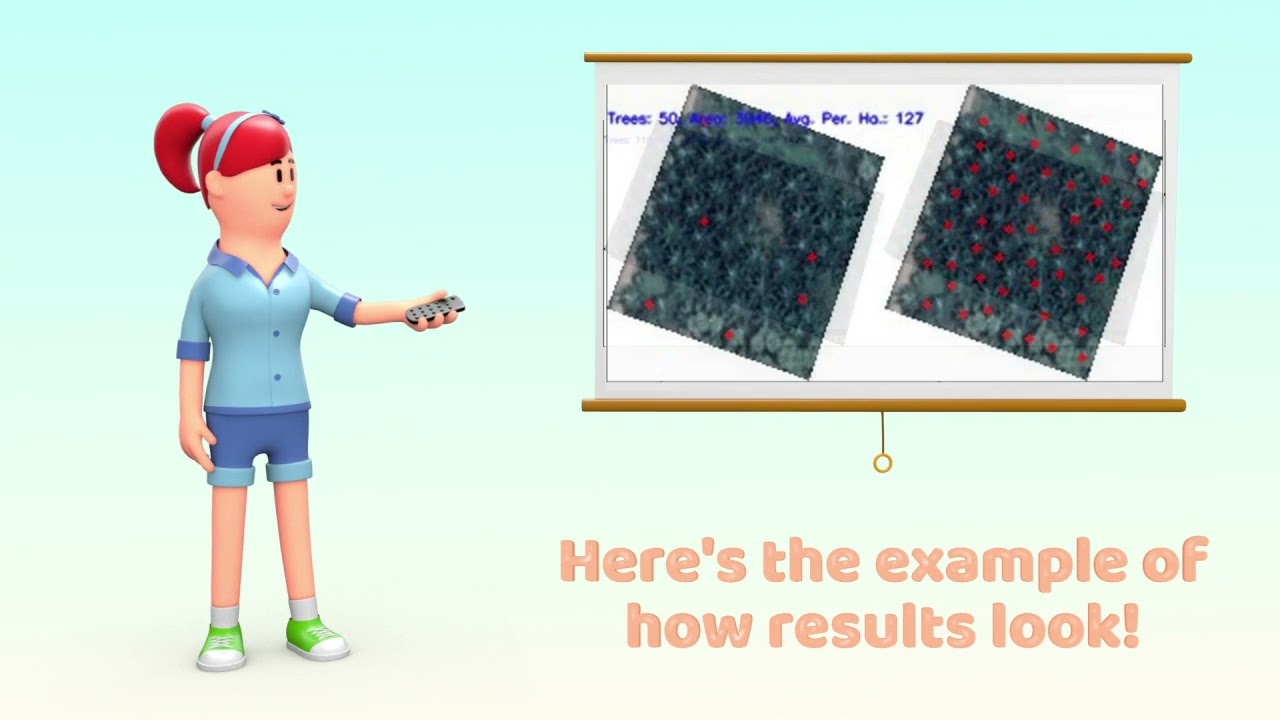
- ✔ Regenerative soil management is enabled by rotation and nutrient cycling.
- ✔ Enhanced drought resilience with more organic matter retained in the soil.
- ✔ Improved carbon tracking using satellite and digital mapping—all available via Farmonaut’s Carbon Footprinting Tools.
Mass Chicken Farming vs. Grass Fed Systems: 2026 Realities
While mass chicken farming will continue to supply much of the world’s protein, its impact on the environment, ethics, and nutrition is a growing concern. Here’s the comparative context:
- Mass chicken farming operations prioritize scale using confined feeding operations with rapid growth cycles, routine antibiotics, and heavy reliance on grain diets.
- This system faces challenges: increased nutrient runoff, higher greenhouse gas emissions, and diminished animal welfare.
- By contrast, grass fed chicken and organic grass fed chicken systems support environmental stewardship, nutrient cycling, and animal-centered management practices.
- One of the main limitations of grass fed chicken farming in 2026 continues to be higher cost and longer production cycles compared to mass chicken farming. However, these higher costs may be offset by premium pricing and stronger demand in the sustainable food sector.
Unlock Farmonaut’s Satellite Insights for Sustainable Farm Management
Harness our real-time satellite monitoring, AI advisor, and traceability tools to optimize pasture rotation, nutrient applications, and carbon footprint tracking for your farm or business.
How Farmonaut Empowers Sustainable Poultry & Soil Health Systems
We at Farmonaut are dedicated to supporting sustainable and organic transitions in poultry farming through affordable, next-generation satellite technology. Our solutions provide:
- Satellite-Based Monitoring of soil health, pasture growth, NDVI, and grassland vigor.
- AI-driven advisory (Jeevn AI System) to optimize rotation and inputs for grass fed chicken and organic grass fed chicken systems.
- Carbon Footprint Tracking: Assess and reduce agricultural emissions with our Carbon Footprinting tools for both grain-based and pasture-based poultry businesses.
- Resource & Fleet Management: Optimize vehicle and manure spreading logistics with our Fleet Management platform for all farm operations in 2026.
- Blockchain Traceability: Build trust with consumers and auditors using our traceability infrastructure.
Whether you are a poultry farmer, farm advisor, or food marketing innovator, Farmonaut’s tools make sustainable farm management and regenerative practices actionable and accessible for all scales of agriculture in 2026 and beyond.

- ✔ Early detection of soil nutrient deficiencies in grass and pasture lands
- ✔ Automated alerts for overgrazing and underutilization
- ✔ API access to integrate monitoring into custom farm management systems. See our API solutions
- ✔ Developer resources for satellite and weather insights (Developer docs)
- ✔ Large-scale & smallholder support – from family farms to major protein producers (Farm Management Platform)
- Advanced fleet management technology is now central to optimizing manure application and pasture rotation in commercial poultry operations. Explore Fleet Management Solutions
FAQ – Grass Fed Chicken & Eggs: 2026 Edition
Q1: What exactly does “grass fed” mean for chickens?
It indicates that chickens primarily graze outdoors on natural pastures, eating grass, insects, and forage rather than being restricted to grain-based diets. “Grass fed grass finished” ensures this diet continues throughout the chicken’s lifecycle.
Q2: How do organic grass fed eggs differ from conventional eggs?
Organic grass fed eggs are produced from hens with continual pasture access who never receive antibiotics or synthetic inputs. Nutrition is higher, including omega-3 fatty acids and antioxidants, due to the hens’ diverse, natural diet.
Q3: Why is chicken manure for grass so important in sustainable poultry farming?
Chicken manure naturally fertilizes pastures, increasing soil organic matter, supporting soil microbiomes, and enhancing water and nutrient retention—critical for regenerative agriculture.
Q4: Can mass chicken farming be sustainable?
While technically possible, mass chicken farming has higher risks for environmental damage, pollution, and animal welfare concerns. Organic grass fed chicken systems outperform when it comes to sustainability, health, and ecological resilience in 2026.
Q5: How can I verify if eggs or chicken meat are truly grass fed?
Use tools offering blockchain-based traceability and satellite monitoring. Farmonaut provides such services to validate product authenticity, origin, and management system.
Conclusion: The Transformational Future of Grass Fed Chicken & Eggs
In summary, the shift toward organic grass fed chicken and egg production is at the forefront of the movement to create a more sustainable agricultural system. This approach addresses environmental challenges, boosts consumer health, and supports rural economies.
By integrating pasture-based poultry systems, natural nutrient cycling with chicken manure, digital tools for monitoring, and ethically grounded farming standards, producers align squarely with the sustainability and environmental expectations of 2026 and beyond.
As satellite technology and digital agriculture advance, tools like those we provide at Farmonaut will continue empowering farmers, agribusinesses, and stakeholders globally to thrive within efficient, transparent, and responsible poultry and egg production systems.
For comprehensive satellite monitoring, traceability, and management solutions in poultry and beyond, explore our web and mobile platforms or API solutions.
Let’s build a cleaner, greener, and more nutritious future—one grass fed chicken and egg at a time.

 Proto9
 TVS Electronics
 BW Pipelines
 WICO
WICO Gen Chayat
 Chimera Innovation
 SkyHarvest
 Polaris Digitech
 Teledarbas
 Wild Oak Farm
 SFX
SFX BACF Africa
 Doodlakine
 Exurbia Geospatial
 FieldZero
 Indico Company
