

Gold Rush in Nome Alaska: 7 Nome Alaska Gold Facts
The Gold Rush of Nome, Alaska: A Lasting Legacy in Modern Mining and Regional Development
Table of Contents
- Introduction & Trivia
- Historical Significance: Discovery & Early Gold Rush
- Fact 1: The Unique Nature of Nome’s Placer Gold Deposits
- Fact 2: Gold Rush in Nome Alaska—Population Influx & Lasting Regional Development
- Fact 3: Advancements in Modern Mining Operations in Nome
- Fact 4: Environmental Management and Regulatory Challenges
- Fact 5: Infrastructure Growth and Community Impact
- Fact 6: Nome’s Ongoing Role in Alaska’s Mineral Production
- Fact 7: Outlook for Gold in Nome Alaska—2026 & Beyond
- Timeline Table: Nome’s Gold Mining Milestones
- Satellite Intelligence & Sustainable Mining: Farmonaut’s Role
- FAQ: Nome Alaska Gold Rush and Modern Mining
- Conclusion
“At its 1900 peak, Nome’s gold rush attracted over 20,000 prospectors to Alaska’s coast.”
Introduction: Nome Alaska Gold Rush—Where History Meets Modern Mining
The gold rush in Nome Alaska is one of the most storied chapters in American mining history. A discovery made in 1898 forever changed not only the Nome region but also the entire trajectory of Alaska’s economic and infrastructural development. Today, over a century later, the lure of Nome Alaska gold persists, with modern placer mining operations, advanced extraction techniques, and a strong focus on sustainability continuing to shape both the local economy and the broader arctic region.
As we explore the 7 Nome Alaska gold facts, we’ll journey from the feverish days of the early 20th-century gold rush to present-day advancements in mining, environmental management, and community growth. The narrative of Nome is not just about gold—it’s about adaptation, technological evolution, and ensuring that the enduring legacy of the gold rush supports both economic vitality and responsible stewardship in 2026 and beyond.
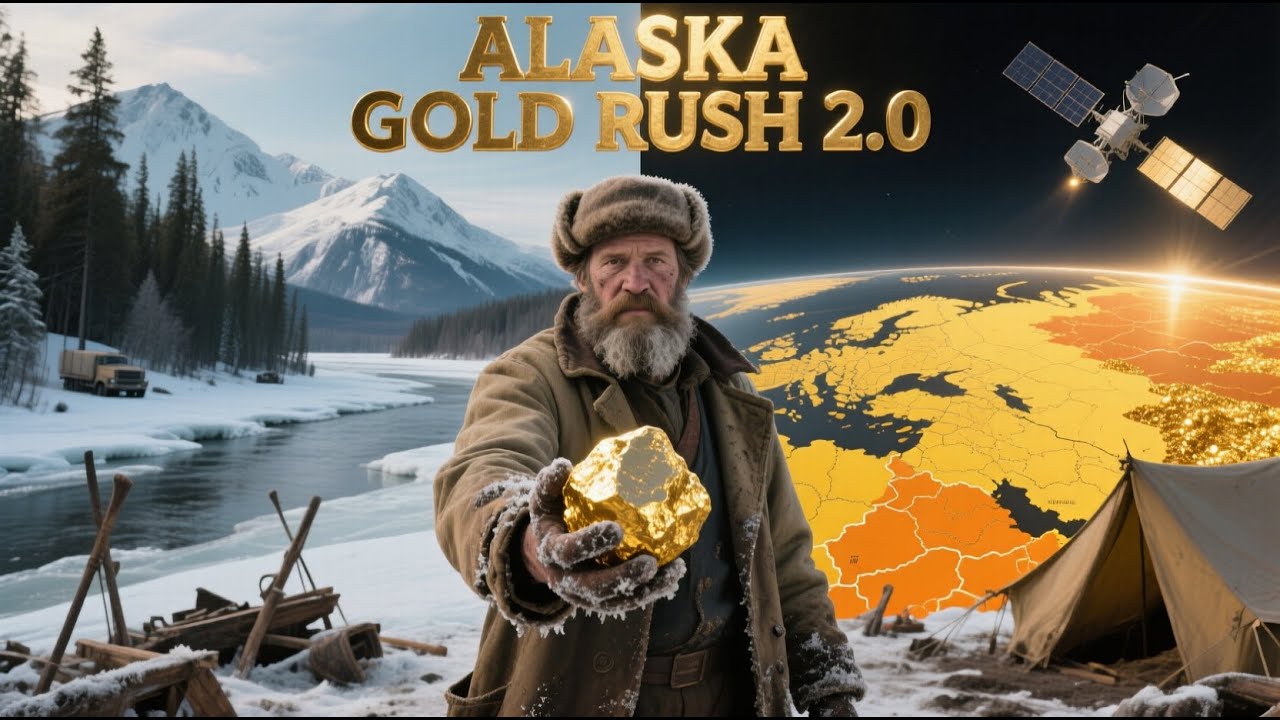
Historical Significance: Discovery & Early Gold Rush in Nome Alaska
The discovery of gold along the beaches near Nome, Alaska in 1898 sparked an intense rush, quickly transforming a remote outpost into a bustling hub virtually overnight. Unlike traditional gold rushes, often centered around hard rock mining, Nome’s deposits were unique placer sands, found directly along the coastline and within local riverbeds. This made extraction relatively accessible, even to those with simple tools and little experience, inviting a vast influx of prospectors from across America and beyond.
The gold rush in Nome Alaska was so intense that the population swelled from a few hundred to over 20,000 within a single year, laying the groundwork for regional development, infrastructure expansion, and ultimately, Alaska’s growing importance as an economic resource center.
The unique, accessible nature of Nome’s placer beach gold made it possible for thousands of miners, including those without complex equipment or formal training, to stake claims and participate in one of the world’s last great gold rushes. This democratization of mining set Nome apart in gold rush history.
Fact 1: The Unique Nature of Nome’s Placer Gold Deposits
Nome Alaska gold is predominantly found in placer deposits—loose particles concentrated by the movement of water, wind, and glacial action over geological time scales. These deposits made Nome’s beach gold both abundant and accessible, attracting a diverse and often inexperienced group of miners eager to try their luck.
- ✔ Gold in Nome Alaska is primarily placer, not hard rock, making extraction possible without extensive tunneling or blasting.
- 📊 Placer deposits often contain fine gold particles mixed with gravels and sands, creating unique recovery challenges and opportunities.
- ⚠ Environmental impact on beach ecosystems was high during historic rushes, prompting modern advances in reclamation and sustainability.
- ✔ Even today, gold remains in Nome’s beach and river sands, supporting ongoing small-scale and mechanized mining operations.
- 📊 Farmonaut’s satellite-based mineral detection can enhance placer deposit targeting, minimizing surface disturbance and exploration costs.
Learn more about satellite-based mineral detection benefits.
Fact 2: Gold Rush in Nome Alaska—Population Influx & Lasting Regional Development
The influx of prospectors in 1900 transformed Nome from a remote, sparsely populated outpost to the most populous town in Alaska, outpacing even Seattle and San Francisco as key departure points for hopeful miners heading north. This population boom fueled rapid expansion in housing, commerce, transportation, and public services, much of which forms the foundation of Nome’s modern infrastructure.
Regional development accelerated by the Nome gold rush laid the groundwork for Alaska’s status as a key mineral resource hub. Modern investors should appreciate Nome’s maturity as both a resource center and an administratively robust community, supporting scalable operations.
Long-term Benefits: The population and wealth generated by gold mining supported educational growth, healthcare facilities, and transportation systems that continue to underpin Nome’s resilience, despite the challenging arctic climate.

- 🏘 Rapid Urbanization: Thousands of homes and businesses constructed in months
- 🚢 Port Development: Nome port became key Arctic shipping and supply center
- 🛤 Transportation: Expansion of trail, wagon, and later airstrip networks supporting mining
- 🏫 Public Services: Schools, hospitals, and law enforcement established for growing population
- 🔑 Legacy: These early investments created enduring infrastructure for current and future growth
Fact 3: Advancements in Modern Mining Operations in Nome
Nome is no longer just a relic of history—its gold still underpins economic activity, using cutting-edge modern mining techniques unimaginable to early 20th-century prospectors. Today, companies and individual claimholders utilize a blend of mechanized dredging, advanced placer mining equipment, and environmental safeguards to ensure efficient extraction and responsible land management.
- ✔ Mechanized dredges—both on land and sea—extract gold-bearing sands at scale, increasing yields vs. hand tools.
- 📊 Use of satellite and drone surveys enables precise mapping of target zones and identification of new placer and subsurface deposits.
- ✔ Modern operations are strictly regulated on water usage, sediment management, and reclamation, ensuring sustainability.
Modern gold mining in Nome Alaska is not just about extraction, but maximizing economic value while minimizing environmental impact. Companies focus on operational efficiency, yield optimization, and integration with community and regional priorities.

Future mineral exploration in Alaska—especially in challenging terrains like the Seward Peninsula—can be drastically improved by leveraging satellite-driven 3D mineral prospectivity mapping. This approach provides high-resolution subsurface models, reduces unnecessary drilling, and enhances investment targeting.
Explore the benefits of satellite-driven 3D mapping.
“Modern Nome mines produce about 100,000 ounces of gold annually, leveraging sustainable extraction technologies.”
- 💡 Advanced Dredging: Boosts recovery of fine placer gold from ocean floor and ancient beaches
- 🌱 Sustainable Practices: Reclamation and water management integral to every modern project
- 📈 Economic Diversification: Gold revenue supports both mining jobs and broader regional industry
- 🔬 High-Tech Exploration: AI, satellite, and geospatial data drive efficient prospecting and risk reduction
- 👷 Year-Round Mining: Innovations in logistics and warming techniques allow for extended operational windows—even in harsh Arctic conditions
Fact 4: Environmental Management and Regulatory Challenges
Nome sits at the nexus of economic opportunity and environmental stewardship. Its proximity to sensitive marine, riverine, and tundra ecosystems has led to some of the most rigorous mining regulations in Alaska and the broader Arctic.
- ✔ Water Usage: Strict controls on the diversion, consumption, and discharge of water used in extraction.
- ⚠ Sediment Management: Monitoring of runoff and fines to prevent siltation and aquatic habitat loss.
- 🌱 Reclamation Standards: Sites must be recontoured, stabilized, and reseeded after mining, often restoring wildlife corridors and native vegetation.
- 📑 Permitting: A multi-agency framework (local, state, federal) guides business, environmental, and safety compliance.
Modern Nome Alaska gold operations have evolved to meet strict ecological standards, allowing for sustainable yield while ensuring the long-term health of the region’s marine and terrestrial resources.

Overlooking stringent permitting and reclamation requirements remains a top risk for newcomers to Nome. Full environmental compliance is not optional and must be budgeted for from the very start of any mining initiative.
Fact 5: Infrastructure Growth and Community Impact in Nome
The cascading benefits of the historic Nome Alaska gold rush extend into nearly every aspect of regional development. The ongoing economic contribution of mining enhances essential services, supports the education and health needs of local residents, and provides stable jobs despite the volatility typical of single-resource towns.
- ✔ Port of Nome: Key hub supporting not just gold, but all Arctic commerce—vital as northern shipping routes expand with reduced sea ice.
- ✔ Airfields and Telecommunications: Provide critical connections for shipping equipment, workers, and emergency response.
- ✔ Reinvestment: Tax revenue and direct mining jobs uplift local schools, fuels utility improvements, and builds long-term resiliency against climate and market risks.
Nome’s infrastructure, once built for a boom, is now leveraged for year-round strategic advantage. Growing Arctic access and diversified industry demand mean infrastructure investments today will power the region’s economy for decades.

Fact 6: Nome’s Ongoing Role in Alaska’s Mineral Production
Despite shifts in market dynamics and physical depletion of easily accessible placer gold, Nome remains a critical contributor to Alaska’s mineral production. Annual output—in excess of 100,000 ounces in the 2020s—demonstrates not only the region’s lasting promise but the power of innovation and adaptive management to keep mining viable and sustainable.
- ✔ Continuous Exploration: Ongoing geophysical and geochemical surveys seek new subsurface sources beyond surface placers.
- 📊 Advanced Intelligence: Satellite-based analytics (such as those we offer at Farmonaut) can pinpoint high-potential mineralized zones without initial ground impact, speeding up the exploration pipeline while supporting environmental goals.
Discover our satellite-based mineral detection solutions. - ✔ Regional Center: Nome’s expertise, infrastructure, and logistics serve as a wider support base for Arctic and interior Alaska mining projects.
Nome, Alaska gold is still at the forefront of both traditional placer mining and emerging extraction frontiers as the region evolves in response to shifting climate and technological opportunity.

Fact 7: Outlook for Gold in Nome Alaska—2026 & Beyond
As we look toward 2026 and the next generation of gold rushes in Nome Alaska, mining will be defined by:
- ✔ Technological Advancements: More efficient machinery, AI-driven prospectivity analytics, and sustainable mining practices.
- ⚠ Climate Change Impacts: Thawing permafrost and changing hydrology pose both obstacles and opportunities for adaptation.
- 📈 Broader Market Demand: Growing global need for gold and strategic minerals supports investment and exploration.
- 🌍 Sustainability Focus: Enhanced environmental management as a core industry commitment, not just a regulatory checkbox.
- 🔗 Integrated Arctic Strategies: Nome’s port, logistics, and knowledge base position it as a strategic gateway for future resource extraction and Northern trade.
Innovations like satellite-based 3D prospectivity mapping (see our capabilities here) and environmentally responsible exploration practices will define the region’s next chapter, ensuring both economic prosperity and ecological stewardship.
Nome is set to maintain its role as an innovation hub for Arctic mineral extraction, thanks to a combination of proven infrastructure, advanced technology, and a steadfast commitment to sustainable community development.
Comparative Timeline Table: Nome’s Gold Mining Milestones & Modern Sustainability
| Year/Period | Event/Development | Estimated Gold Production (oz) | Technology/Method Used | Environmental/Social Impact |
|---|---|---|---|---|
| 1898–1905 | Discovery and Initial Rush | 2,000,000+ | Manual panning, sluices, rocker boxes | High (unregulated land use, ecosystem disruption, rapid urban growth) |
| 1910–1925 | Mechanized Expansion | Annual peaks: 250,000+ | Dredging, early mechanized equipment | Medium/High (larger footprints, limited reclamation) |
| 1945–1980 | Transition & Decline | 50,000–100,000 (per year) | Small-scale mining, some mechanization | Medium (early environmental standards emerging) |
| 1980–2010 | Introduction of Modern Sustainable Mining | 70,000–120,000 (per year) | Advanced dredges, initial environmental regulations | Medium/Low (mandatory reclamation, habitat protection begins) |
| 2020–2026 | Present-Day Operations | Approx. 100,000 (per year) | Mechanized, AI and satellite-driven exploration, strict environmental safeguards, reclamation | Low (regulated, sustainable practices, community engagement) |
Satellite Intelligence & Sustainable Mining: Farmonaut’s Role in Modern Exploration
In today’s landscape, mineral discovery and resource extraction increasingly rely on digital intelligence and advanced analytics. At Farmonaut, we provide cutting-edge satellite-based solutions for early-stage mineral prospectivity mapping, subsurface target identification, and investment decision support.
- ✔ Earth Observation: Our multispectral and hyperspectral satellite analysis identifies mineralized zones, alteration patterns, structural features (faults/fractures), and optimal drilling locations without surface disruption.
- 📊 Efficiency & Savings: Reduce exploration timelines by up to 85%, saving you time and minimizing environmental footprint during the critical early stages of mining projects.
- 🌱 Sustainable Exploration: No ground impact—from discovery through target validation—aligns with modern environmental management mandates vital for operations in ecologically sensitive regions like Nome, Alaska.
- 📈 Comprehensive Reporting: High-resolution, GIS-compatible outputs enable technical and commercial teams to prioritize targets and optimize field campaigns.
See how satellite-based mineral detection supports smarter mining. - 🔬 Global Perspective, Local Precision: Our proven platform has been deployed over 80,000+ hectares in 18+ countries, but is customizable for any local context—including the coastal placer sands and tundra deposits unique to Nome.
For organizations exploring new prospects in Alaska, and especially in placer-rich regions like Nome, Farmonaut’s satellite-driven 3D prospectivity mapping significantly derisks investment and operational decisions.
Want actionable mineral intelligence for your next project? Get a Quote or Contact Us today to explore the advantage of non-invasive, AI-powered mineral detection.
FAQ: Nome Alaska Gold Rush, Modern Mining & Mineral Exploration
1. What made the gold rush in Nome Alaska unique compared to other historical gold rushes?
The Nome gold rush was characterized by accessible placer gold in beach sands and riverbeds, rather than hard rock deposits. This allowed thousands of prospectors with simple tools to participate, rapidly transforming Nome into a regional center and fueling long-term economic growth.
2. How much gold does Nome produce today, and is mining still active?
Modern Nome gold mines collectively produce about 100,000 ounces of gold annually. Mining remains a vital part of the local and state economy, powered by a mix of traditional placer operations and advanced, sustainable extraction technologies.
3. How have mining practices evolved in Nome over the past century?
While initial operations relied on manual labor and basic tools, modern mining in Nome employs mechanized dredges, advanced environmental controls, satellite-driven exploration, and AI analytics for optimal yield and sustainable land management.
4. What environmental regulations guide gold mining operations in Nome?
Nome operates under strict multi-agency regulations covering water usage, sediment management, habitat protection, and mandatory site reclamation. Modern mining companies must balance productivity with ecological stewardship to ensure long-term viability and community acceptance.
5. How does satellite-based mineral detection work, and why is it relevant for Nome?
Satellite-based mineral detection analyzes reflected electromagnetic signatures from the Earth’s surface. Each mineral type produces unique spectral patterns, allowing Farmonaut’s proprietary algorithms to identify mineralized zones and subsurface structures non-invasively. This is especially relevant for exploring underexplored or environmentally sensitive areas like Nome, where minimizing disturbance is key.
6. What is the outlook for Nome’s gold mining industry in 2026 and beyond?
Nome is positioned for ongoing growth, with continued investment in exploration, sustainable practices, and infrastructure. Climate change presents both challenges and new opportunities as the Arctic becomes more accessible for shipping and extended mining seasons.
Conclusion: Nome, Alaska Gold Rush—A Living Legacy Shaping the Future
The gold rush in Nome Alaska was more than a short-lived scramble—it was the catalyst for last century’s regional transformation and today’s continued economic and environmental innovation. From its historic beach placer deposits to modern mechanized and satellite-driven techniques, Nome embodies the shifting narrative of American mining: adaptation, technological prowess, and responsible stewardship.
As we look toward 2026 and beyond, Nome remains a symbol of mining tenacity and regional development. The community’s deep roots, integrated infrastructure, and innovative spirit ensure that the legacy of the Nome Alaska gold rush will continue to shape not only local livelihoods but also the broader industry trends and sustainable extraction practices that define mineral exploration in the Arctic.
For the next generation of miners, geospatial analysts, or investors, Nome offers not just gold, but a blueprint for the future of responsible, data-driven mineral development. If you’re ready to leverage satellite intelligence to discover what lies beneath Alaska’s storied sands, get your mineral query quote or contact us for customized support.

Discussion
Questions, corrections or field experience? Share them below. First-time comments are reviewed before they appear, and your email is never published.
No comments yet. Be the first to add a question or your experience.

 Almosi SARL
 SRK Consulting
 Berks Gold Limited
 Mwerezi Minerals Company Limited
 Mining SARL
 SenGold Invest SAS
 Sean Mining Limited
 NTS Group (Pty) Ltd
 Mine4Africa
 Lithspo Minerals Limited
 Tintina Mining Group
 Dalgety Minerals Pty Ltd
 Vortex Minerals Pty Ltd
 Faith At Work (Pty) Ltd
 Geotech Mining Solutions plc

 Licence holder · Nigeria · Gold + lithium










