

Cereal Rye Cover Crop: 7 Key Benefits for 2026
Summary: Cereal Rye Cover Crop: A Vital Tool for Sustainable Agriculture in 2025
“Cereal rye cover crops can reduce soil erosion by up to 90% compared to bare soil.”
Table of Contents
- Introduction: Why Cereal Rye Cover Crop Matters in 2026
- What Is a Cereal Rye Cover Crop?
- The 7 Key Benefits of Cereal Rye Cover Crop for 2026
- 1. Soil Health Improvement
- 2. Weed Suppression and Reduced Herbicide Use
- 3. Nutrient Management and Nitrogen Scavenging
- 4. Erosion Control and Water Infiltration
- 5. Enhanced Organic Matter & Biomass Production
- 6. Wildlife Support and Cereal Rye for Deer
- 7. Flexibility in Cropping Systems and Climate Resilience
- Benefits Comparison Table
- Best Practices for Rye Cover Crop Management
- Cereal Rye for Sale & Seed Selection
- Farmonaut Technologies: Precision Management for Cover Crops
- Frequently Asked Questions
- Conclusion: Cereal Rye Cover Crop as a Vital Tool for Sustainable Agriculture in 2026
- Farmonaut App & API Access
Introduction: Why Cereal Rye Cover Crop Matters in 2026
In modern agriculture, facing increasing pressures from soil degradation, climate variability, and the mandate for environmental conservation, farmers must adopt robust, science-backed solutions. Amidst these challenges, the adoption of the cereal rye cover crop—also referred to as Secale cereale, winter rye for cover crop use—has gained significant prominence for 2026 and beyond. Cereal rye cover crops are now established as a vital tool in sustainable agriculture strategies, widely utilized across agricultural systems globally.
Why is cereal rye so popular? Its robust growth during cooler seasons makes it invaluable for off-season cover, while its ecological and agronomic benefits include improved soil health, weed suppression, nutrient management, and added support for wildlife such as deer. As a result, cereal rye grass is seeing unprecedented demand among farmers and land managers. In this comprehensive 2026 guide, we’ll explore how the use of cereal rye cover crop can help meet tomorrow’s sustainability and productivity goals, integrating expert insights and the latest technologies—including Farmonaut’s satellite-driven solutions.

What Is a Cereal Rye Cover Crop?
Cereal rye (Secale cereale), also referred to as rye cover crop or winter rye, is a hardy grass species widely utilized in agricultural systems throughout cooler climates. Its unique adaptability and vigorous growth make it a preferred cover crop for planting after main crop harvests. Winter rye is sown from late summer to early fall, establishing itself rapidly and surviving harsh winter conditions. This allows it to provide crucial ground cover when the soil is vulnerable to erosion and nutrient loss.
In diverse farming environments, rye cover crops are employed to:
- ✔️ Prevent soil erosion by wind and rain during off-season
- ✔️ Scavenge nitrogen and other residual nutrients left after cash crop harvests
- ✔️ Suppress weed growth through dense canopy shading
- ✔️ Enhance soil organic matter and overall soil health
- ✔️ Support wildlife and improve the agroecosystem balance
With numerous cereal rye for sale options and ever-increasing seed demand, contemporary farmers can select rye cultivars tailored for their unique climates, boosting resilience and productivity in 2026.
Cereal rye has the widest planting window of any cool-season cover crop, making it ideal for flexible integration in varied farming systems.

The 7 Key Benefits of Cereal Rye Cover Crop for 2026
Implementing a cereal rye cover crop delivers a multitude of interlinked benefits to both the environment and the farming system. Here’s a detailed look at these pivotal advantages and how they’re reshaping sustainable agriculture for 2026.
- 🌱 Soil Health: Improved structure, fertility & microbiome
- 🌿 Weed Suppression: Natural, dense canopy blocks weed establishment
- 💧 Nutrient Scavenging: Reduces leaching & pollution
- 🛡 Erosion Control: Shields and stabilizes soil year-round
- 🍂 Organic Matter: Boosts carbon, biomass, and long-term fertility
- 🦌 Wildlife Support: Forage and habitat for deer & biodiversity
- 🌎 Climate Smart: Enhances resilience, integrates with modern systems
“Using cereal rye may lower weed density by 40% in sustainable farms by 2026.”
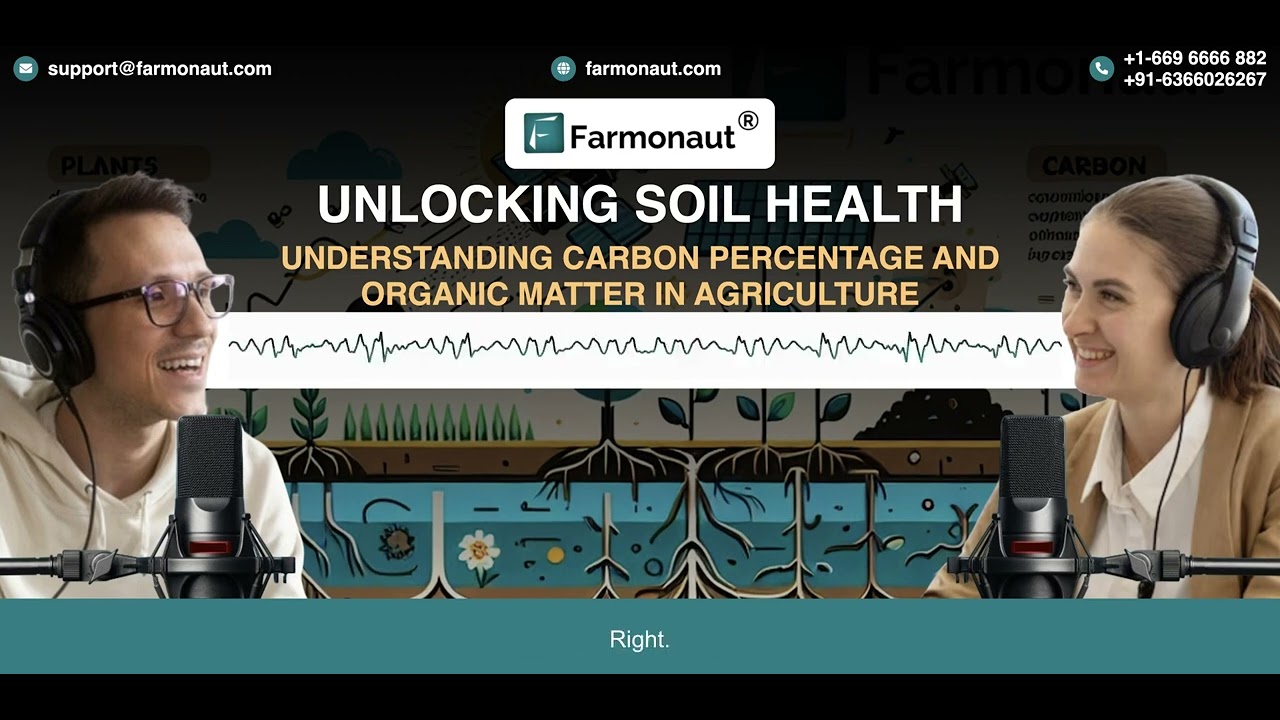
1. Soil Health Improvement
One of the primary reasons for the use of cereal rye as a cover crop is its remarkable impact on soil health. As a robust grass, cereal rye develops an extensive fibrous root system that:
- ✔ Improves soil structure and porosity
- ✔ Increases organic matter with its high-biomass residue
- ✔ Enhances water infiltration and retention, combating compaction
- ✔ Promotes healthy soil microbiomes essential for nutrient cycling
Scientific literature and on-farm reports for 2025–2026 show that continuous planting of winter rye cover crop can increase soil organic matter by 0.5–1% per year in intensively managed systems—a key metric for sustainable agriculture.
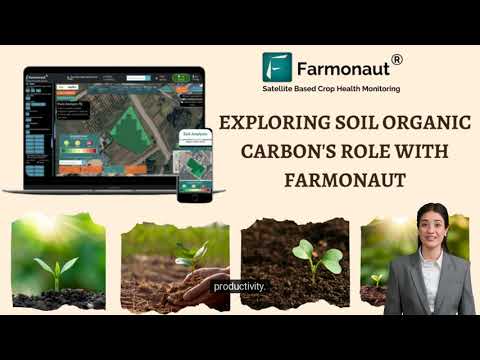
Use satellite-enabled monitoring (like Farmonaut’s NDVI and soil health tracking) to assess soil improvements year over year—see our Carbon Footprinting tools for tracking soil carbon sequestration.
2. Weed Suppression and Reduced Herbicide Use
Cereal rye cover crops are natural weed suppressants. Their rapid growth and dense, tall canopies shade the ground, inhibiting the germination and establishment of many problematic weed species, especially during spring flushes.
- 🌿 Dense rye cover shades soil, blocking sunlight for young weeds
- 📊 Plant residue releases allelopathic chemicals that further suppress weed growth
- ⚠ Reduces need for herbicides, supporting organic and sustainable farming objectives
Field studies project up to 40% reduction in weed presence by 2026 in systems with regular winter rye cover crop use. This directly translates to cost savings in weed management and reduced chemical input requirements.
Delaying rye cover crop termination in spring may lead to excessive biomass, which can impede cash crop planting. Timely management is critical!

3. Nutrient Management and Nitrogen Scavenging
Nutrient management is an essential consideration in agricultural systems. Cereal rye efficiently scavenges residual nitrogen and other nutrients left after main crop harvests, absorbing them through its extensive root system.
- 💧 Reduces nitrogen leaching into waterways, minimizing pollution
- 🌱 Retains fertility in the root zone for subsequent crops
- 🌿 Improved nutrient cycling as rye residue decomposes, releasing nutrients gradually
On average, winter rye cover crop can capture 30–50 kg N/ha, reducing nutrient runoff—a major step toward conservation and sustainable practices.
Sustainable nutrient management practices, including widespread rye cover crop adoption, are increasing farmland value and boosting ESG compliance ratings in 2026.

4. Erosion Control and Water Infiltration
Soil erosion is one of the leading threats to agricultural productivity and environmental quality. By providing year-round ground cover, cereal rye creates a living mat that protects against wind and rain, drastically reducing soil loss.
- 🛡 Up to 90% reduction in erosion compared to bare soil (2025–2026 projections)
- 💧 Improved soil moisture retention due to reduced runoff and better infiltration
- 🌧 Vital for land at risk from flooding or heavy rainfall patterns
This benefit is critical in regions with climate variability, contributing directly to long-term resilience and conservation goals.
Advanced satellite monitoring can pinpoint high-erosion risk zones. Leverage Farmonaut’s web and mobile platforms for large-scale farm management to target cover cropping precisely where it counts most.

5. Enhanced Organic Matter & Biomass Production
Cereal rye grass is a biomass powerhouse. Its vigorous growth and ability to thrive in cooler seasons result in significant biomass production. This provides:
- 🍂 Substantial surface residue post-termination
- 📈 Increased build-up of organic matter and soil carbon
- 🌱 Slow and steady decomposition releasing nutrients over time
Biomass from winter rye can exceed 4,000–7,000 kg dry matter per hectare at termination. This large input of organic matter is foundational for building resilient, fertile soils in any system.

6. Wildlife Support and Cereal Rye for Deer
Beyond the field, cereal rye plays a key ecological role. Many farmers and landowners integrate cereal rye for deer into their land management, as it offers forage for deer and other wildlife during critical winter months when other food sources are scarce.
- 🦌 Attracts deer away from sensitive or high-value crops
- 🌾 Provides habitat for ground-nesting birds and beneficial insects
- ❤️ Aligns with conservation practices and biodiversity objectives
Integrating cereal rye grass supports a healthier agroecosystem, aligning with modern sustainability principles and wildlife management frameworks.
7. Flexibility in Cropping Systems and Climate Resilience
Cereal rye cover crop is recognized for its unmatched adaptability:
- 🕒 Wide planting window works with late harvested crops
- 🏜 Drought and cold tolerance makes it viable across diverse climate zones
- 🌀 Resilience to climate extremes, ensuring reliable cover even in unpredictable years
- 🔀 Compatibility with no-till and reduced-till systems, preserving soil structure
As climate-smart agriculture practices become essential in 2026, winter rye stands out as a flexible, reliable tool for integrated land management.
- 📊 Increase in soil organic matter: 0.5-1%/year with regular use
- 📉 Reduction in nitrogen leaching: Up to 50 kg N/ha/year
- 🌱 Biomass yield: 4,000–7,000+ kg dry matter/ha
- ⚠ Erosion control: 80–90% vs. bare soil
- 🦌 Wildlife food supply: Essential during winter months
Benefits Comparison Table for Cereal Rye Cover Crop (2025–2026)
| Benefit | Estimated Impact (2025-2026) | Sustainability Contribution |
|---|---|---|
| Soil Health Improvement | +0.5–1% organic matter/year; improved structure & porosity | Promotes soil fertility, water retention, and resilient food systems |
| Weed Suppression | 40% reduction in weed density; fewer herbicide applications | Reduces chemical use and fosters ecological balance |
| Nutrient Management | Up to 50 kg N/ha captured and retained annually | Minimizes nutrient losses, supports water quality |
| Erosion Control | 80–90% less erosion vs. bare soil; increased infiltration | Preserves land, combats degradation and runoff |
| Biomass & Organic Matter | 4,000–7,000+ kg dry biomass/ha per year | Improves soil carbon levels, long-term sequestration |
| Wildlife Support | Critical winter food for deer; habitat for birds | Encourages biodiversity, resilience, and ecological services |
| Cropping Flexibility & Climate Resilience | Adaptable to various timings, drought, and cold events | Enables robust, climate-smart farming for the future |
Our subscription plans provide affordable, real-time monitoring and decision support for maximizing cover crop benefits.
See the Farmonaut subscription options below:
Best Practices for Rye Cover Crop Management
To fully realize the benefits of cereal rye cover crop, attentive management is essential. Here’s a 2026-focused guide:
- Optimal Planting Time: Sow 2–4 weeks before first killing frost to ensure quick establishment and winter survival.
- Seed Rate & Depth: Use certified seed at 70–110 kg/ha; plant 2–5 cm deep for ideal emergence and coverage.
- Termination Timing: Terminate in early spring (before heading), using rolling, mowing, or herbicides (compatible with organic practices for certain systems).
- No-Till Integration: In no-till systems, leave rye residue as mulch to conserve moisture and protect emerging seedlings.
- Crop Rotation Compatibility: Rye can precede corn, soybeans, vegetables, or specialty crops; adjust termination to minimize residue impacts.
Source cereal rye for sale from reliable suppliers with certified germination rates. Choose cultivars tailored for local climates and desired outcomes (biomass, forage, or fast establishment).
- ⏳ Timely Planting: Ensures winter survival and optimal biomass generation.
- 🔬 Seed Quality: Certified seeds offer robust growth and uniform coverage.
- 🛠 Adaptive Termination: Tailor methods to your equipment and cropping goals.
- 🌱 No-Till/Conservation Tillage: Enhance sustainable outcomes by leaving residue.
- 🔁 Rotation Planning: Integrate rye in multi-year, multi-crop strategies for best effect.
Cereal Rye for Sale & Seed Selection in 2026
The demand for cereal rye seed has risen in step with the global push for sustainable agriculture and regenerative practices. Seed suppliers in 2026 offer a wide range of cultivars tailored to different temperature zones, biomass needs, forage value (for deer and wildlife), and cropping goals.
Consider these best practices when selecting cereal rye seed:
- Assess Local Climate Needs: For northern, colder regions, choose highly cold-tolerant cultivars. For southern climates, select fast-establishing options.
- Purpose-fit Selection: For mainly cover and biomass, choose high-yielding varieties; for cereal rye for deer or dual-use, select palatable forage types.
- Buy Certified Seed: Ensures vigor, disease-free status, and uniform field establishment.
- Check Germination Rates: Aim for >85% germination for the most consistent stand.
- Calculate Demand Early: Increasingly, farmers are advised to contract seed orders in advance due to high seasonal demand for cereal rye for sale.
Unlock greater access to farming loans and insurance using Farmonaut’s satellite-based crop verification. Streamline paperwork and reduce fraud risk with automatic coverage through our Crop Loan and Insurance verification platform.
For developers and agribusinesses: Integrate real-time soil and cover crop analytics via the Farmonaut API and see the developer documentation!
Farmonaut Technologies: Precision Management for Cover Crops
As satellite technology advances, precision agriculture tools offer new ways to improve cover crop management. At Farmonaut, we deliver up-to-date, affordable satellite-based monitoring and AI-driven advisory services—empowering farmers and agronomists to maximize the benefits of cereal rye cover crops while promoting sustainable agriculture.
What We Offer for Cereal Rye Cover Crop Management:
- 🛰️ Satellite-Based Monitoring: Track growth, ground cover, and soil health with NDVI and multispectral analytics.
- 🤖 AI-Powered Strategies (Jeevn AI): Receive tailored, real-time recommendations for seeding, termination, and nutrient management.
- 🔗 Blockchain-Based Traceability: Securely record cover crop practices for sustainability certifications and supply chain transparency. Learn about Farmonaut Traceability.
- 🌍 Environmental Impact Tracking: Quantify soil carbon sequestration, erosion risk, and nitrogen retention for ESG or policy reporting using Farmonaut Carbon Footprinting.
- 🛠️ Resource & Fleet Management: Optimize your soil management operations with live equipment tracking and efficient deployment.
Our platform is available via web, API, and Android/iOS apps, so you can take your cover crop management into the 21st century—efficiently, affordably, and sustainably.
Planning large-scale reclamation or agroforestry projects? Use Farmonaut’s forest advisory tools to monitor rye and companion covers, supporting biodiversity and landscape resilience.
Frequently Asked Questions: Cereal Rye Cover Crop in 2026
Q1: What makes cereal rye unique compared to other cover crops?
Cereal rye is the hardiest and most adaptable cool-season grass cover crop. With its robust growth, wide planting window, and cold/drought tolerance, it surpasses alternatives for soil protection and flexibility.
Q2: When is the best time to plant a winter rye cover crop?
Plant winter rye in late summer to early fall, ideally 2–4 weeks before your region’s first killing frost, to ensure sufficient establishment before cold sets in.
Q3: How do I terminate cereal rye before planting cash crops?
Common termination methods include mowing, rolling/crimping, or herbicide application (in line with no-till or conservation-till systems). For organic systems, mowing at heading is highly effective.
Q4: Can cereal rye cover crops be used for wildlife, specifically deer?
Yes. Cereal rye cover crops are highly palatable to deer, serving as both a forage crop in food plots and a tool to draw deer away from valuable commercial crops during winter.
Q5: What tools does Farmonaut offer for monitoring cover crop success?
Farmonaut provides satellite-based monitoring, AI-advisory for cover crop practices, and impact tracking (soil carbon, nitrogen, erosion) through subscription and API access.
Start Farmonaut Web App
Conclusion: Cereal Rye Cover Crop as a Vital Tool for Sustainable Agriculture in 2026
As global agriculture continues to evolve, cereal rye cover crop stands out as an essential, climate-smart strategy for meeting the rising challenges of soil degradation, nutrient loss, weed infestation, and biodiversity decline. With proven benefits—from improved soil health and erosion control to natural weed suppression and wildlife support—rye cover crops are the backbone of sustainable agricultural systems worldwide.
2026 will see even greater emphasis on cover crop-based management, driven by market, regulatory, and climate realities. With easy access to cereal rye for sale, modern digital tools for crop monitoring, and an expanding body of best practices, farmers, land managers, and policy-makers have every reason to harness the transformative power of winter rye cover crops.
Let’s make every acre count: invest in cereal rye cover crop management for resilient, profitable, and truly sustainable land stewardship.
Ready to take your cover cropping to the next level? Discover Farmonaut’s large-scale farm management suite and satellite insights for precision field and cover crop monitoring in 2026!
Farmonaut App & API Access



Easily integrate Farmonaut API for cover crop and field analytics:
Farmonaut API Homepage — See the API Developer Documentation for setup and features.
Discussion
Questions, corrections or field experience? Share them below. First-time comments are reviewed before they appear, and your email is never published.
No comments yet. Be the first to add a question or your experience.

 Blue BearX
 Insignito
 Croptimum
 Dalmia Bharat Sugar
 DnCubed
 Pistachio ST
 Field Capacity
 Indosistim Teknologi
 Liquify Digital
 CU Foods
 BeyondTech Global
 Rouge VC
 AgroGreen Dynamics
 AgroRisk
 Oath Inc
 Reddane Farming
 Esri North East Africa
 Cresol
 MDCV UK
 Licence holder · Niger · Gold










