

Simbrah Bull, Simbrah Cow: 7 Traits for 2026 Farming
In the evolving landscape of agriculture and livestock farming, securing high productivity and sustainability is paramount. Among the various cattle breeds, the Simbrah bull and Simbrah cow stand out as vital assets for future-ready farming and sustainable growth.
Table of Contents
- Trivia
- The Significance of Simbrah Cattle in Modern Agriculture
- Origin and Genetic Composition
- 7 Key Traits of Simbrah Bulls and Cows for 2026
- Comparison Table: Simbrah Bull vs Simbrah Cow
- Sustainable Farming with Simbrah Cattle
- Economic Impact & Market Relevance
- Future Prospects: Simbrah Cattle & Research
- Farmonaut: Empowering Sustainable Livestock Farming with Technology
- Frequently Asked Questions (FAQ)
- Conclusion
- Farmonaut Subscriptions
In 2026, Simbrah bull and Simbrah cow offer unmatched adaptability for sustainable livestock farming—ensuring high productivity despite climate extremes and resource constraints.
The Significance of Simbrah Cattle in Modern Agriculture and Livestock Farming
The simbrah bull, simbrah cow have rapidly gained prominence among diverse cattle breeds, particularly due to their high adaptability and sustained productivity in sustainable farming systems worldwide. As the urgency increases to balance food security with ecological stewardship, Simbrah cattle’s traits—from heat and disease resistance to feed efficiency and superior meat quality—make them especially appealing for farmers investing in future-proofed livestock operations.
Why Are Simbrah Cattle Vital for Farming in 2026?
- ✔ High adaptability in both tropical and subtropical zones
- 📊 Sustainable meat and milk production under changing climatic and market conditions
- ⚠ Reduced environmental impact due to efficient feed and water usage
- ✔ Economic resilience for farmers in the face of price fluctuations
- ✔ Crucial role in genetic improvement of local cattle breeds
Origin and Genetic Composition of Simbrah Bulls and Cows
The simbrah breed is a remarkable hybrid, developed by crossing two globally respected cattle: the Brahman and Simmental. This unique genetic combination leverages the heat tolerance and disease resistance of Brahman with the superior meat quality, growth rate, and milk yield from Simmental.
Developed on the US Gulf Coast in the late 1960s and first registered by the American Simmental Association in 1977 (The Cattle Site), Simbrah cattle quickly gained popularity in tropical and subtropical regions due to their ability to thrive in harsh environments. Their development aimed to create a breed that would perform outstandingly in challenging conditions—characteristics that resonate even more powerfully with contemporary sustainable agriculture goals.

Genetic Leverage and Environmental Adaptation
- ✔ Brahman genetics: Deliver resilience in heat, disease, and parasites
- ✔ Simmental genetics: Ensure high productivity in meat and milk production
- ✔ Hybrid vigor: Results in robust physical build and effective feed conversion
- ✔ Low maintenance cost: Require less veterinary intervention and input
If you’re looking to maximize both beef and milk yields sustainably in 2026, prioritize the Simbrah cattle breed—especially in climates with high heat and seasonal variation.

Simbrah vs Simbra: the breed standards
Simbrah and Simbra are the same basic cross, Simmental on Brahman, run by two different registries. The spelling usually tells you which country the animal comes from.
Simbrah (United States). Cattlemen on the Gulf Coast began crossing Simmental with Brahman in the late 1960s. The American Simmental Association keeps the herdbook and first registered the cattle in 1977, under the name Brahmental. Animals of 5/8 Simmental and 3/8 Brahman are registered as purebred Simbrah. Other mixes with at least 1/8 Simmental, at least 1/8 Brahman and no more than 3/8 other breeds are registered as percentage Simbrah, according to the Drovers breed profile.
Simbra (southern Africa). The first Simbra in South Africa was registered in 1986. The registry covers South Africa, Namibia and Botswana. Breeders may shift the Simmentaler-to-Brahman ratio to suit their climate, and 5/8 Simmentaler x 3/8 Brahman is the most common mix. Cows average about 450-580 kg and bulls 600-800 kg, and fertility is the first selection criterion (SouthAfrica.co.za).
What they look like. Both are medium-framed and carry a slight hump. Their ears are a little larger than those of European breeds. Most are red or black, often with white on the face.
Simbrah is a beef breed. The Simmental side brings fertility, milking ability for raising calves, and growth. The Brahman side brings heat and insect tolerance and good foraging.
7 Key Traits of Simbrah Bulls and Cows for 2026 Farming
Let’s explore the seven essential traits that make simbrah bull, simbrah cow pivotal for high productivity, sustainability, and future-focused livestock farming:
- Heat Tolerance – Brahman genetics give heat and insect tolerance, so the cattle keep grazing and gaining in hot, humid weather
- Disease Resistance – Natural resilience to local diseases and parasites reduces veterinary interventions
- Feed Efficiency – Optimized metabolism in both bulls and cows, enabling better weight gain or milk yield on the same—or even fewer—inputs
- Growth Rate – Simbrah bulls show rapid weight gain in progeny, crucial for meat production
- Milking Ability – Simbrah cows inherit Simmental milking ability, which helps them raise heavy calves; the breed is kept for beef, not dairy
- Foraging Ability – The Brahman side forages well on rough pasture, which suits low-input grazing systems
- Longevity – Robust health and genetics lead to longer productive lifespans, reducing replacement frequency and resource use
- 🌱 Ensuring sustainability even with rising global temperatures
- 📈 Enabling economic resilience in volatile markets
- 🔬 Contributing significantly to herd genetic improvement programs
- 💡 Strong maternal traits for raising beef calves
- 🌍 Minimizing environmental impact through lower water and feed requirements
As global food security and climate adaptation drive agricultural investment, Simbrah cattle genetics offer durable value in both developed and emerging markets—making them a strategic asset for 2026 and beyond.
Comparison Table: 7 Key Traits of Simbrah Bull vs Simbrah Cow
- 🔁 Resilience: Withstand intense heat, drought, and disease, minimizing losses
- ⚡ Productivity: Maintain high milk and meat outputs even in harsh environments
- 🛡 Efficient Inputs: Thrive on less feed, water, and medical intervention
- 🌍 Eco-Friendliness: Lower carbon footprint aligns with global sustainability goals
- 💸 Profitability: Provide steady returns and diversified income sources
Underestimating the long-term savings from Simbrah bulls’ and cows’ efficiency and disease resistance can lead to lost profits and unsustainable resource use.
Sustainable Farming with Simbrah Cattle: Adaptability Meets Environmental Resilience
For farmers seeking sustainable solutions, Simbrah cattle address the full spectrum of climatic and resource-related challenges:
- 🌱 Adaptability to hot, humid, and arid climates: Thrive where many European breeds fail
- 🌊 Water efficiency: Simbrah cows are ideal for zones with water scarcity
- 💪 Reduced need for pharmaceuticals: Natural resistance to local diseases and parasites
- 🌾 Dual-purpose productivity: Offer both beef and milk production in integrated farming systems
- 📉 Lower carbon footprint: Less reliance on chemical inputs, reduced emission through efficient feed-to-output conversion
Eco-Friendly Practices for the Modern Agricultural Landscape
Choosing simbrah bull, simbrah cow for herd enhancement not only improves output but also aligns with modern, sustainable agriculture practices. Farmers benefit from:
- 🌍 Resilience to climate change: Simbrah cattle provide a buffer against increasing temperature and precipitation variability
- 🌾 Compatibility with agroforestry: Graze efficiently under tree canopies, contributing to carbon sequestration and ecosystem health
- 📈 Support for sustainable food production programs: By thriving under low-input systems, Simbrah cattle underpin food security in emerging markets
Simbrah cattle significantly reduce agriculture’s environmental burden through efficient natural resource use, making them a cornerstone for climate-smart and regenerative farming initiatives in 2026.
For those seeking advanced monitoring of environmental impact, we at Farmonaut offer specialized carbon footprinting solutions for agriculture—including livestock. This technology helps quantify emissions and optimize resource use, supporting your path to greener farming.



- ✔ Suitable for integrated crop-livestock systems
- ✔ Ideal for carbon farming and regenerative practices
- ✔ Sustainable food source amid resource scarcity
- ✔ Maintains productivity under variable climates
- ✔ Reduces dependency on pharmaceuticals and intensive cooling systems
Economic Impact & Market Relevance of Simbrah Cattle
Simbrah cattle have rapidly become a cornerstone in attaining economic resilience for many farmers, particularly within emerging global markets. Their ability to diversify income through both beef and milk production is critical for ensuring market stability as commodity prices fluctuate.
- 💰 Beef production: Simbrah are known for lean, high-quality beef (The Cattle Site)
- 🥛 Milk production: Simbrah cows are good mothers with enough milk to raise fast-growing calves
- 🔗 Crossbreeding programs: Enhance local cattle genetics without sacrificing adaptability, supporting emerging food security programs in 2026 and beyond
Farmers can quickly escalate their income with less dependency on costly farm inputs—which translates to stronger rural economies and steps towards food self-sufficiency. This is particularly vital for tropical and subtropical regions where harsh seasonal changes impact agricultural output.
To further empower modern agricultural business, we at Farmonaut provide fleet management solutions that optimize logistics for large-scale cattle farming, lowering operational costs and improving the efficiency of your Simbrah livestock operations.
Growing demand for sustainable beef and dairy in both local and international markets positions Simbrah cattle as a premium breed for market-driven agriculture in 2026.

Future Prospects: Simbrah Cattle & Research in 2026 and Beyond
As we collectively look forward, the future of simbrah bull, simbrah cow in modern agriculture is set to be shaped by genetic advancements and digital agricultural technologies:
- 🧬 Genomic selection: Intensified breeding programs to enhance disease resistance and feed efficiency
- 🤖 Precision livestock monitoring: Integration with AI-driven systems for real-time herd health data
- 🌿 Agroforestry integration: Fostering biodiversity and carbon sequestration alongside cattle production
- 🔬 Research into nutrition: Further reducing input costs and carbon emissions through novel feeding strategies
Our blockchain-based traceability at Farmonaut supports transparency in cattle supply chains, giving buyers and regulators confidence in the sustainability of Simbrah breed beef and dairy products.
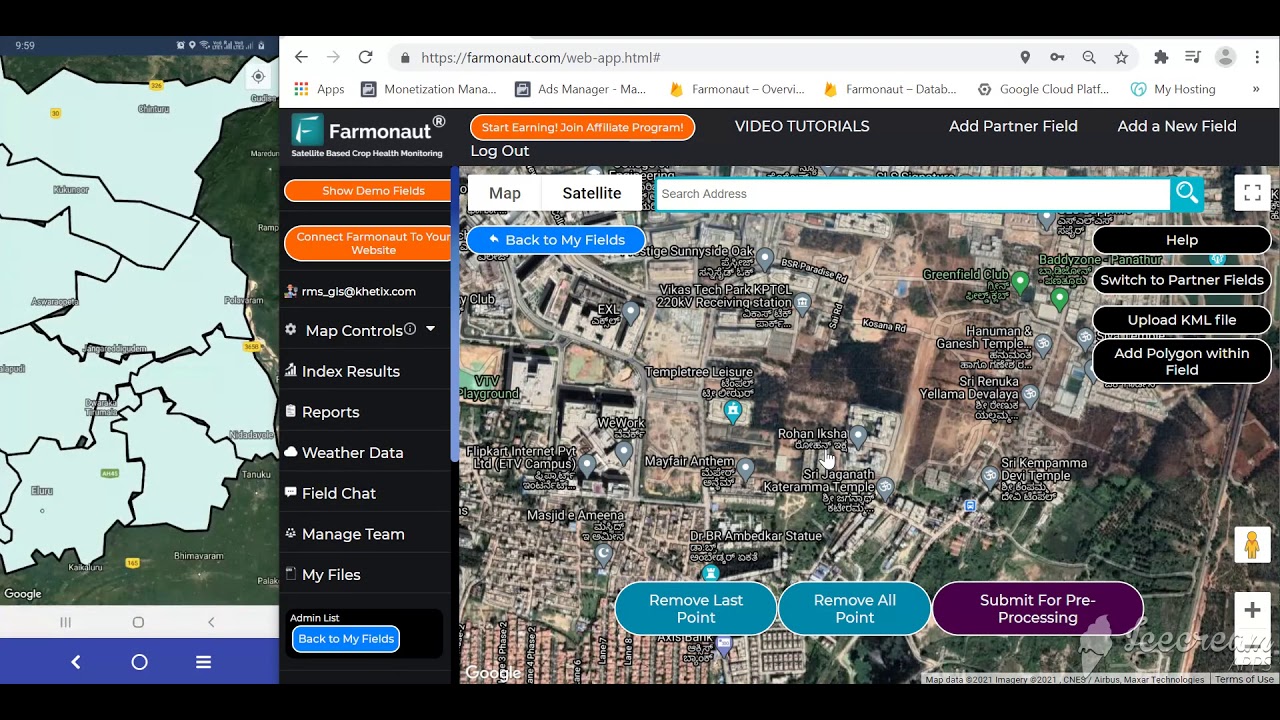
For those managing vast or institutional-scale herds, our large scale farm management platform simplifies planning, resource assessment, and monitoring—ensuring your Simbrah livestock stay productive and healthy as your operations expand through 2026 and beyond.
For developers or data scientists, our Farmonaut API and extensive developer documentation allow seamless integration of satellite monitoring, resource tracking, or cattle health analytics directly into your herd management tools or farm dashboards.
For diversified operations (crop, cattle, forestry), use Farmonaut’s crop plantation and forest advisory to optimize land use and maximize the synergies of Simbrah cattle in integrated systems.
Farmonaut: Empowering Sustainable Livestock Farming with Technology
At Farmonaut, our commitment is to make satellite-driven insights and AI-based advisory affordable and accessible to all livestock farmers, businesses, and governments worldwide.
Key features for Simbrah cattle and modern agricultural systems include:
- 🛰 Satellite-based monitoring: Tracks pasture health, water availability, and grazing patterns for optimal herd nutrition
- 📲 AI-driven livestock advisory: Provides real-time weather, disease, and pasture management advice
- 🔒 Blockchain traceability: Verifies the full supply chain journey of Simbrah meat and dairy products
- 🚛 Fleet and resource management: Reduces operational and fuel costs, maximizing returns on herd movement and logistics
- 🌱 Environmental impact tracking: Monitors emissions and supports transition to net-zero, carbon-smart farming
By leveraging our affordable and scalable solutions, farmers using Simbrah cattle can confidently advance toward a more resilient, technologically enabled, and environmentally responsible farming future.
Farmonaut Subscription Plans
Choose from flexible, value-driven subscription options to power your Simbrah livestock or sustainable farm management needs for 2026 and beyond:
Frequently Asked Questions (FAQ): Simbrah Bull, Simbrah Cow & Sustainable Livestock Farming
Simbrah cattle are hybrids developed from crossbreeding Brahman and Simmental. This unique combination delivers both heat/disease resistance and high productivity in meat and milk.
Q2: Are Simbrah bulls suitable for tropical and subtropical farming?
Yes, Simbrah bulls are highly suited to these climates, with Brahman heat and insect tolerance; the breed was first developed on the hot, humid US Gulf Coast—making them ideal for sustainable cattle farming in 2026.
Q3: How do Simbrah cows contribute to sustainable food production?
Simbrah cows forage well and raise heavy calves in hot climates where many European breeds struggle, which keeps beef output steady on lower inputs.
Q4: What tools are available for tracking and optimizing my Simbrah herd?
We at Farmonaut offer satellite-based monitoring, carbon footprinting, blockchain traceability, and fleet management solutions to keep your operations efficient and environmentally responsible.
Q5: Can Farmonaut’s technologies integrate with existing farm systems?
Absolutely. Our API and developer tools allow seamless integration for all sizes of agricultural operations, including Simbrah-focused livestock management apps or dashboards.
Conclusion: Shaping the Future of Sustainable Farming with Simbrah Cattle
In summary, the simbrah bull, simbrah cow have emerged as vital assets in modern agriculture, blending adaptability, productivity, and environmental efficiency. Their unique traits—heat and disease resistance, efficient feed conversion, and robust dual-purpose production—enable farmers to remain resilient as global conditions shift.
By integrating sustainable breeds such as Simbrah into livestock operations, and leveraging cutting-edge monitoring and management tools like those provided by us at Farmonaut, you are making a strategic investment in food security, rural prosperity, and environmental responsibility for 2026 and beyond.
Explore Farmonaut’s tools and move towards a data-driven, sustainable, and future-proofed cattle farming operation today!
Discussion
Questions, corrections or field experience? Share them below. First-time comments are reviewed before they appear, and your email is never published.
No comments yet. Be the first to add a question or your experience.

 AgroGreen Dynamics
 Leher
 AgroRisk
 Oath Inc
 Reddane Farming
 Esri North East Africa
 Cresol
 Atur Kuliner
 MDCV UK
 Zerella Group
 Etech Consulting Madagascar
 Vestlandsforsking
 Agritein
 Delicio
 WB Dev
 Sama Premium
 Prochecker
 Tres Valles
 LACOS Geoinformation
 Magrifly
 LatConnect 60
 Blickwinkel
 Agricultural Credit Policy Council

 Exploration consultancy · South Africa · Gold
 Licence holder · Niger · Gold










